We may earn money or products from the companies mentioned in this post. This means if you click on the link and purchase the item, I will receive a small commission at no extra cost to you ... you're just helping re-supply our family's travel fund.

Across the United States, more restaurants have begun adding “service fees” to bills, often ranging anywhere from 5% to 22%, creating confusion for millions of visitors each year. Many diners assume these charges replace a traditional tip, while others discover they are simply additional operational surcharges layered on top of tax and gratuity lines. Because explanations vary widely, travelers often feel uncertain, misled, or pressured to overpay, especially in famous tourist cities where dining is already expensive and fast-paced.
1. Washington, D.C.
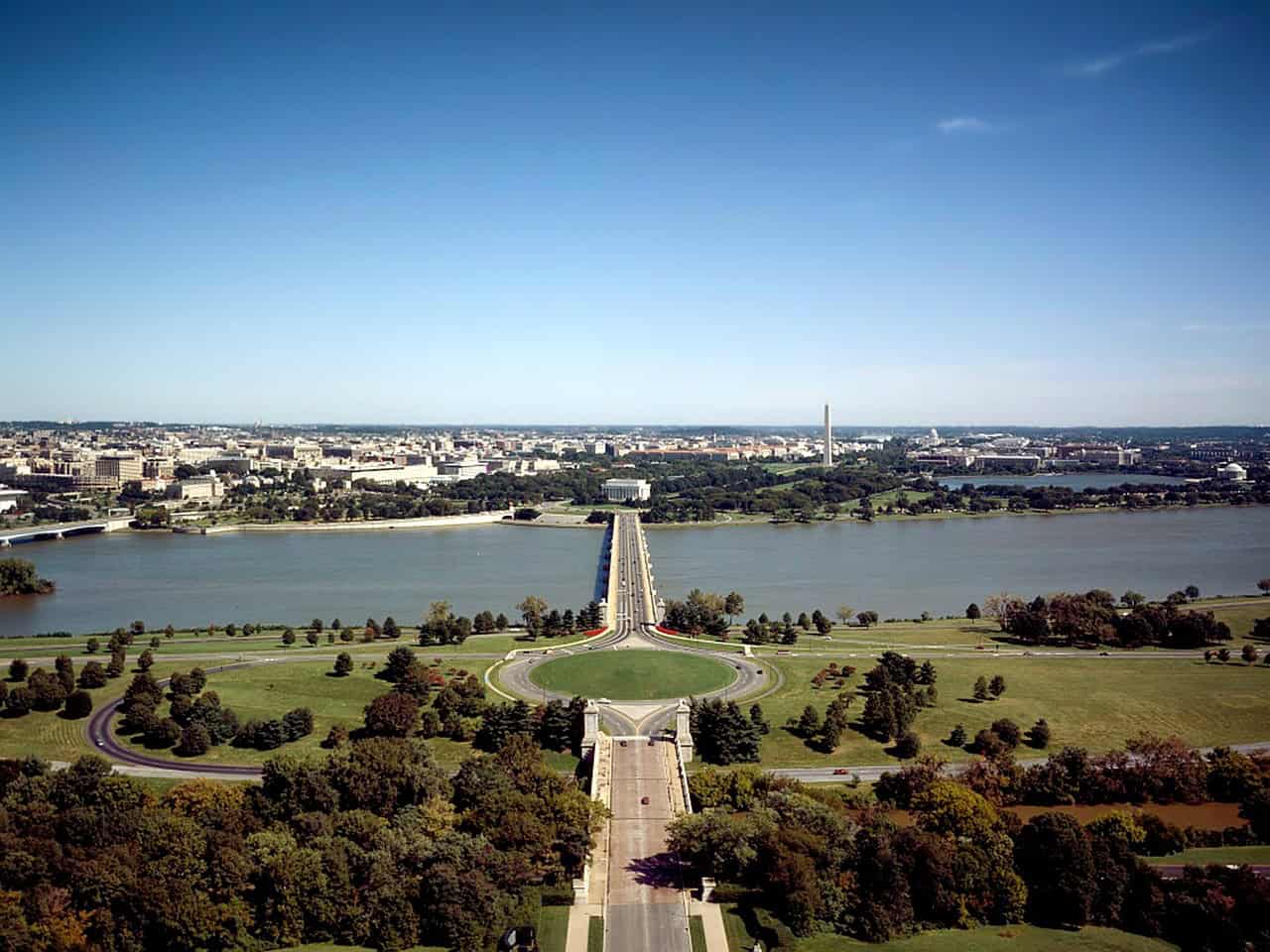
Washington, D.C. is frequently ranked among the most confusing places for restaurant fees because many dining spots attach service charges between 10% and 22% to compensate for wage changes and operational costs. With nearly 24 million annual visitors navigating busy neighborhoods, countless tourists are surprised when they see both a fee and a tip line on the same receipt. Several restaurants label these costs as “policy fees,” leaving travelers unsure if staff actually receive any of the added amount or if tipping another 18% is still expected afterward.
2. New York City, New York

New York City already overwhelms first-time visitors, and complicated restaurant bills only add to that experience. In popular areas like Times Square and Midtown, many restaurants include service charges between 15% and 20%, yet still list a gratuity line, leading tourists to accidentally double-tip. With over 56 million annual visitors, even a $10 to $25 surprise fee per meal quickly adds up, and the explanations printed on menus often remain vague. Many diners only notice the extra charge after the final total jumps far beyond the menu prices they carefully calculated.
3. Miami / Miami Beach, Florida
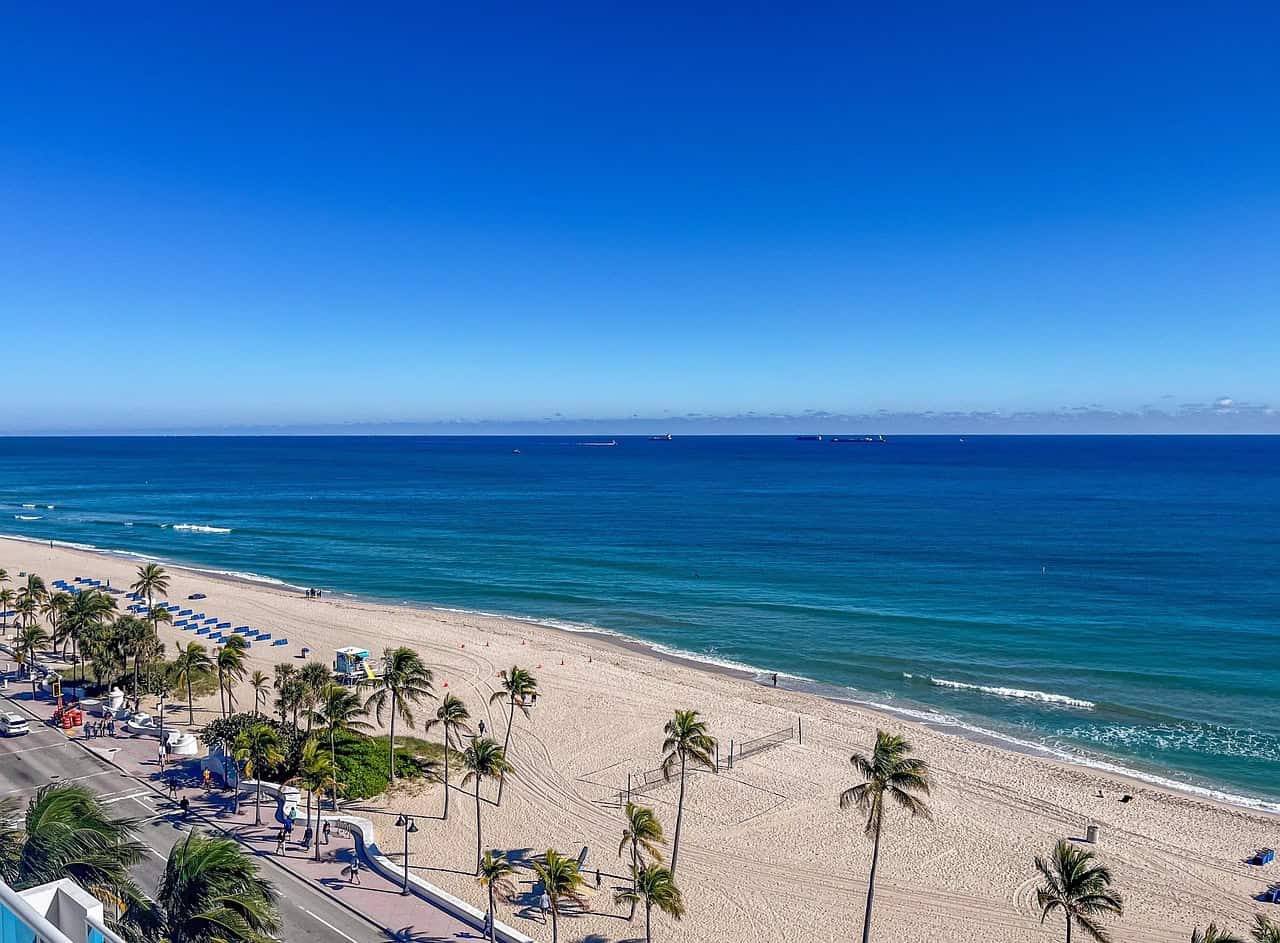
Miami and Miami Beach are known for stunning dining scenes, but they also regularly attach mandatory service charges that range from 18% to 22%, particularly along tourist-heavy streets. Many restaurants still expect an additional tip and guests unfamiliar with U.S. customs often feel pressured to pay both. With millions of international visitors each year, confusion becomes common when diners later realize the fee was not automatically shared with servers. Vacationers spending $150 on dinner can suddenly face $30 or more in unexplained extras, turning what should feel festive into a frustrating surprise.
4. Los Angeles, California

In Los Angeles, many restaurants introduced variously named charges such as “wellness fees,” “employee support fees,” or simple “service charges” that range from 4% to 18%. Because every restaurant writes the policy differently, tourists have difficulty understanding whether these charges help workers or simply boost revenue. With over 50 million visitors annually and average meal costs already above $25 per person, that additional percentage can significantly change the total. Diners often end up asking servers awkward questions or paying extra just to avoid appearing disrespectful in such a famous dining city.
5. San Francisco, California
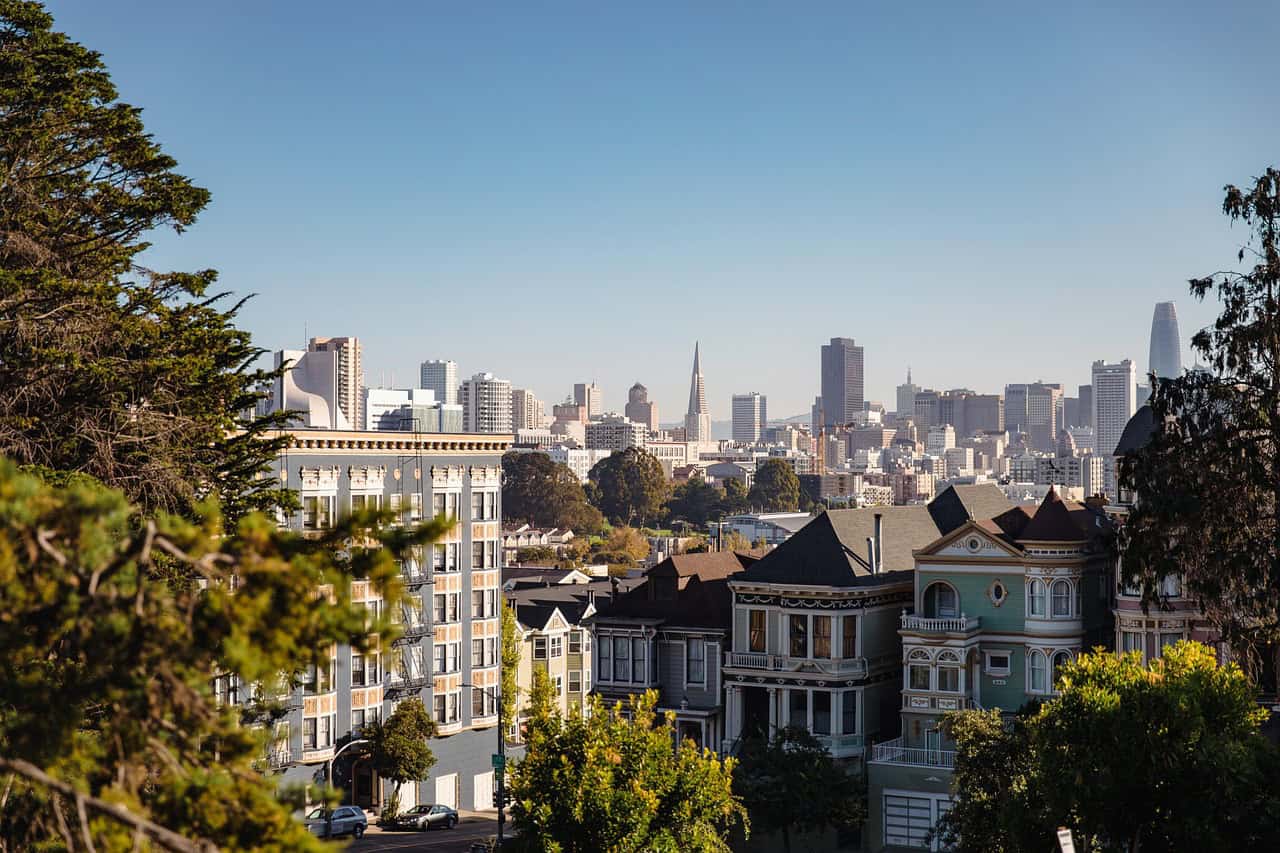
San Francisco is one of the earliest adopters of added restaurant surcharges, with many places attaching fees between 10% and 18% labeled as benefits charges, health care contributions, or operational support. Since the city welcomes around 23 million visitors per year, countless tourists find themselves puzzled when a $100 dinner suddenly becomes $118 before a tip is even added. The language varies widely from restaurant to restaurant, and many guests misinterpret the fee as a built-in gratuity. This leads to hesitation, confusion, and sometimes unhappy surprises when they review their final credit-card statement.
6. Chicago, Illinois
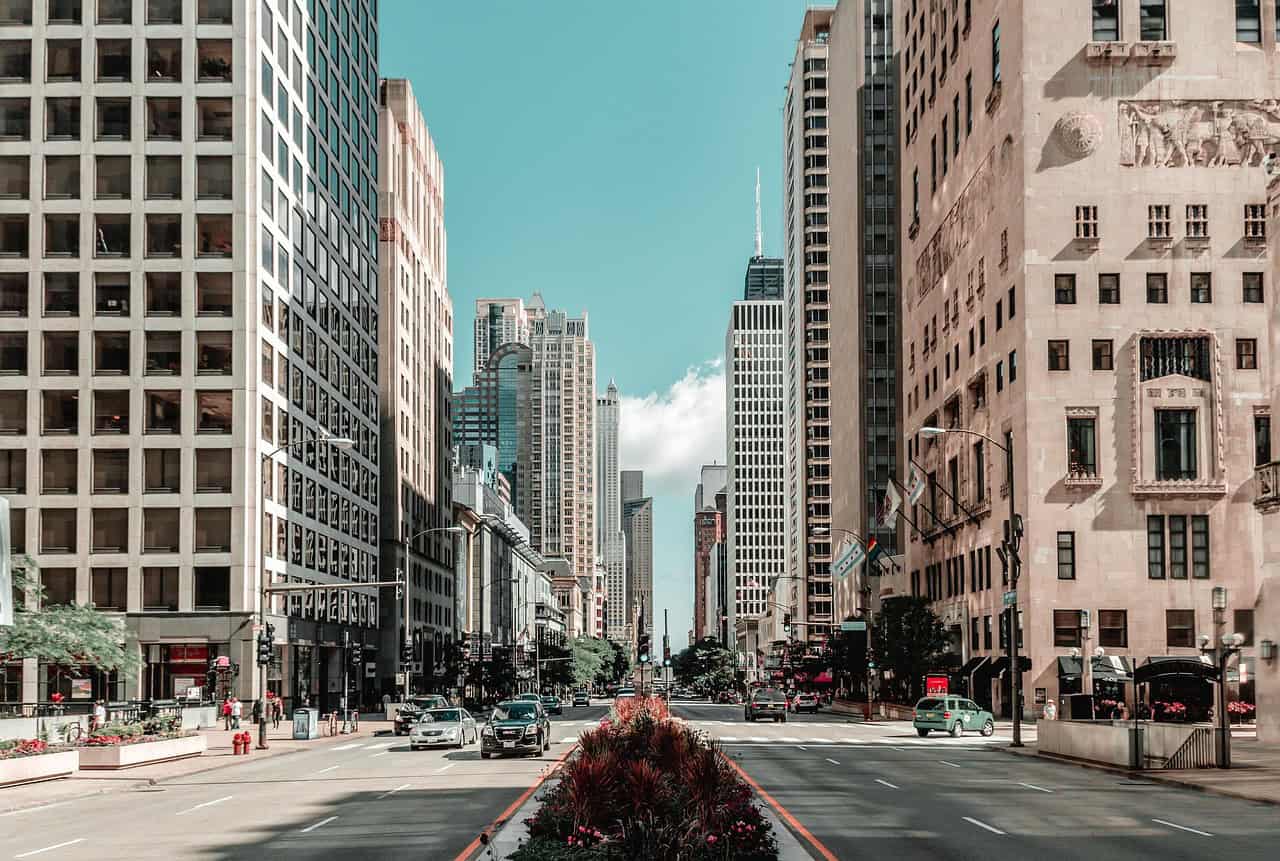
Chicago has gradually seen more restaurants experimenting with extra fees, often listed between 5% and 17%, especially in busy dining districts. Travelers visiting the city’s nearly 30 million tourist count each year frequently encounter charges labeled as service, sustainability, or operational surcharges. Many restaurants still leave a blank tipping line afterward, which makes tourists wonder whether staff wages rely on traditional gratuities or if the added fee already covers them. When a modest $80 meal rises by an unexpected $10 to $14, visitors understandably feel the need for clearer explanations printed on menus and receipts.
7. Seattle, Washington
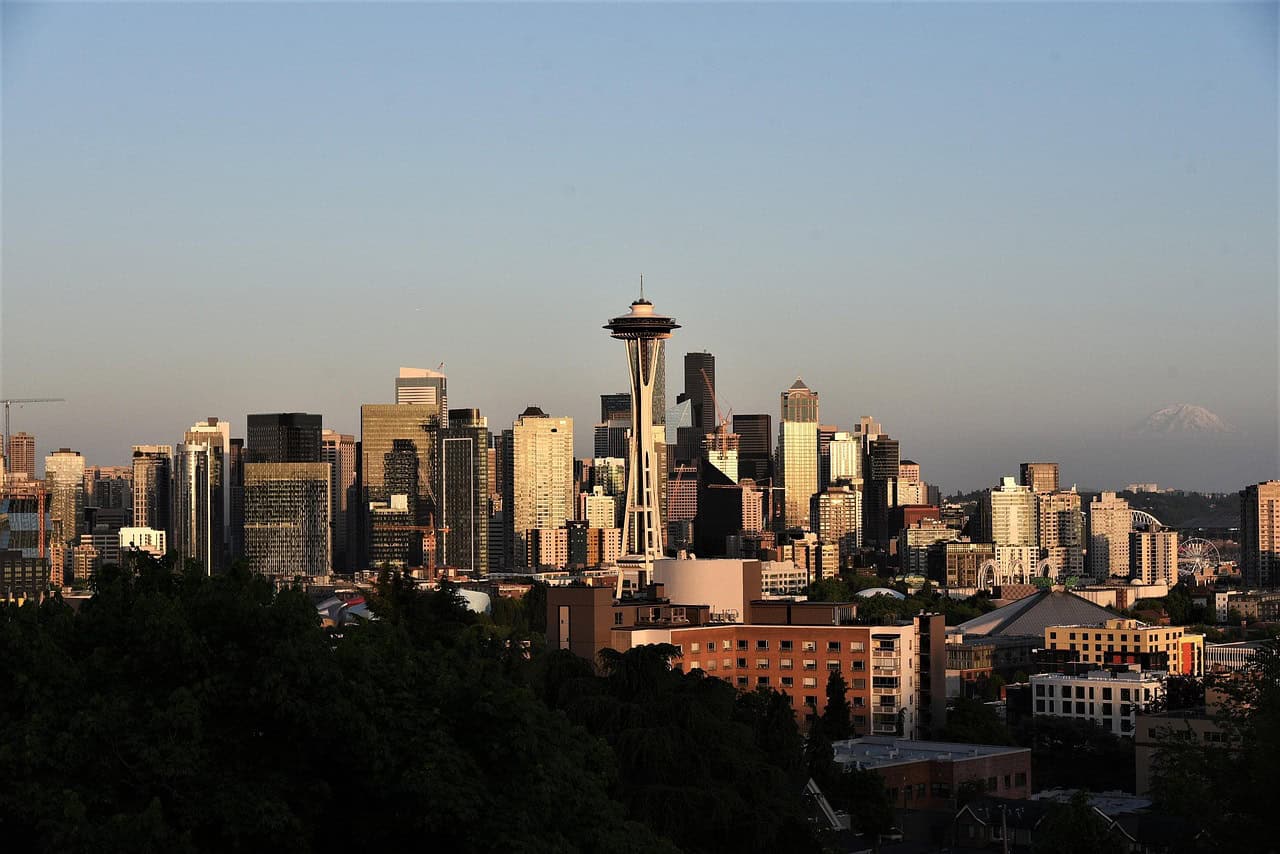
Seattle restaurants increasingly rely on structured charges that usually fall between 10% and 20%, frequently explained as labor support or cost-of-operations fees. With millions of travelers visiting annually, many tourists are unfamiliar with the city’s habit of incorporating surcharges instead of raising menu prices directly. Confusion builds when guests also see a suggested gratuity of 18% to 22% on top of the fee, causing people to worry about underpaying or significantly overspending. Even a simple $40 lunch can quickly swell by an additional $8 to $12, which feels surprising when not clearly discussed beforehand.
8. New Orleans, Louisiana
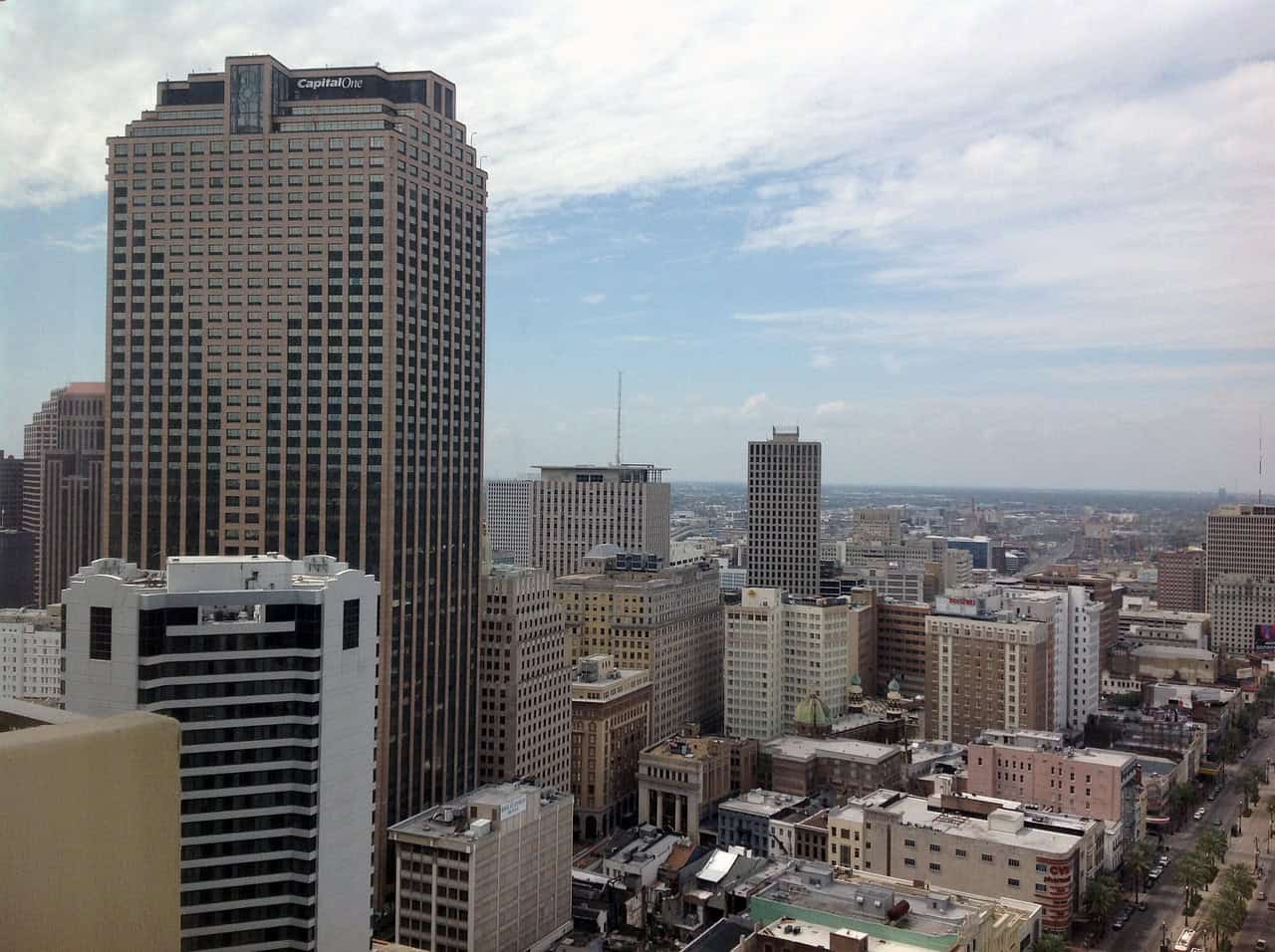
In New Orleans, especially around the French Quarter, many restaurants automatically add charges that range between 15% and 20%, often paired with separate gratuity expectations. With around 19 million yearly visitors exploring busy dining streets, countless tourists glance at their bill and assume generosity requires paying both amounts. Restaurants sometimes label the fee as an automatic service contribution, but not every visitor understands whether it reaches servers directly. When dinner for a group already costs around $200, an added $30 to $40 charge can feel especially unexpected, making clarity essential in such a beloved food destination.
9. Orlando, Florida
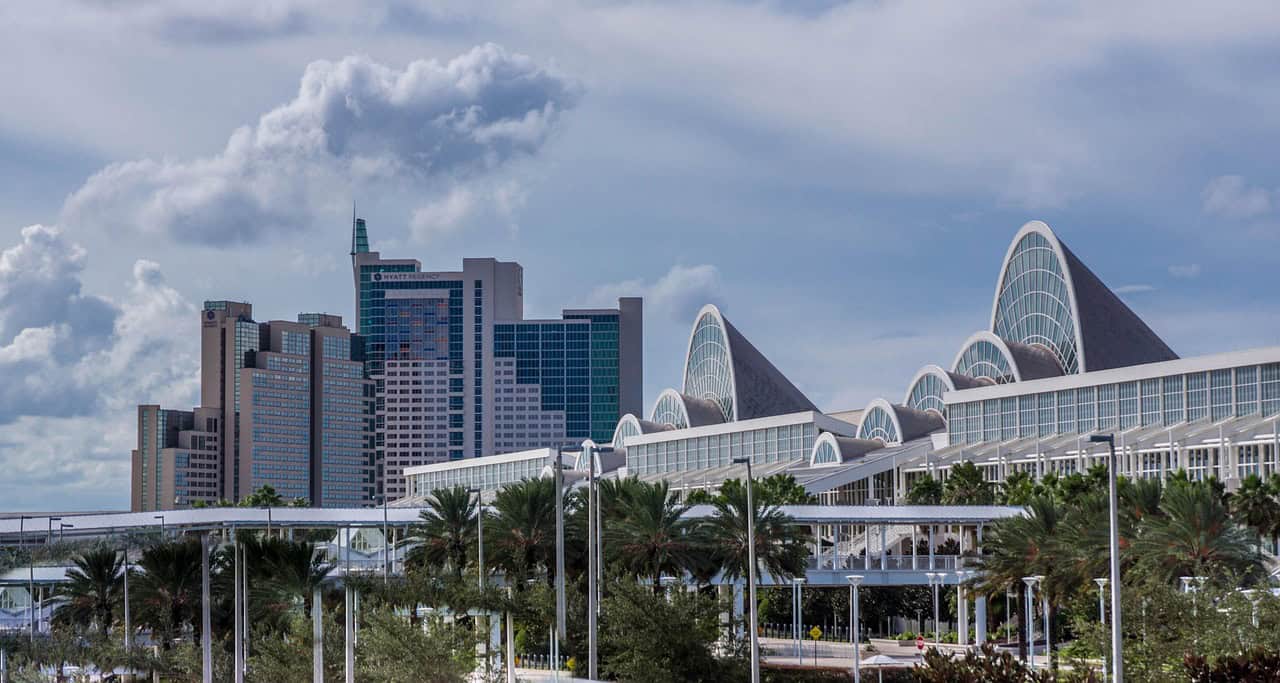
Because Orlando welcomes more than 70 million tourists each year, its restaurants frequently apply automatic service fees, often between 15% and 18%, especially in large party or resort dining environments. Families and international travelers already stretched by vacation expenses are often surprised when a bill shows both the fee and an empty tip space. When meals averaging $120 suddenly climb by another $20, many diners feel uncertain whether declining to tip further might seem rude. This constant confusion has made Orlando one of the country’s most discussed cities regarding unclear dining fee practices.
10. Boston, Massachusetts
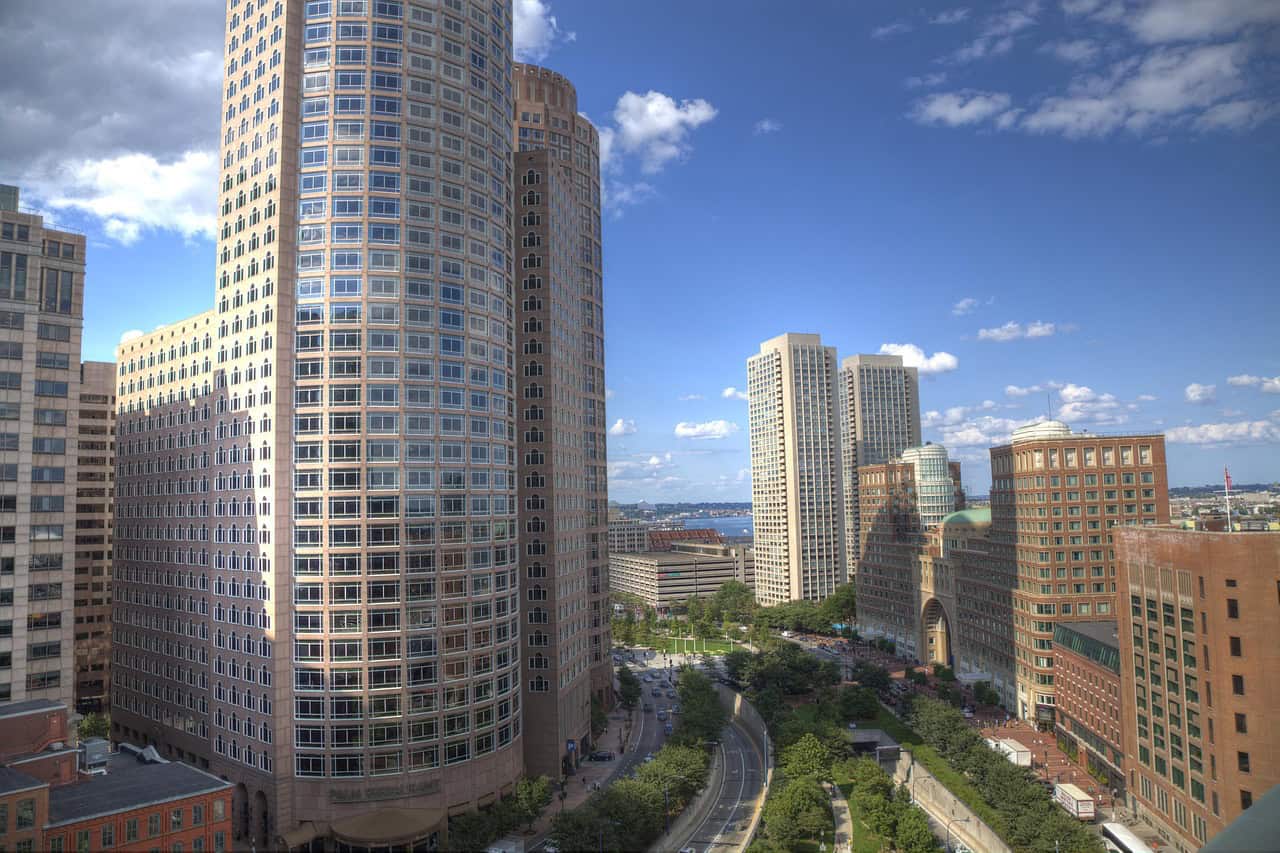
Boston blends traditional tipping culture with increasingly common service surcharges that typically range from 5% to 16%, depending on the restaurant. With millions of visitors exploring its historical districts each year, many travelers encounter fees labeled as kitchen support or wage fairness charges yet still see an additional gratuity request afterward. What begins as a $90 dinner can quickly move past $105 before optional tipping, leaving guests unsure which amount best supports workers. Because every restaurant handles explanations differently, tourists regularly leave feeling uncertain about whether they paid correctly or unintentionally overspent.