We may earn money or products from the companies mentioned in this post. This means if you click on the link and purchase the item, I will receive a small commission at no extra cost to you ... you're just helping re-supply our family's travel fund.

Coastal travel sells the idea of open sand and simple days, but many U.S. beaches now come with rules that feel anything but simple. Local governments are trying to protect dunes, wildlife, and neighborhoods while managing parking shortages and record visitation. The result is a patchwork of permits, timed entry points, and boundaries that shift with tides or seasonal closures. None of it is meant to be unfriendly. It just means first-time visitors often learn the real rules at the curb, not on the brochure.
La Jolla Cove, California
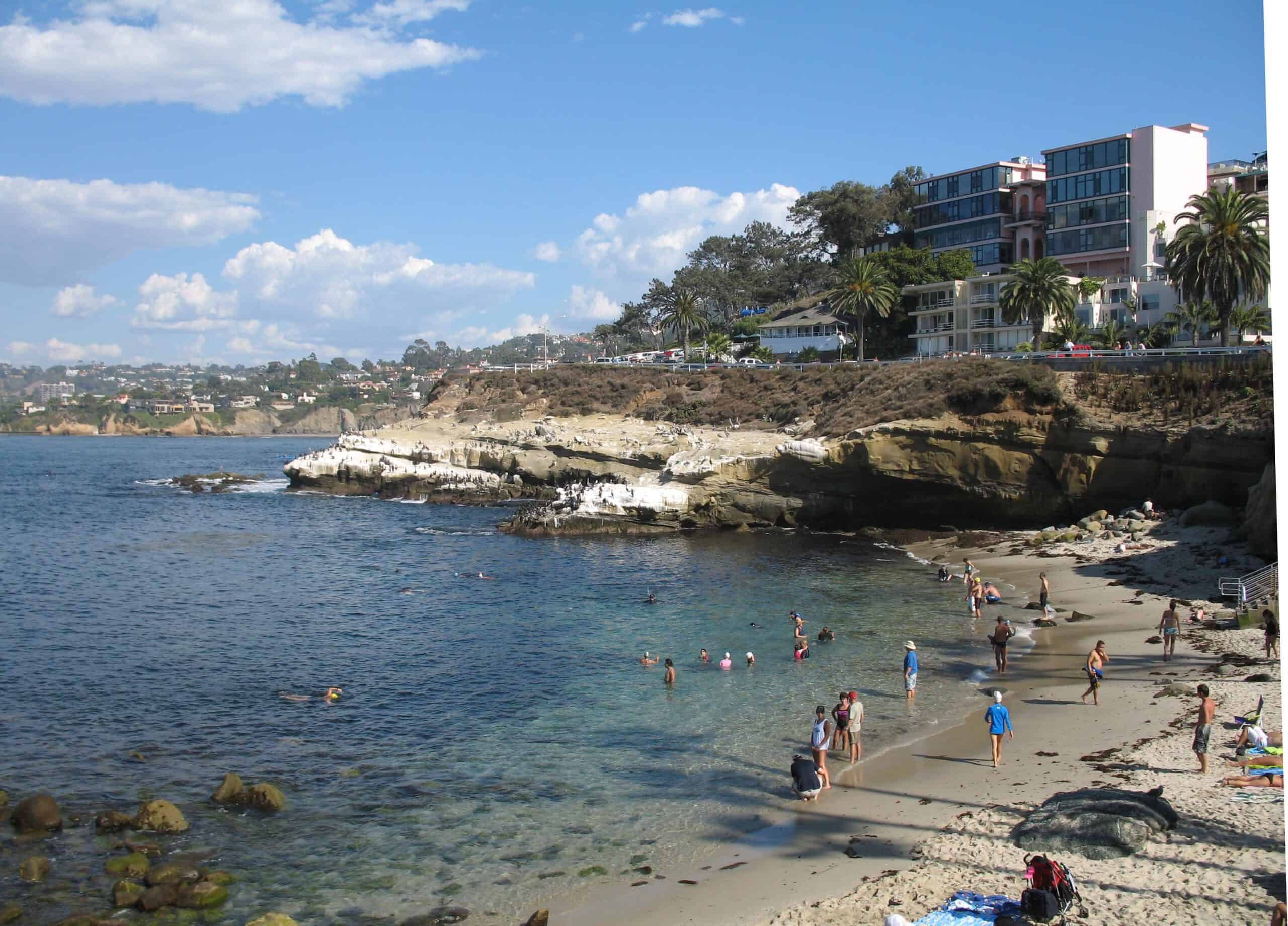
La Jolla Cove looks effortless from the cliffs, but access is shaped by protections and conditions that change fast. Marine rules narrow where snorkeling and swimming can happen, and lifeguards may redirect people when surge and swell make entry unsafe or reshape the shoreline. Parking in the village often fills early, and first-timers end up circling narrow streets while the cove sits just out of reach below. The beauty is real, but so is the sense that it is carefully managed, not simply open.
Hanalei Bay, Kauai
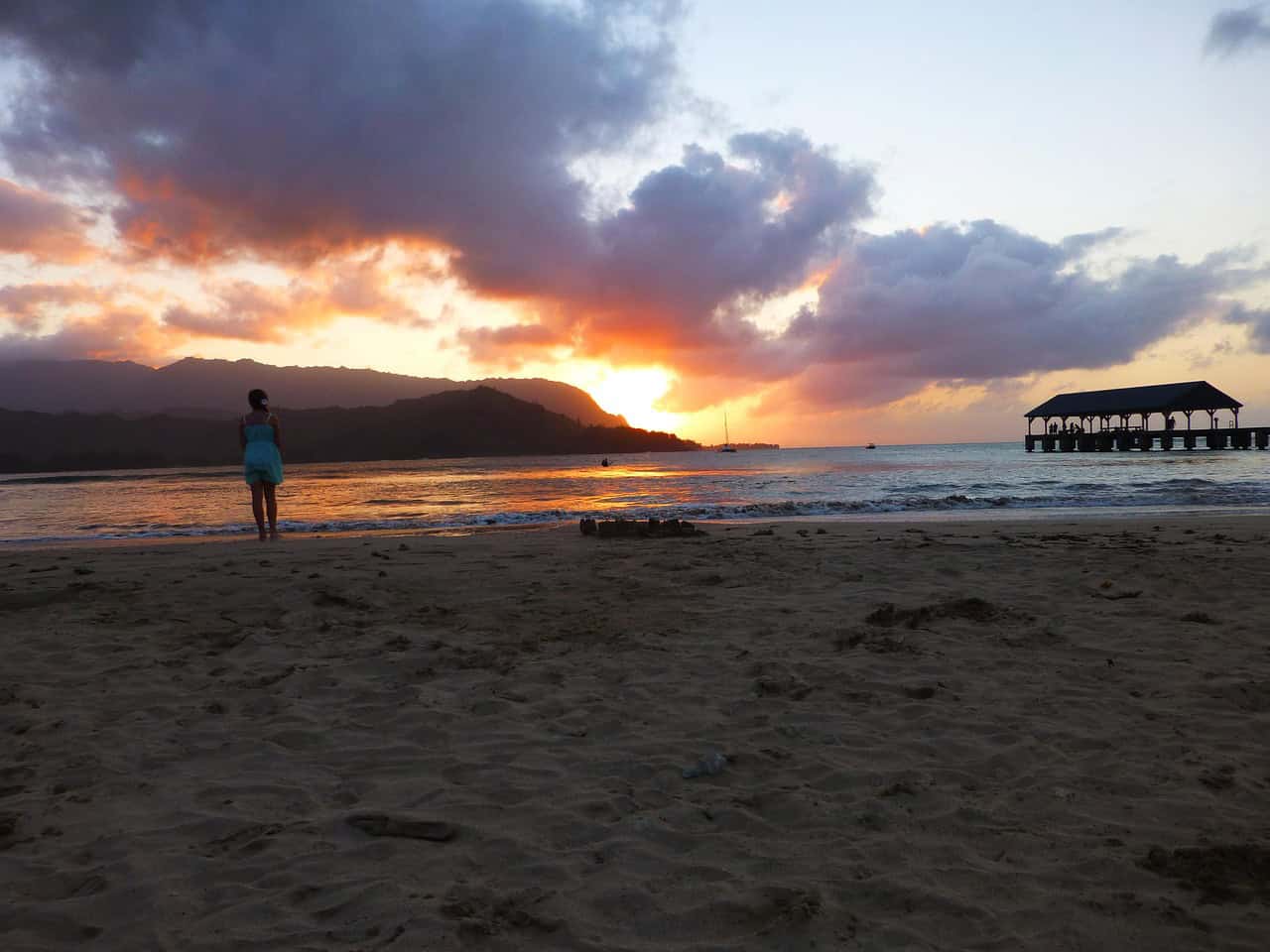
Hanalei Bay’s wide curve can feel timeless, yet the approach often depends on weather and infrastructure more than visitors expect. A single-lane bridge and occasional repairs or restrictions can change how quickly the shoreline is reachable, especially after heavy rains. Parking near the pier and access points can also shift with seasonal conditions, turning arrival into a small puzzle. The bay still feels calm once feet hit sand, but the route there is not always straightforward, and newcomers often realize plans in Hanalei are tied to river flow and island logistics.
Coronado Beach, California
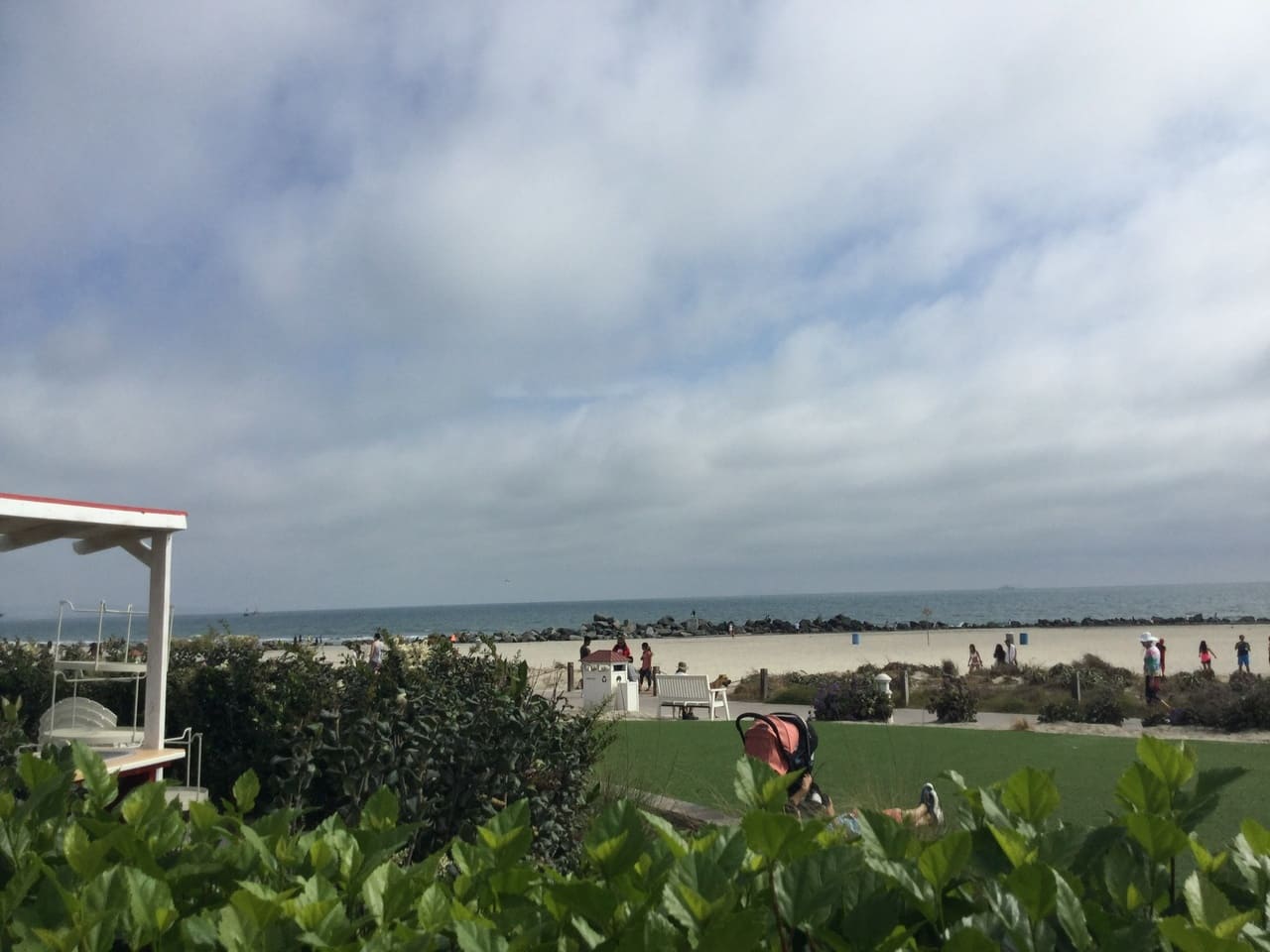
Coronado Beach reads as wide and welcoming, yet the small details around access catch newcomers off guard. Street parking near the Hotel del Coronado is scarce, and nearby residential blocks enforce strict time limits that clash with the idea of a long, lazy afternoon. High tide can also change the usable strip of sand, narrowing favorite spots without much warning. The shoreline stays graceful, but the experience begins with rules about where to leave a car and how long it can stay before the day is cut short.
Rehoboth Beach, Delaware
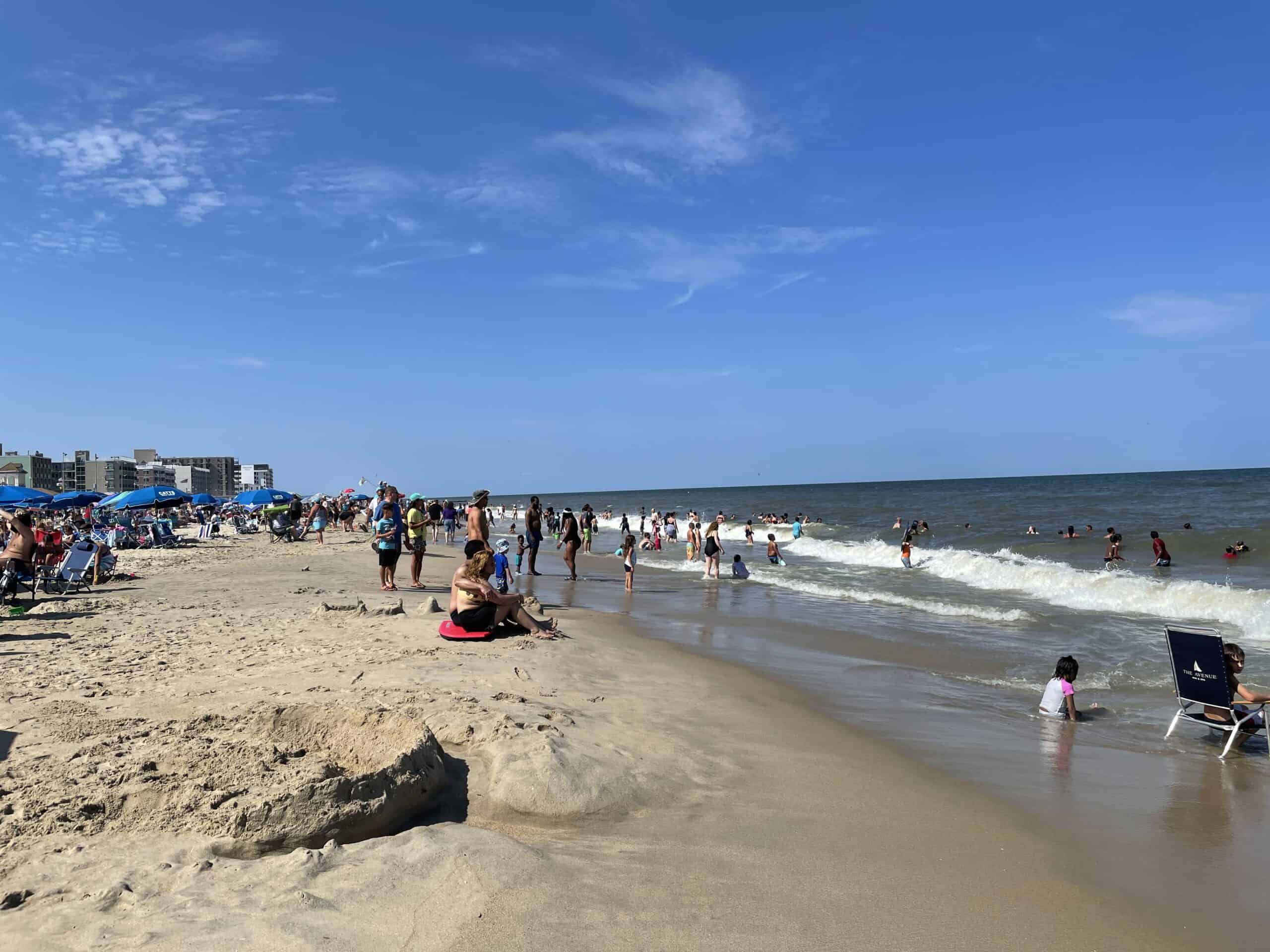
Rehoboth Beach has a friendly boardwalk vibe, yet access logistics can feel complicated the first time through. Metered parking, permit zones, and block-by-block rules change by season and time of day, which turns a simple arrival into a scavenger hunt for legal spaces. On the sand, umbrella and setup expectations can also vary with crowd levels and staffing, adding another layer of adjustment. The town feels easygoing, but the entry system is not always intuitive, and visitors often learn it through trial, error, and a lot of circling.
Cape Hatteras National Seashore, North Carolina
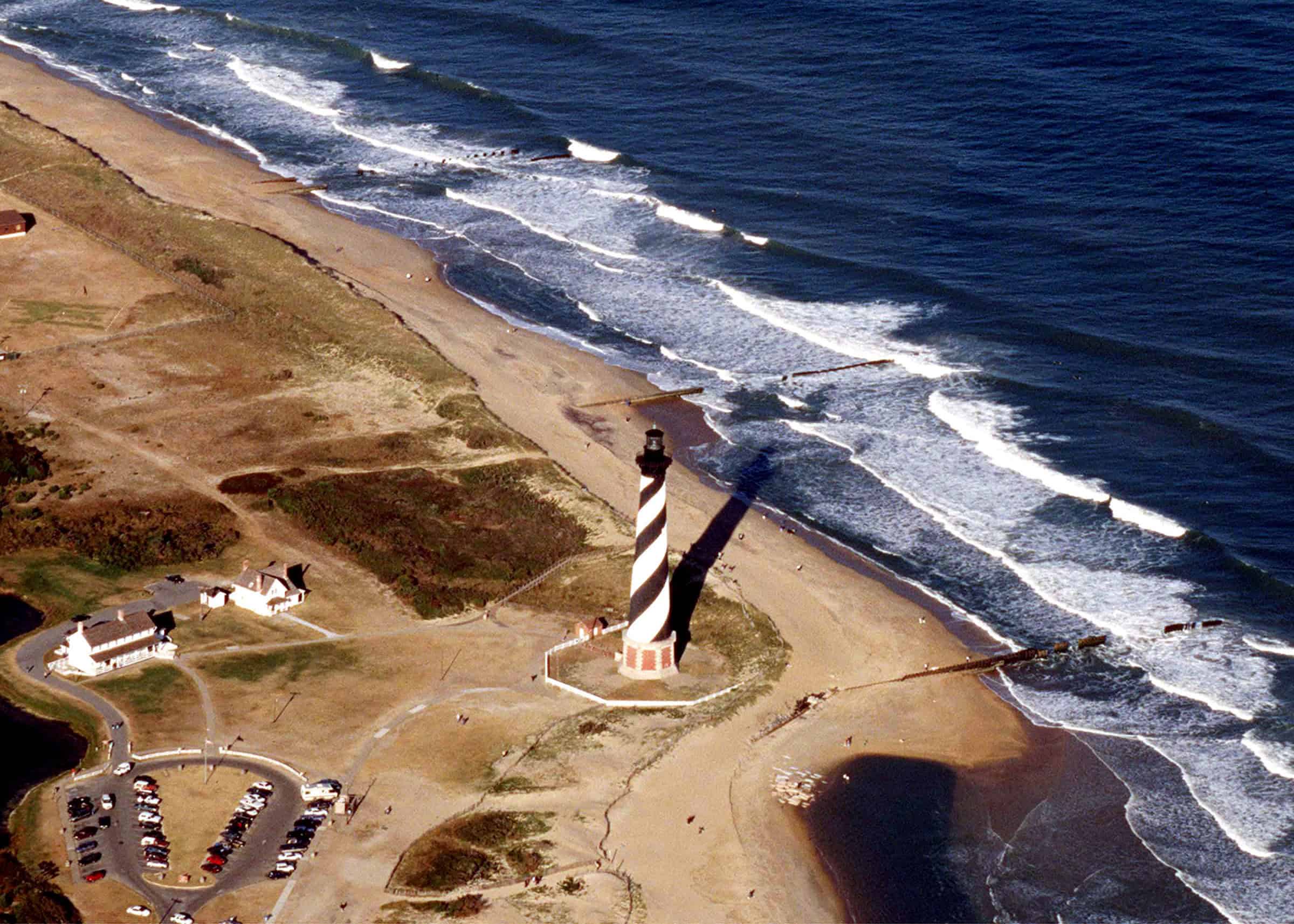
Cape Hatteras feels boundless, but the freedom comes with rules that require attention. Off-road access depends on permits and posted routes, and wildlife closures can shift along the dunes during nesting seasons, changing where driving or even walking is allowed. Tides and soft sand also affect what is safe, so a stretch that looked open at noon can feel restricted by late afternoon. Parking lots near popular ramps fill quickly, nudging late arrivals into quieter zones. The payoff is huge, but the movement rules take time to read.
South Beach, Miami Beach, Florida
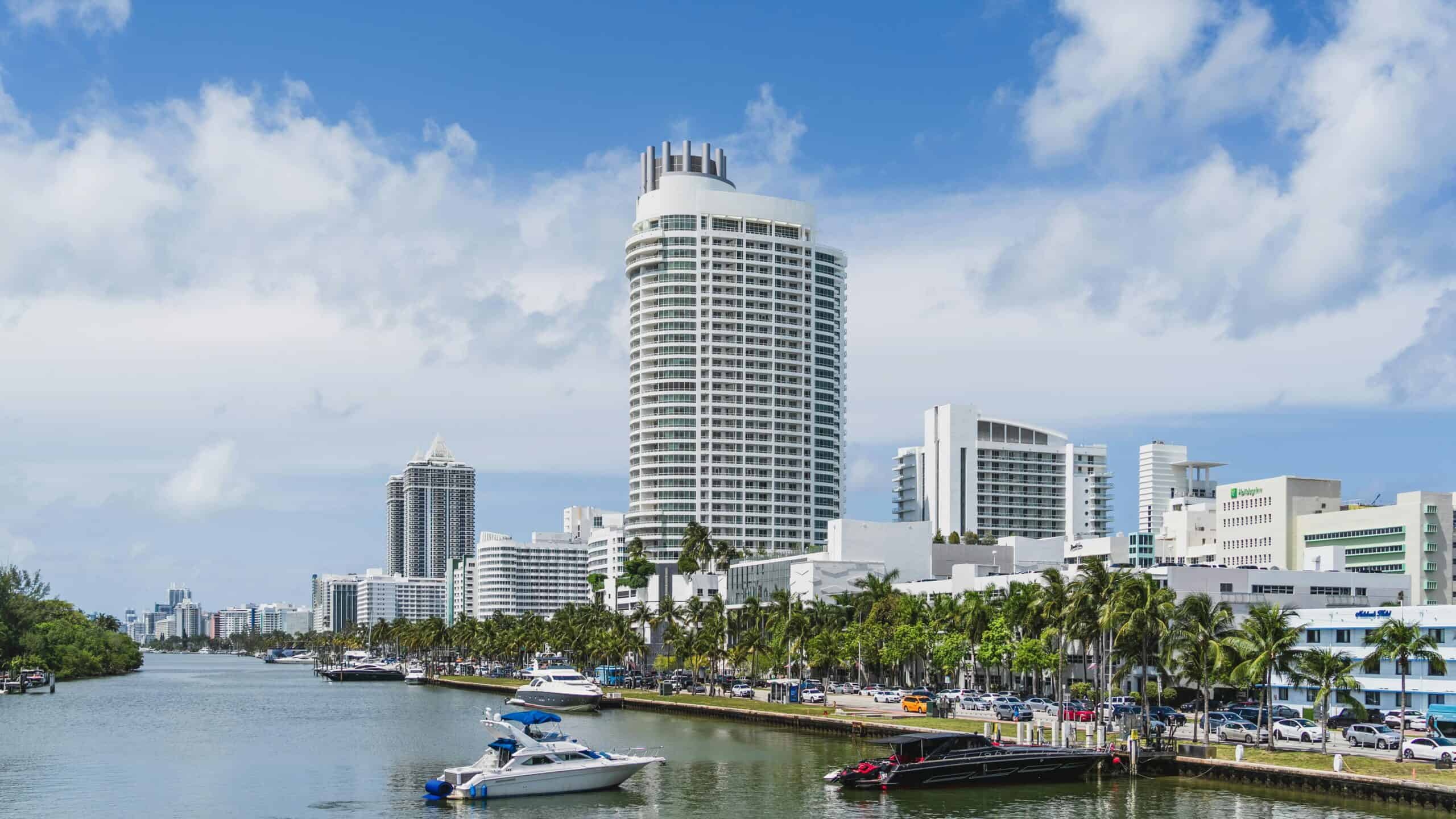
South Beach looks like pure ease, yet getting onto the sand often involves a maze of rates, closures, and event effects. Street parking can swing wildly by block, and garage pricing changes during festivals and busy weekends, leaving first-timers unsure what “normal” even means. Some access points shift during construction or dune work, and protected areas can influence where setups go. The beach stays vibrant and iconic, but the surrounding logistics can feel like an extra layer of friction hiding behind the glamour and bright water.
Ocean Beach, San Francisco, California

Ocean Beach offers raw Pacific drama, and that same power shapes access more than posted rules do. Heavy surf and hazardous conditions can close sections or change safe entry areas, while parking lots fill early with hikers and surfers headed toward nearby parks. Bonfire rules and seasonal guidance can shift, and storm-driven erosion sometimes reroutes paths to protect dunes. The beach invites long walks and wide horizons, yet first-time visitors quickly learn that “open” here depends on weather, tides, and the city’s ongoing effort to keep a fragile shoreline intact.
Gulf Shores Public Beach, Alabama
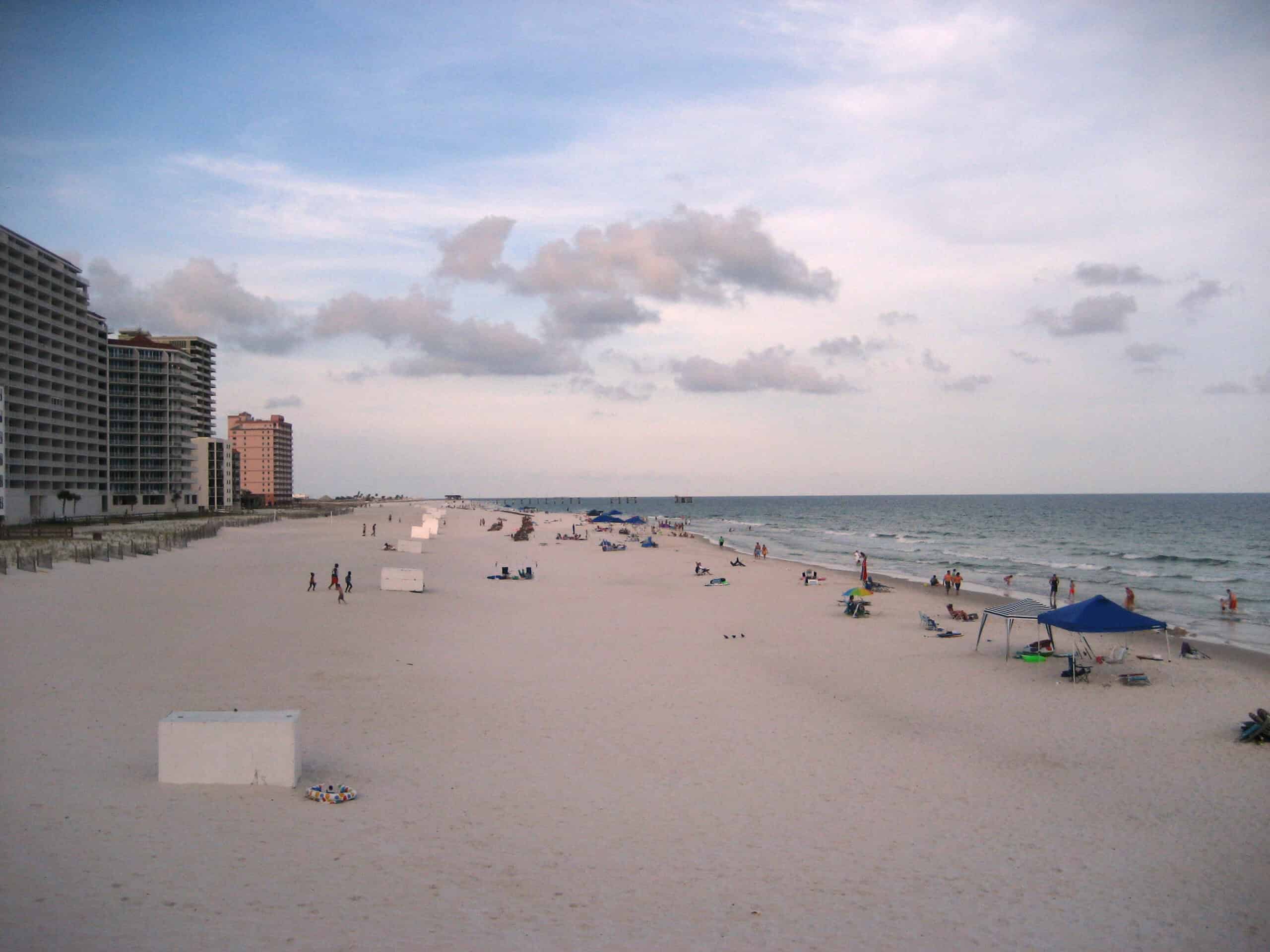
Gulf Shores Public Beach can feel simple in photos, but peak-season logistics tell a more structured story. Paid parking expands when crowds surge, and boardwalks and designated paths funnel foot traffic to protect vegetation and stabilize dunes. Event zones can also reshape how the beach is used on a given day, with areas closing or shifting for city programming. The water feels welcoming and warm, yet the approach is managed, and newcomers often arrive expecting open sprawl and instead find rules that prioritize flow, safety, and shoreline protection.
Cannon Beach, Oregon

Cannon Beach looks straightforward, but its access depends heavily on tide timing and preservation rules. Parking near Haystack Rock fills early in summer, and seasonal storms can narrow entrances or change how routes meet the sand. Protected wildlife zones and tide pool etiquette also shape where people can walk and how close they can get, especially when the shoreline is crowded. The atmosphere remains peaceful, but the first-time learning curve is real. A beach day here often starts with checking the tide chart and adjusting expectations before the first footprint lands.
Siesta Key Beach, Florida
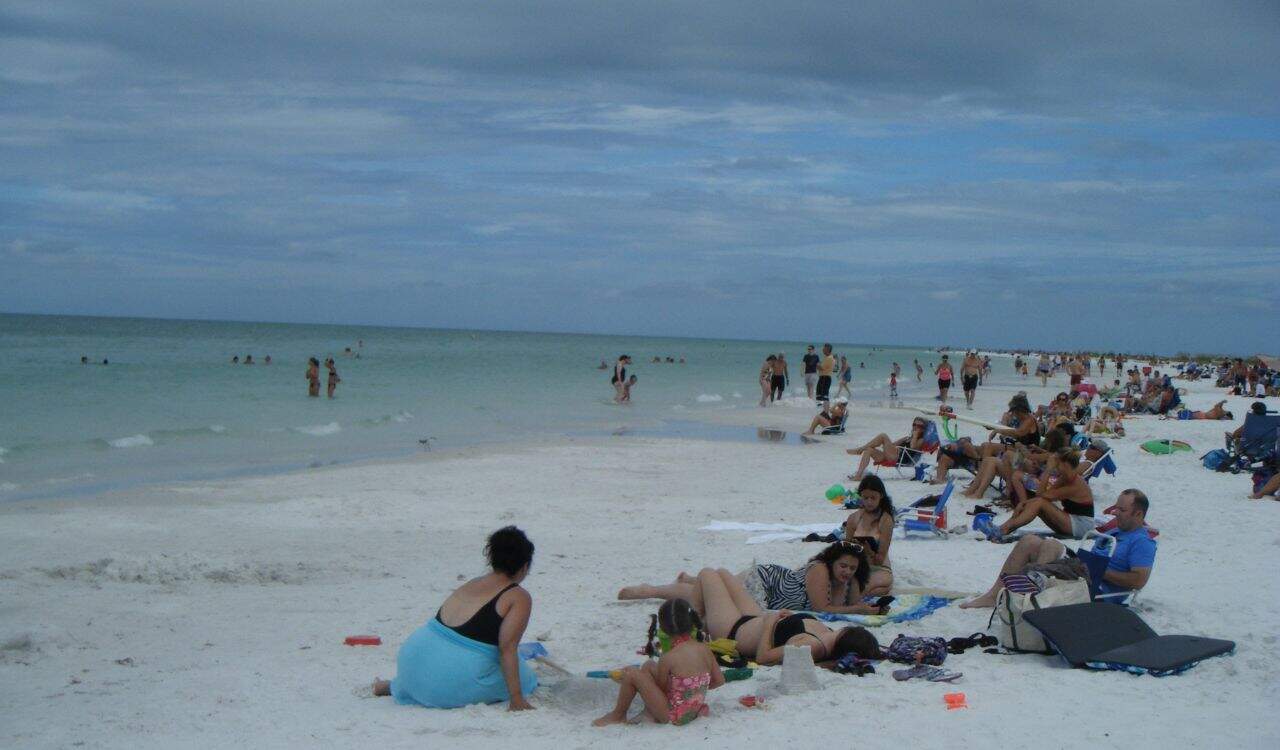
Siesta Key’s bright sand draws crowds, and the island’s limited road network turns arrival into the real challenge. Public lots fill early, traffic backs up on the causeways, and seasonal trolley patterns can confuse newcomers who assume a constant schedule. Some routes cut through residential areas with strict no-parking rules, which surprises visitors aiming for a quick shortcut. Once on the beach, the experience is gentle and easy. The pressure sits in the approach, where timing and local rules decide whether the day begins with calm or with a long loop of missed spaces.