We may earn money or products from the companies mentioned in this post. This means if you click on the link and purchase the item, I will receive a small commission at no extra cost to you ... you're just helping re-supply our family's travel fund.
Beach towns sell the idea of permanence: a boardwalk that will still be there at sunset, a dune line that always holds. Sea level rise breaks that promise in slow, unignorable increments. Across the coasts, local leaders are rebuilding streets, nourishing beaches, and rethinking how tourism fits into fragile systems. Some lean on stormwater utilities and higher preservation fees, while others steer visitors toward shoulder seasons and less erosion-prone areas. The new pitch is quieter and more honest, inviting people to enjoy the coast while noticing the work required to keep it above water.
Miami Beach, Florida
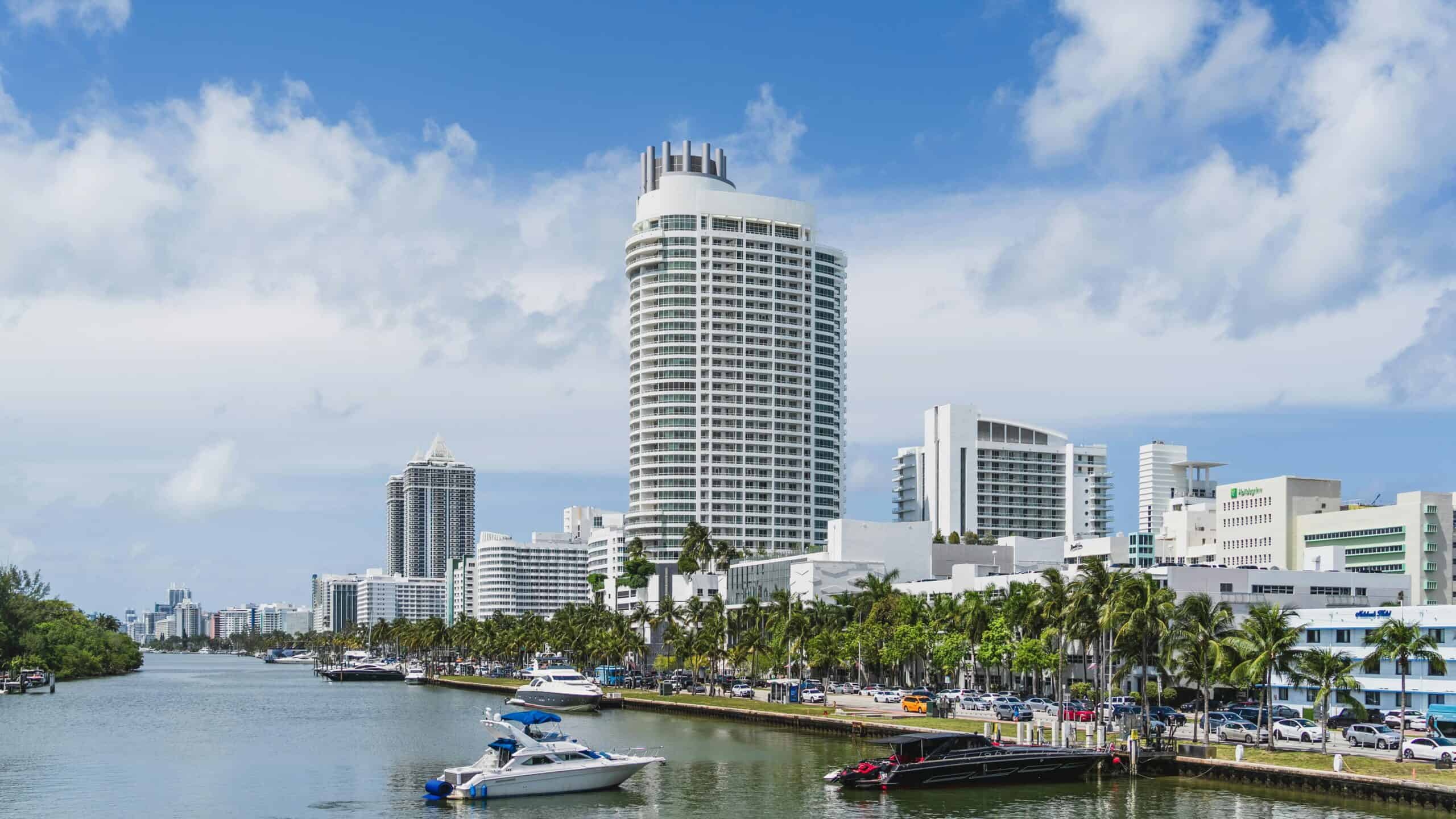
Miami Beach treats sea level rise like a service line item, with pumps, raised roads, and drainage upgrades designed for recurring tidal flooding. The work changes how visitors move through the city, because street elevations, pump installations, and water-quality filters arrive block by block, sometimes sparking loud neighborhood debates about timing and height. Instead of pretending the ocean is stable, the destination increasingly sells resilience as the reason restaurants, events, and hotels can keep running when king tides roll in and salt water presses against the drainage network through Sept. 2026.
Key West, Florida

Key West sells a postcard version of island life, yet the city also runs an Adaptation and Resiliency program built around routine flooding and long-range planning. With limited land and aging infrastructure, officials weigh road elevations, drainage upgrades, and building choices that keep Old Town functioning when king tides coincide with heavy rain and packed weekends. Tourism still drives the economy, but the tone is changing: preservation now includes the unglamorous work of keeping streets, wells, and emergency access usable on a low island that cannot expand without losing its walkable, human scale.
Sanibel, Florida
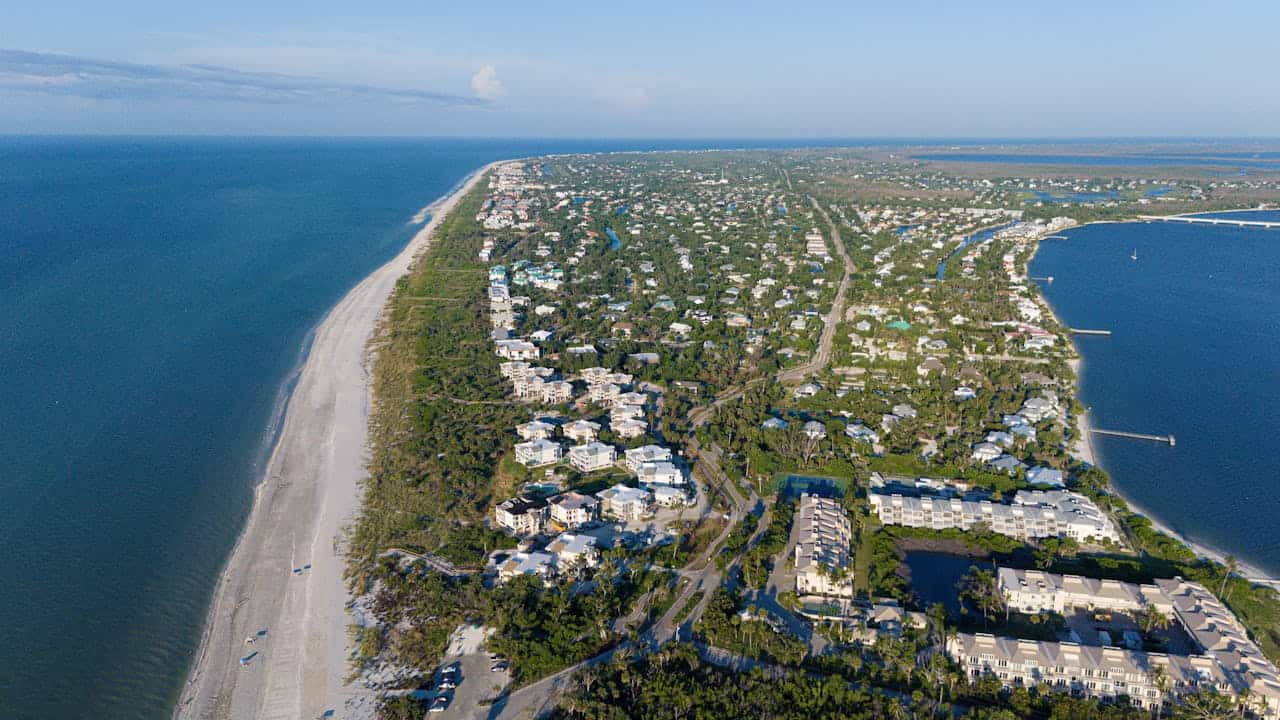
Sanibel built its reputation on restraint, using the Sanibel Plan and zoning to keep the island closer to mangroves and birds than to high-rises. That same ethic now guides sea level resilience, with a Chief Resilience Officer role and vulnerability work that inform how roads, utilities, and rebuilding are staged after damaging storms and causeway disruptions. Tourism still arrives for shelling and wildlife, but the deeper shift is philosophical: the island increasingly treats limits as the product, protecting the habitats that make a short walk feel like a refuge while keeping the island’s footprint small.
Nags Head, North Carolina
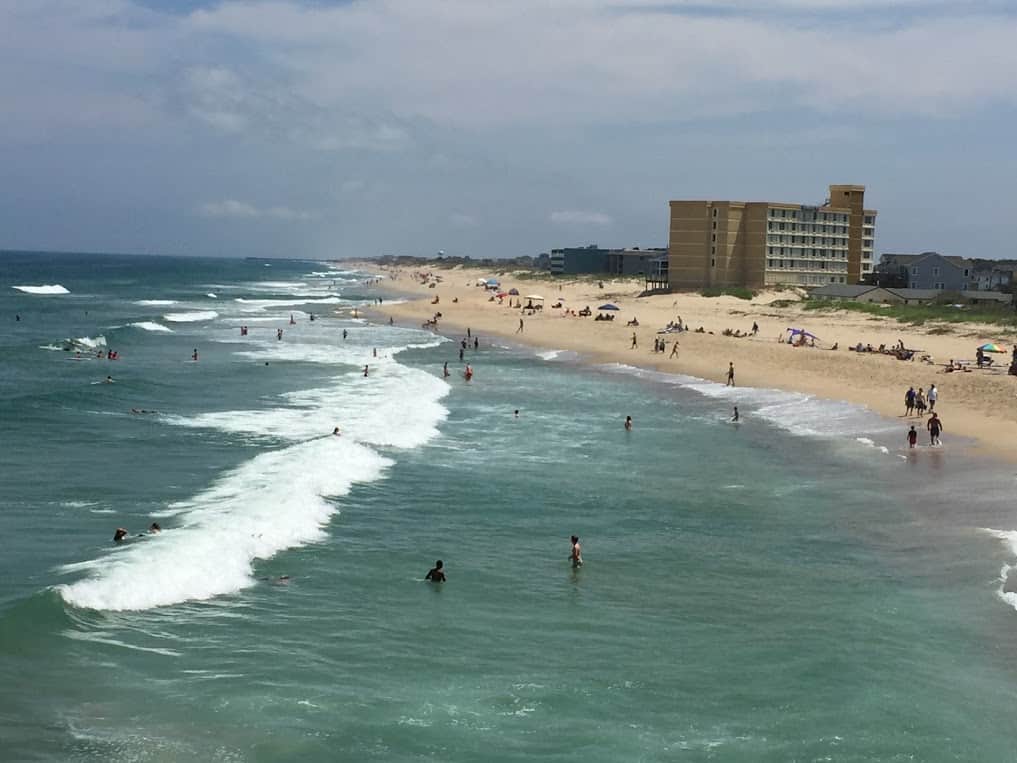
Nags Head lives on a barrier island that keeps moving, so the town’s tourism model depends on sand management as much as on sunsets. Beach nourishment and shoreline studies shape when access shifts, when equipment arrives, and why dunes are treated like infrastructure instead of scenery. In public meetings, the question is no longer whether erosion will happen, but how long the town should keep buying time, balancing rental demand with recurring storm cleanup, shifting beach widths, and the quiet reality that some lots will need elevation, relocation, or a different future before the ocean takes the argument away fast.
Tybee Island, Georgia
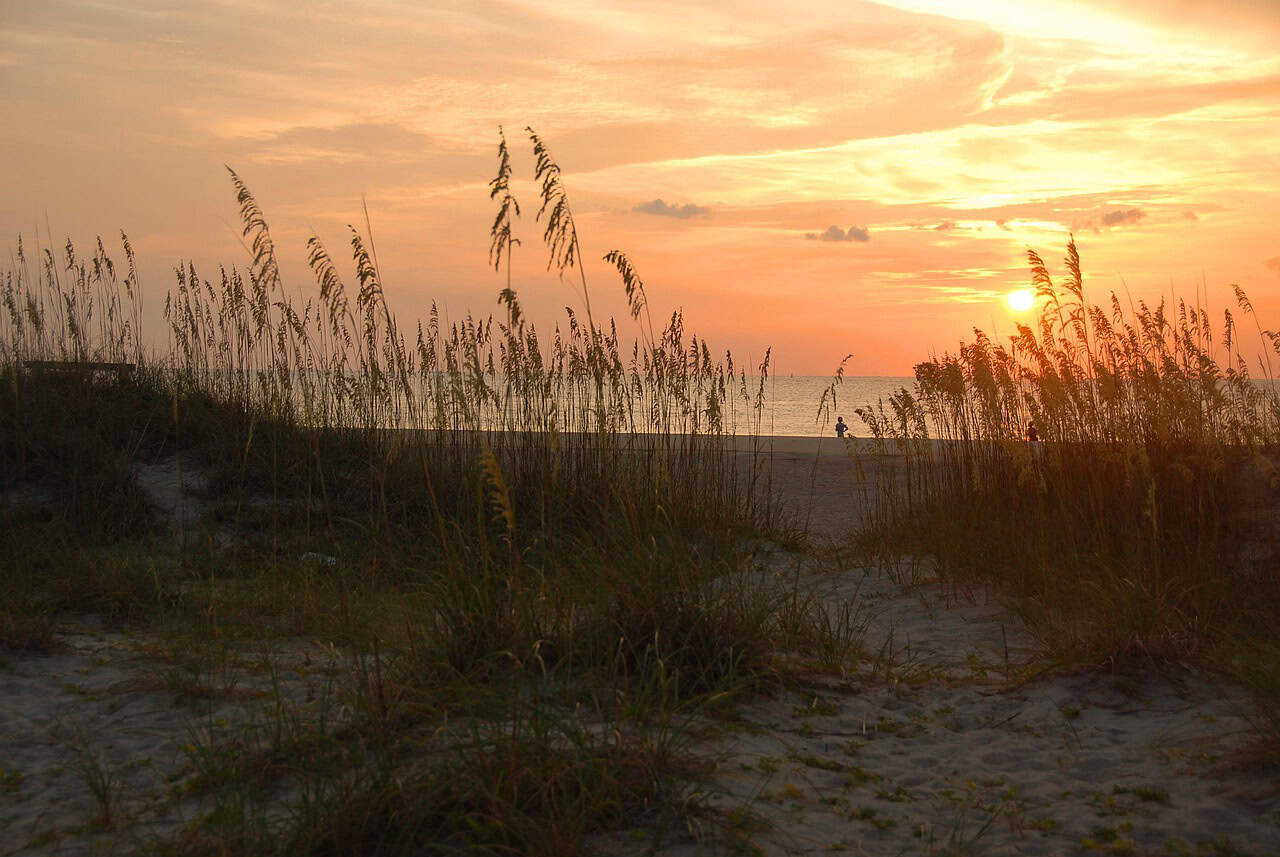
Tybee Island’s appeal is compact and walkable, but sea level rise planning treats that same smallness as a constraint that can fail quickly. Local adaptation work, including state-level planning that highlights Tybee, focuses on nuisance flooding, drainage fixes, and protecting the island’s few critical routes, because low streets and limited access leave little margin when storms stack with high tides. Tourism remains the paycheck, yet the town’s tone increasingly leans on dune care, no-shortcut rules, and shared responsibility, since a beach economy cannot function if basic services get soaked every season.
Hilton Head Island, South Carolina

Hilton Head Island treats sand like civic infrastructure, cycling through beach renourishment projects that can quietly reshape a season’s shoreline. Planning documents and county updates spell out how work zones, sand placement, and access changes are managed so tourism can continue without pretending the oceanfront is fixed. The town’s long view is pragmatic: protect dunes, fund maintenance through local fees, and keep the beach walkable, because the brand only survives if the island stays wide enough for sea turtles, bikes, and summer crowds, even as higher water eats at the edges during king tide week.
Virginia Beach, Virginia
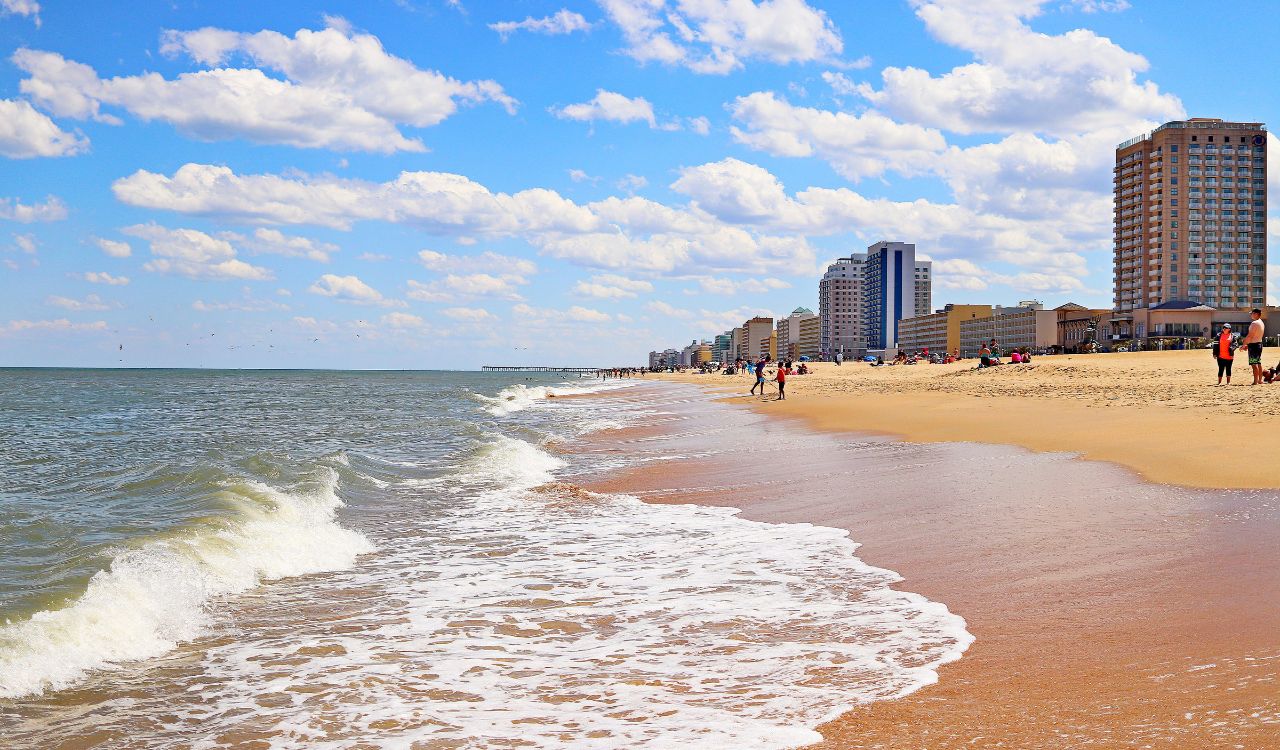
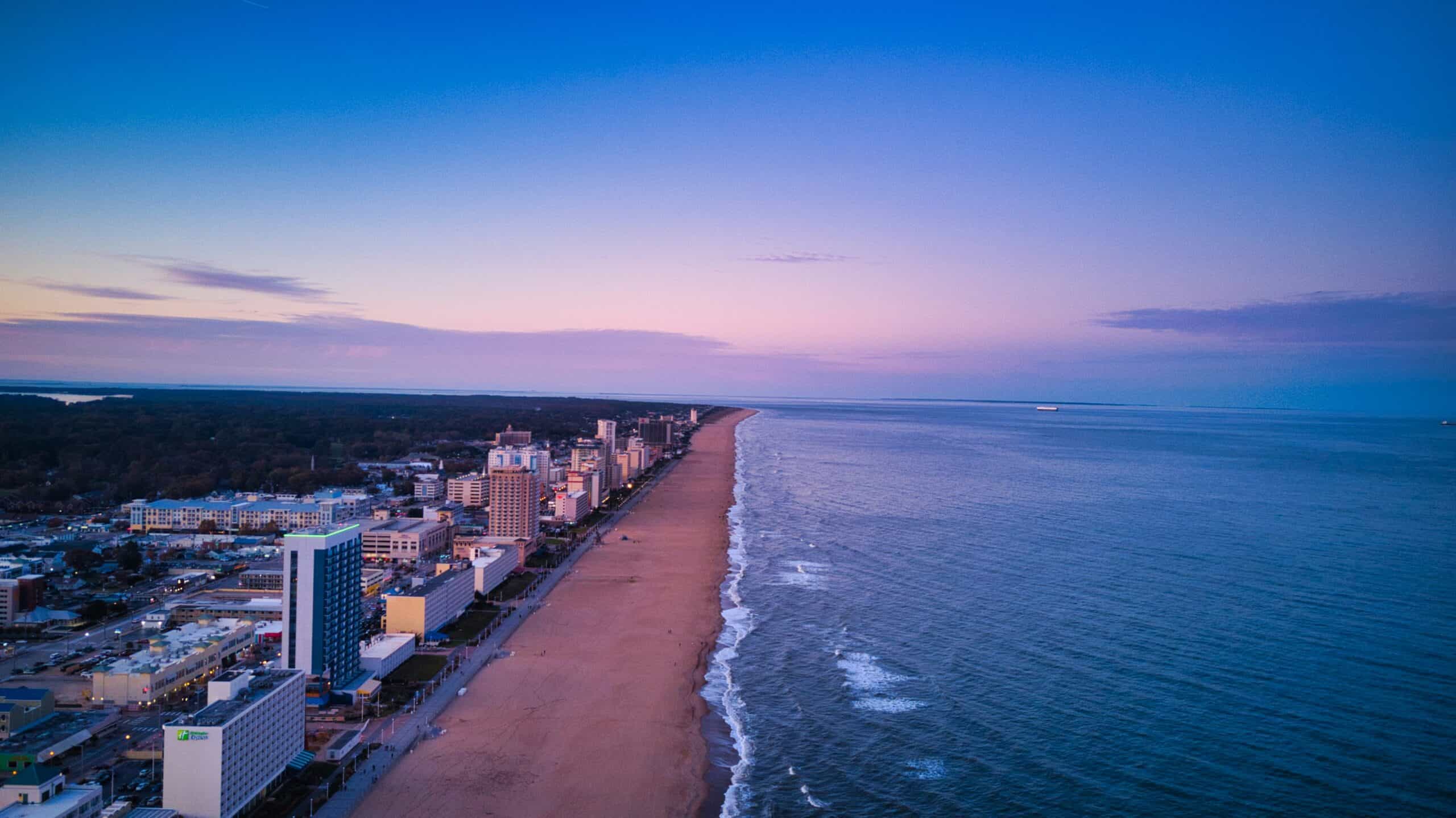
Virginia Beach has started talking about tourism and sea level rise in the same breath, because flooding is no longer limited to a rare hurricane day. City programs like Sea Level Wise pair homeowner guidance with public resilience work, pushing smarter building decisions while the city invests in dunes, drainage, and infrastructure that keeps the Oceanfront district functioning. The marketing remains sunny, but the planning voice is frank: keeping festivals, hotels, and boardwalk life viable means budgeting for water like any other crowd-management problem, then explaining those choices to residents and visitors alike.
Ocean City, Maryland
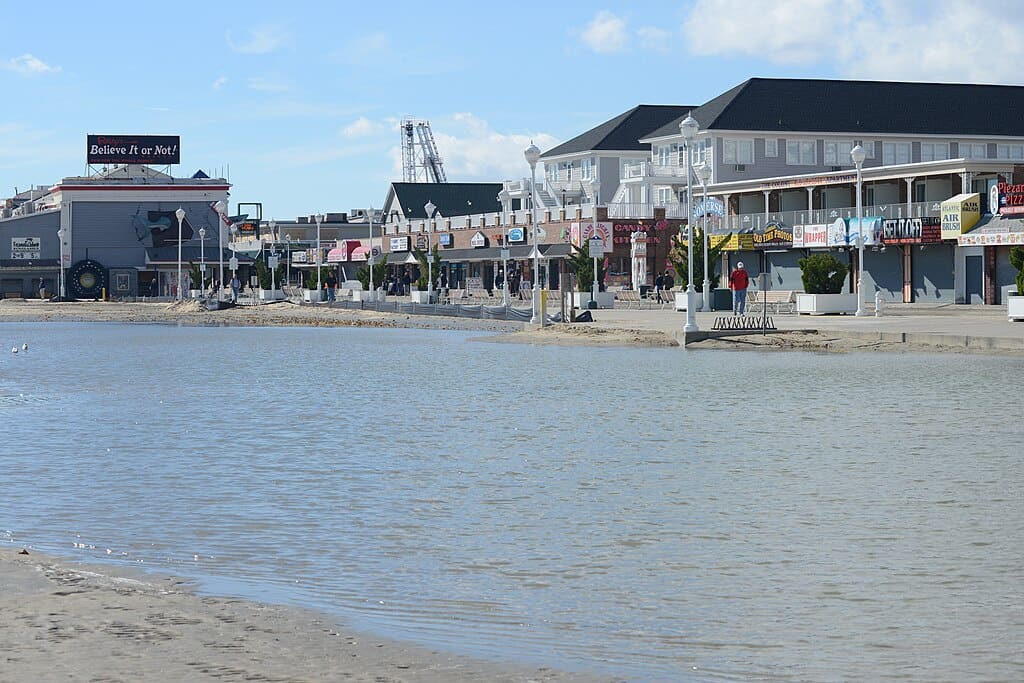
Ocean City’s boardwalk energy sits on a barrier island, so the town treats flooding as a predictable operational problem tied to tides and storms. Projects range from U.S. Army Corps beach replenishment that rebuilds sand buffers to local rules and mitigation work meant to reduce damage when water overtops streets or pushes through drains. Tourism still runs the calendar, but the behind-the-scenes work looks like utility management: gates, outfalls, pump upgrades, and construction timing designed to keep a summer weekend from turning into a stranded, soggy evacuation story during peak August.
Rehoboth Beach, Delaware
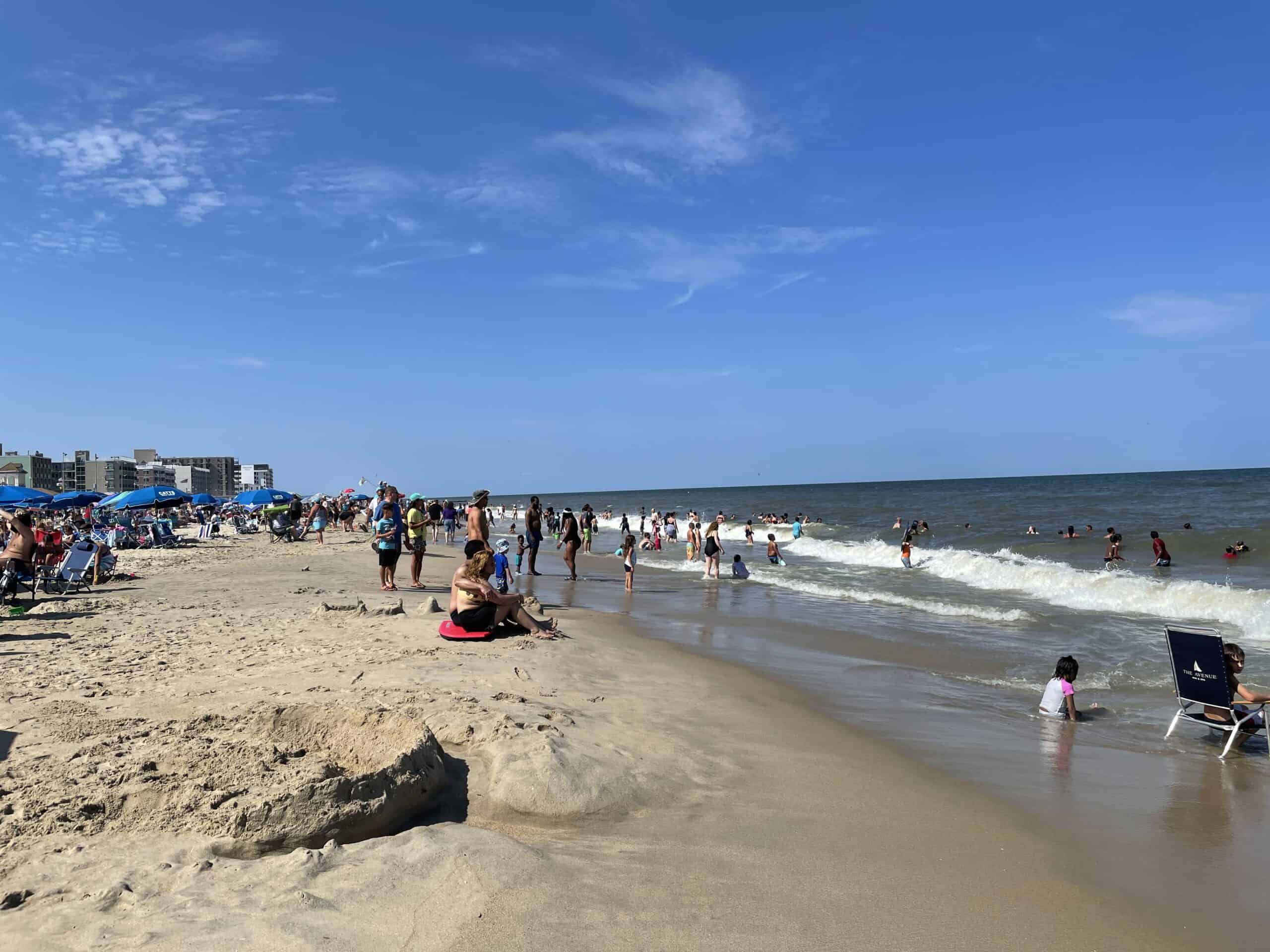
Rehoboth Beach feels old-fashioned in the best ways, yet its response to rising water is modern and administrative rather than dramatic. Town planning documents talk about stormwater master planning and a potential stormwater utility to pay for upgrades, because heavier downpours and tide-driven backflow reveal weak spots in pipes and outfalls. Tourism depends on easy walks between the boardwalk and restaurants, so the rethink centers on drainage, predictable funding, and rules that keep charming streets from becoming permanent puddle routes, especially after summer cloudbursts and storefront steps stay clear.
Provincetown, Massachusetts
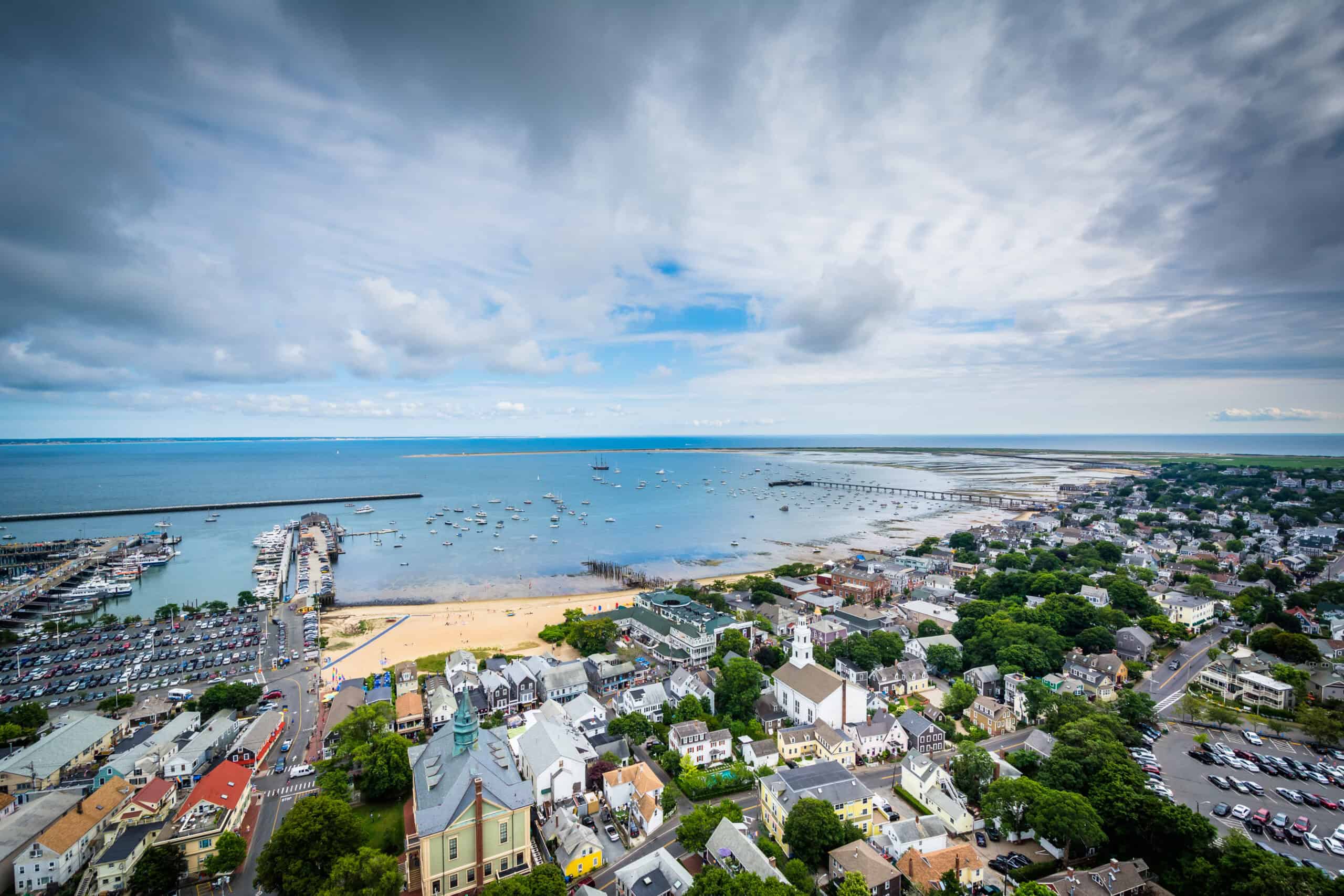
Provincetown’s art-and-nightlife magnetism sits beside a harbor where small sea level changes show up as nuisance flooding on Commercial Street and nearby low spots on busy summer weekends. Local hazard planning and academic work describe recurring inundation risk, pushing the town toward pilot flood protection ideas and hard questions about utilities, bulkheads, and roads that were built for a calmer shoreline. Tourism remains the lifeblood, but the future pitch depends on keeping the historic core walkable, so resilience becomes part of preserving the town’s sense of arrival, not just its property values.