We may earn money or products from the companies mentioned in this post. This means if you click on the link and purchase the item, I will receive a small commission at no extra cost to you ... you're just helping re-supply our family's travel fund.
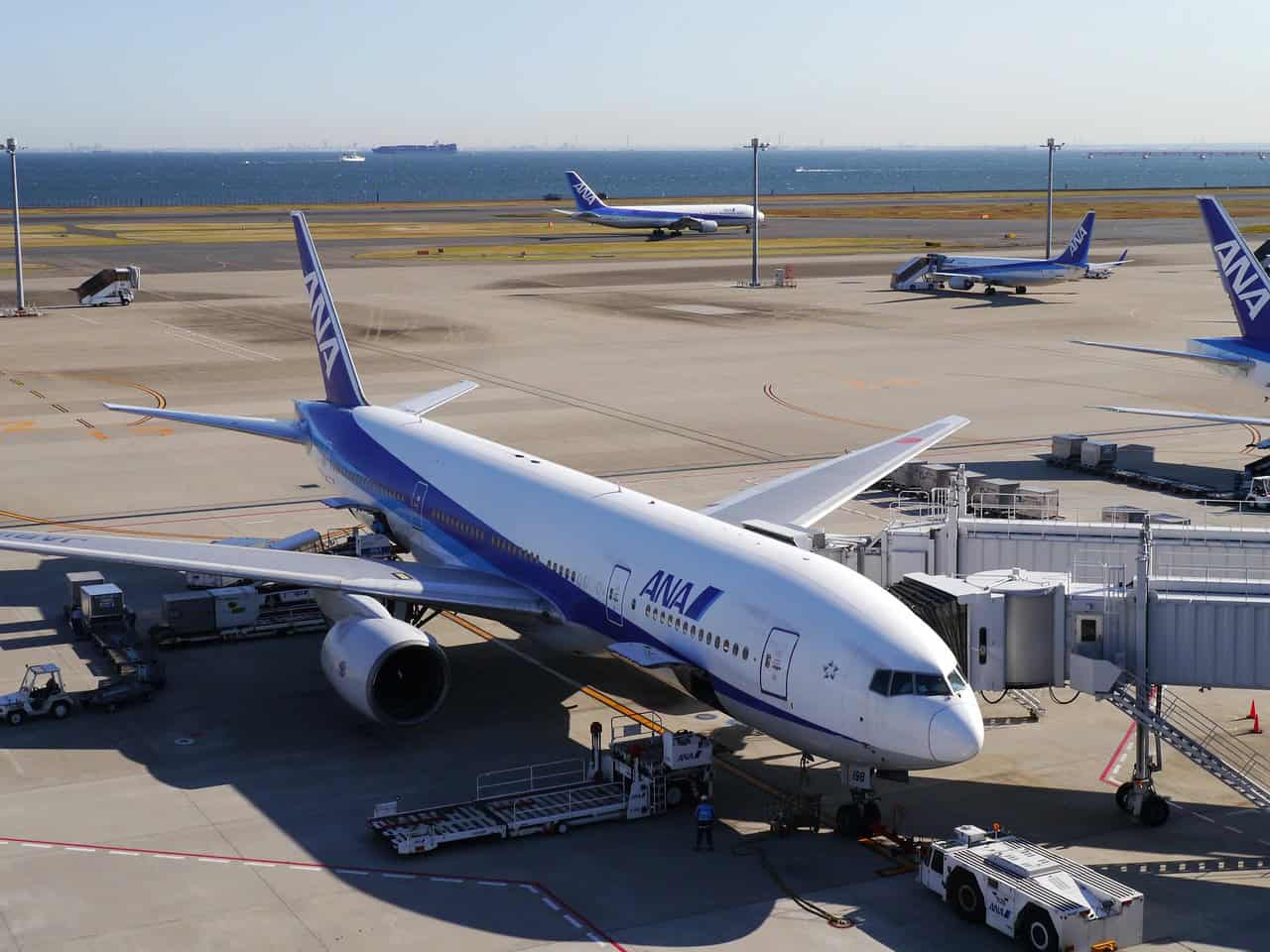
Air travel can feel like a test of patience, but some airports seem almost determined to challenge travelers more than others. These U.S. airports frequently appear on global “worst” lists due to delays, overcrowding, complex layouts, or weak passenger satisfaction scores. While many of them handle tens of millions of flyers every year and play vital roles in the aviation network, numbers reveal the frustration people often experience. Here are ten U.S. airports repeatedly ranked among the world’s least pleasant places to fly through.
1. Newark Liberty International Airport (EWR)
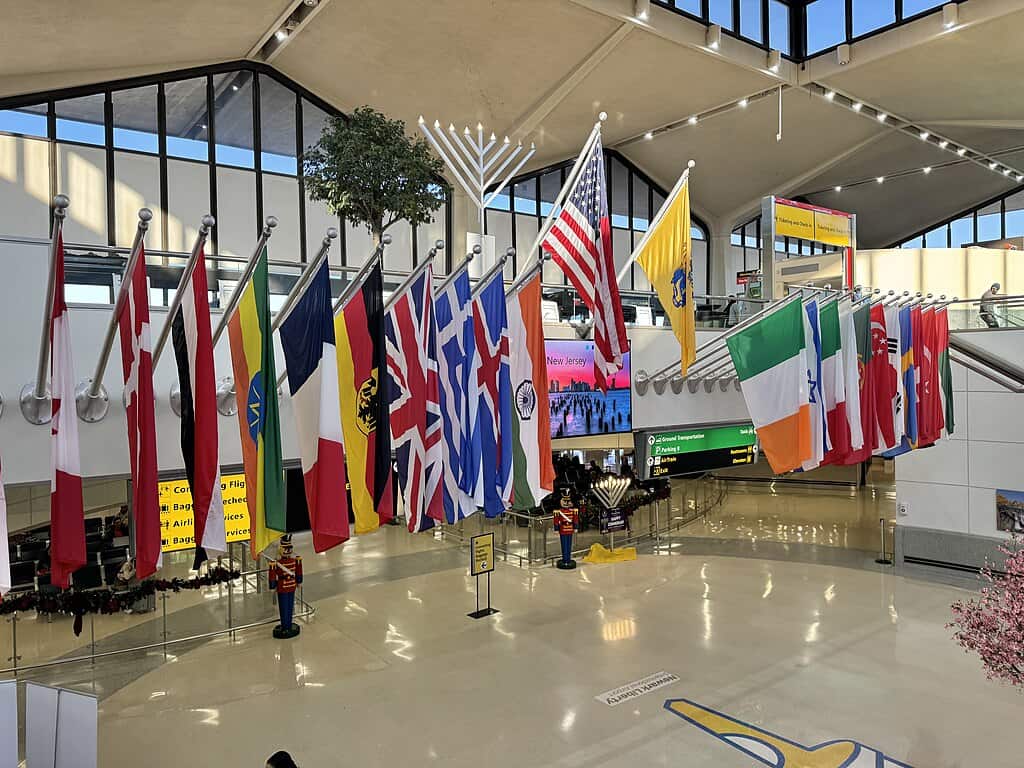
Newark regularly appears near the bottom of worldwide airport rankings, with many studies placing it in the lowest 10% globally for passenger satisfaction. Handling over 45 million travelers a year, it battles chronic congestion, aging terminals, and frequent flight disruptions that sometimes exceed 30% delay rates during peak seasons. Even recent upgrades have not fully erased complaints about confusing layouts, security wait times that can pass 40 minutes, and limited comfort areas. For many passengers, Newark feels stressful the moment they arrive, and unfortunately, statistics consistently support that feeling.
2. Fort Lauderdale Hollywood International Airport (FLL)
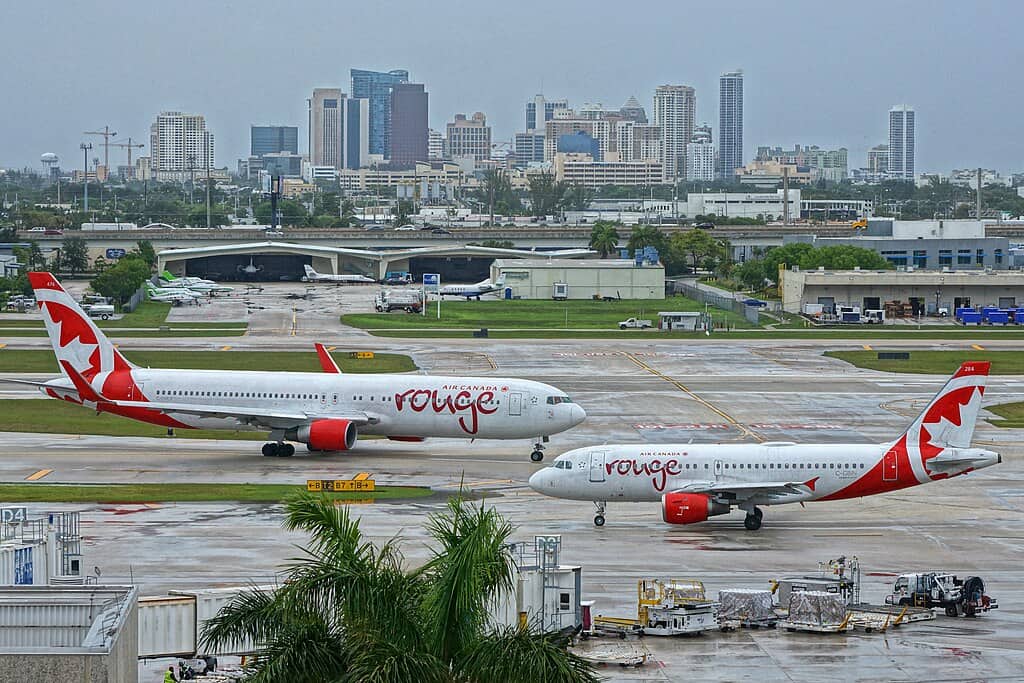
Despite strong tourist traffic, welcoming more than 30 million passengers annually, Fort Lauderdale’s airport is often criticized for being overwhelmed by its own popularity. Surveys repeatedly highlight overcrowded gates, loud terminals, and complaints about staffing, with passenger satisfaction ratings sometimes dipping below 70 out of 100 in global assessments. Flight punctuality can also be unreliable, with disruption percentages frequently touching 20–25% on busy travel stretches. While its Florida location makes it important for vacation travel, many travelers leave feeling more drained than excited, earning it repeated mentions among the world’s poorest-rated airports.
3. Philadelphia International Airport (PHL)
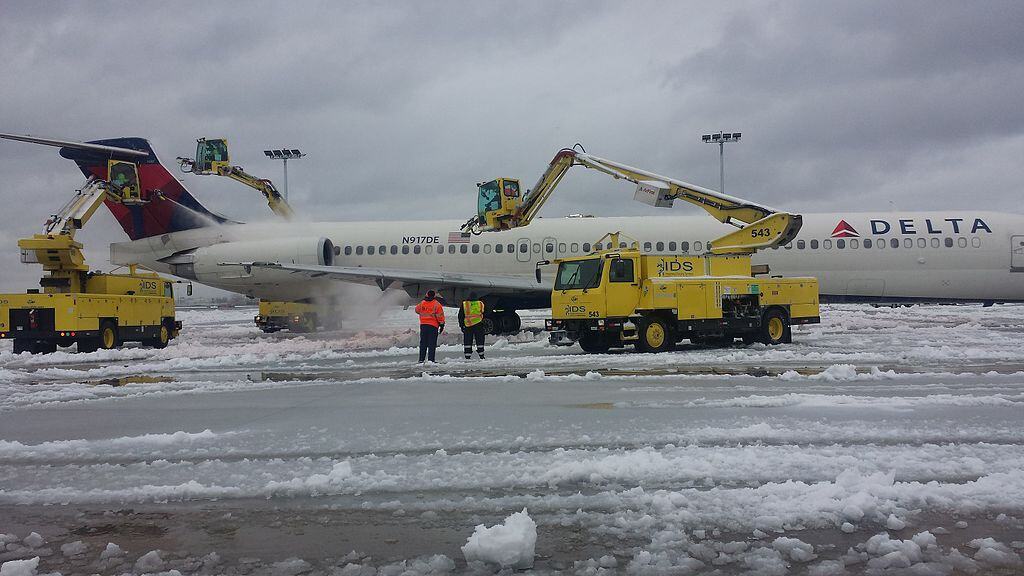
Philadelphia International handles around 33 million passengers a year, but it struggles with operational efficiency and passenger comfort. Various ranking reports often score it near the lower tier of major global hubs, sometimes below 3 out of 5 in traveler satisfaction. Delays can reach 25–30% on challenging travel periods, and travelers frequently mention confusing layouts, long security lines, and aging infrastructure. Even though the airport has made improvement attempts, persistent reviews mention average food options, limited seating comfort, and inconsistent cleanliness, keeping Philadelphia among airports many global flyers would prefer to avoid whenever possible.
4. Detroit Metropolitan Wayne County Airport (DTW)
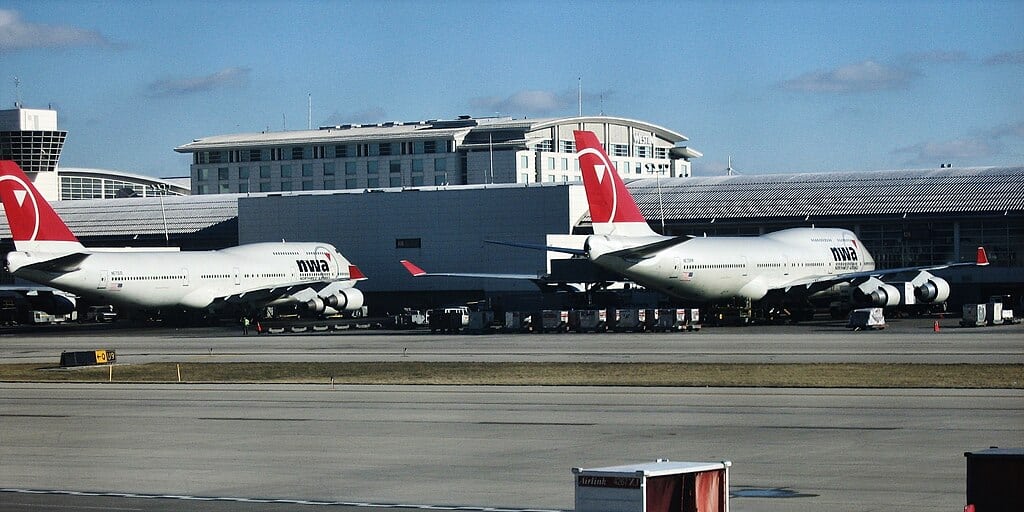
Detroit’s airport surprises many people when it appears on poor-ranking lists, especially since it handles more than 35 million yearly passengers and features one visually modern terminal. Yet travelers consistently report mixed experiences, with some surveys placing DTW in the lower global tiers despite its size. Complaints often mention airline disruption levels that can hit 20% delays, complicated transfers, and a sense that passenger services lag behind expectations for a major international hub. Customer satisfaction scores occasionally sit below 75/100, suggesting that while Detroit looks impressive at moments, the actual travel experience often leaves flyers frustrated.
5. Ronald Reagan Washington National Airport (DCA)
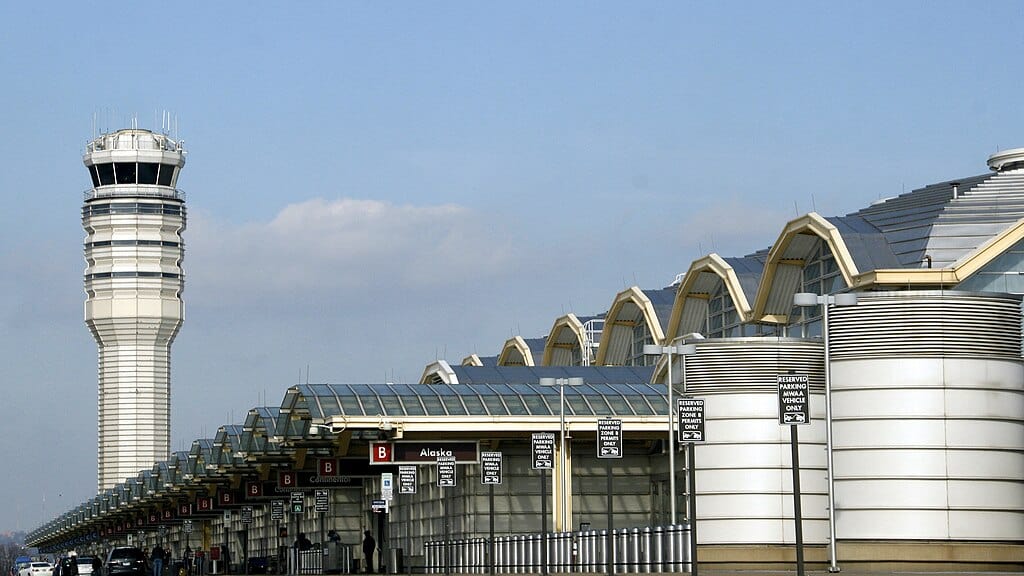
Serving the U.S. capital with over 25 million annual passengers, Reagan National suffers mainly from space constraints and operational limits. Because of strict airspace rules and compact terminal layouts, the airport often feels crowded, with security waits that can climb beyond 35 minutes during peak times. Several ranking systems routinely place it in lists of poorly performing U.S. airports, with satisfaction ratings sometimes landing near the lower global brackets. Delays can hover around 20%, especially in storm season, and critics argue that the airport feels more chaotic than welcoming despite its political importance and scenic Potomac River approach.
6. Dallas/Fort Worth International Airport (DFW)
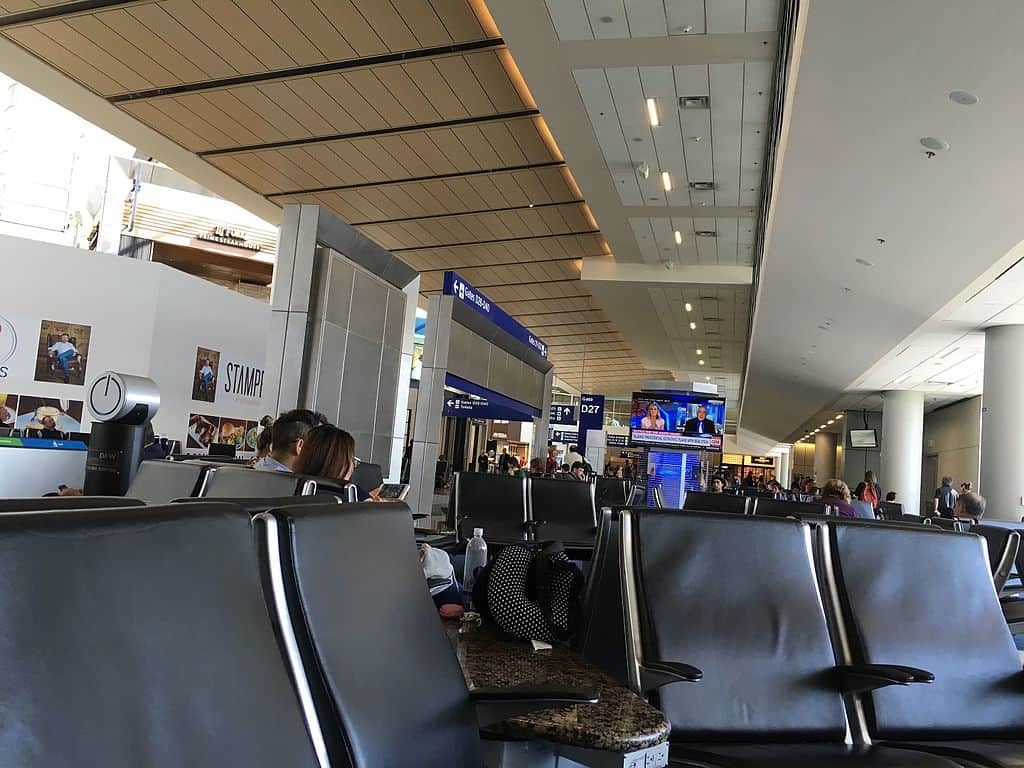
DFW is one of the largest airports in the world, serving over 70 million travelers yearly, yet size does not always equal comfort. Many passengers complain that navigating its sprawling layout feels exhausting, with terminal transfers and gate distances sometimes requiring long shuttle rides. Various surveys rate its passenger experience as average to below average, with scores occasionally dipping under 75/100, especially during heavy travel seasons. Delay percentages can reach 25%, and travelers frequently express frustration about crowd control, service consistency, and occasionally confusing signage. Grand in scale, Dallas often ranks low in overall comfort and stress levels.
7. LaGuardia Airport (LGA)
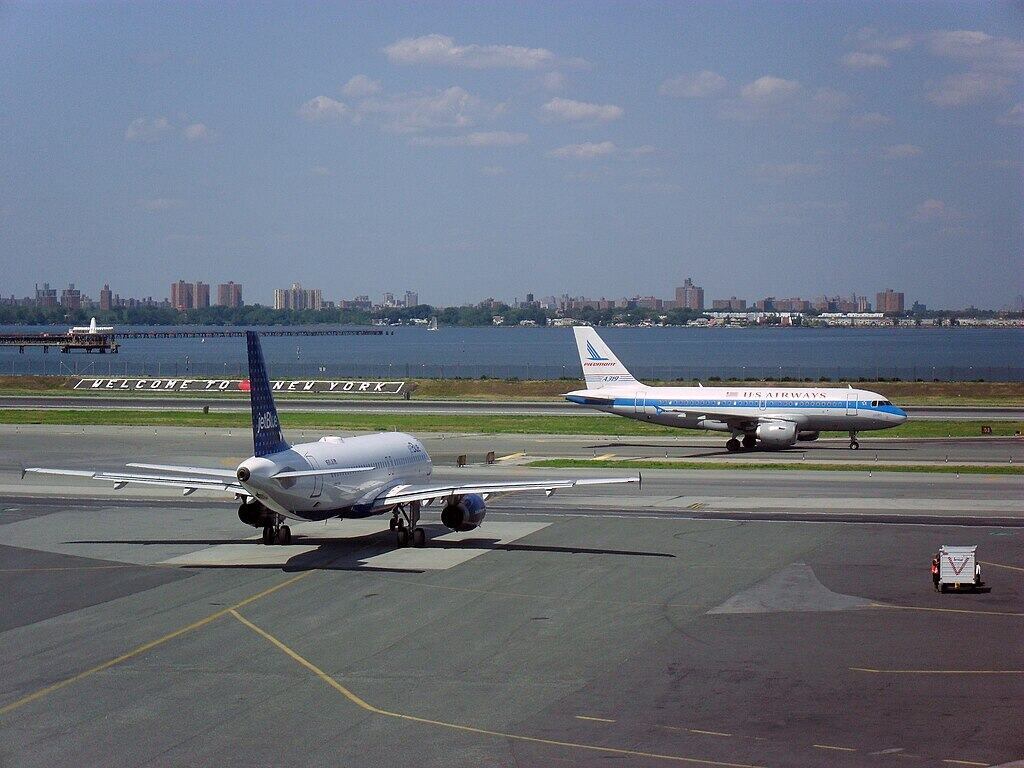
Even after billions in renovation work, LaGuardia still struggles to escape its long-standing reputation, historically appearing near the bottom of global traveler rankings. Serving around 30 million passengers annually, it has been criticized for congestion, traffic chaos outside the terminals, and frequent delays that can exceed 25%. Customer satisfaction scores often linger in the lower international categories, sometimes below 70/100, as travelers complain about crowded spaces and limited relaxation areas. While modern sections have improved the visual appeal, many passengers still describe the experience as tiring rather than smooth, keeping LaGuardia’s presence strong on “worst airports” lists worldwide.
8. Tampa International Airport (TPA)
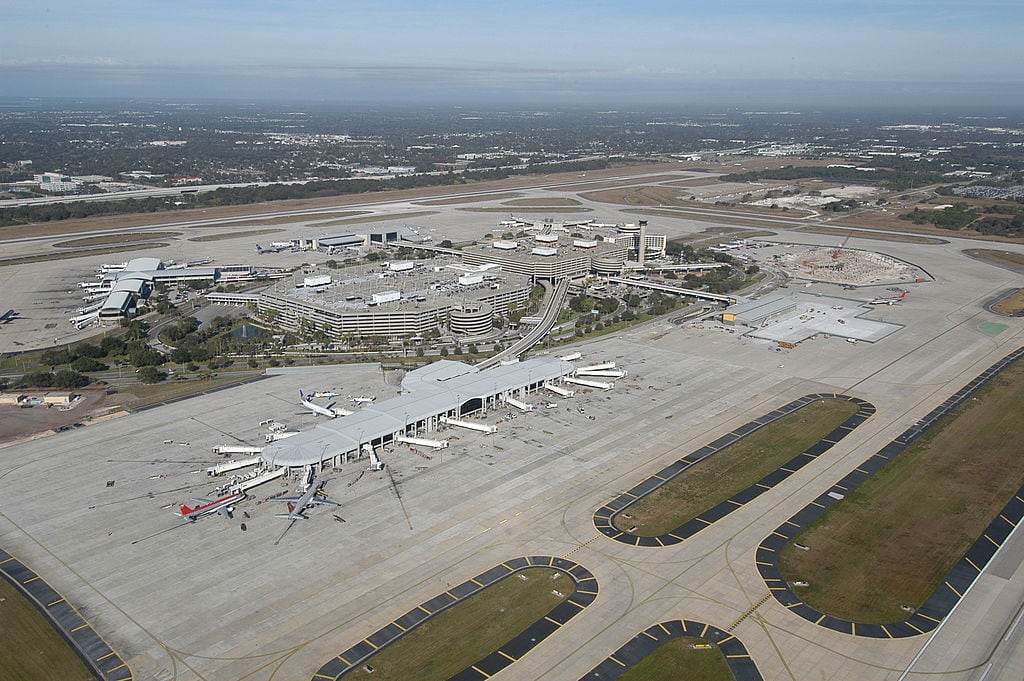
Tampa might surprise some travelers on a “worst” list, yet several global ranking systems have placed it among underperforming U.S. airports in recent evaluations. Handling roughly 22 million yearly passengers, Tampa faces criticism for inconsistent service standards, occasional operational inefficiencies, and passenger satisfaction scores that sometimes slide below 75/100 in broader worldwide comparisons. Delays can reach 18–22%, and many visitors note crowding issues during tourism peaks, along with limited seating and sometimes slow baggage processes. Though it plays a critical role for Florida travel, statistics and feedback keep pulling Tampa into discussions of weaker-performing global airports.
9. Boston Logan International Airport (BOS)
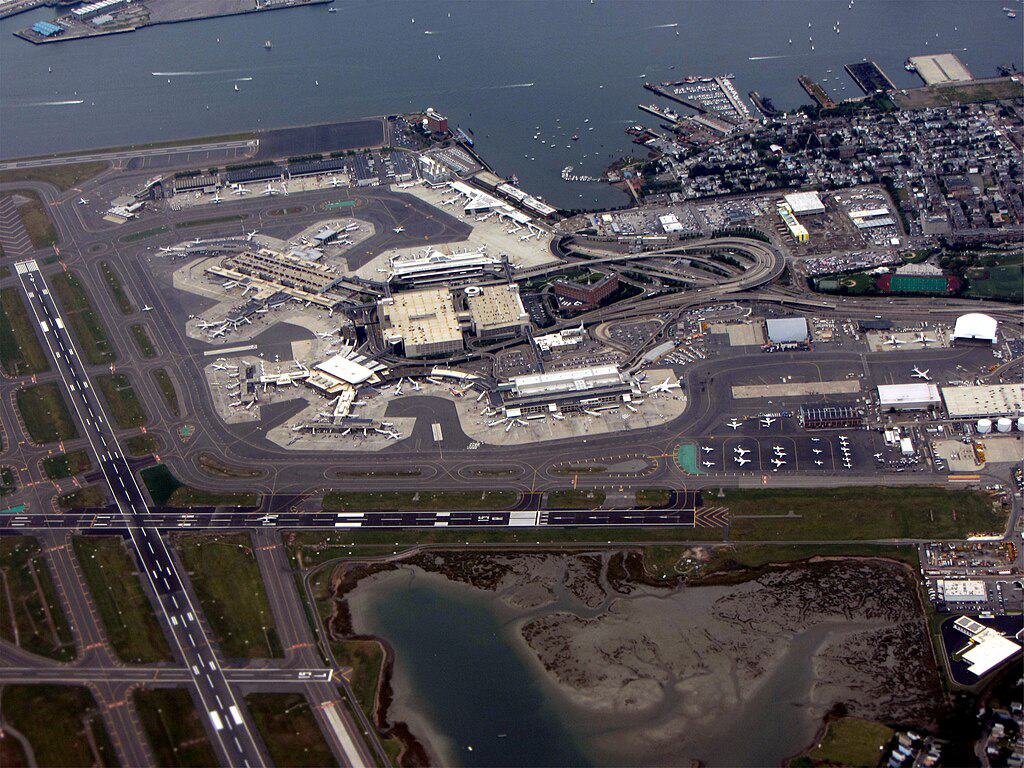
Boston Logan serves more than 40 million travelers annually, yet it consistently faces criticism over stressful layouts, traffic bottlenecks, and unpredictable weather-related delays. Some studies place its delay percentages above 25% during difficult seasons, and traveler satisfaction scores can dip toward the lower international range, occasionally below 75/100. Many passengers complain about terminal crowding, long walks between areas, and occasional confusion navigating the airport’s structure. While Boston is undeniably important for both domestic and international travel, many global ranking systems repeatedly group it with airports that demand more patience than most travelers would prefer to give.
10. Chicago O’Hare International Airport (ORD)
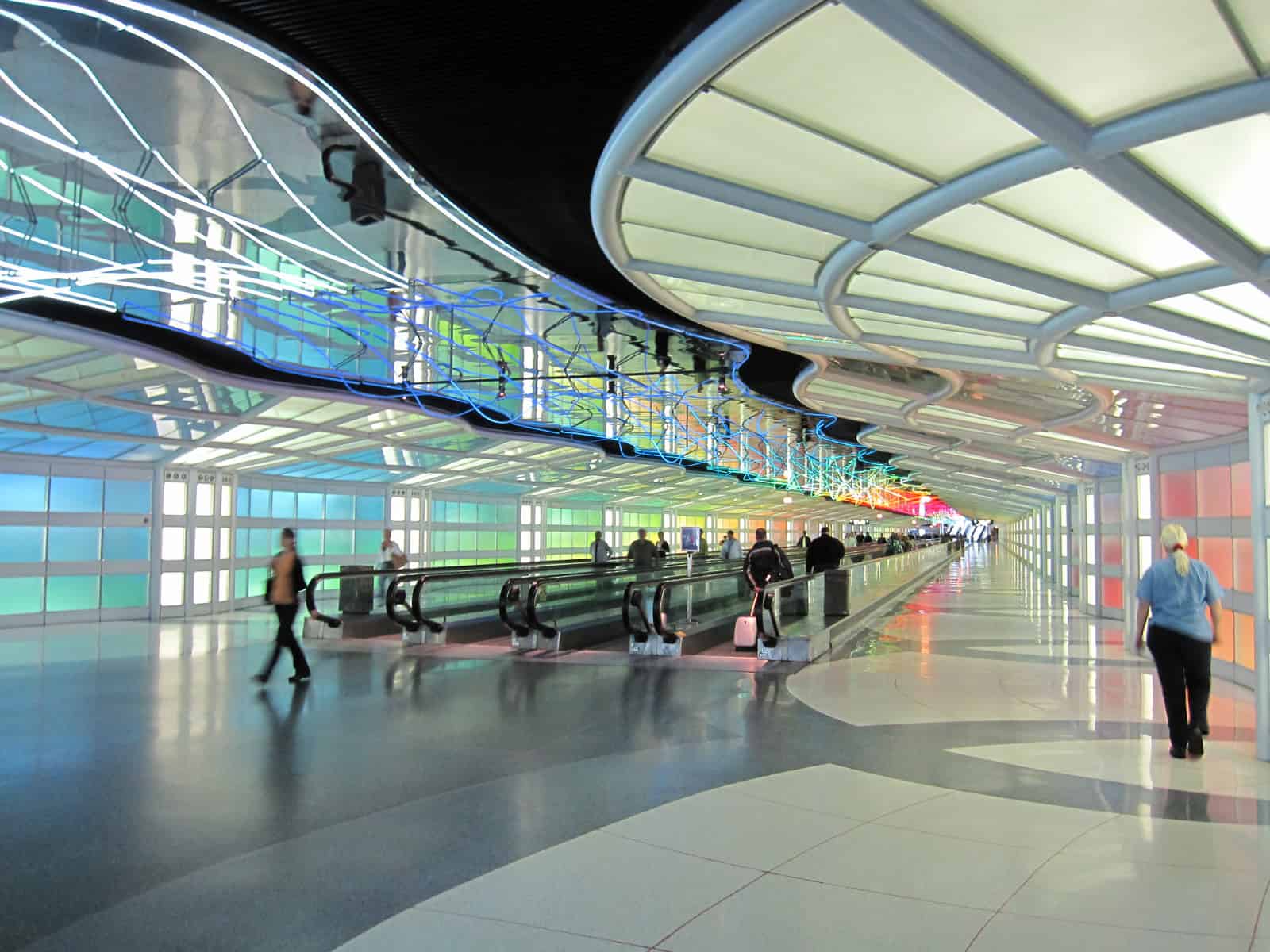
Chicago O’Hare is one of the busiest airports on Earth, welcoming well over 75 million passengers each year, but its sheer volume often turns into its greatest weakness. Numerous studies regularly rank it among the worst for on-time performance, with delay rates frequently stretching beyond 30%, especially during winter. Passenger experience scores can fall near the lower competitive range worldwide, sometimes slipping under 73/100, as travelers mention long queues, confusing terminal connections, and limited calm spaces. O’Hare is undeniably essential to global aviation, yet its operational pressure continues to place it firmly among the world’s most frustrating airports.