We may earn money or products from the companies mentioned in this post. This means if you click on the link and purchase the item, I will receive a small commission at no extra cost to you ... you're just helping re-supply our family's travel fund.
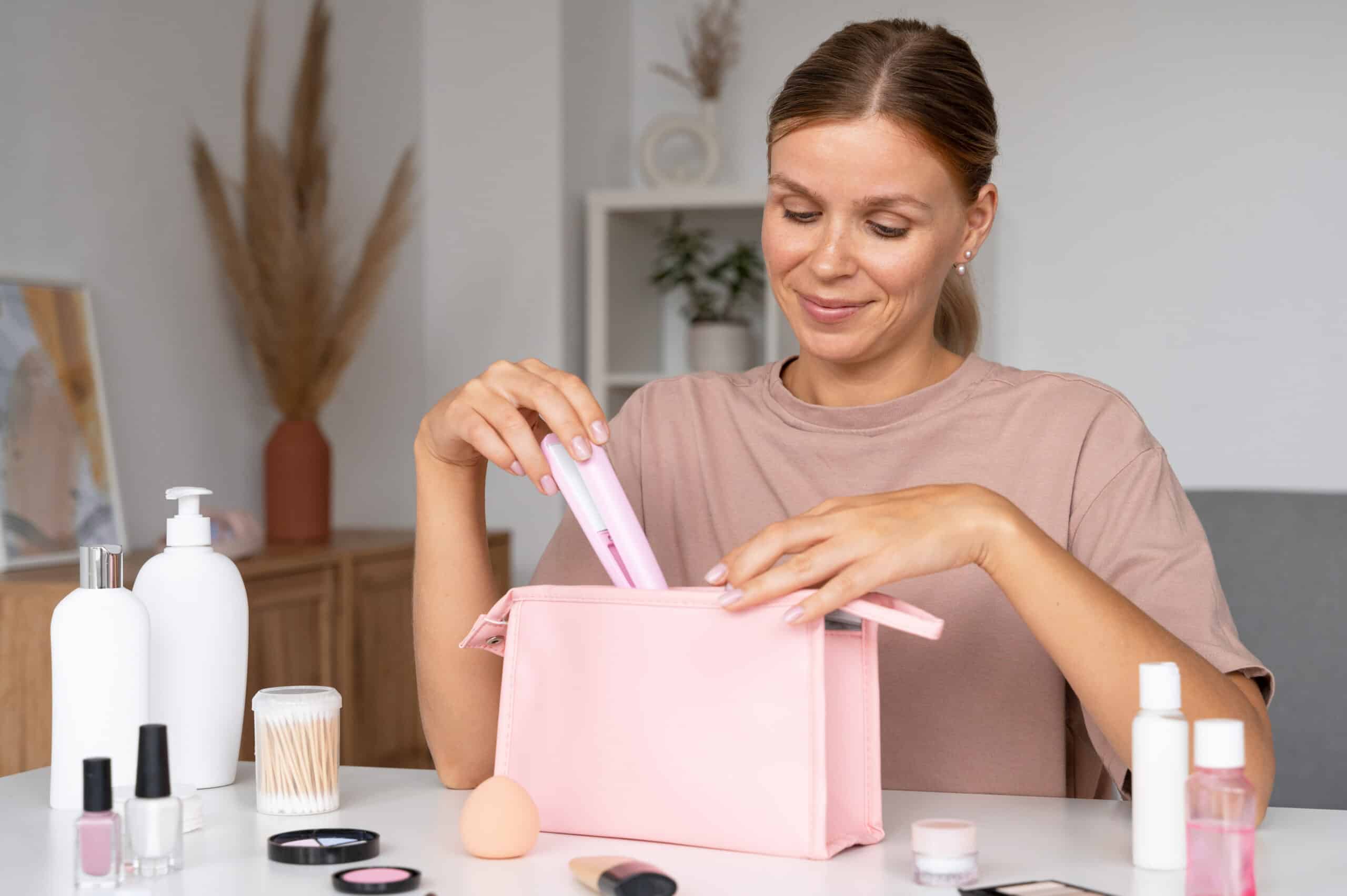
U.S. airport security rarely feels personal, yet the line moves faster when a bag is built for the scanner instead of the hotel dresser. Most slowdowns come from predictable culprits: loose liquids, bulky layers, tangled electronics, and snacks that count as gels. The smartest packing swaps are small, almost boring, but they reduce the number of bins, rescans, and bag searches that stall everyone behind them. With a few intentional choices, the checkpoint becomes a quick routine instead of a stress test.
Swap Bottled Shampoo for Solid Toiletries
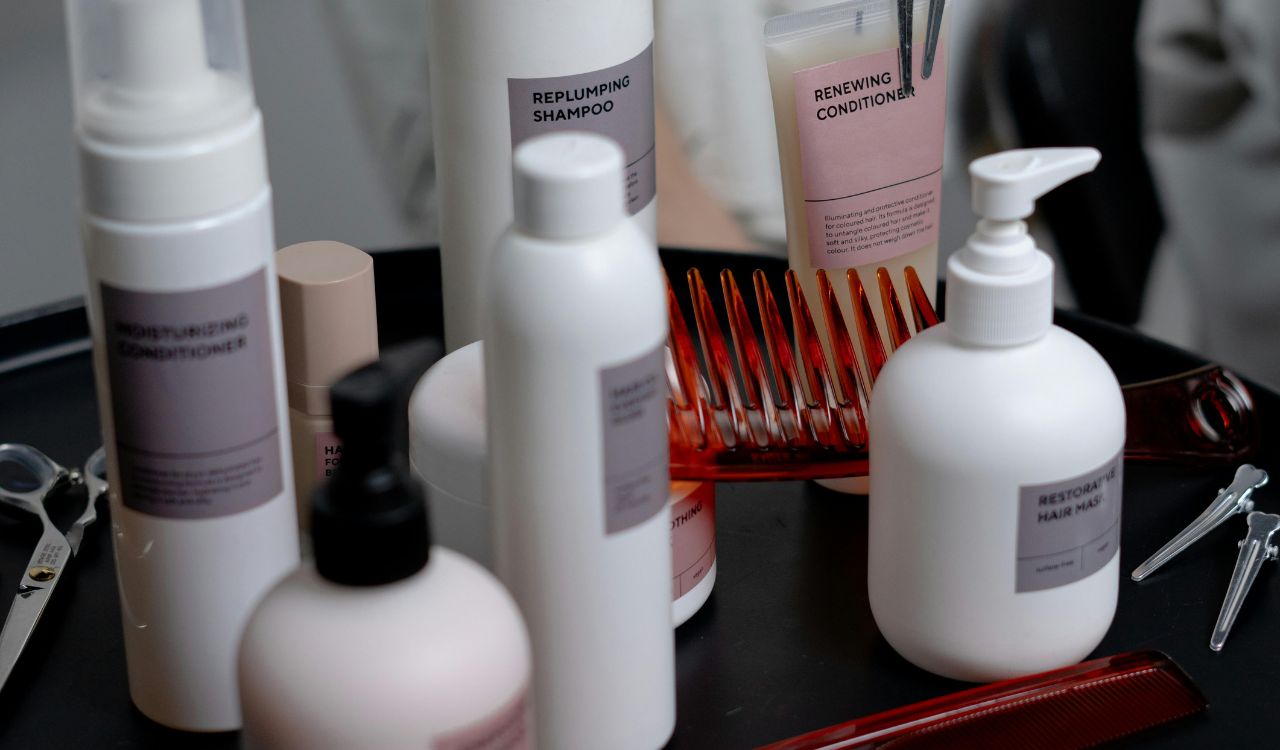
Solid shampoo bars, conditioner bars, and soap sheets remove the checkpoint headache that causes the most bin shuffling: liquids that hit the limit and invite scrutiny, then spill into everything else. TSA caps carry-on liquids, gels, and aerosols at 3.4 oz (100 mL) per container, packed into one quart-size bag, so every bottle replaced with a solid saves measuring, debating, and repacking while trays stack up and lanes tighten. Solids also behave better in transit, with no leaks onto cables or clothing, no sticky residue that muddies an X-ray image, and fewer last-minute decisions about what gets tossed when the bag is full.
Build One Liquids Bag and Keep It on Top
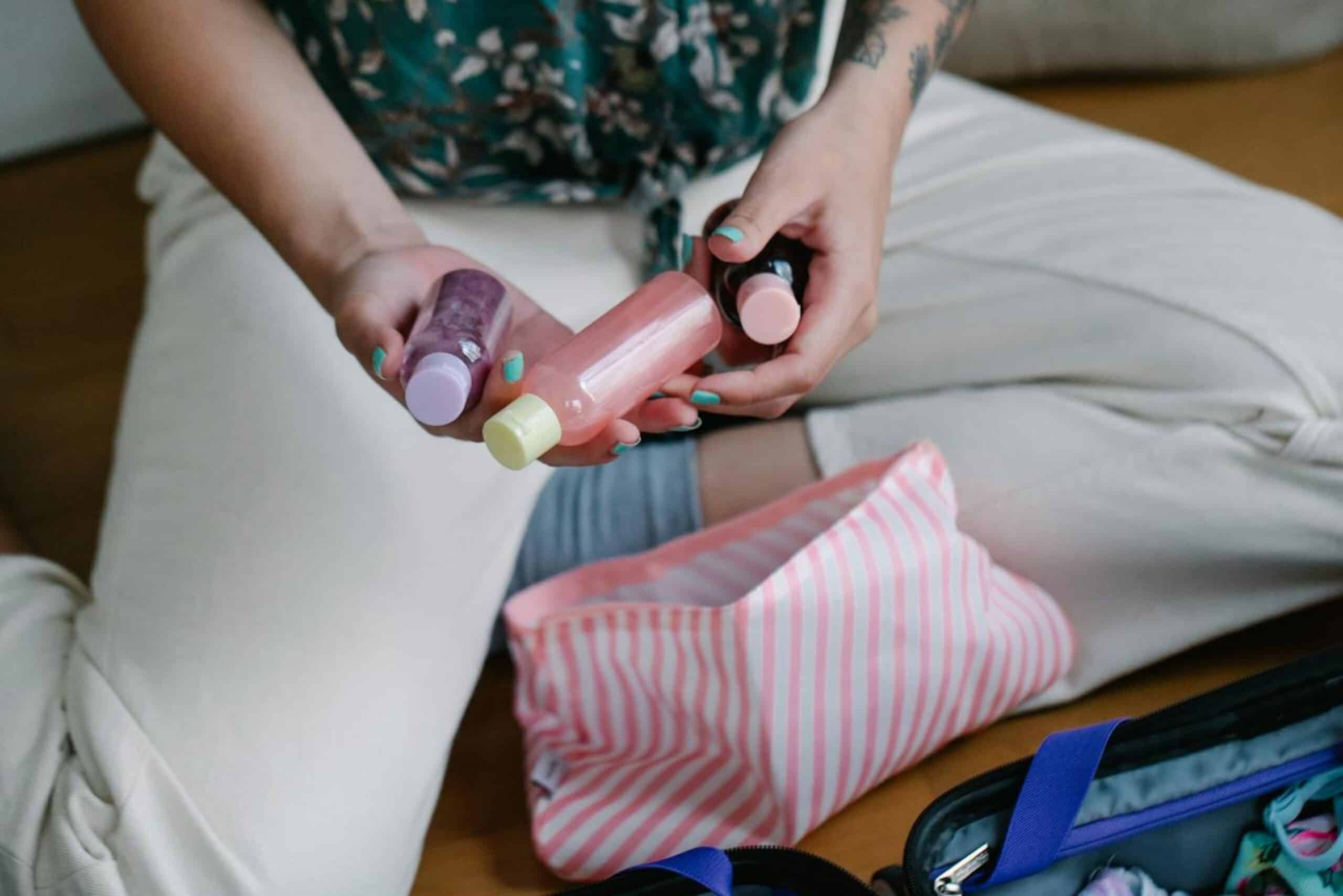
Instead of scattering minis across pockets and pouches, a single clear quart-size bag becomes the only home for liquids, creams, and pastes, sealed before leaving home and never repacked at the curb. TSA’s 3-1-1 routine works best when that bag is easy to grab and separate, because one smooth motion at the belt prevents a ripple of delays that turns a brief pause into a backed-up lane, tray after tray. Keeping the bag at the top of the carry-on stops the frantic dig at the conveyor, and it still pays off at airports with newer scanners because rules vary by lane, day, and equipment, and clear access reduces bag searches.
Trade Spreadables for Solid Snacks
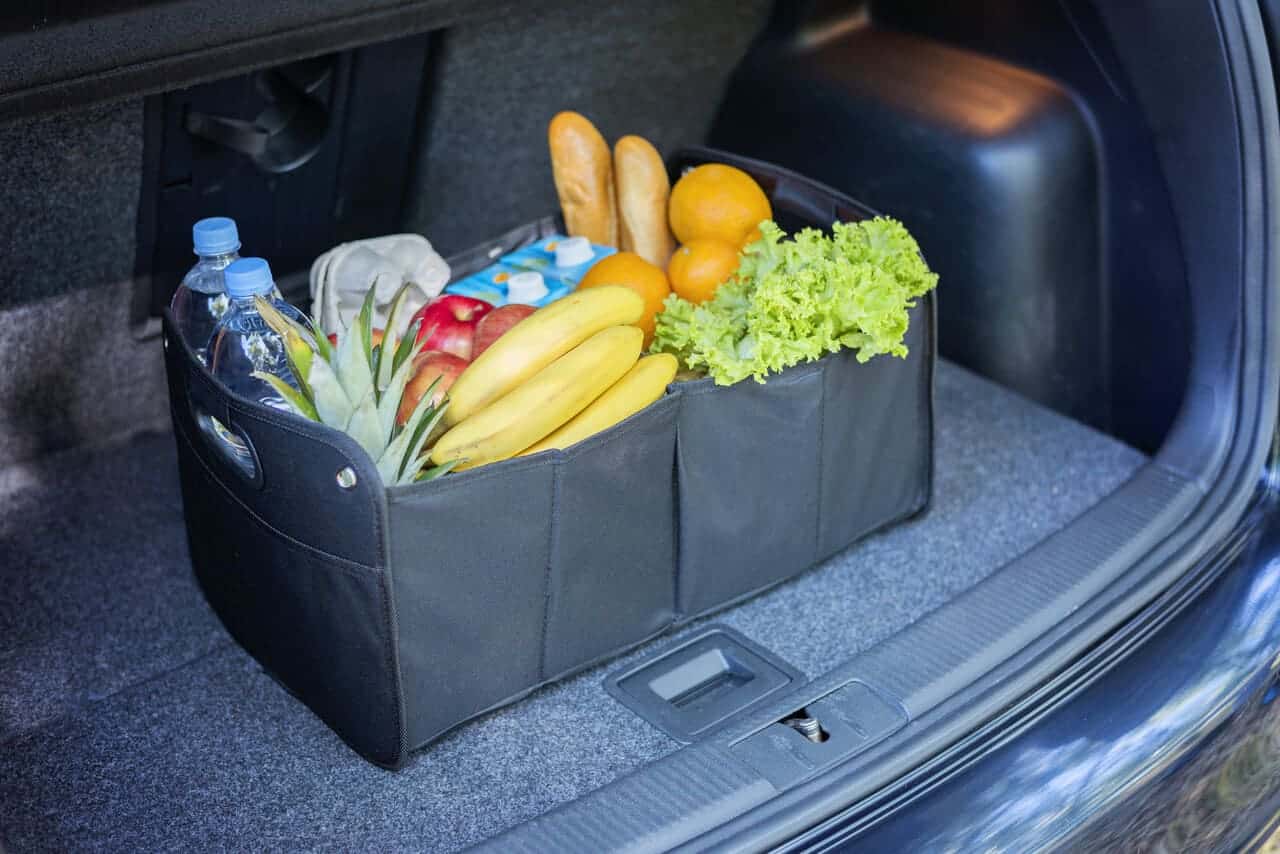
Many travelers pack food and forget that spreads behave like liquids at screening, which turns an innocent snack into a surprise delay and a quiet lecture at the belt. TSA classifies peanut butter as a liquid and limits it to 3.4 oz (100 mL) in carry-ons, and other gel-like foods, like hummus, yogurt, pudding, and salsa, can cause the same issue when containers are oversized or unlabeled. Swapping to solid snacks, like nuts, jerky, fruit, or dry crackers, keeps the bag closed, speeds the scan, and avoids the slowest hassle: a bag search over something meant to be eaten between flights, not inspected after a long connection.
Downsize Powders and Separate the Big Ones
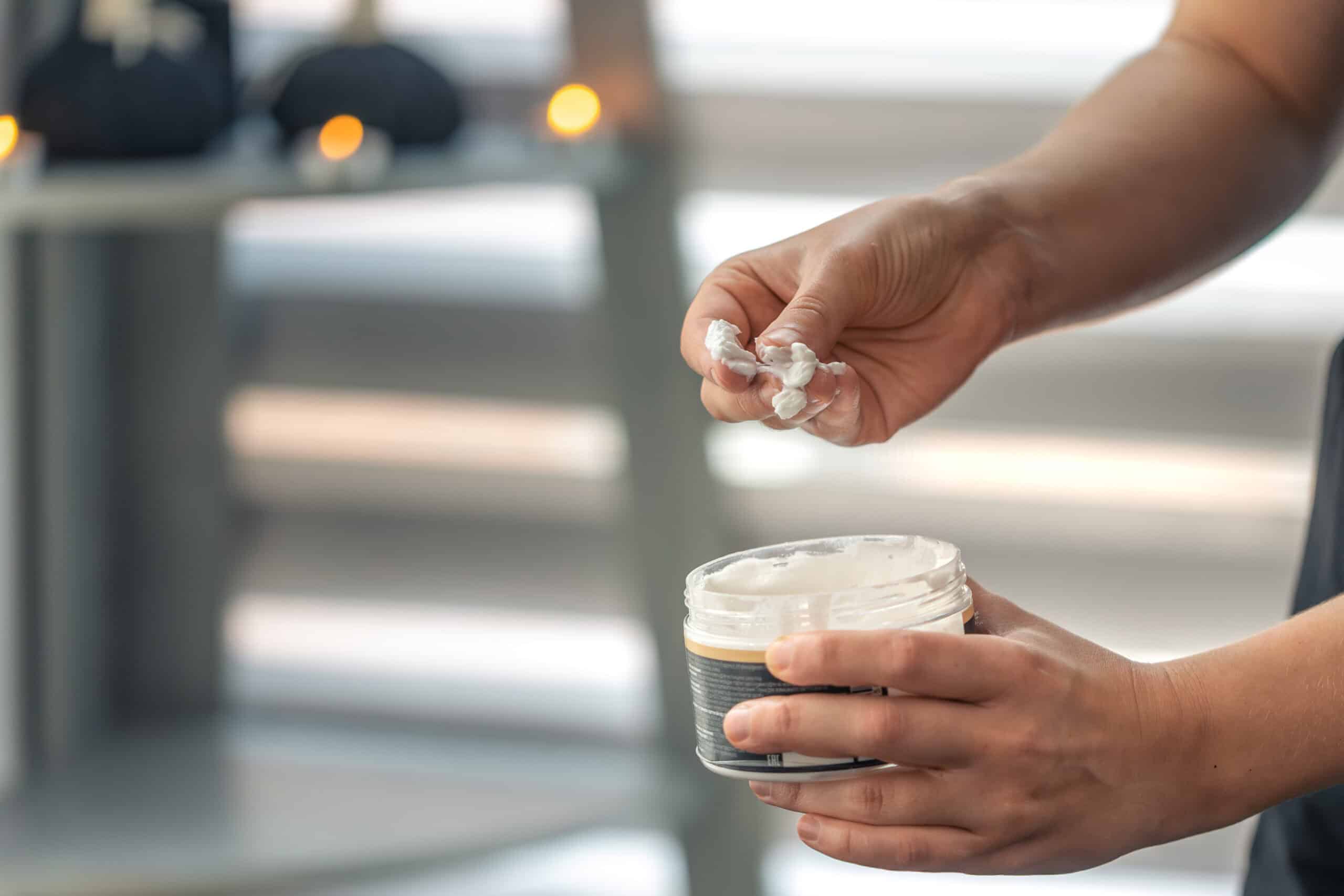
Oversized powders are quiet troublemakers because they look dense on X-ray, and dense blobs often lead to secondary screening, swabs, and questions. TSA notes that powder-like substances over 12 oz (350 mL) may require additional screening and can be placed in a separate bin, so a protein tub, baby powder, or makeup refill can stall the lane long enough for trays to pile up. Swapping to smaller containers, keeping original labels when possible, or moving big powders to checked luggage keeps the carry-on simple, keeps the image cleaner, and reduces the chance of a full bag dump onto a stainless-steel table during peak hours.
Pack Electronics in a Lift-Out Tech Pouch
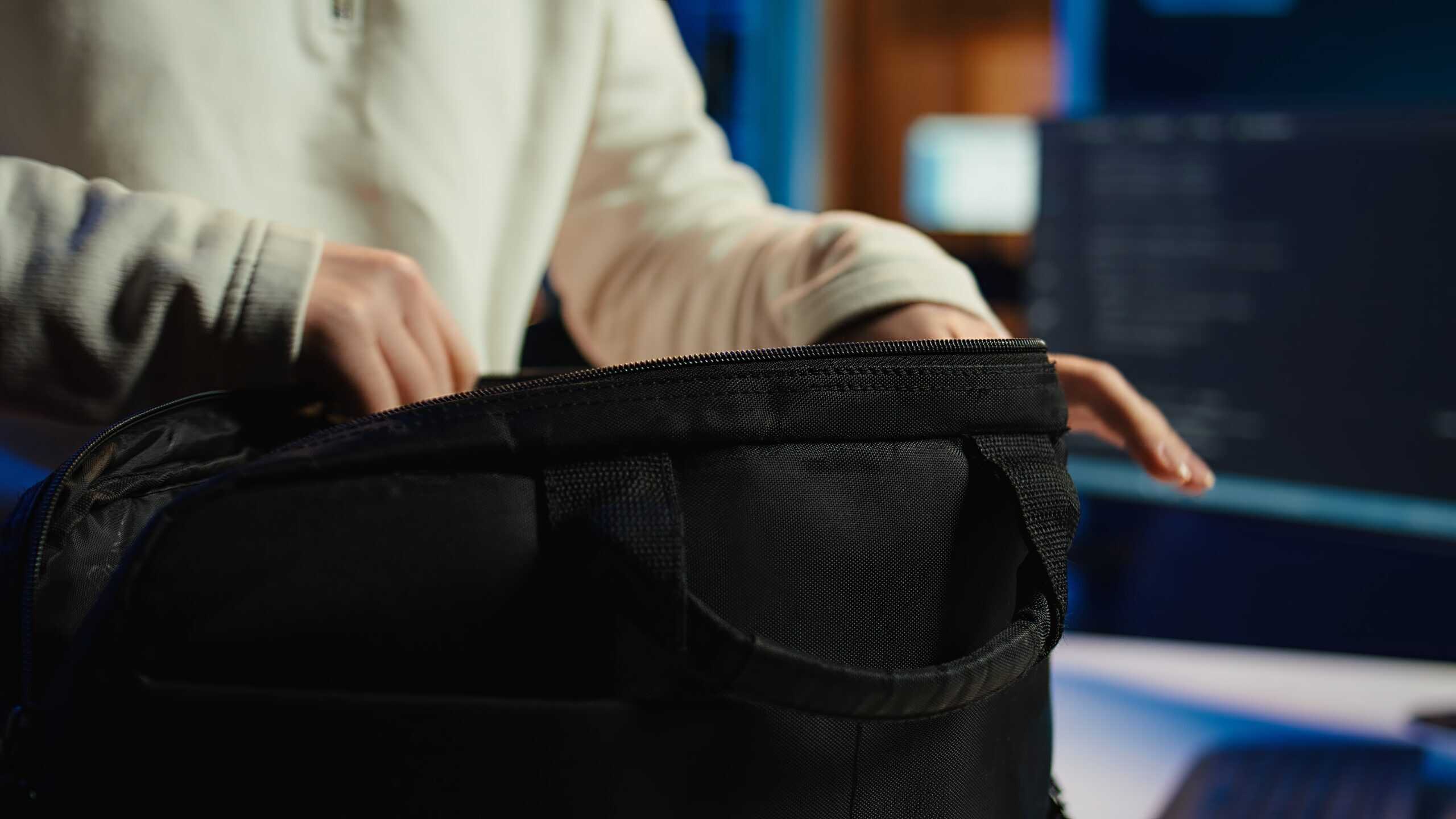
Loose chargers and gadgets slow the checkpoint because officers may ask for electronics larger than a cell phone to be removed for clearer screening, especially when items are stacked. TSA guidance says larger personal electronic devices may need to come out and go in a bin, so a lift-out tech pouch turns that request into one clean motion instead of a cable spill across the rollers. Storing a laptop or tablet in an outer sleeve finishes the setup, and repacking stays calm on the far side because every device, camera, plug, and earbud case has a dedicated place, not a random pocket that gets missed in the rush when the lane is loud.
Replace Long Cables with One Short Core Kit
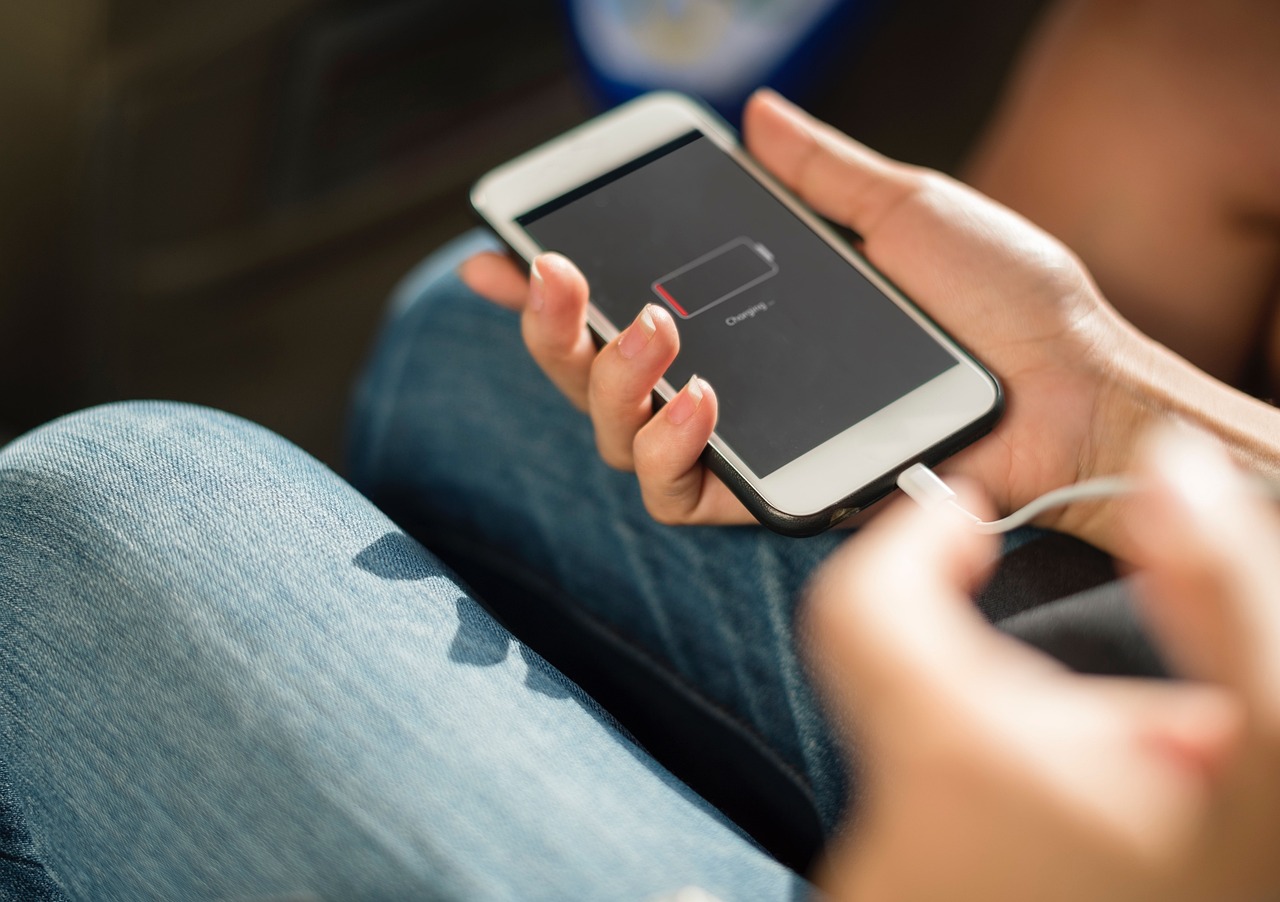
A fistful of long cords creates tangles that snag on zippers and spill into bins at the worst moment, and the dense ball of wire can look messy on the screen. Swapping to a short core kit with one compact plug, one multi-port cable, and one small power bank reduces loose parts, speeds repacking, and makes the X-ray image easier to interpret at a glance, with each piece visible. The swap also cuts down on tiny delays that clog exit lanes, because there is no kneeling to untie knots, no cords dragging on the floor, no frantic rewinding while others wait to grab trays, and no stray adapter left behind at 6 a.m. on a tight connection.
Swap Pocket Clutter for a Single Zip Pouch
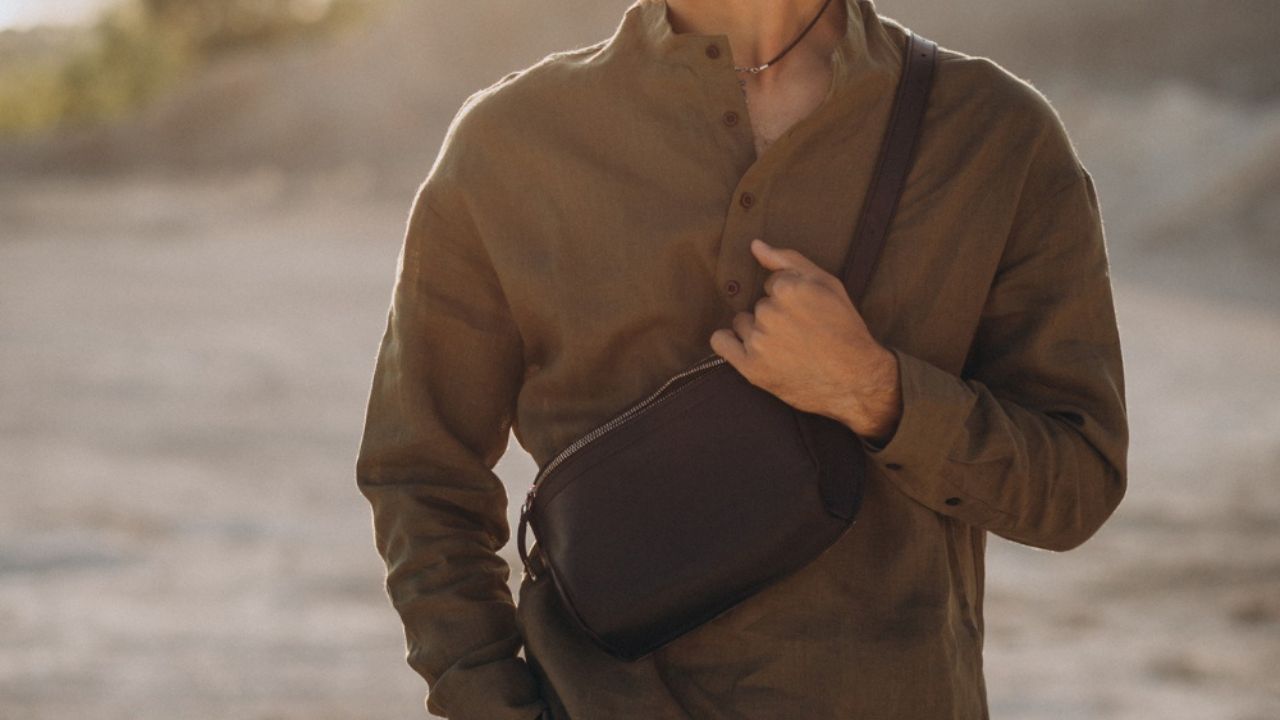
Keys, coins, lip balm, and tiny metal items drift into pockets and trigger last-second emptying right at the scanner, which is the worst place to reorganize and the easiest place to drop something. A single zip pouch consolidates that clutter before the line begins, so pockets stay nearly empty and trays do not fill with loose objects that fall, scatter, or get left behind when attention is split. The payoff appears on the exit side, too: repacking becomes automatic, nothing slides off the tray, and fewer people stop in the walkway to hunt for one key or one card while everyone else tries to pass in a line of rolling suitcases.
Choose Low-Metal Outfits Over Accessories

Heavy belts, stacked jewelry, metal hairpins, and metal-heavy shoes can turn screening into a stop-and-start routine when alarms go off and rechecks begin. TSA PreCheck lanes often allow travelers to keep shoes, belts, and light jackets on, but standard lanes can still require removals depending on the airport and equipment, so a low-metal outfit is the safest universal bet. Elastic-waist pants, minimal jewelry, and simple footwear reduce false alarms, cut down on bins, and keep the traveler from getting pulled aside for extra screening that turns a five-minute line into a 20-minute ordeal, especially in morning rush waves.
Wear Thin Layers and Pack the Coat Early

Bulky outerwear slows the line because it comes off, goes in a bin, and then gets wrestled back on in a crowded space where no one wants to linger, especially when pockets are full. Swapping one heavy coat for thin layers keeps body screening simpler, and it reduces the pile of scarves, gloves, and hoodie strings that end up tangled in trays, caught in rollers, or forgotten on the far side. When a coat is necessary, packing it on top of the carry-on makes removal fast and tidy, preventing the bottleneck created by travelers digging for outerwear and blocking the lane right when the belt is moving fastest and the crowd is impatient.
Keep Toiletries and Electronics in Separate Zones
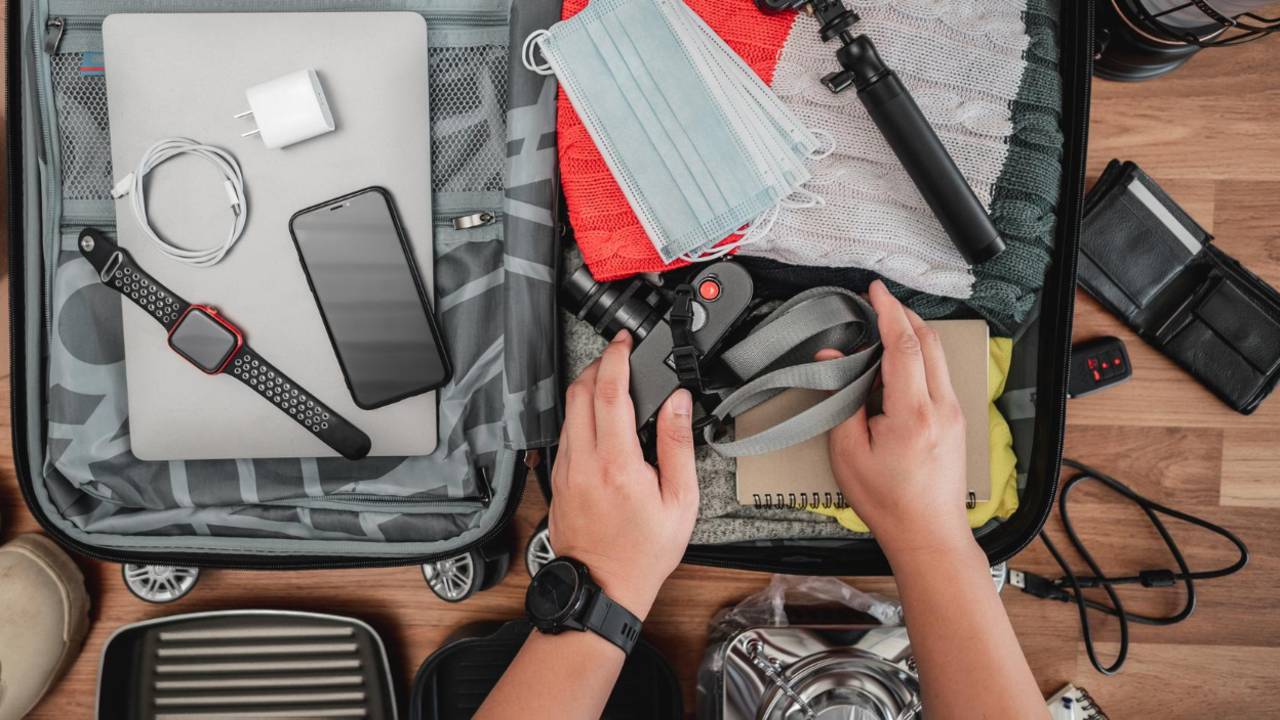
Security images get messy when liquids and wires overlap, and messy images often earn extra attention that slows a whole row of bins and forces repacking at the table. TSA notes that separating liquids in a small bag facilitates screening, and the same logic applies to anything that can smear, clump, or leak near electronics and cables. Creating two zones in the carry-on, one for toiletries and one for flat electronics, keeps scans cleaner, reduces bag openings, and prevents the worst travel mistake: sunscreen leaking into a laptop compartment before a long flight, then spreading through documents, chargers, and boarding passes.