We may earn money or products from the companies mentioned in this post. This means if you click on the link and purchase the item, I will receive a small commission at no extra cost to you ... you're just helping re-supply our family's travel fund.
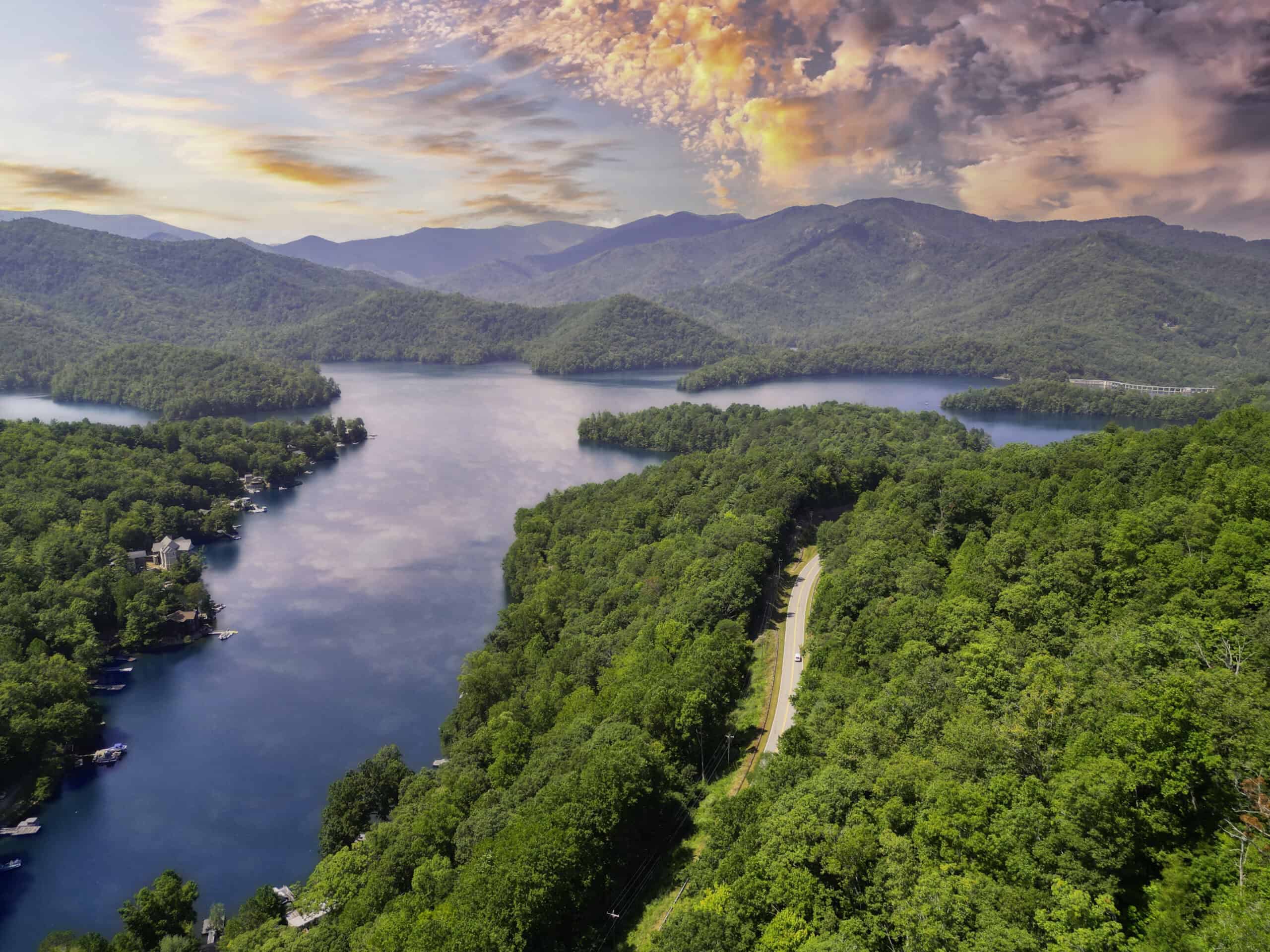
Some lakes become famous because they sit beside big cities or national parks with loud reputations. Others stay quiet even when the water is clear, the shoreline feels wild, and evenings smell like pine and campfire smoke. These under-the-radar lakes reward travelers who look past the usual postcard names and plan for a slower getaway. In 2026, they offer the same essentials families chase everywhere: easy paddling, dependable swimming coves, short hikes, and nights that actually go dark. Each one delivers a different mood, from cypress-shadowed bayous to high alpine bowls, with fewer crowds and more space to breathe.
Lake Jocassee, South Carolina
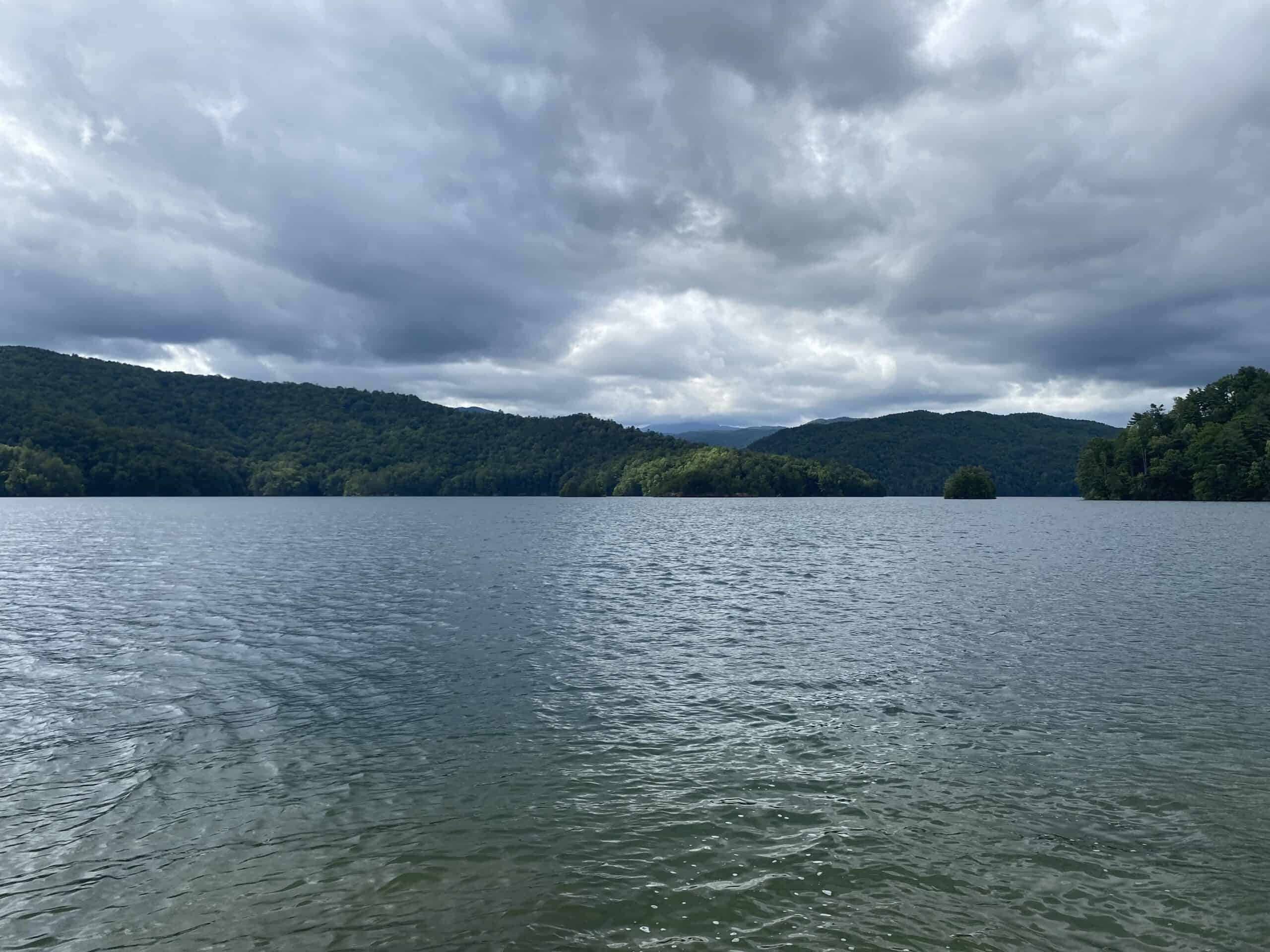
Lake Jocassee feels like a mountain lake that accidentally landed in South Carolina. Cold rivers pour in from the Jocassee Gorges, keeping the water unusually clear and cool even in midsummer. From Devils Fork State Park, boats slip into coves where waterfalls tumble straight into deep blue. The shoreline stays mostly undeveloped, so the day becomes simple: cruise, swim, then drift as light moves across steep forested slopes. Even on busy weekends, the inlets spread people out, and the quiet returns fast once the engine cuts. It suits travelers who like scenery more than schedules.
Lake Willoughby, Vermont
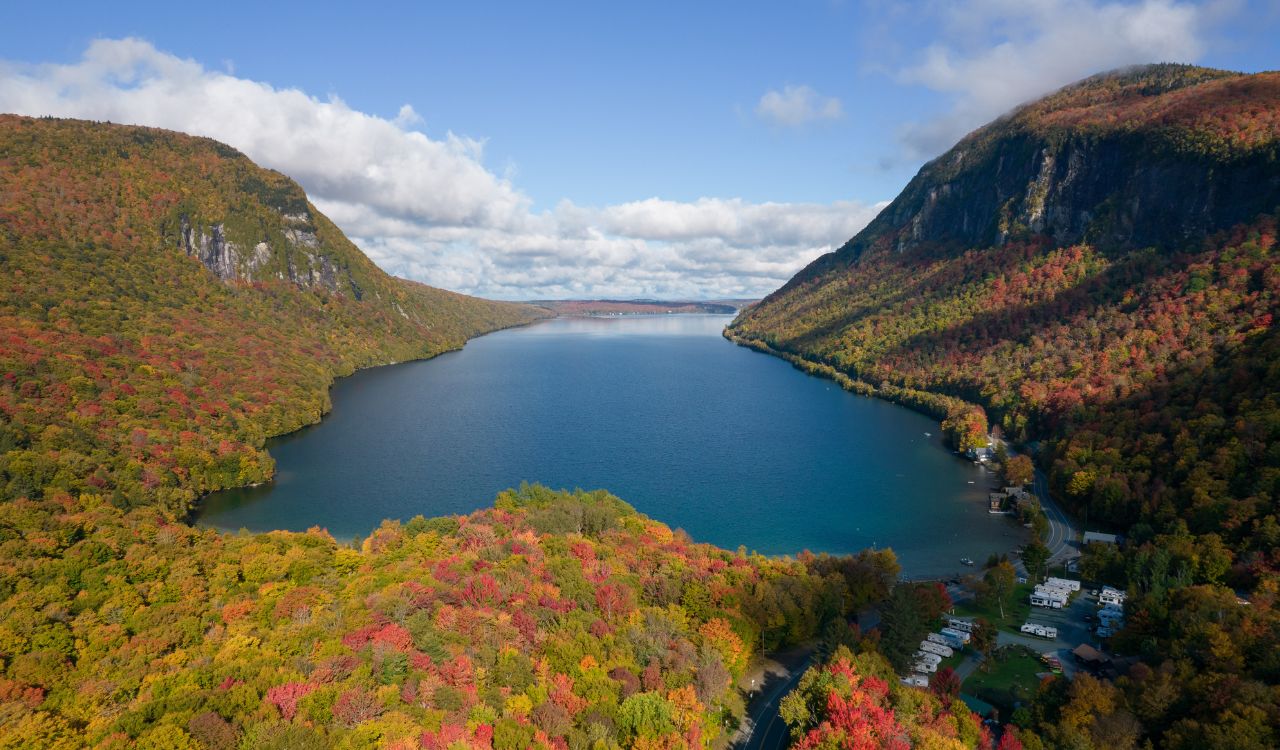
Lake Willoughby sits in Vermont’s Northeast Kingdom like a small fjord, pinned between Mount Pisgah and Mount Hor. Its glacial depth keeps the water clear and bracing, and the narrow gap makes even a short paddle feel dramatic. On calm mornings, the surface turns mirror-smooth, cliffs catch first light, and loon calls carry far across the basin. Beaches are modest, roads are calm, and the mood stays simple. A quick hike above the shoreline adds a wide view without turning the day into a production. Cell service can be patchy, which is part of the point.
Lake Santeetlah, North Carolina
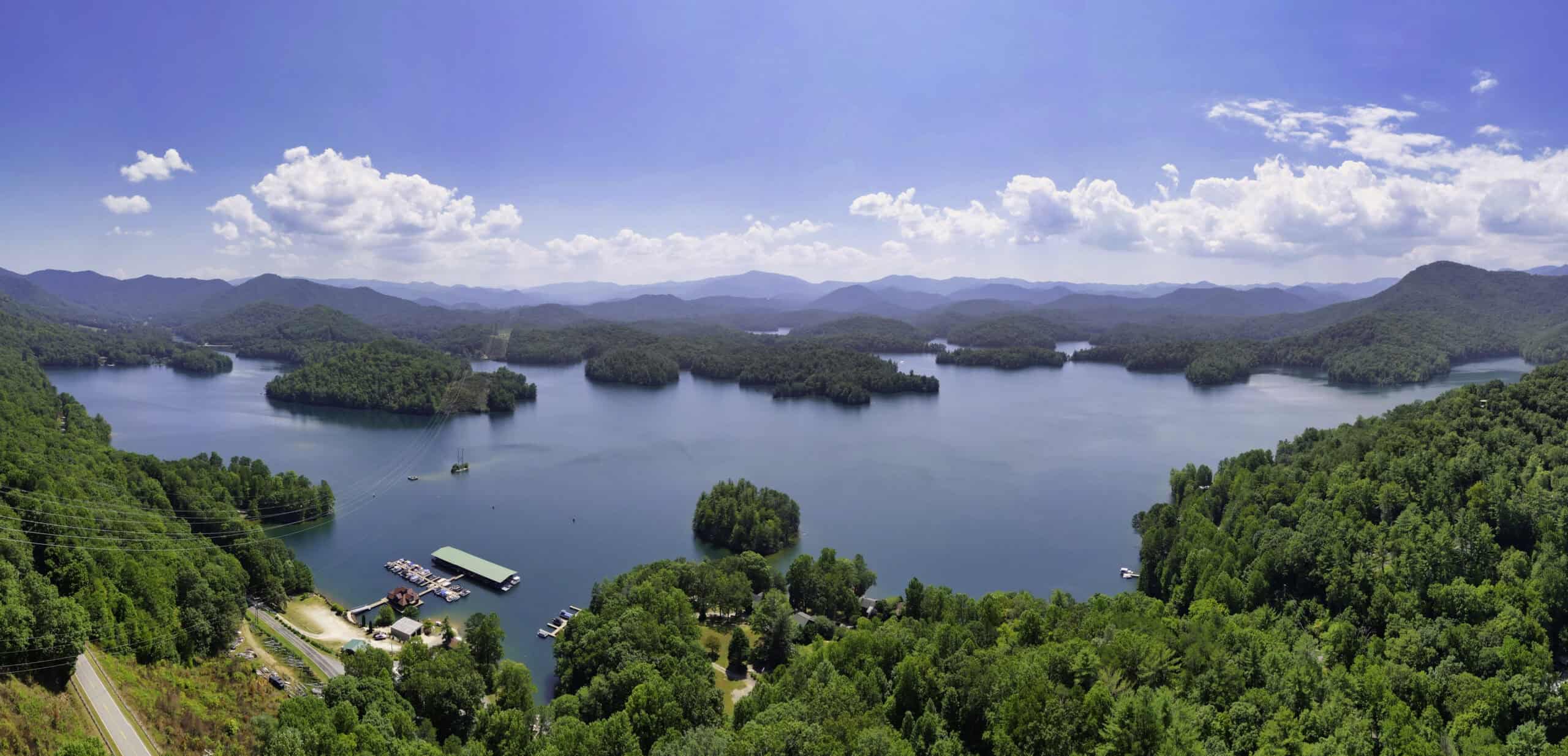
Lake Santeetlah stays low-key in North Carolina’s far western mountains, where much of the shoreline is protected by Nantahala National Forest. That protection shows up as quiet coves, dark nights, and long stretches without development pressing in. The water is made for small boats, fishing, and slow paddles that do not require a schedule, only patience. Fog often sits on the surface at sunrise, then lifts into green ridgelines that lean toward the waterline. When busier mountain hubs feel packed, Santeetlah still feels like a secret kept by locals.
Convict Lake, California
Convict Lake is small in footprint but intense in presence, a turquoise bowl set below sharp Sierra ridgelines near Mammoth Lakes. Glacial origins show in the clean color and steep granite walls, and the water stays cold enough to feel crisp even in late summer. A shore loop trail keeps the experience easy, while the backdrop does the heavy lifting: Mount Morrison rising like a stage set, reflections that sharpen at dawn, and aspens that flare gold in early fall. It is proof that a short walk can still feel like a full escape. The best moments happen between stops, not at them.
Cave Run Lake, Kentucky
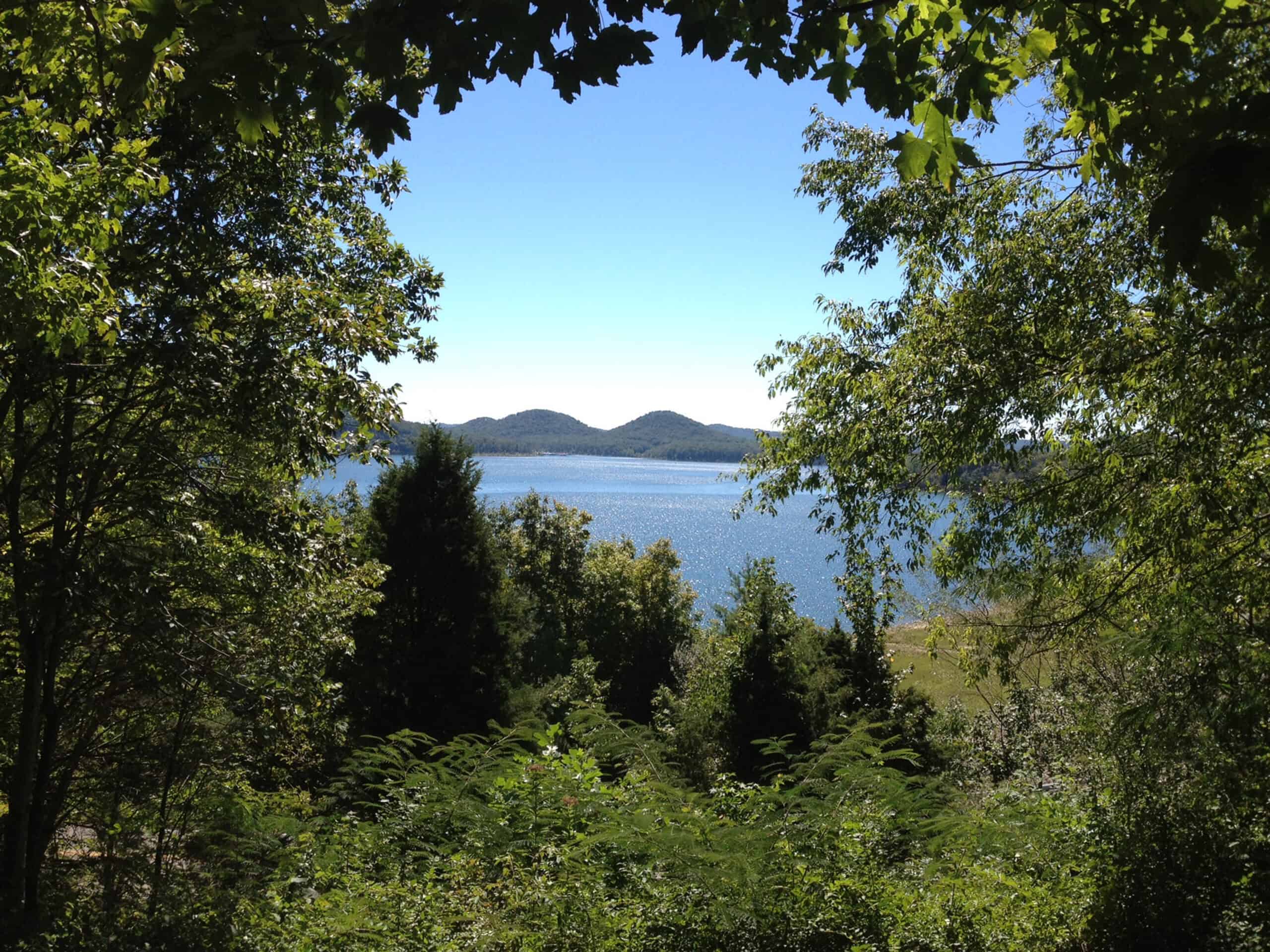
Cave Run Lake spreads through northeastern Kentucky as a wide reservoir surrounded by the Daniel Boone National Forest. The shoreline folds into long fingers and coves, which helps the lake feel bigger and quieter than its map suggests. Days here run on simple pleasures: a steady boat ride, a shaded picnic, a fishing spot that does not require elbowing for space. Because it was built for flood protection and water supply, the infrastructure is solid, but the vibe stays wooded and relaxed. Wildlife sightings are common enough to feel normal, not staged.
Lake Abert, Oregon
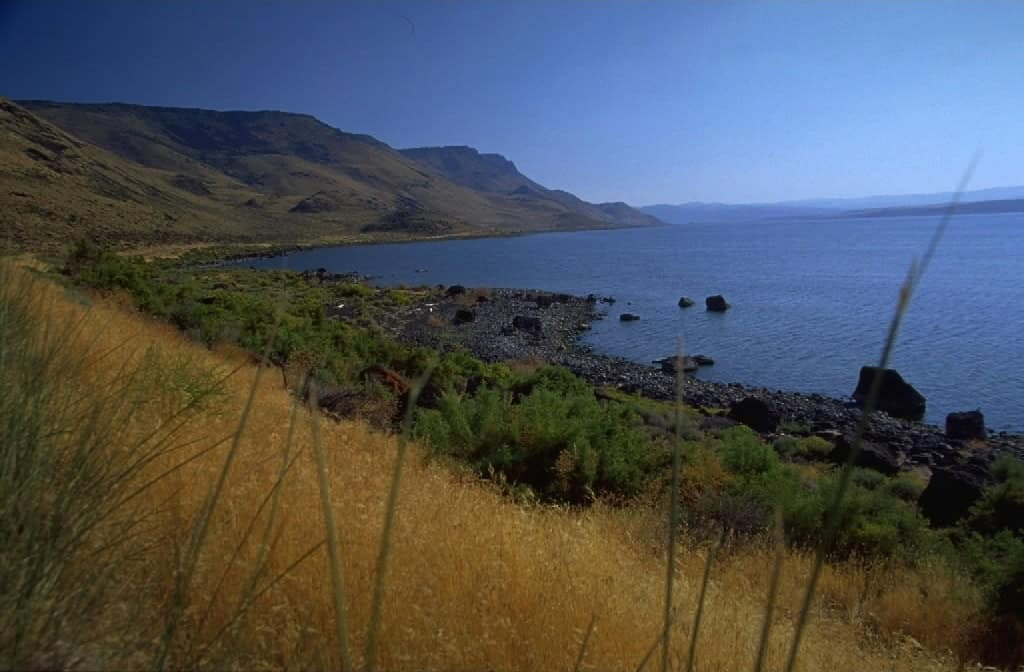
Lake Abert is a different kind of lake trip, less about swimming and more about wide-open silence. It is highly saline, shallow, and edged by the dramatic wall of Abert Rim, where the sky feels enormous and the horizon keeps widening. The lake’s brine shrimp support migratory birds on the Pacific Flyway, so mornings can fill with wingbeats and distant calls instead of jet skis. The shoreline often looks salt-crusted and lunar, and when the wind drops, the surface turns glassy and makes the whole basin feel otherworldly. A cooler, a map, and a slow pace are all it asks.
Lake McConaughy, Nebraska
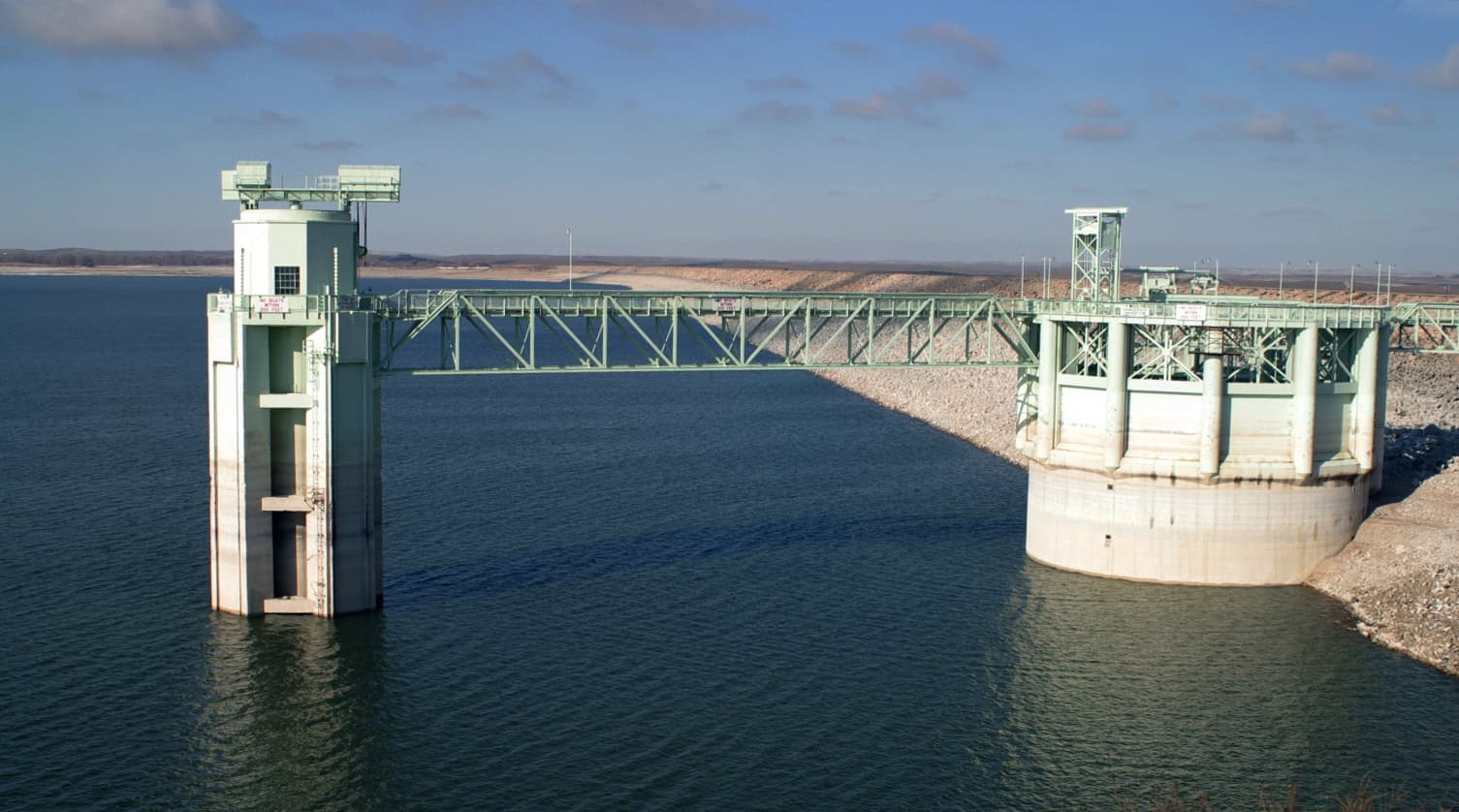
Lake McConaughy stretches across Nebraska behind Kingsley Dam, a long ribbon of water fed by the North Platte River. When levels are kind, sandy edges and shallow shelves create an almost beach-like feel, with room to spread out and no need to fight for shoreline. The scale is big enough for boating and water sports, yet the mood stays unpretentious, with open sky doing half the work. Evenings bring Plains calm: wind easing, light going soft, and campers watching the first stars appear without city glare. It suits travelers who want space more than spectacle.
Caddo Lake, Texas and Louisiana
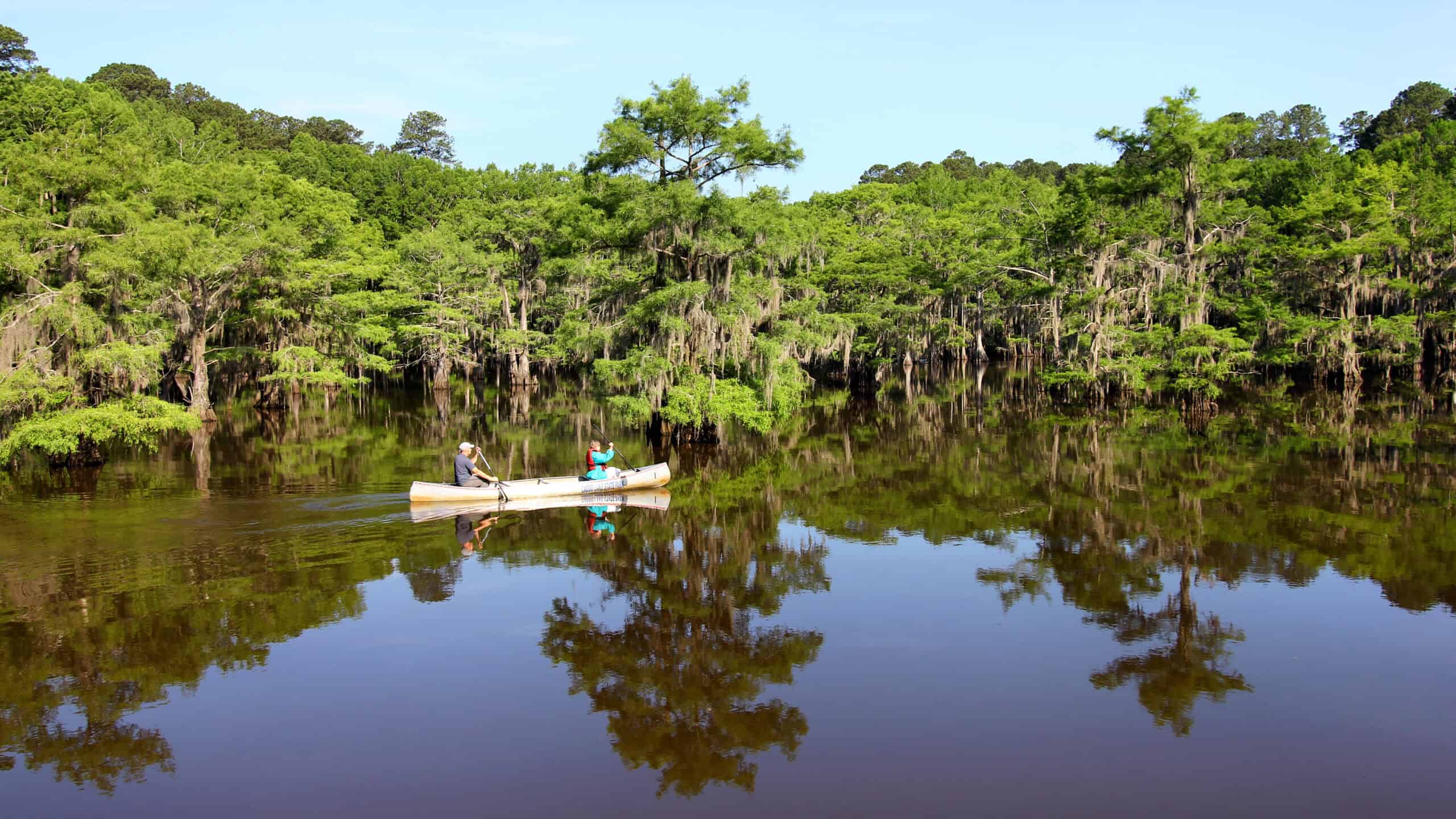
Caddo Lake feels like stepping into a flooded forest, where bald cypress rise from dark water and Spanish moss drapes the air with quiet drama. Protected as an internationally recognized wetland, it carries real ecological weight, but the experience stays intimate: paddle routes that twist like hallways, herons stalking the shallows, and mist that turns morning into a soft blur. The border location barely matters once the bayous take over. Time slows down here, and the water seems to absorb noise instead of reflecting it.
Lake Ouachita, Arkansas
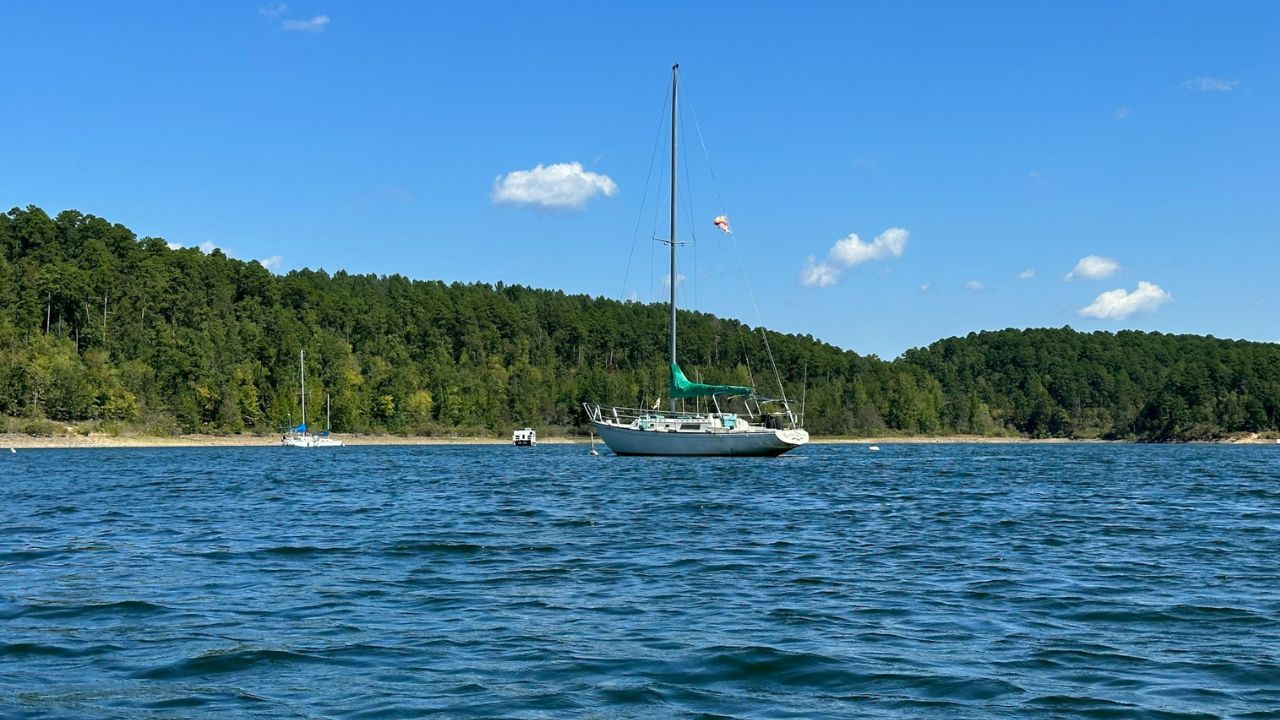
Lake Ouachita fills the Ouachita Mountains near Hot Springs with clear water, long shorelines, and more than 200 islands that create endless coves. It is the largest lake entirely within Arkansas, and much of it sits wrapped in national forest, which keeps the edges feeling wild. Houseboats and pontoons are common, yet the lake rarely feels cramped because the shoreline keeps folding and hiding pockets of calm. Swimming, snorkeling, and fishing fit easily into one day without rushing. When evening arrives, the air smells like pine, and the water turns dark and glossy.
Lake Clark, Alaska

Lake Clark is the kind of destination that resets the scale of a lake trip. Inside Lake Clark National Park and Preserve, the water stretches for miles beneath rugged mountains, with salmon-rich systems that support bears and eagles. Many arrivals happen by floatplane, which adds to the sense of stepping out of ordinary life. The lake is deep and cold, and the turquoise surface can look unreal when sun breaks through clouds. Weather shifts fast, so planning matters, but the reward is a quiet that feels complete, not curated. The best moment often comes at night, when the mind finally stops buzzing.