We may earn money or products from the companies mentioned in this post. This means if you click on the link and purchase the item, I will receive a small commission at no extra cost to you ... you're just helping re-supply our family's travel fund.

Airports rarely become stressful because of one dramatic failure. More often, the trouble builds quietly through terminal changes, long corridor walks, repeat security checks, train rides, and confusing gate zones that turn an ordinary connection into a race against the clock. The most memorable hubs tend to be the ones that look polished on the surface yet punish small mistakes in timing. That is why a handful of airports keep earning reputations for being deceptively hard, especially when a delay, a language barrier, or a heavy carry-on starts shrinking the margin for error.
Heathrow Airport, London
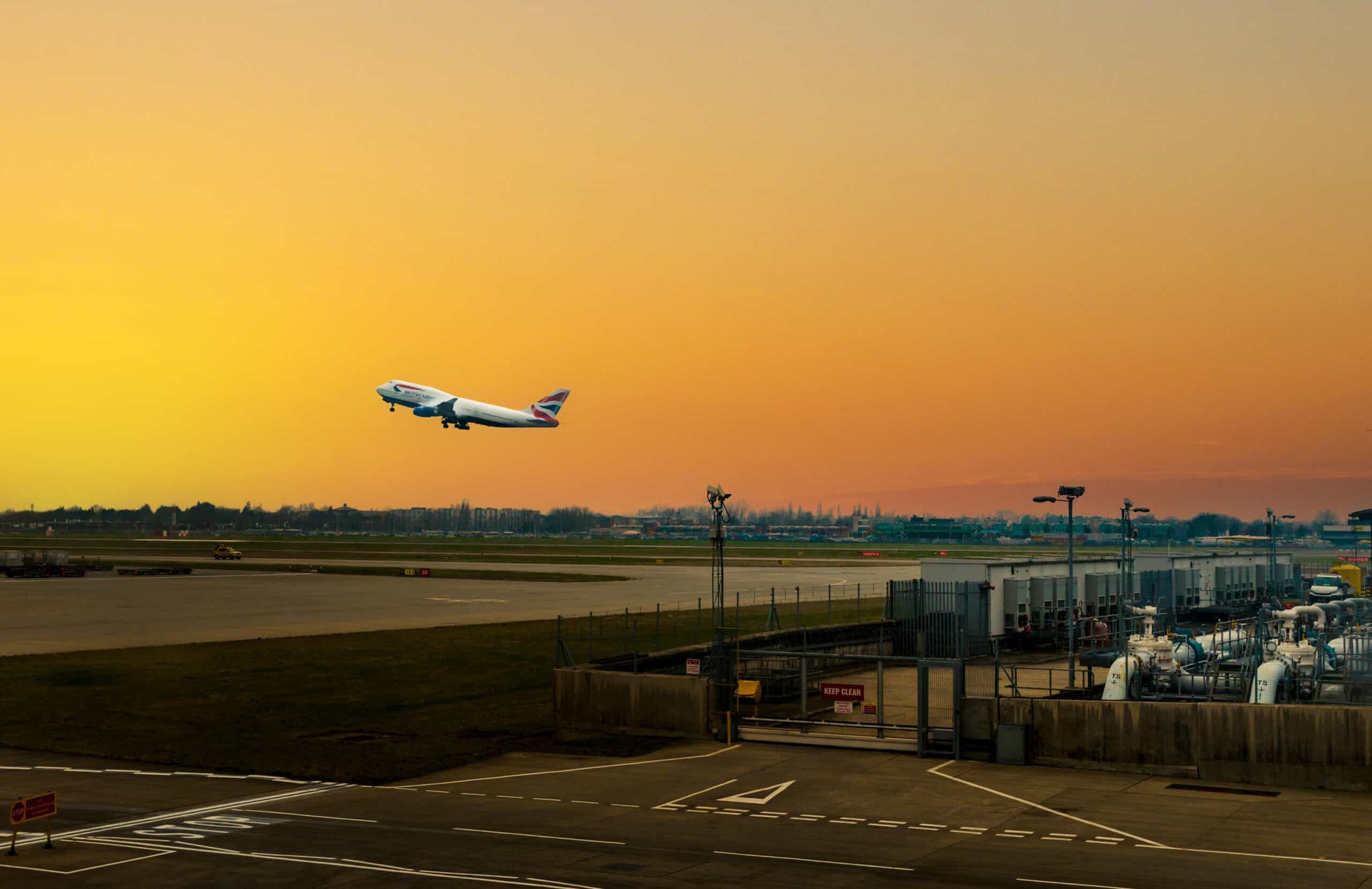
Heathrow looks orderly on a map, but it keeps catching travelers off guard because it runs across four terminals, and official guidance warns that a connection may depart from a different one than the arriving flight. Heathrow also tells passengers that all connecting travelers must pass through security, which means even a neat-looking layover can become a sequence of trains, checkpoints, moving walkways, and fast decisions. What makes the airport tricky is not open disorder so much as hidden complexity, where a calm arrival can suddenly turn into a long cross-airport transfer with very little margin left to waste.
Paris-Charles de Gaulle Airport, France
Attila Ataner/Unsplash
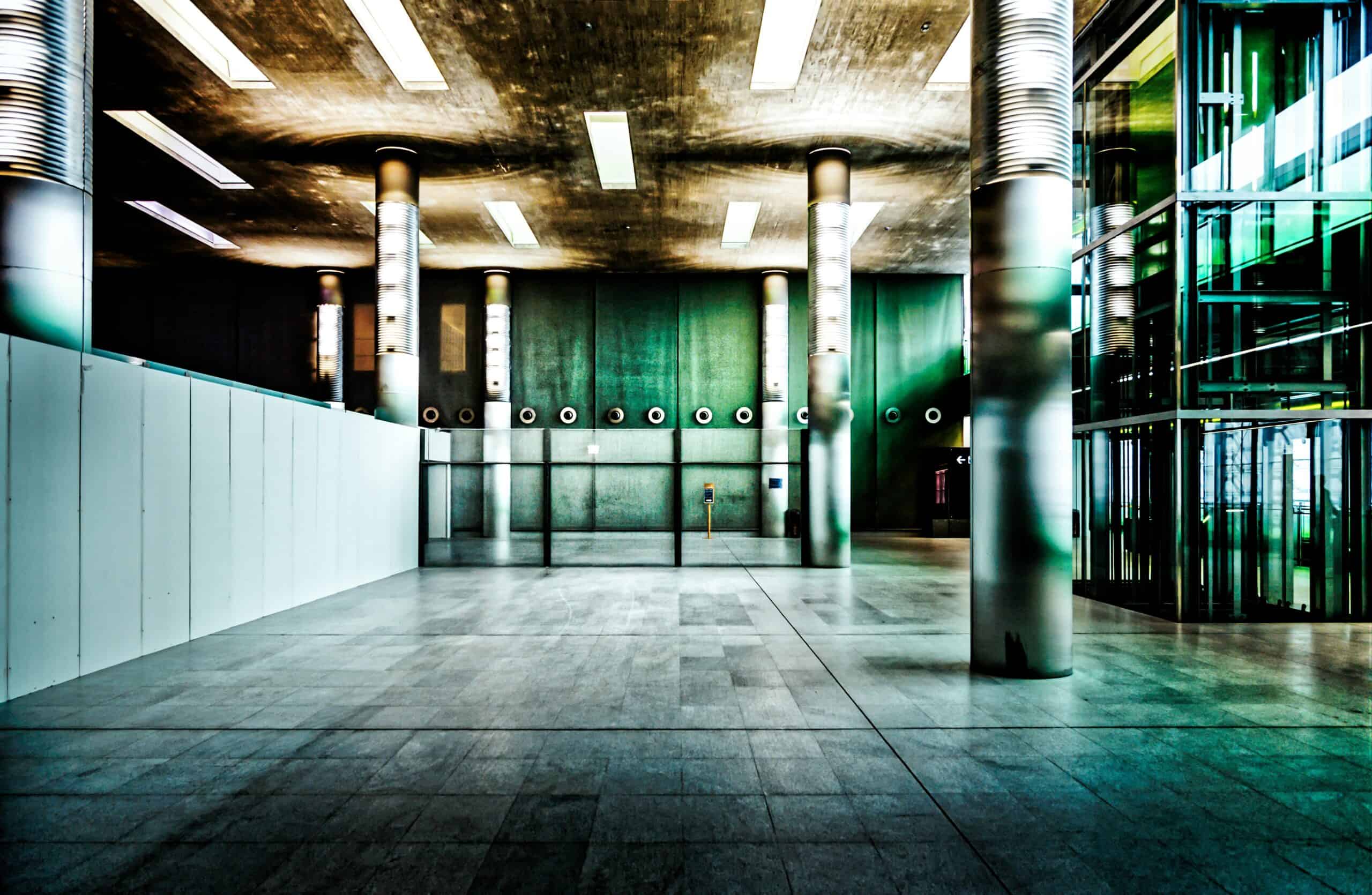
Charles de Gaulle has the kind of layout that feels like it was designed in chapters rather than in one story. Paris Aéroport’s official maps break the field into Terminal 1, Terminal 2A through 2G, and Terminal 3, while the free CDGVAL shuttle links the main terminal zones and the RER B station. That sounds manageable until a delayed arrival pushes a traveler from one alphabetized corner to another, because the airport’s real challenge is how easily distance hides inside its naming system, glass corridors, and split buildings, making a short connection feel much longer than it looked on the booking screen.
John F. Kennedy International Airport, New York
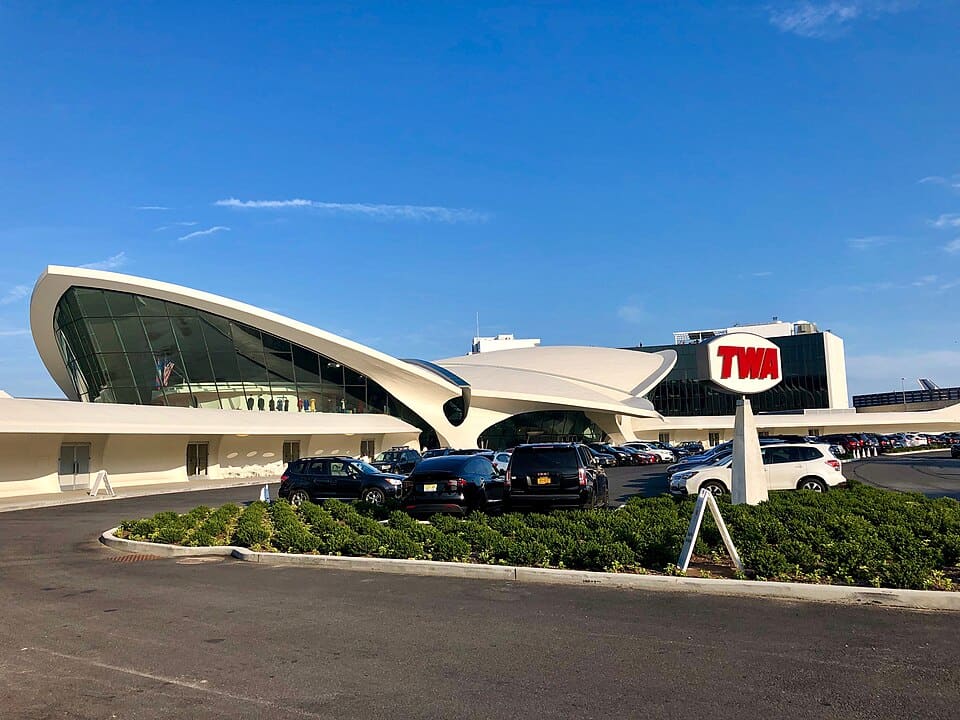
JFK can be punishing for anyone who assumes a major hub works like one connected building. The airport’s own connection guide says that if the next flight leaves from another terminal, passengers need the AirTrain, and JFK says the ride between terminals takes under 20 minutes. The catch is that under 20 minutes is not the whole transfer, because the walk out, the wait, the ride, the walk back in, and the search for the right security queue all chip away at the clock, turning a simple terminal change into a small side trip hidden inside the itinerary, especially when baggage, crowds, or a gate change get involved.
Los Angeles International Airport, California
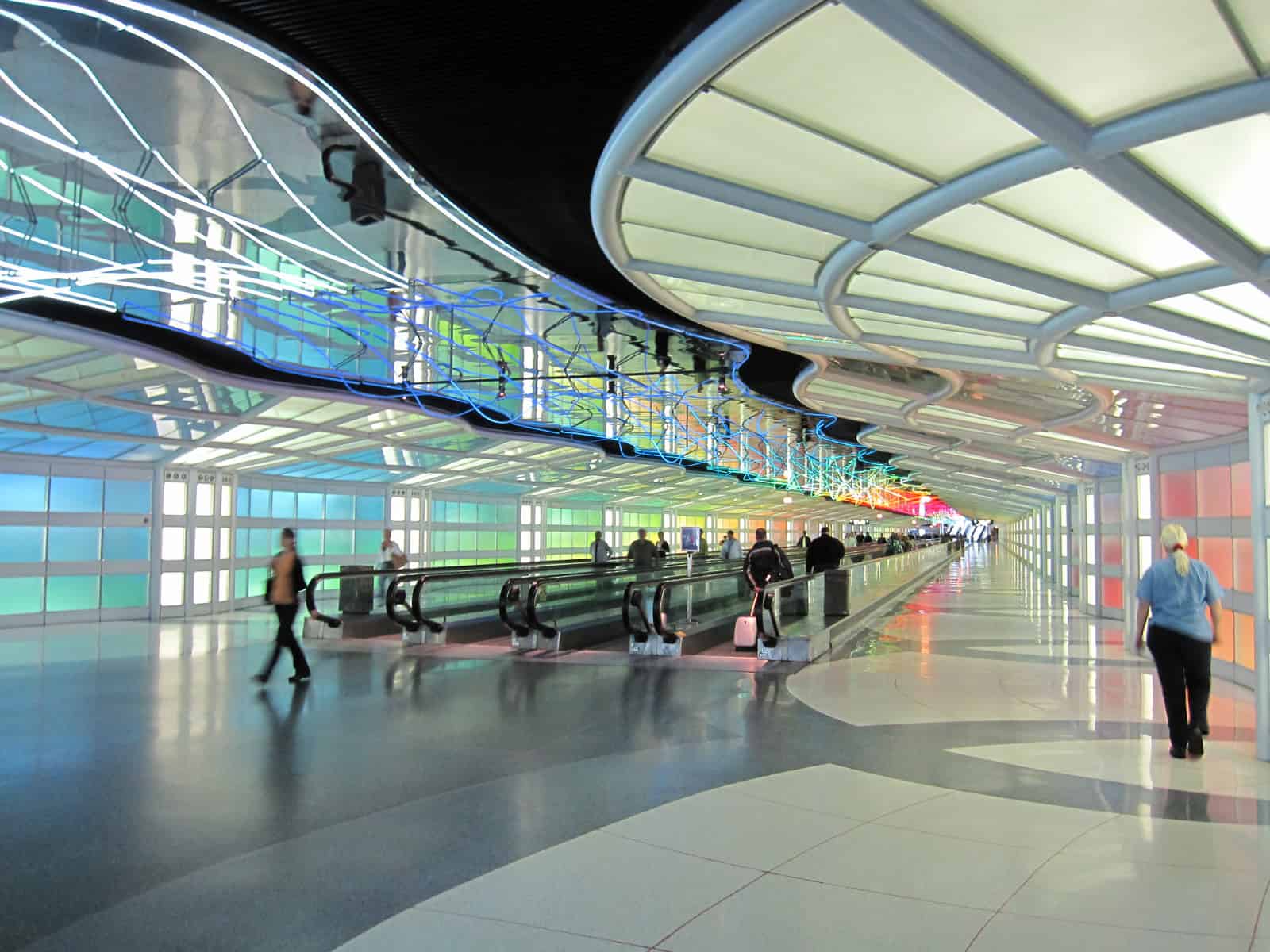
LAX has improved its wayfinding, but it still feels like a place where movement takes planning instead of instinct. Official airport guidance says free shuttles run between terminals, while some airlines now check in at one terminal and depart from another, and Terminal 5 remains closed for construction. That combination makes the airport unusually slippery for rushed travelers, because the route on a boarding pass may not match the route on the curb, and the famous terminal loop can make a short distance feel much longer once traffic, construction, and terminal switching begin to stack together.
O’Hare International Airport, Chicago
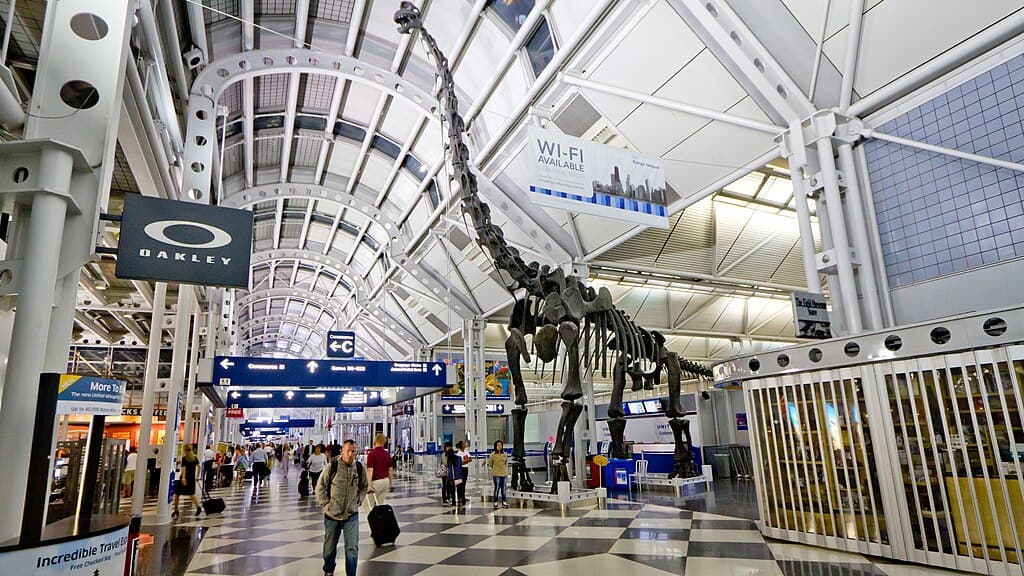
O’Hare has the scale to overwhelm first and explain later. Chicago’s airport says the fully automated Airport Transit System runs 24 hours a day and connects Terminals 1, 2, 3, and 5 with the rental car and parking complex, which sounds convenient until a traveler realizes how much ground that network is covering. The airport is not tricky because it lacks infrastructure; it is tricky because it needs so much of it, and a missed sign, wrong platform choice, slow walk to a remote gate, or confusion between domestic and international terminal zones can quietly stretch a comfortable schedule into a long and tiring airport day.
Frankfurt Airport, Germany
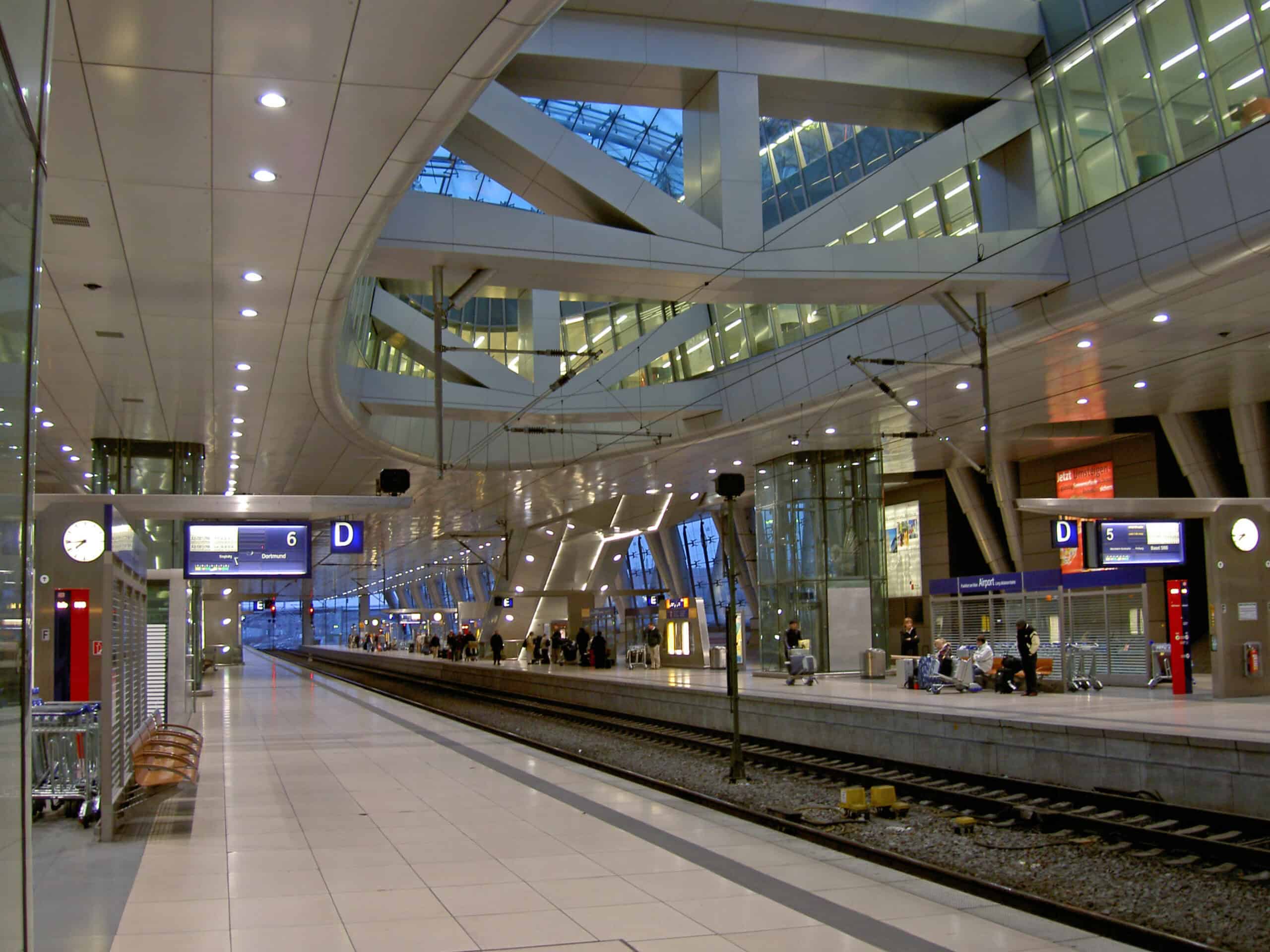
Frankfurt is one of those hubs where the phrase changing terminals deserves to be taken literally. The airport says Terminals 1 and 2 are linked by the SkyLine train and shuttle buses, and current guidance for rail arrivals also says Terminal 3 is reached only by SkyLine from the long-distance station. That system works well when every step lines up, but it leaves very little room for autopilot, because the airport expects travelers to sort terminals, trains, rail stations, security routes, and gate zones with precision while the clock keeps moving and multilingual signs begin to blur together under pressure.
Istanbul Airport, Turkey
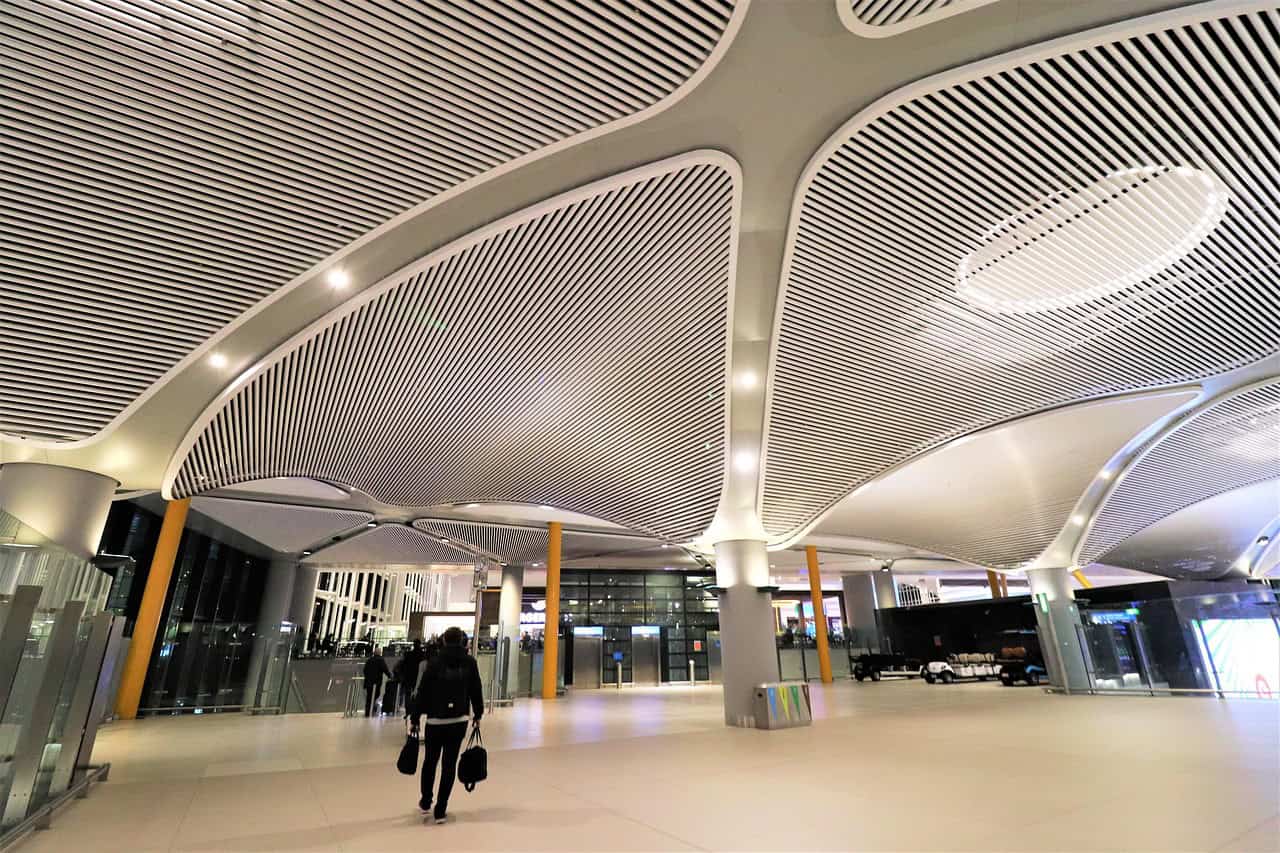
Istanbul Airport is a modern giant, and that scale is exactly what makes it deceptively hard. Reuters reported in Feb. 2026 that Heathrow’s chief executive expects Istanbul to overtake Heathrow as Europe’s busiest hub soon, while the airport’s own passenger guide and map spread services and gate areas across a vast terminal, with amenities posted near points such as A7, B18, C1, F13, and G8. In practice, that means the airport can feel less like one building and more like several neighborhoods stitched together, where a connection is often won by walking discipline and careful timing as much as by luck.
Adolfo Suárez Madrid-Barajas Airport, Spain
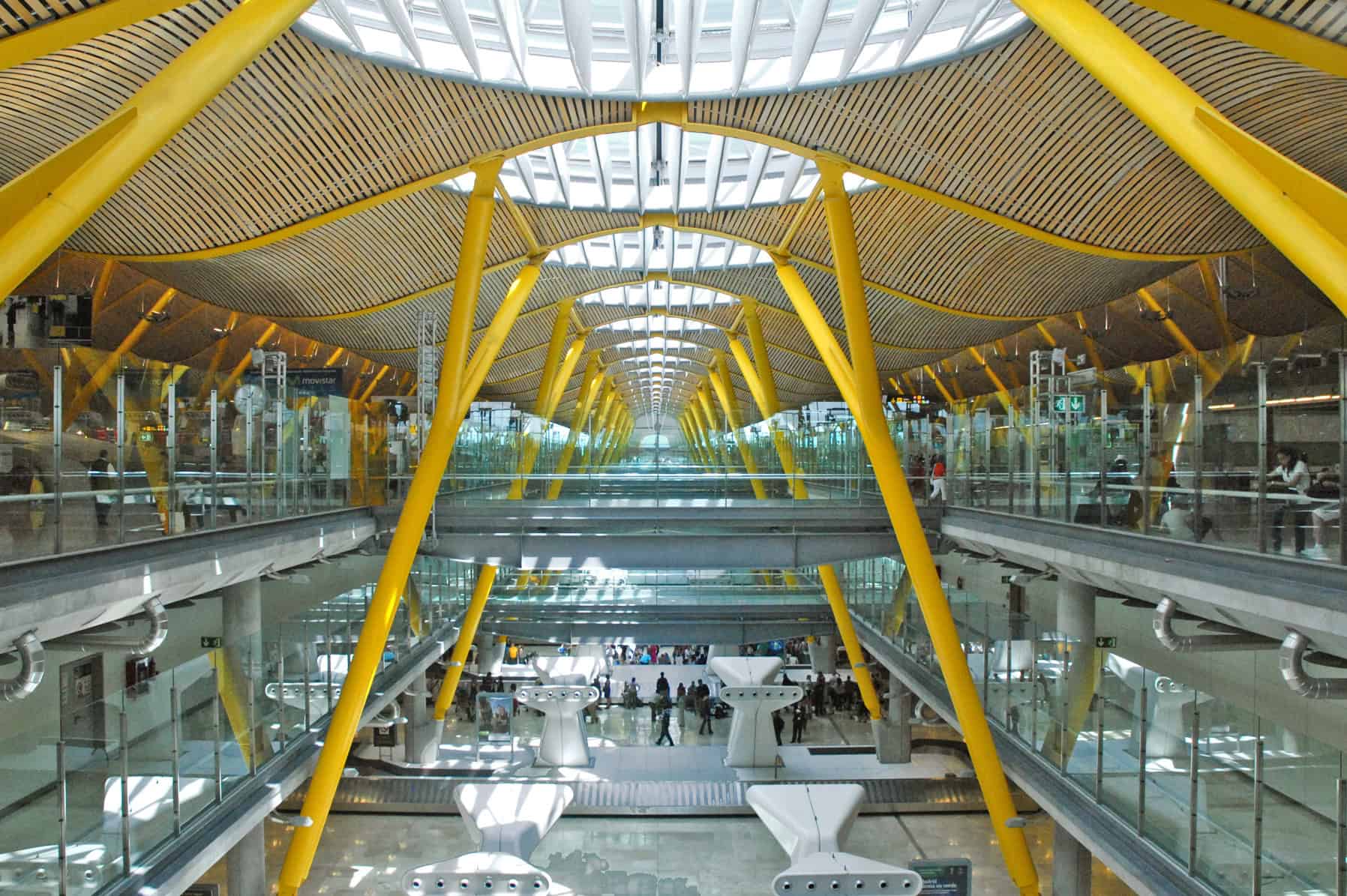
Madrid-Barajas keeps its hardest trick in the fine print. Aena says the airport has four terminals, with T4 linked by an internal train to T4S, and its terminal-transfer page says free buses run across the field 24 hours a day, every 5 minutes by day and every 20 minutes overnight. None of that is inherently confusing until a late arrival lands on the wrong side of the airport and the next gate sits in the satellite building, because Madrid can feel elegant when everything aligns and unexpectedly demanding when a transfer depends on one more train, one more bus, one more layer of signs, and one more timing gamble.
Newark Liberty International Airport, New Jersey
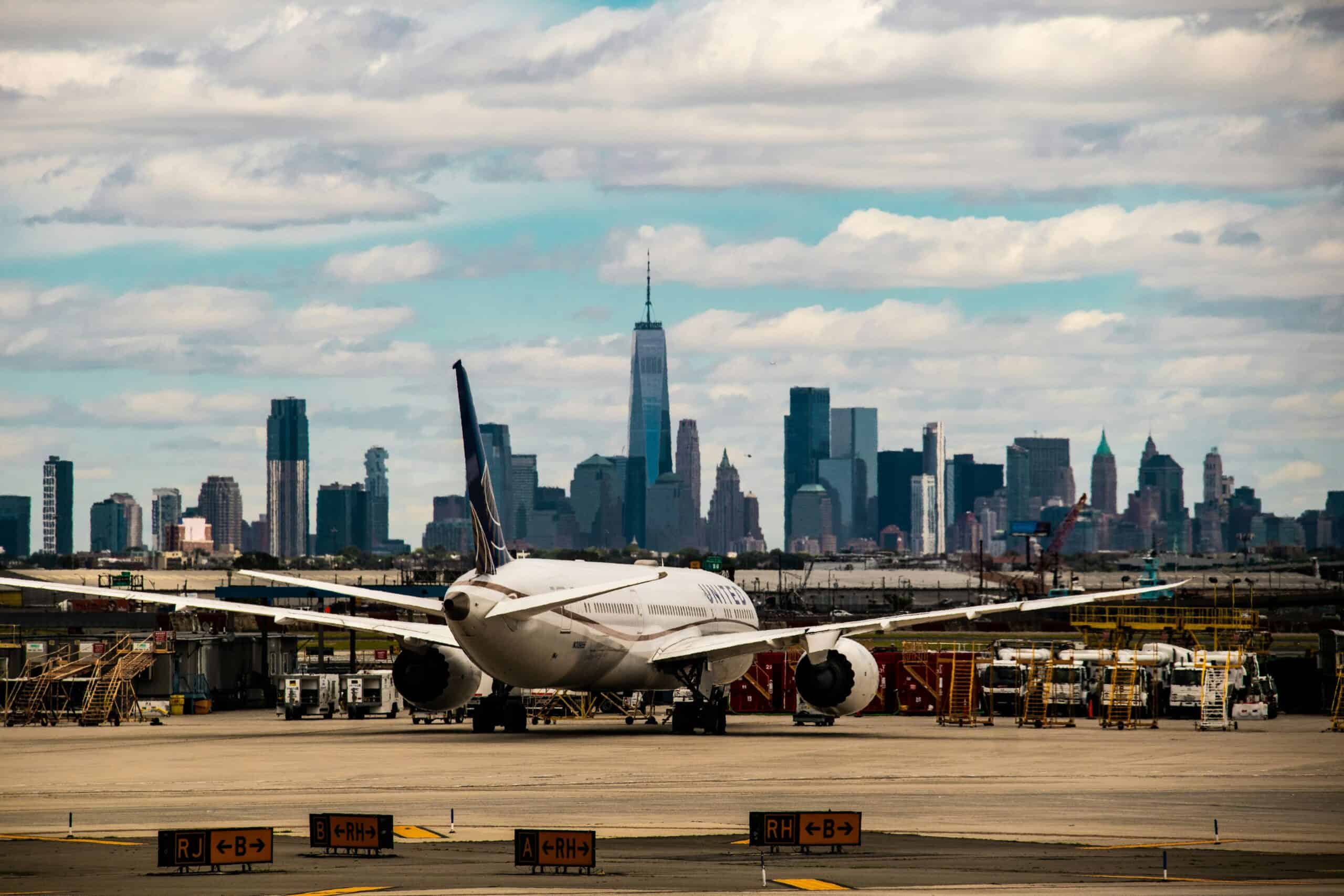
Newark is difficult in a distinctly modern way: it is an airport trying to move travelers while part of its circulation system is being rebuilt. Newark’s official site says the AirTrain connects all passenger terminals, but the airport also warns that weekday service between P4 and the Airport Train Station is suspended from 5 a.m. to 3 p.m. during replacement construction. That matters because a transfer can already involve Terminal A, B, or C and a ride of several minutes even in normal operation, so the real challenge is not only distance but the uncertainty that construction adds to every plan, estimate, and backup route.
Dubai International Airport, United Arab Emirates
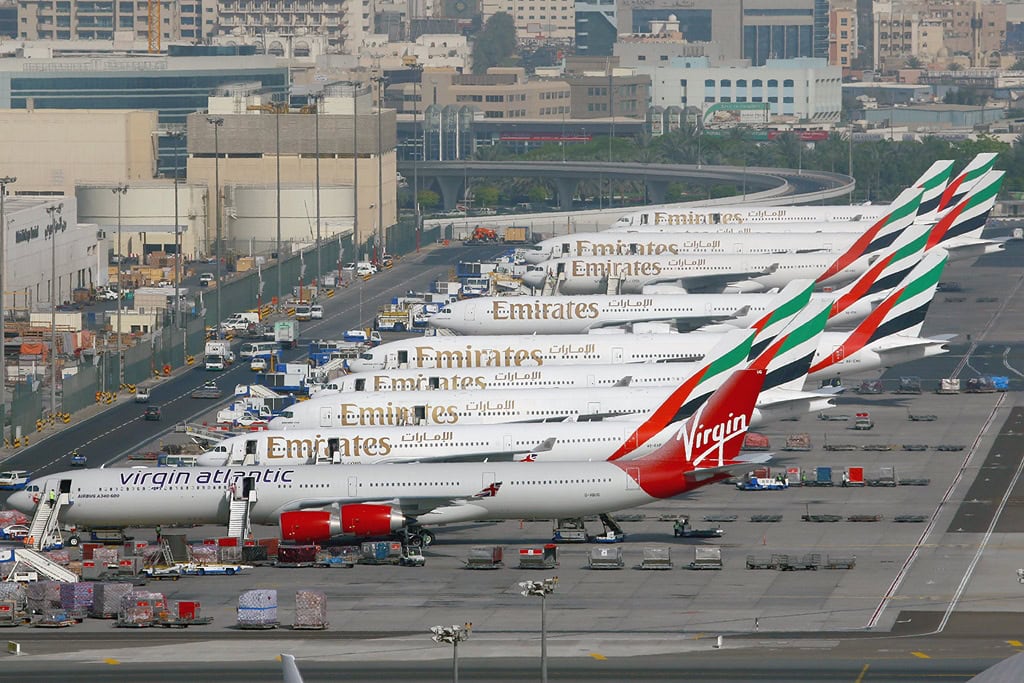
Dubai International is polished, busy, and easy to underestimate. Dubai Airports says DXB is the world’s busiest international airport and that it comprises three terminals, with Terminal 3 alone spreading across concourses A, B, and C, while Terminal 1 uses Concourse D and Terminal 2 operates separately. That structure helps explain why the airport can feel smooth in one moment and sprawling in the next, because Dubai rarely feels messy yet often feels segmented, and that can catch a tired traveler off balance when an airline, a gate letter, or a terminal number sends the journey in a very different direction than expected.