We may earn money or products from the companies mentioned in this post. This means if you click on the link and purchase the item, I will receive a small commission at no extra cost to you ... you're just helping re-supply our family's travel fund.
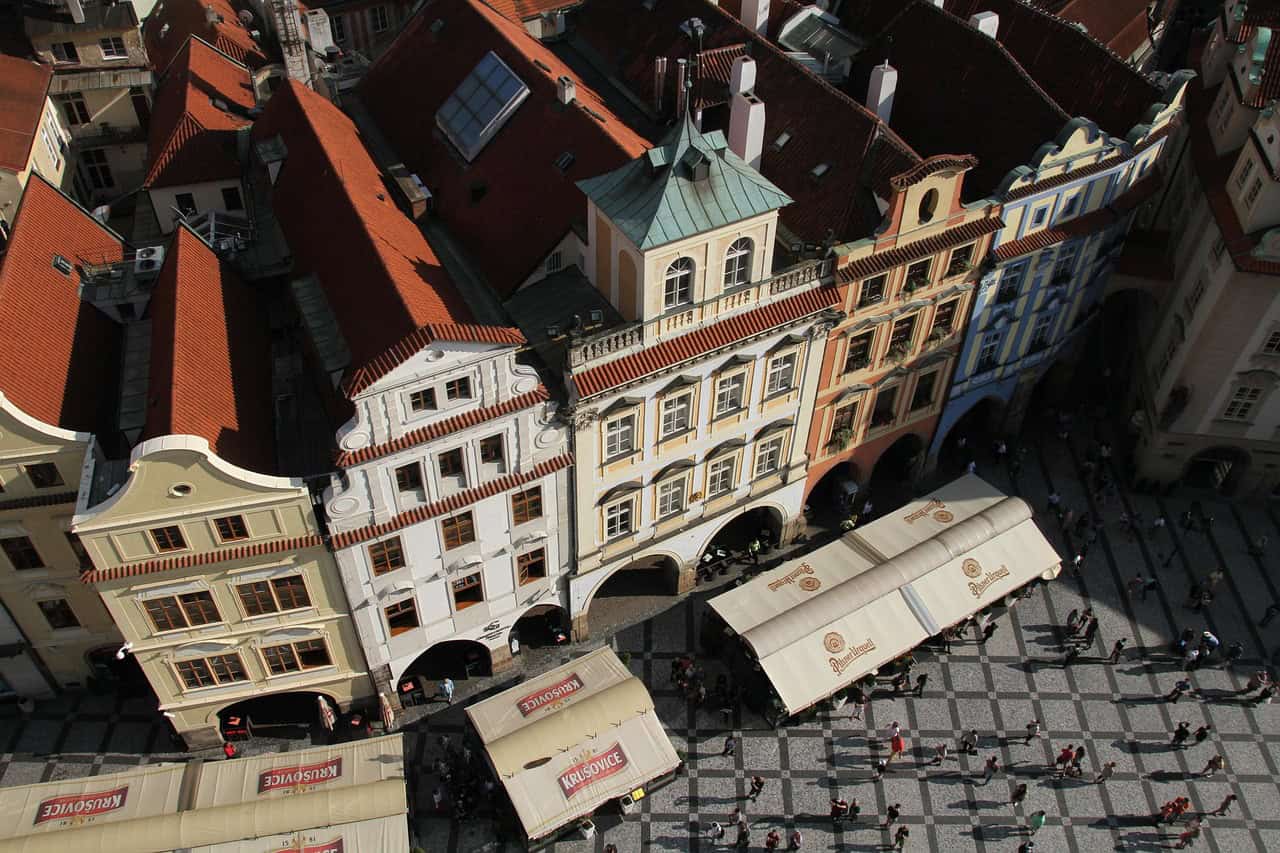
Traveling the world brings excitement, adventure, and unforgettable experiences, but it also exposes travelers to scams that can drain wallets in seconds. From fake tours to rigged taxis, some destinations hide financial traps so subtle you might not notice until it’s too late. Understanding where these scams are most prevalent and how they operate is crucial. Below, we explore 10 travel spots where unsuspecting travelers risk losing significant money, with real-world examples and numbers to help you stay alert.
1. Bangkok, Thailand : Rigged Tuk-Tuk Tours
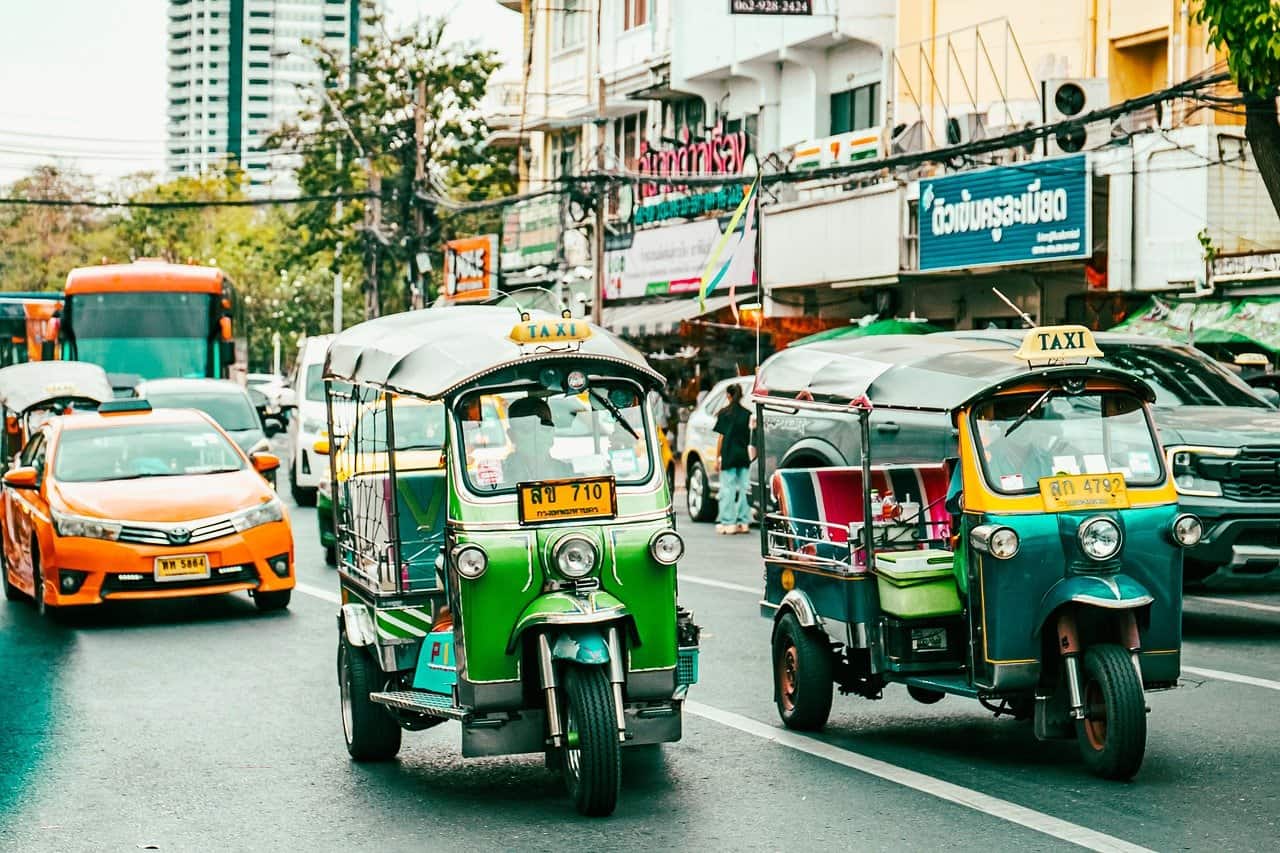
Bangkok’s bustling streets are legendary, but tuk-tuk rides can turn costly fast. Some drivers promise all-day city tours for 500–800 THB ($15–25) but then detour to overpriced gem shops where tourists feel pressured to buy jewelry. Reports indicate tourists can be coerced into spending 5,000–10,000 THB ($150–300) unexpectedly. Often, drivers act friendly and offer “insider routes,” but once inside a shop, the transaction feels unavoidable. Awareness and refusing unsolicited tour upgrades can save hundreds of dollars per trip.
2. Venice, Italy : Fake Charity Collectors
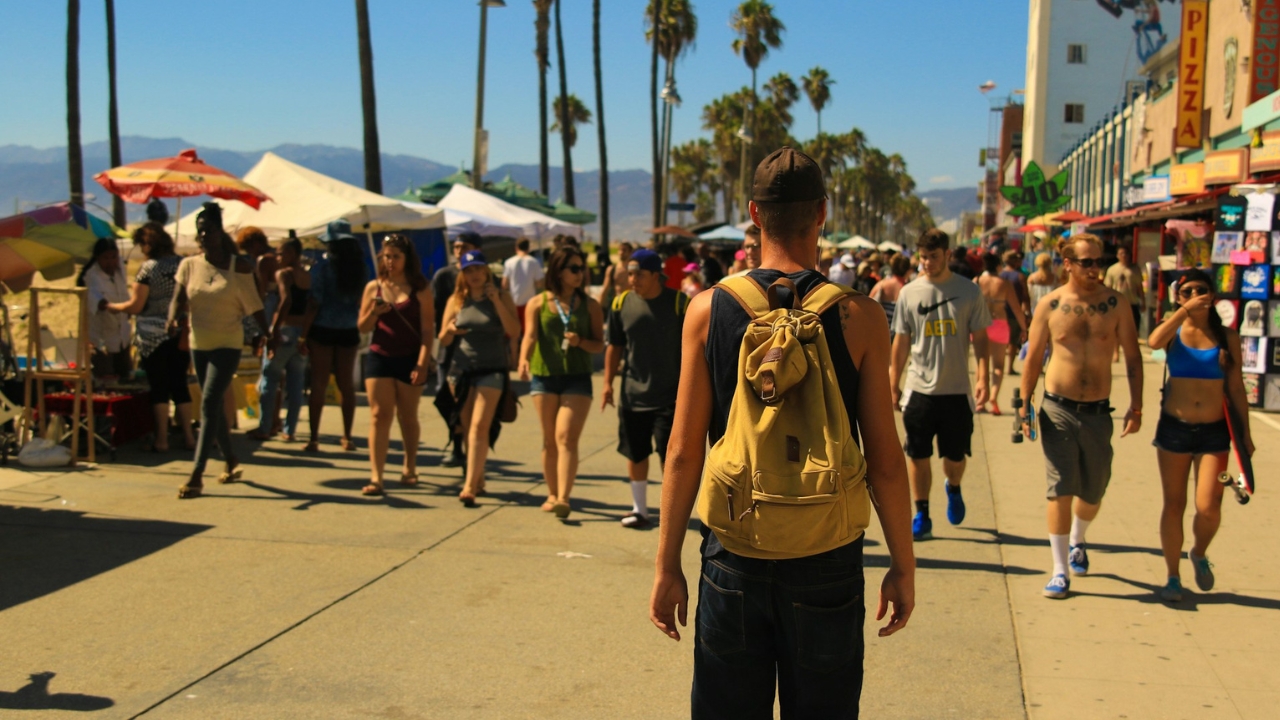
Venice’s picturesque streets are a magnet for tourists, but fake charity workers are common. They approach visitors claiming donations to support local schools or flood victims. Scammers often ask for €20–50 ($22–55) or request credit card payments, which are later misused. Victims report losing between €100–€300 ($110–330) when multiple “charity collectors” target the same tourist in a short time. Always verify organization legitimacy or donate through official offices to prevent accidental fraud while exploring the canals.
3. Rio de Janeiro, Brazil : Overpriced Beach Vendors
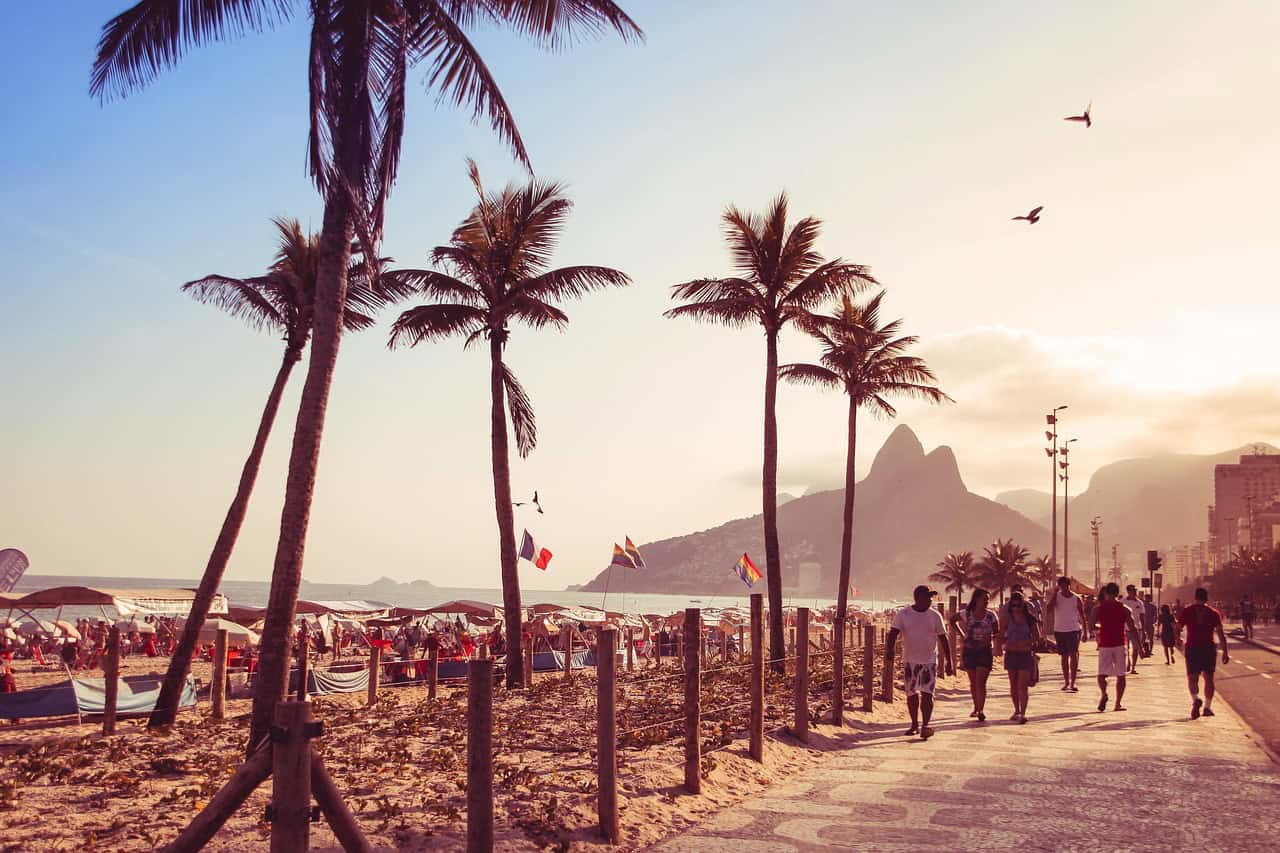
Rio’s famous beaches, like Copacabana, attract hawkers selling drinks, snacks, and souvenirs. Some vendors deliberately overcharge unsuspecting tourists, charging R$50–R$100 ($10–20) for items that cost less than R$5 ($1). Reports of tourists losing R$500–R$1,000 ($100–200) occur when multiple purchases accumulate quickly. Scammers may also lure tourists with free samples, then demand payment. Staying alert, asking local prices, and carrying small bills minimizes exposure to inflated beachside charges.
4. Marrakech, Morocco : Fake Guides in Souks
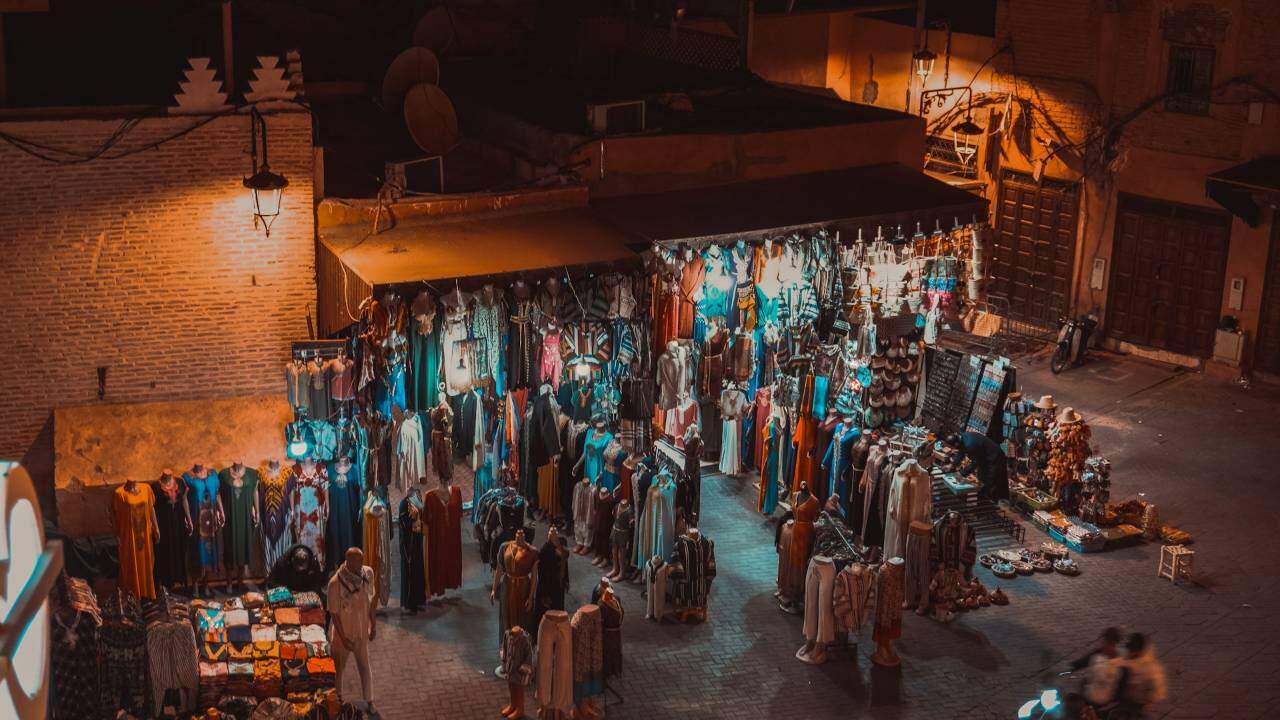
Marrakech’s markets are enchanting but can be financially dangerous. Fake “official” guides offer tours for 100–200 MAD ($10–20) and suddenly expand into long walks through shops, where tourists feel obligated to buy carpets or spices. Losses can reach 2,000–4,000 MAD ($200–400) per incident. Scammers leverage cultural pressure and politeness to force purchases. To avoid this, hire guides verified by official tourism offices and pre-agree on fees to ensure an authentic, scam-free experience.
5. Istanbul, Turkey : Taxi Meter Manipulation

Istanbul taxis are convenient but risky for visitors unfamiliar with the city. Drivers sometimes claim meters are broken or take unnecessarily long routes. Tourists have reported paying 200–400 TRY ($10–20) for 15-minute trips or 1,000 TRY ($50) for short drives in central areas. Scammers rely on language barriers and the tourist’s desire to reach destinations quickly. Always insist on using a meter or negotiate fares upfront, and consider ride-hailing apps to reduce the likelihood of being overcharged.
6. New Delhi, India : ATM Skimming and Fake Bank Officials

India’s capital is vibrant, but ATM fraud and fake bank officials are a serious concern. Scammers install hidden devices or approach tourists claiming card issues, convincing them to share PINs. Victims report losing ₹5,000–₹50,000 ($60–600) in minutes. These frauds are often executed subtly at crowded ATMs or busy tourist hubs. Using ATMs inside banks, shielding PINs, and refusing unsolicited bank assistance reduces the risk of losing substantial funds during a brief stop in the city.
7. Cancun, Mexico : Timeshare and Tour Pressure
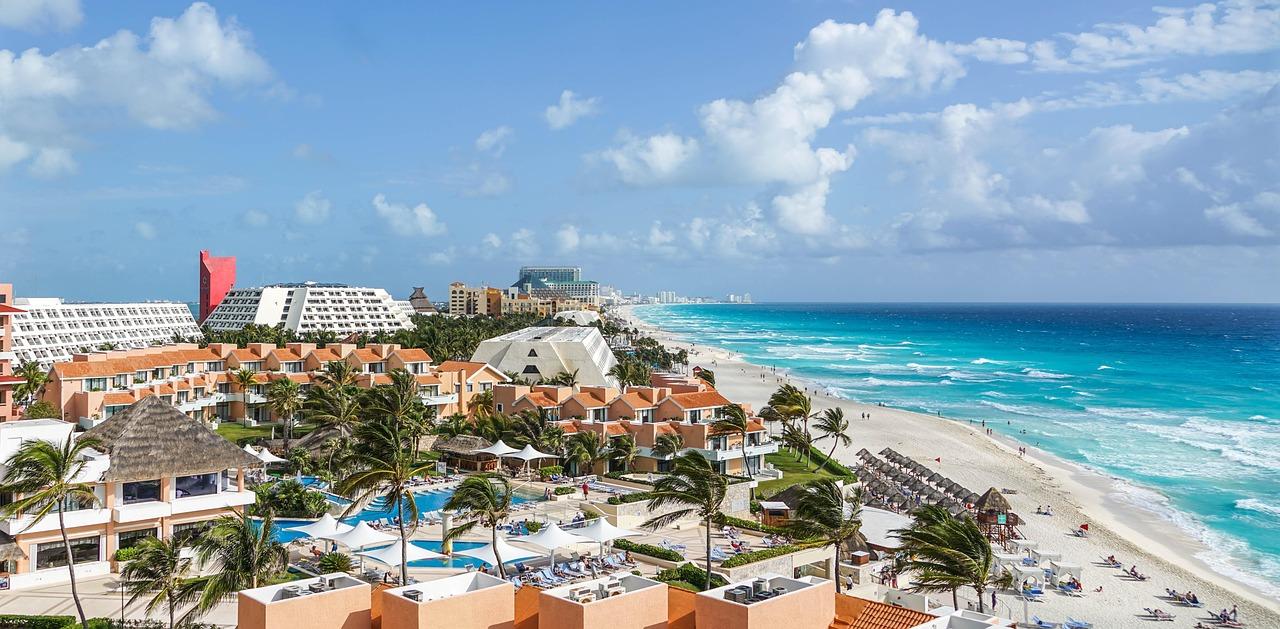
Cancun’s resorts often feature aggressive timeshare sales or “exclusive tour” pitches. Travelers are invited to seminars offering free meals or discounts but are pressured into spending $500–$2,000 on packages they didn’t intend to buy. Scammers manipulate excitement and social pressure to trigger impulsive decisions. Statistics suggest up to 20% of tourists attending these seminars make purchases. Politely declining and sticking to verified travel agencies protects both your time and wallet.
8. Dubai, UAE : Fake Luxury Shopping Deals
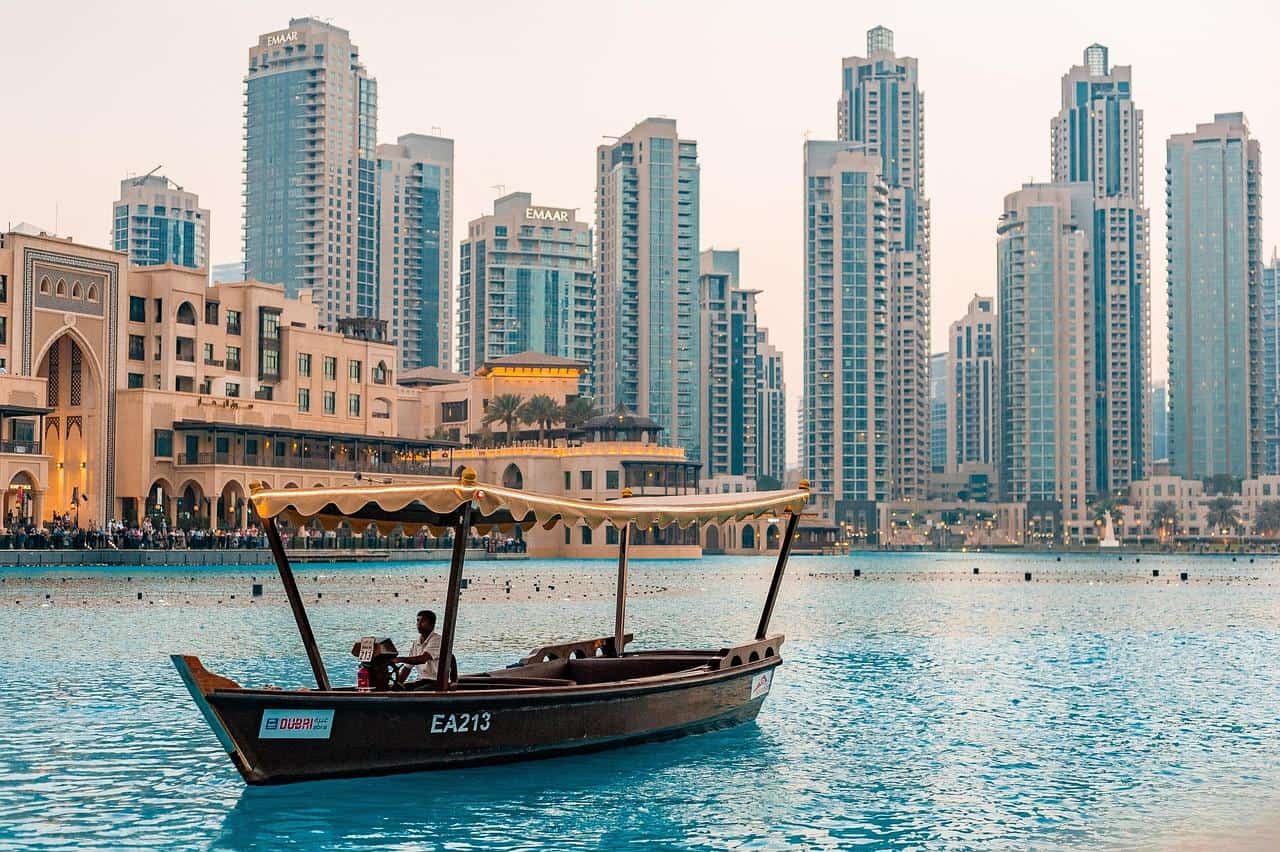
Dubai attracts luxury shoppers, but counterfeit deals abound. Scammers approach tourists outside malls or online, offering “exclusive discounts” on branded goods. Items costing AED 5,000–10,000 ($1,350–2,700) are later revealed as fakes. Tourists often discover the scam after purchase, making refunds impossible. Visiting official brand stores, verifying authenticity, and ignoring unsolicited street offers ensures travelers do not lose thousands in one brief interaction.
9. Cape Town, South Africa : Adventure Activity Cons
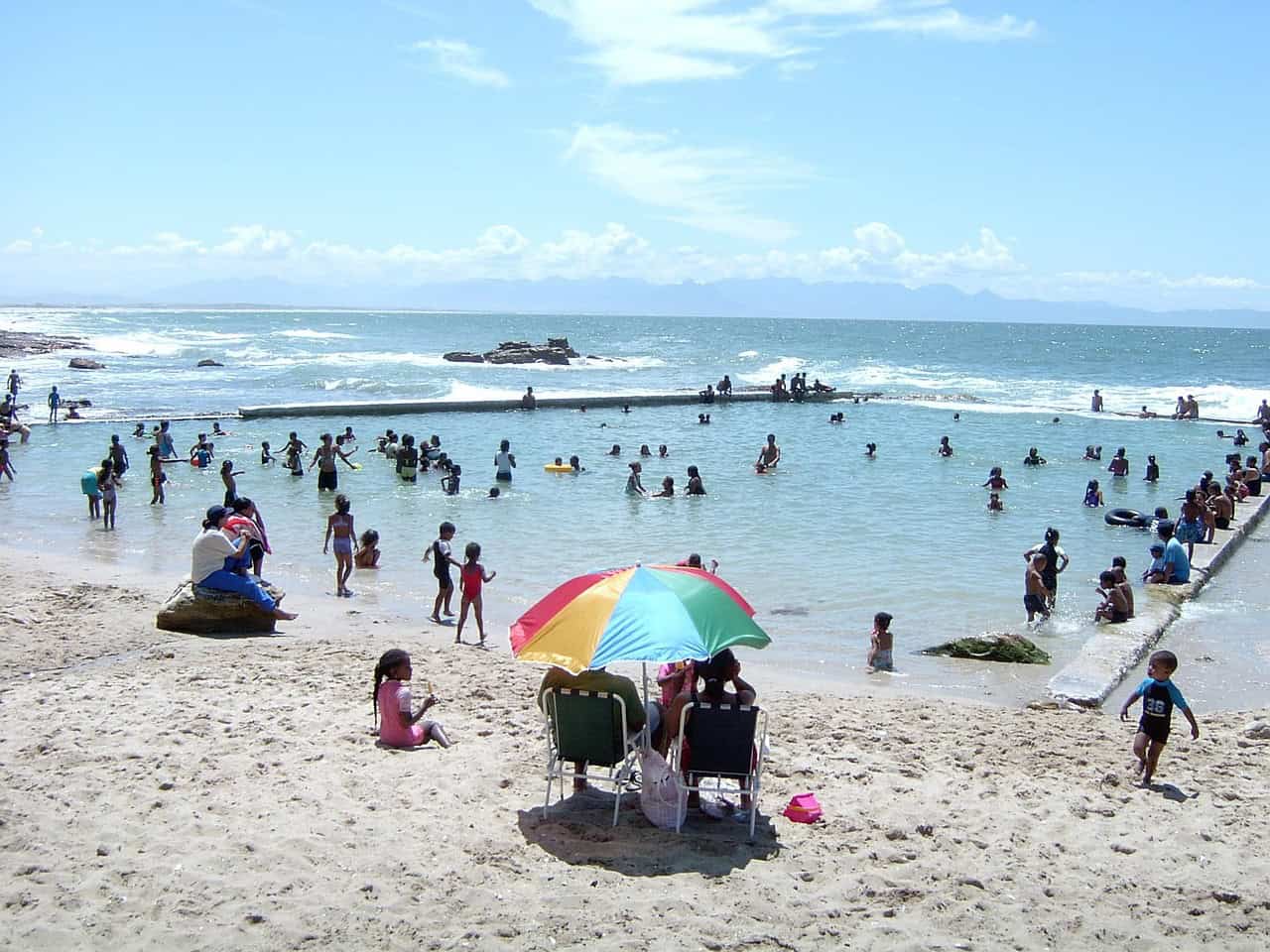
Adventure tourism in Cape Town, like shark cage diving or paragliding, is often targeted by fake operators. Tourists pay 2,000–5,000 ZAR ($110–280) online for activities that either don’t exist or provide substandard equipment. Fraudsters exploit tourists’ trust in online reviews and polished websites. Booking directly through certified adventure companies and confirming details in person prevents falling victim to high-cost cons that can ruin both experiences and budgets.
10. Prague, Czech Republic : Currency Exchange Tricks

Prague’s old town is beautiful but financially tricky. Some exchange offices advertise attractive rates but apply hidden commissions or alter bills. Tourists have reported losing 500–2,000 CZK ($25–100) per transaction due to these subtle manipulations. Scammers rely on tourists’ urgency or lack of familiarity with local currency. Using reputable banks or ATMs, checking receipts carefully, and calculating rates before exchange are essential practices to avoid losing money in a picturesque city that otherwise feels safe.