We may earn money or products from the companies mentioned in this post. This means if you click on the link and purchase the item, I will receive a small commission at no extra cost to you ... you're just helping re-supply our family's travel fund.

TikTok has transformed travel into a playground of shortcuts, loopholes, and viral “hacks” promising unbelievable savings. But as these tricks exploded, racking up millions of views, airlines and hotels began pushing back harder than ever. What once seemed clever is now monitored, penalized, or outright banned. The following list explores the ten hacks TikTok loves most, why travelers use them, and how companies are cracking down with new technologies, stricter policies, and fines that can outweigh any savings.
1. Hidden-City Ticketing (Skiplagging)
Hidden-city ticketing became popular because it can cut airfare by 30–60%, particularly on routes where hub pricing distorts fares. TikTok creators have glamorized the idea with videos generating over 200 million views, but airlines now treat it as a contract violation. They monitor passenger patterns using automated algorithms that flag missed segments, resulting in itinerary cancellations, loyalty-mile seizures, and in some cases multi-year bans. One major airline reported issuing over 1,200 warnings in a year, showing how widespread enforcement has become.
2. Back-to-Back Ticketing to Beat Dynamic Pricing
Back-to-back ticketing involves booking two overlapping round-trip flights to reduce inflated fares, sometimes saving 15–25% on busy routes. Although TikTok tutorials simplify the technique, airlines use fare-audit teams reviewing tens of thousands of bookings daily to spot unnatural patterns. When detected, they often void the tickets or charge the passenger the full fare difference. Some carriers even tracked a 40% rise in attempts after the hack went viral, prompting tighter rule enforcement and upgraded fraud-detection tools.
3. Carry-On-Only Strategy for Skip-Laggers

TikTokers frequently pair skiplagging with a carry-on-only approach, hoping to avoid checked-bag routing that forces bags to the final ticketed destination. While it once worked smoothly, gate-checking has risen by 18% year-over-year, meaning many travelers are losing control of their luggage. Airlines also use gate-tag tracking linked to passenger profiles, allowing them to flag repeat offenders. The moment a bag is checked, the final-destination routing exposes the hidden-city plan, and penalties, often including full itinerary cancellation—kick in.
4. Booking One-Way Tickets to Avoid Return-Leg Invalidations
TikTok creators recommend one-way tickets for hack-based trips so airlines cannot cancel a return leg if a passenger skips one segment. Yet airlines increasingly treat frequent one-way bookings as fare-rule manipulation, especially on routes where one-way pricing is 40–70% higher than round-trip fares. Carriers now analyze atypical booking behavior using historical passenger data, issuing warnings or retroactive fare adjustments. Some travelers reported surprise charges exceeding $400 when airlines recalculated the fare legally owed under their contract.
5. Avoiding Frequent-Flyer Numbers to “Escape Detection”
A popular TikTok trick suggests skipping your loyalty number so airlines cannot penalize you for hack-based itineraries. But airlines track approximately 95% of bookings using name, payment method, device fingerprinting, and travel history. Without a loyalty number, you lose miles and still remain visible to detection systems. Some carriers have matched passengers across multiple data points, imposing penalties months later. The strategy not only reduces benefits but can trigger harsher action since it signals intentional rule avoidance.
6. “$20 Front-Desk Tip Trick” for Hotel Upgrades
Videos demonstrating the “$20 trick” at hotels have surpassed 50 million views, convincing travelers that slipping a small tip during check-in unlocks suites or perks. But many major hotel brands launched stricter compliance training after noticing a 25% jump in upgrade-related complaints. Staff are now required to log upgrade reasons, and undocumented ones may trigger disciplinary action. As a result, success rates for this hack dropped significantly, and some hotels now warn that repeated attempts could mark a guest profile as high-risk.
7. Incognito Browsing and VPN “Cheap Fare Discovery”
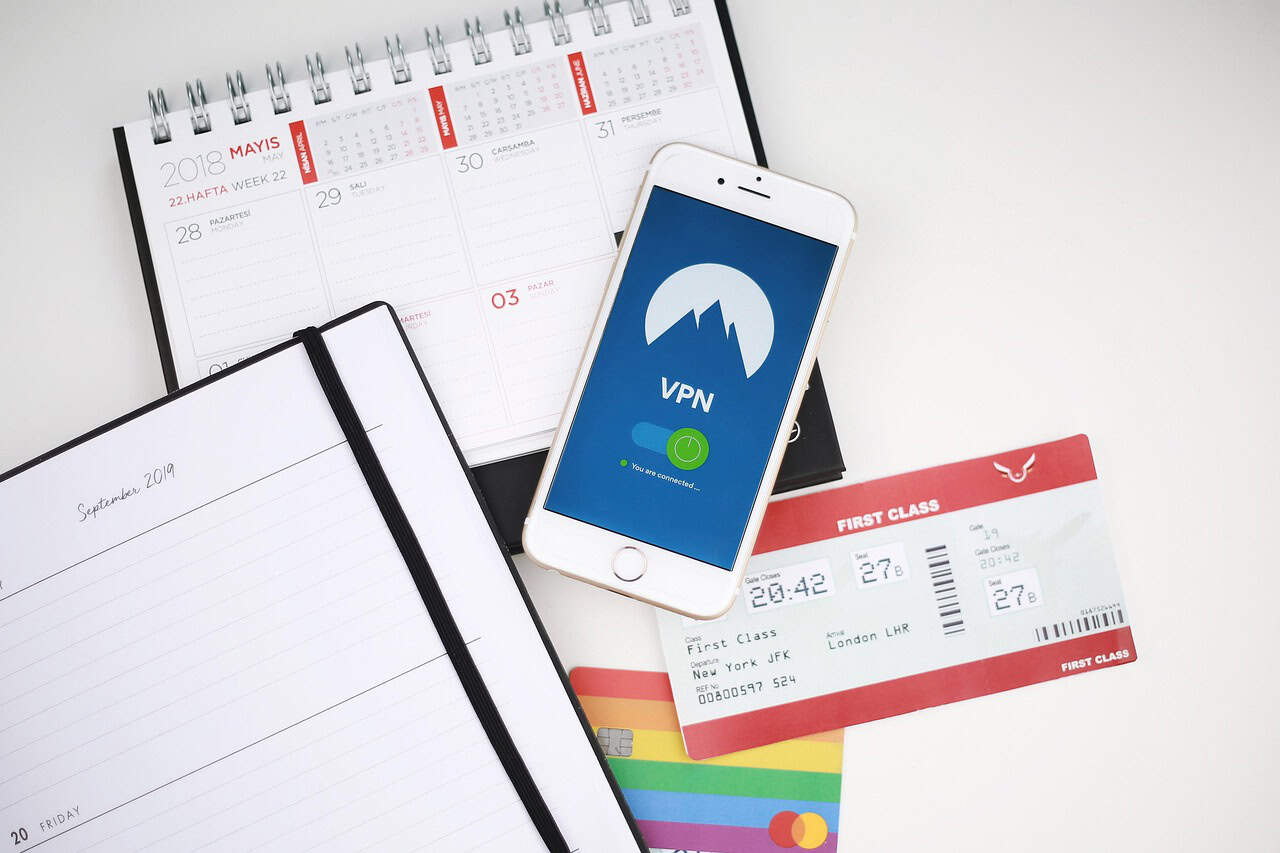
TikTok has long pushed the idea that incognito mode or VPNs help beat airfare algorithms. Although this hack gained tens of millions of views, studies show less than 2% of fare changes relate to browsing patterns. Airlines rely on real-time demand signals, not cookies. Some travel agencies even observed a 70% mismatch between what users believed and what actually lowered prices. Relying on this outdated advice can cause travelers to miss genuine deals found through flexible date searches or fare calendars.
8. Fake Complaint Tactics for Upgrades or Compensation
Some TikTok influencers teach travelers to exaggerate or invent minor issues to obtain upgrades, credits, or amenities. Yet hotels and airlines now cross-reference claims, logging incidents in central databases reviewed across dozens of properties or flights. A suspicious pattern can flag a traveler as manipulative, leading to denied compensation and potential account notes that restrict future goodwill gestures. One hotel group reported a 33% rise in unverifiable claims, triggering new documentation rules that made this hack far less effective.
9. Booking Through Third-Party Platforms Advertising Hidden-City Fares

Hidden-fare sites surged in popularity after TikTok videos generated over 120 million impressions promoting them. Travelers using these platforms sometimes save up to 50%, but airlines have intensified legal action. They track bookings originating from known hidden-fare aggregators and may cancel itineraries before departure. One major carrier even reported over 500 fare-abuse cases linked to specific platforms in a single quarter. As enforcement grows, travelers risk losing both money and travel privileges when using these unofficial channels.
10. Split-Ticketing or Multi-Carrier Loopholes to Bypass Fare Rules

TikTok tutorials show travelers how to combine two or more separate tickets to mimic a single itinerary, often cutting costs by 20–35%. But airlines now flag mismatched layover times, irregular sequences, or inconsistent carrier combinations. When disruptions occur, travelers must buy new tickets since carriers treat them as unrelated bookings. Internal airline data shows that over 60% of split-ticket itineraries fail during delays, leaving travelers stranded. With increasing scrutiny, the hack’s risks now overshadow its once-promising savings.