We may earn money or products from the companies mentioned in this post. This means if you click on the link and purchase the item, I will receive a small commission at no extra cost to you ... you're just helping re-supply our family's travel fund.

The internet loves travel shortcuts, especially the kind that promise a cheaper fare, a lighter bag, or a smoother airport day with almost no downside. Most of them sound clever because they shave off one visible inconvenience while quietly adding three hidden ones. Real travel rarely falls apart in dramatic ways. It frays through missed cutoffs, surprise fees, security delays, shaky connections, bad sleep, and preventable health problems. The most useful advice usually feels less flashy than a hack, and far more respectful of how airports, airlines, and human bodies actually work.
Buying Basic Economy And Calling It A Win

Basic Economy gets sold online like a minor sacrifice for a major discount, but the trade can turn ugly fast once bags, seats, and flexibility enter the picture. United says those fares include only one personal item, not a full carry-on, and seat assignments often cost extra; American’s own material has long warned that showing up at the gate with more than an under-seat item can trigger regular bag charges plus a $25 gate fee. What looked like a smart bargain at checkout can end up feeling like an expensive lesson in reading the fine print too late.
Stitching Separate Tickets Into One Tight Connection
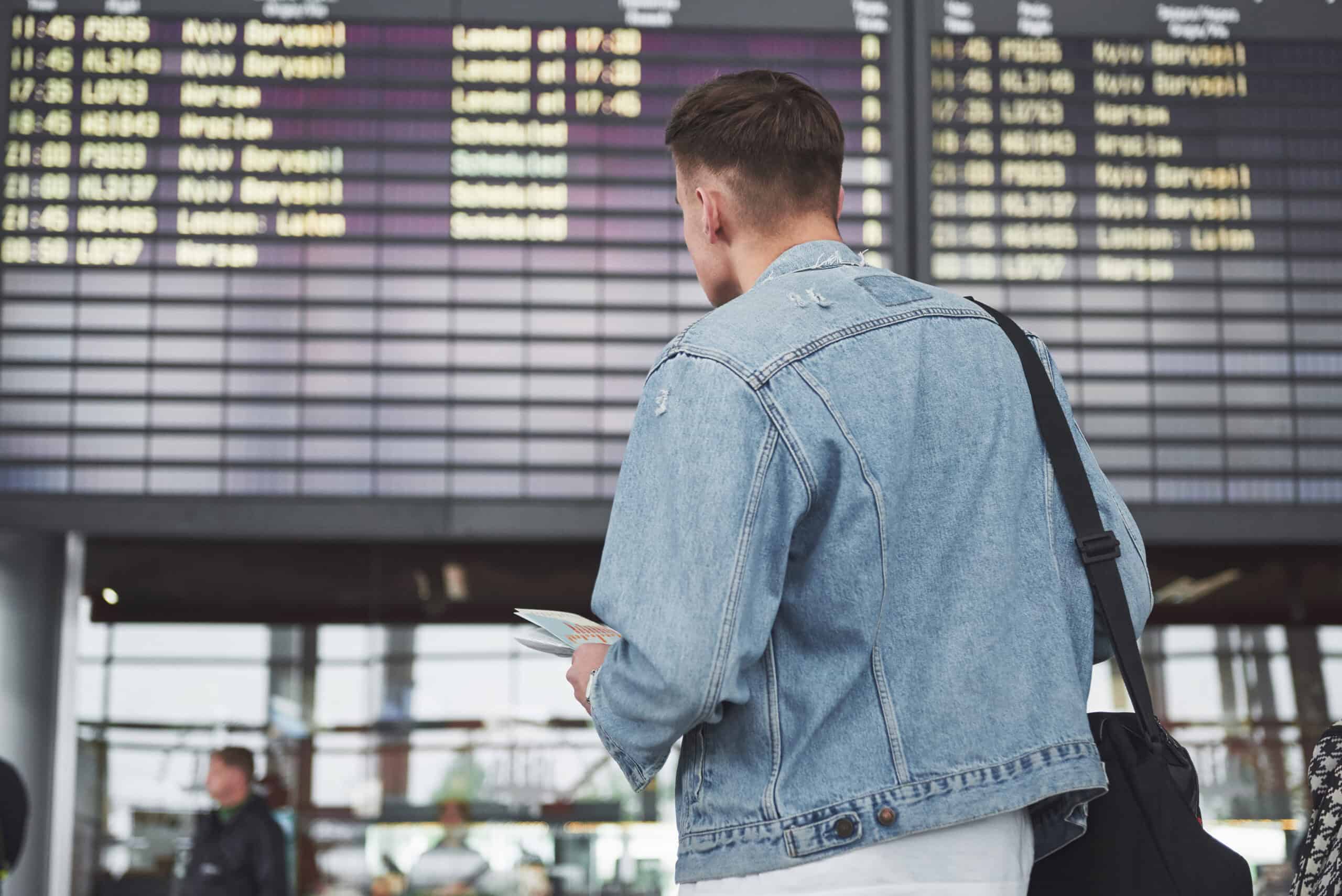
Self-transfer itineraries often look brilliant on a search screen because they mash together fares that were never designed to protect one another. Skyscanner explains that self-transfer means the traveler has to transfer themselves between flights, and Ryanair states plainly that it is a point-to-point airline that does not transfer passengers or baggage to other flights. That turns one small delay into a chain reaction of re-checking, re-clearing security, missed boarding, and buying a replacement ticket with far less dignity than the original “hack” promised.
Using Hidden-City Tickets To Beat The Fare System

Hidden-city ticketing still gets passed around as if it were an insider trick instead of a gamble against the airline’s own rules. American explicitly lists buying a ticket without intending to fly all flights to gain lower fares as prohibited, and Delta’s contract says it can cancel the unused portion, refuse boarding, or charge the applicable full fare. The savings can look sharp in a screenshot, but the downside is real: no checked bags to the “real” destination, no clean round-trip logic, and no guarantee the airline will shrug and move on.
Showing Up At The Airport At The Last Possible Minute
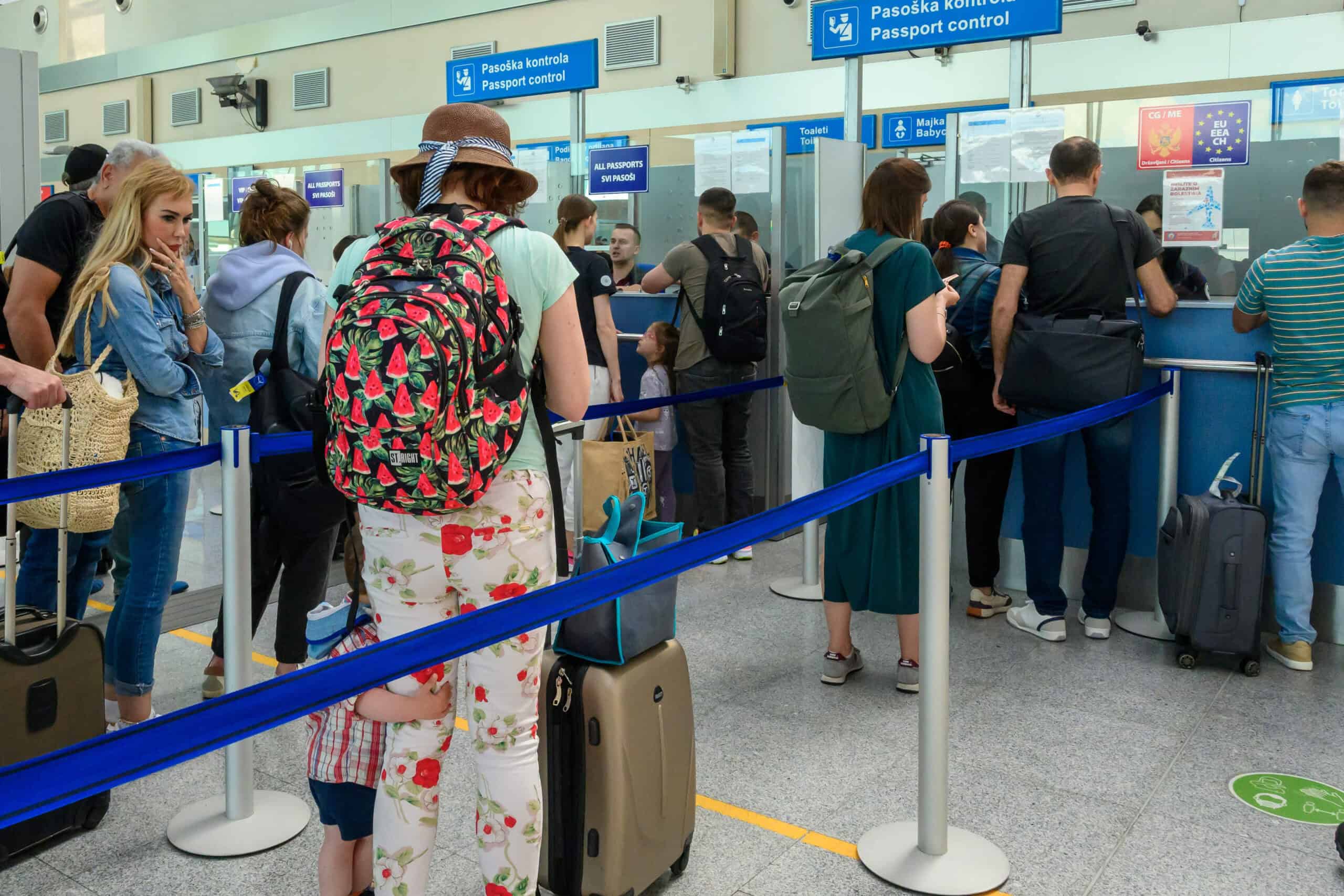
The idea that online check-in makes airport timing almost irrelevant sounds modern right up until security, parking, bag drop, or a cutoff clock refuses to cooperate. TSA says travelers should allow time for parking, shuttles, check-in, boarding passes, and screening, while United notes that passengers with checked bags generally need to check in at least 45 minutes before departure and international travelers at least 60 minutes before departure. A rushed arrival can save 45 sleepy minutes at home and then spend the next three hours manufacturing panic.
Carrying Oversize Liquids Because The Bottle Is Half Empty

One of the oldest airport myths says a large bottle is fine as long as only a little product remains inside. TSA has been clear for years: carry-on liquids, gels, aerosols, creams, and pastes must be in travel-size containers of 3.4 ounces or 100 milliliters or less, and each passenger gets one quart-size bag. The rule applies to the container size, not to how much is left in it. That means the “hack” usually ends the same way, with a bin, a shrug, and the quiet grief of watching expensive toiletries leave the trip before the flight even begins.
Stuffing One Giant Carry-On To Dodge Bag Fees
Trying to outsmart baggage fees by forcing everything into one swollen carry-on tends to create trouble in exactly the place people hoped to glide through. Basic Economy travelers on United get only one personal item, and the airline lists a $25 gate handling charge on top of the applicable checked-bag fee when a larger bag shows up where it should not. American has used similar gate-fee language for oversized Basic Economy carry-ons. What begins as a money-saving move often turns into gate-side repacking, extra charges, and the deeply public embarrassment of an overconfident zipper losing the argument.
Checking A Power Bank In A Suitcase

Packing a power bank in checked luggage looks harmless until the bag disappears down the belt and the rules say it should never have gone there. FAA guidance states that spare lithium batteries and power banks must be carried on, not checked, and TSA says the same for portable chargers containing lithium-ion batteries. The reason is safety, not bureaucracy: battery smoke or fire is easier to manage in the cabin than in the hold. A “travel lighter” shortcut can quickly become a bag-opening delay, a confiscation problem, or a stressful scramble at the gate.
Drinking On Board To Force Sleep

The romantic version of this hack involves a glass of wine, a neck pillow, and waking up magically adjusted to local time. The medical version is less charming. CDC guidance says alcohol can reduce sleep latency but increase sleep fragmentation, can worsen dehydration, and can exacerbate jet lag; its traveler page also says alcohol disrupts sleep. In other words, the body may pass out, but it often does not rest well. What follows is a groggy arrival, a dry head, and a first day abroad that feels strangely flattened instead of eased into gently.
Skipping Travel Insurance To Save A Few Dollars

Skipping travel insurance can feel rational right up until the trip stops behaving rationally. The U.S. State Department recommends travel health insurance before a trip and notes that Medicare and Medicaid do not pay for medical care outside the United States; CDC also says travelers should consider travel health, disruption, and medical evacuation coverage. That does not mean every trip demands the most expensive policy on the market. It means the “hack” of going uncovered often saves a small amount up front while leaving a traveler exposed to exactly the kind of expense that can swallow the whole trip.
Leaving Vaccines And Health Prep Until The Week Of Departure

Last-minute trip planning gets romanticized as spontaneity, but the body rarely enjoys being managed by impulse. CDC recommends seeing a healthcare provider or travel-health specialist four to six weeks before departure so there is time for destination-specific vaccines, medicines, and advice. That window matters because some vaccines need time to work, some prescriptions need planning, and some itineraries carry health risks that are easy to miss when attention is fixed only on flights and hotels. Waiting until the final week can turn a supposedly carefree departure into a rushed, underprepared, and unnecessarily fragile start.