We may earn money or products from the companies mentioned in this post. This means if you click on the link and purchase the item, I will receive a small commission at no extra cost to you ... you're just helping re-supply our family's travel fund.
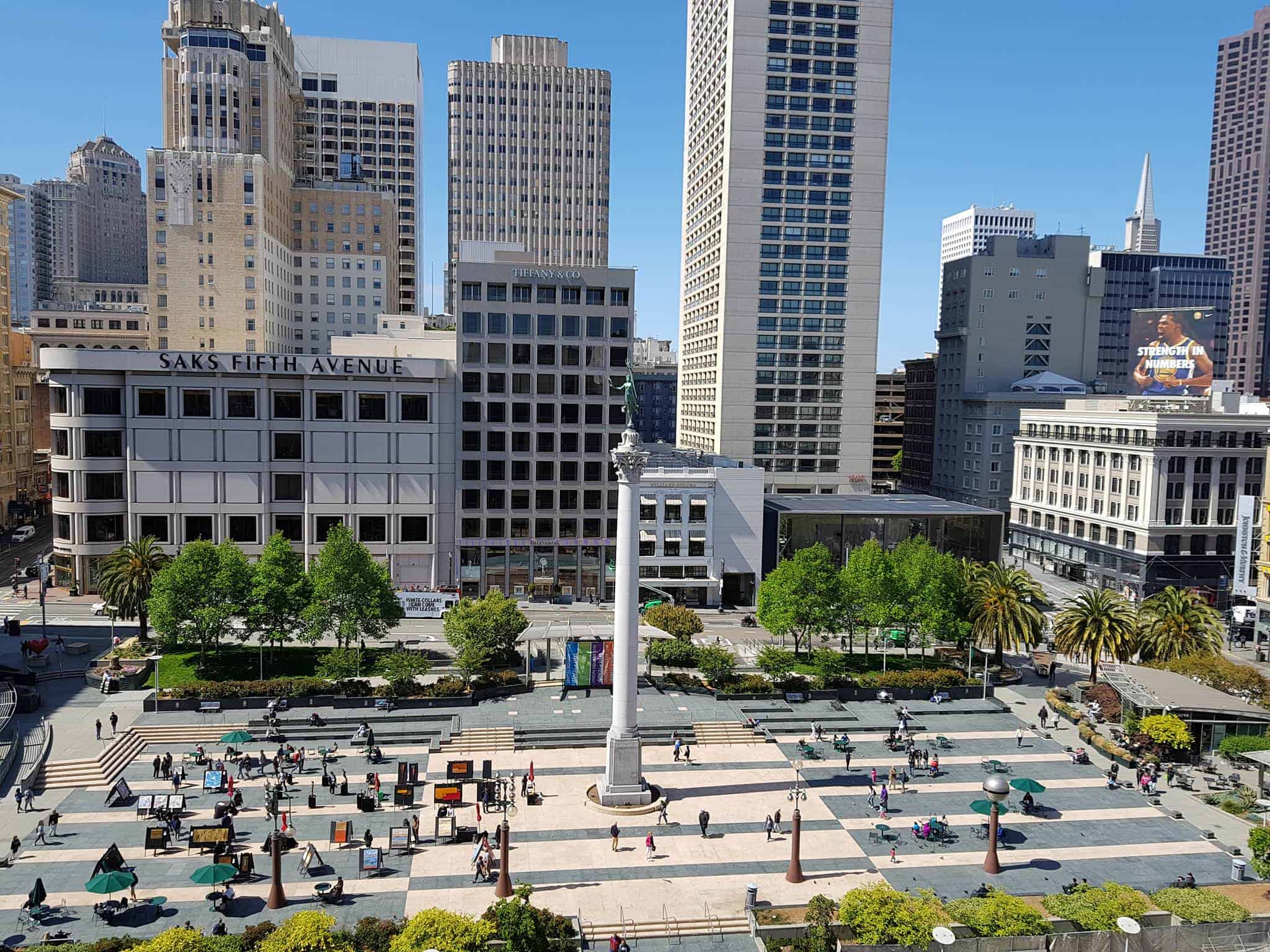
Cities rarely flip a switch from busy to empty. It happens slowly, as offices thin out, visitors choose new hotspots, and one closed storefront quietly turns into ten. Blocks that once hummed with souvenir bags and camera straps now echo with the sound of a single busking guitarist or a delivery truck. Some of these streets are not truly dead, just stuck in a strange in between mood. The architecture still sells a dream of crowds, while the sidewalks tell a very different story.
Union Square, San Francisco, California
Union Square used to feel like the city’s open air living room, circled by department stores, hotel lobbies, and shoppers drifting toward the cable car line. After years of retail exits and a hollowed out office core, long runs of glass sit covered in paper, and the plaza often feels more like a backdrop than a gathering place. New concepts and pop ups are trying to claw energy back, from seasonal markets to smaller boutiques, but the gaps remain obvious. People still pass through; fewer linger just to exist in the space.
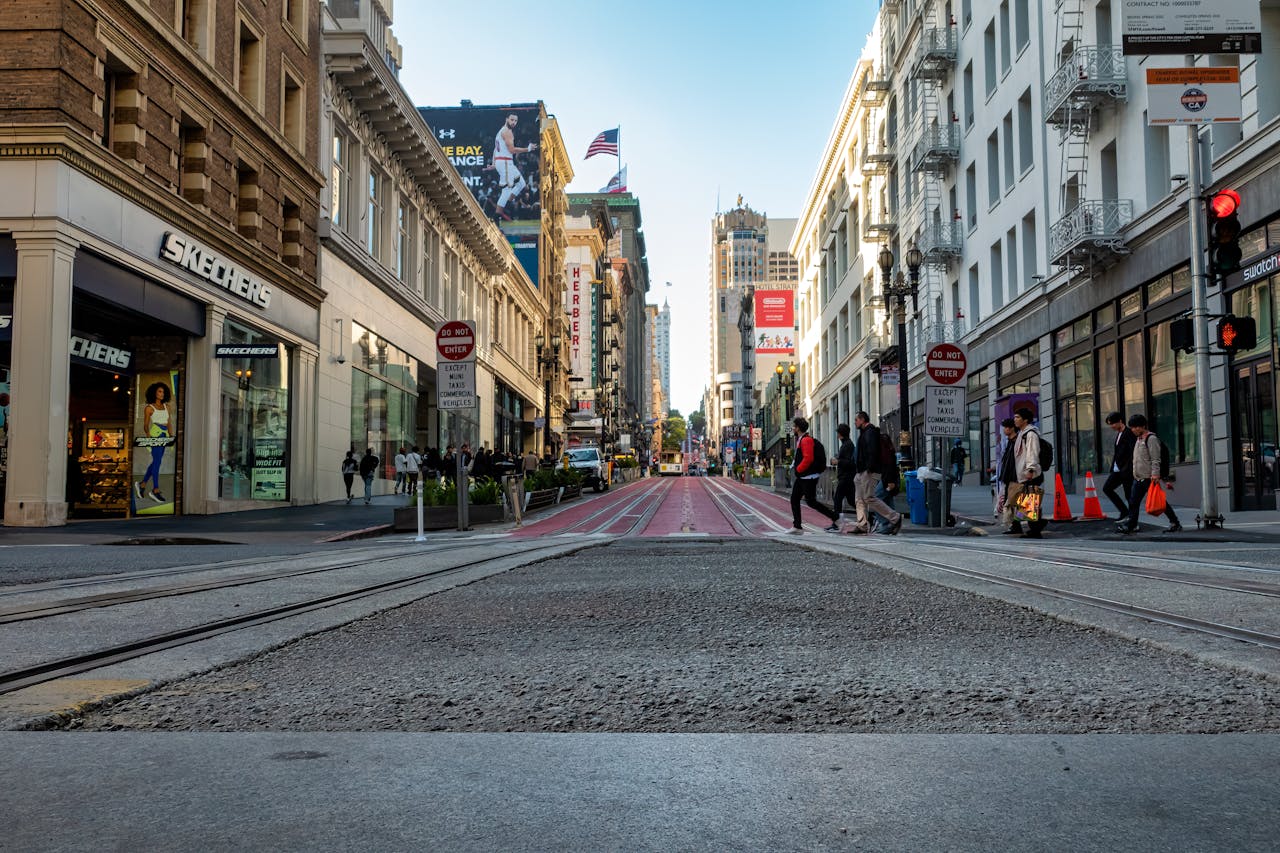
Mid Market And 6th Street, San Francisco, California
Along Market Street near 6th, the city once pitched a vision of bright tech offices, buzzy lunch spots, and theaters feeding a steady stream of foot traffic. Remote work, layoffs, and safety worries took the air out of that promise, leaving empty ground floor spaces beneath large, underused towers. A few bars, nonprofits, and restaurants hold on, but the distance between them can feel long when sidewalks are thin. Some landlords are exploring housing or unusual shared setups in former offices, hinting at a very different future for a stretch that once banked on corporate energy.
Downtown Core Around Pioneer Courthouse Square, Portland, Oregon

Pioneer Courthouse Square still hosts festivals, protests, and tree lightings, and on those days the heart of Portland feels intact. Step a block or two away, and the wear becomes clear, with vacant windows, reduced shop hours, and office towers that never fully refilled after 2020. Transit lines still converge here, but riders often move through quickly rather than browsing between meetings. The city is trying to seed more housing and small experiments into the core, yet long term locals notice the difference most on gray evenings, when a place designed for crowds settles into an uneasy quiet.
Third And Pike, Seattle, Washington

The corner of Third and Pike has always been a bit of a pressure point, where commuters, shoppers, and visitors spilled out of buses before fanning toward the market and the waterfront. As traditional retail shrank and work from home thinned daytime crowds, the balance on the street tipped. A handful of remaining businesses face lighter legitimate traffic but steady social strain, from visible addiction to petty crime, which deepens its uneasy reputation. City programs, new patrols, and a few reopened storefronts have helped, yet many locals still describe the intersection as tense, with more nervous glances than window shopping.
Nicollet Mall, Minneapolis, Minnesota

Nicollet Mall was rebuilt with careful planting beds, new paving, and public art, the kind of civic makeover meant to guarantee busy sidewalks. The timing collided with a wave of remote work and shifting retail habits that no design refresh could fix. A few strong anchors and restaurants at the ends of the corridor still draw crowds at lunch and happy hour, while mid blocks often sit oddly still, watched mostly by office security and occasional dog walkers. City officials now talk less about grand visions and more about basic occupancy, trying to fill gaps so the street feels like a single place again.
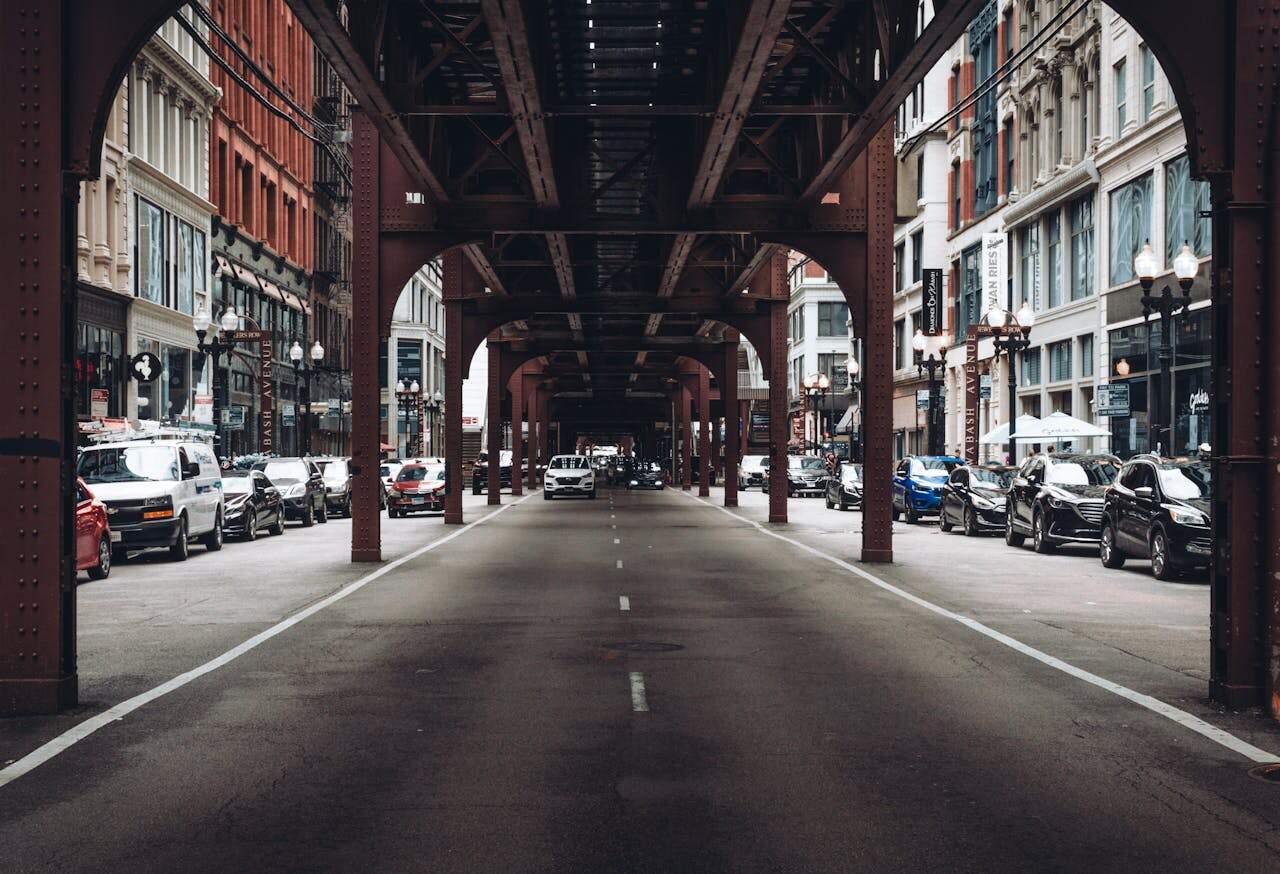
State Street Loop Stretch, Chicago, Illinois
For decades, State Street was shorthand for shopping in Chicago, stacked with department stores, theaters, and street level displays shouting for attention. Some of those anchors remain, but many mid block spaces have gone dark as retailers consolidate and commuters spend fewer days in the Loop. The bones of the street are still impressive, with transit nearby and wide sidewalks, yet long stretches feel like they are waiting for a new script. Developers float ideas for housing, student spaces, and entertainment, while current pedestrians thread their way past a mix of lively windows and empty glass that reflects only passing trains.
Hollywood Walk Of Fame Side Blocks, Los Angeles, California
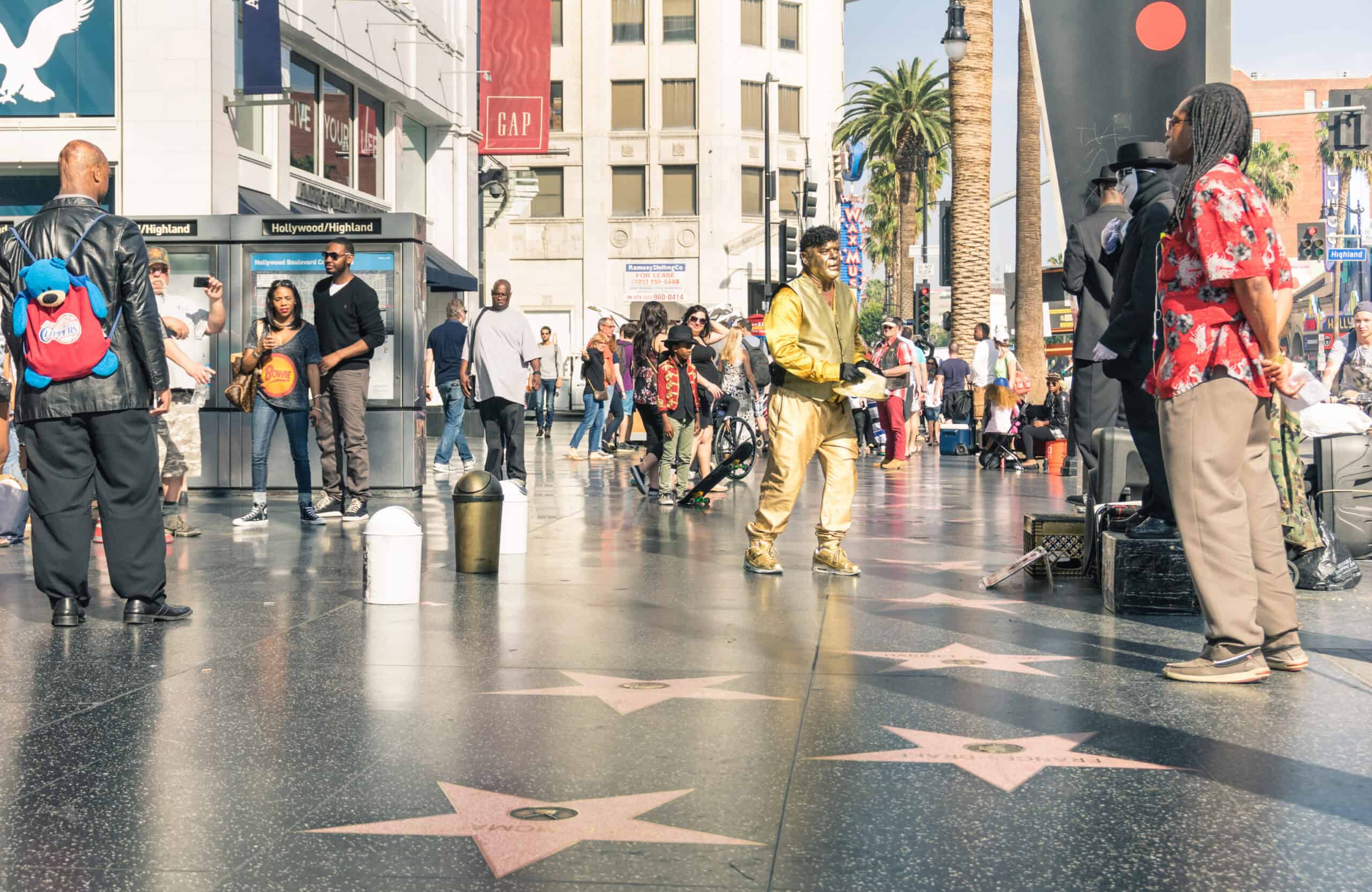
On paper, Hollywood Boulevard still looks like a nonstop spectacle, with its terrazzo stars, theaters, and costumed performers. In reality, the energy drops sharply once a person steps away from the tight tourist cluster near the main cinema landmarks or arrives on a quiet weekday. Closed gift shops, aging facades, and tired attractions make side blocks feel like they are running on inertia. Locals often steer guests toward other neighborhoods for food and nightlife, treating Hollywood more like a quick photo stop than a full evening. Plans for wider sidewalks and more greenery are on the table, but confidence takes longer to rebuild.
Harborplace And Inner Harbor Pavilions, Baltimore, Maryland

Baltimore’s Inner Harbor once defined the template for urban waterfront revival, with Harborplace pavilions crowded by chain restaurants, music, and souvenir stands. Over time, changing retail trends, competition from other districts, and deferred maintenance drained energy from the complex. Many tenants left, leaving a skeleton of occupied units in buildings that used to thrum with school trips and family outings. The waterfront promenade still draws joggers and visitors, yet the pavilions themselves feel like shells waiting for their next purpose. A major redevelopment is on the horizon, but for now the mood is one of pause, not celebration.
Woodward Avenue Downtown, Detroit, Michigan

Woodward Avenue downtown carries decades of civic pride, parade routes, and historic storefronts, yet stretches of it still feel half finished. Renovated skyscrapers, sports venues, and a new light rail line sit next to blanked out ground floors and construction sites that seem stuck mid transition. Detroit has made real progress on empty buildings, and events can still flood the corridor with people on game days or festival weekends. On ordinary afternoons, the rhythm is patchier, with a coffee shop on one corner, boarded windows on the next, and long views that hint at both resilience and unfinished work.
Canal Street Spine, New Orleans, Louisiana

Canal Street has always been a kind of hinge, separating the French Quarter from the rest of New Orleans and carrying streetcars, shoppers, and hotel guests along its wide, palm lined lanes. Years of disinvestment and shifting retail have left several landmark buildings underused or vacant, dulling the old department store shine. Tourists still cross Canal to reach the Quarter, but many do it quickly, barely noticing the empty upper floors and aging marquees above them. City leaders regularly revisit plans to convert more of the corridor into housing, cultural venues, and updated hotels, knowing that empty shells here cast a long shadow.