We may earn money or products from the companies mentioned in this post. This means if you click on the link and purchase the item, I will receive a small commission at no extra cost to you ... you're just helping re-supply our family's travel fund.
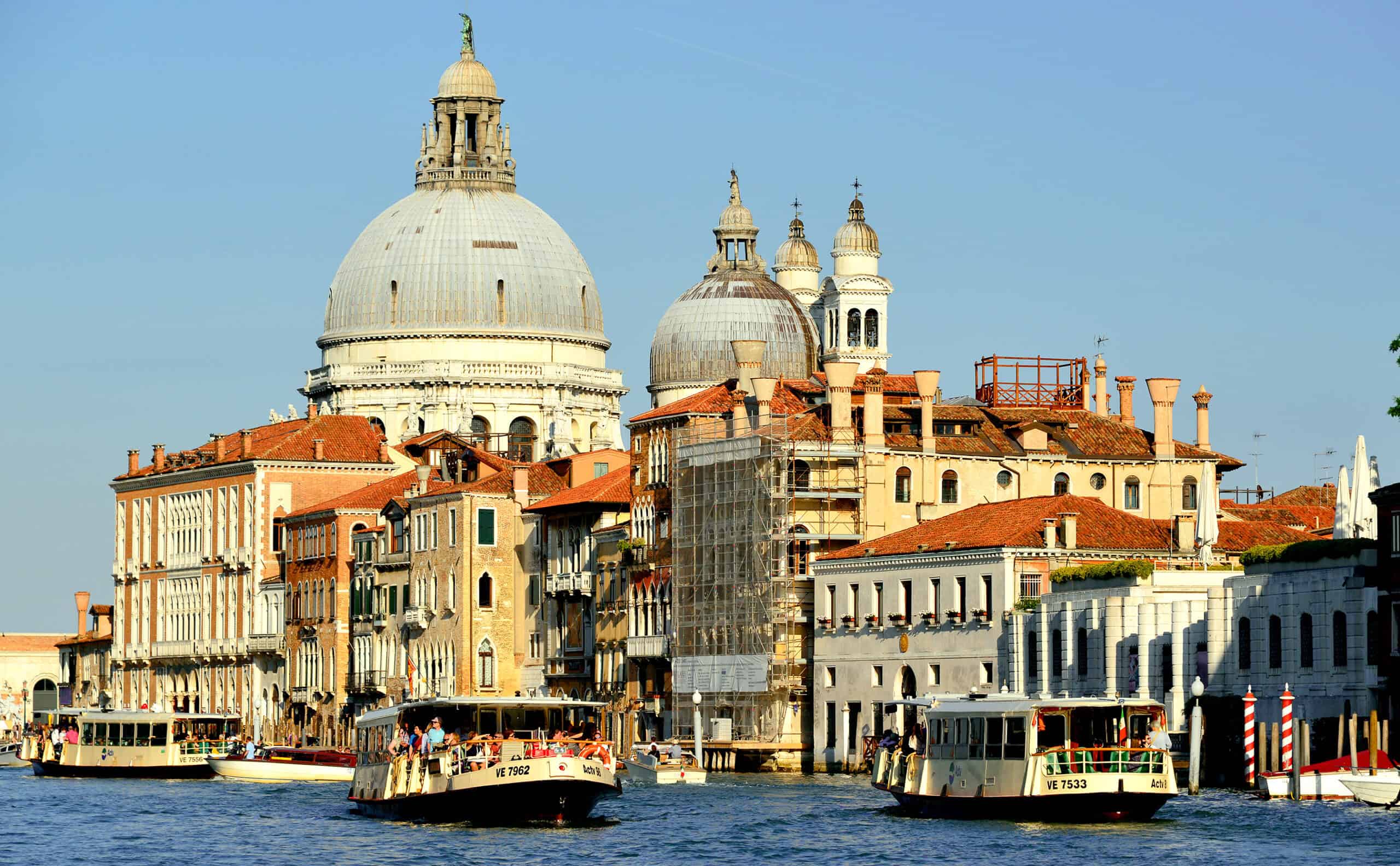
Travel has started to feel less like a single price and more like a stack of small permissions. Cities overwhelmed by crowds are charging for the impact of short stays, while fragile landscapes are limiting entry by time slot. For Americans, the surprise is rarely the amount. It is the timing, the fine print, and the way a spontaneous detour can be blocked by a cap or a checkout screen. In 2026, these rules function as quiet signals: popular places still welcome visitors, but they want order, funding, and breathing room.
Venice Day-Tripper Access Fee
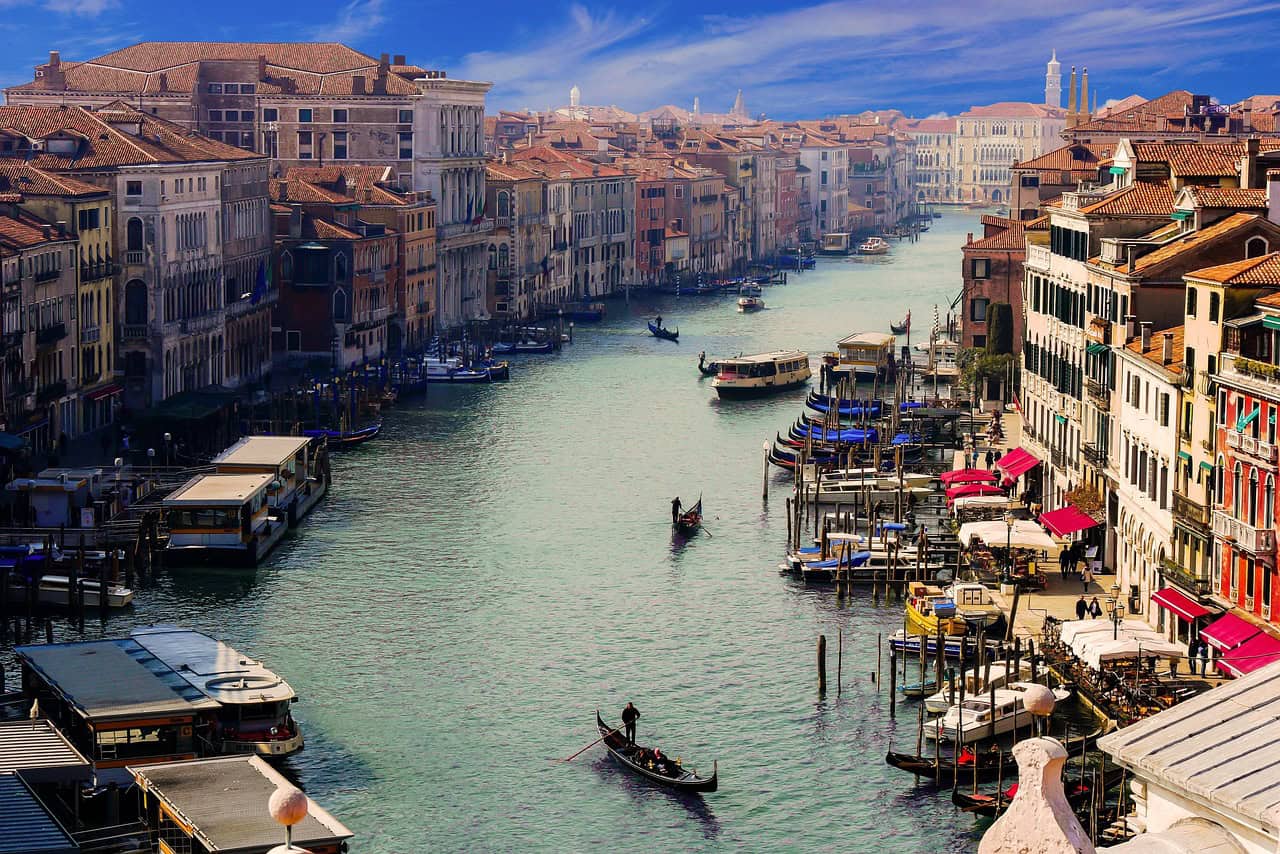
Venice now charges many day visitors on select peak dates, turning overtourism into a scheduled transaction and pushing spontaneous arrivals into a booking mindset. The access fee is lower when reserved in advance and higher for late plans, often €5 versus €10, and the city can fine visitors who skip registration; officials say the goal is protecting fragile streets and keeping passageways clear when crowds bunch in the late morning. The change is felt before the first canal view, with QR checks near arrival points, signs at vaporetto docks, and the quiet sense that entry is being managed as carefully as the architecture.
Amsterdam’s High Tourist Tax
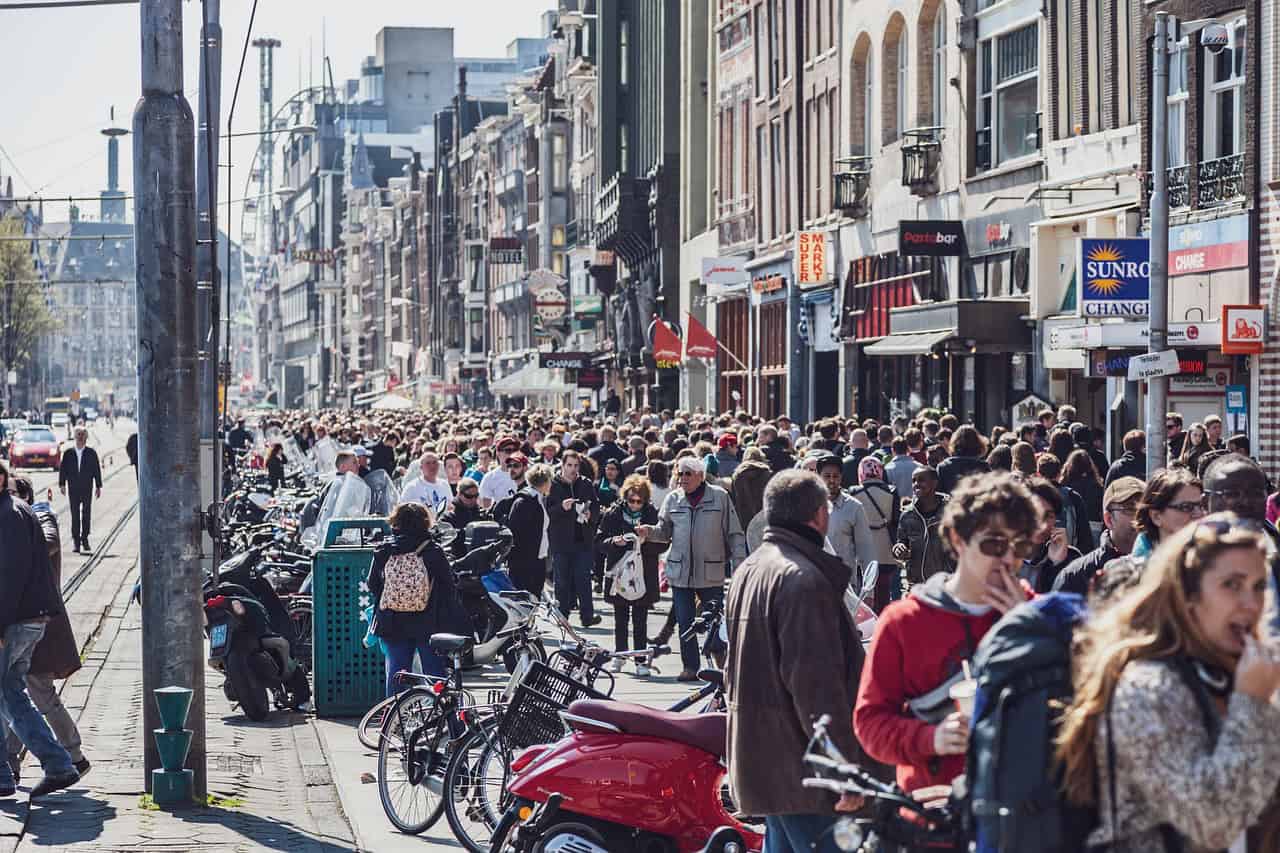
Amsterdam’s tourist tax is among Europe’s most aggressive add-ons, built to make every overnight stay pay into city upkeep rather than leaving costs to residents in the center. Nights are charged at 12.5% of the room rate, and cruise passengers face a separate day tourist tax, with officials pointing to sanitation, transit, bridge maintenance, and constant wear on a compact center that never really gets a quiet season. The impact lands at checkout, when a modest nightly price becomes a higher total, and the fee stings because it is automatic, tied to the bed, and applied whether the stay is one night or one week.
Barcelona’s Tourist Tax Push
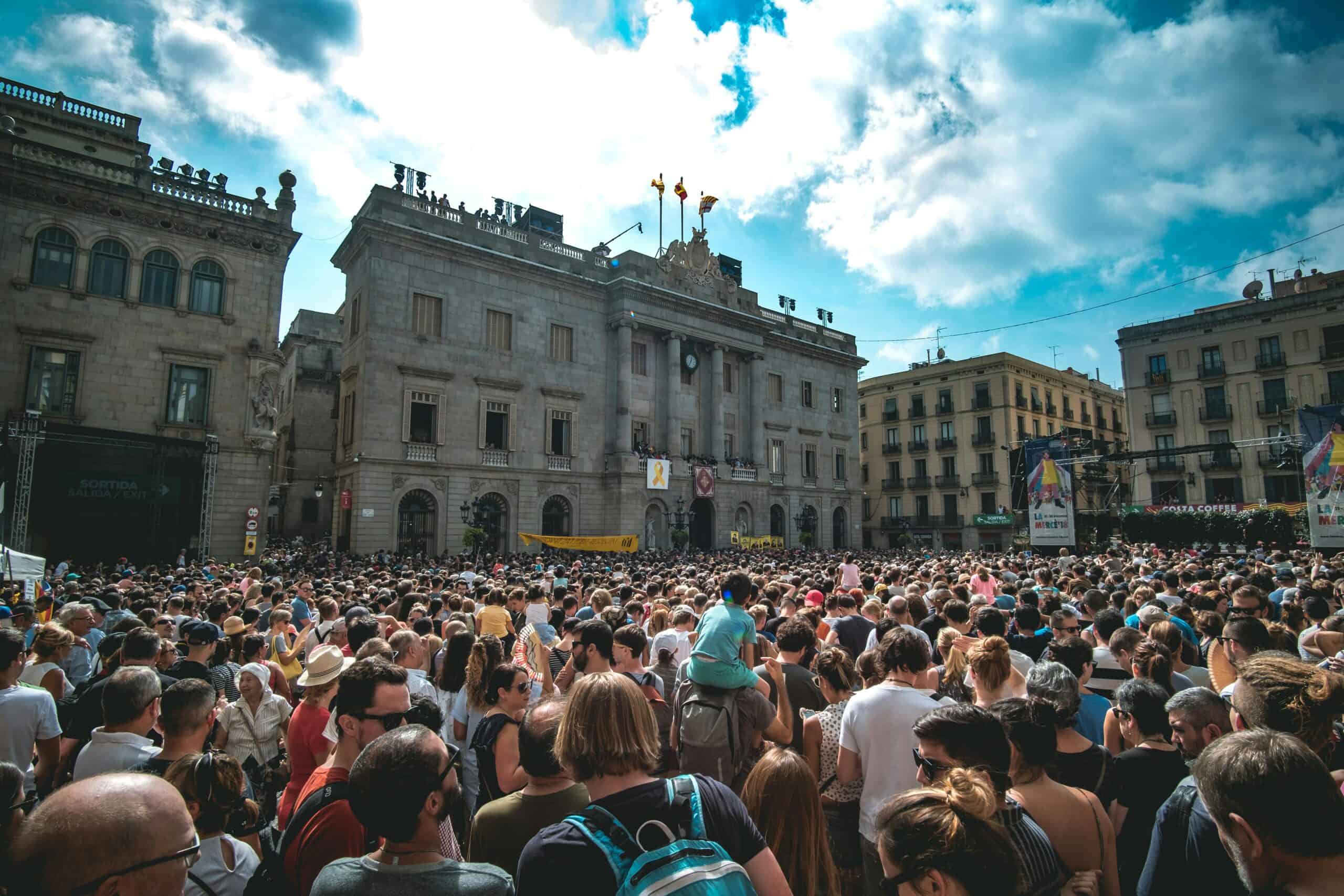
Barcelona has leaned on visitor taxes as a pressure valve in districts strained by crowding, housing tension, and late-night churn that spills into everyday life. Catalonia’s per-night tourist tax varies by lodging type, and officials have pushed higher ceilings, including moves to double the levy and lift the maximum nightly charge, while cruise passengers are pulled into the debate over short, intense surges. For Americans, it shows up as a higher per-person, per-night total and a clearer expectation that convenience has a municipal price, especially when stays are concentrated in the old core during peak season.
Greece’s Cruise Passenger Fee
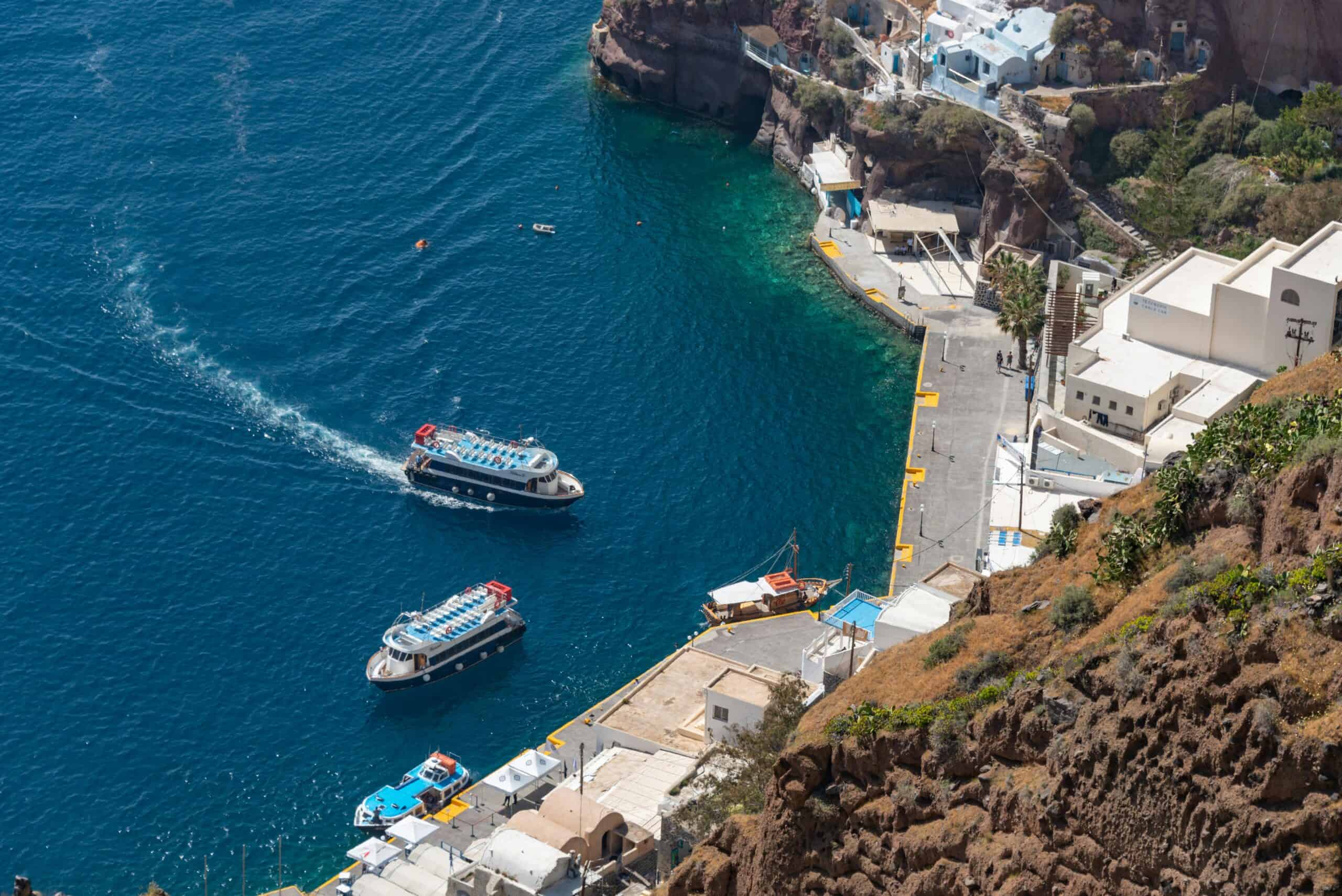
Greece is adding a cruise passenger levy that climbs at the most saturated islands and months, treating arrival volume as something that must be priced, not just celebrated. Rates can reach up to €20 per person for Santorini and Mykonos in peak summer, with lower fees at other ports and in cooler seasons, and the policy makes each disembarkation a counted event when tender boats unload thousands into tight lanes at once. Collected through cruise operators, the charge is framed as funding for port services and local infrastructure, and as a gentle lever to spread traffic toward less crowded ports when the queues get long.
Greece’s Climate Resilience Fee

Greece replaced its earlier lodging levy with a climate crisis resilience fee charged per room, per night, scaled by property category and season as heat and fire seasons reshape risk. In peak months, rates run from about €1.50 at simpler lodging to €10 at five-star hotels, with lower winter charges, and different brackets also apply to short-term rentals, linking the surcharge to times when pressure and costs peak. The impact lands on hotel folios as a separate nightly add-on collected at checkout, and it quietly rewards timing, making shoulder-season stays feel easier while signaling that recovery is now part of the budget.
Edinburgh’s Visitor Levy

Edinburgh has approved a visitor levy that adds 5% to paid overnight accommodation for the first five nights, applying to stays from July 24, 2026 under the city’s rules. Leaders say it will fund streets, parks, and services strained by festival crowds, including the Fringe, and it applies across hotels and short-term rentals, too, so the bed carries the cost rather than any single attraction. Only the first five nights are levied, a detail that matters for longer rentals, but the line item will still feel like a new ritual, especially in late July and Aug., when the center runs at full volume and services stretch.
Kyoto’s Steeper Accommodation Tax

Kyoto is raising its tiered accommodation tax from March 1, 2026, keeping the charge per person, per night, but lifting the top brackets sharply for higher room prices. The maximum rate rises to as much as ¥10,000 per night for premium rooms, with officials pointing to overtourism strain on streets, buses, and public sites, and the surcharge scales with luxury rather than distance, turning a splurge stay into a bigger civic contribution. Collected by lodging providers at checkout, it stacks on top of the room rate and signals a mood change: the city still welcomes guests, but expects visible contribution toward crowd management.
Norway’s Municipal Tourist Tax Option
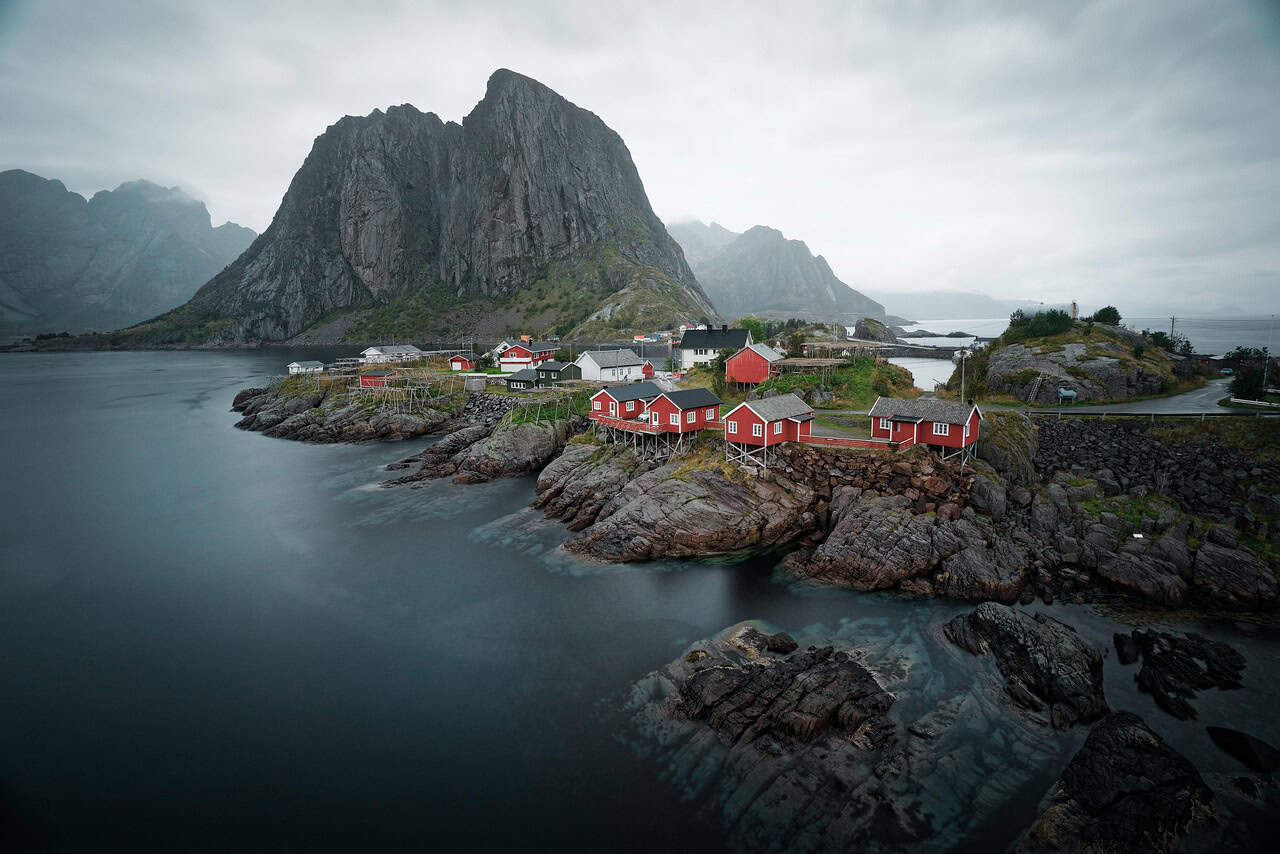
Norway has approved a framework that lets municipalities add a visitor contribution, up to 3% on overnight stays, and some models can also cover cruise day visits in places under heavy strain. The idea is targeted funding for towns where trails, toilets, ferries, and narrow roads get hammered by short, intense seasons, especially in fjord regions and northern hotspots like Lofoten, with local control creating a patchwork by region and year. For travelers, it means watching receipts and local notices, because the fee can appear with little warning, and it is pitched as maintenance that keeps nature access usable rather than glossy.
New Zealand’s NZ$100 Visitor Levy
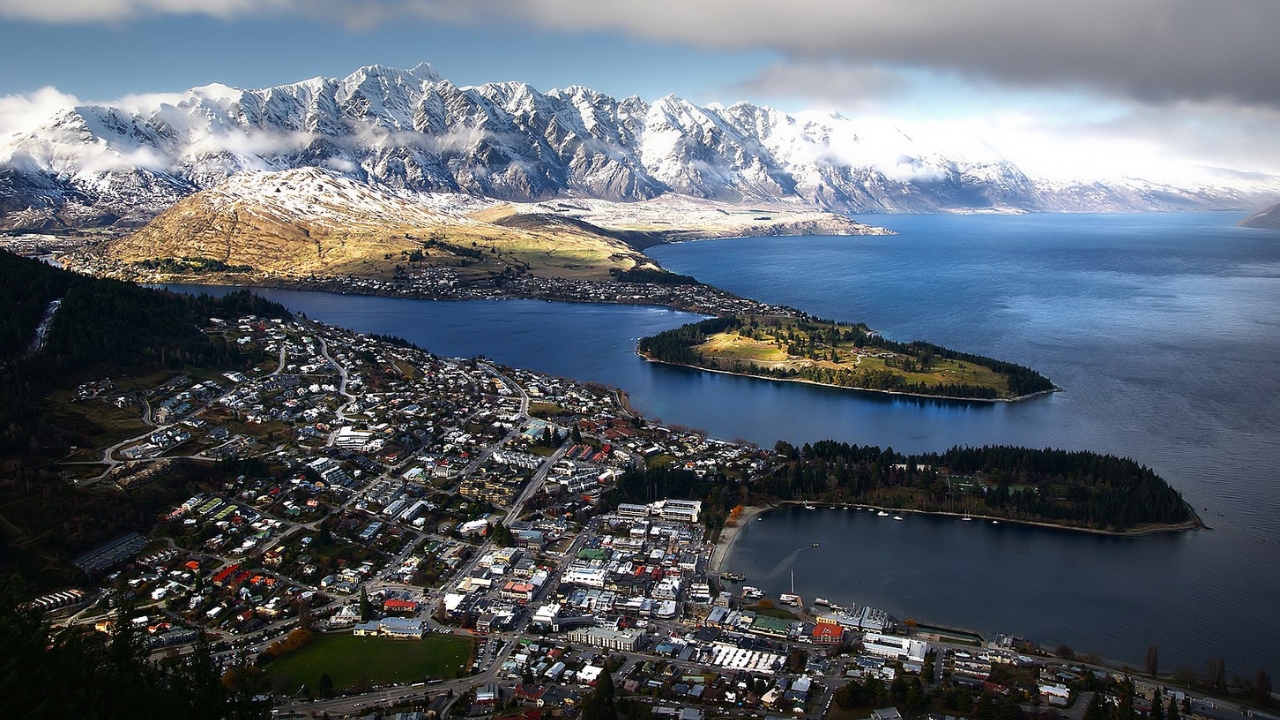
New Zealand’s International Visitor Conservation and Tourism Levy is NZ$100 for many international arrivals, collected through visa or entry processes rather than at a hotel desk and paid per person. The charge rose from NZ$35 in Oct. 2024, and officials describe it as support for conservation and visitor infrastructure, a reminder that wild places need funding long after the flight lands. For families, the math adds up quickly, which can nudge decisions toward fewer internal flights, fewer stops, and a tighter spend on tours and rental cars, even when airfare stays the same and schedules look flexible on paper, still.
Galápagos National Park Entry Fee Jump

The Galápagos Islands treat access as conservation policy, and the official national park entrance fee for most international visitors over age 12 is now US $200, with children typically paying US $100. This is not a hotel add-on, it is a gate paid on arrival, with controls that reinforce limited impact, fund rangers, and regulate movement across fragile habitats that cannot absorb unlimited foot traffic. For Americans, the fee pushes trips toward slower itineraries and fewer impulsive add-ons, because the destination prices commitment over volume from the start, before the first boat ride or snorkel brief begins.