We may earn money or products from the companies mentioned in this post. This means if you click on the link and purchase the item, I will receive a small commission at no extra cost to you ... you're just helping re-supply our family's travel fund.

Tourists flock to wild places expecting drama in the photos, not danger at their feet. Yet many of the most beautiful coasts, canyons, and peaks hide hazards that do not look threatening until it is too late. Warnings often feel exaggerated, waves seem small, skies look clear, and crowds give a false sense of safety. By listening to local advice and reading the subtle signs in wind, water, and rock, careful travelers can trade near misses for lasting, grateful memories.
Sneaker Waves On Picture-Perfect Pacific Shores

On rugged Pacific coasts, sneaker waves behave like ambushes. Long periods of gentle surf convince families, anglers, and photographers that the beach is safe, while powerful swells build far offshore. Without warning, a surge races higher than the rest, sweeping people from dry sand or low rocks into icy, debris filled water. Heavy clothing, shock, and panic make swimming almost impossible. Every winter, coast guards in Oregon, northern California, and Iceland recover cameras and jackets instead of survivors. Local signs that mention unpredictable surf, sudden drop offs, or king tides are written from hard experience, not drama for tourists.
Crumbling Sea Cliffs And Selfie Ledges

Sea cliffs and canyon rims often look solid, but many are little more than stacked layers of soft sediment and hidden fractures. Tourists crowd near the edge for dramatic portraits, unknowingly loading fragile ledges that have been undercut by waves or wind. One playful jump, a sudden stumble, or a strong gust can send a person onto rocks or surf far below, where rescue is slow or impossible. Famous viewpoints in Ireland, Norway, and Australia see repeat falls each year, despite fences and exhausted rangers begging visitors to step back. Social media trends that reward daring angles push people closer to drop, until there is no ground left.
Rip Currents Hiding In “Safer” Surf Gaps
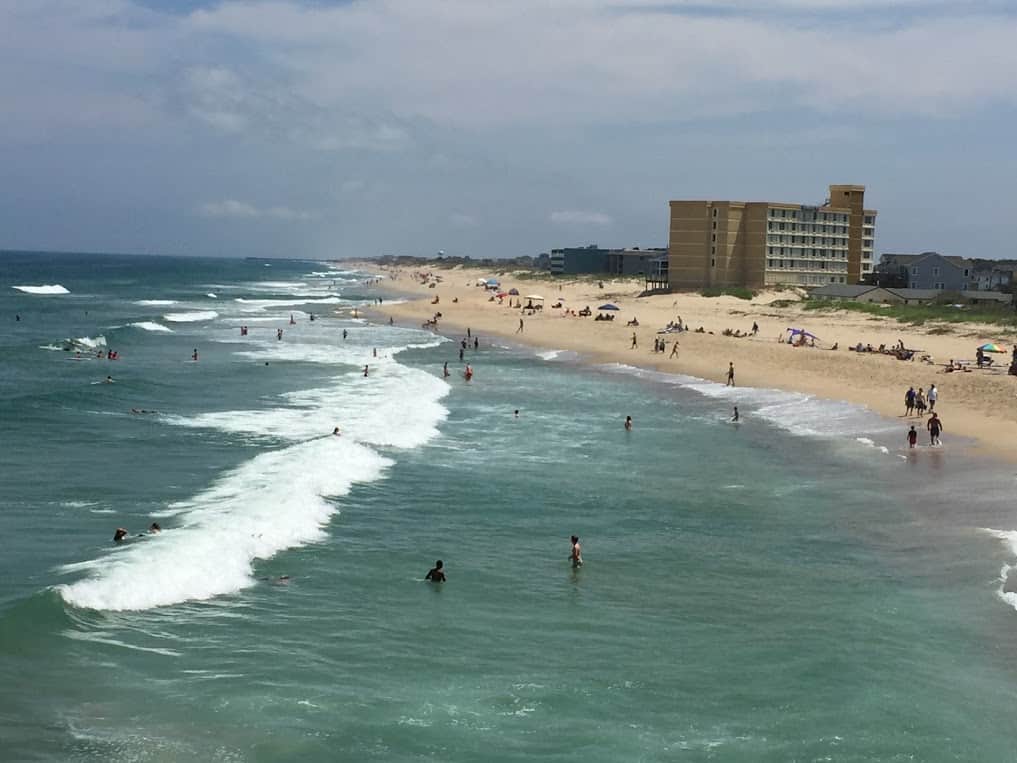
Rip currents often hide inside the calmest gaps between breaking waves, where the water seems smoother and safer. Swimmers drift into these channels while talking or playing, then notice late that shore is sliding away no matter how hard they kick. Panic drains strength quickly, and even strong athletes struggle against a conveyor belt of water heading offshore. Unpatrolled beaches in Florida, Australia, and Southeast Asia record quiet tragedies every busy season, while coolers and umbrellas wait on sand for people who never return. Lifeguards study color shifts, foam patterns, and moving sand that signal danger long before a headline appears.
Slot Canyons Turned Into Flash-Flood Tunnels
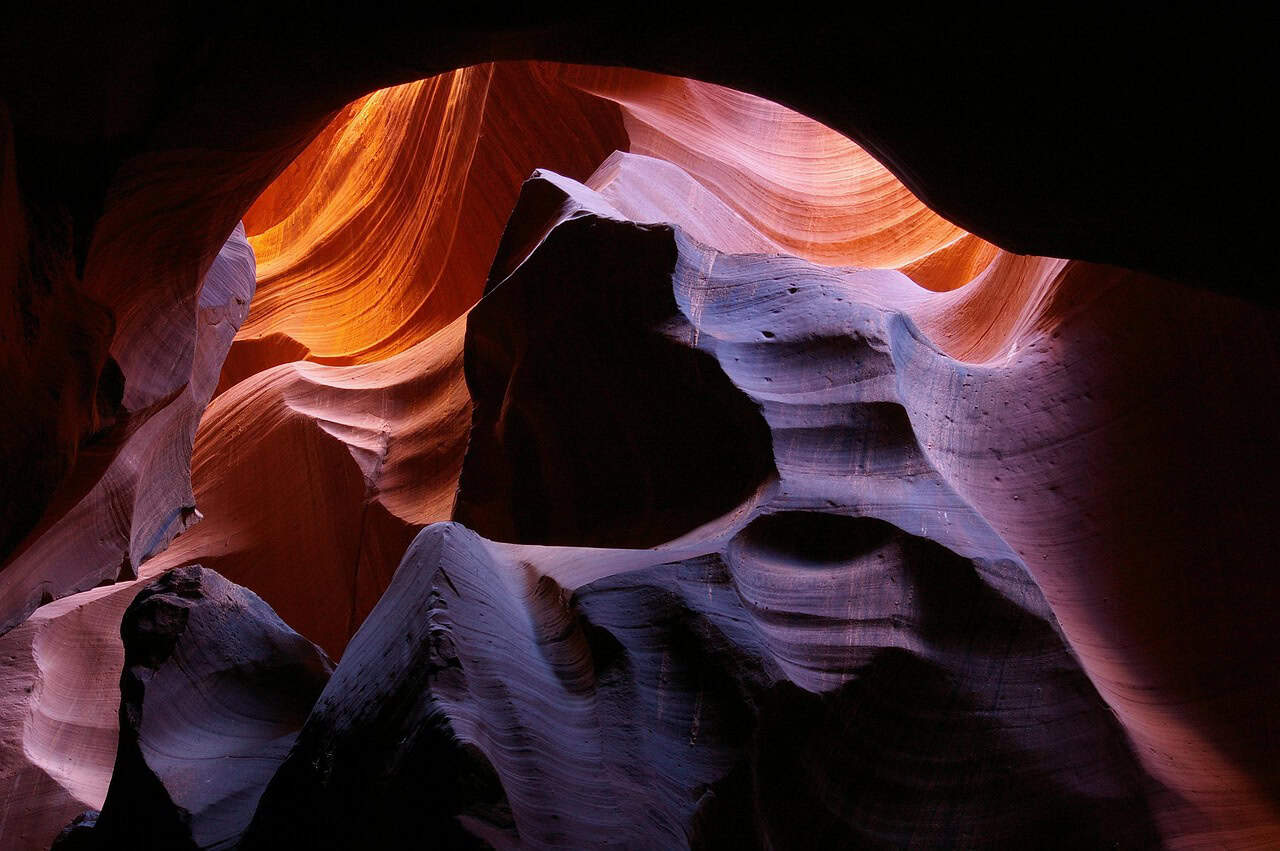
In desert country, slot canyons feel like secret corridors carved just for careful hikers. Narrow walls frame soft light and cool air, giving the illusion of shelter from harsh sun and heat. Yet a thunderstorm miles away can send a wall of water, mud, and boulders roaring through those same passages with almost no warning. Once the flood arrives, there are no side exits and the polished rock is too slick to climb. Fatal events in Utah, Arizona, and Spain show how clear skies overhead can still hide a storm building upstream. Responsible guides respect that risk even when visitors only see blue above their heads.
Geothermal Pools With Thin, Treacherous Crust

Geothermal fields tempt visitors with surreal colors, drifting steam, and the idea of a natural hot soak just beyond the boardwalk. Beneath that thin crust, acidic water near boiling point moves through an unstable maze of vents and fragile mineral ledges. A single step off the marked path can break through, dropping a person into scalding pools where rescue is nearly impossible. Yellowstone, Iceland, and New Zealand all record accidents where shoes, phones, and cameras are left on safe ground, but the person is gone. Park rules about staying on planks exist because some ignored them and never walked back out.
Volcanic Gases Around Beautiful Crater Rims
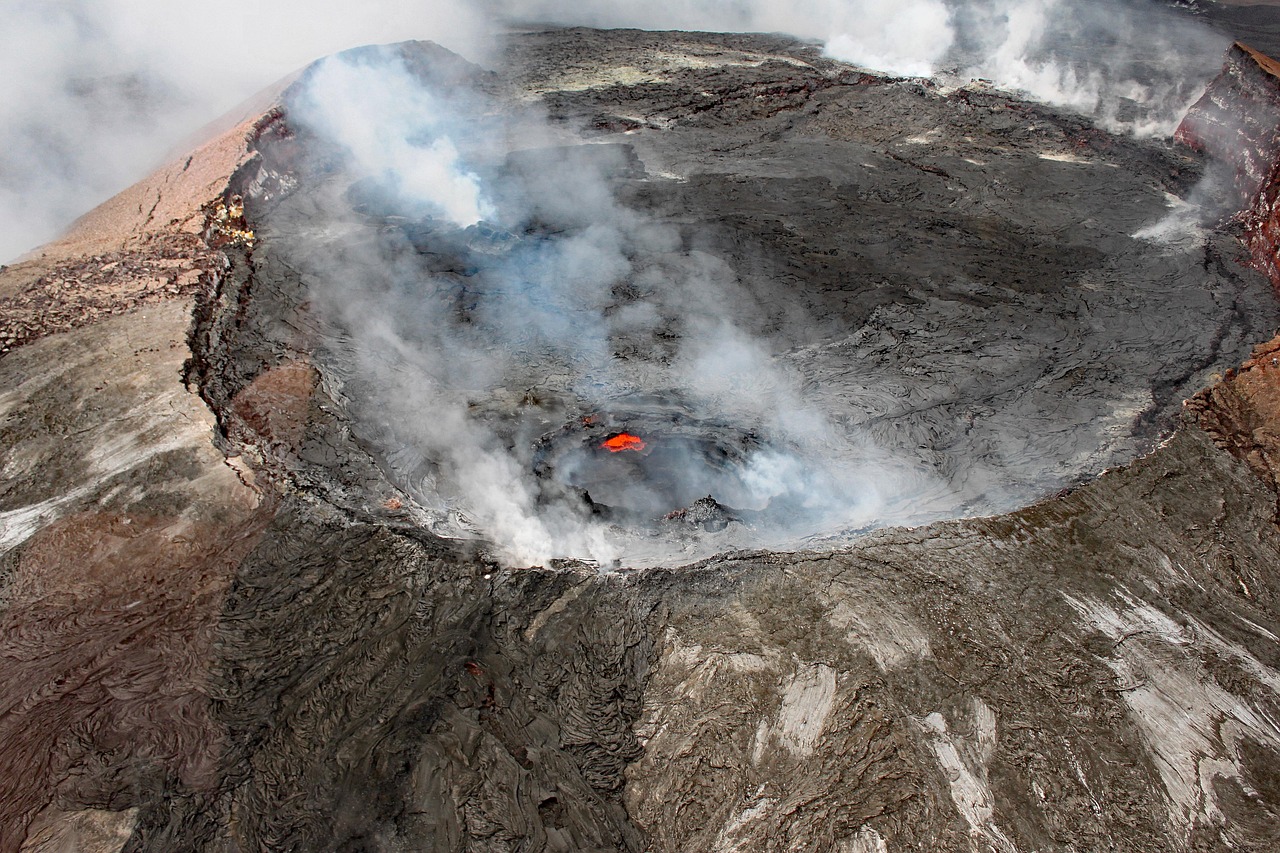
Active volcanoes promise glowing lava, crater lakes, and eerie photos that feel torn from another planet. Around vents and calderas, invisible gases such as carbon dioxide and sulfur dioxide can settle in low spots, pushing oxygen aside without drama. Hikers may feel dizzy, confused, or simply sleepy before collapsing on unstable ash or loose rock. In Indonesia, Italy, and parts of Central America, deaths have occurred within sight of parking areas and souvenir stalls. Local guides pay close attention to wind direction, gas monitors, and their own burning lungs, tools most casual visitors underestimate until it is too late.
Altitude Sickness On Popular Trekking Peaks

High altitude treks in the Andes, Himalayas, and East African ranges draw people who are reasonably fit and hungry for summit photos. Thin air does not care about gym routines or ambition; it slowly starves the body of oxygen even during a gentle walk. Headaches, nausea, and restless sleep often get brushed aside as normal until balance fails or breathing feels like drowning on dry land. Without timely descent, fluid can build in lungs or brain, turning a proud climb into a medical crisis far from help. Seasoned guides quietly track symptoms around them and suggest retreat long before pride would.
Calving Glaciers And Sudden Fjord Waves
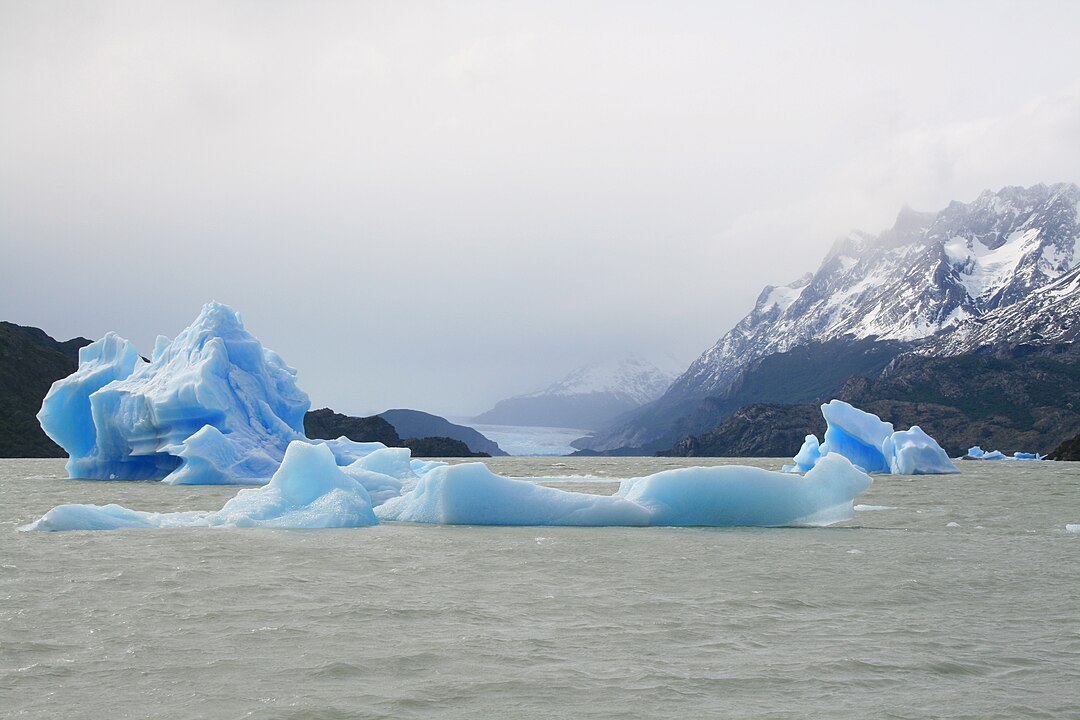
Glacial lagoons and icy fjords look calm, with blue chunks of ice floating like sculptures on a quiet lake. Boats and kayaks often creep closer for a better view, forgetting that each towering block is riddled with fractures and slowly shifting under its own weight. When a section calves, the falling ice can launch waves that slam hulls, flip small craft, and hurl chunks like thrown stones. Alaska, Greenland, and Patagonia all have stories of near misses where guides chose a wider buffer than guests thought necessary. Distance on cold water is the main safety gear, even more than any life jacket.
Desert Heatwaves On Short “Easy” Trails

Desert trails often look harmless on the map, short loops that seem perfect for a quick walk between scenic overlooks. Under summer sun, bare rock and sand reflect heat back at the body, turning canyons into ovens where sweat evaporates before anyone realizes how much water is gone. Dehydration sneaks up as a mild headache, irritability, and clumsy steps that many ignore. Rangers in Arizona, Nevada, and North Africa regularly rescue hikers who collapsed just a mile or two from the car. Early starts, realistic turn around times, and extra water stashed in the vehicle quietly save lives every season.
Lightning Storms On Exposed Mountain Summits

Mountain summits and exposed ridgelines feel like the natural reward at the end of a climb, wide open platforms to watch storms in the distance. The problem is that those storms can race over the peaks far faster than a tired group can descend. Once lightning closes in, metal poles, wet clothing, and isolated trees become hazards, and there is nowhere lower to go without slipping on slick rock. Fatal strikes in the Rockies, Alps, and Japanese ranges often occur minutes after the first rumble. Local rescue teams read cloud shape, wind shifts, and static in the air with practiced unease.