We may earn money or products from the companies mentioned in this post. This means if you click on the link and purchase the item, I will receive a small commission at no extra cost to you ... you're just helping re-supply our family's travel fund.
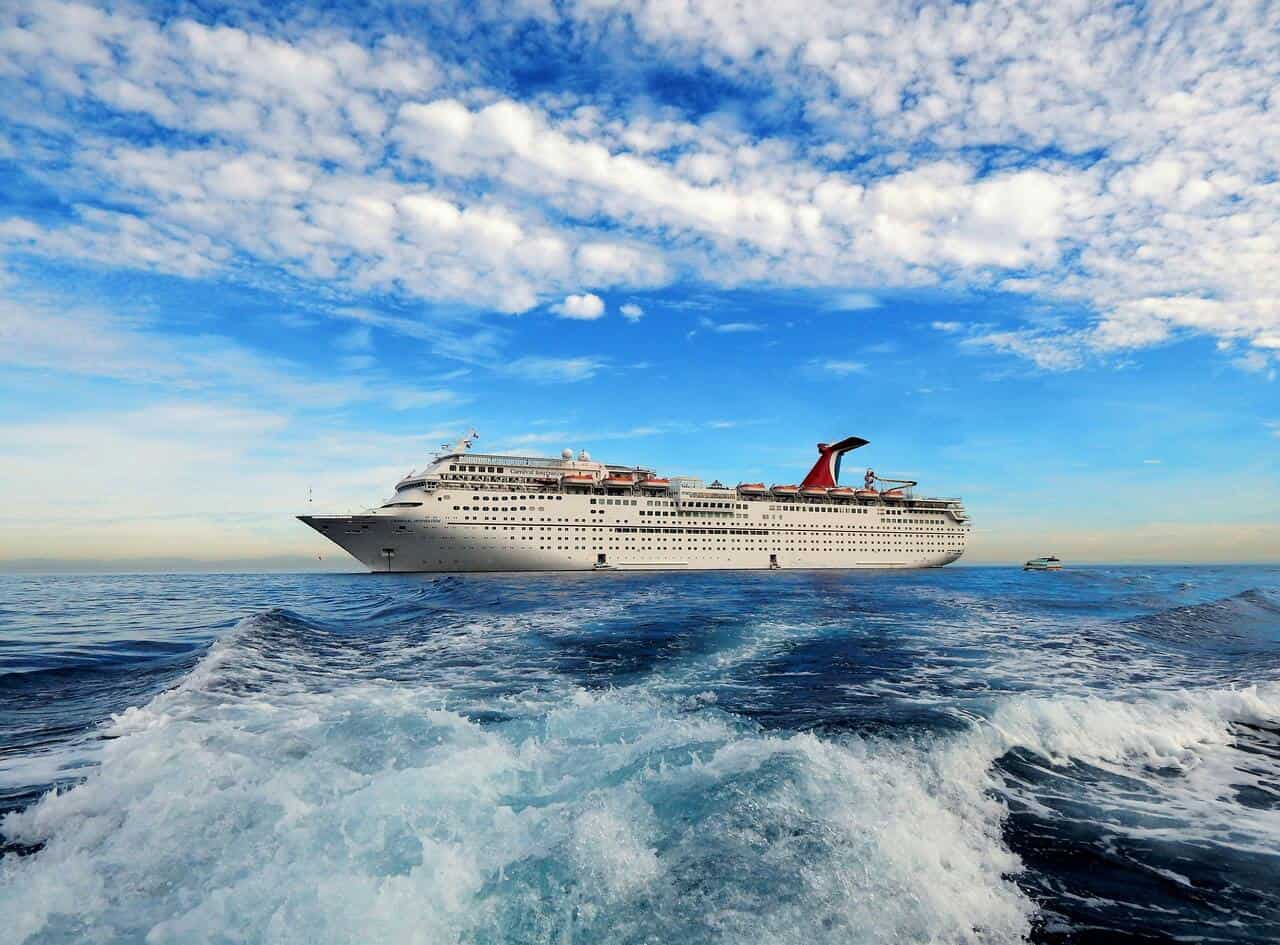
Cruise vacations are often marketed as effortless, all-inclusive escapes, promising luxury, entertainment, and multiple destinations in one trip. However, once travelers dig beyond glossy brochures, the reality can feel very different. Rising costs, overcrowded ships, tight schedules, and unexpected limitations have caused many travelers to rethink whether cruising truly delivers value. Before committing thousands of dollars and precious vacation days, it’s worth understanding the less-discussed downsides. Below are 10 detailed reasons you might seriously consider canceling your cruise vacation, explained clearly with practical data, real-world implications, and traveler-focused insight, so you can decide if cruising actually fits your travel style.
1. Hidden Costs That Quietly Double Your Budget
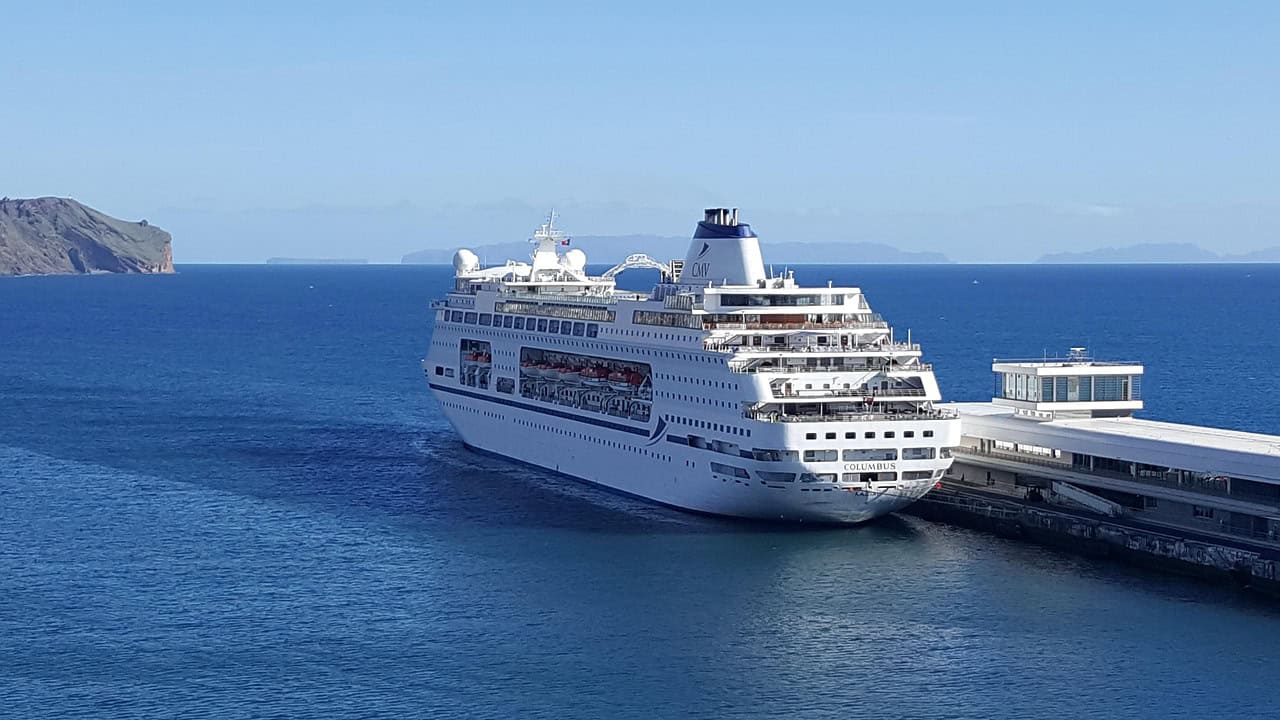
Cruise fares may start at attractive prices, but final expenses often rise sharply. Daily gratuities alone average $16–$20 per person, adding $224–$280 on a 7-night cruise for two people. Drink packages frequently cost $70–$100 per day, while Wi-Fi can exceed $25 daily for basic access. Shore excursions range from $60 to $200 per stop, and port taxes are mandatory. Many travelers report total trip costs increasing by 40–70% beyond the advertised fare. These charges are unavoidable for most guests and can strain budgets, especially for families or longer itineraries.
2. Extreme Crowding on Modern Mega-Ships
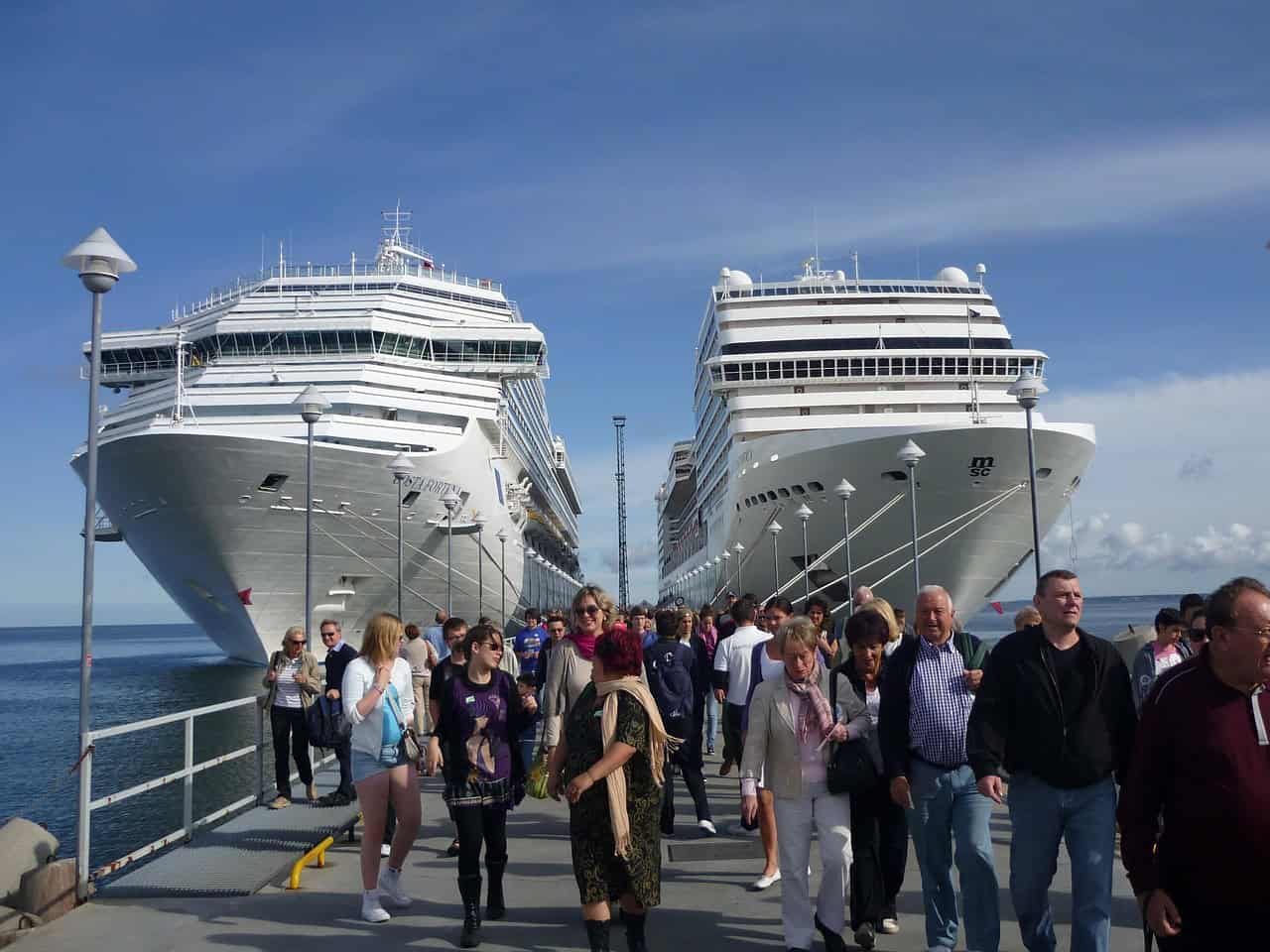
New cruise ships routinely carry 4,000–6,500 passengers, not including crew. This density creates long lines for dining, elevators, pools, and entertainment venues. Pool decks often allocate less than 1 square meter per guest during peak hours, making relaxation difficult. Buffet waits can exceed 20 minutes, while popular shows require reservations days in advance. Even private balconies may overlook noisy decks. For travelers seeking calm or exclusivity, the constant crowd flow can feel overwhelming, turning what should be a vacation into a daily exercise in queue management.
3. Shockingly Short Time in Each Destination
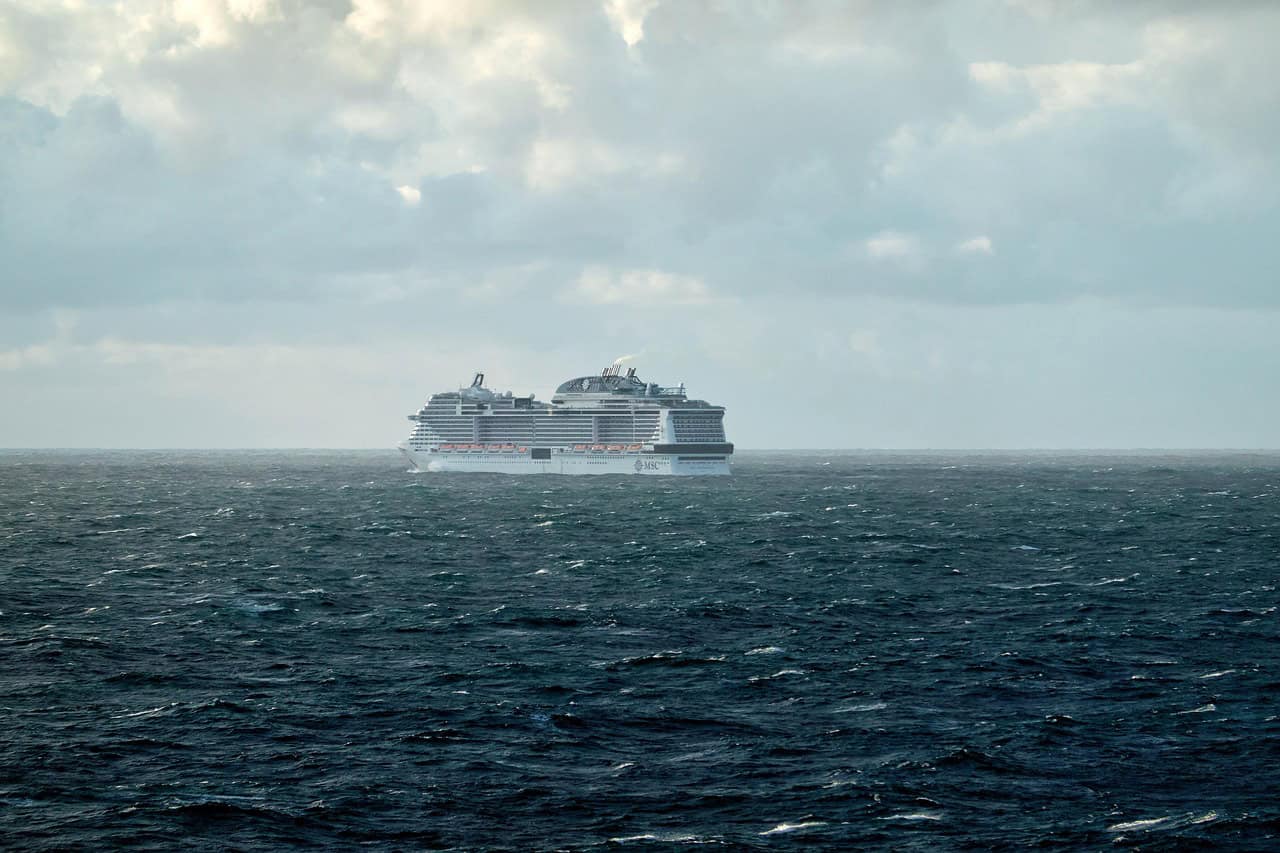
Cruise itineraries advertise multiple countries, yet ships often dock for just 5–8 hours per port. After security clearance and transit, usable exploration time may drop to 4–5 hours. Many ports are far from city centers, requiring 30–90 minutes of travel each way. This leaves little room for immersive experiences or spontaneous exploration. Missing the ship’s departure, even by minutes, means arranging costly transport to the next port. For travelers who value depth over checklists, these rushed visits can feel unsatisfying.
4. Rigid Schedules That Limit Freedom
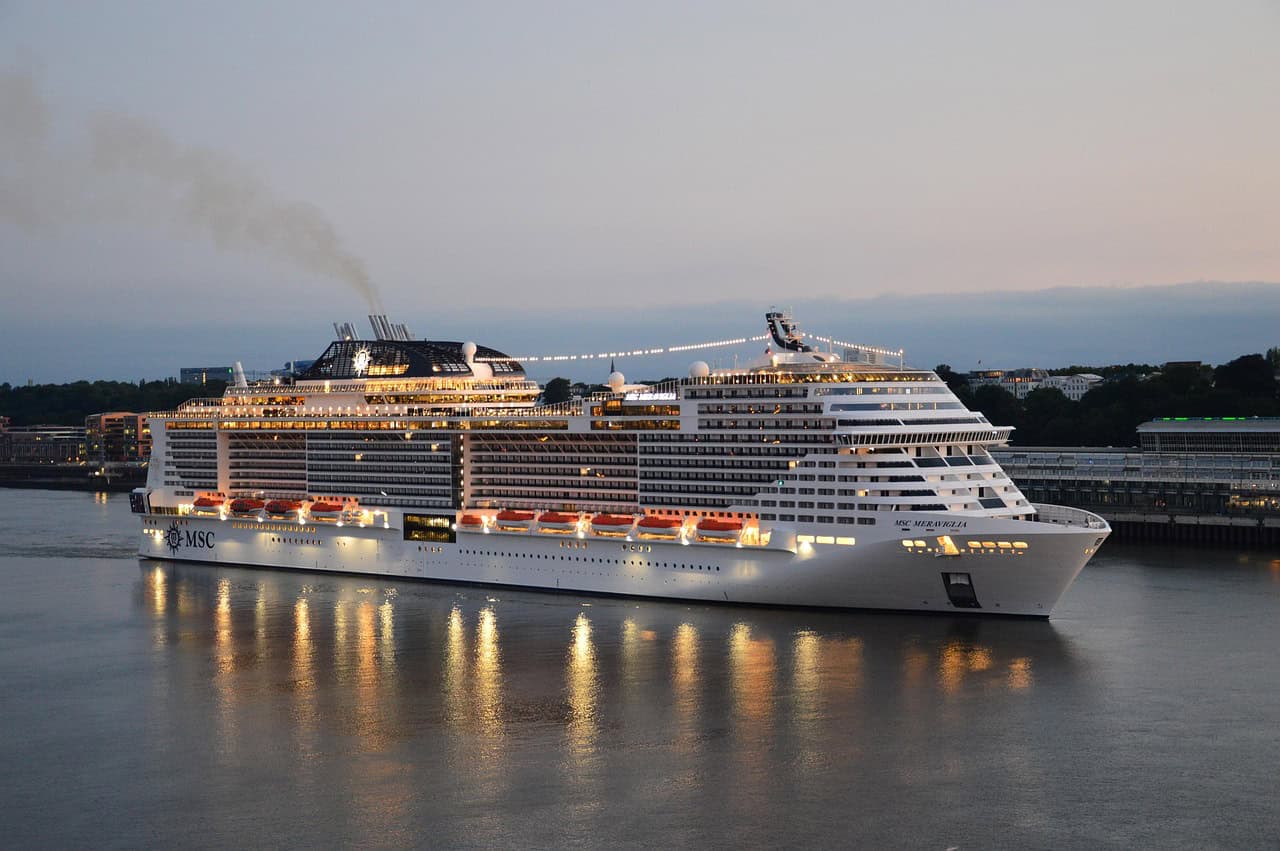
Cruises operate on strict timetables governing meals, shows, excursions, and boarding times. Dinner seatings are fixed, shows require reservations, and shore excursions follow exact departure windows. Deviating from plans is difficult, and flexibility is minimal. Even simple preferences, sleeping late or dining spontaneously, can be challenging. Daily schedules often feel pre-programmed, leaving travelers feeling managed rather than relaxed. For independent travelers accustomed to freedom, this structure can feel restrictive rather than convenient.
5. Motion Sickness and Weather Disruptions
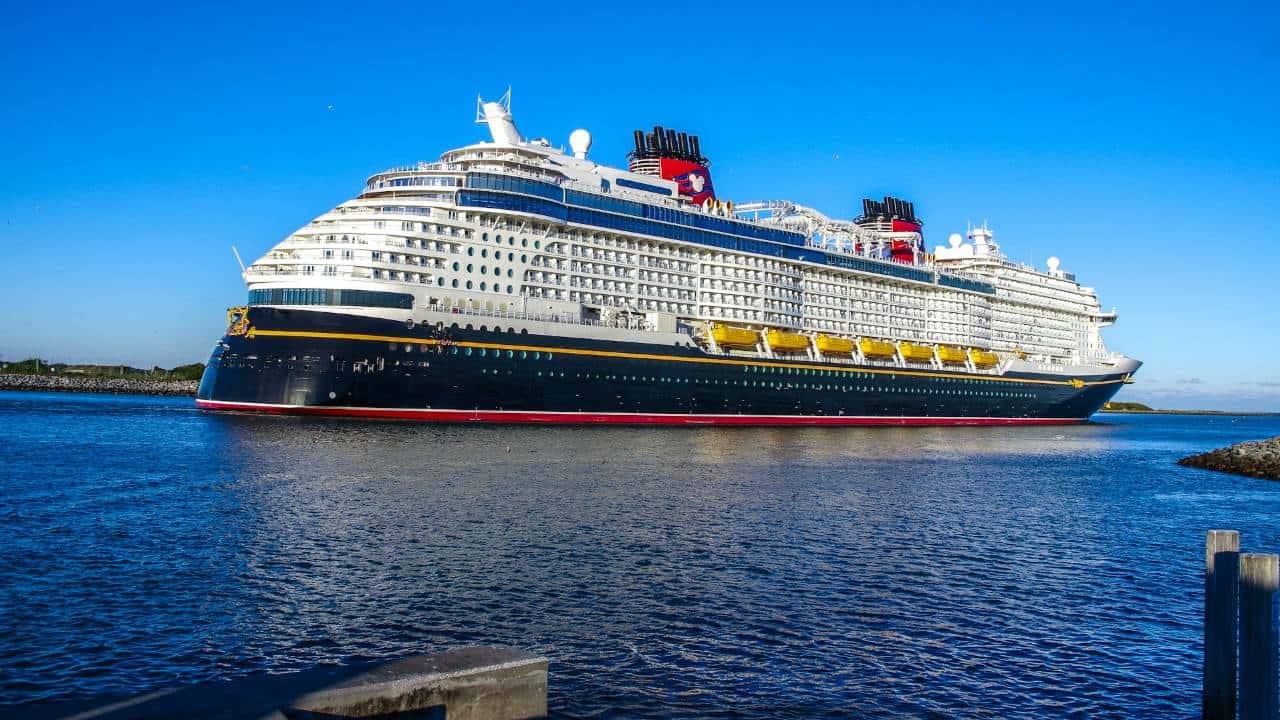
Despite modern stabilizers, ships still move noticeably during rough seas. Studies suggest 25–30% of passengers experience some degree of seasickness. Weather can cancel ports, reroute itineraries, or confine guests indoors for entire days. Rough crossings may disrupt sleep, dining, and activities. For sensitive travelers, even mild motion can cause nausea or fatigue, turning multiple days uncomfortable. Unlike land travel, there’s no escape from bad conditions once at sea.
6. Rapid Spread of Illness Onboard
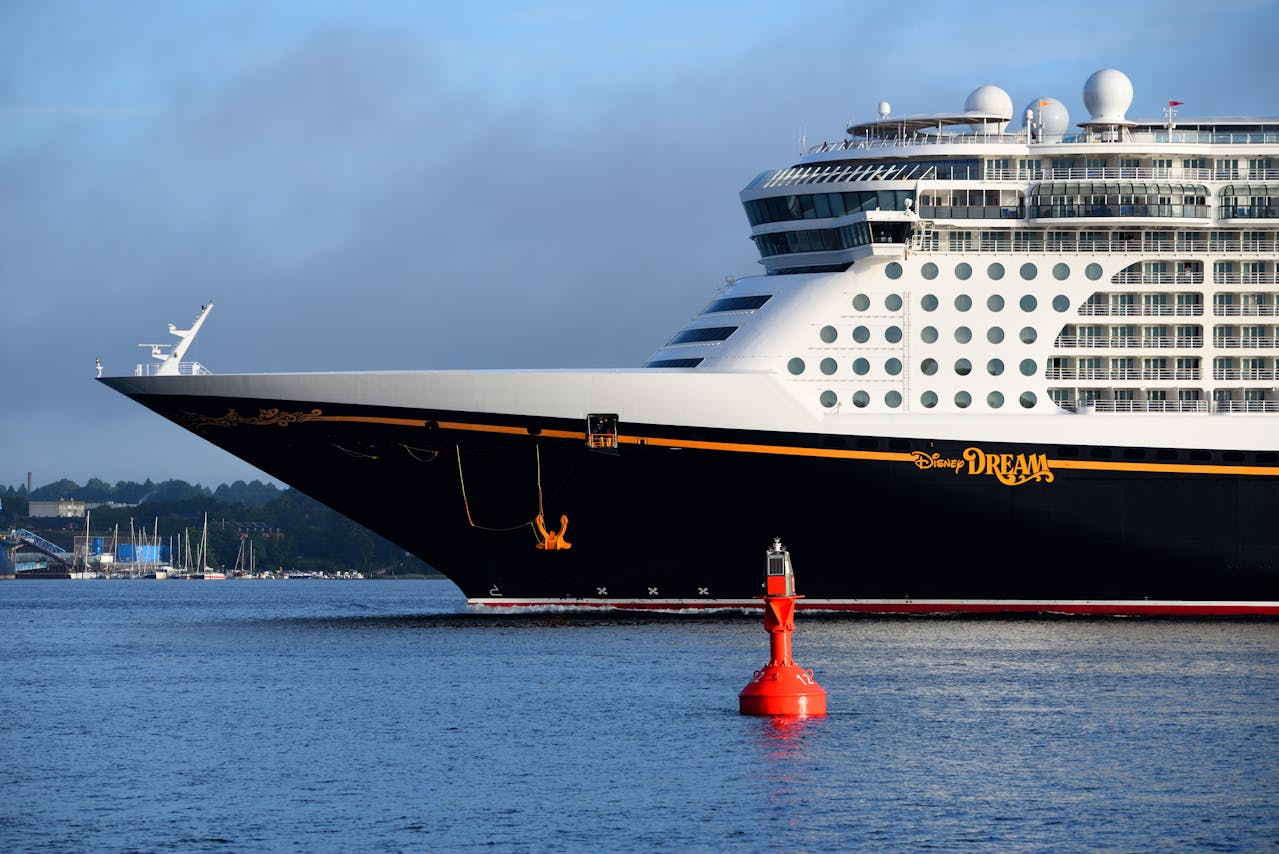
Cruise ships are enclosed environments where illnesses spread easily. The CDC reports thousands of norovirus cases annually on cruise vessels, with outbreaks affecting 2–3% of passengers during incidents. Shared dining areas, recycled air systems, and close quarters increase exposure risk. Quarantine protocols can confine guests to cabins, cutting vacations short. Medical care onboard is limited and often expensive, with basic consultations costing $150–$300 before treatment. Health risks remain a serious consideration.
7. Environmental Impact and Ethical Concerns
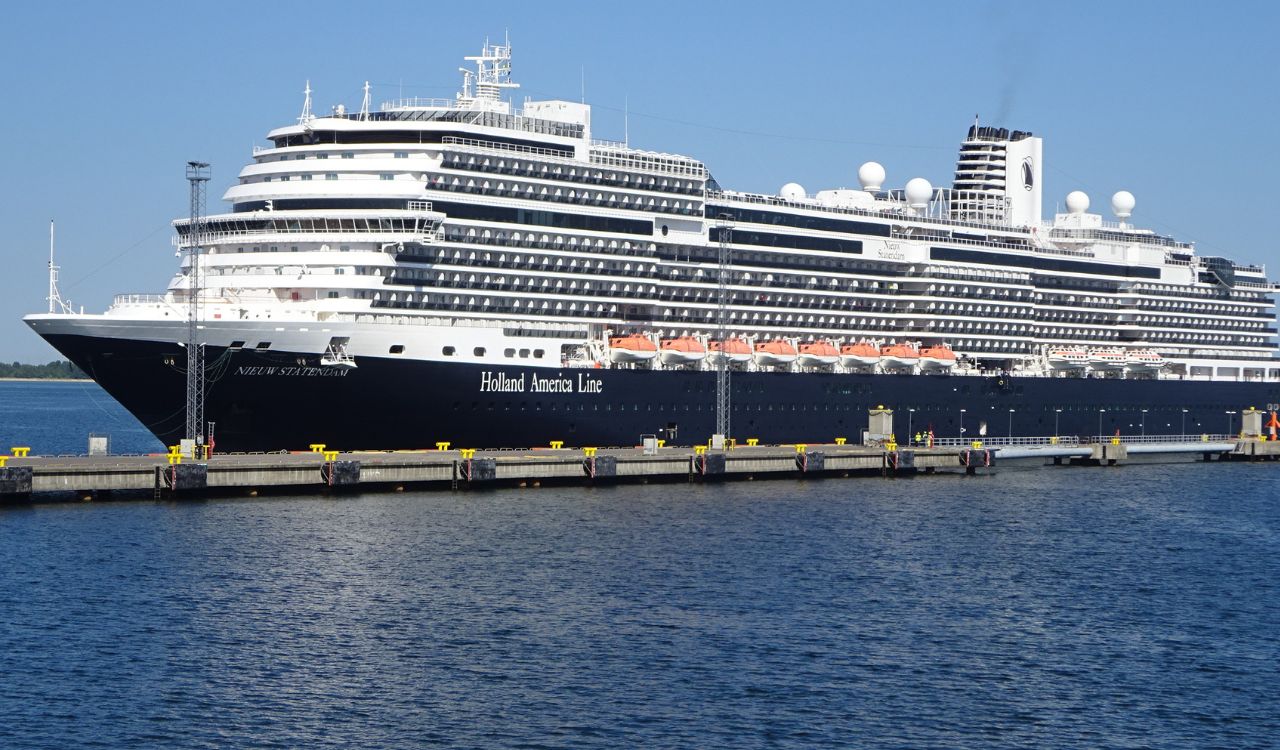
Large cruise ships burn heavy fuel oil, producing emissions equivalent to tens of thousands of cars per day. One ship can generate over 200,000 gallons of wastewater daily. Many destinations, including Venice and parts of the Caribbean, are restricting cruise access due to pollution and overcrowding. Environmentally conscious travelers may feel conflicted supporting an industry linked to reef damage, air pollution, and overtourism, especially when greener travel alternatives exist.
8. Small Cabins and Limited Personal Space
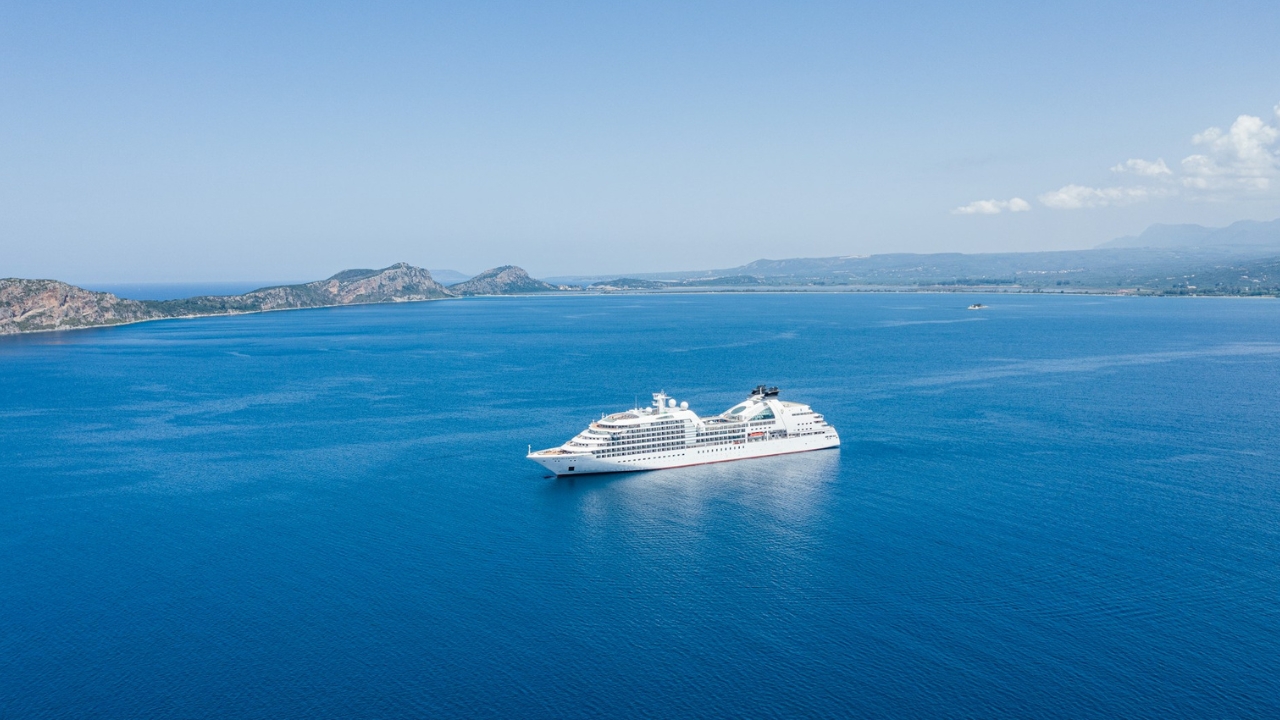
Standard cruise cabins average 150–200 square feet, significantly smaller than typical hotel rooms. Interior cabins lack windows entirely, while storage space is minimal. Bathrooms are compact, often with standing-room showers. Spending multiple days in tight quarters can feel claustrophobic, especially for couples or families. Noise from neighboring cabins or public decks can disrupt sleep. Travelers used to spacious accommodations may find the living conditions uncomfortable over time.
9. Constant Upselling and Spending Pressure
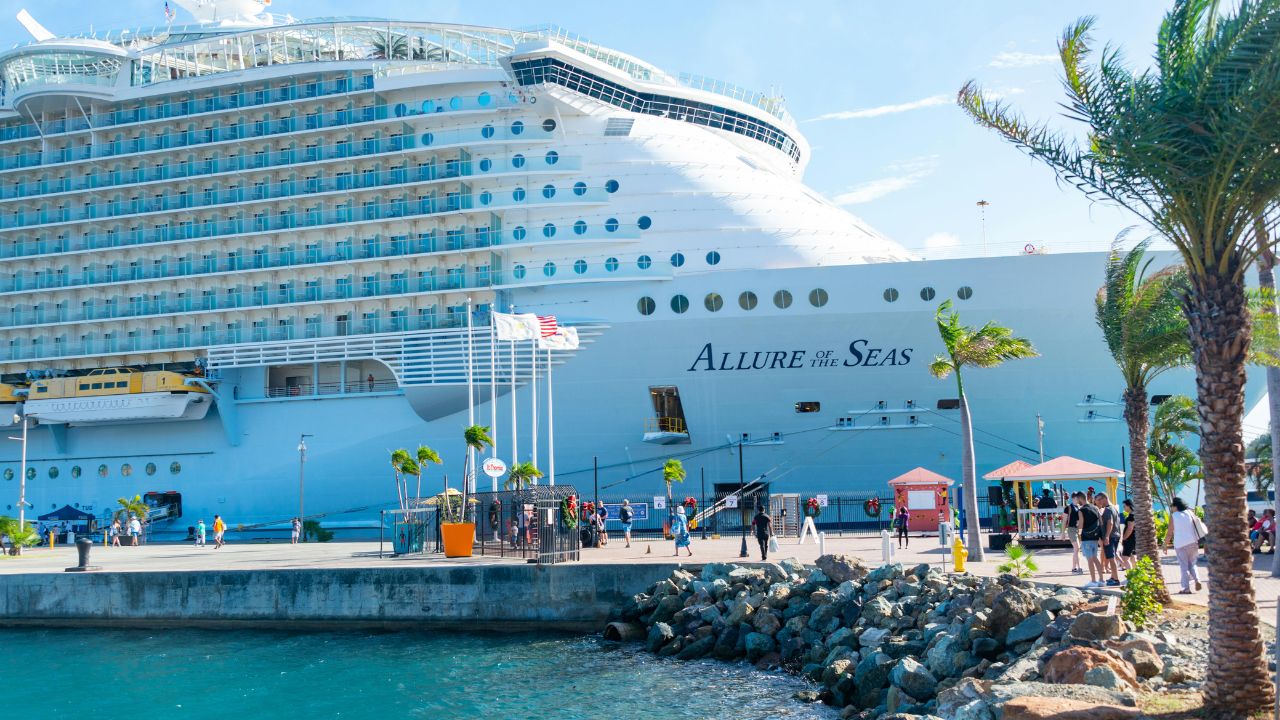
Cruise environments are designed to maximize onboard spending. Guests encounter daily promotions for drink packages, spa deals, photo sessions, specialty dining, casinos, and art auctions. Push notifications and announcements are frequent. Many travelers report feeling pressured to spend beyond their plans. Average onboard spending can reach $100–$200 per person per day, significantly increasing total costs. This commercial atmosphere can detract from relaxation and enjoyment.
10. Comparable Land Vacations Often Offer Better Value
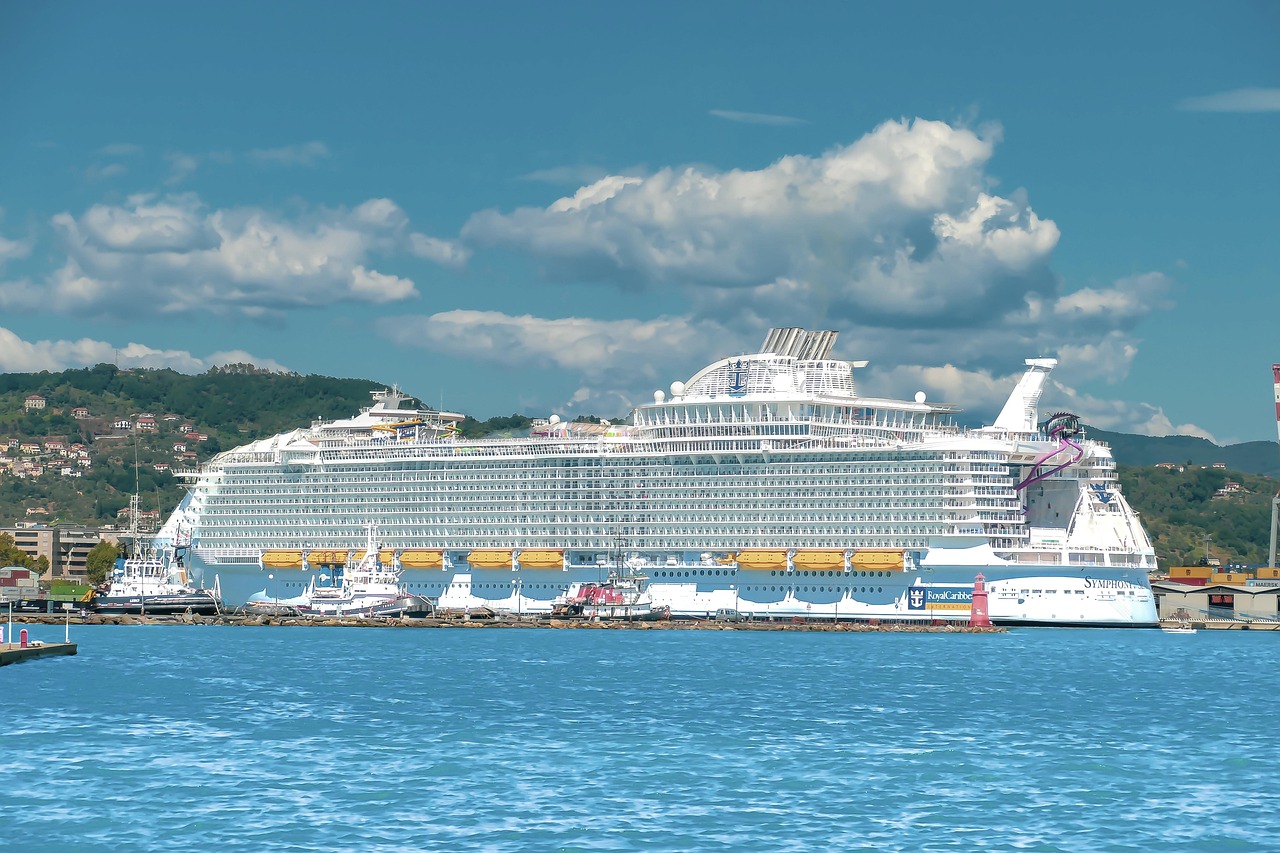
When all costs are tallied, a 7-night cruise for two often exceeds $4,000–$5,000. For the same budget, travelers can book multi-city land trips with better food variety, deeper cultural experiences, flexible schedules, and spacious accommodations. Independent travel allows full control over pace and priorities. For many travelers, especially those seeking authenticity and freedom, land-based vacations deliver stronger value and satisfaction than cruising.