We may earn money or products from the companies mentioned in this post. This means if you click on the link and purchase the item, I will receive a small commission at no extra cost to you ... you're just helping re-supply our family's travel fund.
Across the United States, a single 12-second clip can turn a quiet overlook, an alley mural, or a swimming hole into a pilgrimage. Viral edits flatten reality: they skip the permits, the heat, the parking wars, and the small rules locals follow to keep places livable. By 2026, residents in many destinations greet famous corners with a tired shrug and a few practical warnings. The mismatch is not bitterness. It is what happens when a real place gets treated like a set.
Horseshoe Bend, Arizona
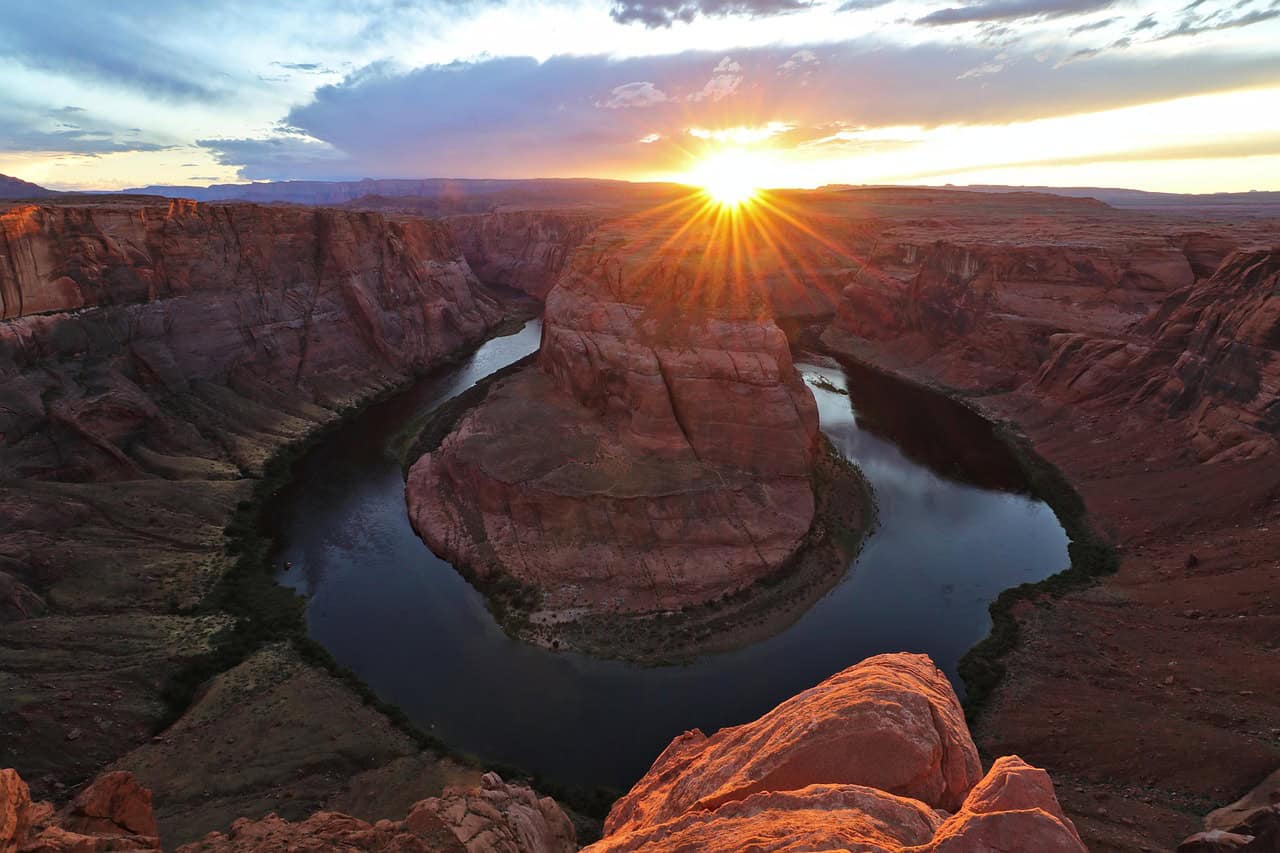
On screen, Horseshoe Bend reads like a private balcony over a flawless curve of the Colorado River, filmed from the one angle that hides the crowd, the wind, and the wait. On the ground, the City of Page controls the trailhead parking, charges a fee, and national park passes do not apply, so the visit begins with gates, attendants, and a steady stream of cars turning off Hwy 89. The hike is about 1.5 miles round trip on a hardened path with little shade, and the overlook gets busy enough that locals push sunrise, winter light, steady water bottles, and calm footing over any rushed edge-hugging for a shot.
Sand Harbor, Lake Tahoe, Nevada

Sand Harbor goes viral as a silent lagoon, all granite boulders and turquoise water, with no hint of the logistics that decide the day or the noise that arrives by late morning. In peak season, Nevada’s timed reservation system is meant to control overcrowding, and entry can hinge on a booked window because the parking lot fills early and roadside parking creates real safety and traffic problems. Even after getting in, the reality includes limited shade, cold water that shocks first-time swimmers, and a shoreline that compresses into tight lanes of towels, kayaks, and photo poses, turning the secret cove vibe into a managed beach day.
Hamilton Pool Preserve, Texas

Hamilton Pool is edited into a dreamy, always-open grotto where swimmers drift beneath a limestone dome, the waterfall runs on cue, and the water looks permanently inviting. Travis County manages access with reservations and capacity limits, and swimming can be suspended when bacteria testing, low water, or safety concerns make the pool a bad bet, even if the setting still photographs beautifully. The trail down is steep and rocky, and the climb back out is the part no one posts, so locals treat the place like a fragile drought-country landmark: worth the effort, but never guaranteed, and better approached with flexibility than entitlement.
Alamere Falls, California
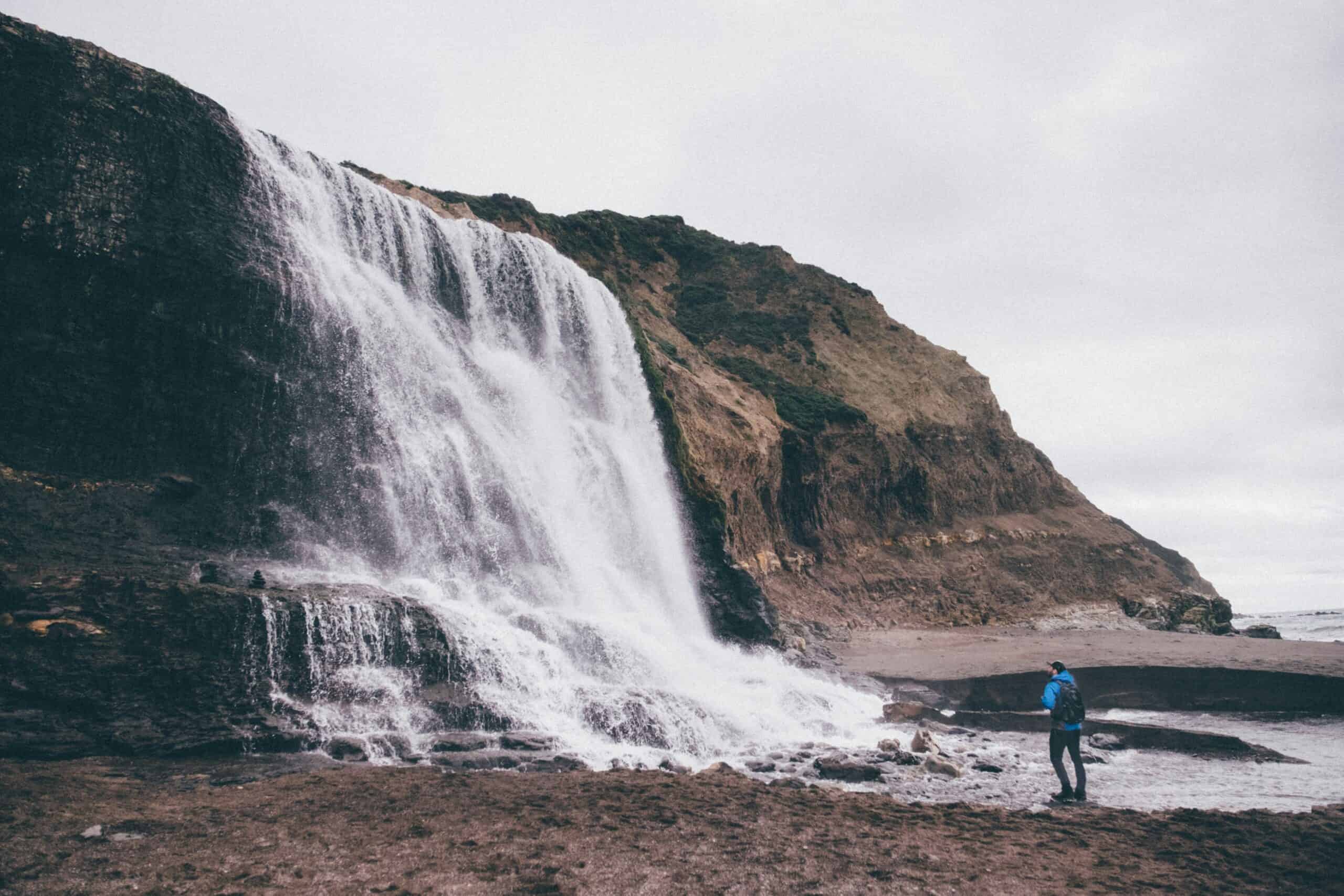
Alamere Falls is posted as a quick coastal hack, but the Park Service is blunt: the so-called shortcut is not a maintained trail and it is not an official route through Point Reyes National Seashore. Eroding cliffs, poison oak, ticks, no cell service, and regular injuries that trigger rescues are part of the real story, not the montage that makes it look like a casual stroll to a waterfall that lands on sand. The safer approach is a long hike commonly described as a 13-mile minimum round trip, plus careful tide timing along the beach, which is why locals say the payoff belongs to planners, not people chasing a faster map line.
Coyote Buttes North The Wave, Arizona/Utah

The Wave looks like a casual desert photo stop where a perfect stripe pattern waits on demand, the light hits right, and no one else exists outside the frame. In reality, access is rationed through Recreation.gov lotteries, and the daily quota caps visits at 64 people, so most trips end at an application page after a string of losses. Even permit holders face remote roads, navigation without obvious trail signs, and heat that punishes mistakes, so locals in Page and Kanab describe it as a backcountry commitment with water planning, GPS prep, extra time buffers, and a strict respect for turnaround time.
Antelope Canyon, Arizona
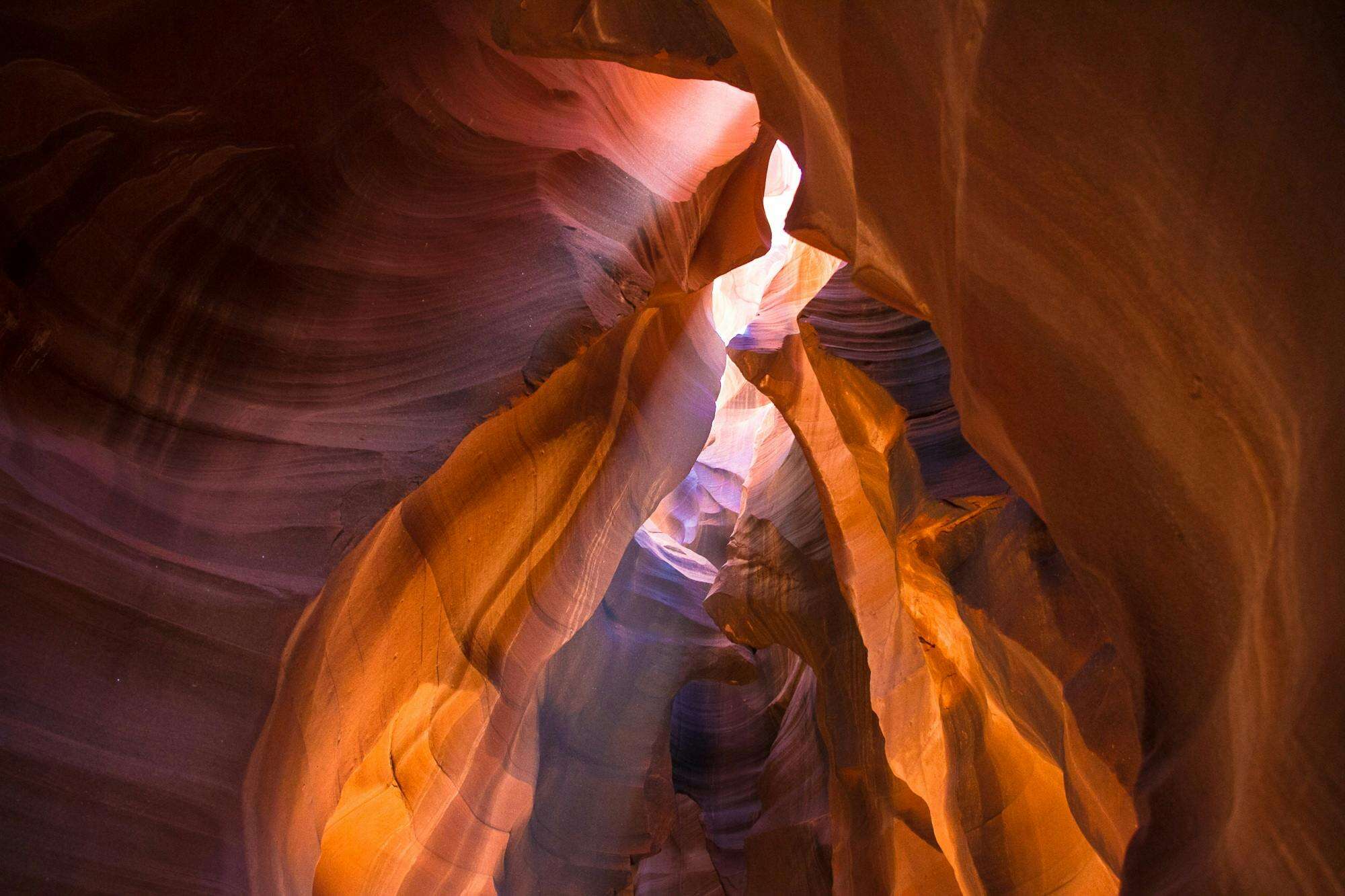
Antelope Canyon appears online as an empty slot canyon with cathedral light beams, clean footprints, and a silence that feels staged, as if the canyon can be reserved like a studio. Out there, guided tours are required, and the Navajo Nation treats access as timed, managed entry with fees, because narrow passages, falling sand, and flash-flood risk do not mix with free-for-all wandering. The experience can still be extraordinary, but it is paced and shared in a moving group, and locals say the right expectation is a guided cultural visit with rules, clear boundaries, and a set route, not a private photoshoot that controls the canyon’s rhythm.
Havasu Falls, Arizona

Havasu Falls sells a fantasy of an easy walk to turquoise pools, filmed to hide the distance, the cost, and the fact that the waterfalls sit on tribal land with strict controls and a real community at the end of the trail. Visits are handled through Havasupai reservations tied to campground or lodge stays, with a minimum multi-day structure that makes day trips impossible, even for strong hikers who assumed a quick in-and-out. The hike in is long and demanding, permits are checked, and rules are enforced, so locals emphasize preparation, humility, and leaving with the canyon as intact as it looked in the first viral frame.
Devil’s Bathtub, Virginia
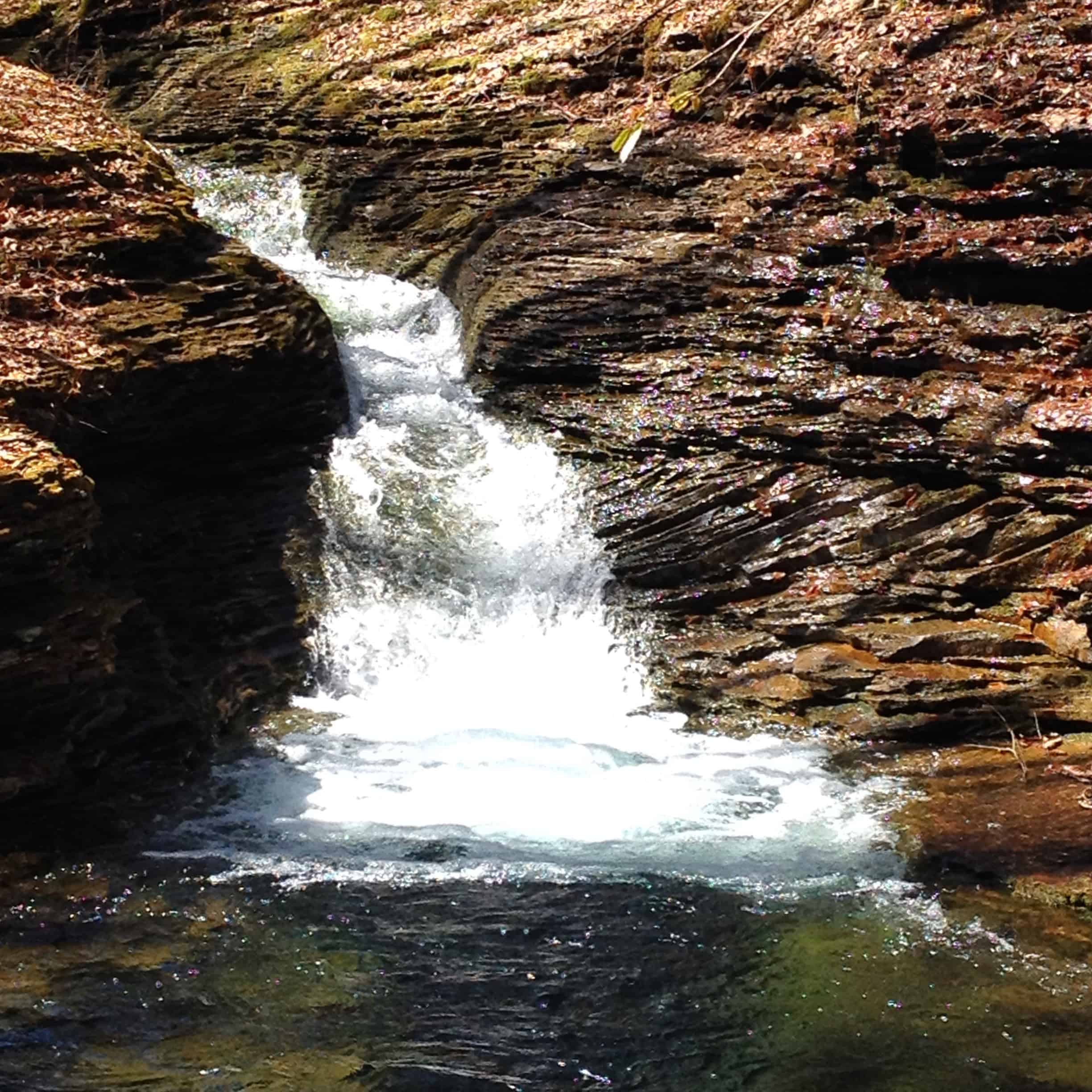
Devil’s Bathtub circulates as a perfect natural plunge pool, a quick reward at the end of a simple stroll through soft forest light where the water waits like a spa. Locals describe a rougher truth: multiple creek crossings, slick rock, mud, and sudden water after storms that can strand hikers, which is why the area has a history of rescues when conditions change faster than people expect. The pool is real, but the mismatch lives in the approach, where a viral pin encourages crowds to treat backcountry terrain like a paved attraction, ignoring wet feet, cold temperatures, no cell reception, and the slow, careful climb back out.
Cloud Gate The Bean, Chicago, Illinois
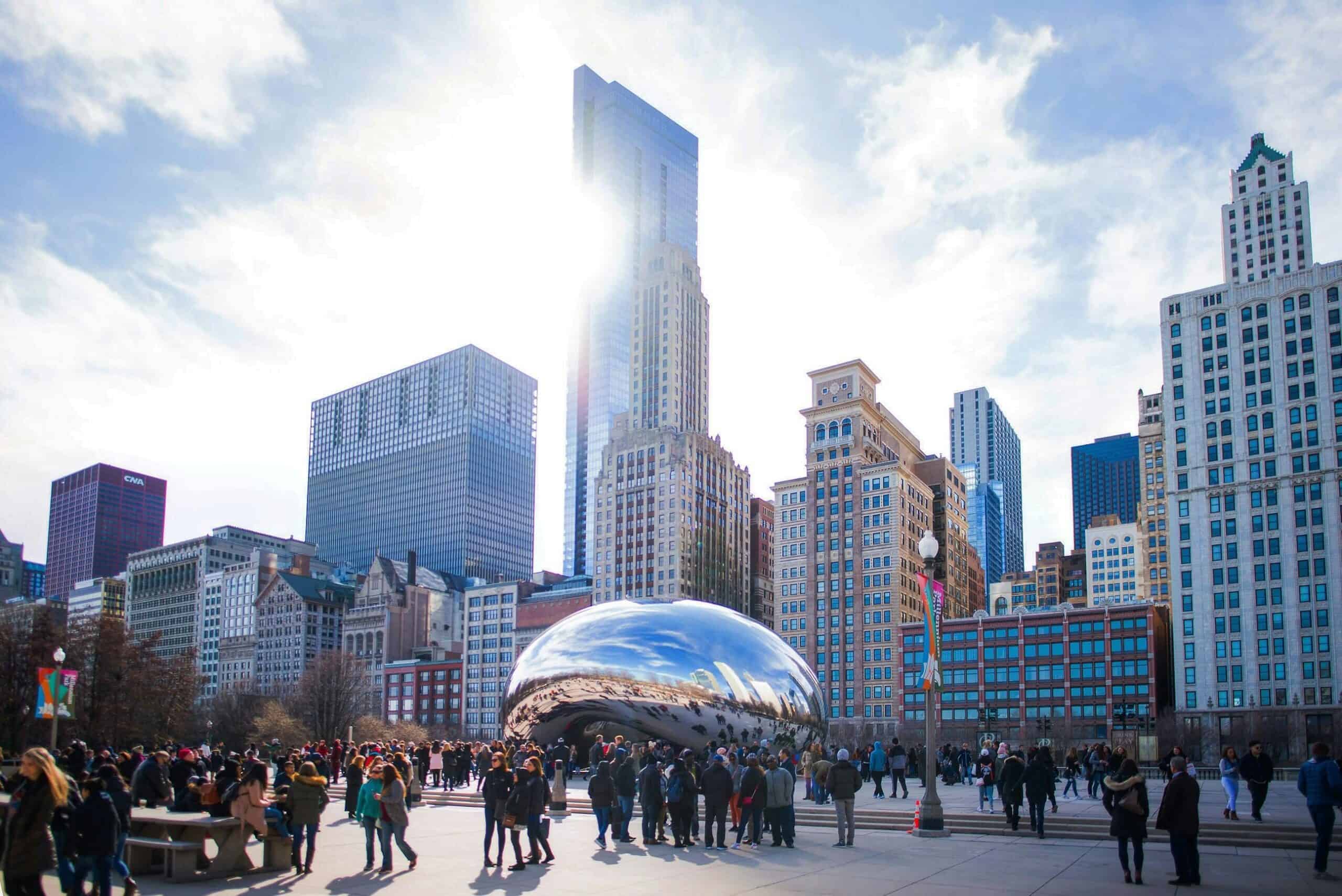
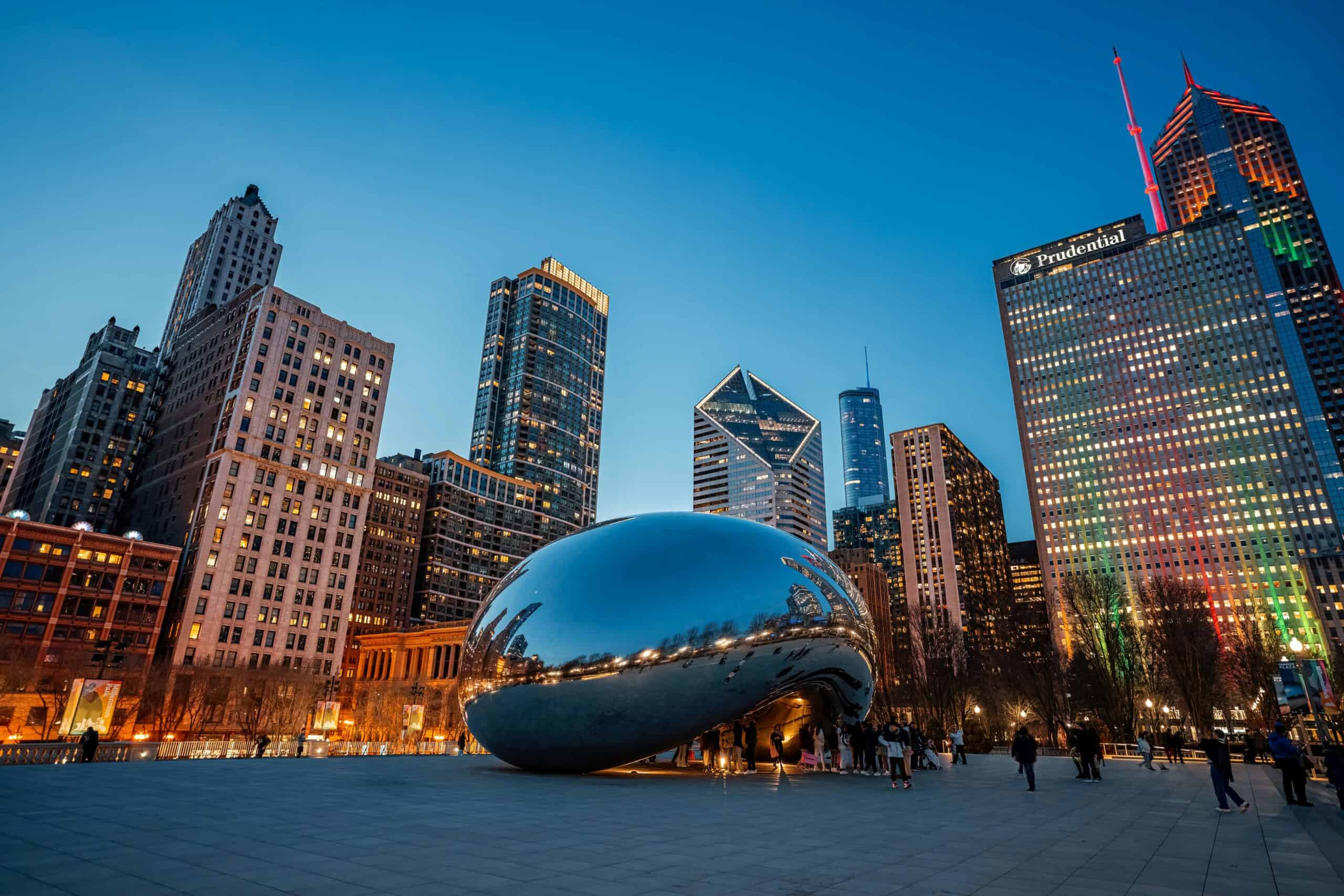
Cloud Gate looks effortless online: one mirrored curve, one clean skyline, and a reflection that never seems to include anyone else, even on a July weekend. In real life, the sculpture anchors a high-traffic civic plaza, and major festival days can bring security screening and bag checks around Millennium Park, adding friction and lines that never make the cut. Locals still like the piece, but they treat the classic shot like timing and patience, because the plaza fills fast, the best angles get crowded, reflections turn into a collage of strangers, and the calm, empty scene in videos is usually a brief morning pocket.
Times Square, New York City, New York
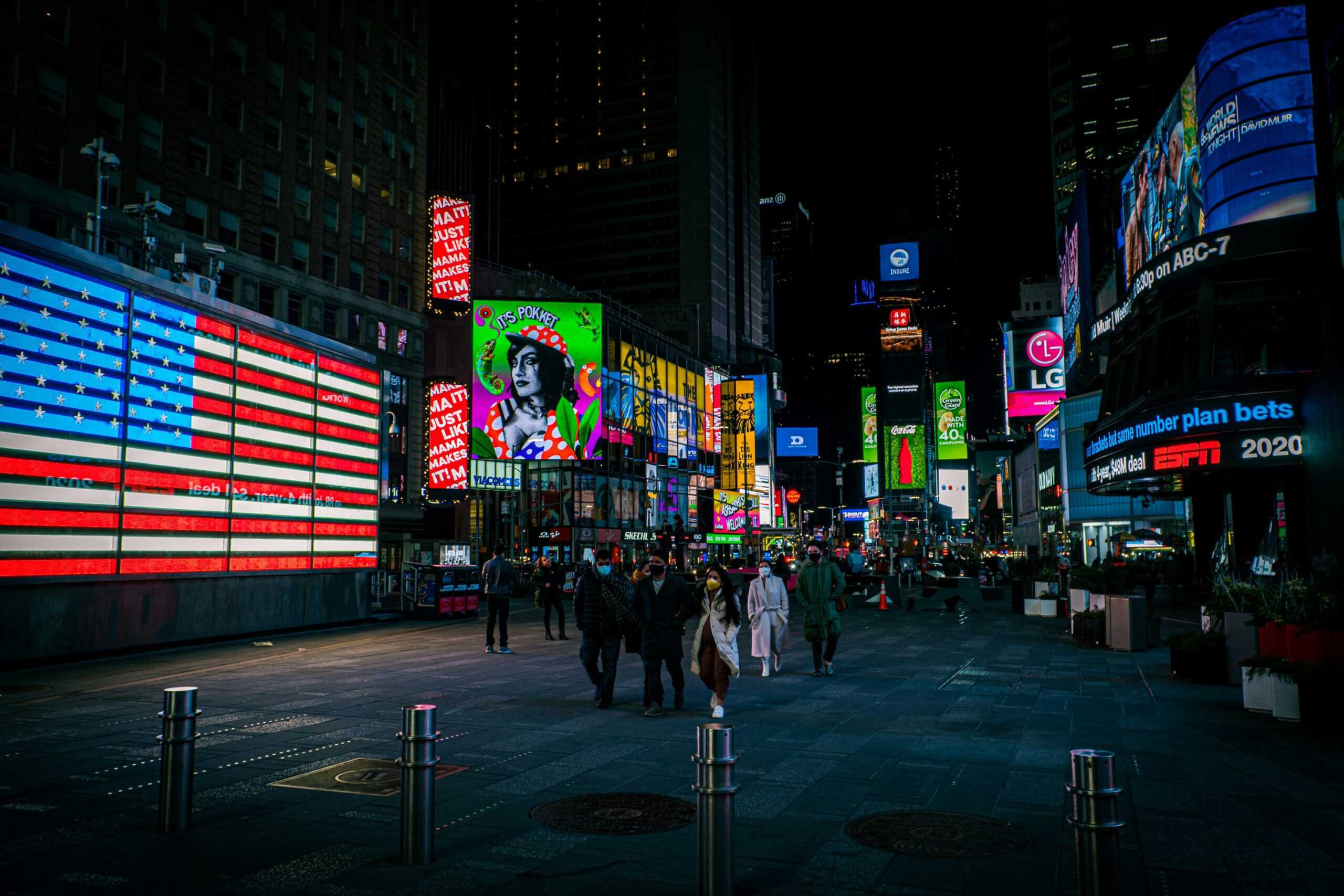
Times Square reels promise neon romance and spontaneous street theater, cut to music that makes the crowd feel optional and the noise feel charming instead of exhausting. The lived version is louder and more crowded, with constant foot traffic, ticket hawkers, costume performers working for tips, and ads fighting for attention at every angle, all of it moving at full speed. New Yorkers often treat it as a corridor to cross, then escape into side streets and quieter bars, and locals say the best memory comes from the scale overhead, the theater marquees, and the sheer brightness, not the staged moment a clip was built to sell.