We may earn money or products from the companies mentioned in this post. This means if you click on the link and purchase the item, I will receive a small commission at no extra cost to you ... you're just helping re-supply our family's travel fund.
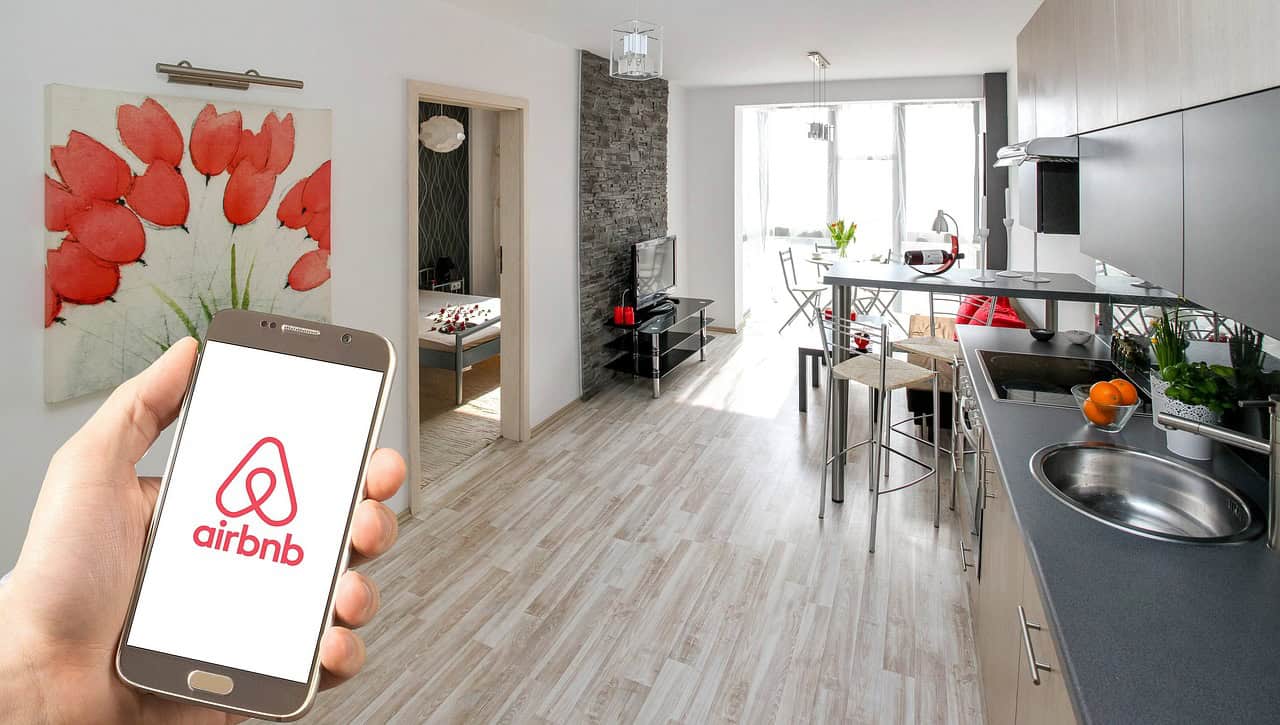
Airbnbs can feel like the easy answer: more space, a kitchen, and a neighborhood address instead of a hotel lobby. The trouble is that a short-term rental is still a private home run by an individual host, not a standardized property with a front desk. Small surprises can stack into big stress, from sudden fees to complicated rules, or a last-minute change that lands after a flight. A calmer trip starts with knowing where the common pressure points hide, and how quickly they can turn comfort into chaos.
Fees That Appear After Clicking Book
The nightly rate rarely tells the full story, because cleaning fees, service fees, local taxes, and add-ons like pets, extra guests, or late check-in can swell totals fast, especially on short stays where fixed fees loom large. Some hosts also require paid extras outside the platform, such as parking permits, key replacement charges, or building wristbands, and the request often arrives after booking, when leverage is gone. The stress is not the cost alone, but the surprise timing, when flights are paid, plans are set, and backing out feels like losing money twice; receipts help later, but they do not rescue the first night in real time here.
Host Cancellations That Leave Few Options

A short-term rental can vanish when a host cancels close to arrival, and the replacement search often hits during peak demand, when similar homes cost more, policies are stricter, and the best locations are already gone, with prices jumping hour by hour. Late changes ripple into tours, dinner reservations, airport transfers, and childcare plans, and groups sometimes split, settle for a long commute, or accept a place that looks fine online but lacks basics on arrival. Even when refunds land, time does not, and the first day can dissolve into support chats, new check-in instructions, and luggage logistics instead of sleep, after a long flight.
Photos That Hide What the Space Really Feels Like
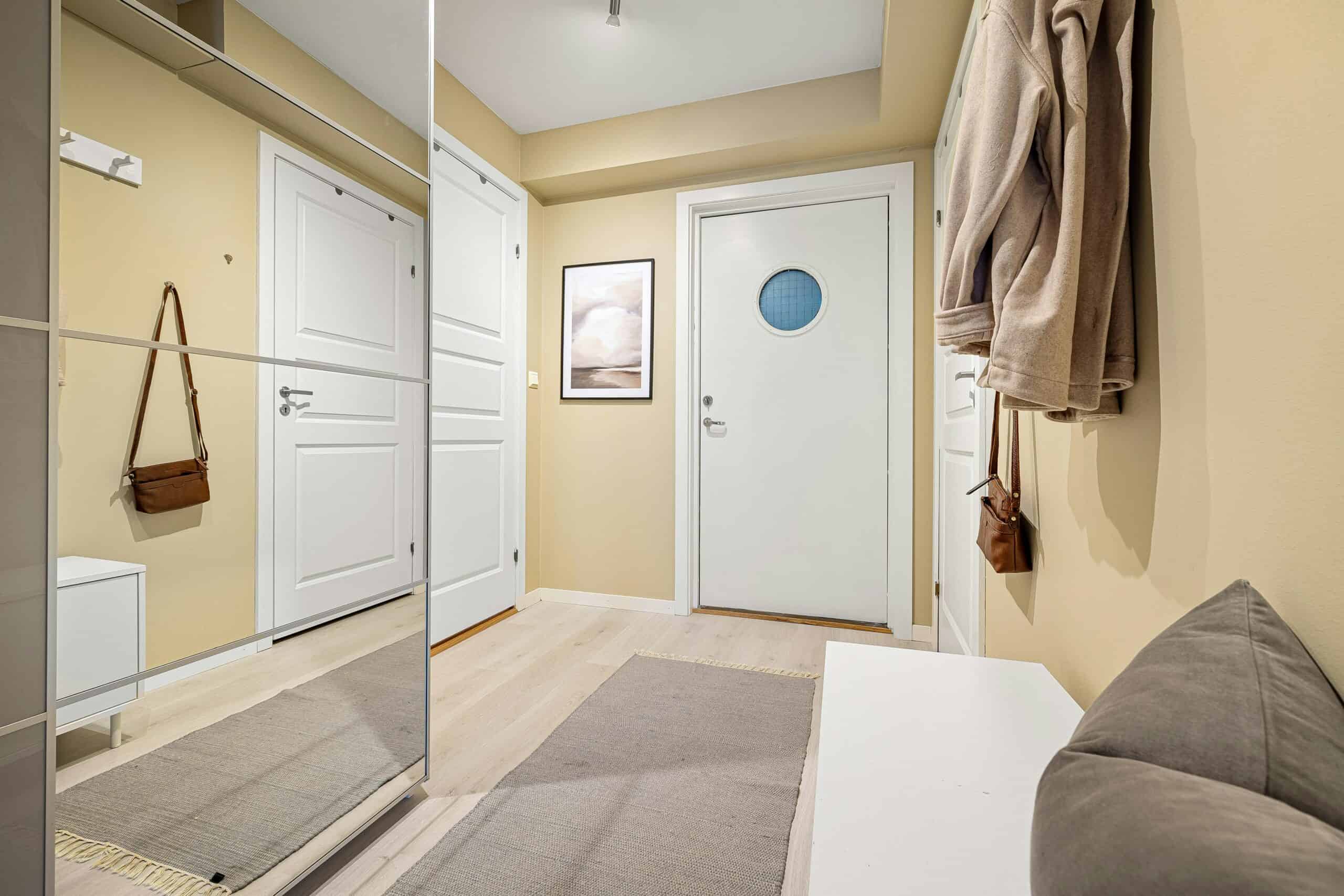
Listings can photograph like magazines while living very differently in person, because wide-angle lenses stretch rooms, bright filters lift dim interiors, and careful crops skip scaffolding, traffic, or a window that faces a brick wall. A place can arrive with low ceilings, worn mattresses, thin curtains, and furniture scaled for photos, not comfort, and the gap shows up at 11:00 p.m., when light, noise, and heat cannot be edited. The mismatch is often not catastrophic, just constant, like a kitchen too tight to cook, stairs steeper than expected, or a shower that turns lukewarm once multiple guests try it when patience is already thin, too.
Rules That Read Like a Contract, Not a Welcome

Some rentals come with rule sets that feel closer to a contract than a welcome, covering quiet hours, guest limits, trash sorting, thermostat settings, laundry use, and checkout chores timed like a departure board. Violations can trigger fees, negative reviews, or deposit disputes, and building policies may ban visitors, deliveries, smoking on balconies, or even pausing with luggage in a lobby, making ordinary travel logistics harder. The tone matters: a home can be lovely and still feel tense when relaxation depends on memorizing a page of instructions while exhausted, then worrying that a small mistake will turn into a charge later at once.
Cameras, Sensors, And Privacy Grey Zones
Privacy expectations can differ sharply from a hotel stay, since some properties use exterior cameras, doorbell cams, noise monitors, motion sensors, smart thermostats, or smart locks that log entry times and door events. Many are disclosed and legitimate, yet the mood shifts when devices are vague, when a host messages about sound with no neighbor complaint, or when equipment appears at arrival that was never mentioned in the listing. A calm night can turn into self-consciousness, and arguing about what was disclosed becomes draining because support teams rely on screenshots and policies while travelers rely on gut instinct in real time too.
Neighborhood Friction And Complaints From Residents

A rental address can sit inside a community that is tired of short-term guests, especially in dense buildings where suitcases echo, shared doors slam, and hallways carry every laugh and phone call. Neighbors may report noise quickly, object to late arrivals, or challenge unfamiliar faces at the entrance, and building staff can enforce policies with little patience for misunderstandings about quiet hours or visitor rules. Even normal vacation behavior can feel amplified, and an otherwise calm stay turns tense when the atmosphere becomes watchful, with notes on doors, warnings from management, or a security visit that interrupts dinner in town.
Maintenance Problems Without a Front Desk Fix

When something breaks in a hotel, staff usually fix it quickly, but rentals can turn simple issues into long message threads, delayed visits, and awkward bargaining over refunds, with no manager on duty to escalate to. Broken heaters, weak Wi-Fi, leaking taps, or missing cookware may require a cleaner, a handyman, or a remote host juggling multiple listings, and the response can lag across time zones, weekends, and holiday staffing gaps. Small failures pile up when support is slow, and the stay becomes a series of chores, like rebooting routers, buying soap, finding towels, and rearranging plans around repair windows, that never feel restful.
Security Deposits And Holds That Tie Up Funds

Some rentals involve deposits, authorization holds, or damage waivers that tie up a credit limit for days, even when everything is fine, because platforms and banks release holds on their own schedule. The hold can collide with car rentals, restaurant spending, or emergency purchases, and disputes can be messy when a host claims stains, extra cleaning, or missing items, since damage is subjective and photo evidence is rarely complete on either side. A stay that looked affordable can feel expensive when money is locked, receipts are argued over, and support becomes part of the itinerary, with timelines that move slowly after checkout at times.
Check-In That Depends on Perfect Timing

Self check-in sounds simple until timing goes wrong, because lockboxes jam, keypads fail, instructions arrive late, and building doors may require a fob that is not where it should be, especially in older walk-ups. Many rentals also have narrow check-in windows, strict ID steps, or concierge hours that do not match flight delays, and late-night arrivals can face weak cell service, dead batteries, or a host asleep in another time zone. A hotel lobby absorbs late arrivals; a dark entryway does not, and a smooth first night can hinge on one working code, a clear apartment number, and a door that opens at 1:00 a.m. without drama after delays now.
Reviews That Can Be Misleading in Subtle Ways
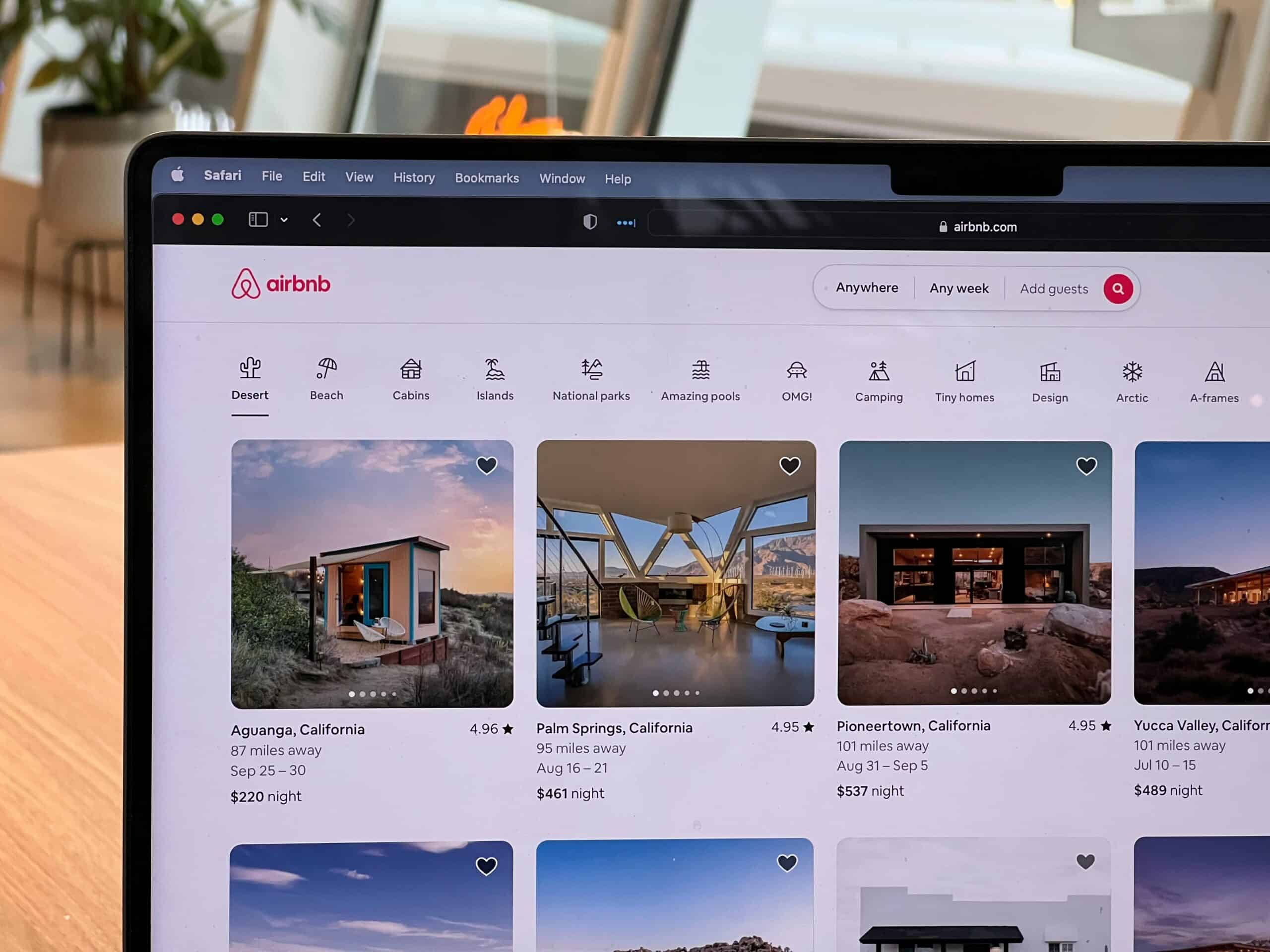
Reviews can create false confidence because many guests rate relative to expectations, not standards, and a friendly host or a low price can soften what would be unacceptable elsewhere. That place can earn glowing scores while still being loud, worn, or inconvenient, and some issues show up only in certain weeks, like nightlife noise, construction across the street, weak heat in winter, or damp smells after rain. Reading between lines matters: repeated notes about “cozy,” “quirky,” “steep stairs,” or “great location if walking” often translate to tight space, thin walls, or long commutes that feel fine on night one and grinding by night five.