We may earn money or products from the companies mentioned in this post. This means if you click on the link and purchase the item, I will receive a small commission at no extra cost to you ... you're just helping re-supply our family's travel fund.

By 2026, U.S. airports have quietly transformed into highly digitized environments where biometric scans, device inspections, and data collection are routine. While most travelers still move through terminals without issue, a growing number are taking deliberate steps to reduce how much personal information they expose. This shift isn’t driven by paranoia, but by awareness. Surveys show over 62% of frequent flyers now actively think about digital privacy while traveling, compared to just 38% in 2021. The result is a new set of privacy habits that travelers increasingly see as essential, not optional.
1. Explicitly Opting Out of Facial Recognition Checks

In 2026, facial recognition cameras are present at over 430 U.S. airports, yet many travelers now choose to opt out when permitted. TSA data indicates roughly 27% of passengers at major hubs request manual ID verification instead. Travelers do this to avoid having facial images stored, shared, or retained beyond immediate verification. Opting out may add 2–4 minutes to screening time, but privacy-conscious flyers consider that delay worthwhile. The process is legal, low-profile, and increasingly normalized, especially among business travelers who pass through biometric checkpoints more than 20 times per year.
2. Traveling With “Clean” or Secondary Devices

A noticeable trend in 2026 is the rise of “travel-only” phones and laptops. Cybersecurity firms estimate 1 in 5 international travelers now uses a secondary device containing minimal data. These devices typically hold fewer than 15 apps, compared to the average 80+ apps on a primary phone. Photos, message histories, and sensitive documents are removed beforehand. This approach limits exposure if a device is inspected or lost. For frequent flyers averaging 6–10 trips annually, the cost of a basic secondary phone is viewed as a practical privacy investment.
3. Disabling Biometric Unlock Features Before Travel
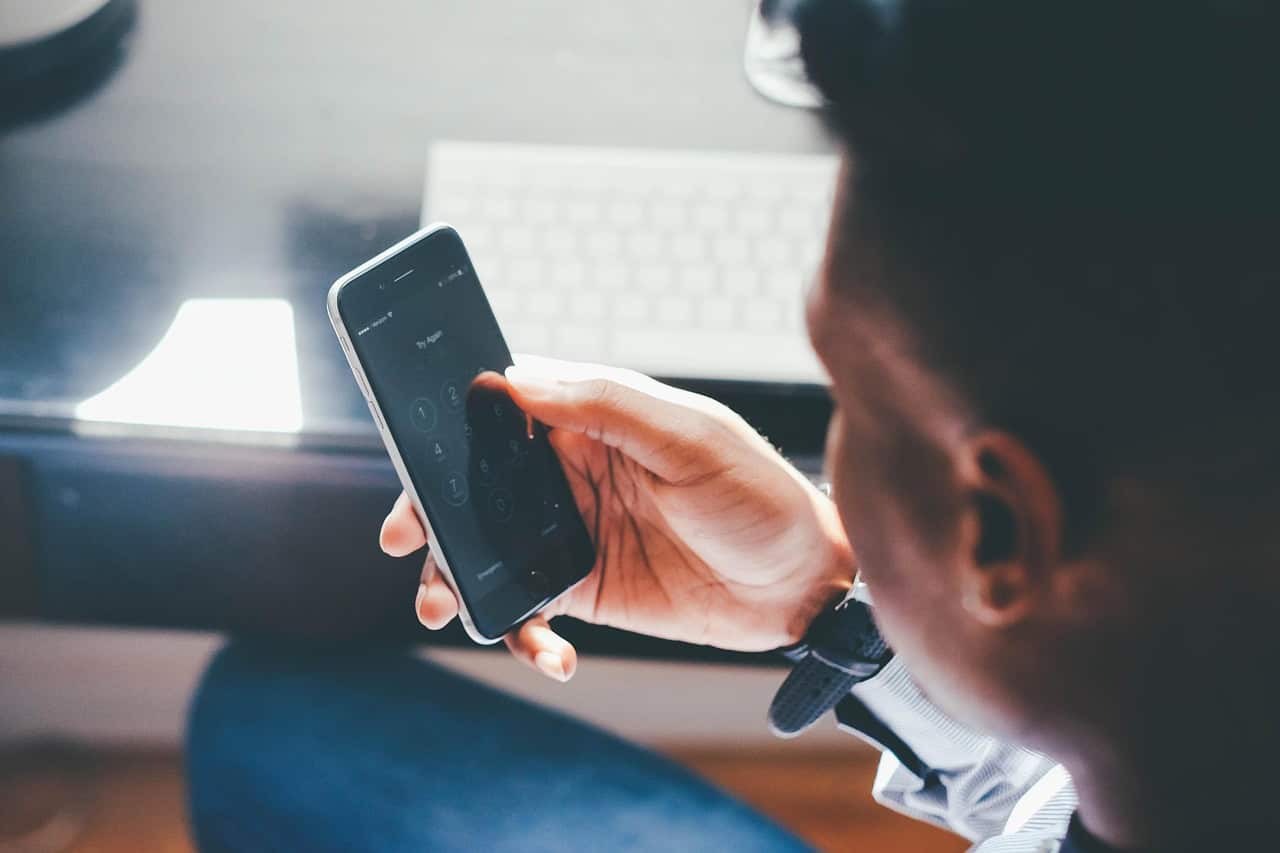
More travelers are deliberately turning off Face ID and fingerprint access before entering airports. A 2025 survey showed 54% of privacy-aware travelers disable biometrics temporarily, relying solely on passcodes. Legal experts note that passcodes receive stronger protections than biometric data. Most users switch from a 4-digit PIN to a 6–10 character alphanumeric code during trips. The change adds only seconds to daily phone use but significantly reduces the risk of forced device access. Among Global Entry holders, adoption of this habit rose by 31% between 2023 and 2026.
4. Encrypting Devices With Stronger Security Settings

Device encryption has moved from niche practice to mainstream habit. In 2026, approximately 78% of travelers use full-disk encryption on phones, while 64% do so on laptops. Travelers also disable preview notifications, auto-login features, and Bluetooth sharing before travel. Encryption ensures data remains unreadable even if hardware access occurs. Tech analysts estimate encryption alone reduces unauthorized data exposure risk by over 90%. For travelers carrying work data, legal documents, or personal records, this single step is considered one of the most effective privacy defenses available at airports.
5. Powering Devices Off at Key Security Points
Instead of simply locking screens, many travelers now power devices completely off before customs or secondary screening. Security researchers report that powered-off devices are 3× harder to access using forensic tools than unlocked or sleeping devices. Around 41% of international arrivals into the U.S. now shut down phones before CBP inspection areas. Restarting takes under 45 seconds, yet significantly reduces vulnerability. This habit is especially common among travelers entering the U.S. more than 4 times per year, who are statistically more likely to experience secondary screening.
6. Storing Sensitive Information in Encrypted Cloud Accounts
Rather than carrying everything locally, travelers increasingly rely on encrypted cloud storage. Industry data shows 68% of frequent flyers delete sensitive files from devices before travel, restoring them later. Documents such as tax files, medical records, and private photos are moved off-device days in advance. This reduces accessible local data by an average of 72%. Travelers note that even if access is requested, fewer files mean fewer complications. Cloud access is restored post-trip, usually within 10 minutes, making this a low-effort, high-impact privacy habit.
7. Being Selective About Trusted Traveler Programs

Trusted traveler programs now enroll over 27 million Americans, but not everyone sees them as a privacy win. Roughly 18% of eligible travelers actively avoid programs like Clear or Global Entry due to biometric data storage concerns. Those who do enroll often review data retention policies more closely than before. Clear reports biometric verification speeds of under 30 seconds, yet privacy-minded travelers weigh that against long-term data storage risks. This decision is increasingly deliberate, especially among travelers who already average 15–20 domestic flights annually.
8. Avoiding Public Wi-Fi and Bluetooth Tracking
Airport Wi-Fi usage has declined by 22% since 2022 as travelers become more cautious. Many now rely on mobile data, even at speeds 30–40% slower, to avoid network-based tracking. Bluetooth is also commonly disabled to prevent device pinging and location mapping. Studies show large airports can track movement within 3–5 meters using Wi-Fi signals alone. By staying offline in terminals, travelers significantly reduce passive data collection. This habit is especially common among solo travelers and those transiting airports longer than 90 minutes.
9. Minimizing Personal Data During Booking and Check-In
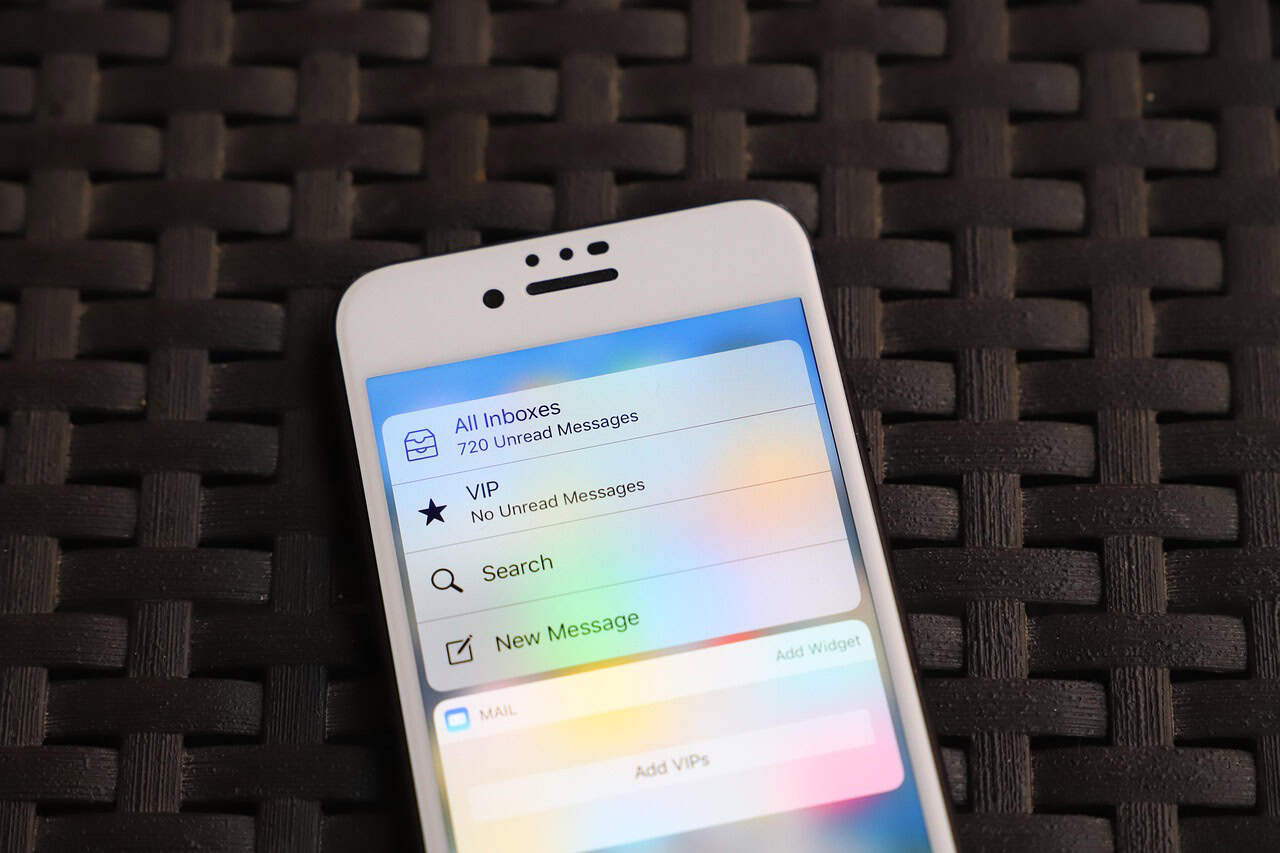
Privacy-aware travelers now limit what they share long before reaching the airport. About 46% of travelers use secondary email addresses for bookings, loyalty programs, and airline apps. Optional profile fields such as employment details or social media links are left blank. This reduces stored personal data by an estimated 35–40% across airline systems. Travelers also avoid syncing contacts or calendars to airline apps. With an average traveler using 3–5 travel apps per trip, data minimization has become a standard pre-flight habit rather than an afterthought.
10. Learning Their Rights and Preparing in Advance
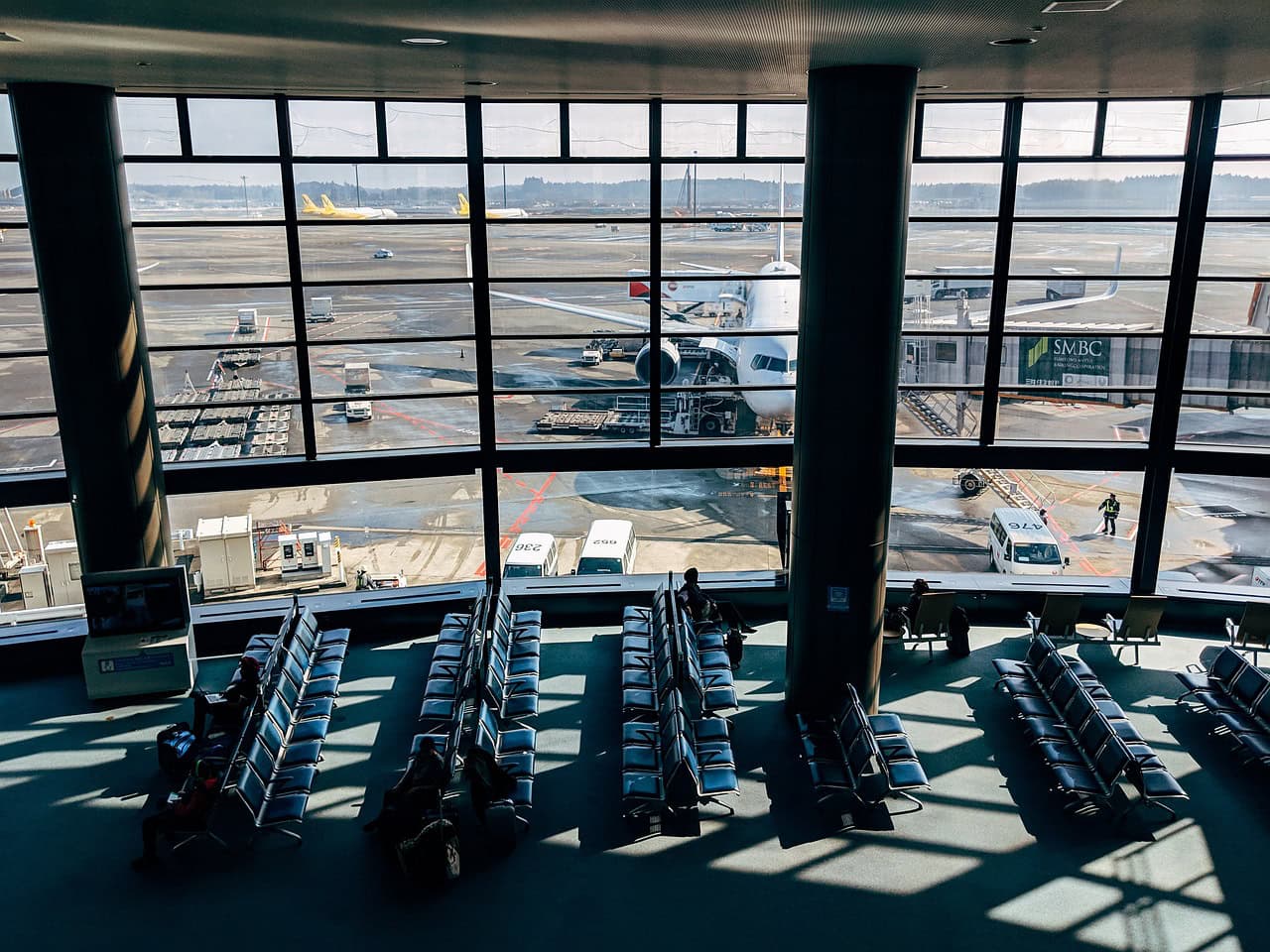
In 2026, knowledge itself is a privacy tool. Surveys show travelers who understand airport search rules experience 28% fewer escalations during screenings. Many now carry printed documents, know refusal consequences, and understand when consent is voluntary. Roughly 1 in 4 frequent flyers reviews privacy rights before international trips. This preparation reduces anxiety and improves interactions with officials. Travelers report that calm, informed responses shorten secondary screenings by an average of 7–10 minutes, proving that awareness can be as effective as any technical safeguard.