We may earn money or products from the companies mentioned in this post. This means if you click on the link and purchase the item, I will receive a small commission at no extra cost to you ... you're just helping re-supply our family's travel fund.

Europe captivates American travelers with centuries-old architecture, efficient trains, and unforgettable food scenes. Yet daily habits across the Atlantic differ in subtle but important ways. What feels standard in the United States are large rooms, strong air conditioning, constant convenience often operates differently in Europe. These differences are rarely dealbreakers, but they can cause friction if expectations aren’t adjusted. Below are ten common frustrations, now expressed in U.S. dollar equivalents for clearer budgeting and planning.
1. Surprisingly Small Hotel Rooms
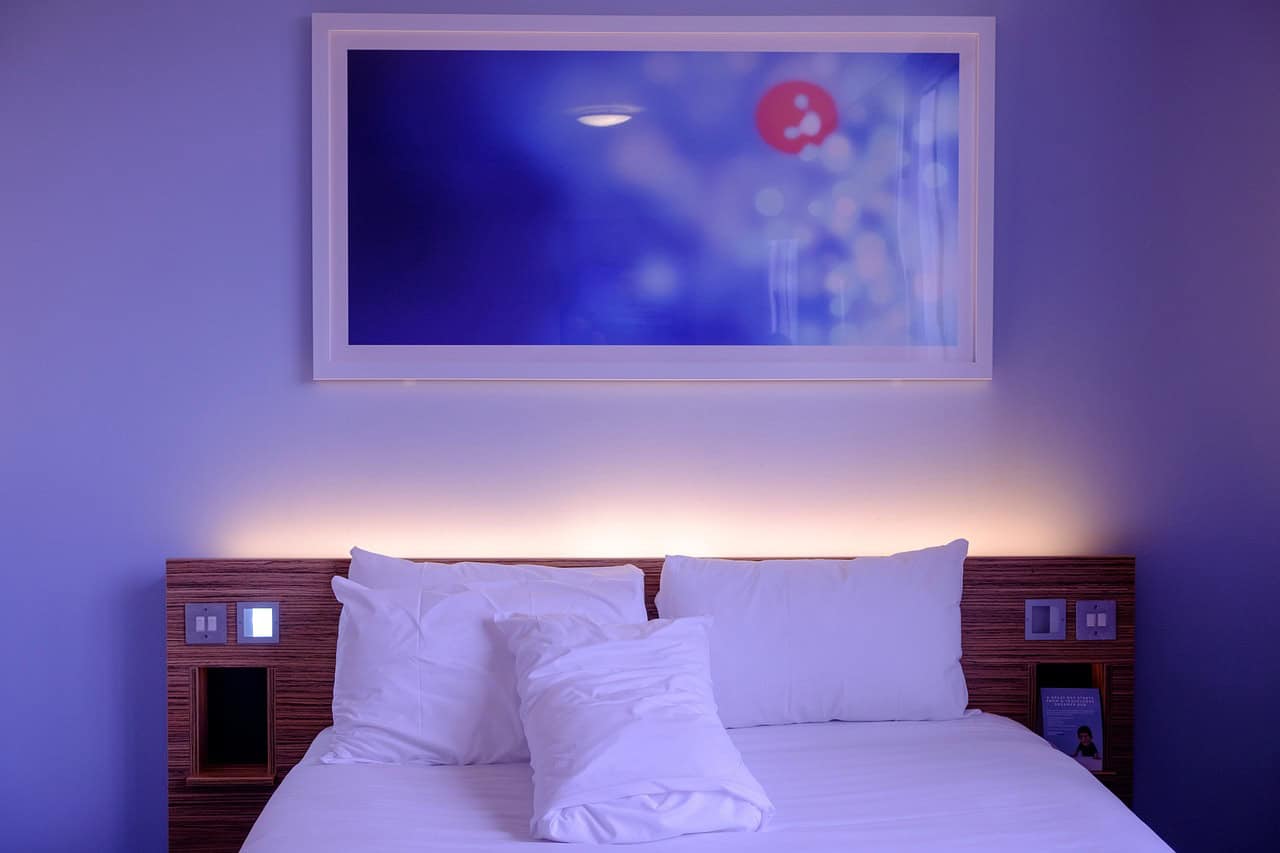
Many American hotel rooms average 325 to 400 square feet. In historic districts of Paris or Rome, standard rooms often measure 140 to 220 square feet, sometimes 40% smaller than U.S. norms.
Rates in central areas typically range from $180 to $350 per night for mid-range stays. Elevators may fit just two adults, and staircases can be centuries old. The trade-off is prime location, often within 0.5 miles of major landmarks, reducing daily transportation costs.
2. Limited or Mild Air Conditioning
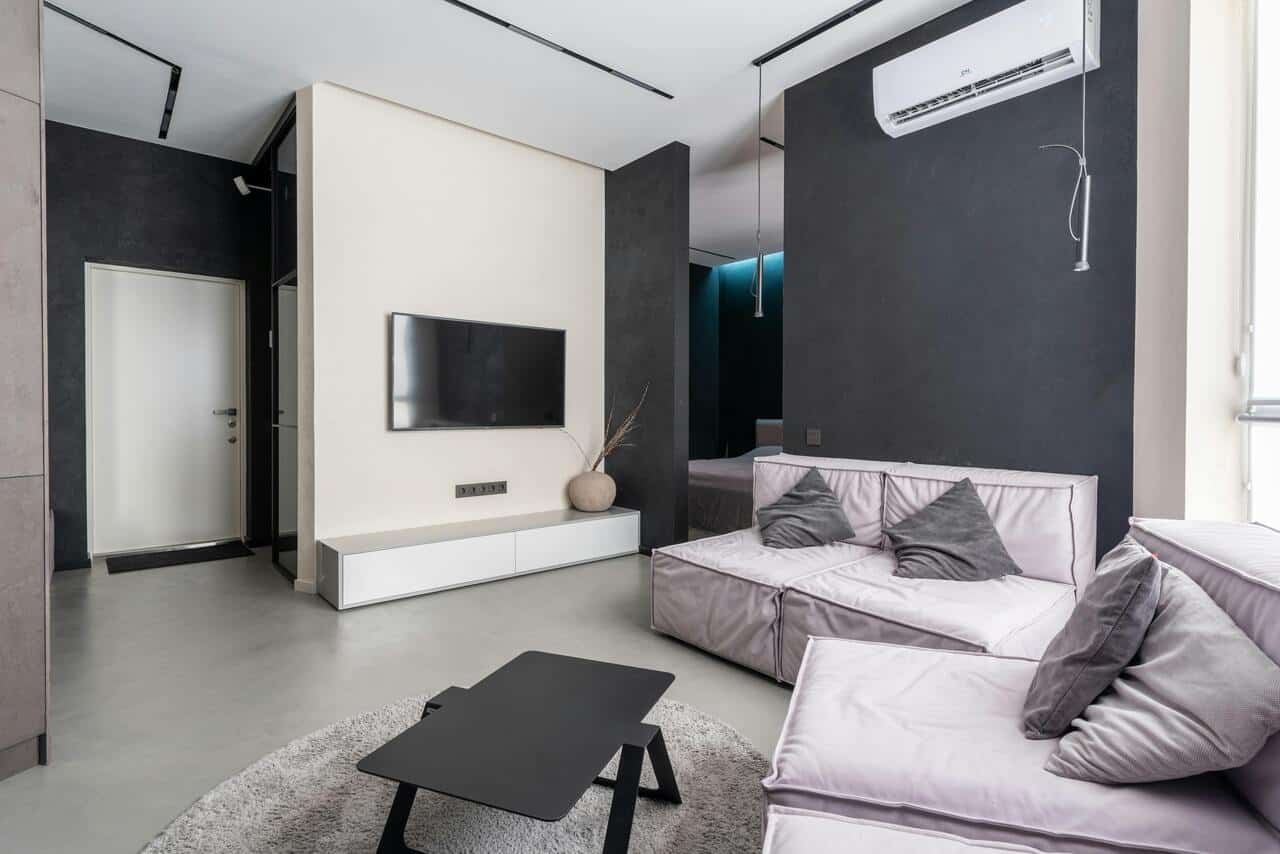
In cities like Barcelona or Berlin, hotel air conditioning may maintain indoor temperatures around 75–78°F, warmer than the 68–72°F common in the U.S.
During summer heat waves above 95°F, cooling systems can struggle. Properties with guaranteed strong A/C often cost $20 to $50 more per night. Retrofitting older stone buildings is expensive, which explains why many accommodations rely on fans or moderate systems instead of powerful central cooling.
3. Paying to Use Public Restrooms
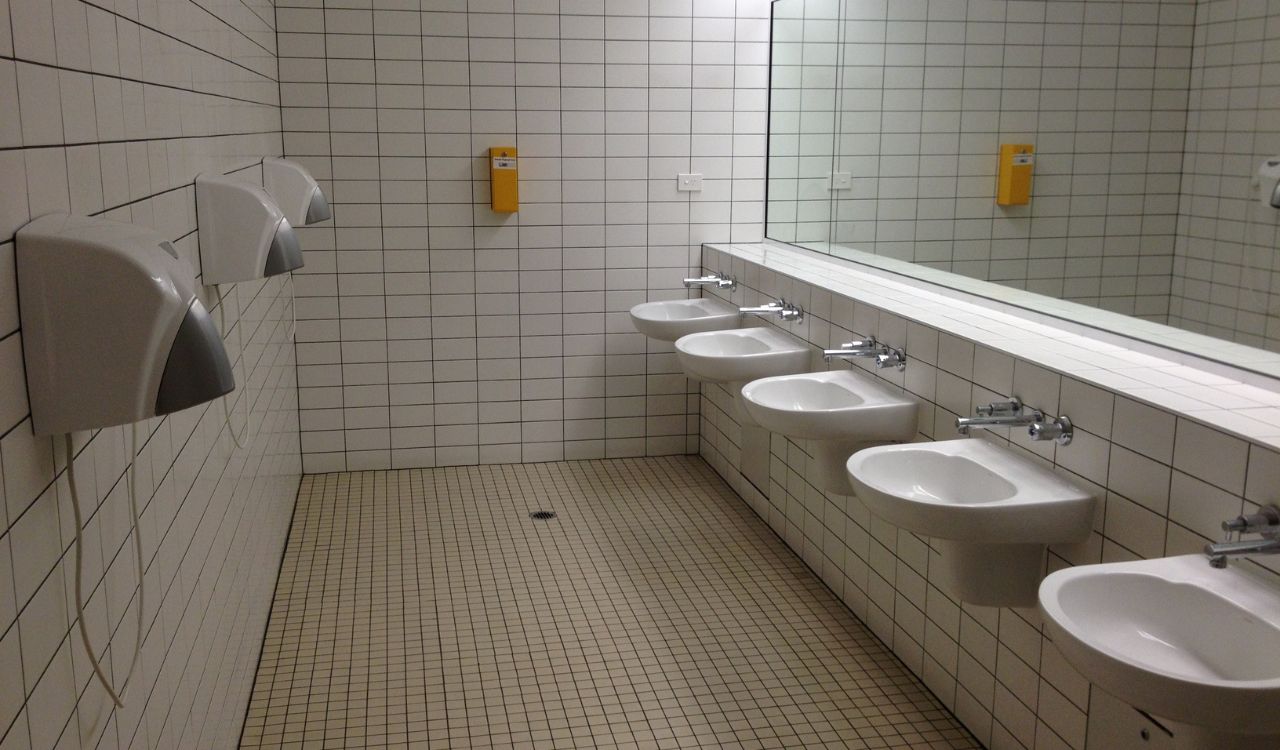
At train stations and tourist hubs in Amsterdam and Prague, restroom access usually costs between $0.50 and $1.75. Payment machines often require coins or contactless cards.
While Americans expect free facilities, the small fee funds attendants and frequent cleaning. Over a two-week trip, a family of four could easily spend $20 to $30 on restroom access alone, a minor but noticeable addition to daily expenses.
4. Slower, Unhurried Restaurant Service
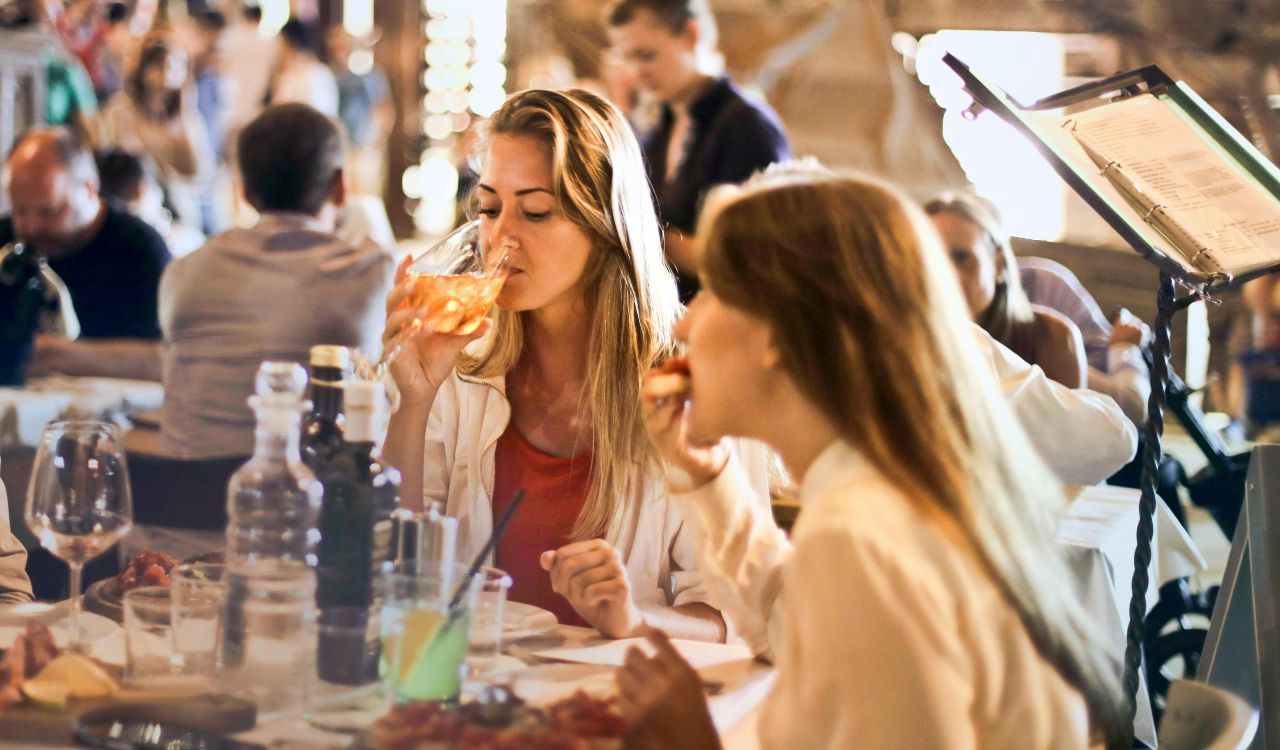
Dining in Italy and France typically lasts 90 to 120 minutes. Servers may check on tables only two or three times.
A mid-range dinner for two often costs $60 to $120 before drinks. Refills are rare, and the check arrives only upon request. Americans used to 45-minute meals and quick bill drops sometimes mistake the slower rhythm for inattentiveness, when it actually reflects cultural preference.
5. Confusing Tipping Norms
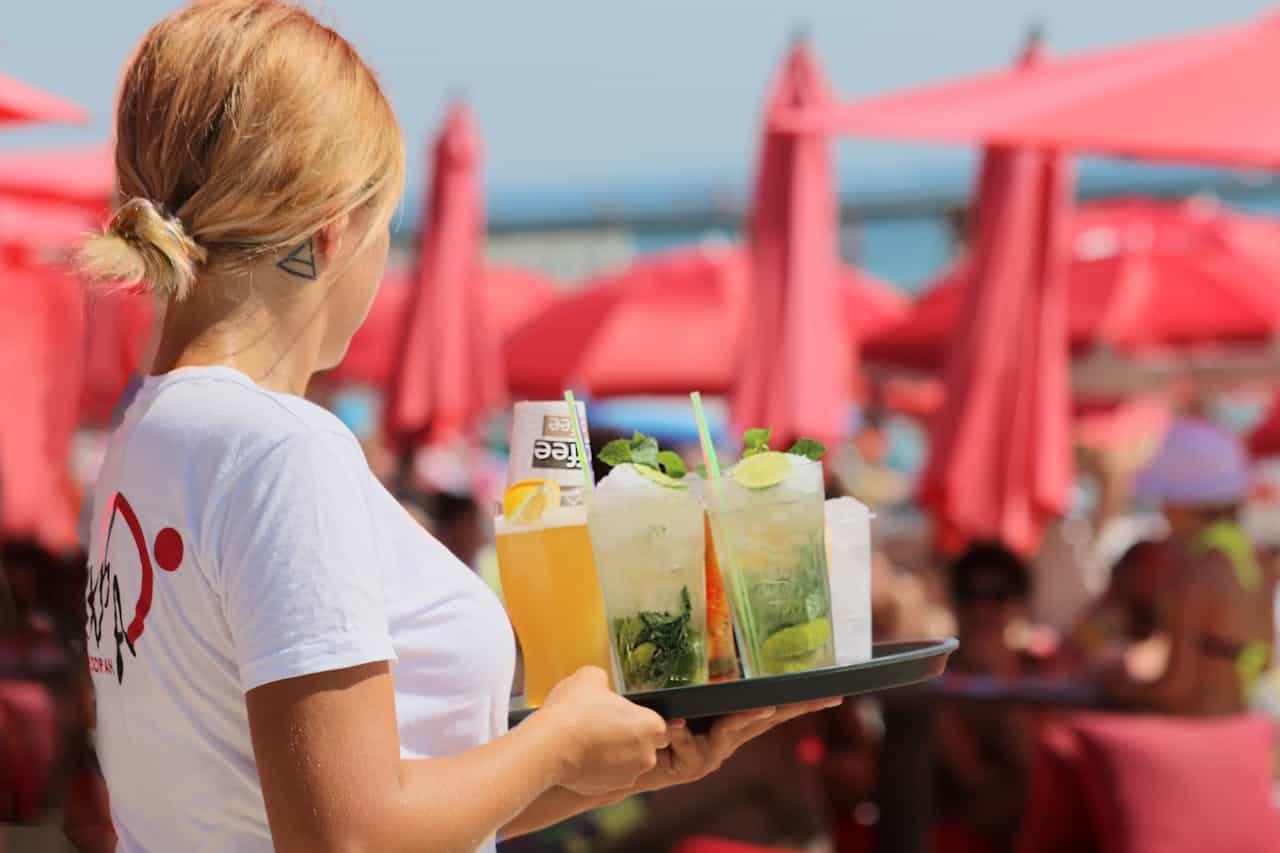
In the U.S., tipping 18–22% is standard. In Germany and Switzerland, rounding up or adding 5–10% is typical.
On a $100 meal, locals might leave $5 to $10, not $20. Service charges are often included in listed prices. Over-tipping can unintentionally inflate dining costs by hundreds of dollars over a two-week vacation if travelers apply U.S. standards everywhere.
6. Early Closing Times and Sunday Shutdowns
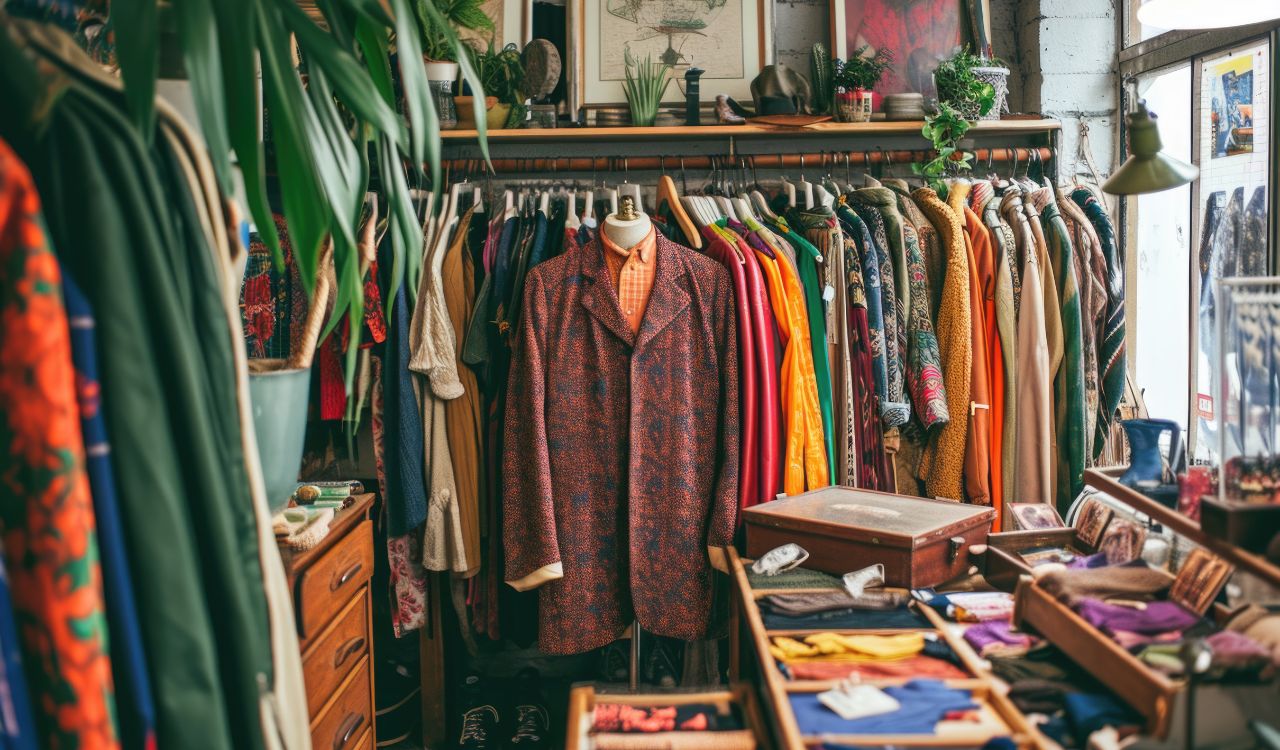
In cities like Munich and Zurich, most shops close between 6:00 and 8:00 p.m., and nearly all supermarkets shut on Sundays.
Missing grocery hours can force visitors to dine out unexpectedly. A casual meal for two may cost $40 to $70, compared to $15 to $25 for self-catered food. Planning ahead prevents unnecessary spending during weekend closures.
7. No Free Drink Refills
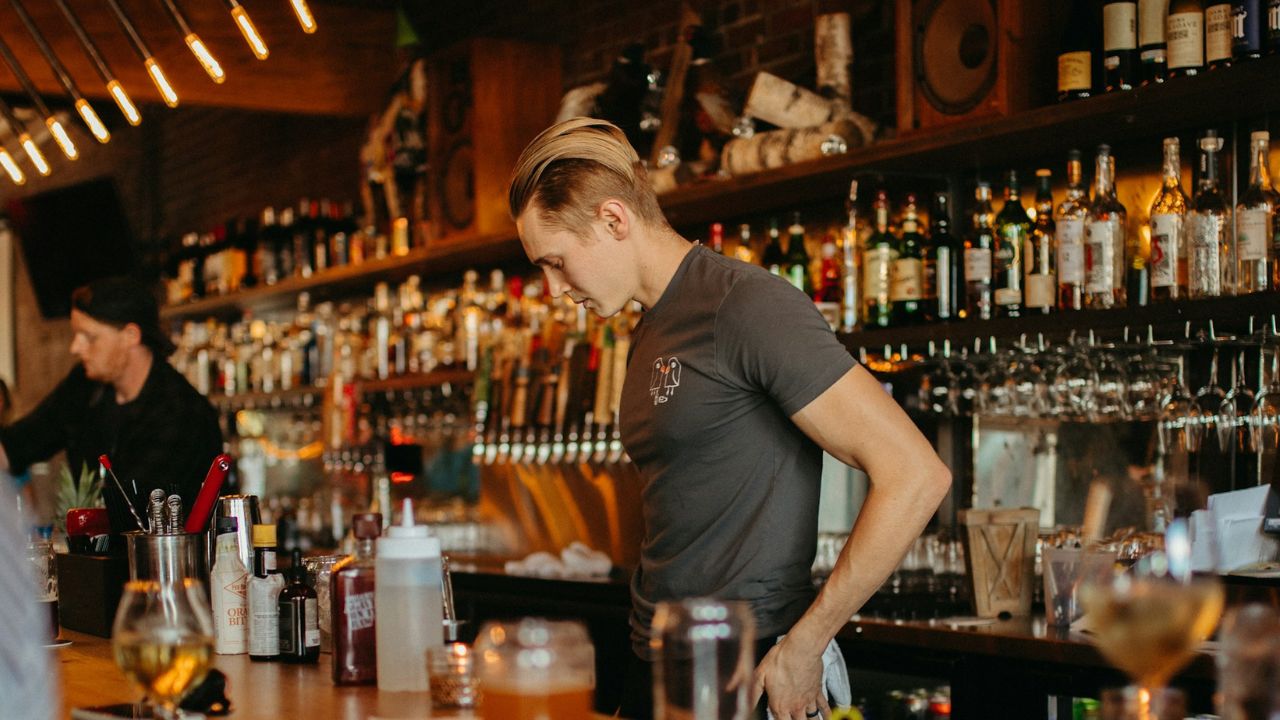
In Spain and the United Kingdom, soft drinks are sold individually for about $3 to $6 per serving, usually in 8- to 12-ounce portions.
Ice is limited, and refills are rarely complimentary. A family accustomed to multiple refills could spend an additional $15 to $25 per meal compared to U.S. expectations, adding up quickly over several days.
8. Strict Public Transportation Etiquette
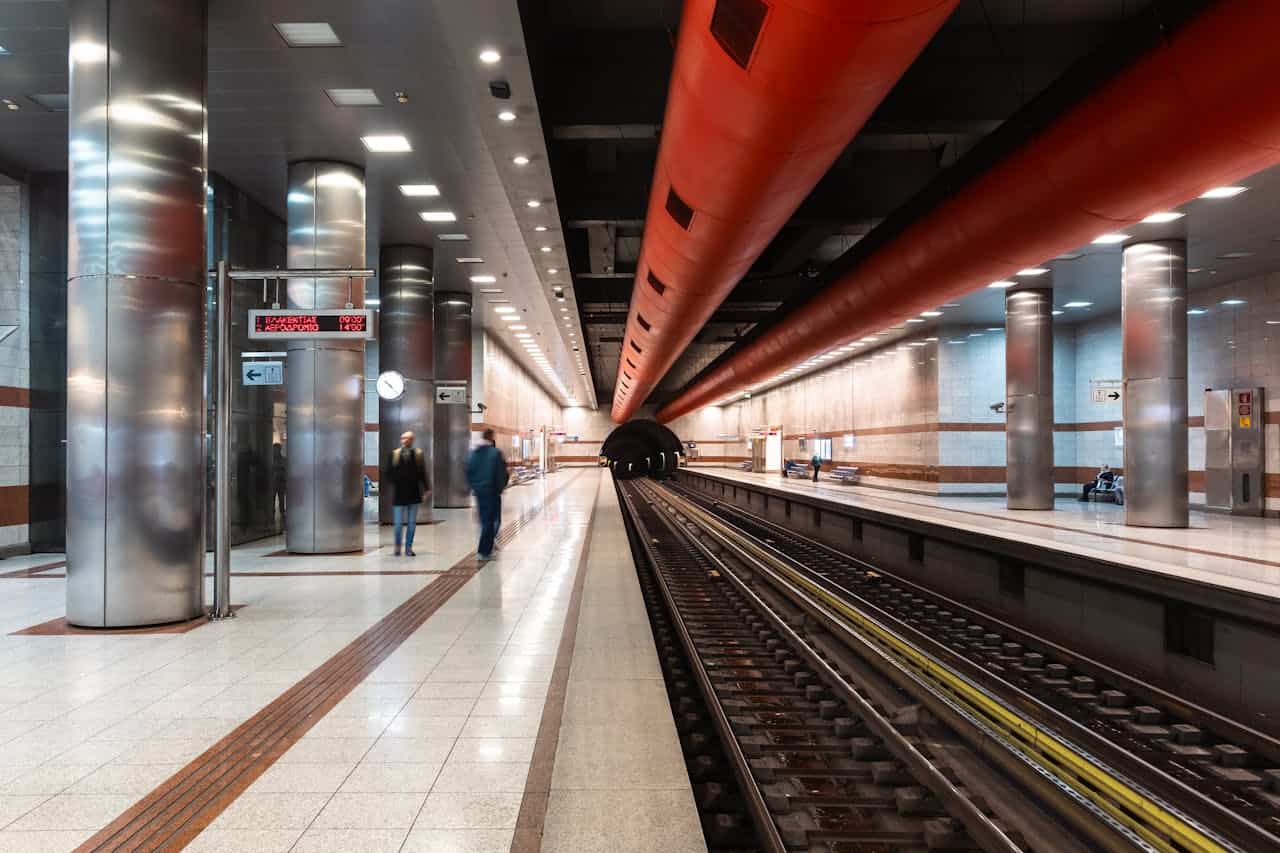
Metro systems in Vienna and Copenhagen are punctual within 2 to 4 minutes. A single ride typically costs $2.50 to $4.00.
Tickets must be validated properly. Fines for non-validation often range from $65 to $120. Quiet conduct is expected, and loud phone calls may draw disapproval. While efficient, the system assumes passengers follow posted rules carefully.
9. Compact Bathrooms and Shower Designs

Bathrooms in older properties across Lisbon and Florence can measure under 40 square feet. Showers often use partial glass panels, increasing splash risk.
Upgrading to larger modern rooms may add $30 to $80 per night. Electrical outlets are limited, and adapters for 220-volt systems typically cost $10 to $25. Adjusting expectations helps avoid minor daily frustrations.
10. Direct Communication Styles

In countries such as Netherlands and Poland, communication is often brief and direct. Service interactions may last under 60 seconds without small talk.
Americans used to highly expressive customer service may interpret this as abruptness. Yet surveys show locals prioritize clarity and efficiency. Once understood, many travelers appreciate the straightforward tone and quicker exchanges.