We may earn money or products from the companies mentioned in this post. This means if you click on the link and purchase the item, I will receive a small commission at no extra cost to you ... you're just helping re-supply our family's travel fund.
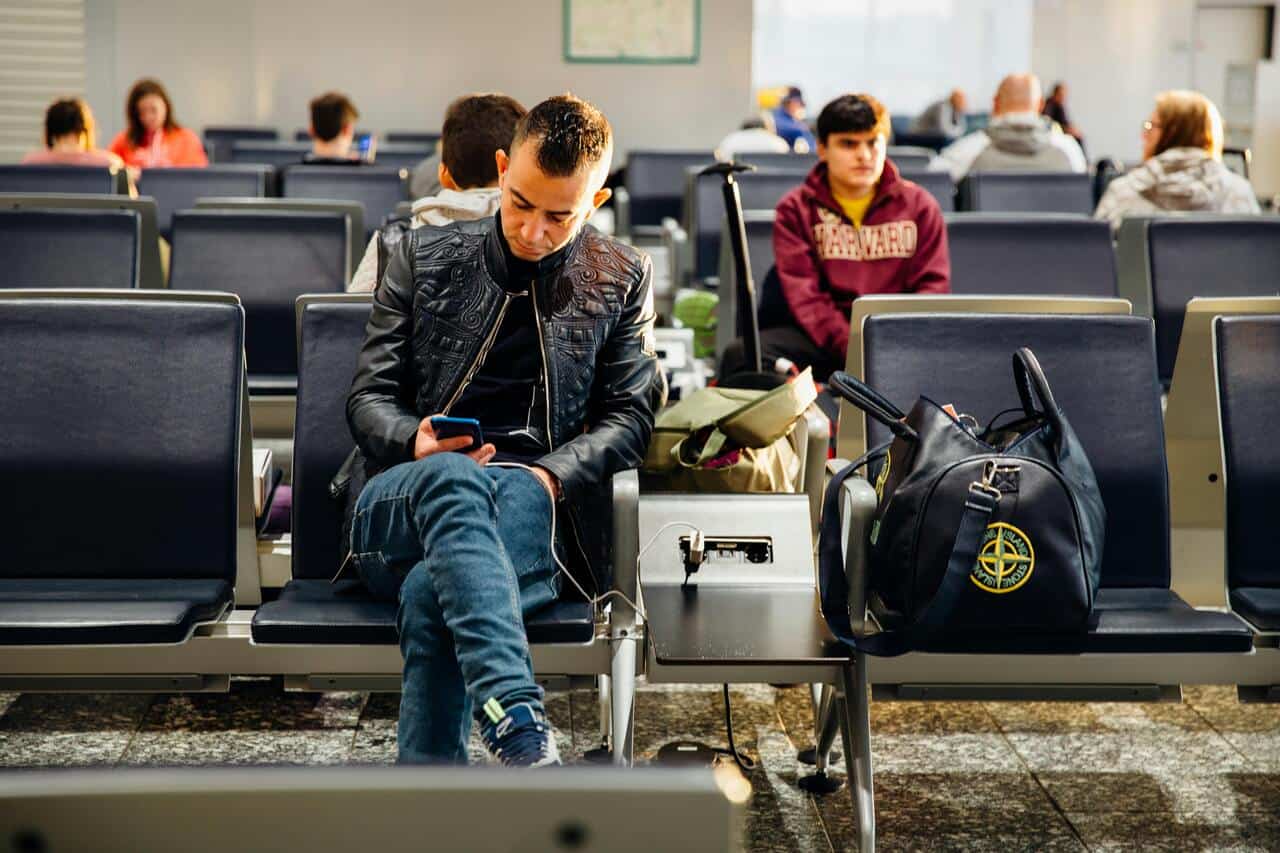
For many Texans, travel has always meant long highways, rest stops, and road-trip playlists rather than boarding passes and boarding zones. Flying, especially for the first time, introduces an entirely different rhythm and set of expectations. Airports operate like small cities, airline rules can feel strict, and the experience itself is far more structured than driving. Knowing what to expect before arriving can make the difference between a calm first flight and an overwhelming one. This guide breaks down the most important realities first-time flyers from Texas should understand before stepping into an airport.
1. Airports Are Vast and Time Moves Differently
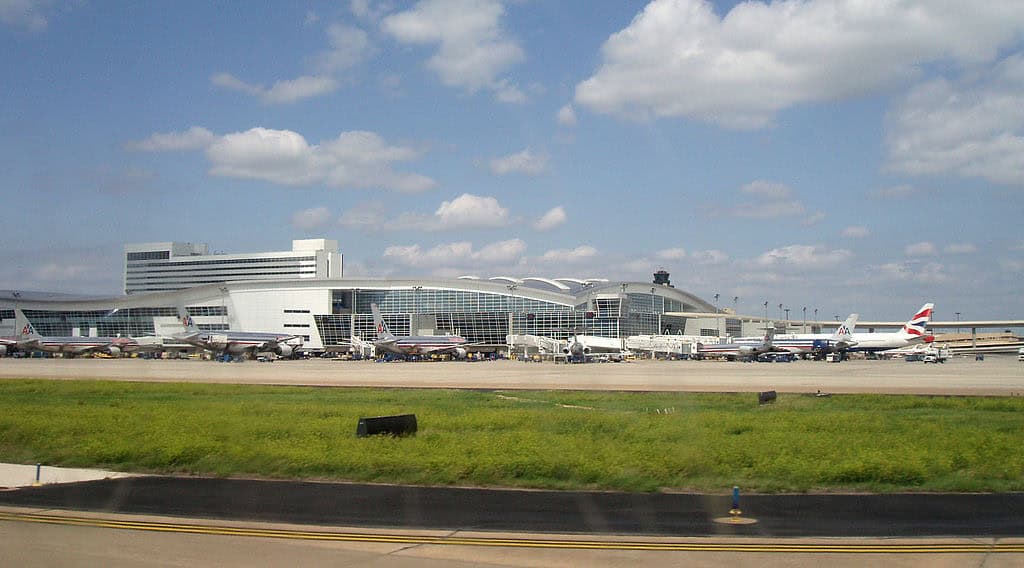
Texas airports rank among the largest in the world, with Dallas–Fort Worth International covering over 17,000 acres and handling roughly 73 million passengers annually. Walking from security to a gate can take 15–30 minutes, sometimes longer if trains are involved. Unlike road travel, arriving “a little early” isn’t enough. Airlines recommend arriving 2 hours before domestic flights and 3 hours for international trips. Missing boarding often happens not because flights leave early, but because travelers underestimate how long airports actually take to navigate.
2. TSA Security Rules Are Non-Negotiable
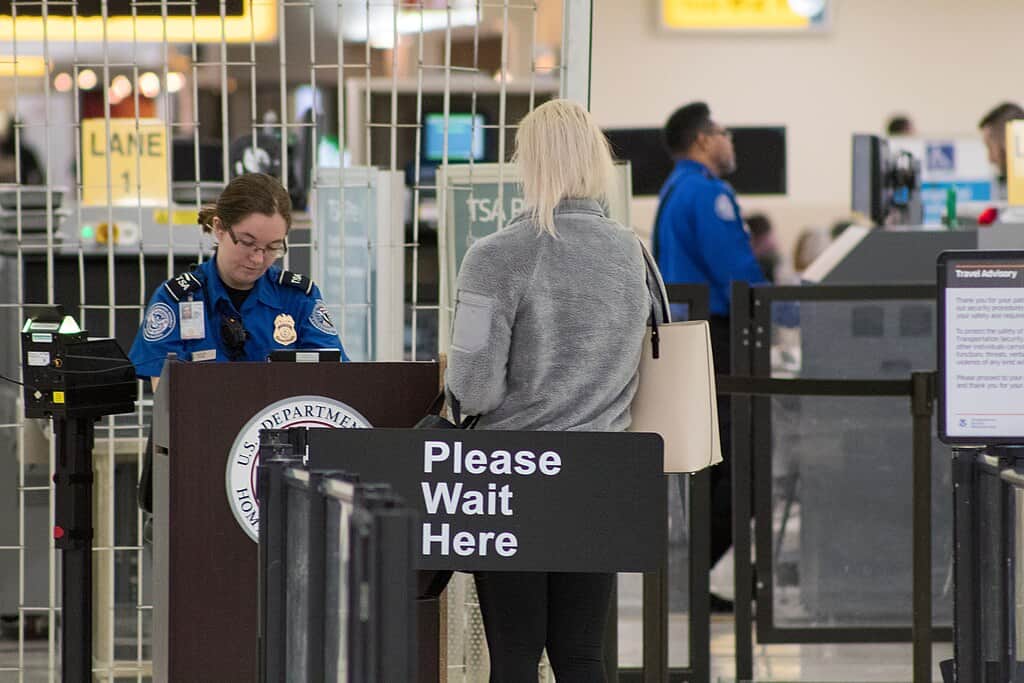
Airport security follows federal TSA regulations that apply nationwide, regardless of state habits. Liquids are limited to 3.4 ounces (100 ml) per container and must fit into one quart-size bag. Shoes, belts, and electronics larger than a phone are usually removed, adding several minutes per passenger. At busy Texas hubs, security lines can process 200–300 people every 15 minutes, yet still feel slow. Forgetting one prohibited item can lead to bag checks that delay you 10–20 minutes, which is often enough to miss boarding.
3. Boarding Is Organized by Numbers, Not Courtesy
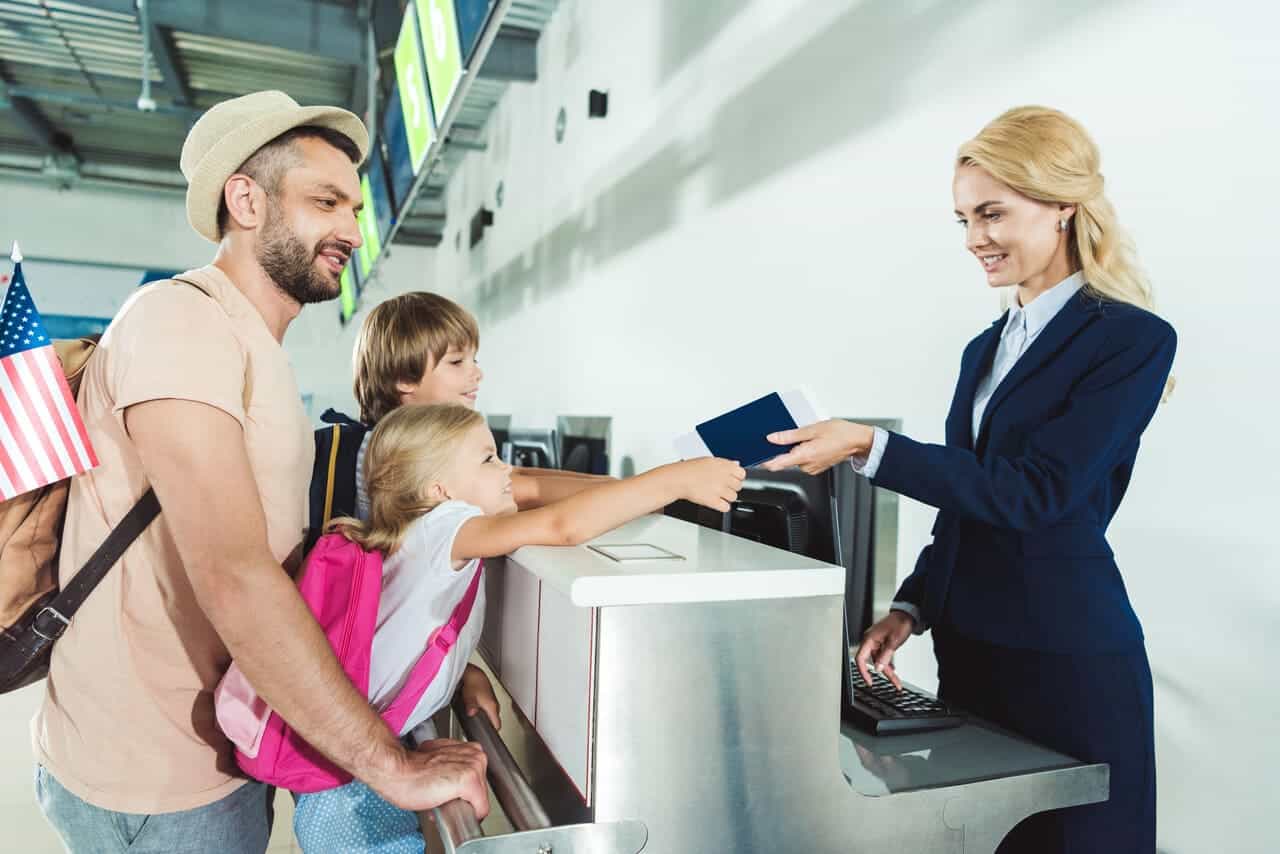
Unlike open seating or casual queues, airline boarding follows a strict zone system. Most planes board 120–180 passengers in 5–9 boarding groups, determined by ticket type, seat location, or loyalty status. Your boarding group is printed on your pass and announced aloud. Boarding early doesn’t mean leaving earlier—it means waiting longer inside a tight cabin. Many first-time flyers mistakenly line up too soon, standing unnecessarily for 20–30 minutes, when waiting until their zone is called is both expected and encouraged.
4. Turbulence Is Common and Rarely Dangerous
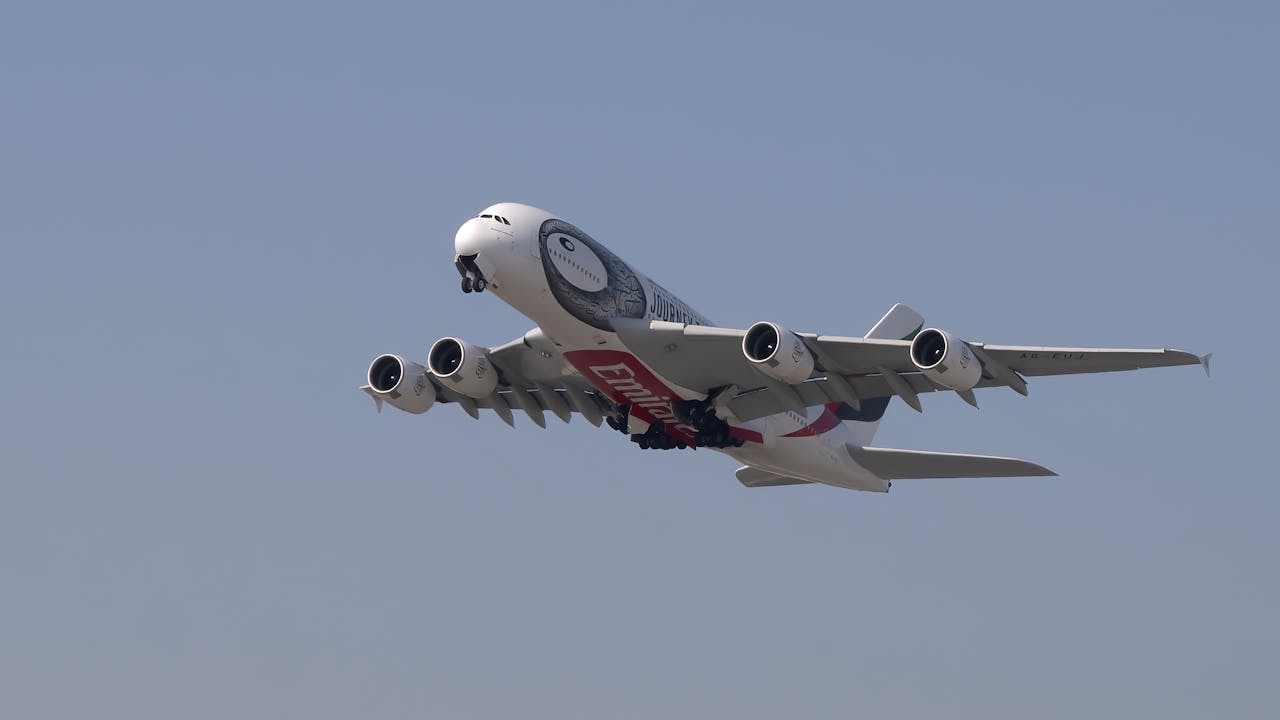
Flying over Texas often involves weather systems that cause turbulence, especially during spring and summer. Commercial aircraft experience light turbulence on over 60% of flights, yet serious turbulence injuries occur at a rate of fewer than 1 in 10 million passengers. The aircraft itself is built to flex and absorb motion far beyond what passengers feel. What seems extreme in the cabin is minor to the plane. Pilots adjust altitude and speed constantly, and turbulence almost never affects flight safety or structural integrity.
5. Checked Bags Are Temporarily Out of Reach
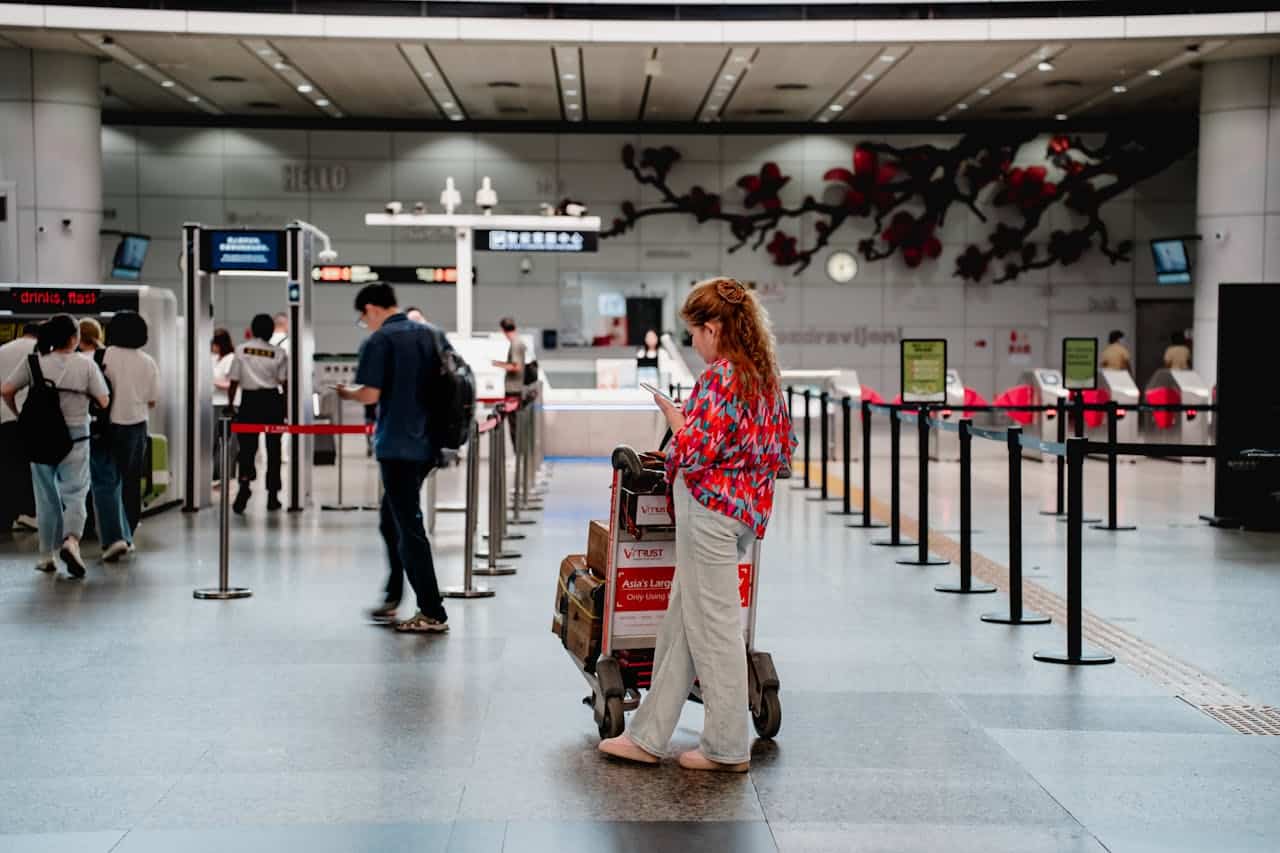
When you check luggage, it is stored separately and inaccessible until landing. Airlines mishandle approximately 5–6 bags per 1,000 passengers, which is low but not zero. Essentials like medication, chargers, and documents should always stay in your carry-on. Baggage claim can take 20–45 minutes after landing, especially at large Texas airports. First-time flyers often expect immediate access to belongings, but planning for short-term separation is part of flying comfortably and avoiding unnecessary stress.
6. Weather Disruptions Ripple Nationwide
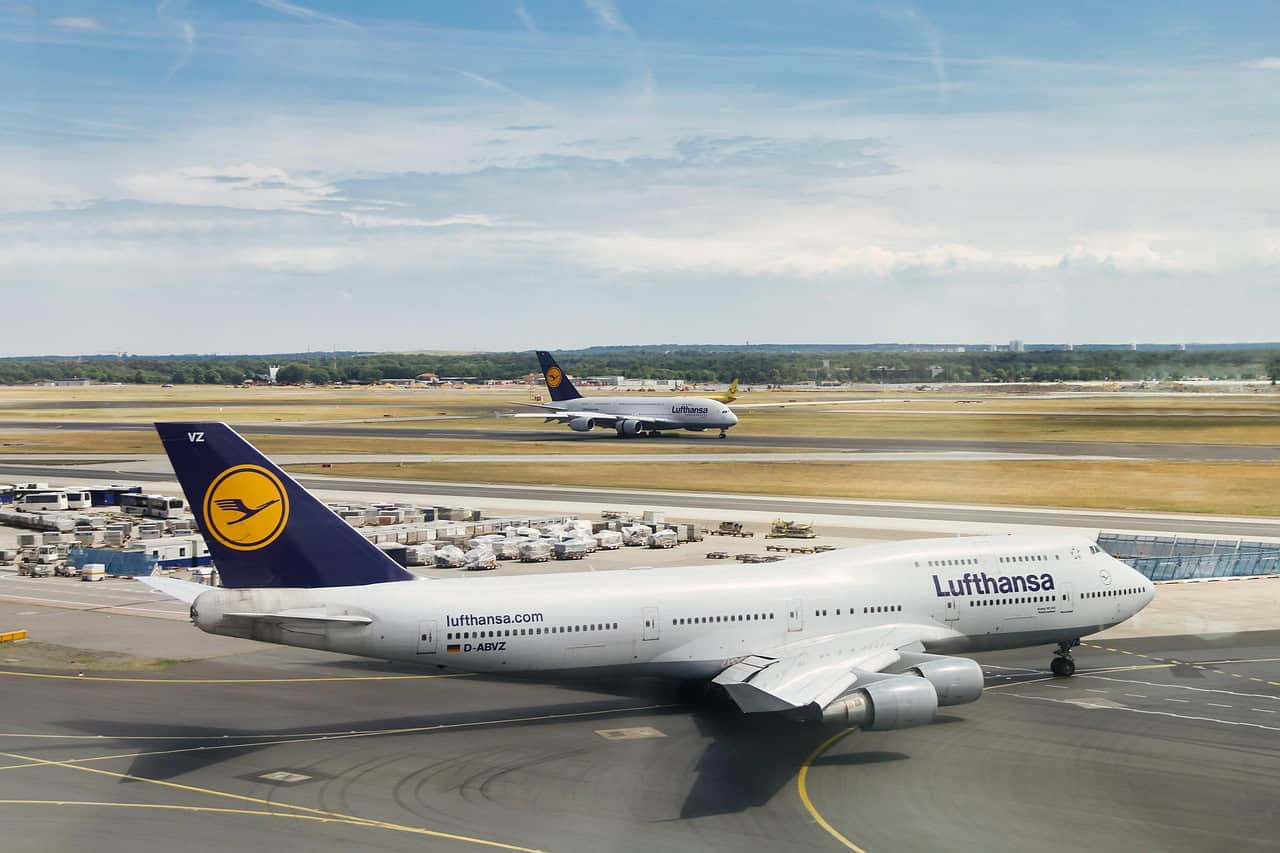
Texas weather frequently impacts national flight schedules. Thunderstorms, heat above 100°F, and high winds can ground or delay aircraft, even if your destination is clear. In the U.S., weather causes roughly 30% of all flight delays, with Texas hubs among the most affected during storm seasons. A delay of 45–90 minutes is common and doesn’t indicate a problem with the aircraft. Building buffer time into connections or ground plans is essential, especially for first-time flyers unfamiliar with aviation timing.
7. Cabin Pressure and Dry Air Affect Your Body
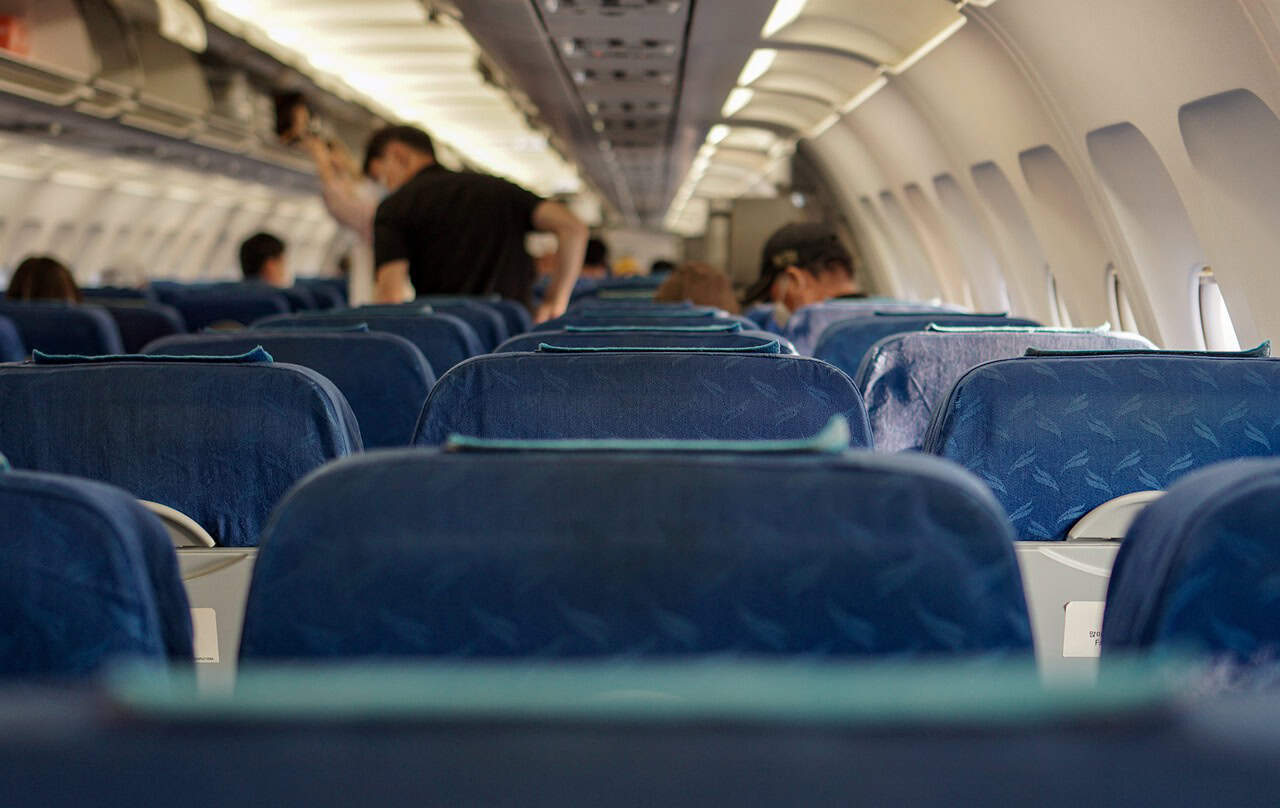
Aircraft cabins are pressurized to simulate about 6,000–8,000 feet above sea level, which causes ear popping and mild sinus pressure. Cabin humidity averages just 10–20%, far lower than most Texas climates. This dryness can cause dehydration within 2–3 hours if you don’t drink water. Swallowing, chewing gum, or yawning helps equalize ear pressure. These sensations are normal physiological responses and not signs of danger, but they can feel surprising if you’ve never flown before.
8. Phone and Signal Rules Change Mid-Flight
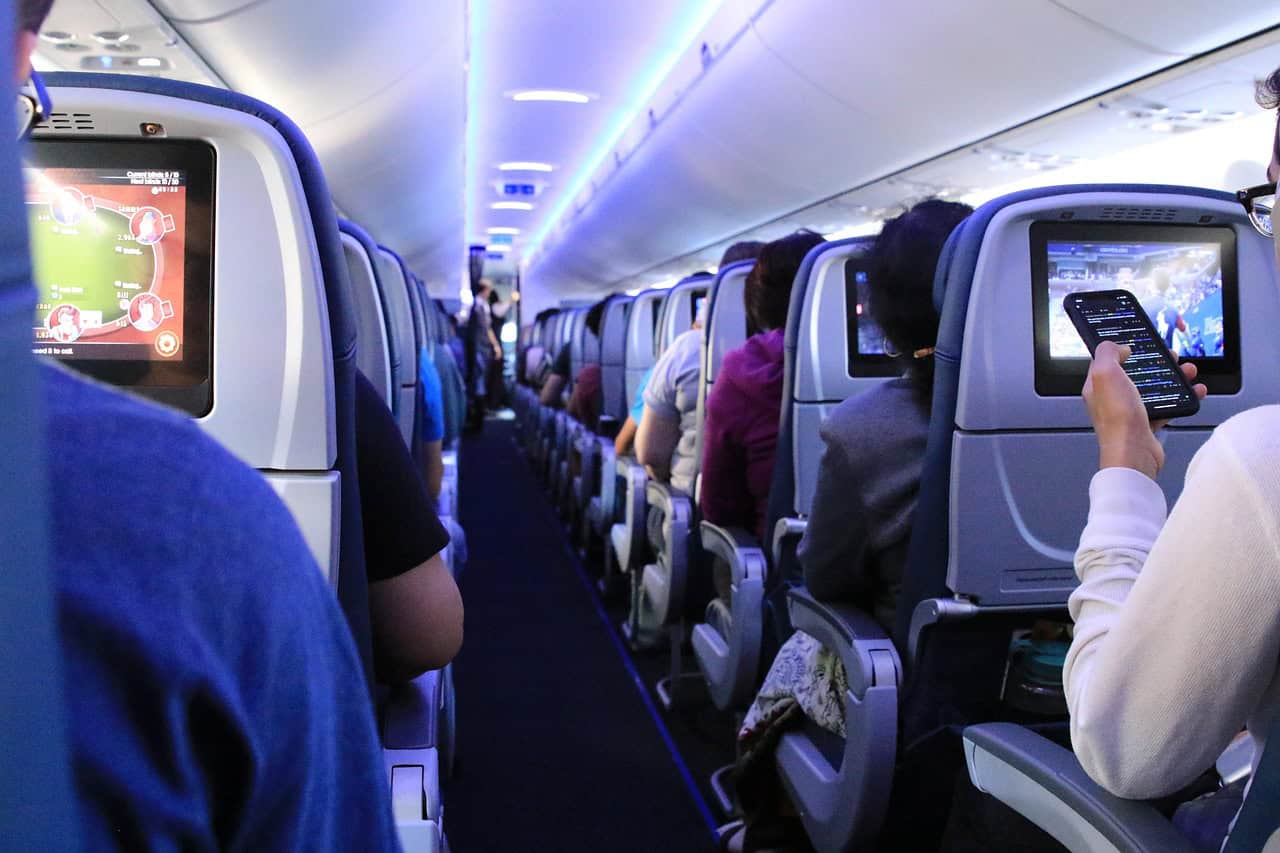
Federal aviation rules require devices to be in airplane mode during takeoff and landing, which lasts roughly 10–15 minutes each. Cellular signals are unreliable at altitude, so Wi-Fi when available is the only option. About 70% of U.S. domestic flights now offer onboard Wi-Fi, though speeds vary. Messages may send slowly or disconnect entirely. First-time flyers often expect continuous connectivity, but brief digital isolation is standard and temporary, especially during critical flight phases.
9. Seating Is Designed for Efficiency, Not Space
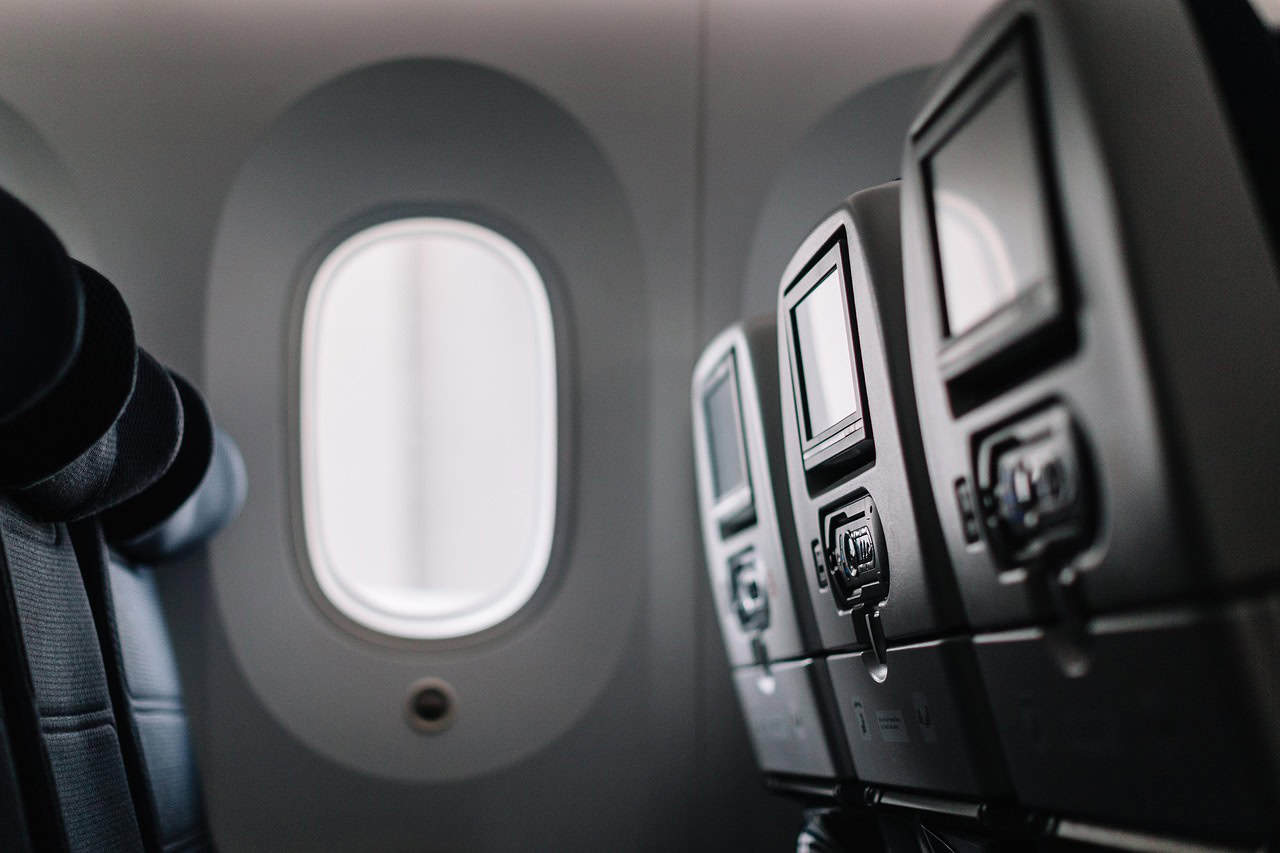
Economy-class seats average 17–18 inches wide with 30–31 inches of legroom, far tighter than car seating. Flights over 2 hours can feel uncomfortable without movement. Standing, stretching, and walking the aisle when allowed helps circulation and comfort. Aisle seats offer easier mobility, while window seats reduce disturbance. Understanding these dimensions ahead of time helps manage expectations. Air travel prioritizes efficiency and fuel economics, which means comfort often depends on preparation rather than space.
10. Flying Is Statistically Safer Than Driving
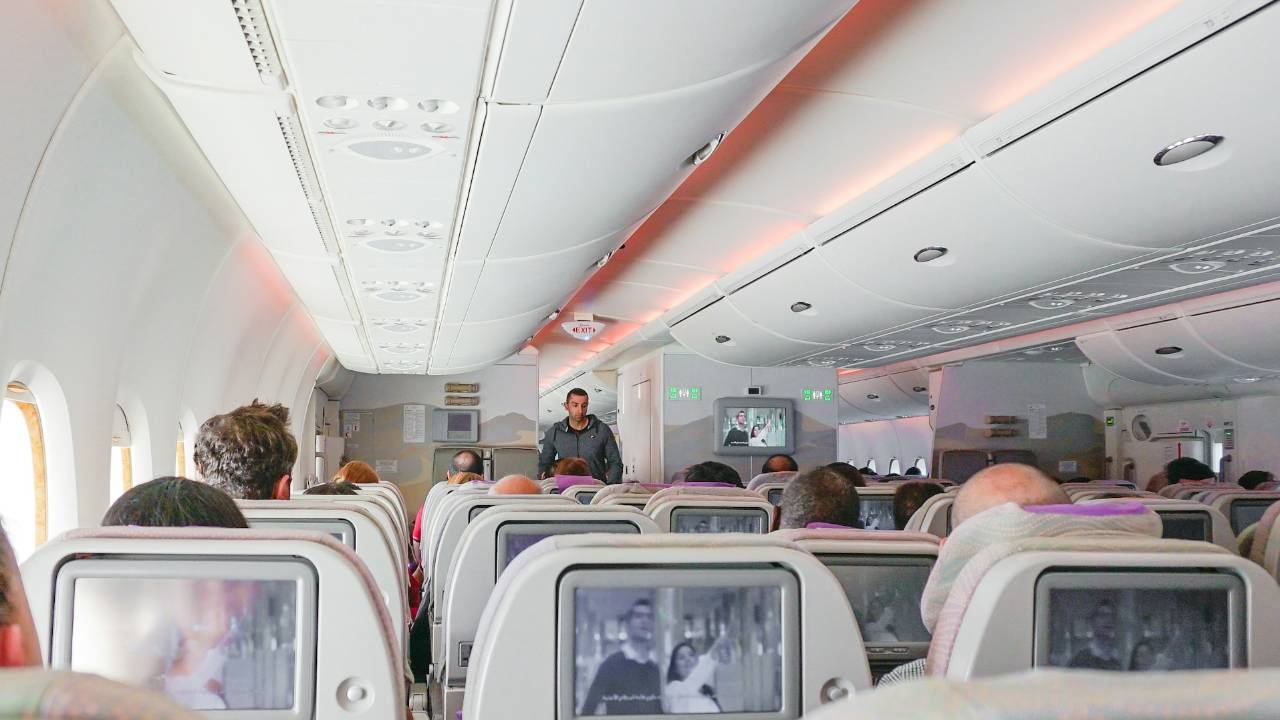
Many Texans are comfortable driving long distances but nervous about flying. Statistically, flying is far safer. In the U.S., the odds of dying in a commercial flight are about 1 in 11 million, compared to 1 in 101 for car travel over a lifetime. Commercial pilots log thousands of flight hours and aircraft undergo inspections after specific flight counts. The safety systems in aviation are layered and redundant, making flying one of the most regulated and secure forms of transportation available.
Leave a Reply