We may earn money or products from the companies mentioned in this post. This means if you click on the link and purchase the item, I will receive a small commission at no extra cost to you ... you're just helping re-supply our family's travel fund.
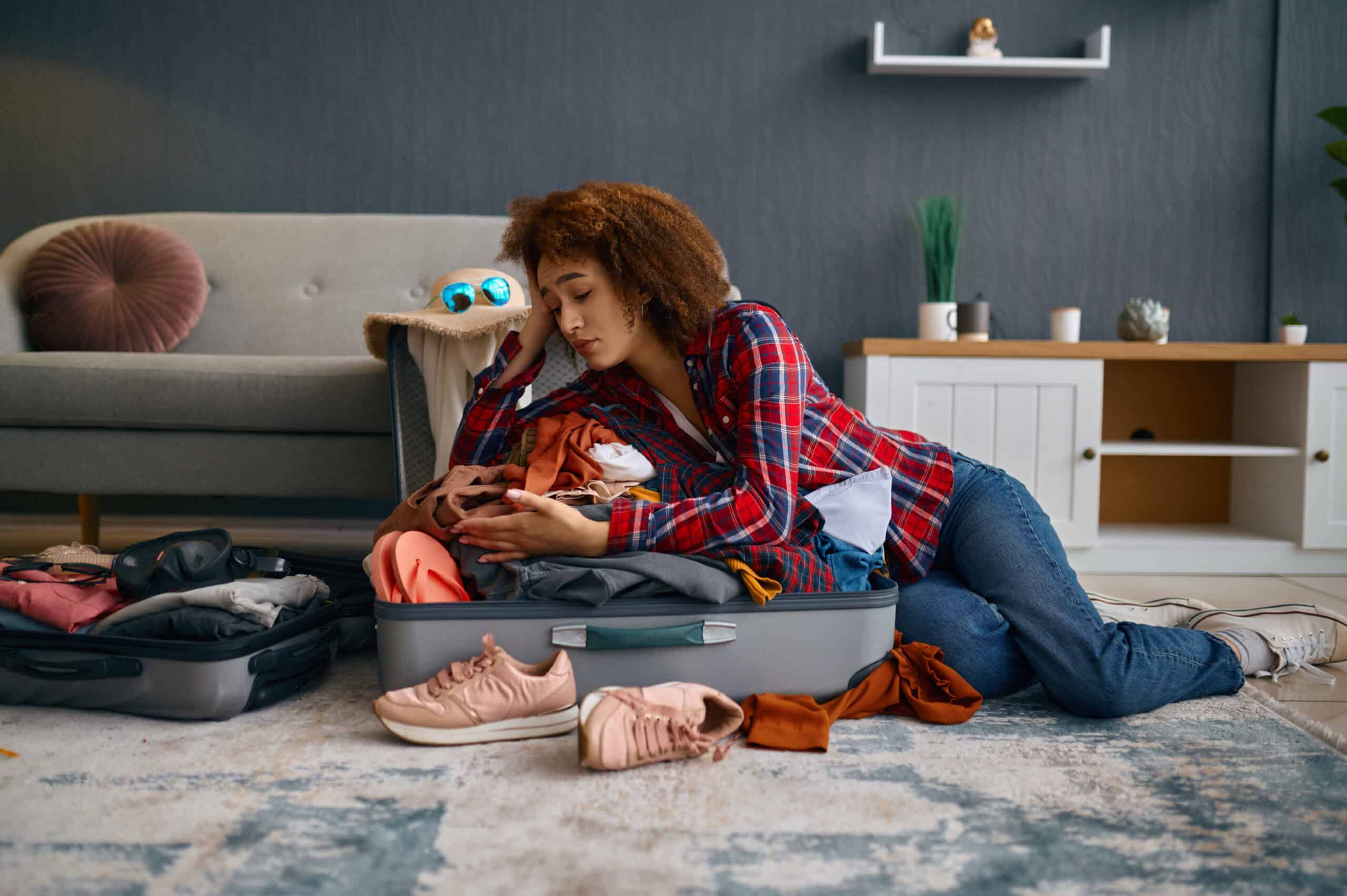
Packing for Europe sounds simple until the trip meets narrow staircases, compact hotel rooms, and streets built long before rolling suitcases. Experienced travelers learn that the wrong items do not just waste space; they slow every transfer, attract the wrong attention, or fail the moment they hit a different voltage, climate, or transit system. The smartest bags lean lighter, quieter, and more flexible, leaving room for local finds and unexpected detours. These are the items that tend to cause the most friction.
The Oversized Suitcase That Cannot Handle Cobblestones
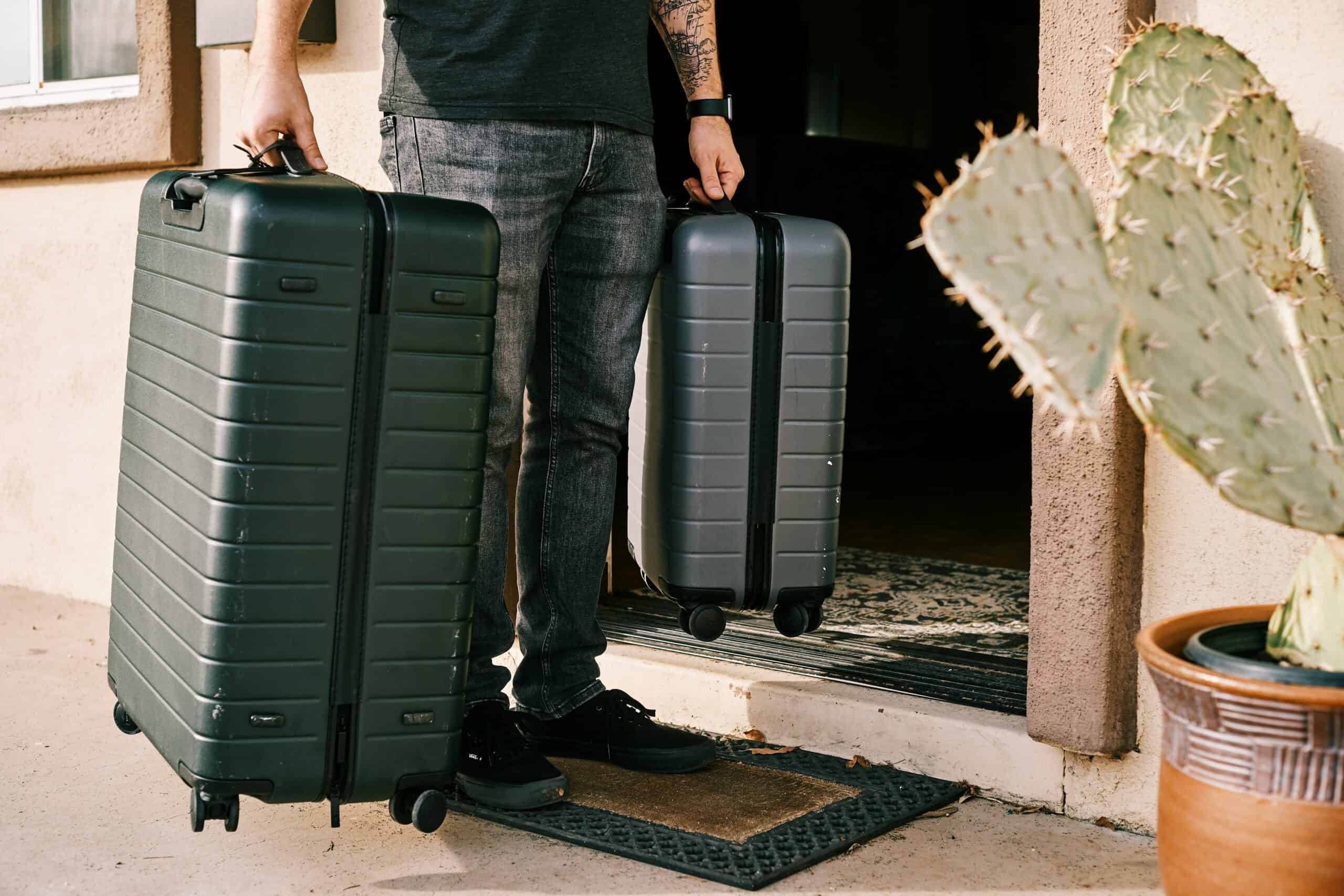
Big checked bags look efficient at home, then become a liability on cobblestones, tight sidewalks, and station stairs where elevators are scarce or crowded. Oversized cases also invite overpacking, turning every transfer into a slow shuffle and every small hotel room into a game of suitcase Tetris, especially when elevators are the size of a closet and older buildings have multiple flights to climb. Many frequent Europe travelers cap luggage at carry-on size, pick sturdy wheels, and pack for easy lifting onto train racks and budget-airline bins, which also dodges checked-bag lines, lost-luggage stress, and awkward walks to apartment key pickups.
A U.S.-Voltage Hair Dryer or Curling Iron
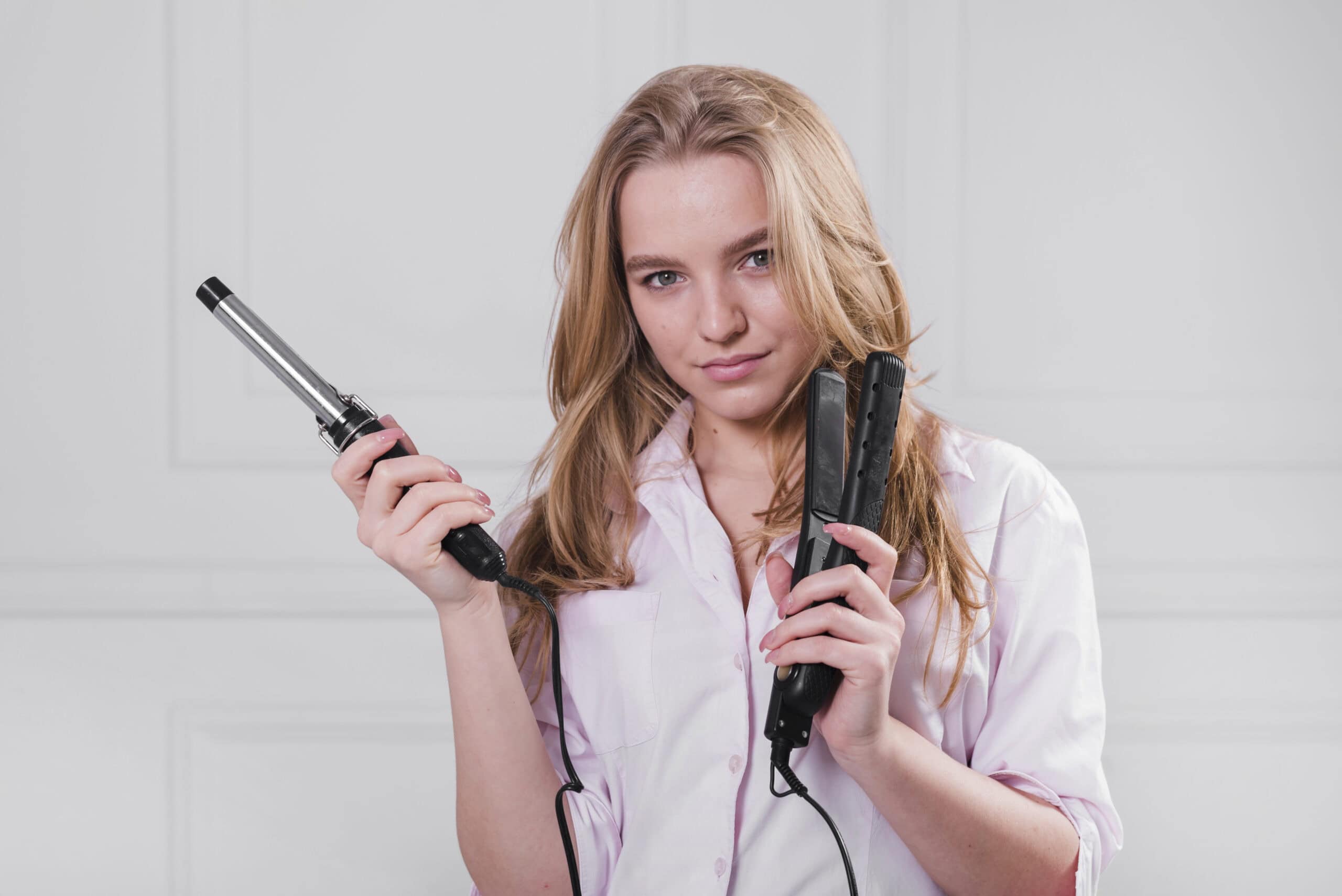
Next, high-wattage hair tools from the U.S. are a classic mistake in 220–240V countries, even when a cheap adapter makes the plug fit. An adapter only changes the shape of the plug; without a proper converter, devices can overheat, trip breakers, or quietly burn out after one use, and a converter strong enough for heat tools can be heavy, loud, and unreliable in small hotel bathrooms. Many travelers skip them, use hotel dryers, or buy a dual-voltage option labeled 100–240V, then pack the right plug adapter for the region, since outlets vary between much of continental Europe, the U.K., and Ireland, and charging spots can be scarce on trains.
Full-Size Toiletries and Aerosols

Then, full-size shampoos, sprays, and lotions add surprising weight, leak under cabin pressure, and often duplicate what is easy to buy in European supermarkets and pharmacies. Flights also come with liquid rules that make oversized bottles a hassle at security, and aerosols can trigger extra screening when bags are already tight on space and time is short between connections. Travelers who pack small decantables, a solid bar, and one trusted skin product move faster through airports, keep luggage lighter, and still have room for essentials like blister care, mini detergent sheets, a stain stick, travel-size sunscreen, and a tiny bottle of hand wash.
A Shoe Collection Instead of Two Smart Pairs
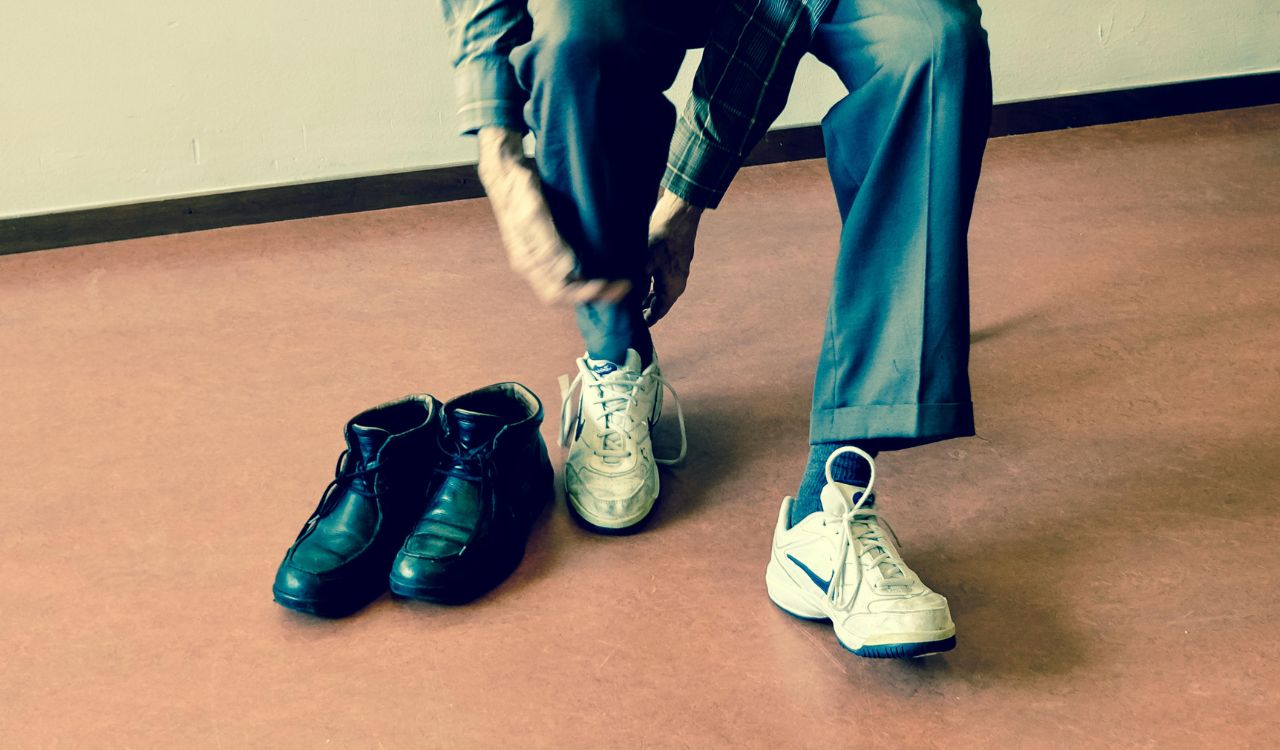
Footwear-wise, Europe days can run long, and the wrong shoes turn a beautiful neighborhood into a grind by lunchtime, especially on uneven stone, steep old-town streets, and long museum floors. Packing four or five pairs usually means none are truly broken in, and the extra bulk steals space from layers, a rain shell, or a better day bag that actually gets used on trains and walking tours. Many seasoned travelers bring one comfortable walking pair and one nicer option that still handles stairs and slick sidewalks, avoid flimsy flip-flops for city days, and choose soles that grip wet stone, since sudden showers make plazas and steps slippery.
Loud Logos and Flashy Jewelry

Big logos, designer shopping bags, and glittery jewelry can telegraph wealth in the exact places where pickpockets scan for easy targets, from packed metros to busy squares. The risk is not limited to one city; crowded transit and tourist corridors create the same opportunity everywhere, especially when travelers are juggling phones, tickets, and luggage near doorways, escalators, and station exits. People who dress neatly but quietly blend in, keep watches and chains minimal, carry only the cash needed for the day, and choose simple bags with zippers or crossbody straps, keeping wallets and phones in front pockets or inner compartments on transit.
Loose Pills and Unlabeled Medications

Loose pills in a plastic bag create problems at borders and bigger problems if a medication is lost, mixed up, or questioned during a routine check. Some countries expect prescriptions to be identifiable, and controlled substances can have stricter rules than travelers realize, even when the medication is common at home, which is why unlabeled containers raise eyebrows fast. The safer habit is original packaging or blister packs, a copy of prescription details or a brief doctor note, photos of labels saved on a phone, and meds kept in carry-on luggage, plus a small, clearly labeled day kit, a simple dosage schedule, and an extra two-day buffer.
Pepper Spray and Other Restricted Self-Defense Items

Pepper spray, stun guns, and certain knives that feel normal in parts of the U.S. can be restricted, regulated, or illegal in some European countries, and airports treat them as weapons. Even when enforcement varies, carrying the wrong item can turn a routine bag check into a serious headache, including confiscation, fines, or missed flights when security pulls a bag aside. Travelers who focus on situational awareness, well-lit routes, and trusted transportation options avoid legal risk, and they trade prohibited tools for habits like sharing live location, keeping phones charged, using official taxis or apps, and knowing local emergency numbers.
Heavy Cotton Layers That Never Dry

Bulky jeans, thick hoodies, and heavy cotton layers sound comforting, but they dry slowly and feel miserable after a surprise rain, a spilled espresso, or a rushed sink wash. In humid coastal cities or winter drizzle, cotton can stay damp for days, and that forces travelers to pack extra, which compounds the weight problem and clutters small closets and radiators meant for quick drying. Lightweight layers that breathe, a compact rain shell, and fabrics that dry overnight, like quick-dry trousers or merino blends, make packing more flexible, and they keep bags manageable while saving time, coins, and hassle at laundromat dryers and hotel sinks.
A Stack of Paper Guidebooks and Printed Everything

Paper guidebooks feel reassuring, but they are heavy, go out of date, and become awkward to use when rain starts or a train is boarding. Thick folders of printouts also get lost, wrinkled, or smudged, leaving travelers digging through backpacks at the exact moment a gate changes, a platform number updates, or a museum entry time shifts, while everyone else is already moving. Most experienced travelers keep key documents saved offline on a phone, download maps, store reservations as QR codes, and carry one small print backup only for essentials like a rail pass, a hotel address, a contact number, a passport photocopy, and a simple emergency card.
Extra Gadgets That Add Weight and Anxiety
Finally, Europe trips often collapse under gadget creep: a big camera, multiple lenses, a laptop, two power banks, and a tangle of cables for devices that never leave the bag. More gear means more charging, more worry about theft, and more time scanning for outlets instead of enjoying a neighborhood café, a late museum night, or a slow dinner that runs past 10 p.m. Travelers who pick one primary camera option, one reliable power bank, and a compact charger that handles multiple devices, then back up photos and skip the laptop unless work demands it, end up moving faster, blending in better, and saving money on baggage fees, repairs, and replacements.