We may earn money or products from the companies mentioned in this post. This means if you click on the link and purchase the item, I will receive a small commission at no extra cost to you ... you're just helping re-supply our family's travel fund.

Travel dynamics have changed noticeably over the last decade. With overtourism complaints rising by over 38% globally since 2018, Americans have become more conscious of how quickly they stand out abroad. Being instantly identified can affect pricing, social interactions, and even personal safety in some regions. As a result, experienced U.S. travelers are quietly adapting their behavior, not to hide who they are, but to move more comfortably through foreign spaces. These changes are subtle, practical, and increasingly common among frequent international travelers.
1. They Abandon Logo-Heavy Clothing and National Identifiers

Americans are increasingly avoiding clothing that visibly ties them to the U.S., including branded hoodies, sports caps, and slogan tees. A 2024 survey of international tour operators found 61% could identify Americans by clothing alone within minutes. To counter this, travelers now favor muted colors, simple layers, and locally common styles. This shift reduces vendor targeting and unwanted attention, especially in high-tourism zones where prices can inflate by 15–25%for visibly foreign visitors. The goal isn’t fashion conformity, it’s visual neutrality that allows Americans to pass unnoticed in everyday settings.
2. They Consciously Lower Their Speaking Volume in Public Spaces

Volume remains one of the fastest American giveaways. Studies measuring ambient noise in cafes across Europe show U.S. voices average 20–30% louder than local norms. Modern travelers actively self-monitor, especially indoors, on trains, and in museums. Many pause conversations entirely during transit or switch to quieter tones after noticing reactions. This adjustment minimizes stares and reduces social friction. In quieter cultures, lowering volume can instantly shift how locals respond, making interactions feel less transactional and more respectful without saying a single word.
3. They Delay Revealing Their Nationality in Casual Conversations

Rather than opening with “I’m American,” travelers now let nationality surface organically. According to expat polling, 47% of Americans abroad report better interactions when nationality isn’t disclosed immediately. Some respond with a city or region instead of a country, avoiding stereotypes tied to U.S. politics or media. This approach helps prevent assumptions and keeps conversations neutral. Especially in regions where American foreign policy is unpopular, delaying identification often results in warmer exchanges and fewer uncomfortable debates.
4. They Learn Greeting Behavior, Not Just Basic Phrases
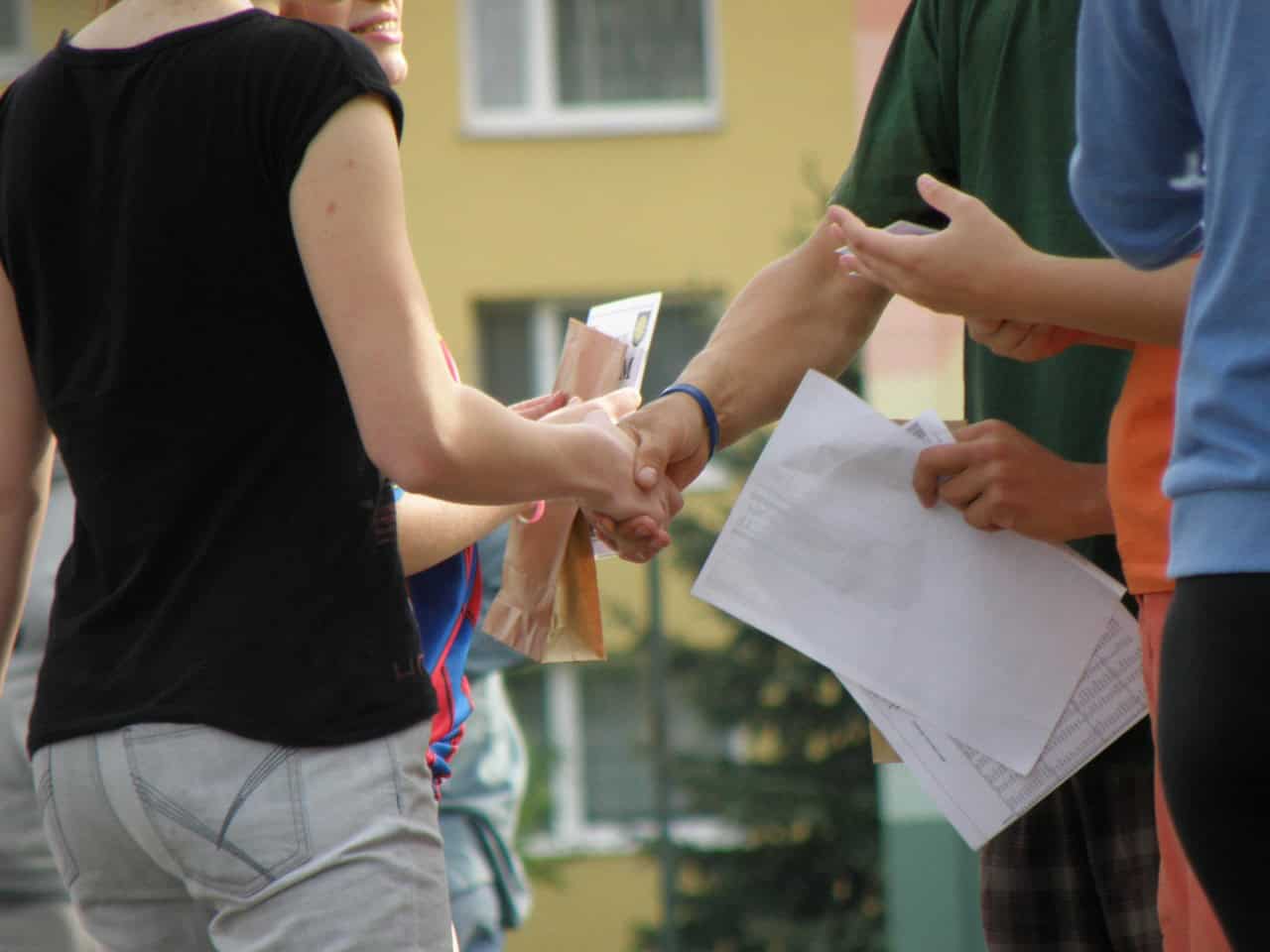
Knowing words is no longer enough, behavior matters. Americans increasingly study how locals greet, including eye contact, physical distance, and facial expressions. Cultural misalignment accounts for nearly 30% of reported tourist complaints in Europe and East Asia. Over-enthusiasm, excessive smiling, or immediate small talk can feel intrusive in some cultures. By mirroring local greeting norms, Americans avoid standing out socially. This behavioral fluency signals awareness and respect more clearly than accent-free pronunciation ever could.
5. They Adjust Expectations Around Customer Service Styles

U.S. service culture emphasizes friendliness and constant engagement, but that standard doesn’t travel well. International hospitality data shows 52% of service complaints involving Americans stem from mismatched expectations. Experienced travelers now accept neutral or reserved service as normal, not rude. They ask fewer follow-ups, avoid special requests, and don’t expect emotional validation. This shift reduces visible frustration—one of the clearest nationality markers—and helps interactions remain smooth and professional rather than tense.
6. They Handle Money More Discreetly and Observe Local Payment Norms
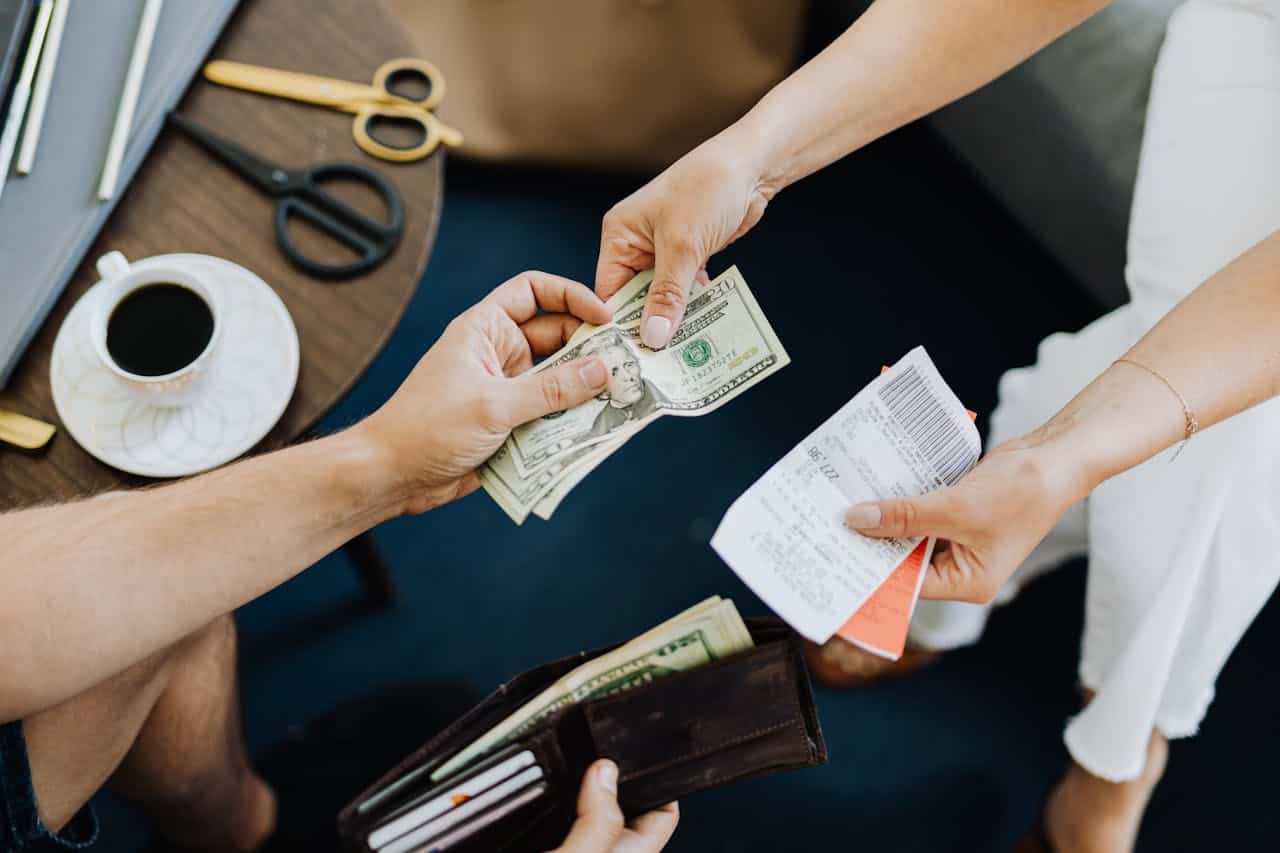
Money behavior often reveals nationality instantly. Flashing cash, asking about tipping aloud, or fumbling with large bills marks Americans quickly. Fraud studies show tourists perceived as wealthy face up to 40% higher scam targeting. Travelers now watch how locals pay, carry smaller denominations, and use regional payment apps where common. They also research tipping norms in advance, avoiding awkward questions that signal unfamiliarity. Subtle financial behavior helps Americans blend in while reducing unwanted attention.
7. They Stop Verbally Comparing Everything to the U.S.

Statements like “Back home we do it differently” remain one of the fastest American identifiers. Linguistic research shows Americans reference their home country nearly twice as often as other tourists. Modern travelers consciously avoid vocal comparisons, even when systems feel inefficient. Internalizing differences instead of narrating them aloud prevents social distancing and resentment. Quiet adaptation is perceived as respect, while constant comparison often reads as judgment, even when unintended.
8. They Adapt to Local Dining Rhythms and Restaurant Culture
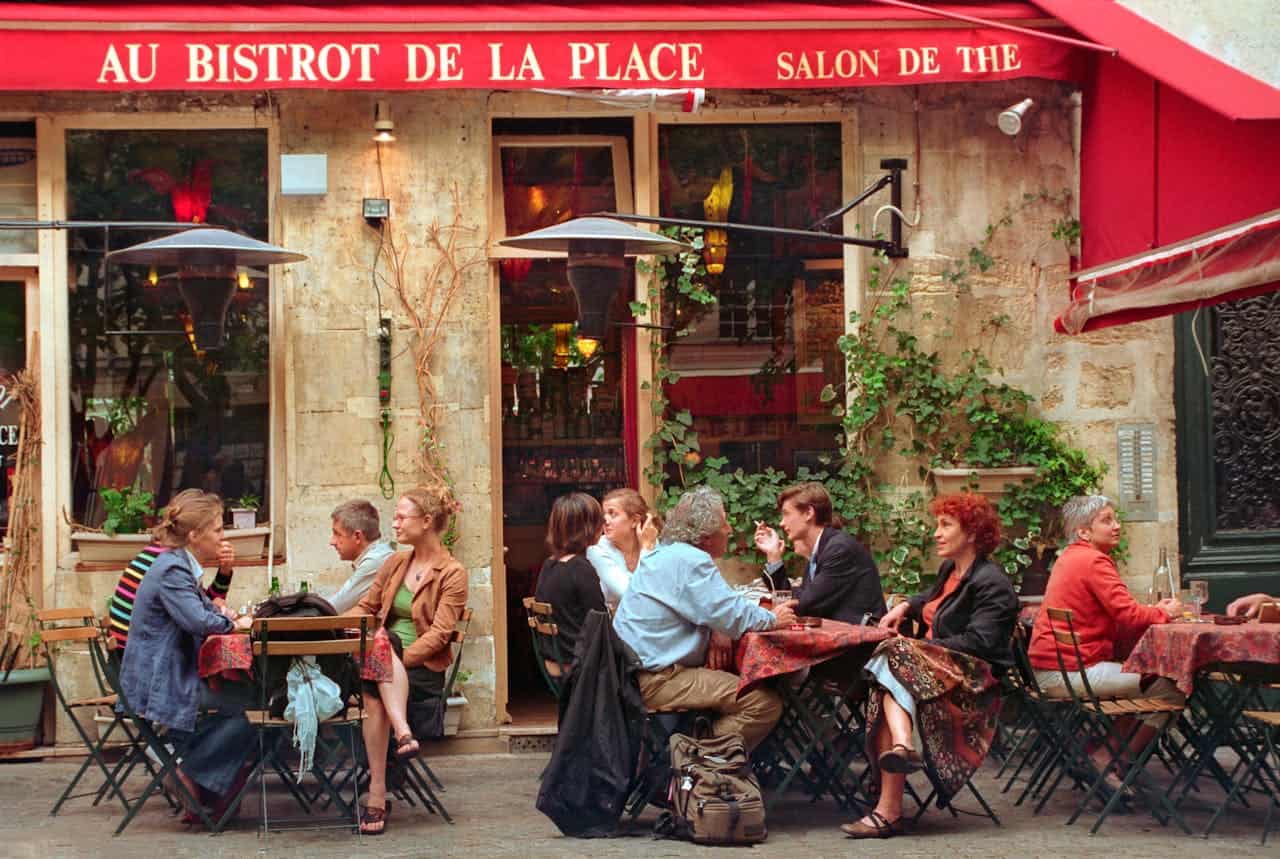
Dining behavior is a major visibility factor. Americans historically eat earlier, expect faster service, and request more modifications. Restaurant data across Southern Europe shows early diners are 35% more likely to be identified as American. Travelers now research meal times, accept slower pacing, and order with minimal changes. Lingering over meals without rushing staff aligns them with local habits. This shift reduces friction and improves service quality without requiring language fluency.
9. They Become More Selective About Initiating Conversations

American friendliness can stand out sharply abroad. In many cultures, unsolicited conversation feels unusual or intrusive. Surveys show 42% of locals associate excessive small talk with American tourists. Travelers now wait for contextual cues before engaging, responding warmly but rarely initiating. This restraint helps them blend socially and prevents discomfort. When conversations do occur, they’re often deeper and more genuine because they’re invited rather than imposed.
10. They Travel With a Low-Profile, Observational Mindset

The most significant shift is mental rather than behavioral. Americans increasingly adopt a “watch first, act later” approach. Travel safety data shows low-profile tourists experience 28% fewer confrontations. This mindset includes quieter reactions, fewer public complaints, and patience during confusion. Instead of announcing uncertainty, travelers observe how others navigate the same situation. Blending in isn’t about hiding, it’s about moving through unfamiliar places with humility and awareness.