We may earn money or products from the companies mentioned in this post. This means if you click on the link and purchase the item, I will receive a small commission at no extra cost to you ... you're just helping re-supply our family's travel fund.
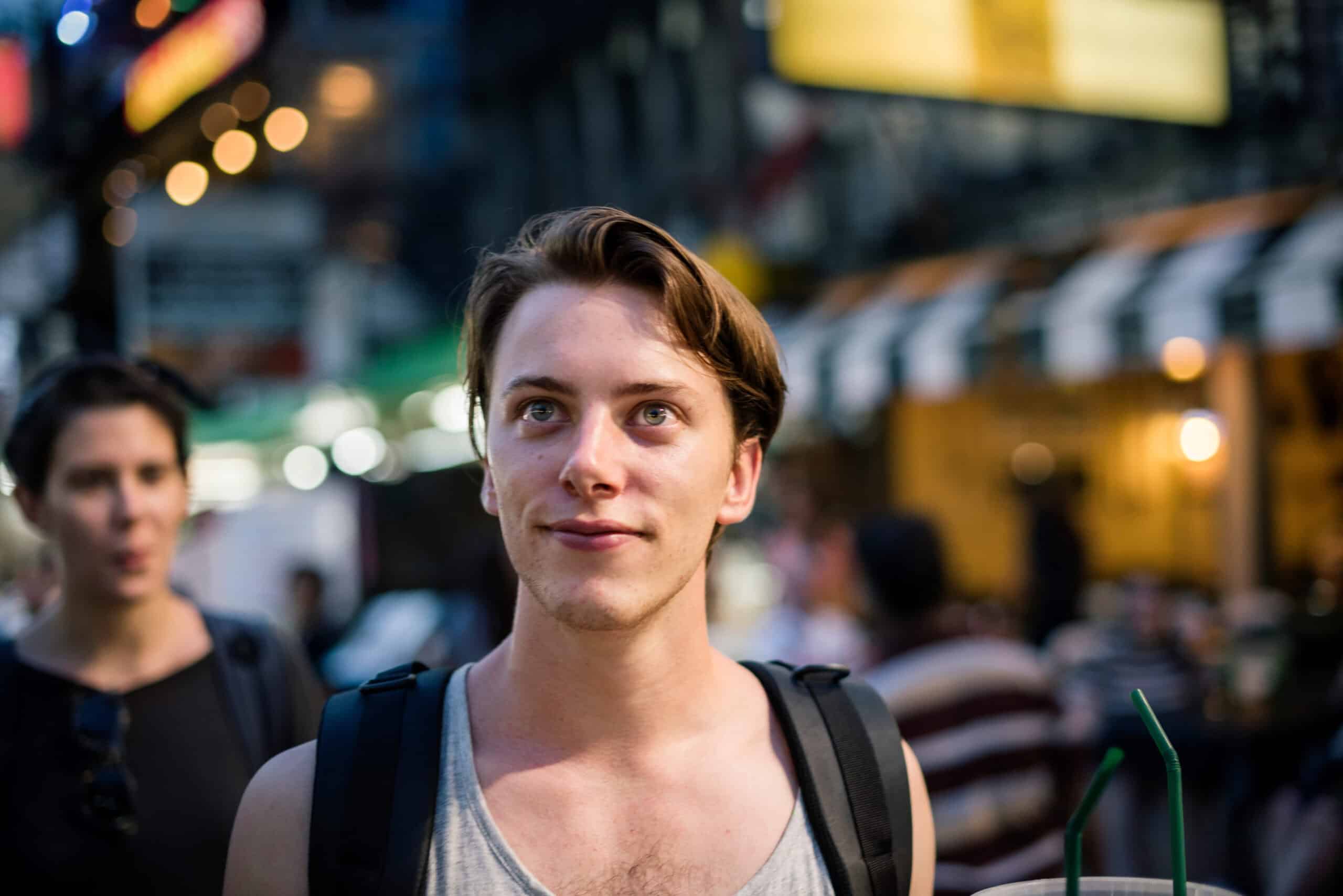
Travel does not just reveal landscapes. It reveals habits, volume, timing, and the tiny assumptions people carry without noticing. Americans abroad are often seen as open, friendly, and eager, but a few familiar routines can read as funny, pushy, or strangely oblivious once they land in another culture. What draws the private smile is rarely open disrespect. More often, it is a loud voice on a quiet train, a rushed meal in a slow city, or the belief that the world should work exactly like home.
Speaking Like The Whole Street Is Listening

In places where public space runs on softer social cues, American volume can arrive before the person does. A quiet train, a small café, or a narrow museum corridor can all feel smaller when one voice starts filling the room like a podcast nobody asked to hear, and that contrast stands out sharply in countries where etiquette guidance stresses calm, quiet shared spaces. Locals usually do not confront it. They trade a glance, offer a polite smile, and mark the traveler instantly as someone who has not yet realized that silence is not awkward there. It is part of the social agreement.
Walking Into Shops Without Greeting Anyone
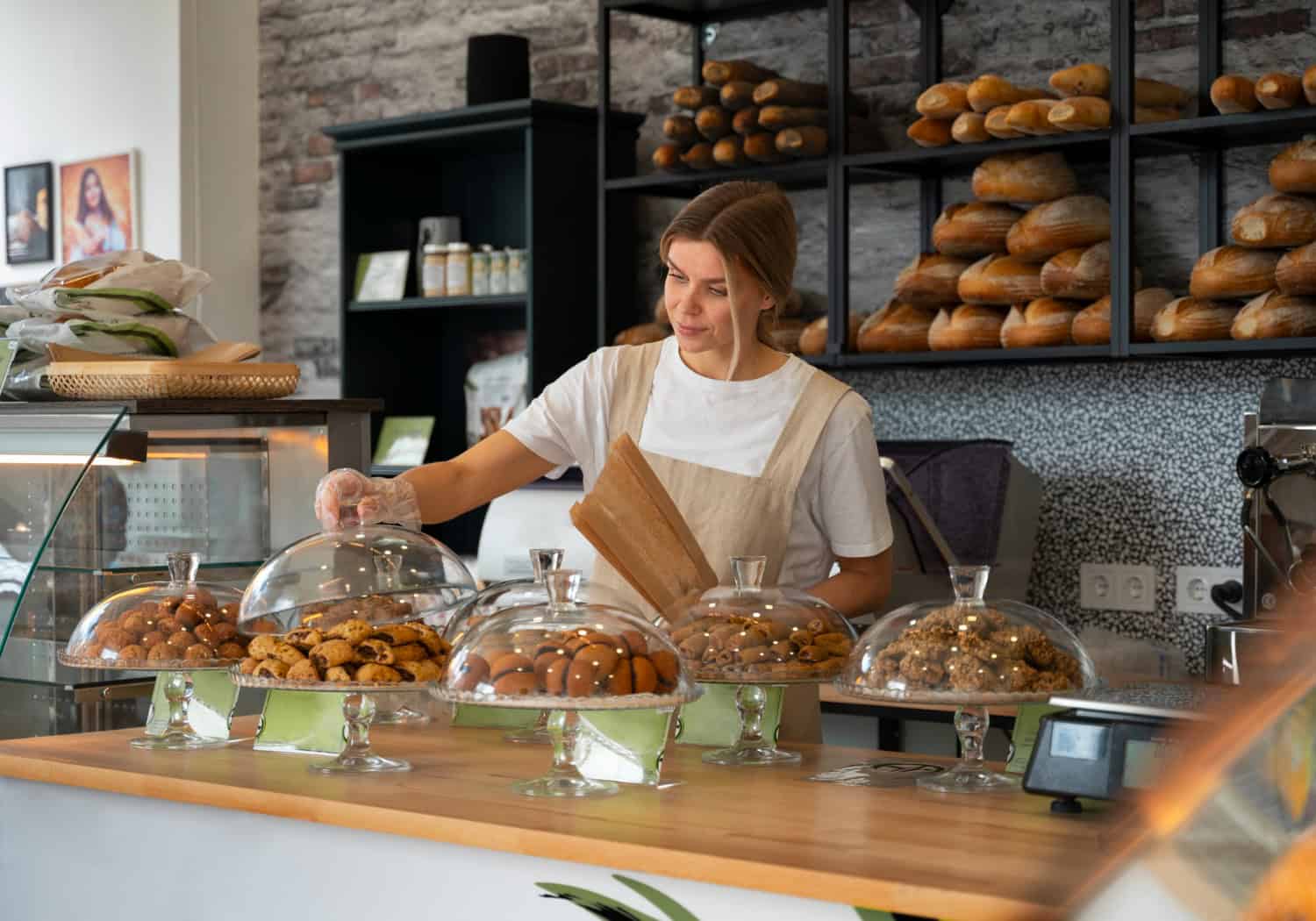
One of the quickest ways to sound abrupt overseas is to skip the social opening and go straight to the transaction. In parts of France, a simple bonjour or bonsoir is not decorative politeness but the expected beginning of the exchange, so walking into a bakery, hotel, or shop and leading with a request can make an otherwise decent traveler seem cold, impatient, or strangely entitled. That is why locals notice the omission immediately. The words are small, but they signal whether someone sees the person first or only the service.
Assuming English Should Magically Solve Everything

Most locals do not expect elegant phrasing or perfect grammar from foreign visitors. What lands badly is the assumption that English should fix every interaction on command, with no pause, no softening phrase, and no visible attempt to meet the moment halfway, especially in places where official tourism guidance openly notes that even basic local greetings are appreciated. Without that effort, confusion can start looking like arrogance. The private mockery comes from the traveler who seems stunned that another country has its own language and acts as if that inconvenience belongs to everyone else.
Tipping Like The World Uses One Rulebook

Americans are trained by habit to think tipping equals respect, and that instinct travels fast. The problem is that it does not travel universally: Japan’s official tourism guidance says tipping is not customary and may create confusion or discomfort, because good service is treated as part of the job rather than a moment that demands extra cash. Elsewhere, lighter rounding customs or built-in service charges shift the math. Locals often smile at the visitor who pushes money forward with great certainty, as if gratitude only counts when it follows the American script exactly.
Dressing Too Casually For Churches And Sacred Places

A surprising number of travelers can sound respectful and still dress as if sacred places are just scenic backdrops. That mismatch gets noticed fast, especially in places like the Vatican Museums, where current visitor guidance still requires modest clothing with shoulders and knees covered and treats the site as more than a tourist stop. Locals rarely stage a lecture over it. They simply read the outfit as proof that the visitor wanted the photo, the history, and the access without taking even a minute to understand what kind of space stood in front of them.
Expecting Dinner Before The Evening Starts
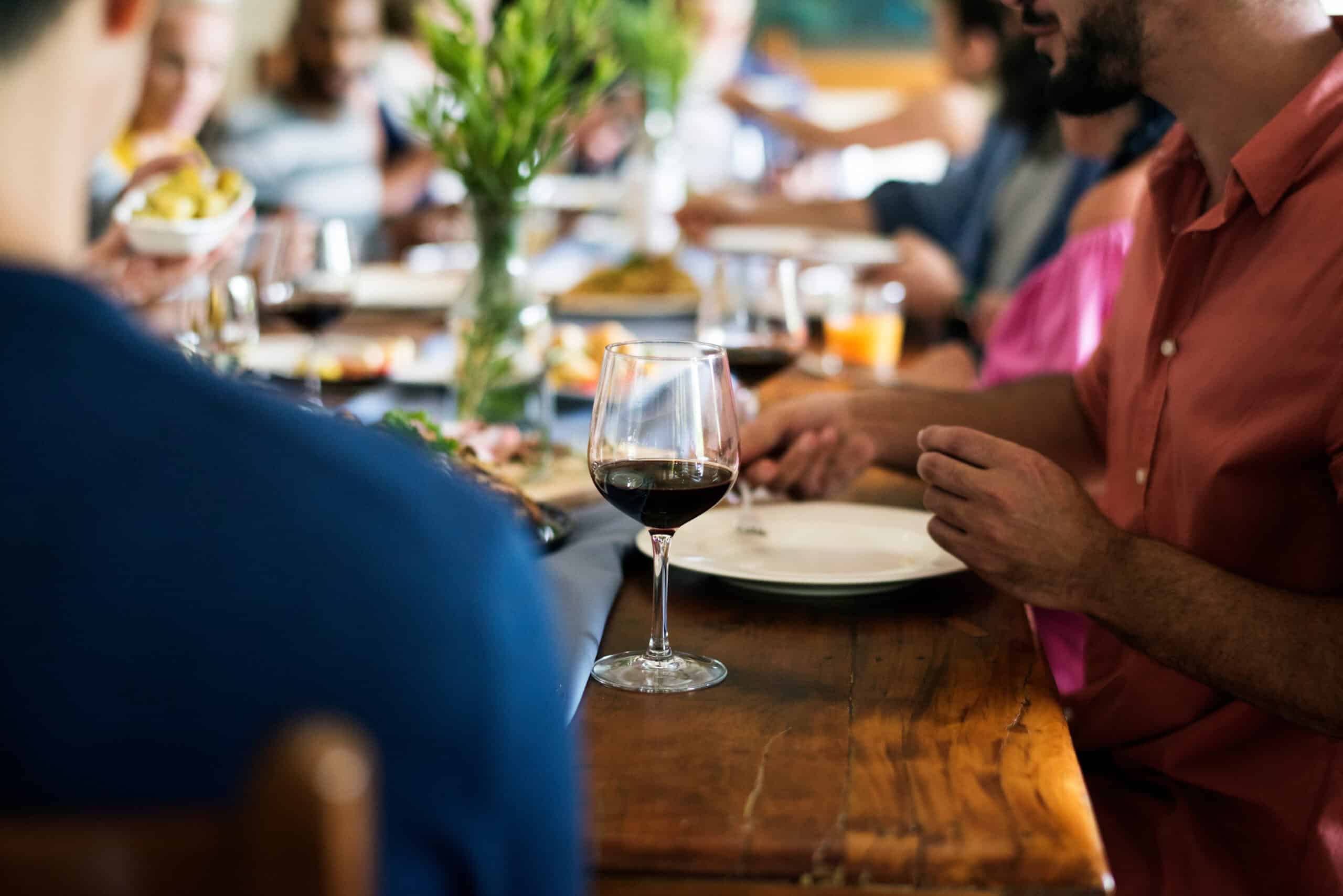
Americans who carry a strict dinner clock often seem genuinely betrayed by countries that eat later. In Spain, official tourism guidance still places lunch in the early afternoon and dinner deep into the evening, often beginning around 8 p.m. and stretching later in major cities, so the traveler hunting urgently for a full meal at 5:30 p.m. can look less unlucky than unprepared. Locals find the panic funny because the country is not running late at all. It is following its own rhythm, and that rhythm did not begin with tourism.
Rushing Meals Like There Is A Stopwatch On The Table

Some travelers sit down abroad and eat as if the meal is an obstacle standing between them and the next attraction. That hurried energy reads oddly in places where dining is meant to stretch, settle, and leave room for conversation, and French tourism guidance for Corsica explicitly frames long, relaxed meals as part of local culture rather than wasted time. So when someone orders fast, eats fast, and asks for the check before the table has even breathed, locals often read it as a person who traveled far but never really arrived in the room.
Blocking Escalators And Train Doors
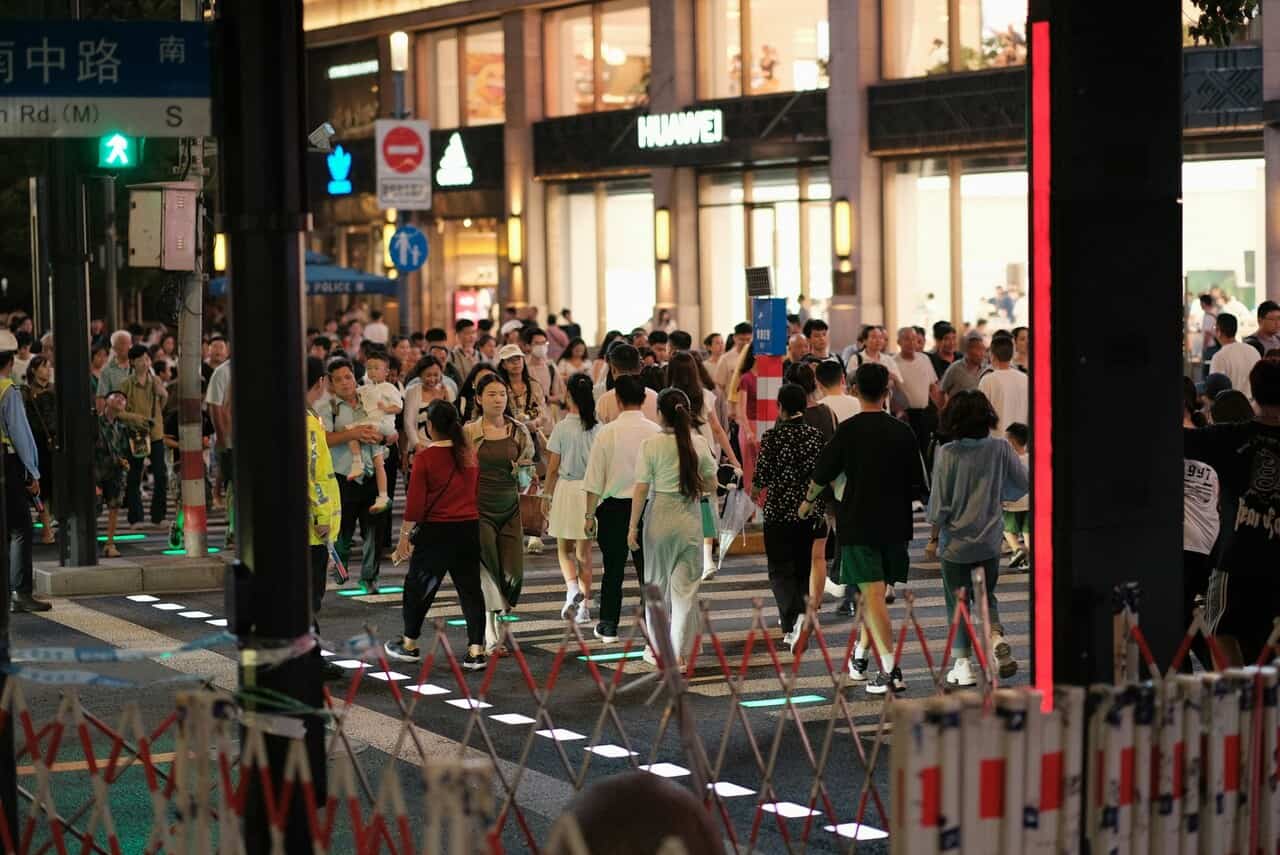
Nothing labels a visitor faster than becoming a moving obstacle on transit. In London, standing on the right side of escalators has long been formalized in TfL byelaws, and official guidance also reminds passengers to let riders get off trains before boarding, so the person who blocks the lane, freezes at the top, or crowds the doors while others are still exiting creates irritation in seconds. Locals do not need to explain the problem. Their city has rehearsed that choreography for years, and the traveler missing every cue becomes instant commuter folklore.
Treating Public Transit Like A Private Lounge
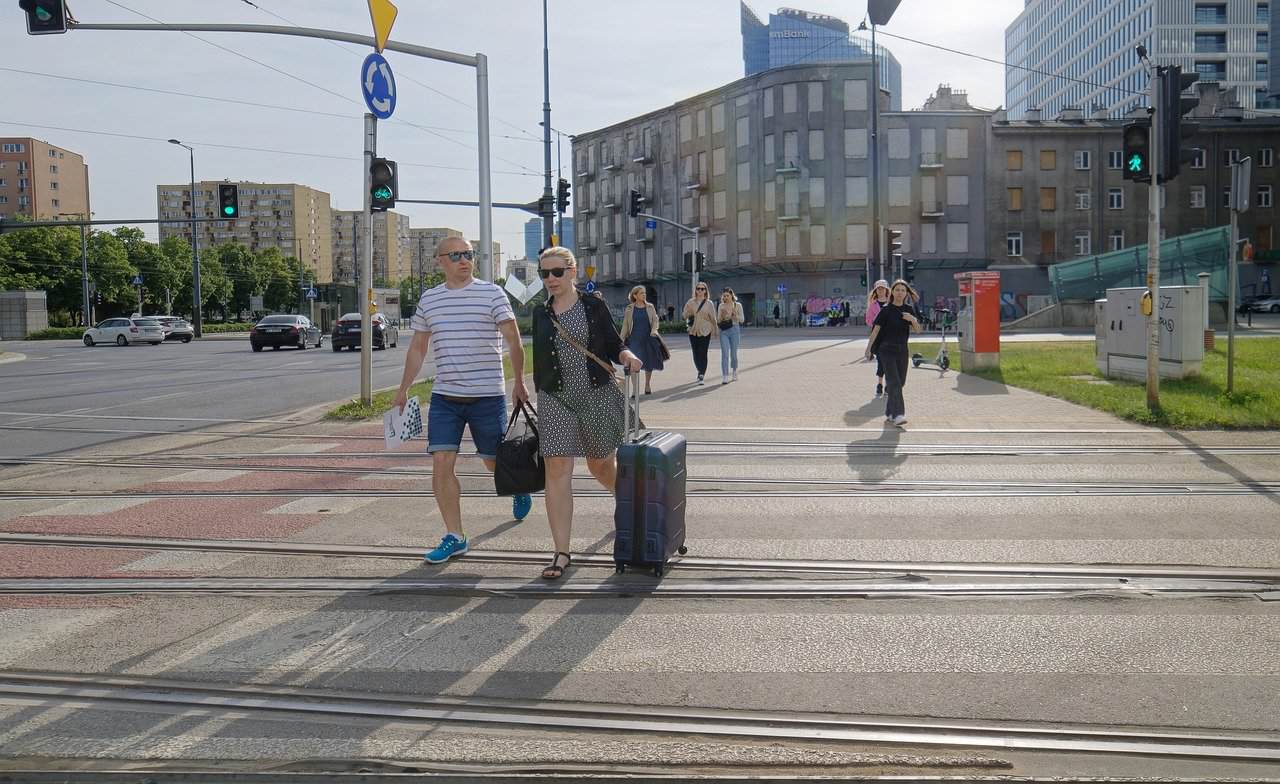
Public transit is where private habits become public theater. On Japanese rail networks, etiquette guidance stresses silent mode, avoiding phone calls, and keeping noise low for the comfort of others, which is why the traveler playing videos aloud, taking a speakerphone call, or spreading bags across shared space draws such quiet disbelief. The behavior does not read as confident. It reads as someone treating a common carriage like a personal den, and locals rarely need to say a word for that judgment to land from every seat nearby.
Turning Historic Places Into Personal Content Studios
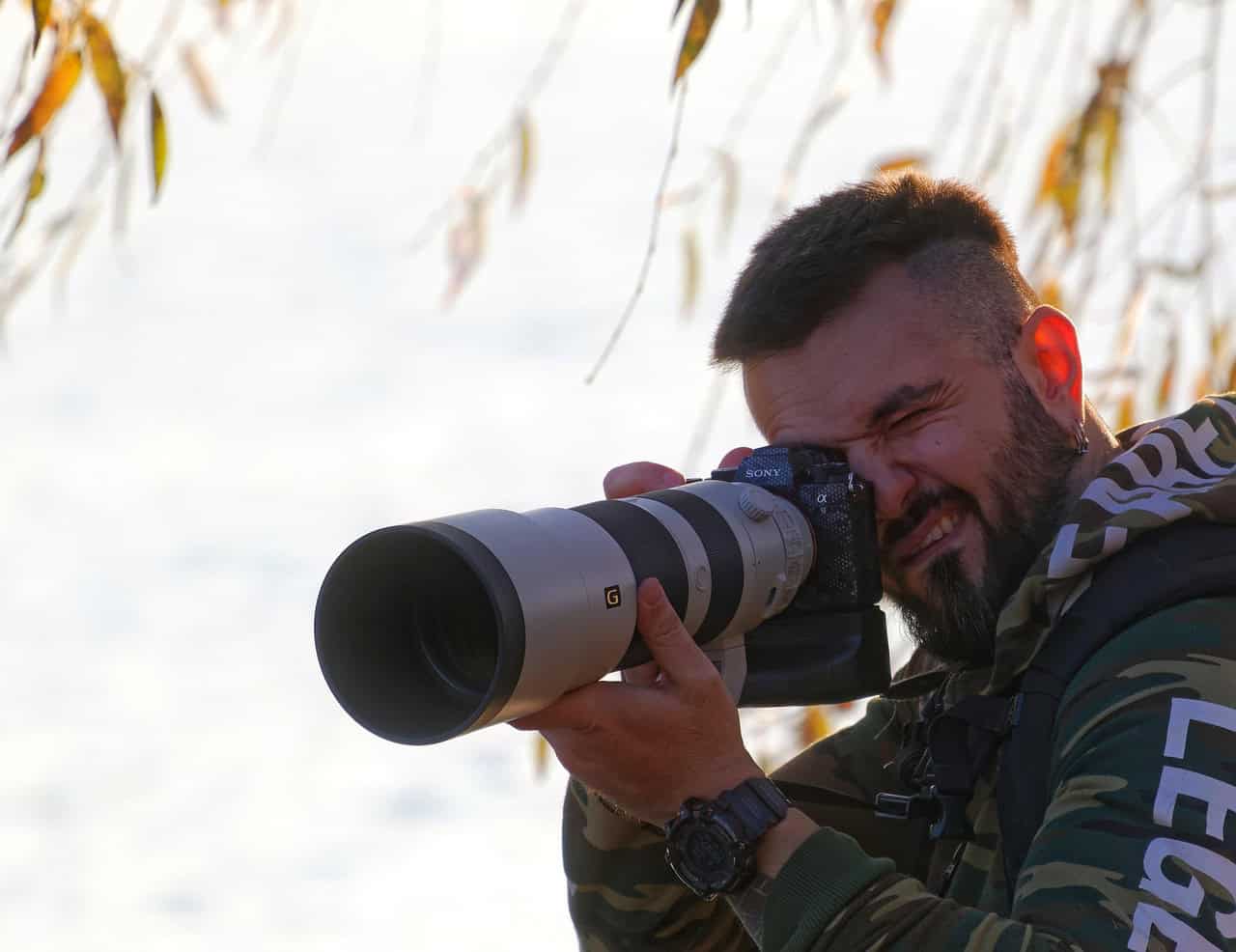
Historic and sacred places lose something when every moment is treated as raw material for content. The Vatican Museums still ban photography inside the Sistine Chapel, require absolute silence there, and prohibit selfie sticks across the museums, yet some travelers still enter in full production mode, narrating, posing, and framing the shot before they have even taken in the room. That is the version locals quietly mock most. Not enthusiasm, but self-importance, because it suggests the place exists to decorate a feed instead of asking for patience, reverence, and real attention.