We may earn money or products from the companies mentioned in this post. This means if you click on the link and purchase the item, I will receive a small commission at no extra cost to you ... you're just helping re-supply our family's travel fund.
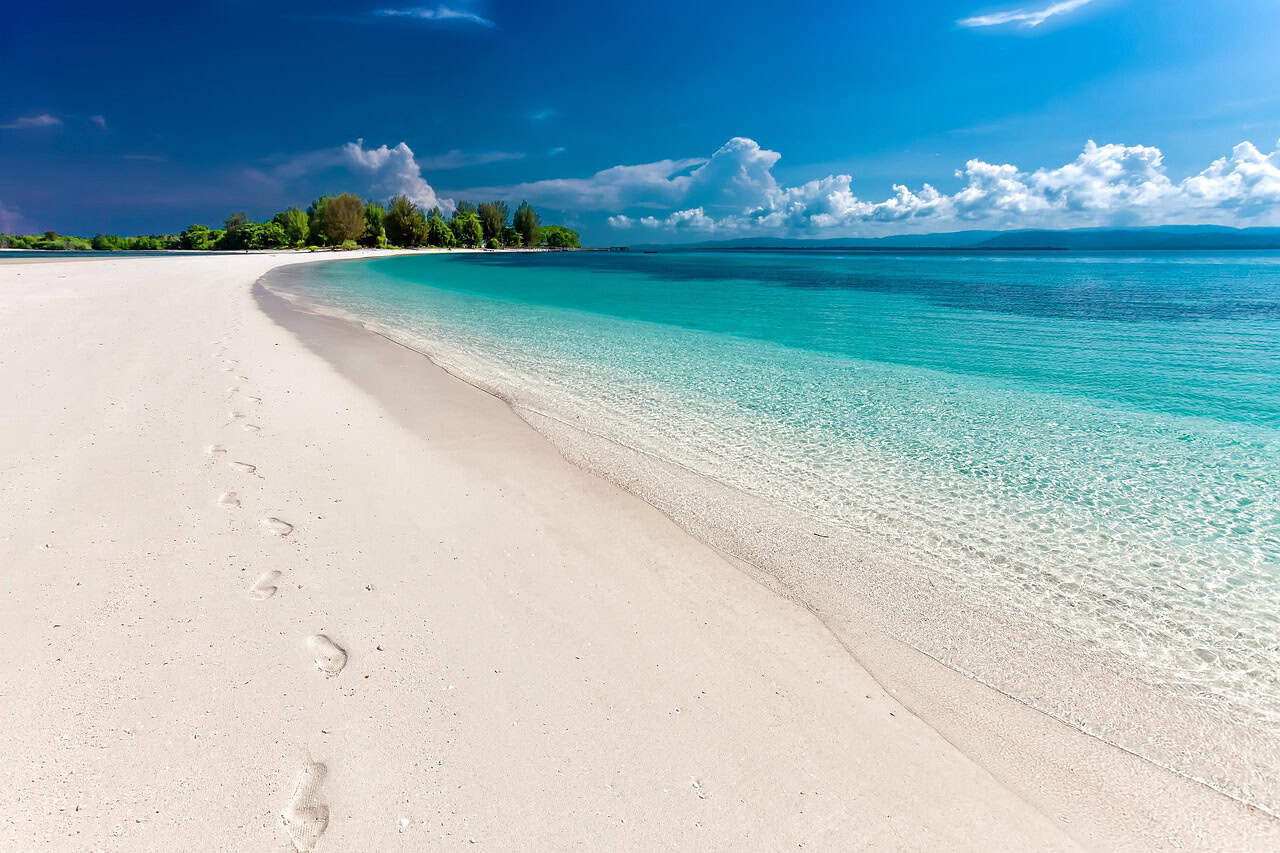
If you love the thrill of soaking up the sun, be warned: some destinations are not gentle. They gleam, they reflect, they intensify every beam of sunlight until your skin radiates heat long after you’ve left the beach. From desert cities to tropical paradises, these ten locations promise golden tans, unexpected burns, and memories drenched in sunlight. Sunscreen is mandatory, hydration essential, and humility unavoidable.
1. Dubai, UAE
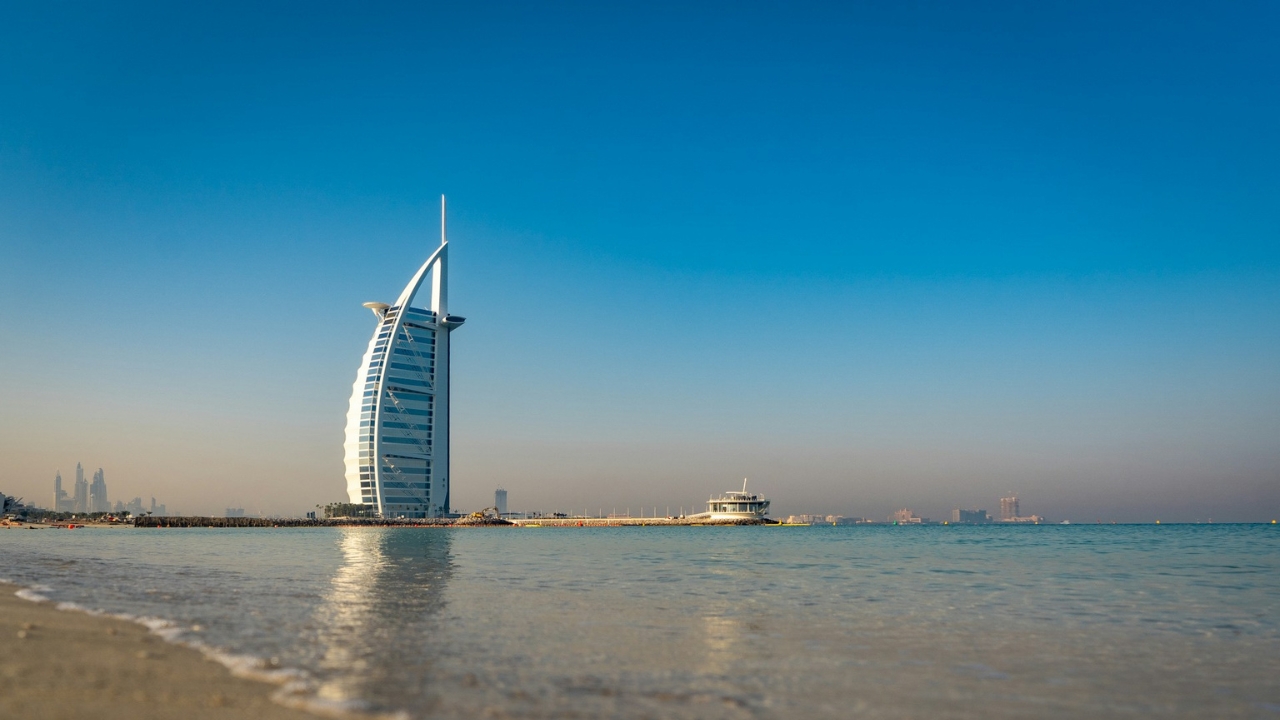
Dubai experiences over 3,500 hours of sunlight annually, making it one of the sunniest cities on Earth. Towering glass skyscrapers and reflective sand amplify UV intensity, turning casual strolls into inadvertent roasting sessions. Desert safaris, rooftop pools, and Marina walks mean exposure in every direction. The average midday temperature reaches 41°C (105°F) in summer, and humidity remains low, so sweat evaporates before you notice it. Even seasoned sun lovers leave pink and glowing by nightfall, discovering Dubai’s radiance comes at a literal cost.
2. Bali, Indonesia
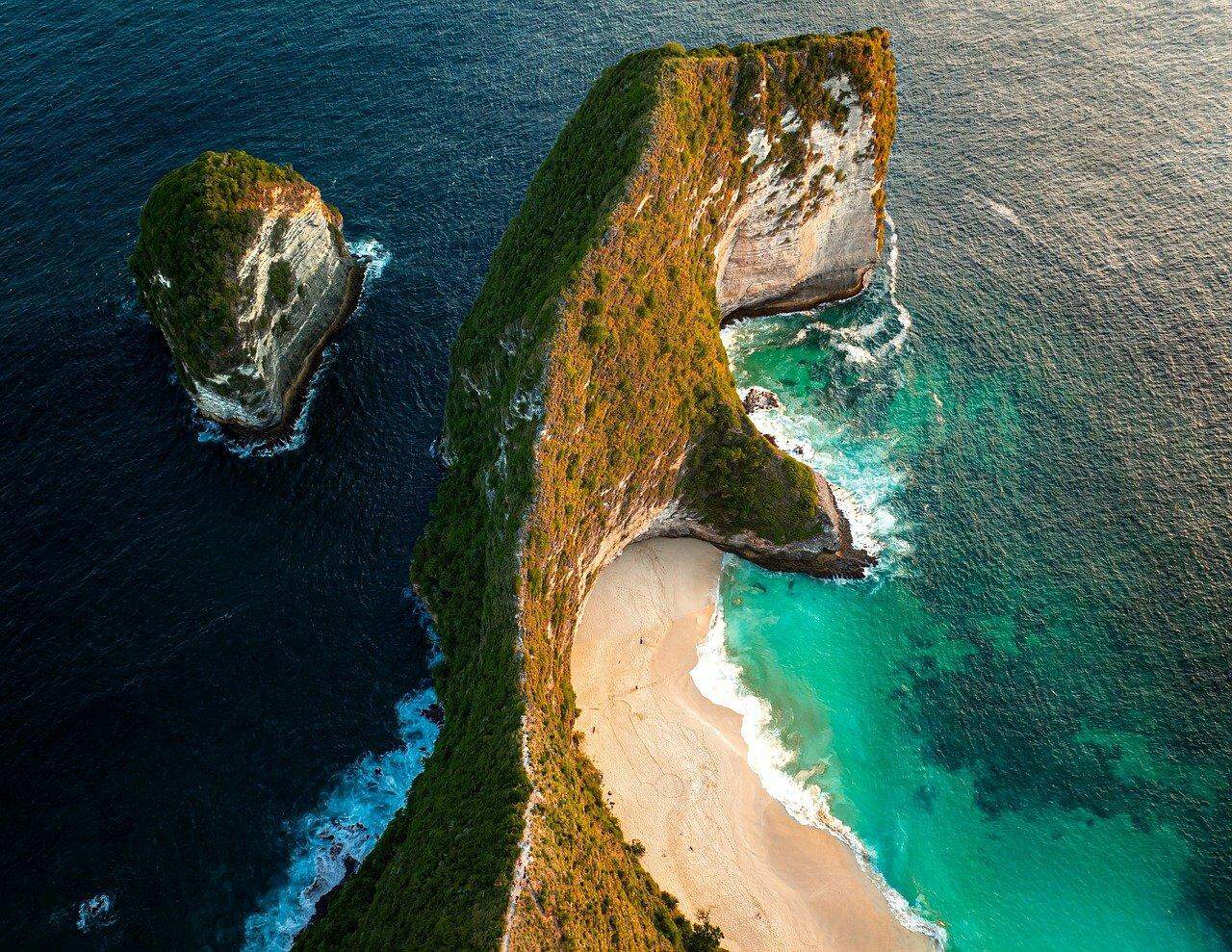
Bali sits almost directly on the equator, receiving approximately 12 hours of sunlight daily year-round. Humidity often exceeds 80%, making the sun feel stronger and more relentless. From white-sand beaches to verdant rice terraces, there’s shade rarely enough to save you from a gradual, sneaky burn. Average temperatures linger around 30°C (86°F), while UV index often peaks at 11, one of the highest globally. Tourists find themselves redder than the island’s iconic sunsets, learning tropical sun exposure demands vigilance, reapplication, and respect.
3. Cancún, Mexico
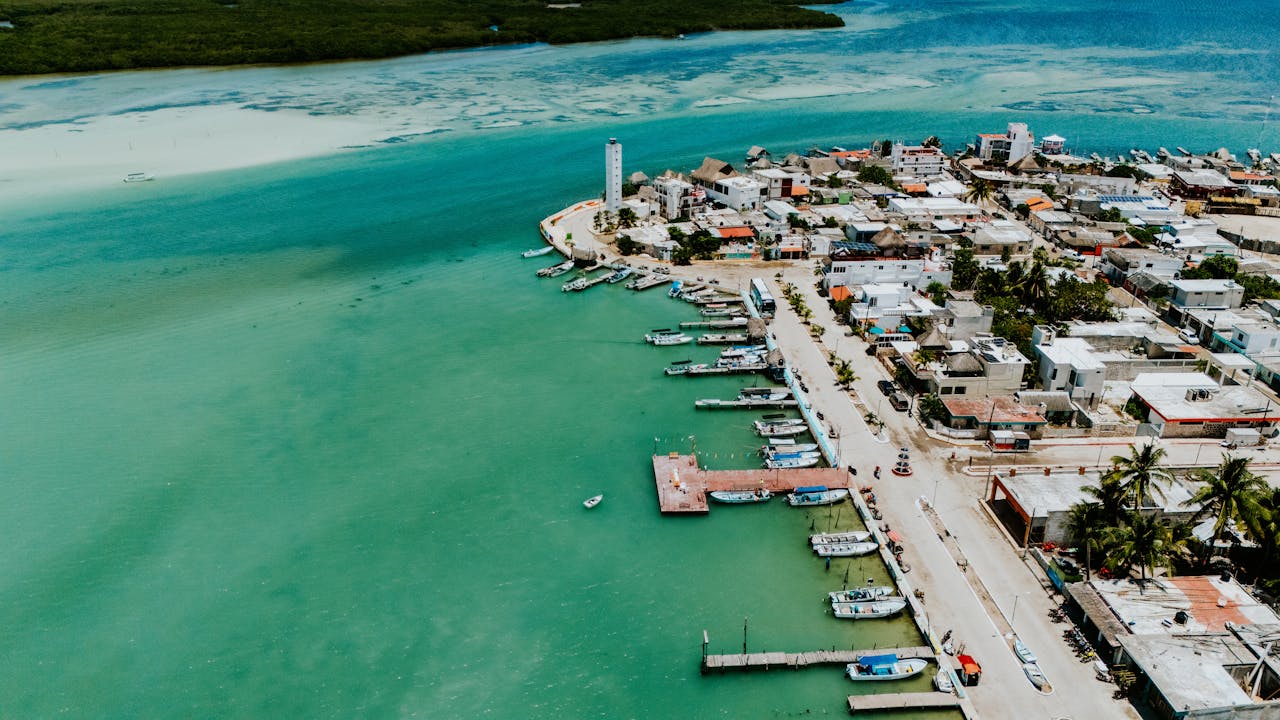
Cancún’s beaches reflect sunlight off pristine white sand, magnifying UV intensity during over 3,000 hours of annual sunshine. Tourists float in turquoise waters unaware that reflections double their exposure. Midday temperatures hover around 32°C (90°F) with high humidity, creating deceptively gentle conditions that result in deep sunburns. Boat trips, snorkeling, and resort lounging provide minimal natural shade, and the Caribbean sun punishes unprotected skin in under 30 minutes. Even brief afternoons leave visitors glowing, slowly realizing water and fun are merciless allies of the sun.
4. Santorini, Greece
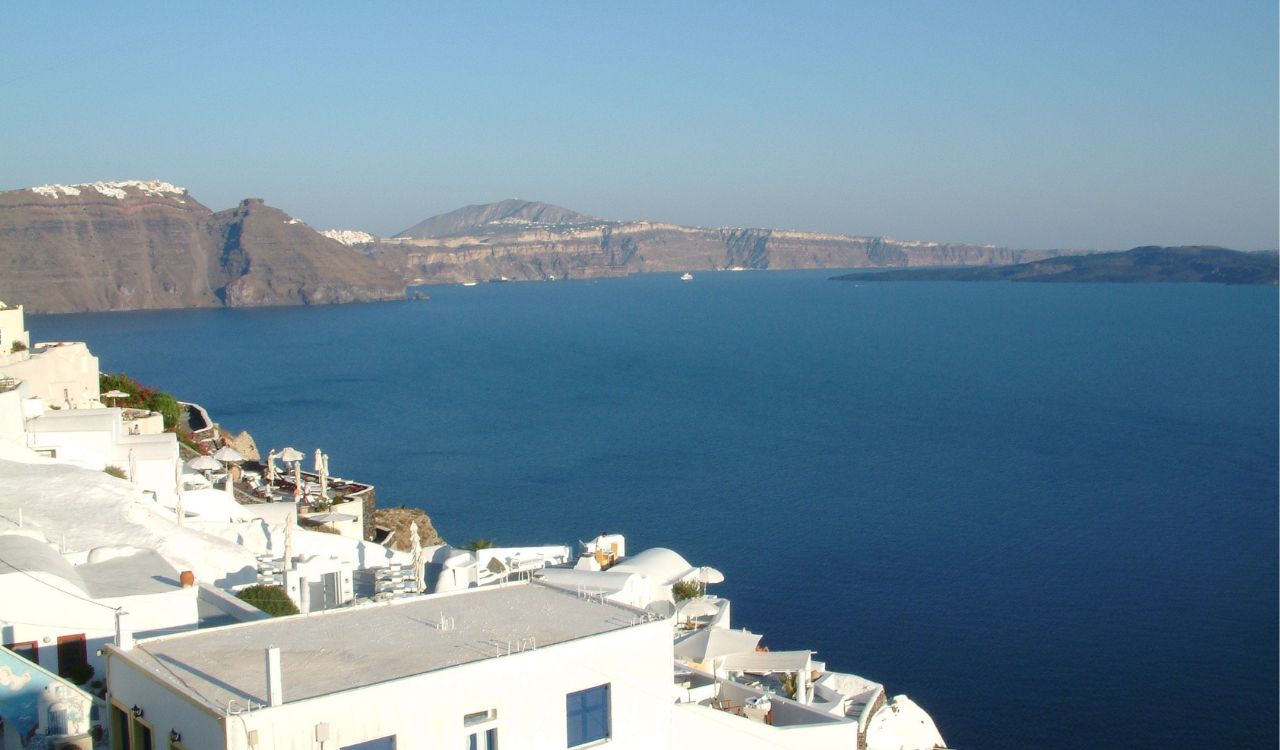
Santorini enjoys over 3,000 hours of annual sunlight, and the island’s whitewashed architecture intensifies exposure by reflecting UV rays upward. Hiking caldera trails in the afternoon, when temperatures hit 28–32°C (82–90°F), provides sun exposure from all angles. Even sea breezes that feel cooling mask hidden burns on shoulders, arms, and feet. Tourists often underestimate midday sun, discovering tan lines with sharp contrasts and a persistent pink hue. Photogenic vistas come with a fiery cost, reminding visitors that the Aegean isn’t just scenic, it’s a slow-roasting paradise.
5. Phuket, Thailand
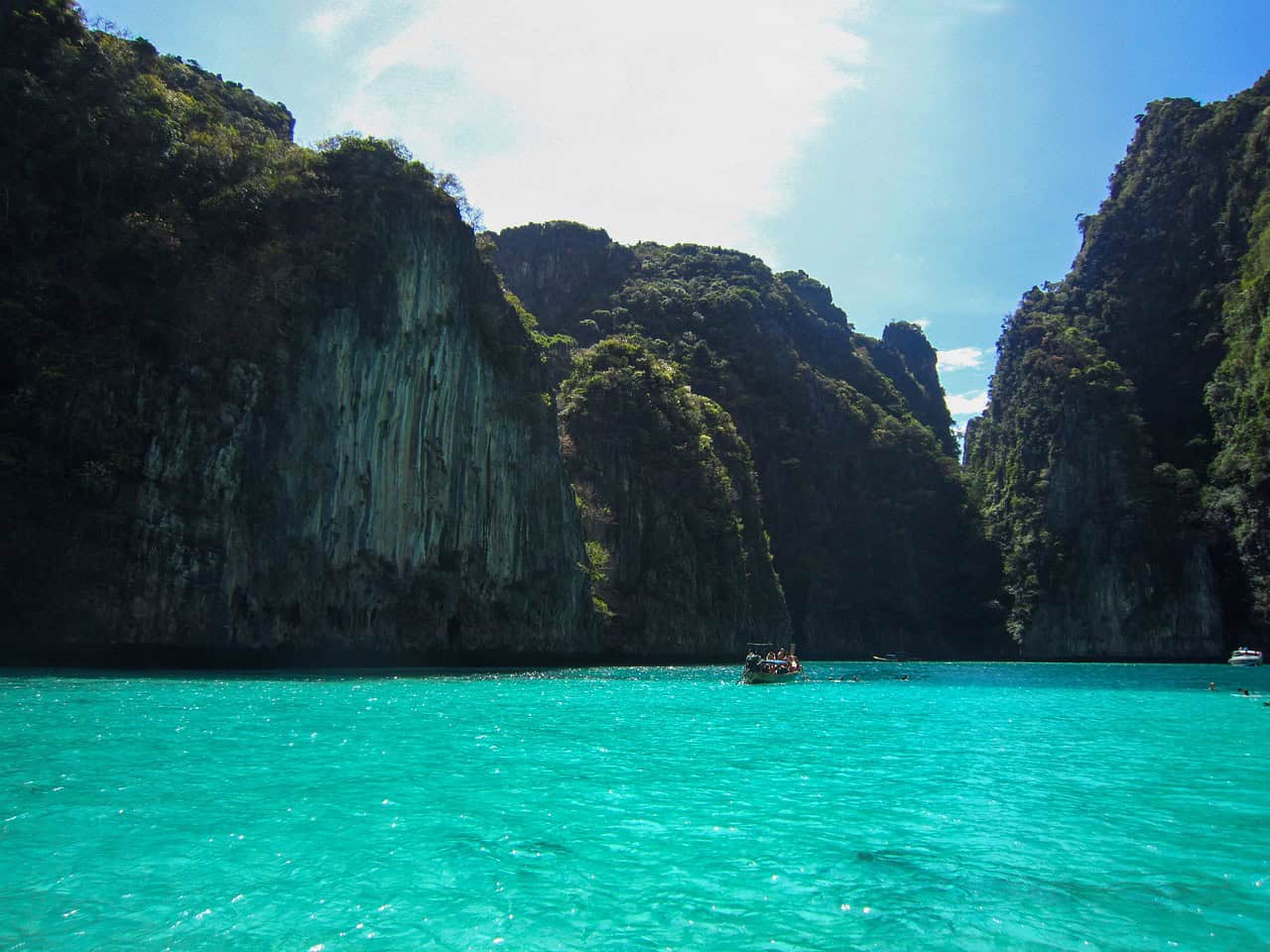
Phuket’s tropical climate produces a UV index often exceeding 11 and around 2,900–3,100 hours of sunlight annually, making burns swift and severe. The humid air intensifies the sun’s effect, while long-tail boat tours, island-hopping trips, and beachfront relaxation leave minimal protection. Average temperatures remain around 30°C (86°F) year-round, and saltwater erodes sunscreen, further increasing risk. Tourists often underestimate the deceptively soft sunlight, only realizing after hours that their skin has absorbed a tropical sun that feels gentle but acts like a furnace.
6. Maldives
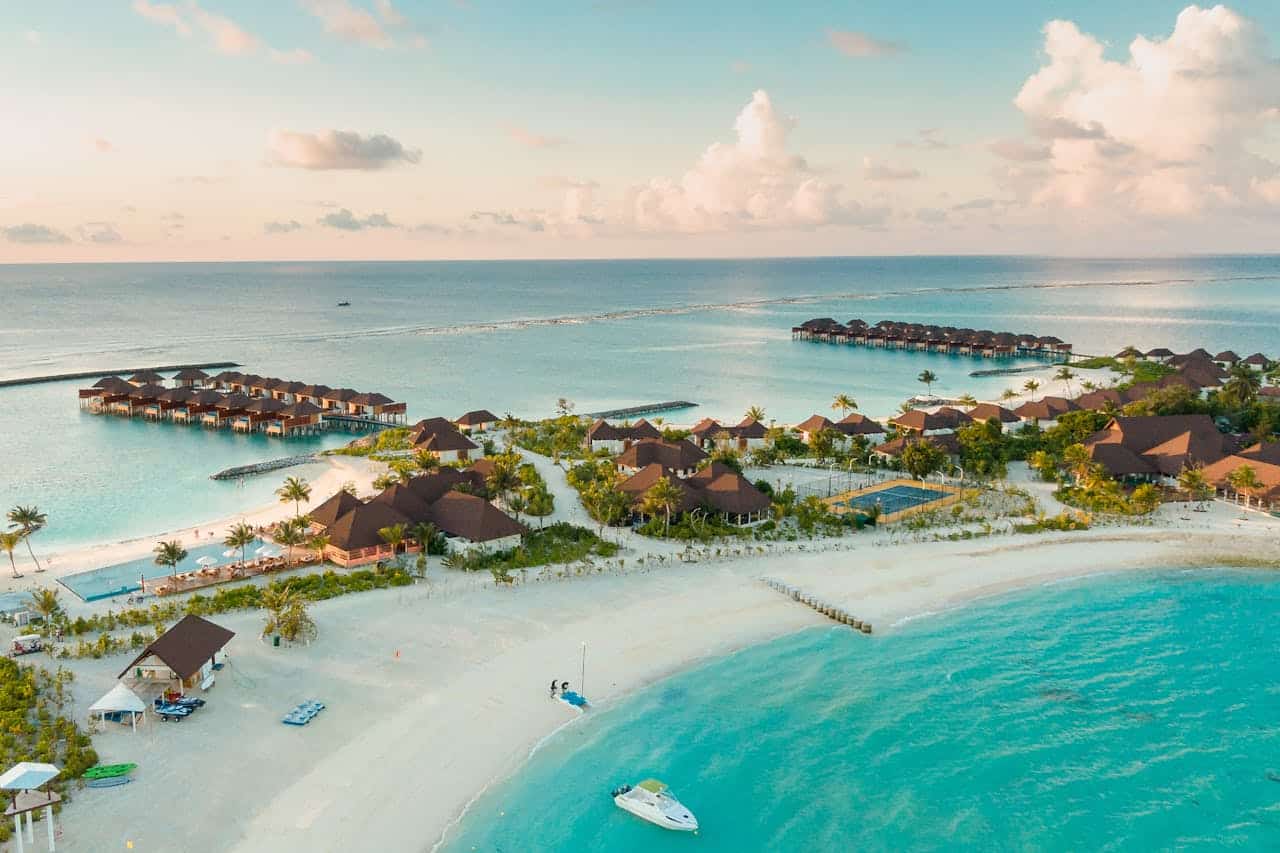
The Maldives boasts nearly 3,000 hours of sunshine each year, with sunlight reflecting off calm lagoons and white sand, intensifying UV exposure in every direction. Overwater villas, snorkeling excursions, and endless beaches mean visitors are constantly exposed, with average temperatures around 31°C (88°F) and humidity near 80%. Sunscreen quickly washes away, and time blurs in tropical tranquility, leaving sunburns to appear hours later. Visitors leave with radiant skin and lobster-like coloring, appreciating paradise while learning the island’s beauty is accompanied by relentless solar intensity.
7. Las Vegas, USA
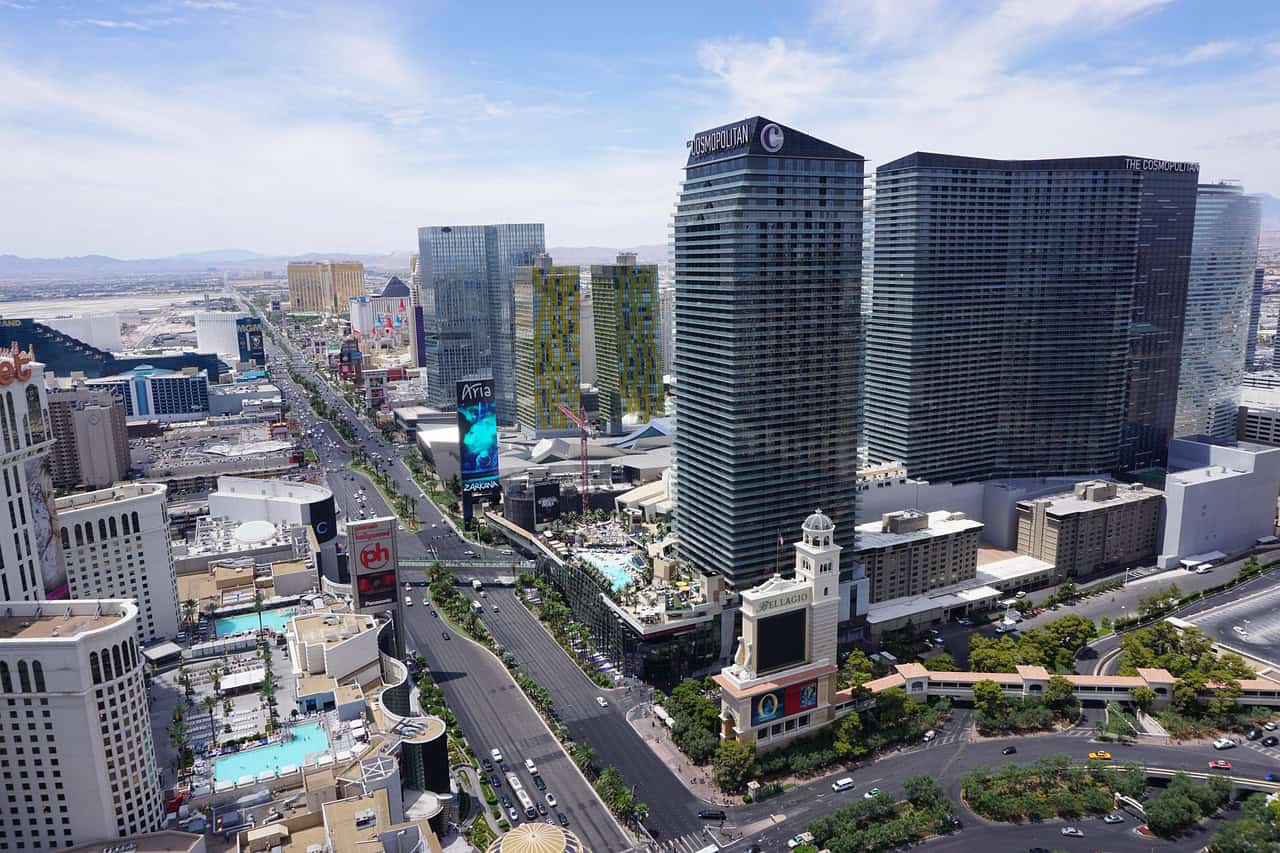
Las Vegas sits in the Mojave Desert with over 3,800 hours of annual sunshine, earning it the nickname “The Sun City.” Concrete, sand, and mirrored casinos amplify heat, with summer highs often reaching 41–43°C (105–109°F). Poolside parties, daytime strolls, and open-air entertainment expose tourists to prolonged UV intensity. Even brief walks under the desert sun can produce burns, while low humidity disguises sweating and skin stress. Visitors leave the city with a vivid red glow, realizing Vegas entertainment comes with an unspoken sun-induced challenge.
8. Cairo & Giza, Egypt
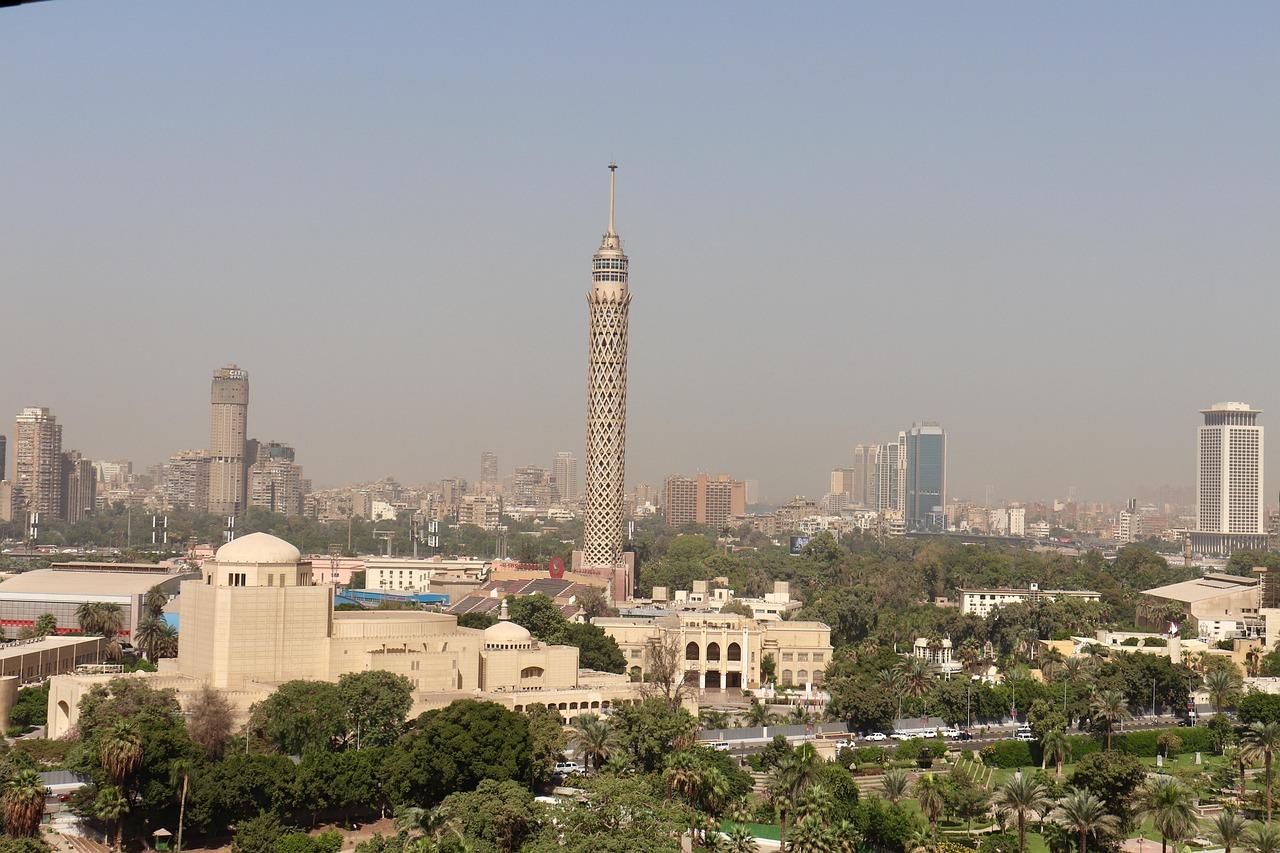
Cairo experiences around 3,500 hours of sunlight yearly, with UV levels regularly exceeding 10. Desert air, reflective limestone pyramids, and open streets expose travelers to intense, uninterrupted sun. Temperatures reach 36–40°C (97–104°F) in summer, while shade is scarce. Explorers of ancient ruins often underestimate cumulative exposure, only noticing deep pink skin after hours. Sunburns appear slowly but persist, demonstrating that Egypt’s iconic monuments don’t just dazzle, they demand respect for their relentless, bright desert sun.
9. Sydney, Australia
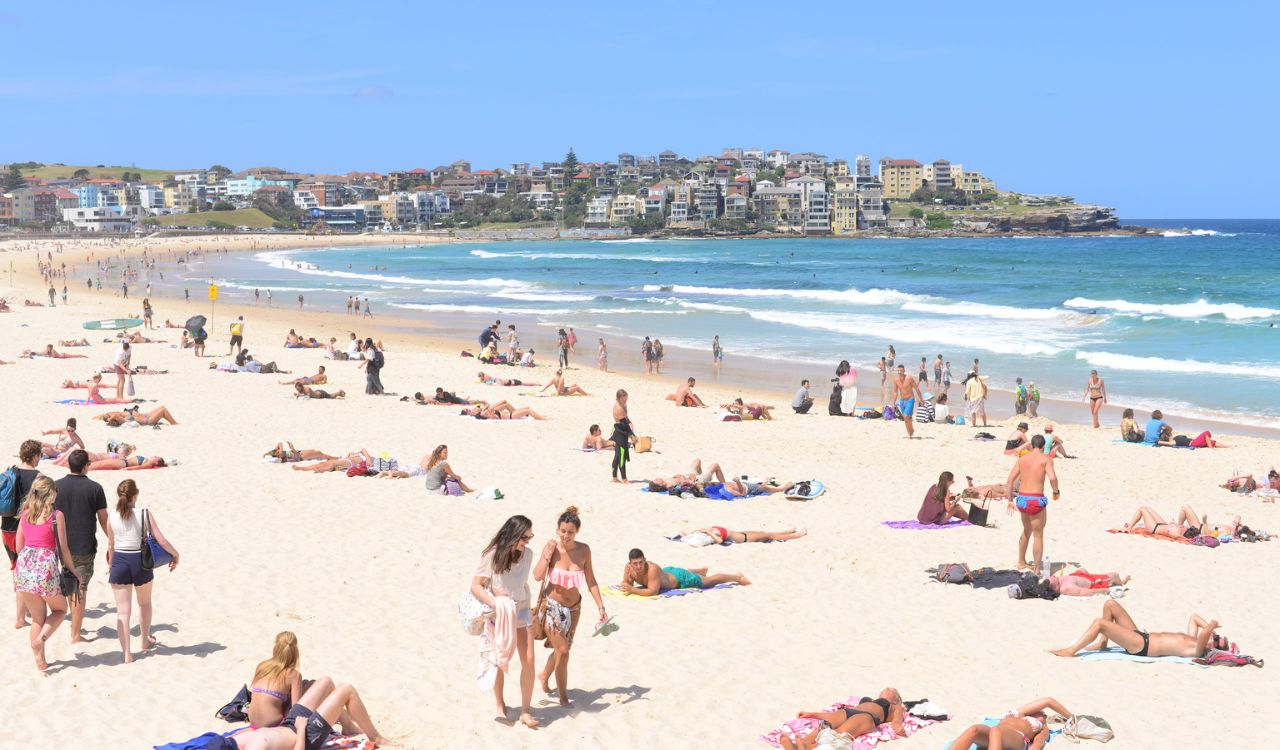
Australia’s southern hemisphere location exposes Sydney to extreme UV indices, often 10–12, despite mild temperatures averaging 26–28°C (79–82°F) in summer. Beaches, cliffs, and harbors reflect light in multiple directions, increasing the sun’s intensity. Even casual strolls or outdoor cafés can cause rapid burns, while locals wear hats and sunscreen religiously. Tourists quickly learn the harsh reality of southern sun, leaving with striking pink shoulders or intense tan lines. Australia’s radiant beauty comes with an unforgettable and unavoidable solar lesson.
10. Ibiza, Spain
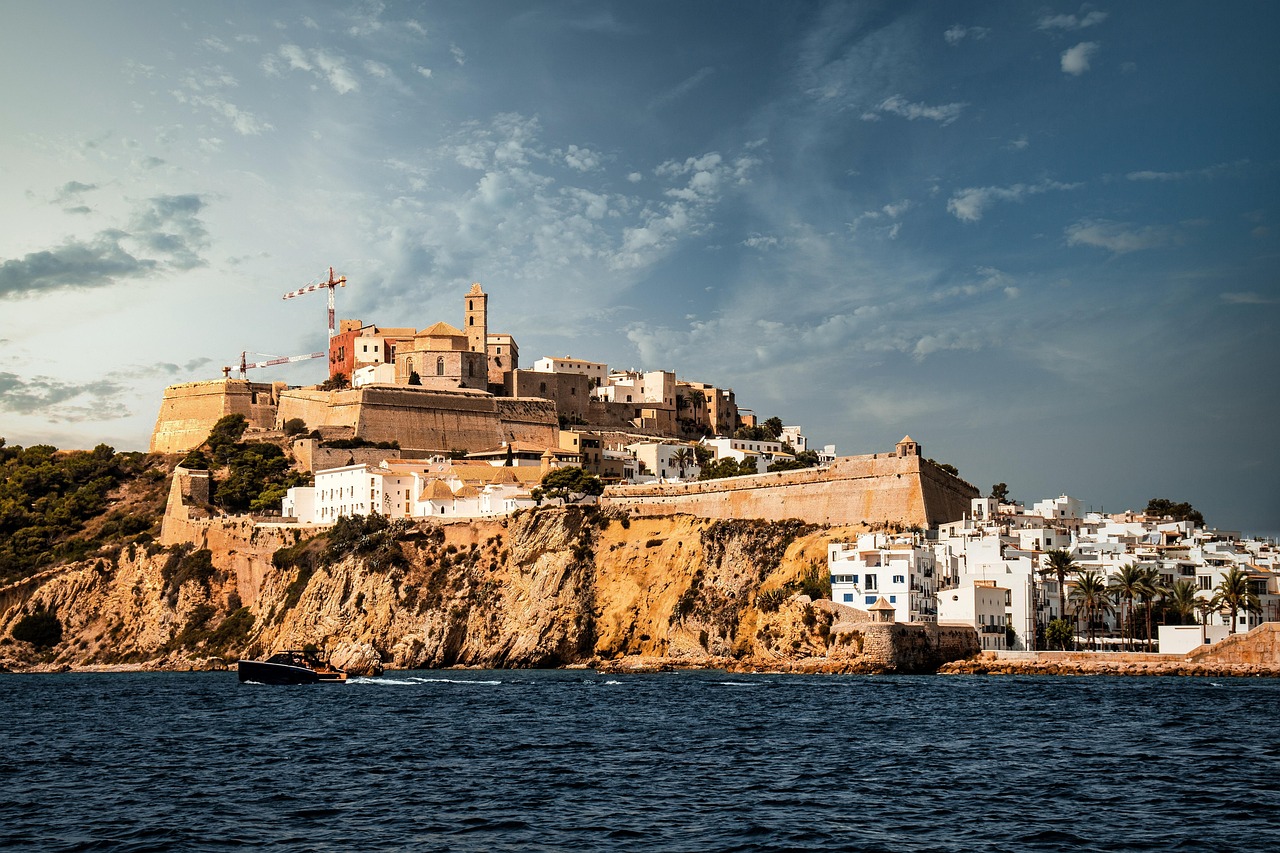
Ibiza receives over 2,800 hours of sunshine yearly, making midday sun unavoidable on beaches, cliffs, and party terraces. Temperatures often reach 30–34°C (86–93°F) in summer, with UV indices frequently peaking at 9–10. Party culture and relaxed afternoon lounging distract tourists, who forget sunscreen reapplication, leading to deep, uneven burns. The Mediterranean sun reflects off white sands and water, further amplifying intensity. Visitors leave with golden-brown and sometimes lobster-red skin, realizing Ibiza’s beauty is dazzling but demanding.