We may earn money or products from the companies mentioned in this post. This means if you click on the link and purchase the item, I will receive a small commission at no extra cost to you ... you're just helping re-supply our family's travel fund.
Every major city has at least one street locals instinctively avoid once night falls. These places are rarely highlighted in glossy travel guides, yet residents speak about them with quiet consistency. What makes them risky isn’t just crime statistics, but how crowds vanish, lighting weakens, and opportunistic behavior rises after dark. The streets below may appear ordinary or even fascinating during the day, but locals advise caution when night reshapes their atmosphere. Each section follows the same structure, blending lived warnings with hard numbers travelers should know.
1. Skid Row : Los Angeles, USA
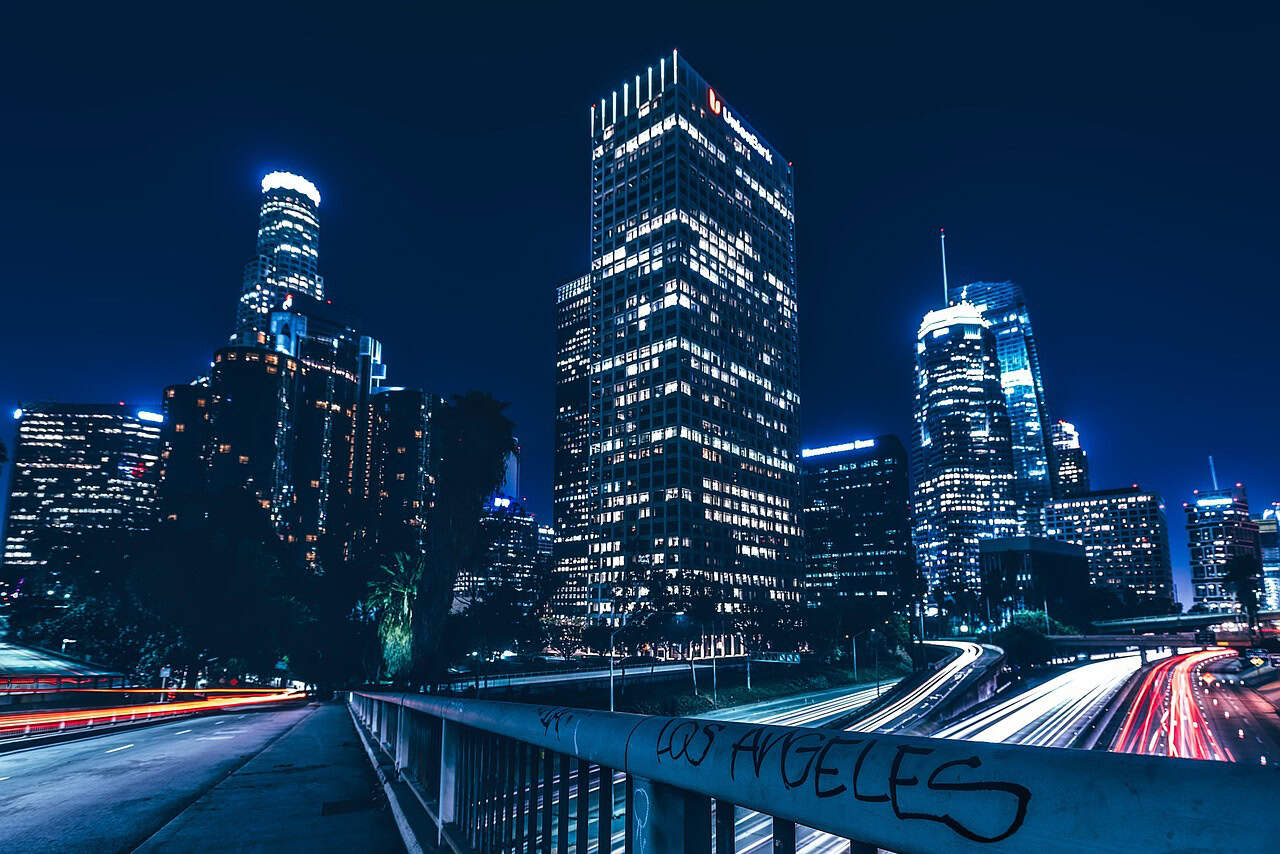
Skid Row spans roughly 50 city blocks in downtown Los Angeles and undergoes a dramatic shift after sunset. Locals warn that walking alone here at night increases vulnerability due to low visibility and unpredictable behavior. The area records over 4,000 reported violent and property crimes annually, with emergency response times averaging 30–40% slower after midnight. More than 70% of incidents occur between 9 p.m. and 4 a.m. The danger is not constant aggression but sudden volatility. Residents, social workers, and police all recommend using vehicles instead of walking once darkness sets in.
2. Lower Rua Augusta : São Paulo, Brazil
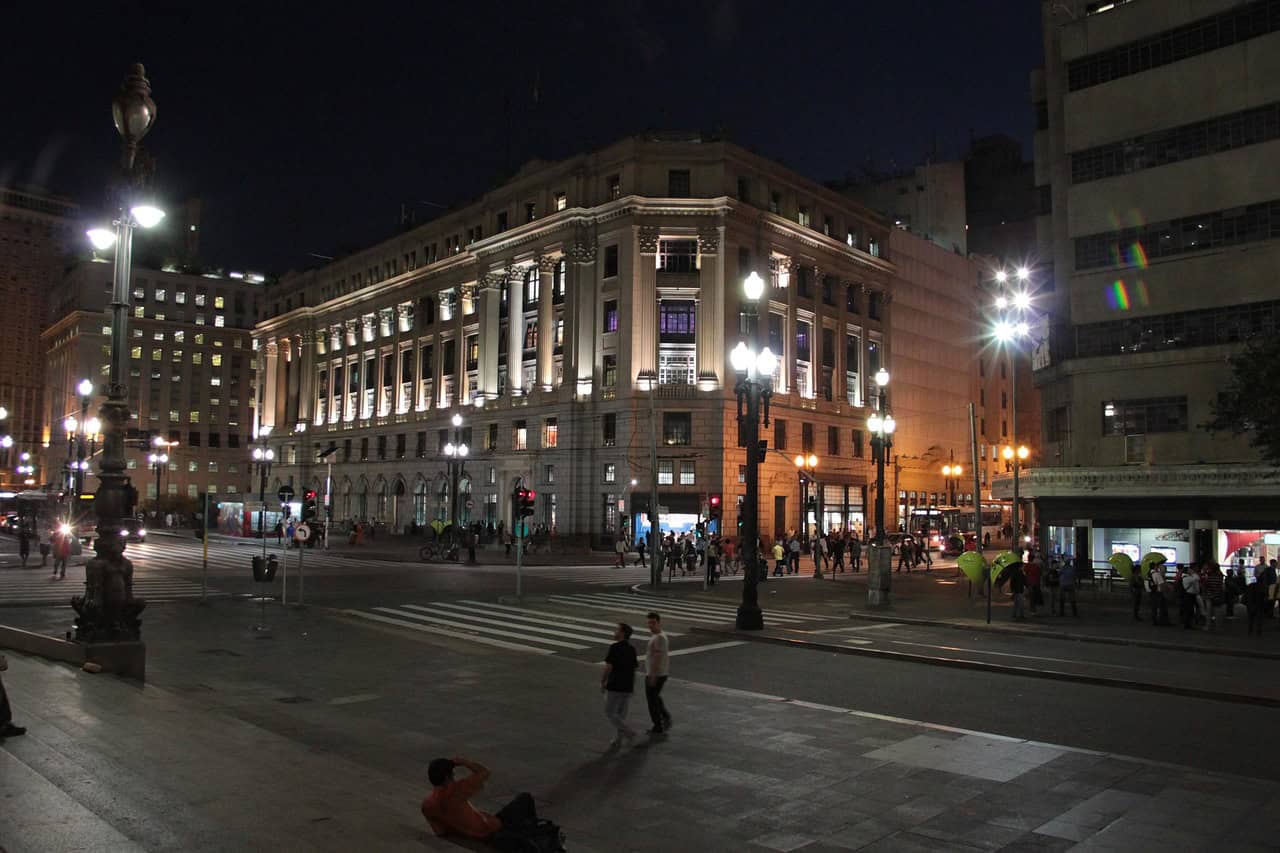
Rua Augusta is split into two worlds, and locals stress that the lower stretch becomes hazardous late at night. After bars close, foot traffic drops by nearly 60%, creating ideal conditions for muggings. Police data shows over 1,200 phone thefts per year within a one-kilometer radius, with nearly half occurring after 10 p.m. Residents say attackers often work in pairs, targeting solo pedestrians. Even São Paulo natives avoid walking alone here after dark, opting for rideshares despite the street’s reputation as a nightlife hub.
3. Avenida de Mayo (Late-Night Sections) : Buenos Aires, Argentina
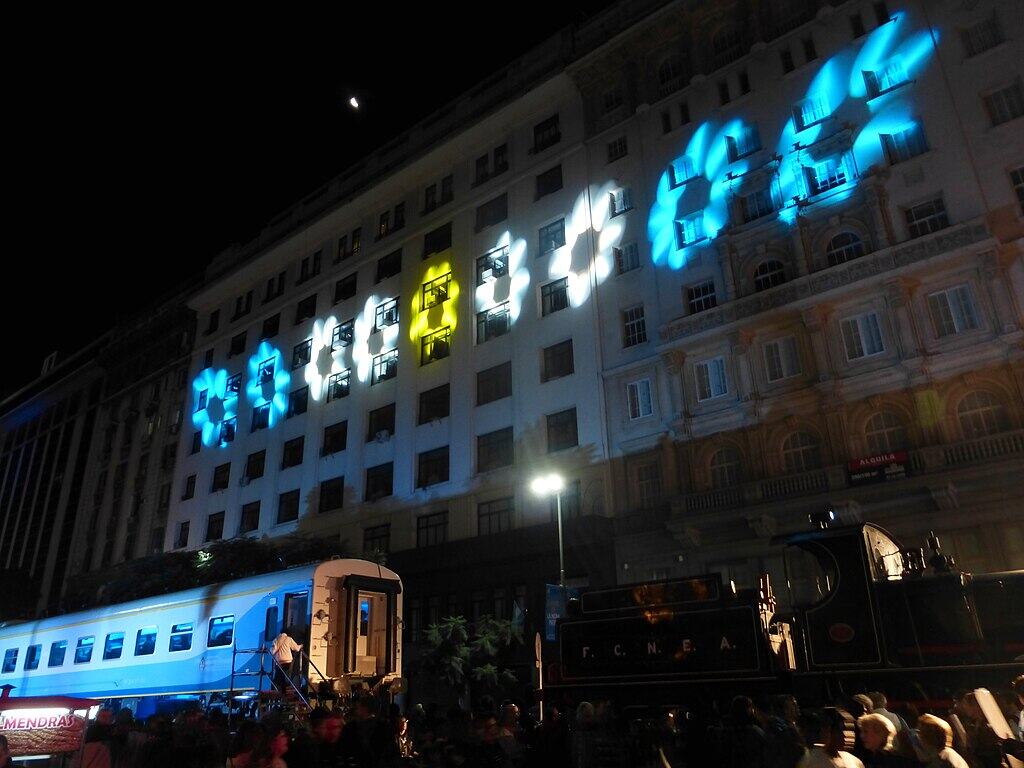
Avenida de Mayo feels elegant by day, but locals caution that late-night emptiness changes everything. Once offices close, pedestrian presence drops by around 65%, and reported theft rises sharply. City data shows pickpocketing and street robbery increase by 38% after midnight along quieter blocks. Locals describe the risk as situational rather than constant, being alone is what attracts attention. Porteños often say the street “punishes hesitation,” advising visitors to avoid solo walks and instead use taxis after dark.
4. Streets Around Chungking Mansions : Hong Kong
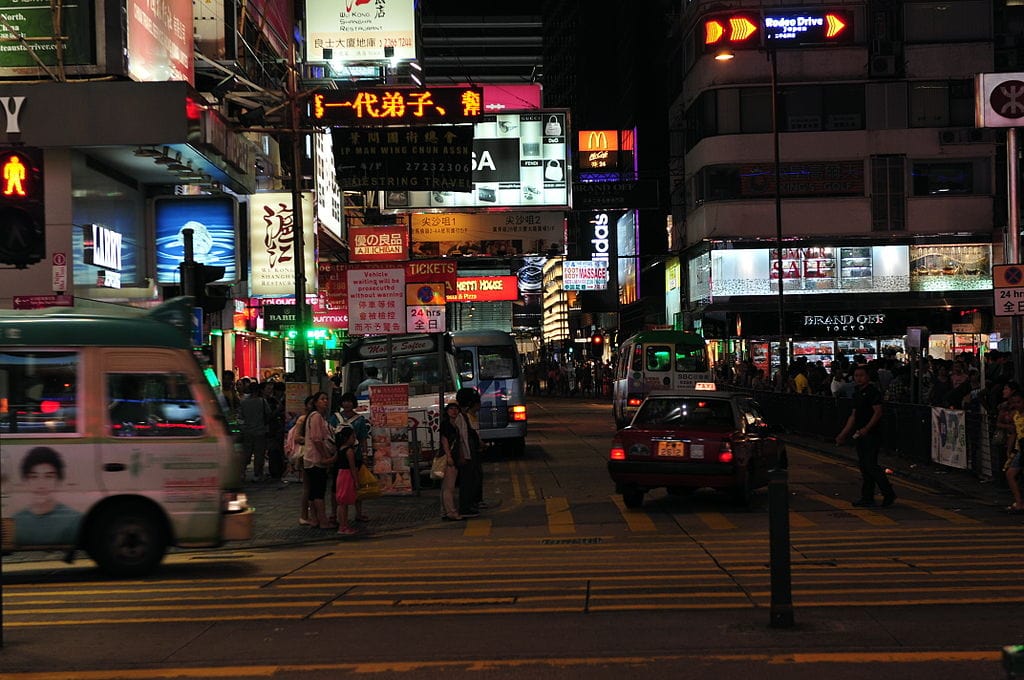
Hong Kong is famously safe, yet locals quietly warn about the narrow streets surrounding Chungking Mansions late at night. These alleys host dense foot traffic early, but after midnight crowds thin by over 50%. Police reports note a concentration of scams and minor assaults, with foreign visitors involved in nearly 60% of cases. The risk comes from transient populations, cash-based businesses, and reduced surveillance. Residents say it’s not dangerous all the time, but walking alone makes you stand out immediately.
5. Boulevard de la Chapelle : Paris, France
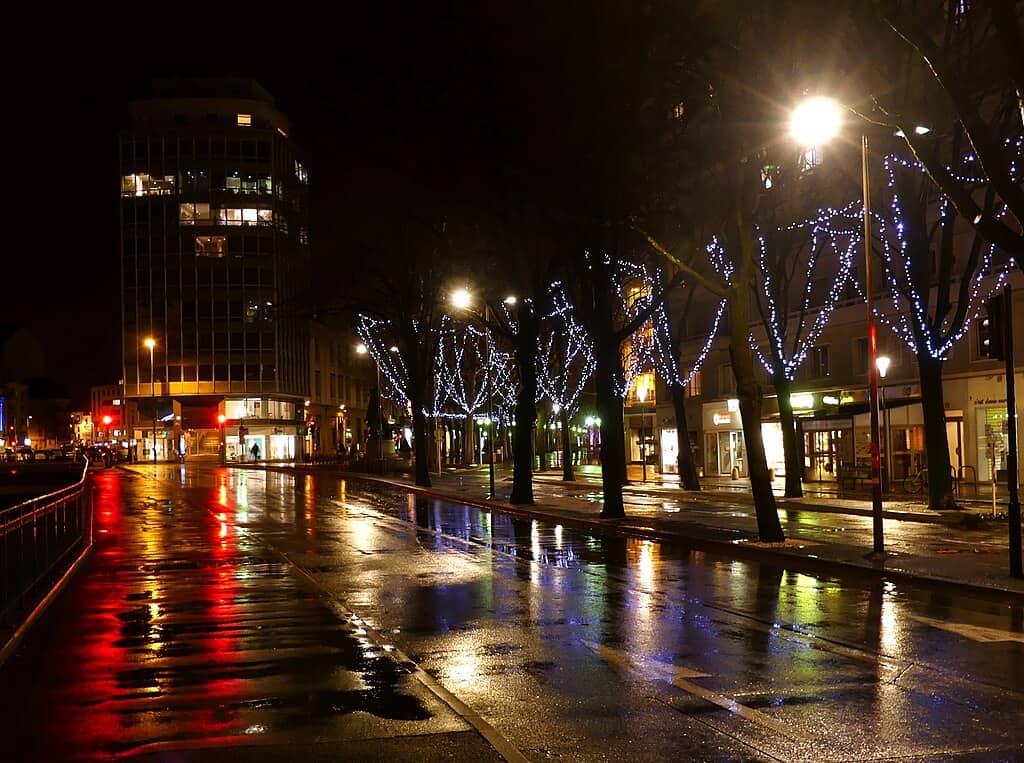
Boulevard de la Chapelle is a place Parisians reference carefully when discussing nighttime safety. After metro service slows, lighting and foot traffic decline by around 45%. Local crime statistics show harassment and street robbery reports rise by over 30% between 11 p.m. and 3 a.m. Residents emphasize that incidents are often opportunistic rather than violent, but solo walkers face higher risk. Many locals pass through quickly or avoid lingering altogether once evening crowds disperse.
6. Downtown Eastside (Certain Blocks) : Vancouver, Canada
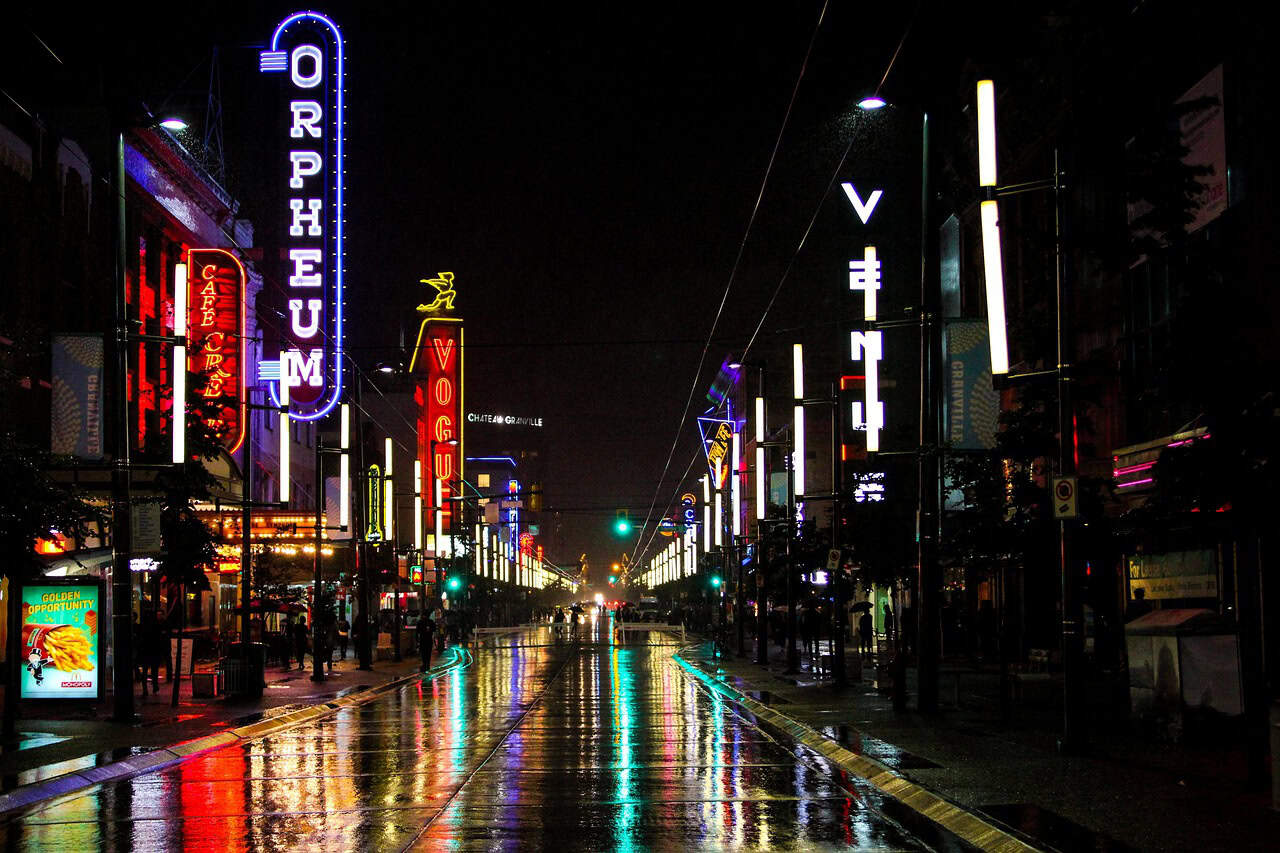
The Downtown Eastside is one of Vancouver’s most discussed neighborhoods, and locals strongly advise against solo night walks. Open drug activity increases after dark, while pedestrian traffic drops nearly 70%. Police data shows emergency calls spike by 40% between 10 p.m. and 2 a.m. Residents say the main issue is unpredictability rather than targeted crime. Even people familiar with the area prefer taxis or buses at night, stressing that vulnerability rises sharply when streets are empty.
7. Hillbrow : Johannesburg, South Africa
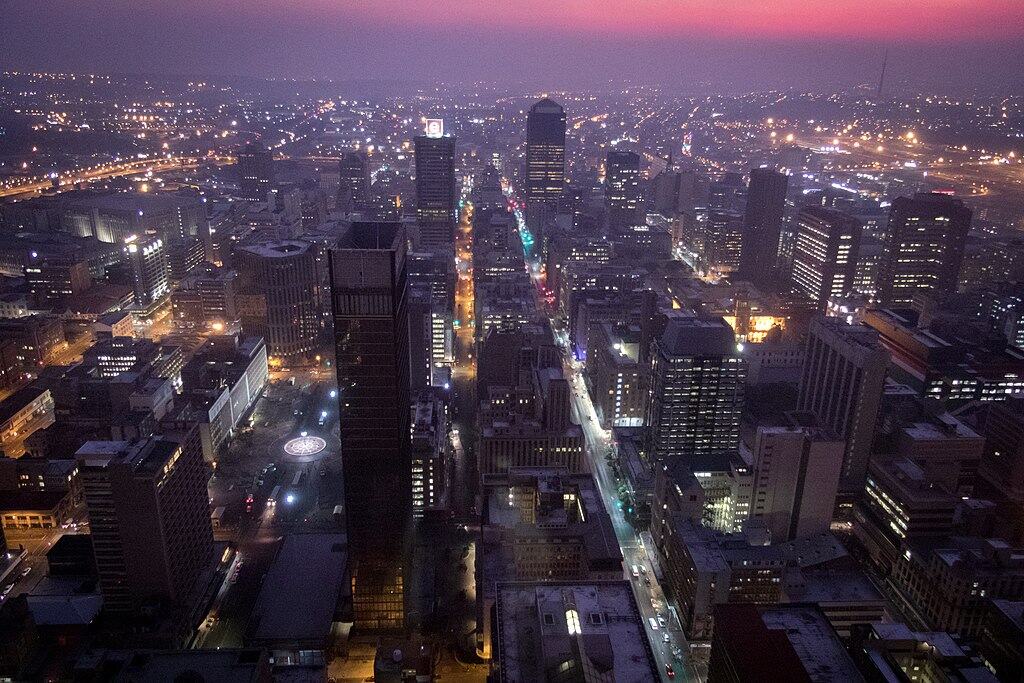
Hillbrow is busy during daylight, but locals unanimously warn against walking alone after dark. Street lighting coverage falls below 55%, and reported muggings increase by over 50% at night. City safety surveys show that nearly 70% of residents rely on private transport after sunset. The risk lies in density, limited policing, and sudden isolation. Locals don’t describe fear, they describe routine avoidance, a habit shaped by long experience rather than exaggeration.
8. Khao San Road Side Streets : Bangkok, Thailand
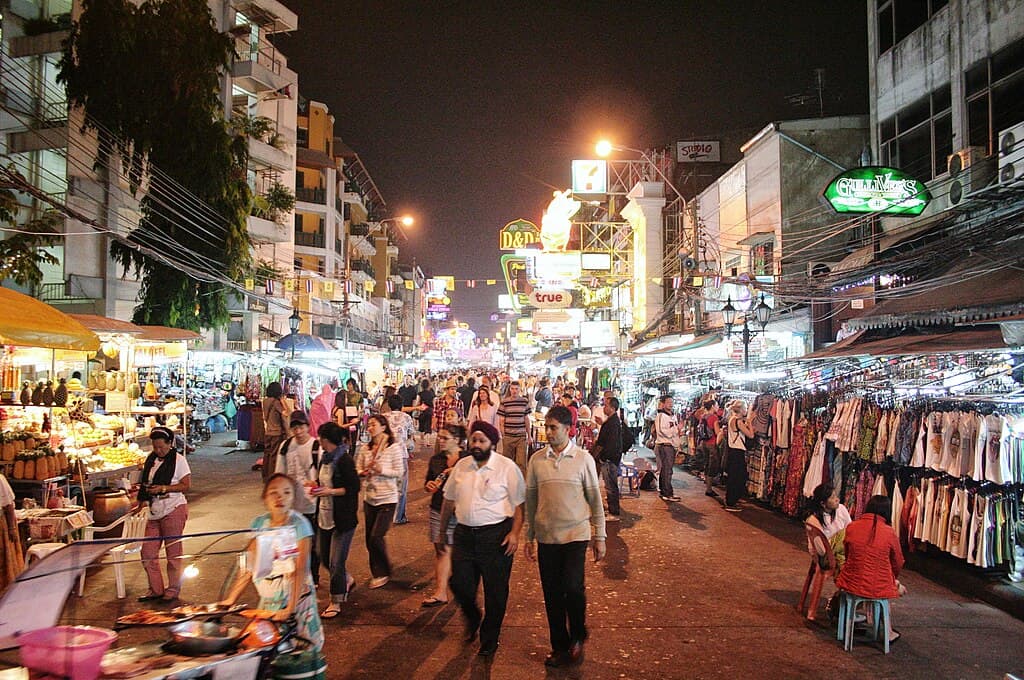
Khao San Road stays crowded late, but locals warn that nearby side streets change quickly after midnight. Once party crowds thin by around 60%, theft reports rise. Tourist police data shows over 1,000 incidents annually in surrounding lanes, with most occurring after 11 p.m. Locals emphasize that alcohol plays a major role, intoxicated solo walkers become easy targets. Staying on main roads or using transport is standard advice among Bangkok residents.
9. La Perla : San Juan, Puerto Rico
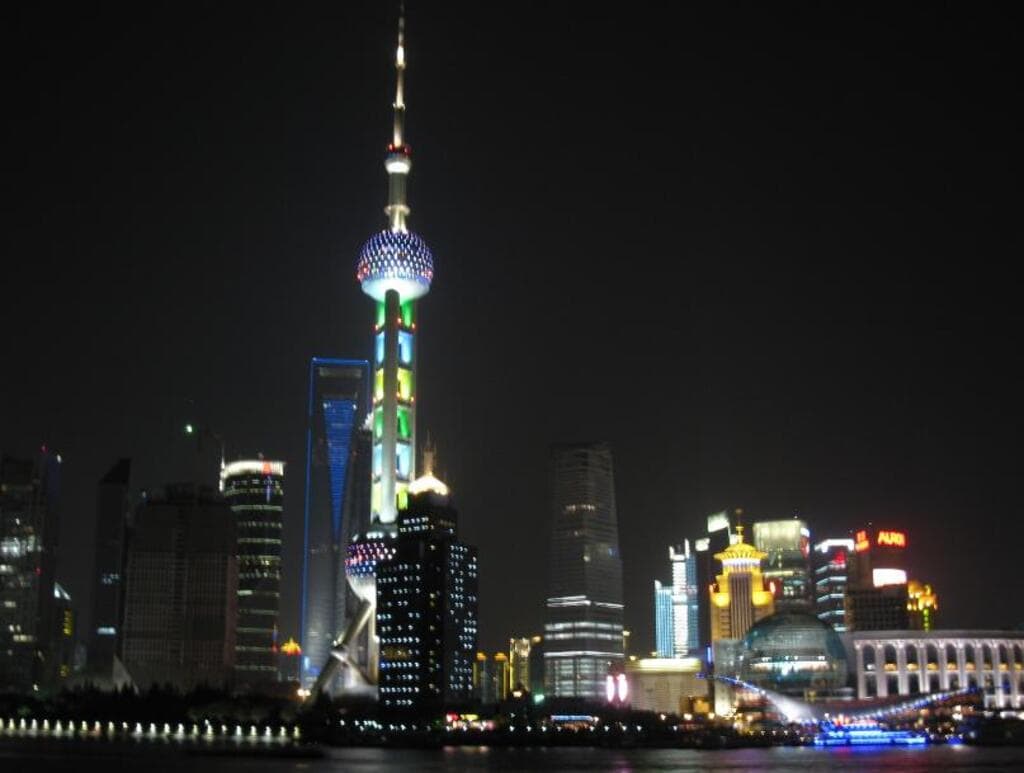
La Perla’s daytime popularity hides firm local rules about nighttime access. Residents warn that walking alone after dark is strongly discouraged. Police records show nearly 80% of visitor-related incidents occur after sunset. The neighborhood is small, and unfamiliar faces stand out immediately. Locals stress that confrontations are often about presence, not theft. Visitors are advised to enter only during daylight or with authorized guides, respecting boundaries set by the community.
10. Nairobi Central Business District (After Hours) : Kenya
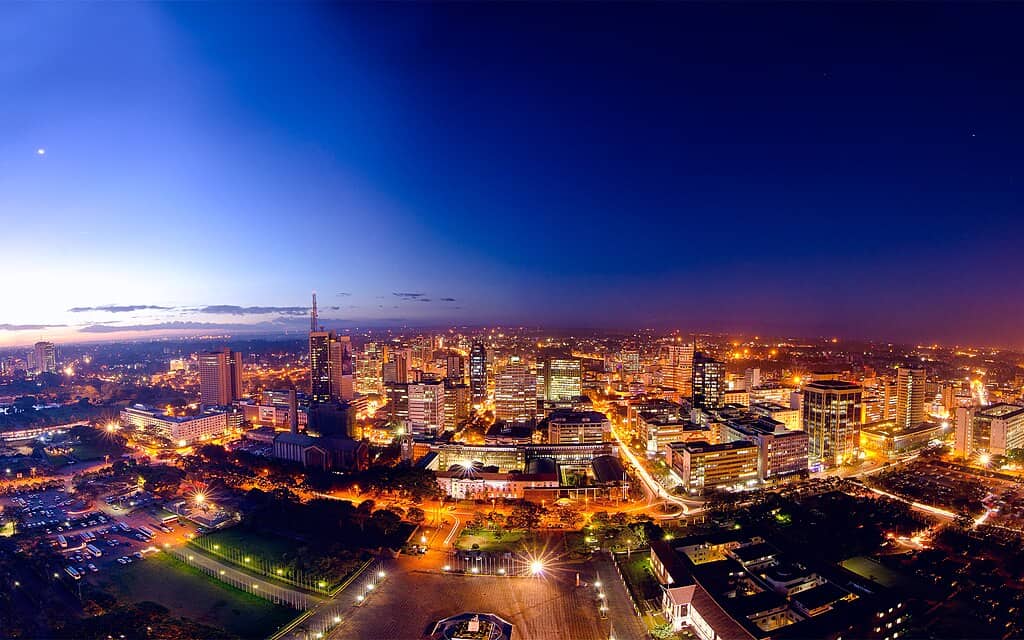
Nairobi’s CBD empties rapidly after business hours, with pedestrian volume dropping by over 65% after 8 p.m. Local crime reports indicate mugging incidents increase by about 45% at night. Residents say the danger comes from isolation rather than constant violence. Even locals avoid walking alone after dark, choosing taxis or motorbike transport instead. The advice is consistent: explore freely during the day, but don’t test the streets at night.