We may earn money or products from the companies mentioned in this post. This means if you click on the link and purchase the item, I will receive a small commission at no extra cost to you ... you're just helping re-supply our family's travel fund.

Carrying a firearm in your vehicle might feel routine in many regions, yet several U.S. states treat small storage mistakes as serious offenses. Their laws combine strict transport rules, registration requirements, feature bans, and magazine limits that can elevate a simple oversight into a felony charge. These states enforce some of the nation’s tightest standards, and understanding their frameworks helps explain why drivers often face unexpected legal risks.
1. California

California enforces sweeping regulations that classify more than 50 firearm models as prohibited, and possessing one in a vehicle can lead to felony charges under state statutes. Transport rules demand locked cases, and violations may involve penalties reaching 3 years. Magazines above 10 rounds, adopted under the 2013 laws, also raise criminal exposure. With more than 39 million residents, enforcement remains strict, especially in dense counties with higher inspection activity.
2. New York
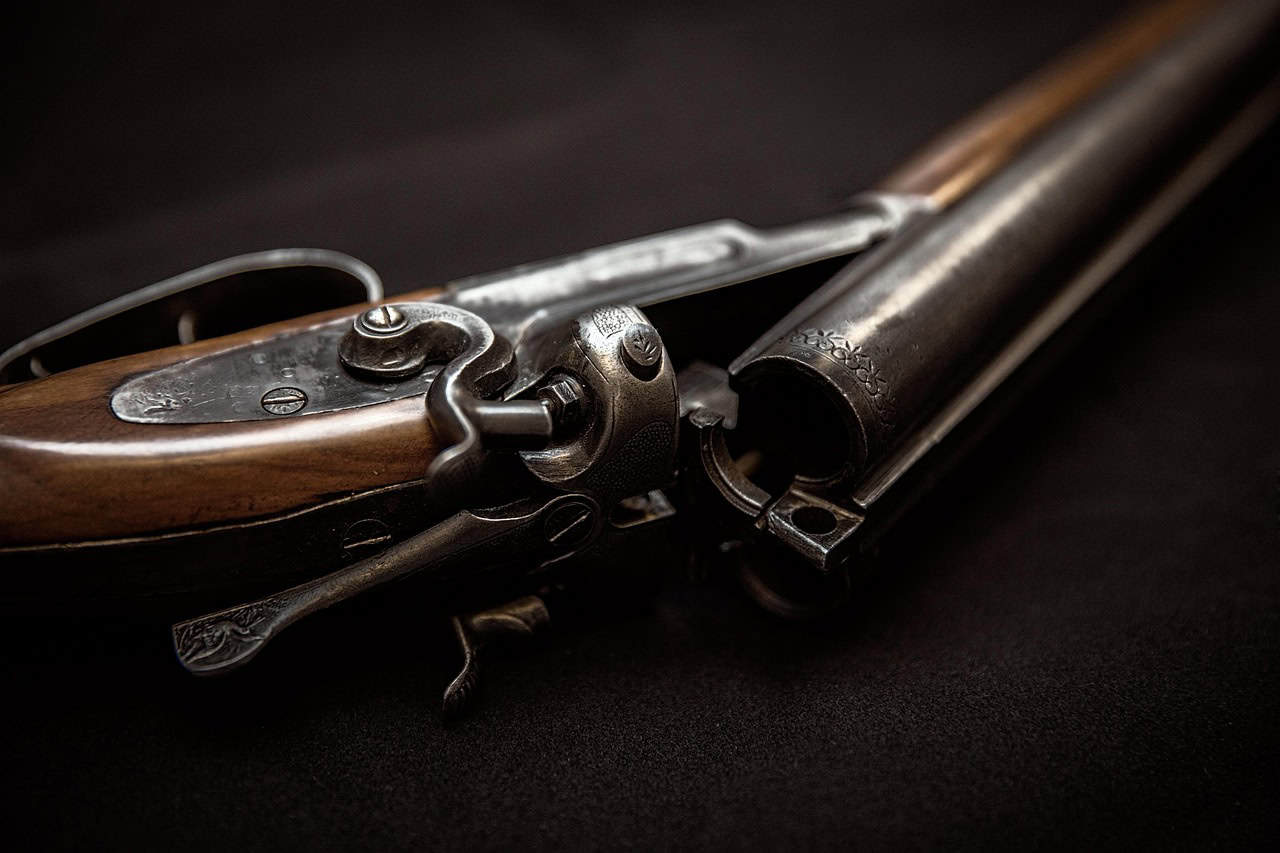
New York’s SAFE Act, passed in 2013, restricts rifles with over 5 banned features, and having an unlicensed handgun in a vehicle can result in felony-level consequences. Magazine capacities over 10 rounds raise additional liability, while NYC’s unique rules amplify the risk even more. The state registers more than 1 million permit holders, yet prosecutions continue due to complex transport details. For many drivers, even brief possession mistakes become legally significant.
3. New Jersey
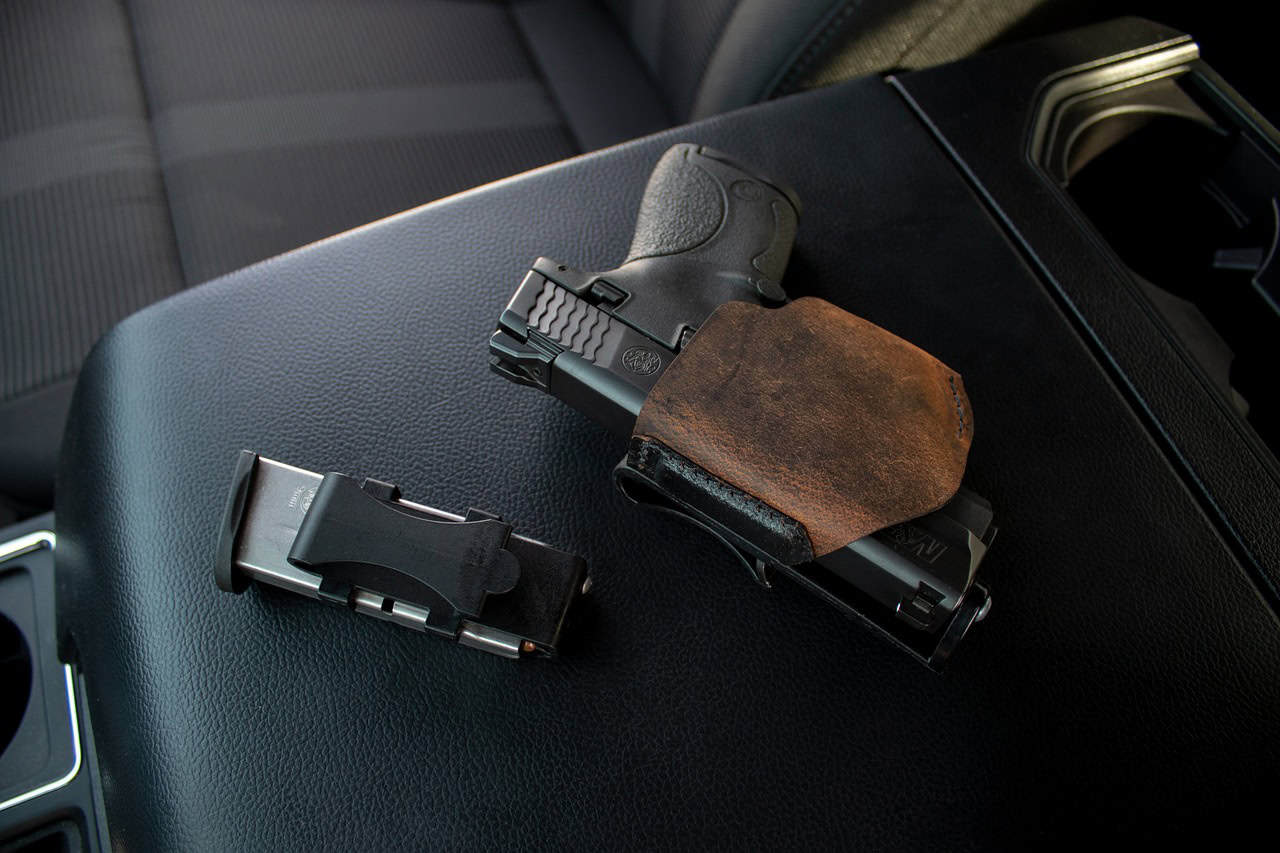
New Jersey demands firearms be transported strictly between approved locations, a rule clarified in statutes dating back to 1979. Deviating from these paths sometimes even minutes off-route has led to felony cases. The state also limits magazines to 10 rounds and restricts hollow-point ammunition outside narrow contexts. With nearly 9 million residents and dense urban corridors, enforcement remains consistent, and vehicle stops often uncover unintentional violations linked to storage or routing.
4. Massachusetts
Massachusetts requires a state-issued firearms license for nearly all possession, and more than 400,000 residents hold these documents. Transporting an unlicensed handgun or restricted rifle can escalate to felony charges carrying up to 2.5 years in state facilities. Magazine limits of 10 rounds, combined with mandated locked storage, create multiple compliance layers. Since the 1998 reform act, authorities have maintained close oversight, especially around vehicle-related encounters involving improperly secured weapons.
5. Connecticut
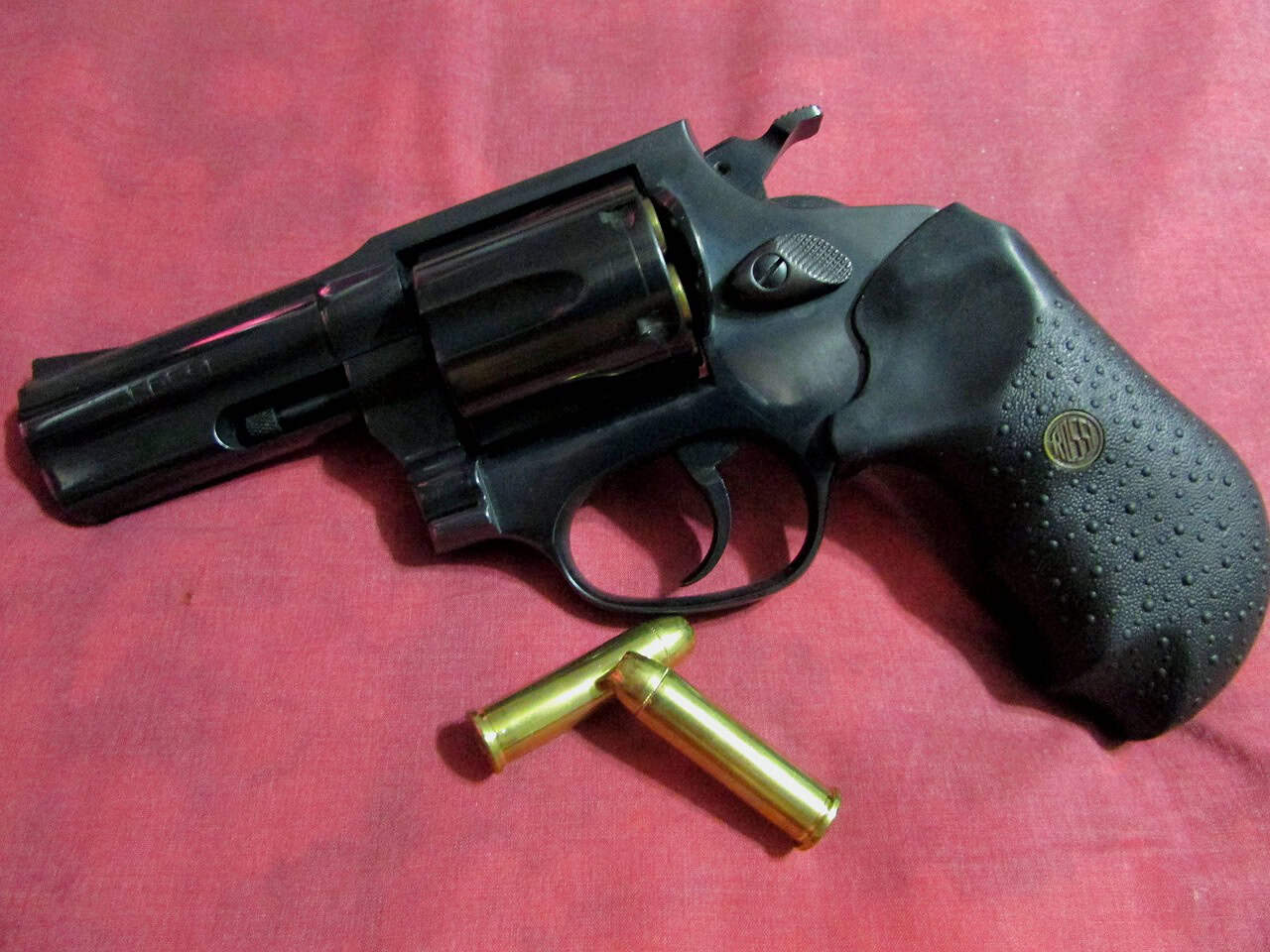
Connecticut’s firearm rules tightened notably after legislation in 2013, banning numerous rifle configurations and limiting magazines to 10 rounds. Transport violations or possession of an unregistered restricted firearm can lead to felony outcomes carrying penalties exceeding 5 years. The state’s registry includes more than 300,000 handgun permits, yet vehicle-related incidents persist due to specific container and route expectations. With a population near 3.6 million, enforcement remains consistently attentive.
6. Maryland
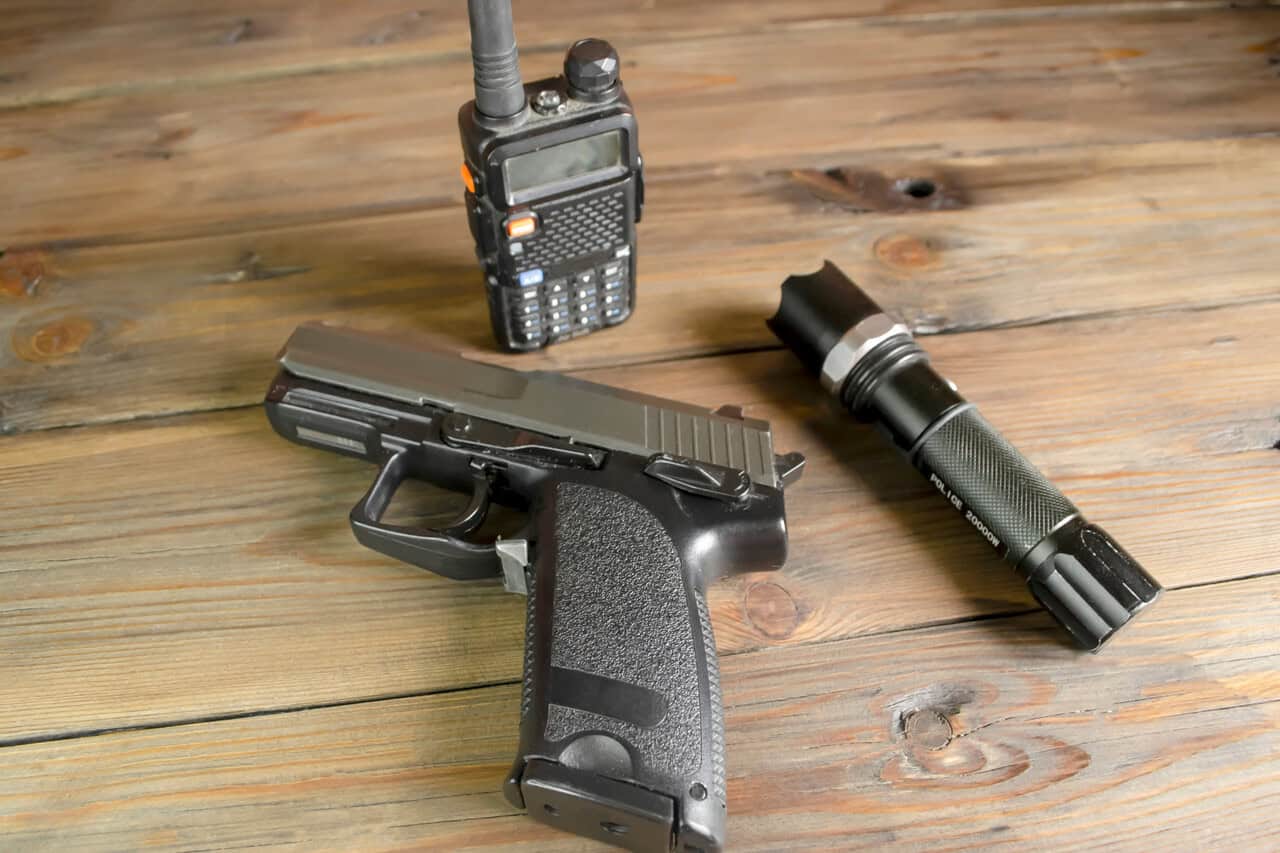
Maryland’s Firearm Safety Act of 2013 prohibits “copycat weapons” based on more than 60 listed features, and possession in a vehicle without proper licensing may trigger felony-level responses. Handgun transport is confined to narrow allowances, with violations carrying penalties up to 3 years. Magazine limits of 10 rounds further complicate matters. With nearly 6.2 million residents and active urban regions, checks often reveal unintentional storage issues during routine traffic interactions.
7. Hawaii
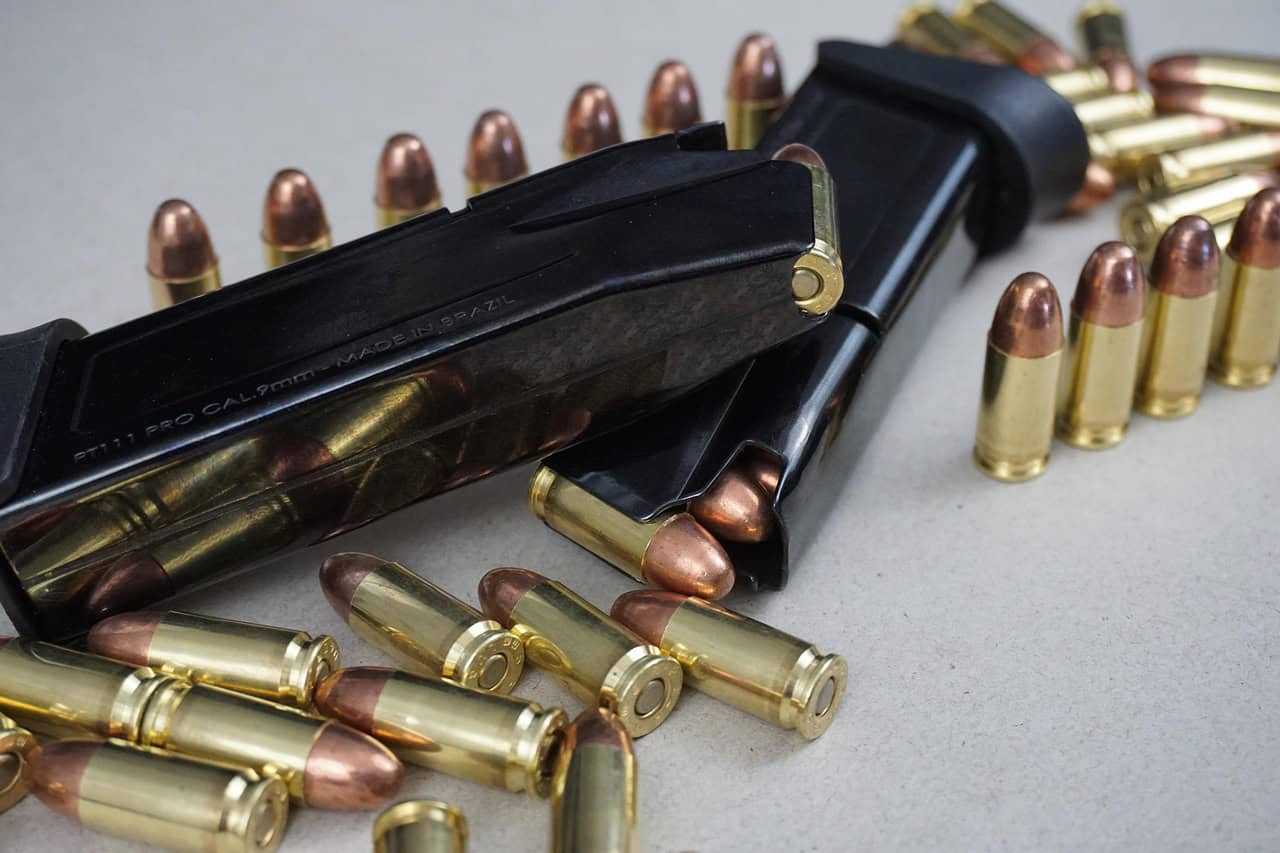
Hawaii requires registration for virtually all firearms within 5 days of arrival or acquisition, and unregistered possession in a vehicle can bring felony consequences. Magazines above 10 rounds for pistols remain restricted, and transport must be locked and point-to-point. Penalties can include sentences reaching 5 years. With a population of roughly 1.4 million, authorities apply strict oversight, making even minor misunderstandings of the rules a serious legal matter for unsuspecting travelers.
8. Illinois
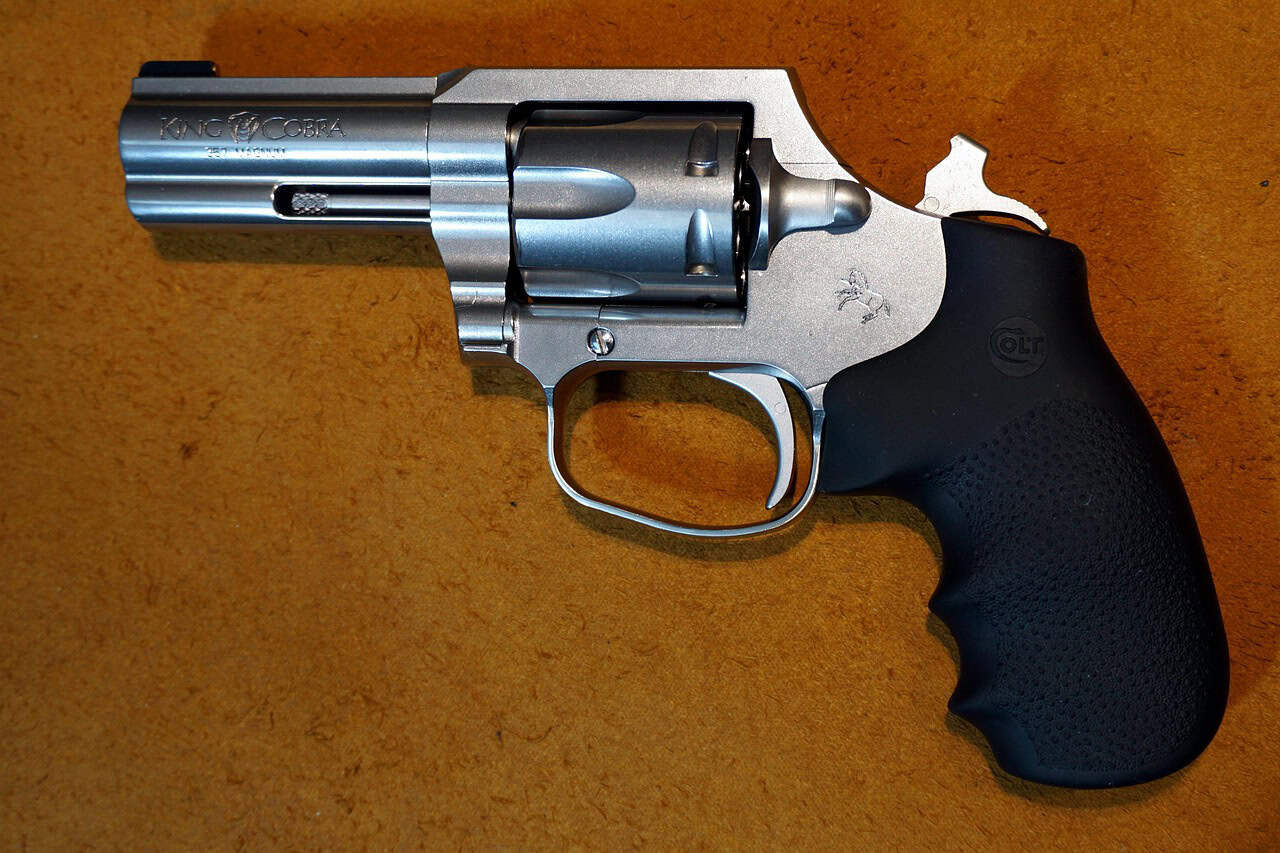
Illinois requires residents to hold a FOID card, of which more than 2.4 million are active, and lacking one during vehicle transport can result in criminal exposure. Chicago and Cook County maintain additional bans covering specific rifles and magazines above 10 rounds. Penalties for unauthorized possession can exceed 1 year. Since the 2013 concealed carry legislation, expectations for vehicle storage remain detailed, often catching drivers unaware of local-layered restrictions.
9. Rhode Island
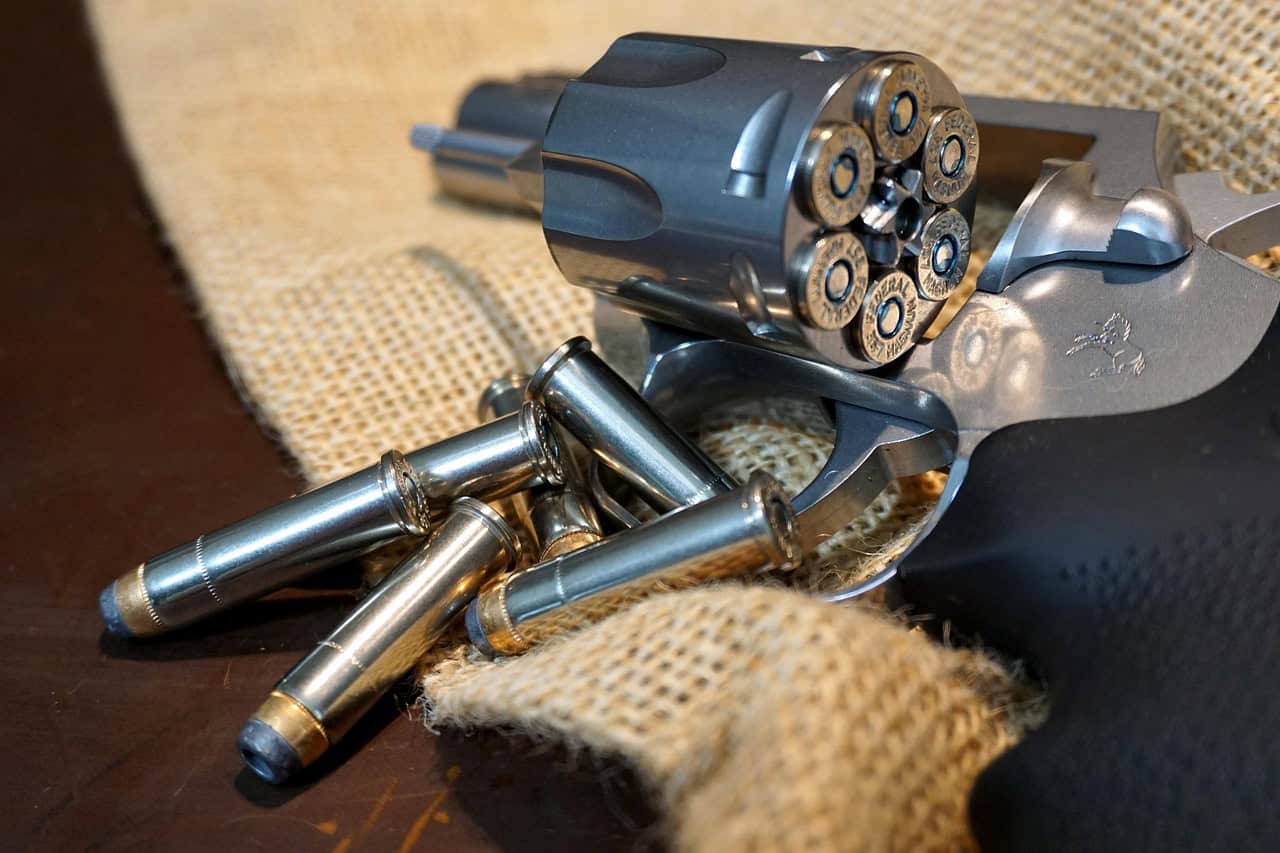
Rhode Island enforces licensing requirements for handgun possession and restricts magazines to 10 rounds, with violations potentially escalating to felony charges. The state reports fewer than 200,000 active firearms permits, meaning many travelers fall outside local compliance. Transport rules require strict adherence to locked container standards developed in the 1950s and revised in later decades. Failure to follow these guidelines during vehicle stops can invite significant legal scrutiny.
10. Washington, D.C.
While not a state, Washington, D.C. maintains some of the country’s strictest firearm codes, requiring registration for nearly all guns and prohibiting magazines over 10 rounds. Penalties for possessing an unregistered firearm may exceed 1 year, and transport demands locked, limited-purpose movement. With a population around 670,000, enforcement remains rigorous. Many visitors face unexpected consequences because rules differ sharply from those in surrounding Virginia and Maryland.