We may earn money or products from the companies mentioned in this post. This means if you click on the link and purchase the item, I will receive a small commission at no extra cost to you ... you're just helping re-supply our family's travel fund.

Toll roads promise speed and ease, but the real moment of impact often arrives weeks later, tucked inside an envelope. Across several states, cashless systems photograph plates, process trips slowly, and mail bills long after the drive fades from memory. What unsettles travelers is not the toll itself. It is the lag, the added administrative fees, and the sense of being charged without clear context. These states show how delayed billing can turn smooth pavement into a lingering afterthought that complicates budgets and trust.
Pennsylvania
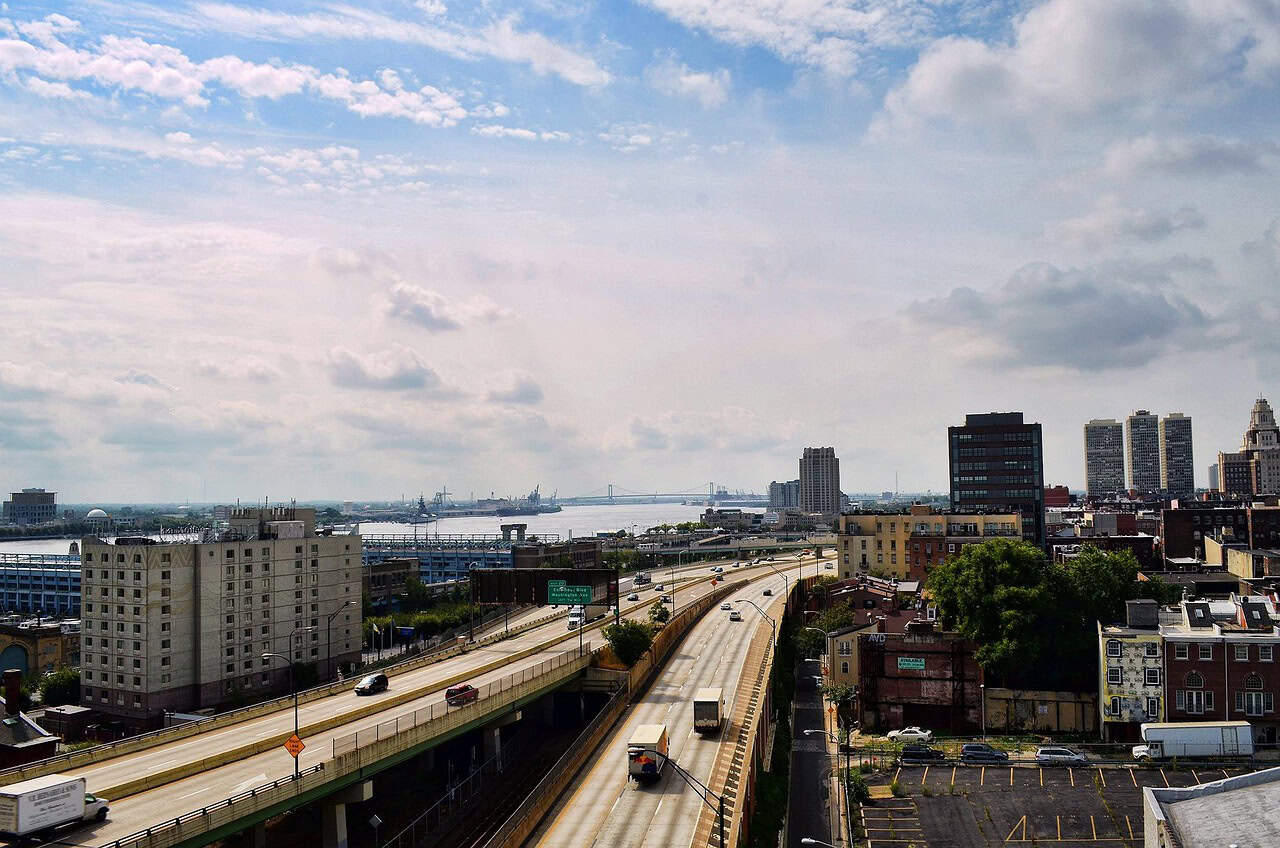
Pennsylvania’s shift to cashless tolling changed the rhythm of the Turnpike. Drivers without E-ZPass can get toll-by-plate invoices weeks after travel, and the bill often includes administrative charges that feel bigger than the time saved. When multiple trips are bundled into a single notice, dates and entry points blur together, especially for visitors who only used the road once. The result is less a clean toll and more a delayed paperwork surprise that lands after the trip is already forgotten.
New York

New York’s toll network works quietly in the moment, then loudly later. Toll-by-mail rates are higher for drivers without E-ZPass, and notices can show up weeks after a bridge or tunnel crossing with processing fees attached. The time gap makes it harder to connect charges to specific trips, especially when several crossings happened in one weekend. Even when the system is functioning correctly, the experience can feel like paying a premium simply for not being plugged into the local toll ecosystem.
New Jersey

New Jersey moves traffic fast but can bill slowly, which is where the frustration starts. As cashless collection spreads, some drivers report invoices arriving long after the drive, carrying service fees that feel steep for short hops between exits. The delay matters because it breaks the mental link between decision and cost, so the total reads like a random charge instead of a conscious trade-off. For out-of-state plates and occasional users, the surprise lands when the vacation is over and memory is fuzzy.
Massachusetts

Massachusetts keeps lanes flowing with all-electronic tolling, but the bill often arrives when the route is barely remembered. Out-of-state drivers can be charged higher toll-by-plate rates, and invoices may group multiple days into one statement with added fees on top. By the time it shows up, it can feel hard to verify what was charged and why, even if signage was present on the road. The convenience is real at speed, yet the delayed accounting can feel oddly personal at home.
Florida
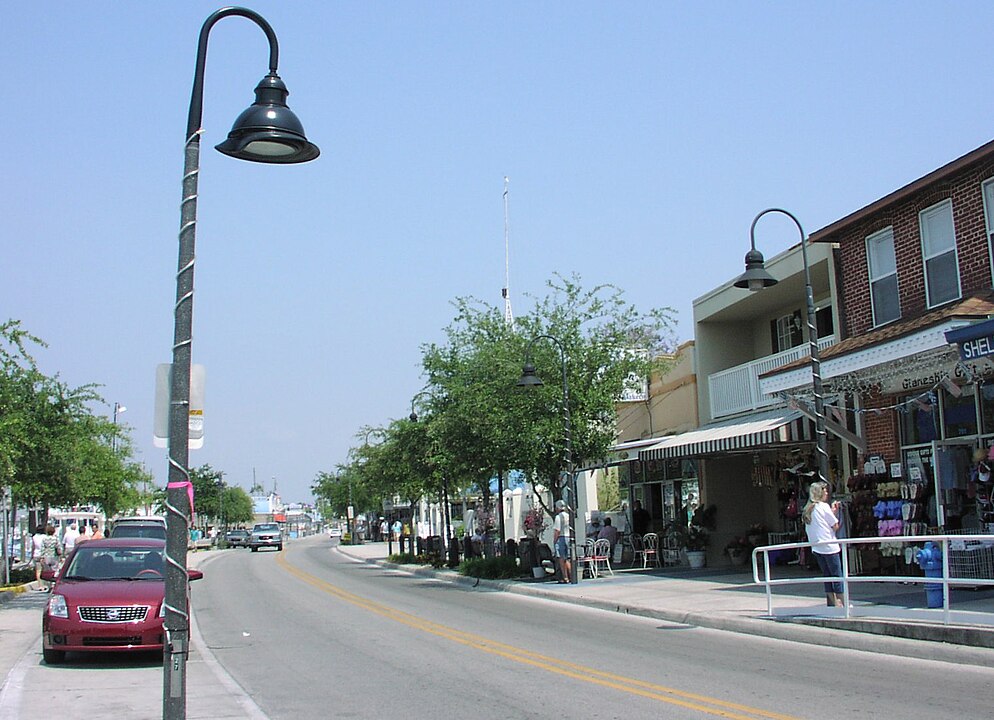
Florida’s toll web is so extensive that delayed billing can become the souvenir nobody asked for. SunPass tends to be smooth, but toll-by-plate invoices can lag weeks behind travel, and rental car trips often add another layer through the rental company’s processing charges. A simple airport pickup can turn into several tolled segments without feeling dramatic in the moment. Later, the bundled total arrives without the context of where the toll points were, which is why the final bill can feel like it came from nowhere.
Texas
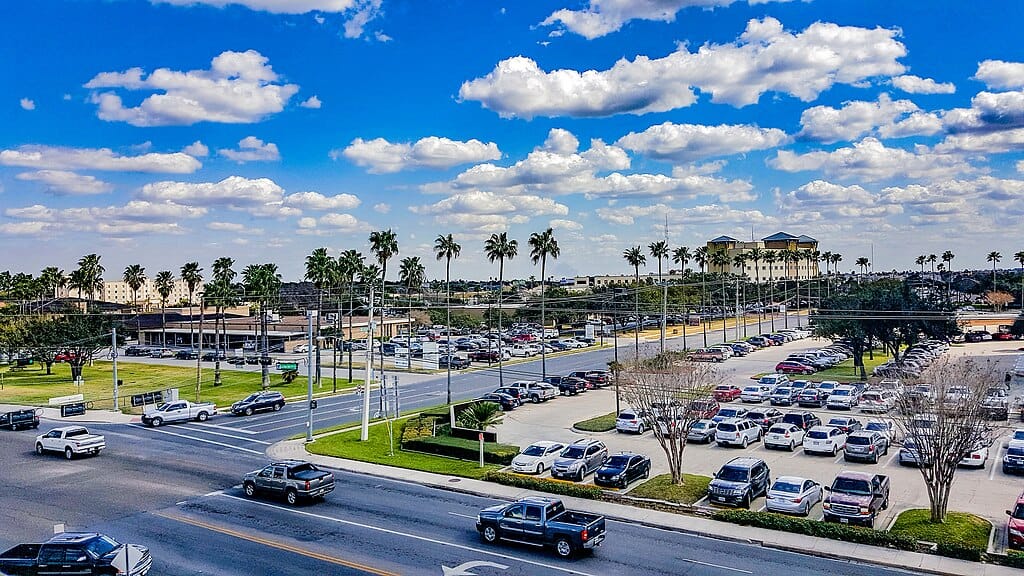
Texas toll roads thread through metro areas, and pay-by-mail can turn a quick bypass into a later budgeting headache. Bills may arrive weeks after travel, sometimes consolidated in a way that hides individual gantries and entry points. Administrative fees can inflate totals, especially when several short segments were used without realizing each one would bill separately. When the invoice finally lands, it can feel like being charged twice for convenience, once during the drive and again through the delayed fees that ride along afterward.
Illinois
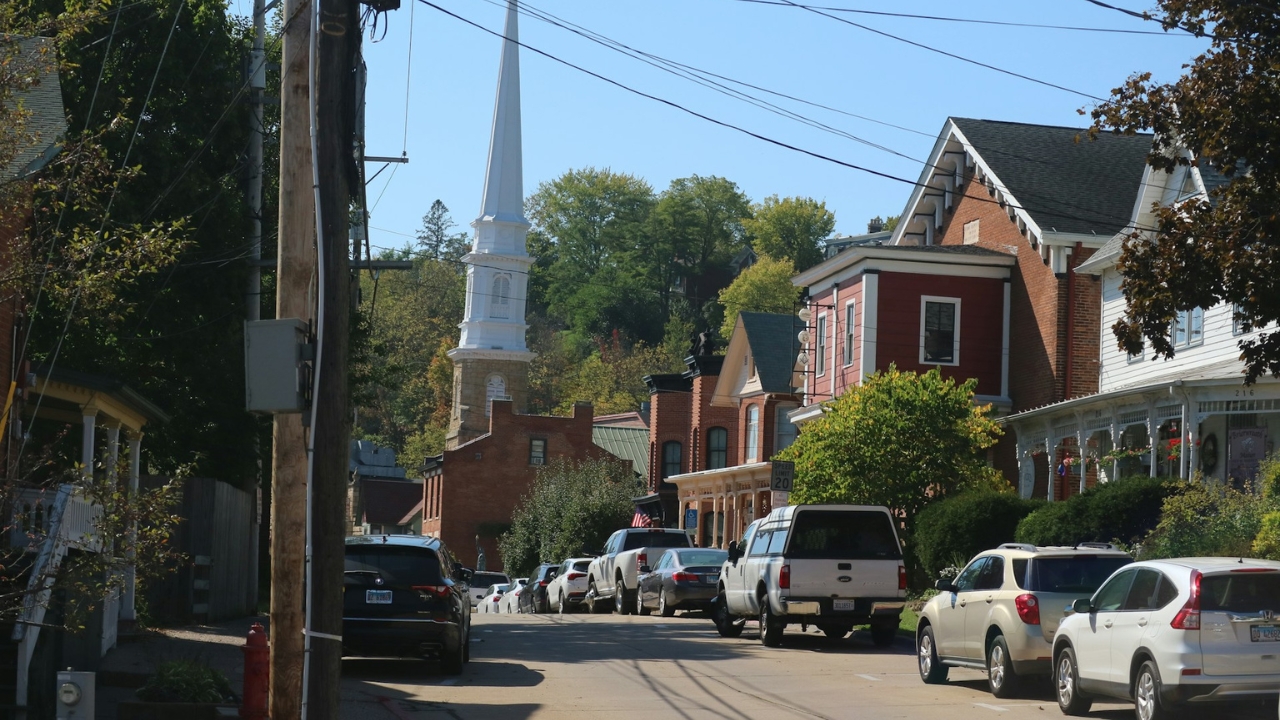
Illinois Tollway roads are faster without cash booths, but the billing delay can be jarring for drivers without I-PASS. Toll-by-plate rates are higher, invoices can arrive weeks later, and added fees can make a short trip feel overpriced in hindsight. The bigger stressor is timing, because if a notice is missed or mailed late, the cost can escalate quickly. Even careful travelers can feel blindsided when a simple weekend route turns into a complicated statement after the fact.
Virginia
Virginia adds a twist because express lane pricing can vary by time and traffic, then arrive long after the choice was made. Toll-by-plate notices for out-of-state drivers can show up late, and some people report penalties when a bill is delayed or overlooked. Without a transponder, the final number can feel hard to anticipate, especially when multiple tolled zones were used in one day. The lane may have saved minutes, but the follow-up can feel like a second transaction with new rules.
Colorado

Colorado’s toll roads rely heavily on license-plate billing, which can be smooth for locals and confusing for visitors. Non-transponder rates are typically higher, and invoices can arrive weeks later with processing fees that make the total feel inflated compared to the distance traveled. Because many trips are tied to airport runs or scenic drives, the bill often lands after the itinerary has faded, making it harder to sanity-check what happened. The road feels effortless, then the paperwork reframes it as quietly costly.
California
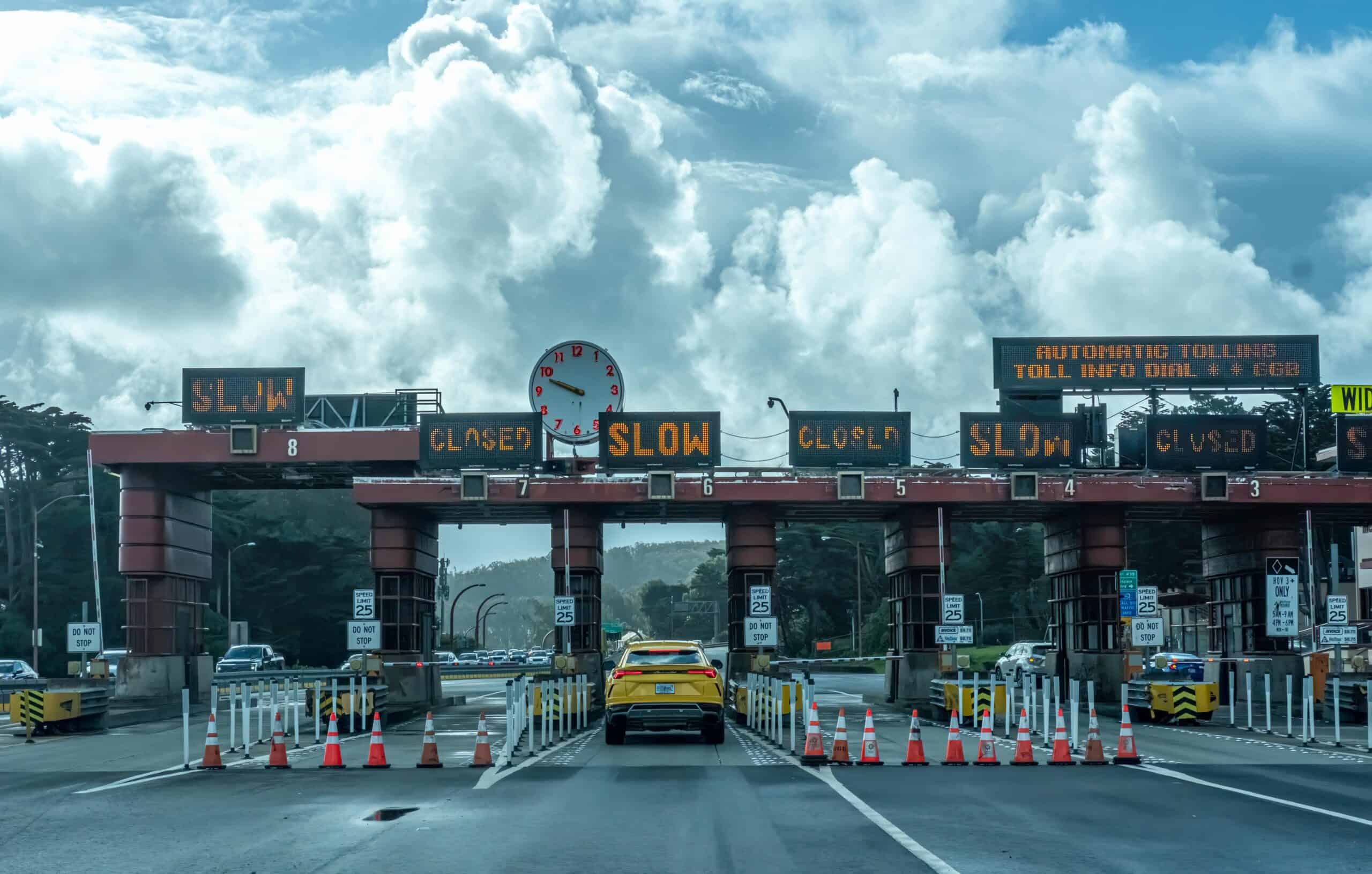
California’s bridges and express lanes often use toll-by-plate, and delayed billing can catch travelers off guard. Invoices may arrive weeks after a crossing, sometimes bundling multiple trips together, and service fees can make a familiar route feel newly expensive. Out-of-state plates can face higher rates, and express lane rules vary by region, which adds confusion when charges arrive without a clear memory trail. The drive feels finished once traffic clears, but the cost can show up later like a late echo.