We may earn money or products from the companies mentioned in this post. This means if you click on the link and purchase the item, I will receive a small commission at no extra cost to you ... you're just helping re-supply our family's travel fund.
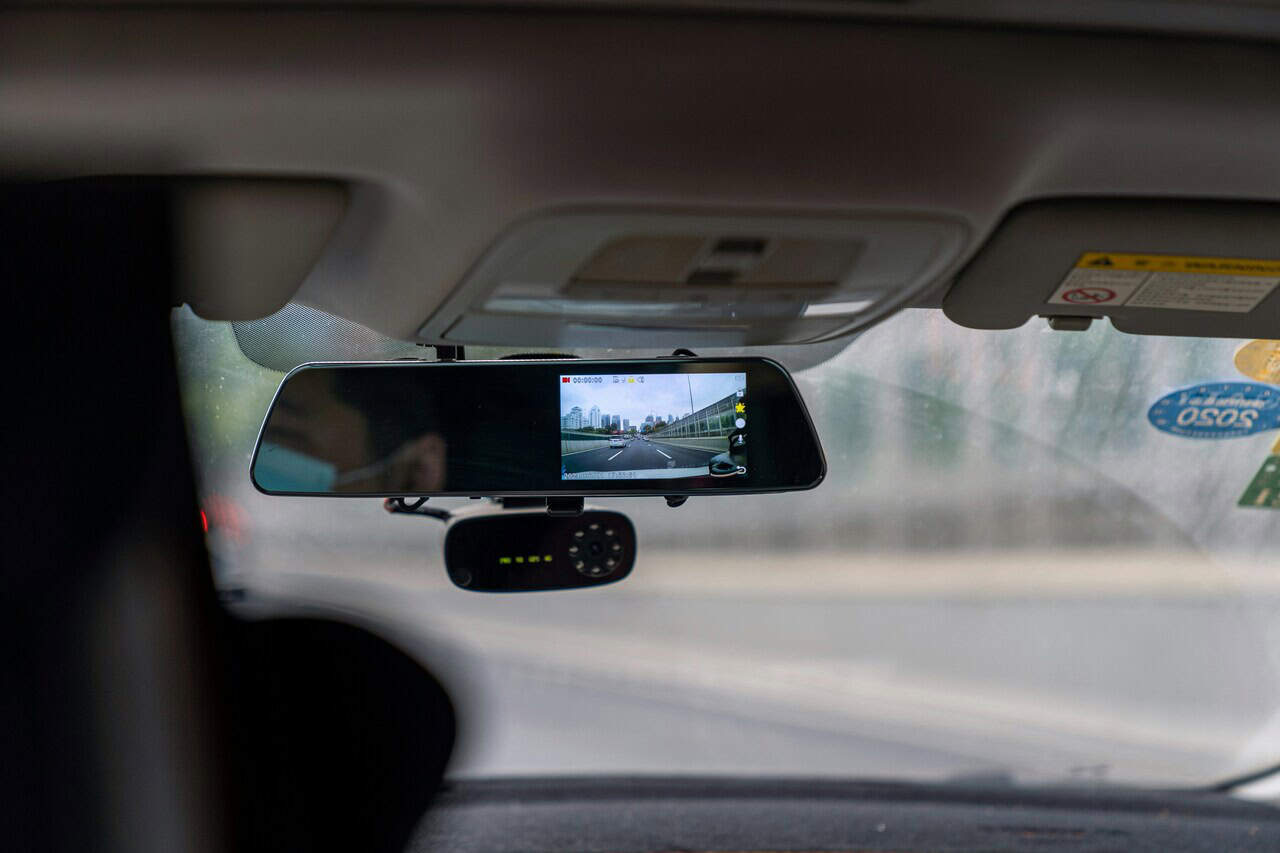
Dashcams are increasingly common across the U.S., with over 22 million active users nationwide as of recent traffic studies. While many drivers install them for safety and proof during accidents, dashcams exist in a complicated legal space. The trouble usually comes from windshield obstruction rules and audio-recording consent laws, both of which vary sharply by state. In some places, a dashcam can save you thousands in disputed claims. In others, it can lead to fines, dismissed evidence, or even criminal exposure if used incorrectly.
1. California
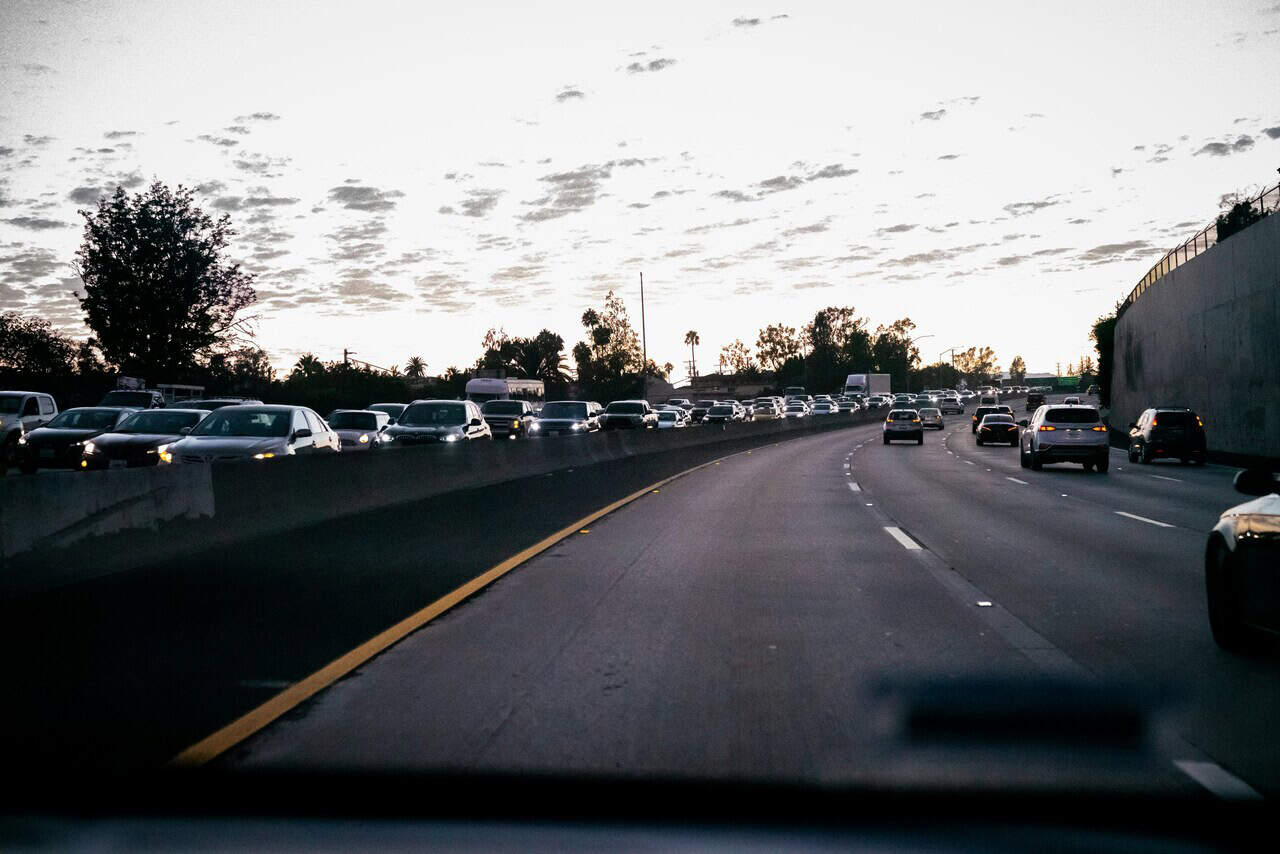
California allows dashcams, but the law is highly specific. Devices may only be mounted in 7-inch corner zones on the windshield or placed behind the rearview mirror. Anything outside those limits can trigger a traffic stop. California is also a two-party consent state, meaning recording audio without notifying passengers can create legal exposure. Despite this, dashcam footage is widely used in civil cases. In 2023, insurers cited dashcam video in over 18% of disputed collision claims, often reducing claim resolution time by nearly 30% when audio was disabled and placement rules were followed.
2. Illinois

Dashcams are legal in Illinois, but audio recording is where drivers get into trouble. Illinois enforces strict two-party consent, and recording in-car conversations without permission can invalidate evidence. Windshield obstruction rules also apply, requiring devices to avoid blocking more than a 4-inch visual arc of the driver’s view. Still, Illinois courts regularly accept silent dashcam footage. According to insurance arbitration data, dashcam video influenced fault decisions in 1 out of every 5 contested crashes statewide, especially in multi-vehicle urban accidents where witness statements often conflict.
3. New York

New York permits dashcams but enforces obstruction laws aggressively. Cameras mounted too low or too centrally can result in citations during routine stops. Audio recording falls under consent rules depending on circumstances. Where dashcams help most is in insurance disputes. In 2022 alone, New York insurers reported dashcam evidence reduced fraud-related payouts by nearly $170 million. Video footage is frequently accepted in hit-and-run investigations and no-fault claims, particularly in dense areas where accident scenes clear quickly and eyewitnesses are difficult to track down afterward.
4. Virginia

Virginia is known for some of the strictest windshield obstruction laws in the country. Even small dashcams improperly placed can result in fines or inspection failures. The state does allow one-party audio consent, making in-car recording legal in most situations. When mounted correctly often behind the rearview mirror, dashcams are extremely effective. Traffic court data shows drivers presenting dashcam footage were over 40% more likely to have citations reduced or dismissed, particularly in speeding and improper-lane-change cases.
5. Minnesota
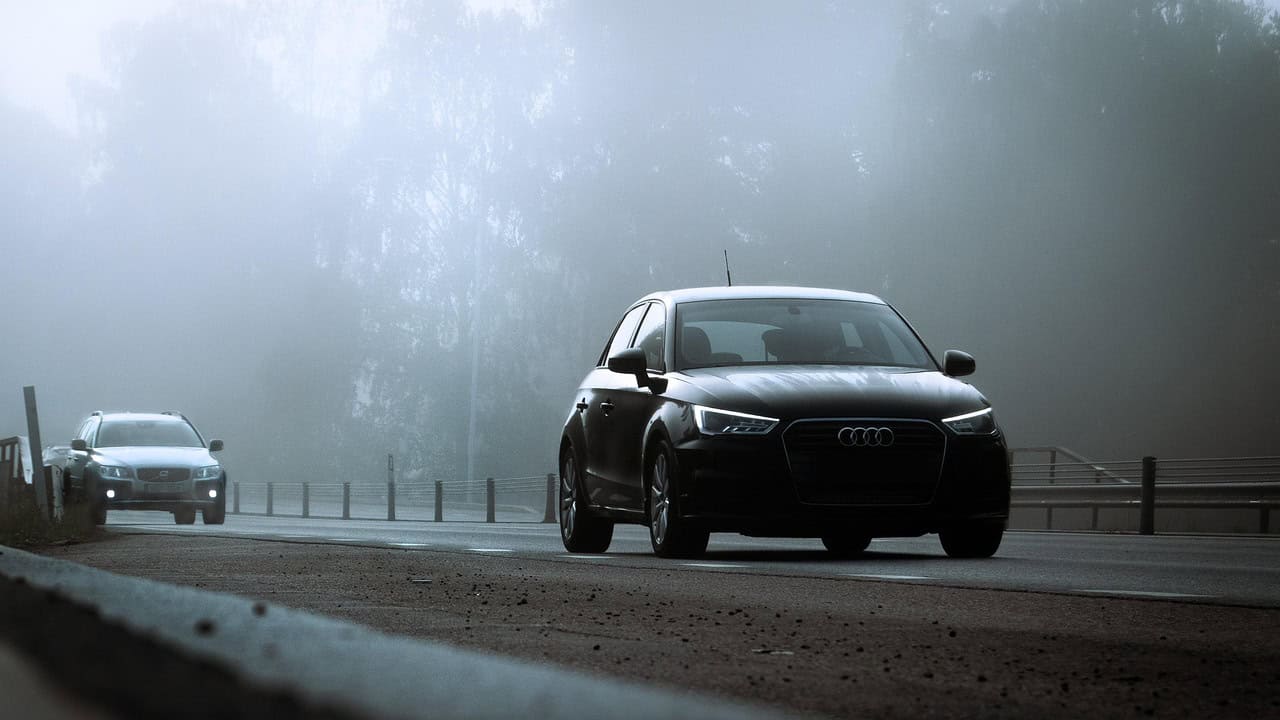
Minnesota allows dashcams but limits placement to areas that do not interfere with driver visibility, especially critical during winter conditions. The state follows one-party consent, so audio recording is generally legal. Dashcams play a major role during winter accident disputes. Insurance data shows that during icy months, dashcam footage is used in nearly 28% of multi-vehicle claims, helping establish loss of control, braking distance, and road conditions. Proper placement and clear lens maintenance are especially emphasized due to snow and frost buildup.
6. Pennsylvania
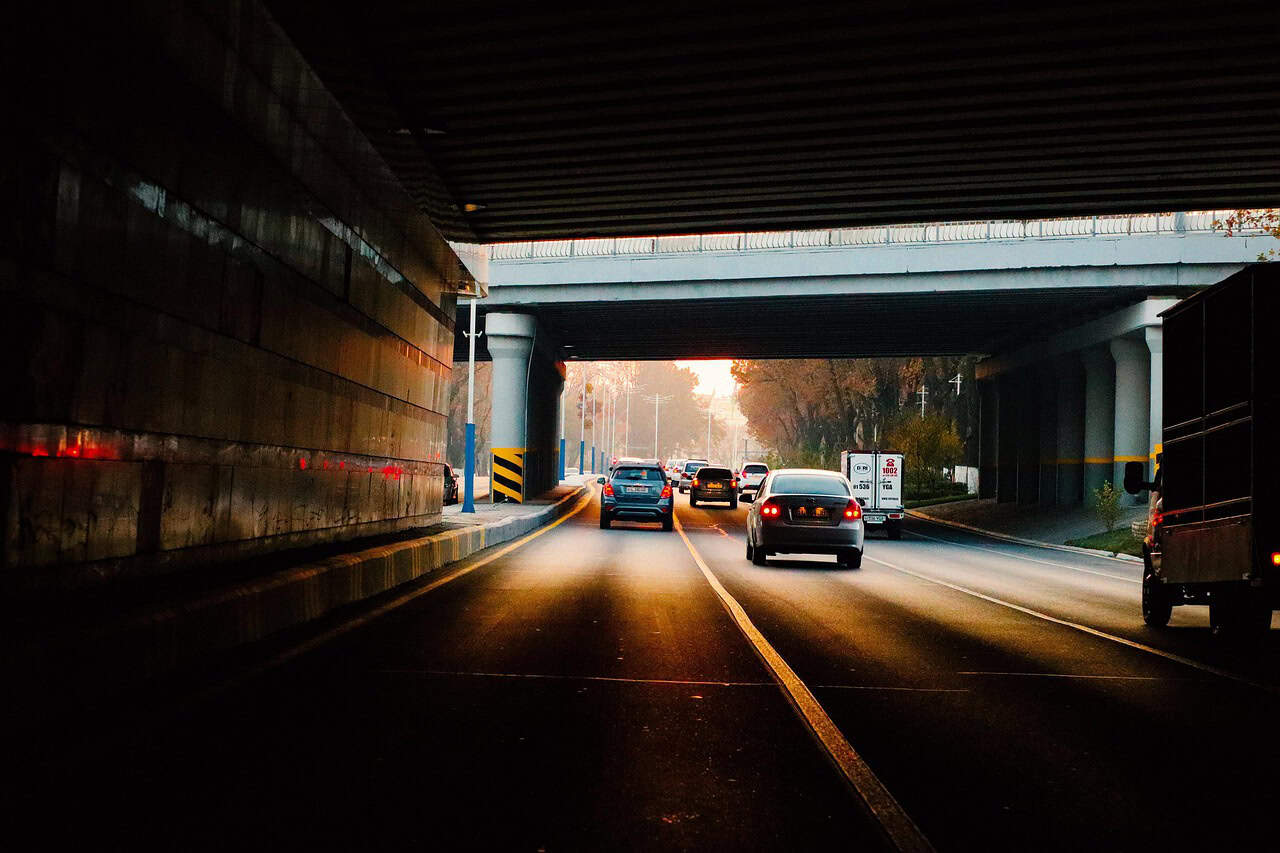
Dashcams are legal in Pennsylvania, but the state’s two-party consent law creates significant risk for audio recording. Drivers unaware of this have faced evidence suppression and legal penalties. Video alone, however, is commonly accepted. In civil litigation, dashcam footage has been referenced in roughly 1 in 6 vehicle liability cases, particularly where fault is disputed. Windshield placement must avoid blocking safety inspection zones, making discreet mounting critical for drivers who rely on footage during insurance negotiations.
7. New Jersey

New Jersey’s obstruction laws are strict, and improper dashcam placement can lead to stops or citations. Audio consent issues may also arise depending on who is recorded. Despite this, dashcams are widely used in insurance reviews. State insurance data indicates dashcam footage shortens claim investigation times by an average of 12 days, especially in rear-end and intersection collisions. When mounted legally and used without audio, dashcams have helped drivers successfully challenge traffic tickets and disputed liability findings.
8. Washington

Washington allows dashcams but enforces two-party consent for audio, making sound recording risky without explicit permission. Several cases have seen dashcam audio lead to evidence exclusion. Video, however, remains valuable. Accident reconstruction specialists in Washington report using dashcam footage in nearly 35% of serious collision analyses, particularly in rain-related crashes. Properly configured dashcams, video only are often key in determining speed, signal compliance, and lane positioning during complex claims.
9. Arizona
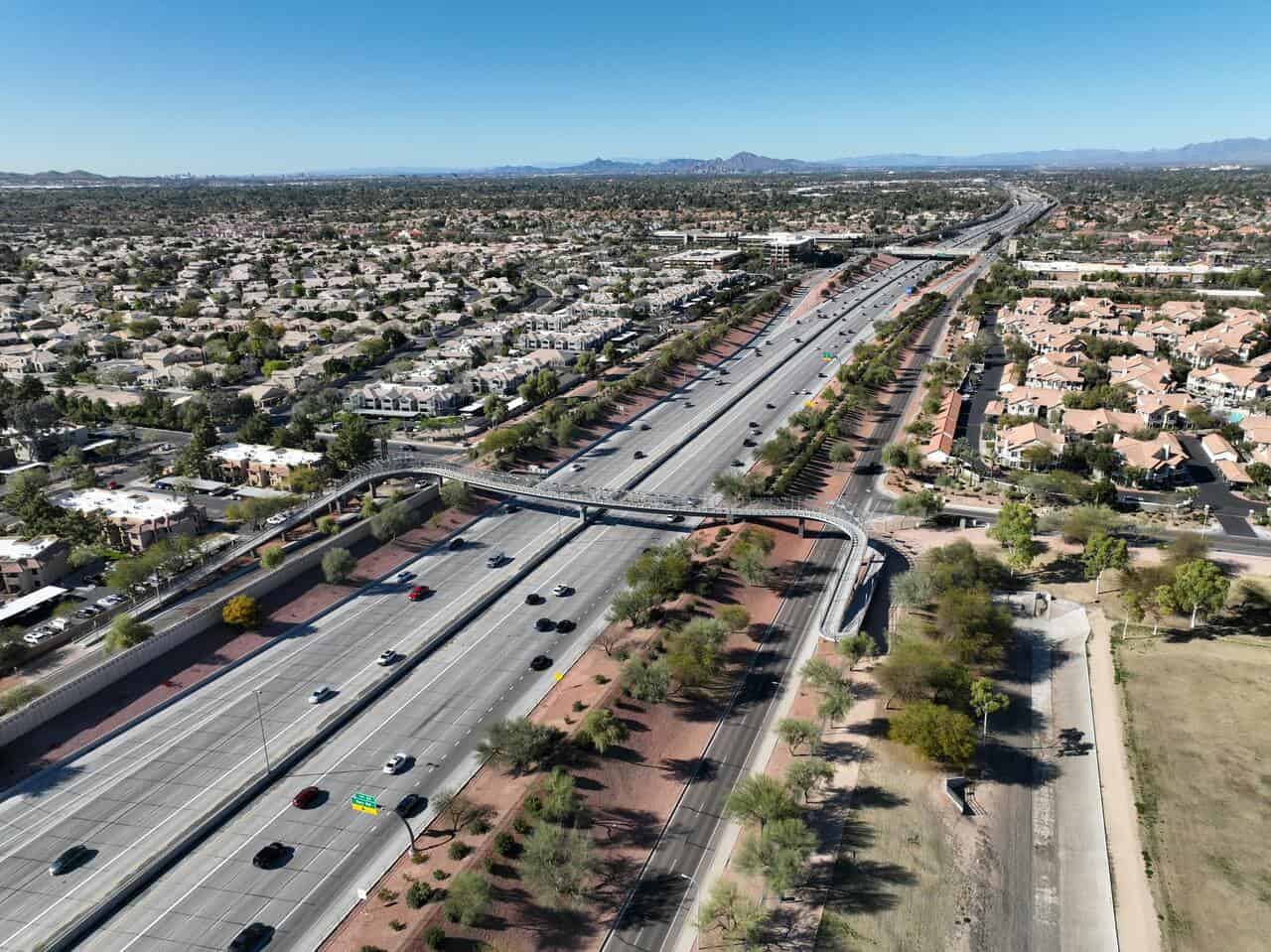
Arizona is one of the more dashcam-friendly states. Mounting rules are flexible, and the state follows one-party consent, allowing audio recording in most situations. Dashcam usage is common, especially in long-distance highway driving. Insurance reports show dashcam footage contributes to faster claim resolution in over 30% of highway collision cases. Courts routinely accept footage, and law enforcement has acknowledged dashcams as helpful in documenting aggressive driving and sudden lane-change incidents common on high-speed desert roads.
10. Florida

Florida permits dashcams but applies two-party consent to audio recording, which can surprise many drivers. Windshield visibility rules must also be followed carefully. Where dashcams truly shine is fraud prevention. Florida insurers report dashcam footage has helped identify staged or exaggerated accidents in nearly 21% of investigated claims. With one of the highest insurance fraud rates in the U.S., properly used dashcams often protect drivers from inflated liability, provided audio is disabled and placement complies with visibility standards.