We may earn money or products from the companies mentioned in this post. This means if you click on the link and purchase the item, I will receive a small commission at no extra cost to you ... you're just helping re-supply our family's travel fund.
Trips are supposed to feel like a break from argument, but politics now rides along in the booking flow. Some Americans still pick destinations on weather and price alone. Others quietly steer around states that have become symbols in national fights, especially when planning weddings, conferences, team retreats, or group reunions. The pattern is rarely announced as a boycott. It shows up as a changed venue, a different beach, or a new city for the same weekend. These states have all drawn high-profile advisories, relocation campaigns, or backlash that continues to shape travel decisions.
Florida
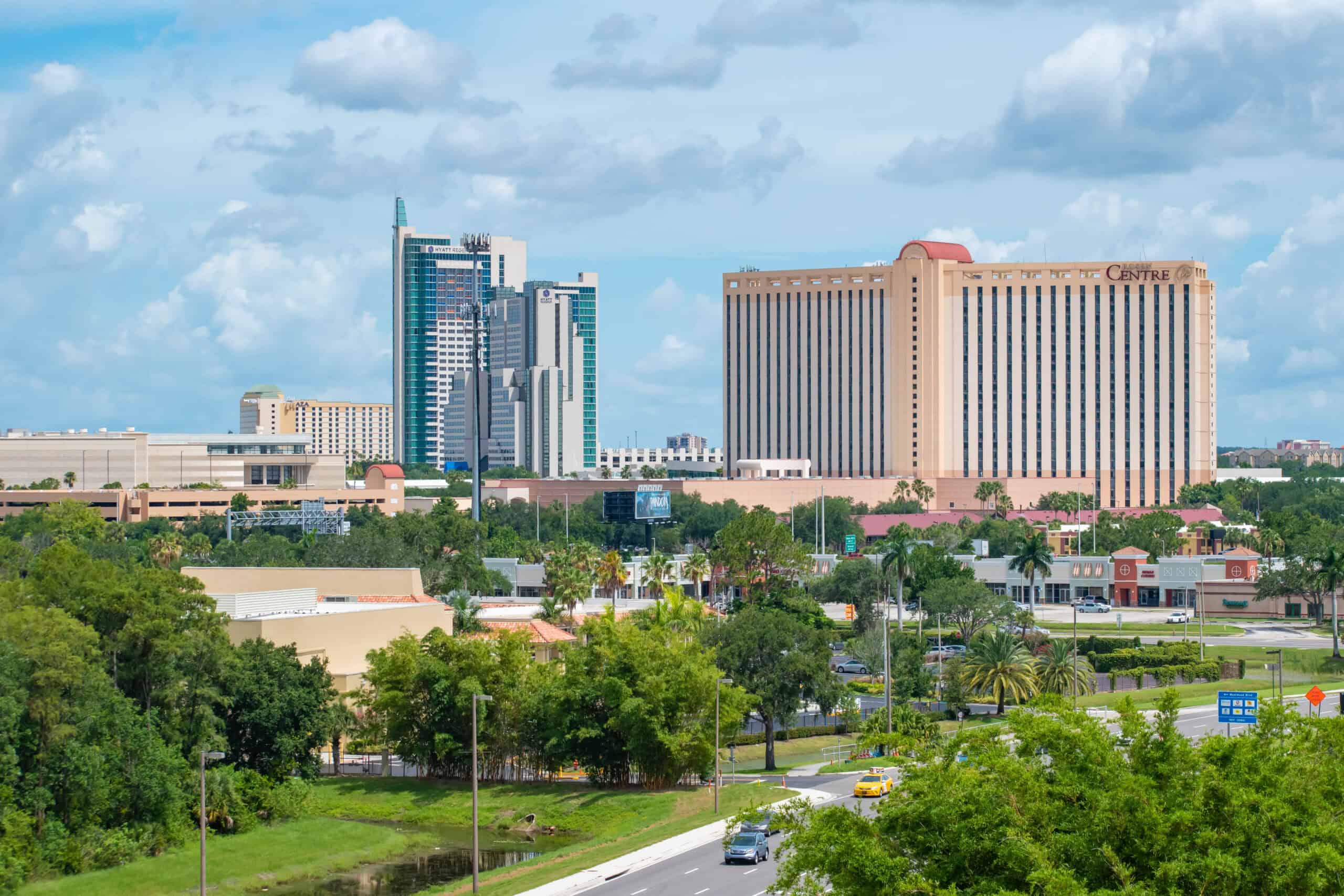
Florida remains a tourism giant, yet it has also been a magnet for public travel warnings and event cancellations tied to state politics, which can spook groups that plan months in advance. The NAACP issued a travel advisory on May 20, 2023, and other organizations later echoed concerns, giving cautious planners an easy justification to reroute a reunion, conference, or Pride-season weekend. In practice, the shift looks quiet: a different beach town, a different theme-park base, or a cruise that launches from another port, chosen because organizers want full turnout and a trip that stays about sunshine, not headlines.
Texas
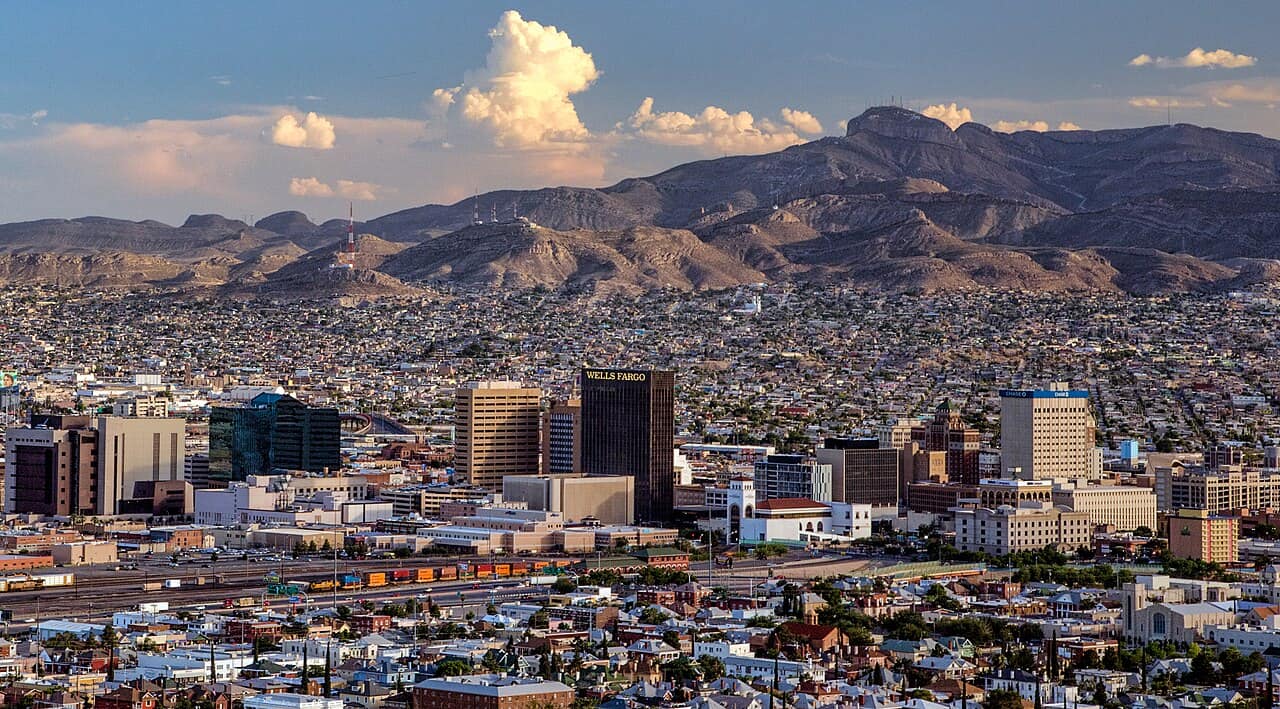
Texas still sells big-city weekends and convention-center scale, but abortion restrictions have pushed some physicians and medical groups to call for conference boycotts or relocations, especially for meetings that draw pregnant attendees and clinicians. Reporting in 2024 described doctors building alternative events outside Texas to avoid legal uncertainty around emergency care and professional liability. Vacationers are not filing boycott press releases, yet group planners notice the same risk signals, and a bachelor weekend or corporate retreat can slide from Austin to another city where no one has to debate hospital policy over dinner.
Louisiana
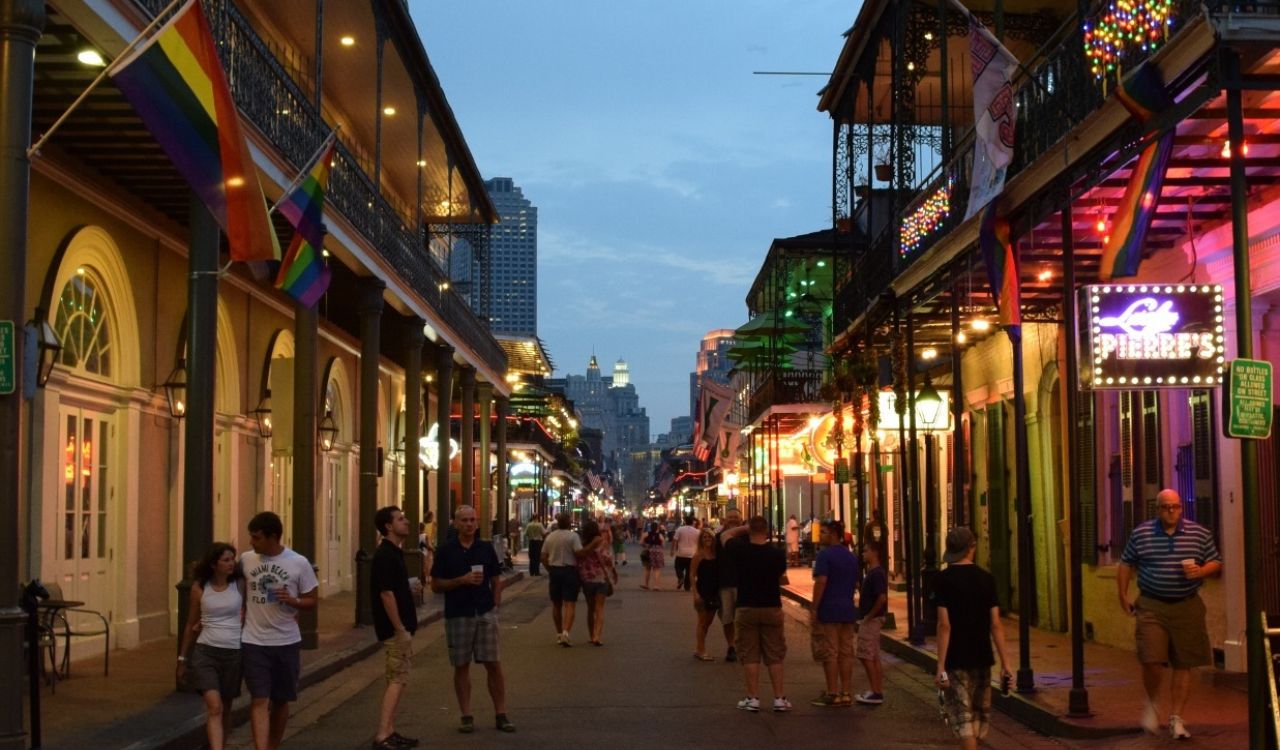
Louisiana’s music, food, and festival calendar pulls travelers in, but professional travel has felt the chill when state politics collide with attendee safety and organizational duty of care. In Sept. 2022, Nature reported that more than 800 American Geophysical Union members petitioned to move a 2025 meeting out of Louisiana because of abortion restrictions and concern about medical emergencies. When a destination becomes a compliance question, weekend travel can become collateral damage too, as groups choose another city where flights are simple, contracts are calmer, and the only tense moment is picking between jazz clubs.
Idaho
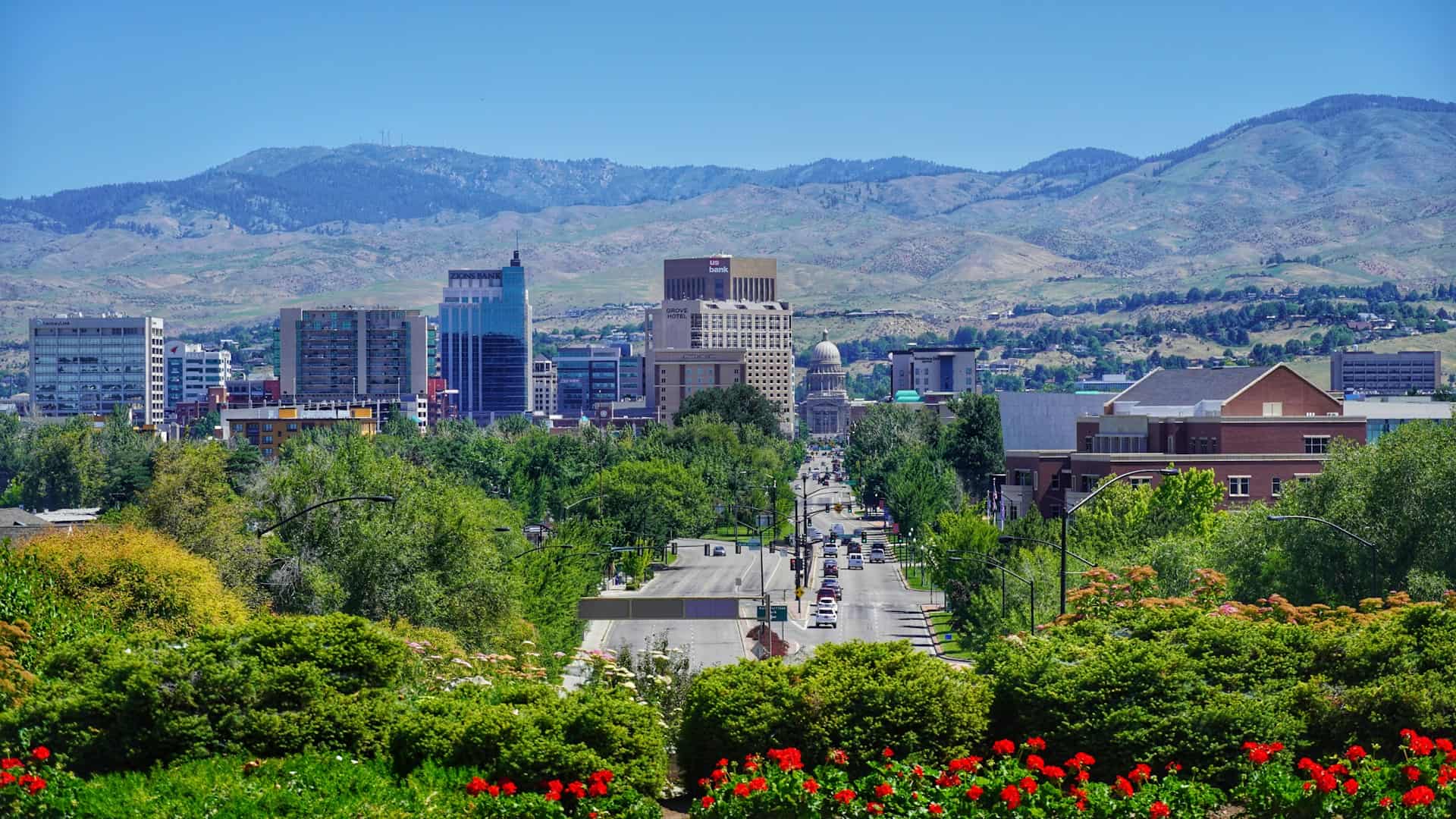
Idaho’s mountains and lakes promise quiet, but headlines about healthcare access have changed how some travelers judge practical risk, especially for pregnant people or families planning long drives far from major hospitals. An Associated Press report in Feb. 2024 said Idaho’s number of obstetricians fell from 227 in 2022 to about 176 in 2023, with more than 50 stopping obstetrics work after abortion bans took effect. Even visitors who never expect to need care notice when services thin out in rural areas, and they may choose Colorado, Utah, or Washington for a similar landscape with more predictable medical backup if something goes wrong.
Georgia

Georgia’s travel brand overlaps with its film economy, so political flashpoints can ripple quickly into public perception, event bookings, and the sense of whether a destination will feel easy for a mixed group. In 2019, Reuters reported Disney’s CEO said it would be difficult to keep filming in Georgia if the state’s heartbeat abortion law took effect, reflecting wider boycott pressure across entertainment. Plenty of people still book Atlanta and Savannah, but some planners quietly pick a neighboring state when they want a weekend defined by museums, seafood, and tours, not by a policy debate that follows everyone from brunch to bedtime.
Indiana

Indiana learned how fast meetings travel can move when a state becomes a symbol in a national cultural fight, because conventions live and die by attendee comfort and sponsor risk. After the 2015 RFRA controversy, Visit Indy estimated Indianapolis lost more than $60 million in future convention business, a figure that became shorthand for reputational blowback. That memory lingers in planning circles, and it nudges group trips toward cities that feel less likely to trigger internal debate, social backlash, or last-minute cancellations, even if the alternative costs a bit more per night.
Mississippi

Mississippi’s Gulf Coast and Delta heritage draw loyal visitors, yet the state has also seen official travel restrictions used as protest, which shapes how institutions and groups talk about hosting there. After HB 1523 in 2016, multiple states issued bans on nonessential, publicly funded travel to Mississippi, a loud signal that policy disputes can become real budget constraints. Those rules targeted government travel, but the message traveled further, and some leisure groups quietly take reunions, tournaments, and youth trips elsewhere to keep the weekend focused on blues, barbecue, and small-town warmth, not controversy.
North Carolina
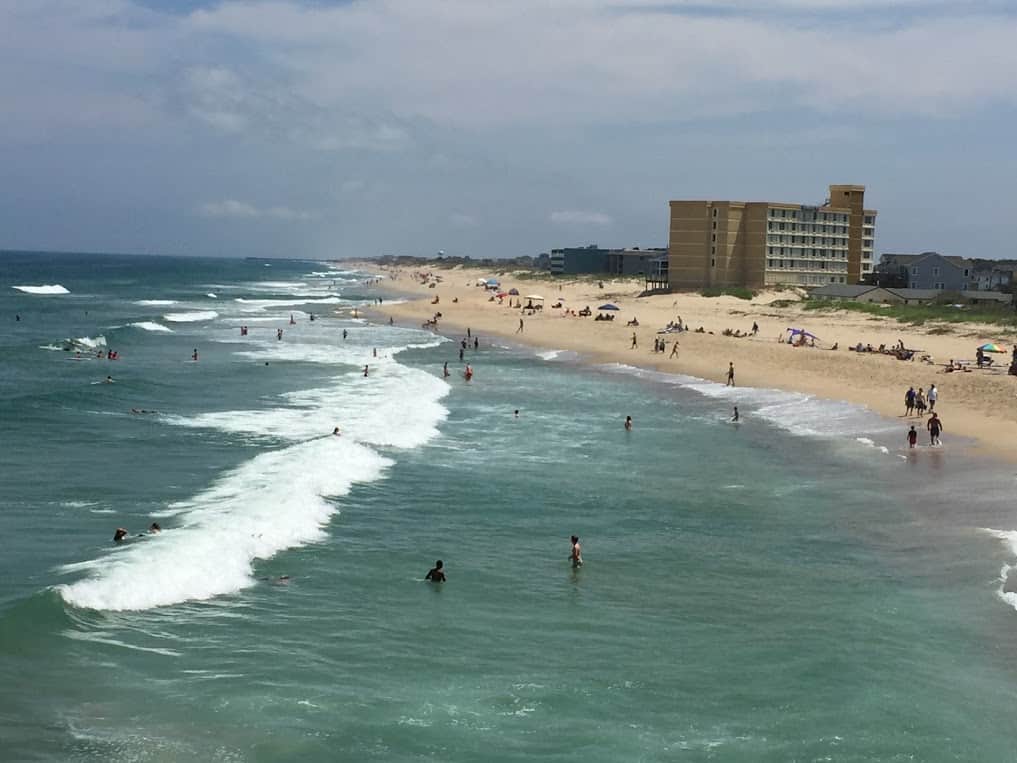
North Carolina’s beaches and mountain towns keep their charm, but the HB2 bathroom-bill era became a cautionary tale for how quickly a policy fight can hit tourism, sports, and meetings. An Associated Press analysis in 2017 projected the law could cost the state more than $3.76 billion over roughly a dozen years through lost business and canceled projects. Even after revisions, the episode still influences risk-averse planners, who remember concerts and championships relocating and assume another storm could return with one legislative session, turning a simple getaway into a political argument in the group text.
Arizona

Arizona’s desert resorts and national-park gateways sit alongside a long memory of boycott-era travel politics, the kind that lingers with convention planners long after the news cycle moves on. After SB 1070 in 2010, analyses tracked convention cancellations and lost visitor spending tied to boycott calls, making meetings travel an early warning system for reputational risk. Leisure travelers may not cite a bill number, but they notice when a destination feels charged in group chats, and they often pick New Mexico, Nevada, or California instead, choosing a Southwest itinerary that feels lighter from the first hotel check-in.
Alabama
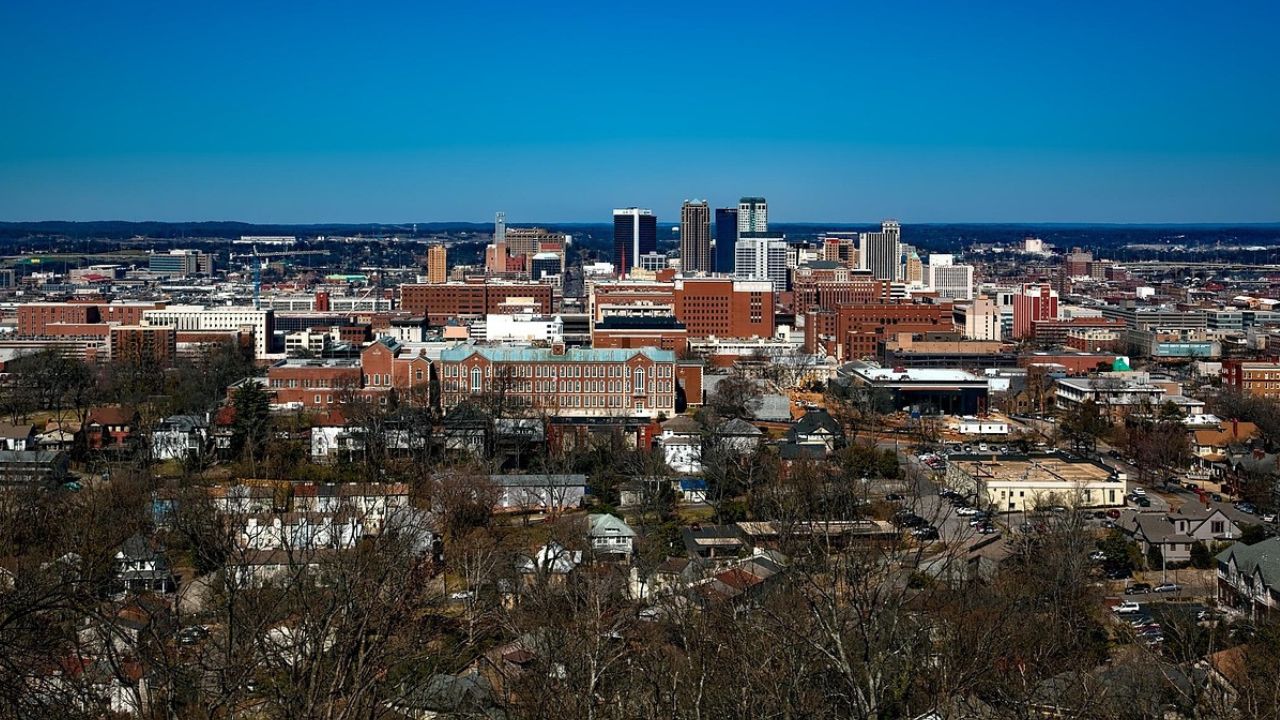
Alabama’s beaches and college towns can feel apolitical on a sunny weekend, yet the state has repeatedly been pulled into national campaigns that influence where groups choose to spend money. Reuters reported in May 2019 that boycott calls gained momentum after Alabama passed a near-total abortion ban, with activists urging economic pressure and some officials calling for retaliation. When travel becomes a statement by default, some Americans opt out by choosing the next state over, not to punish locals, but to keep the trip calm and predictable, with fewer hard conversations intruding on plans like concerts, ballgames, and family time.