We may earn money or products from the companies mentioned in this post. This means if you click on the link and purchase the item, I will receive a small commission at no extra cost to you ... you're just helping re-supply our family's travel fund.
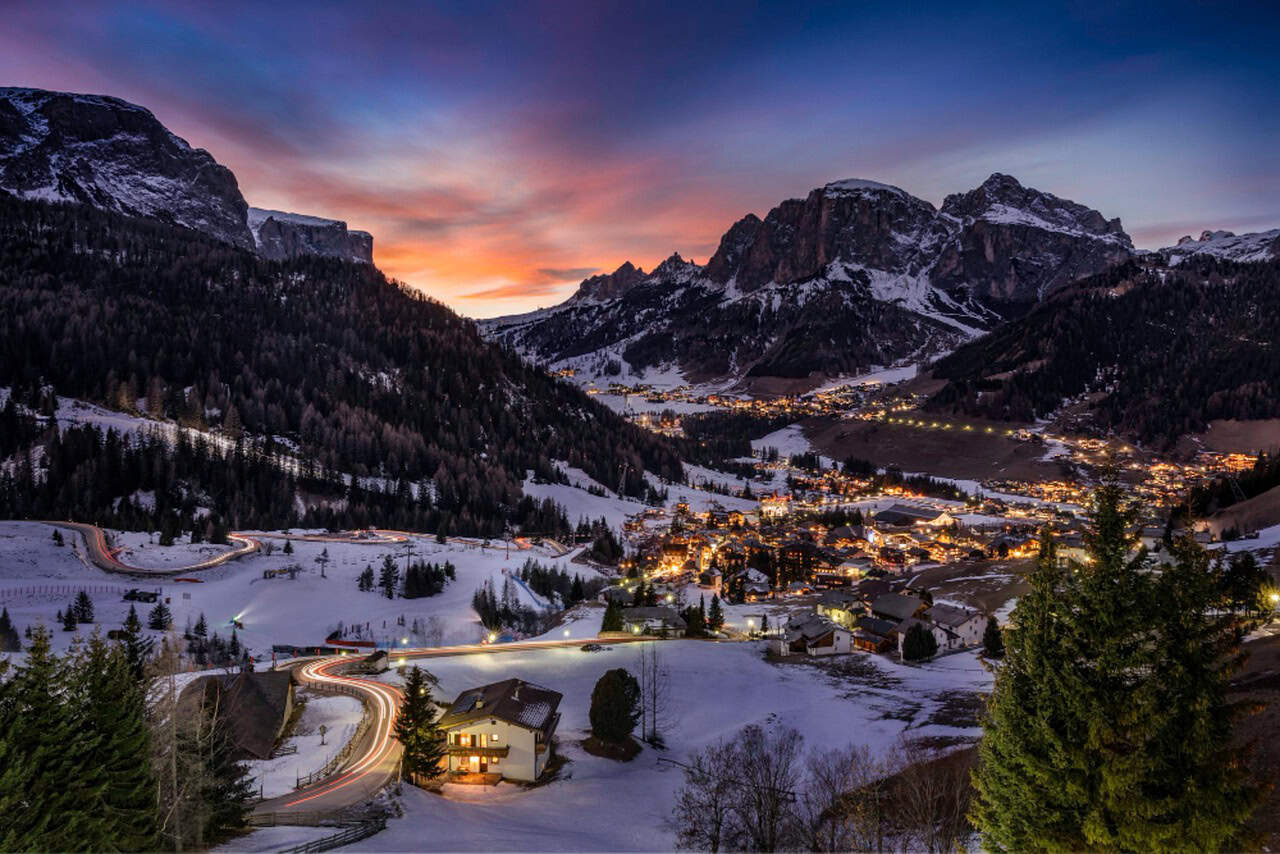
When winter settles over the mountains, some towns seem to slip straight into a dream. Rooflines disappear beneath thick snow, forests turn silver-white, and silence replaces the rush of summer crowds. These places are not just cold-weather destinations—they become immersive winter landscapes where daily life continues against dramatic alpine backdrops. From Europe to Asia and the Americas, the following mountain towns are transformed by snow into scenes that feel almost unreal. Each offers its own mix of altitude, snowfall, culture, and winter rhythm, making them extraordinary places to experience the season at its most visually striking.
1. Zermatt, Switzerland
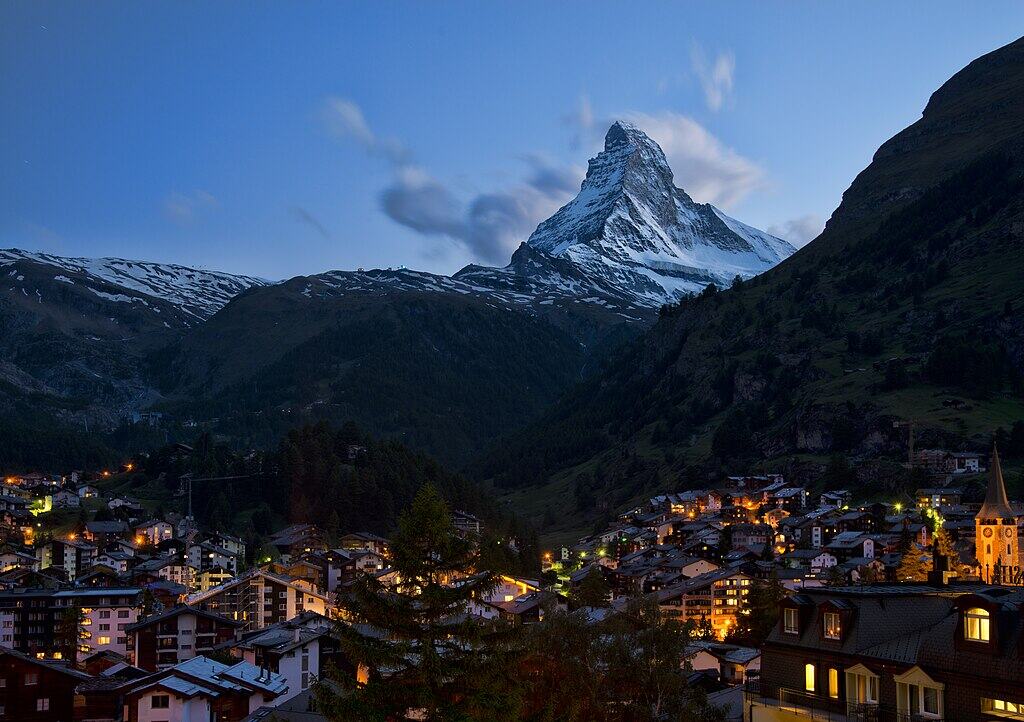
Zermatt sits at 1,620 meters above sea level, tucked beneath the iconic Matterhorn, which rises sharply to 4,478 meters. In winter, average snowfall reaches nearly 300 inches annually, turning the car-free village into a pristine white basin. Temperatures from December to February typically range between −10°C and 2°C, preserving the powdery snow for months. Timber chalets glow warmly against frozen streets, while horse-drawn carriages replace traffic noise. With over 360 km of ski terrain nearby and winter daylight averaging 6–7 hours, Zermatt balances hushed beauty with high-altitude adventure.
2. Hallstatt, Austria
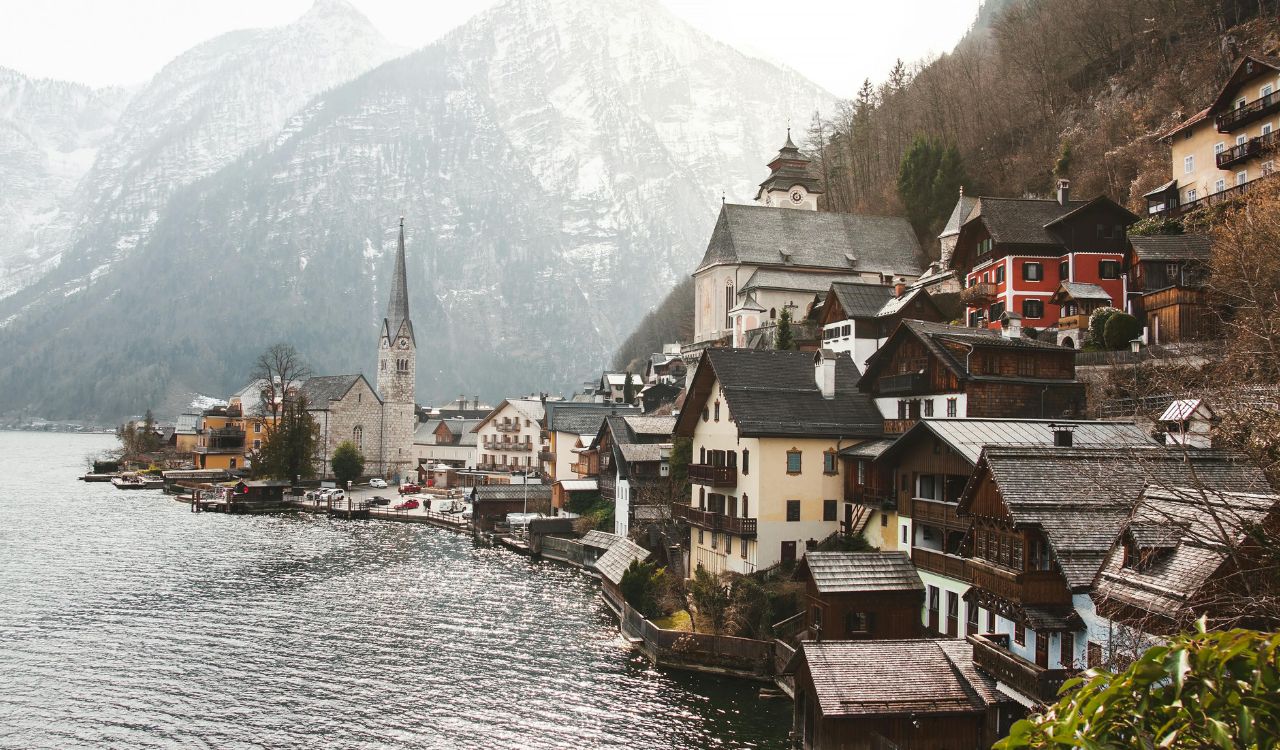
Perched along Lake Hallstatt at roughly 511 meters elevation, this UNESCO-listed village becomes especially surreal when snow blankets its steep rooftops. Winter snowfall averages 60–80 inches, enough to soften every edge without overwhelming the town’s delicate scale. Temperatures hover between −5°C and 5°C, often creating mist where cold air meets the lake’s warmer surface. Fewer than 800 residents remain year-round, making winter notably quiet. Reflections of snow-covered houses on the frozen shoreline, paired with surrounding Dachstein peaks rising above 2,900 meters, create postcard-perfect stillness.
3. Banff, Canada
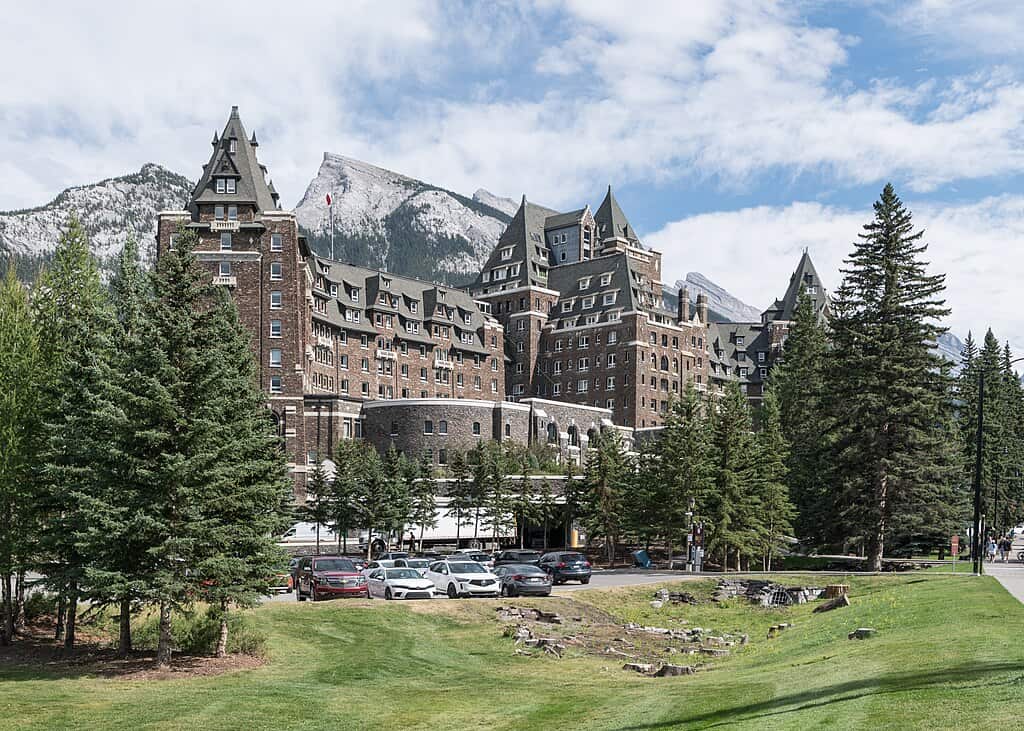
Located at 1,383 meters within Banff National Park, Banff experiences long, snowy winters with annual snowfall averaging 94 inches in town and far more at higher elevations. Temperatures frequently range from −15°C to 0°C, though Chinook winds occasionally bring brief thaws. Snow-draped fir forests surround the town, while Mount Rundle and Cascade Mountain frame the skyline. With a permanent population of about 8,000 and three major ski resorts within 45 minutes, Banff feels lively yet visually untouched, especially during shorter winter days averaging 8 hours of light.
4. Shirakawa-go, Japan
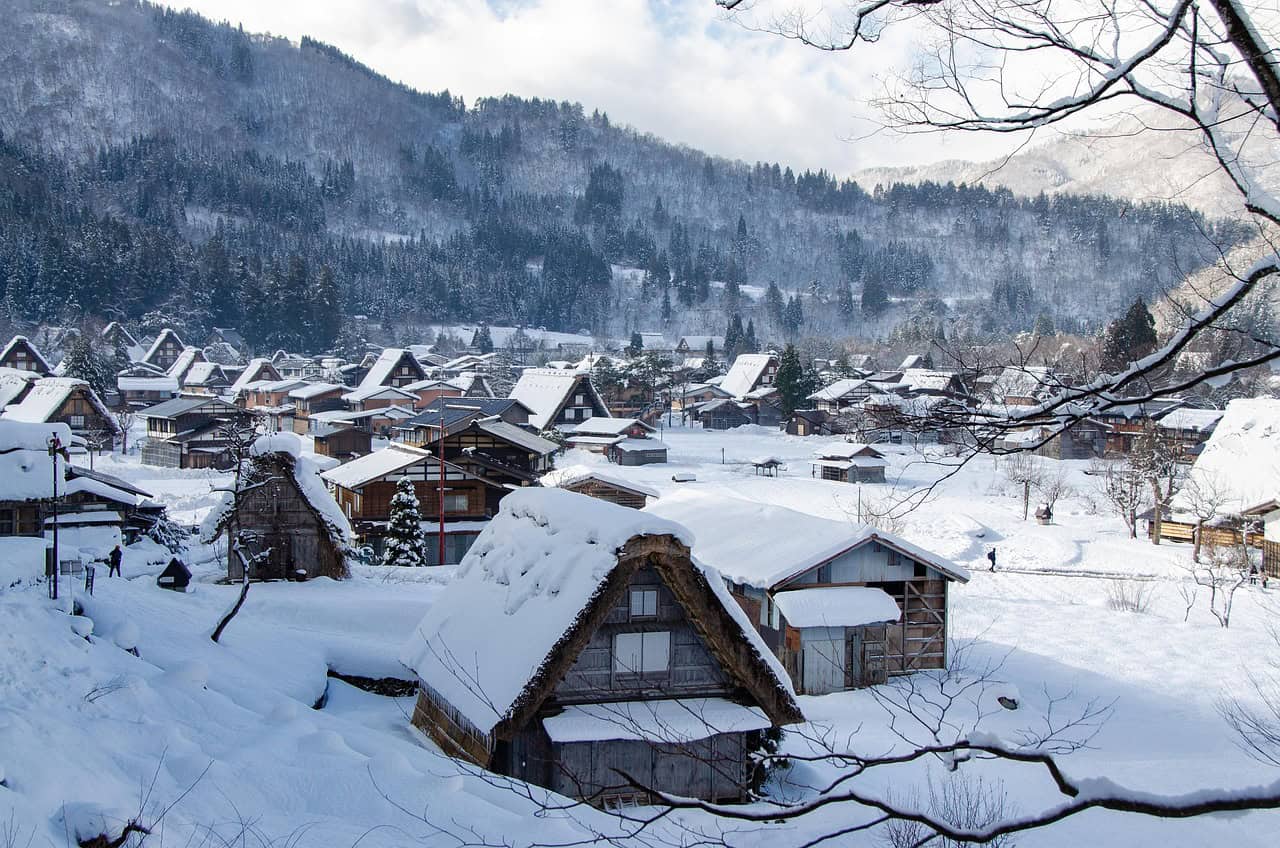
This remote mountain village sits at around 500 meters elevation in Japan’s Gifu Prefecture and is famous for its steep gasshō-zukuri farmhouses. Winter snowfall can exceed 300 inches, among the heaviest for any inhabited town globally. Temperatures commonly drop to −8°C, and snow piles several meters high along roadsides. Home to fewer than 1,600 residents, Shirakawa-go feels insulated from the modern world in winter. At night, selective illumination events reveal glowing houses beneath thick snow caps, surrounded by silent, forested hills.
5. Reine, Norway
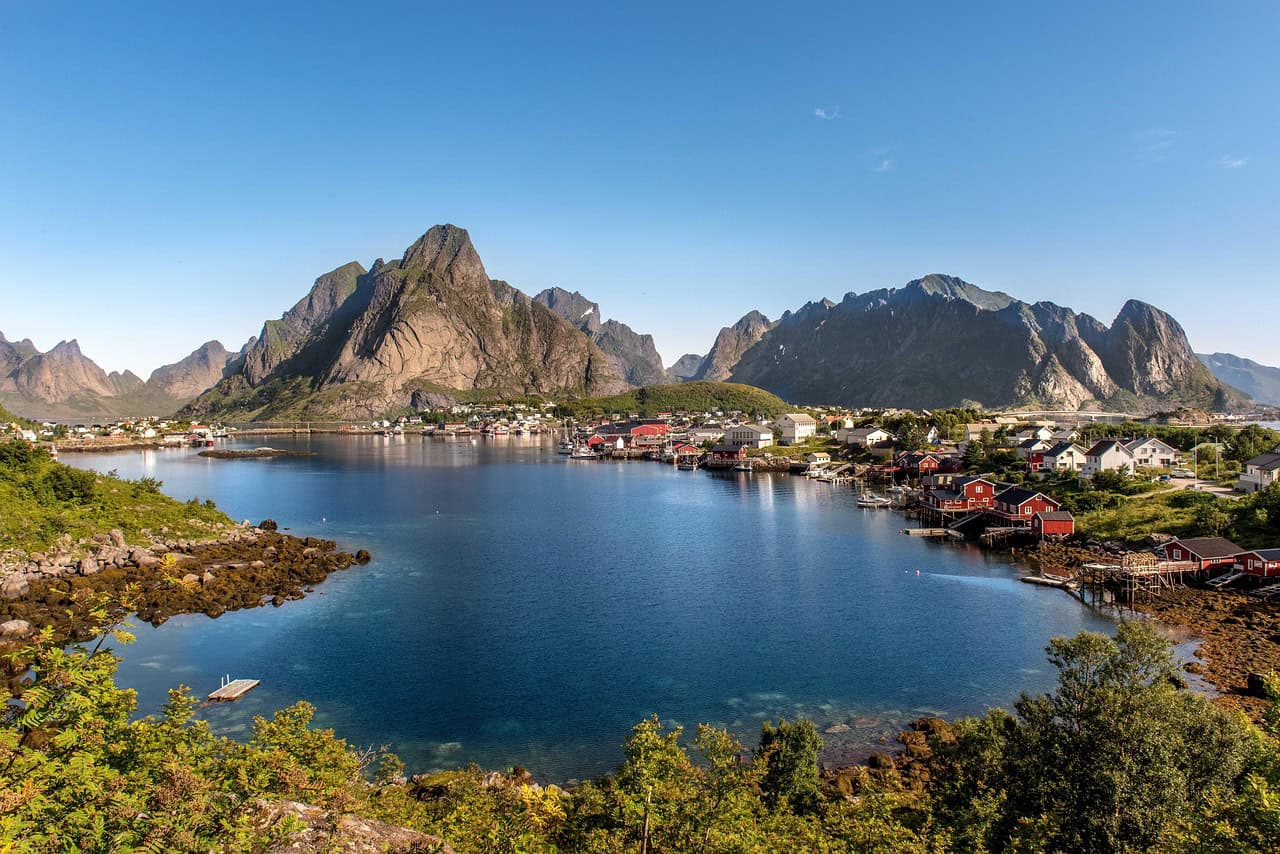
Reine lies almost at sea level in the Lofoten Islands, yet winter transforms it into a frozen Arctic vision. Snowfall averages about 70 inches annually, while temperatures surprisingly remain moderate, ranging from −3°C to 4°C due to ocean currents. The village’s red fishermen’s cabins contrast sharply against white snow and jagged granite peaks rising over 1,000 meters. With fewer than 350 residents, winter life slows dramatically. Limited daylight—sometimes just a few hours adds to the unreal atmosphere, especially when northern lights reflect off icy fjords.
6. Aspen, United States
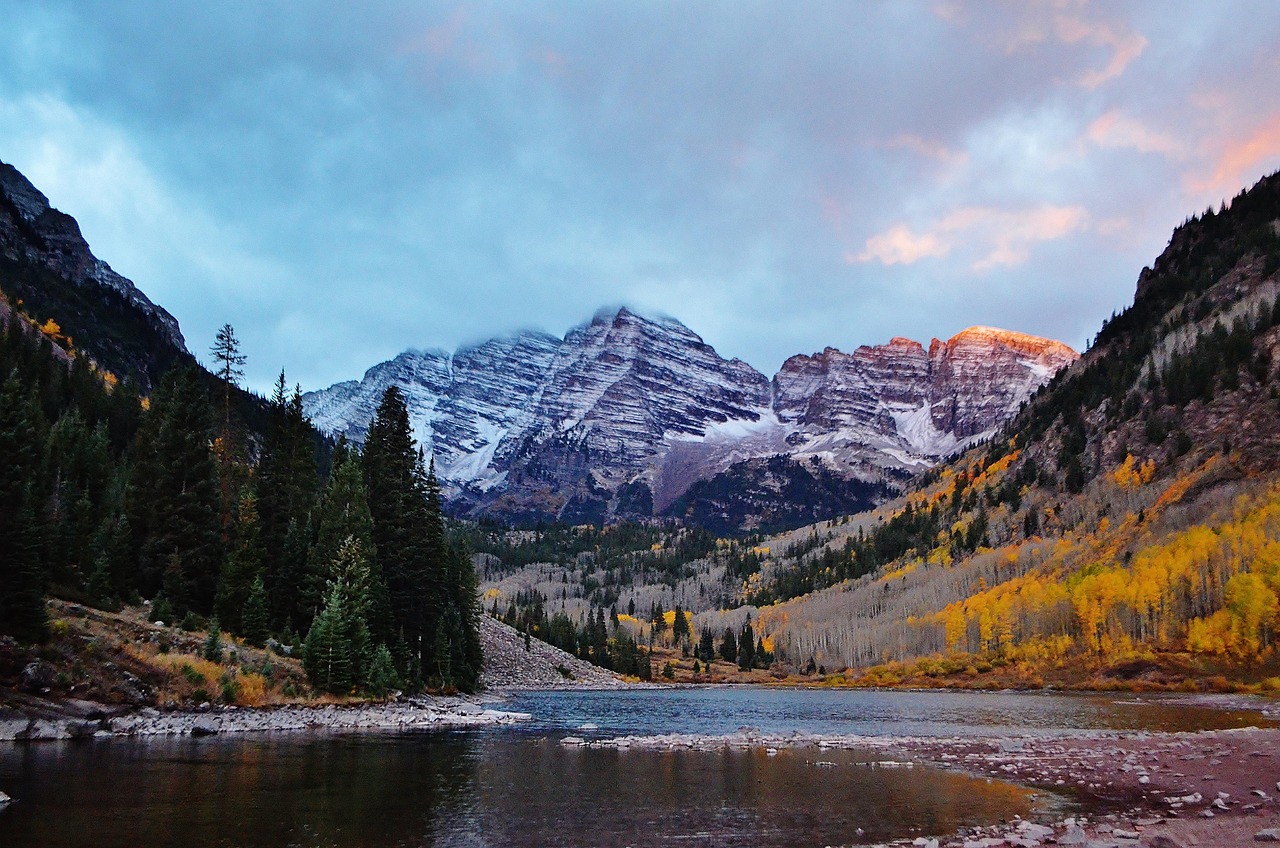
Set at 2,405 meters in Colorado’s Rocky Mountains, Aspen receives roughly 120 inches of snow each winter. Temperatures usually range from −12°C to 3°C, keeping snow light and dry. Victorian-era buildings line streets framed by the snow-covered Elk Mountains, many exceeding 4,000 meters in elevation. While the town hosts around 7,000 residents, winter makes it feel both intimate and dramatic. Four surrounding ski areas span more than 5,500 acres, yet early mornings and snowfall days reveal a quieter, almost cinematic side of Aspen.
7. Mürren, Switzerland
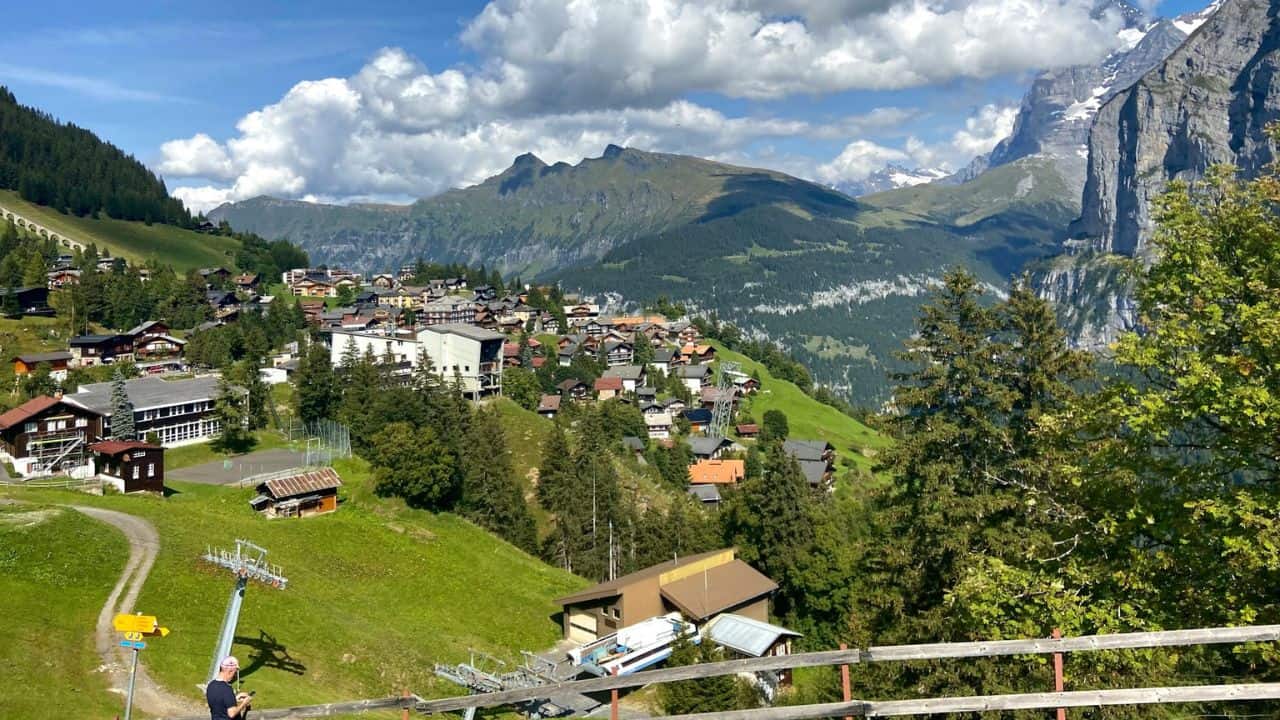
Mürren rests on a cliff-edge terrace at 1,650 meters, accessible only by cable car or train. Winter snowfall averages close to 250 inches, while temperatures stay between −8°C and 2°C. With no road access, the village of about 430 residents remains remarkably peaceful under snow. The Eiger, Mönch, and Jungfrau peaks dominate the view, rising beyond 4,000 meters. Snow-laden paths wind between chalets, and winter sunlight reflects intensely off surrounding glaciers, giving Mürren a suspended, otherworldly feeling high above the valley floor.
8. Valdez, Alaska, USA
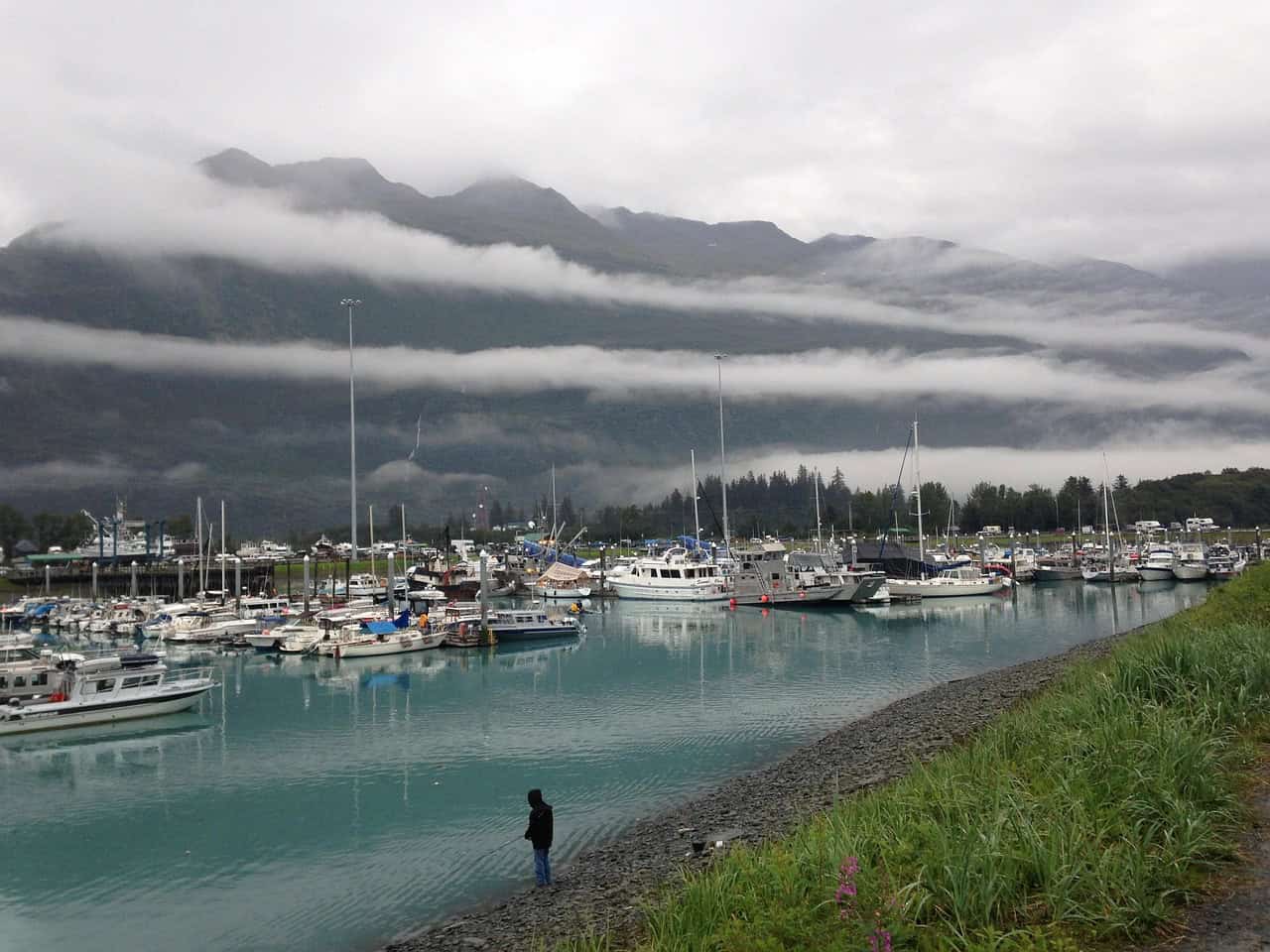
Valdez sits at sea level but is surrounded by mountains exceeding 3,000 meters, creating extreme winter scenery. It averages an astonishing 326 inches of snowfall annually, making it one of North America’s snowiest towns. Temperatures generally range from −6°C to 4°C, keeping snow heavy and abundant. With just under 4,000 residents, daily life continues amid towering snowbanks. Frozen waterfalls line nearby cliffs, and winter storms can reshape the town overnight, giving Valdez a raw, constantly changing winter landscape.
9. Sankt Anton am Arlberg, Austria
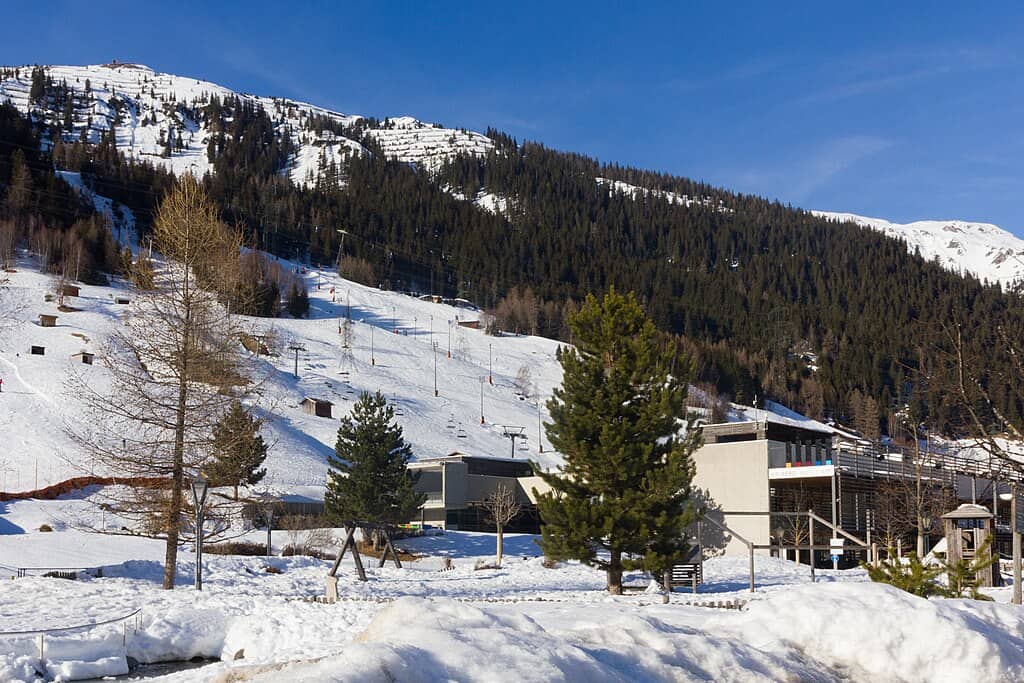
At 1,304 meters elevation, Sankt Anton receives around 275 inches of snow each year, earning its reputation for deep winter conditions. Temperatures typically fluctuate between −10°C and 2°C. Home to roughly 2,500 residents, the village blends historic alpine architecture with dramatic winter terrain. Surrounding peaks rise above 2,800 meters, enclosing the town in a snowy bowl. While known for skiing, quieter winter mornings reveal frost-covered streets, church spires dusted in snow, and a slower rhythm beneath the alpine intensity.
10. Manali, India
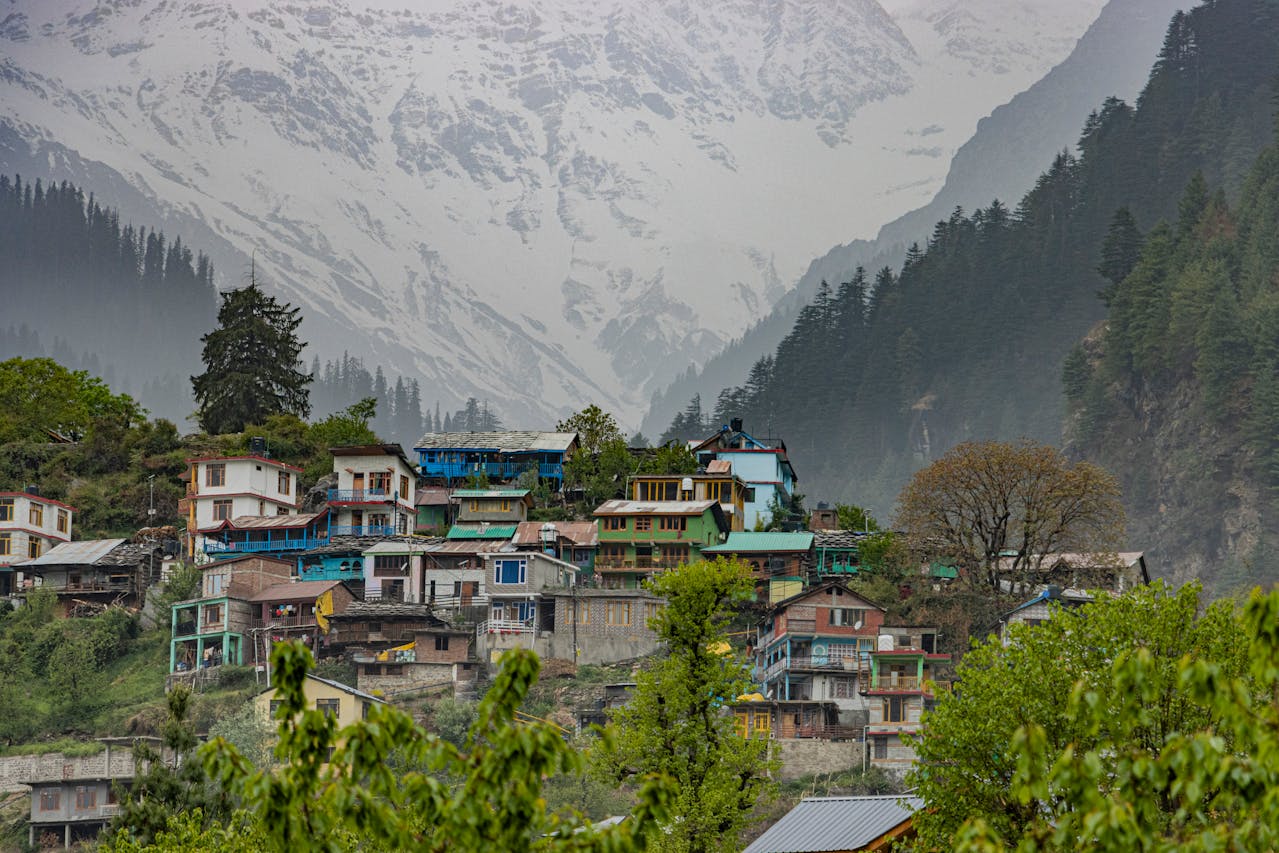
Nestled in Himachal Pradesh at approximately 2,050 meters elevation, Manali transforms completely during winter. Snowfall varies annually but often exceeds 40–60 inches in heavy years, while nearby Rohtang Pass receives far more. Temperatures from December to February range between −7°C and 8°C. Pine forests, wooden homes, and the Beas River freeze into a stark mountain tableau. With a permanent population near 8,000, winter reduces crowds, allowing the surrounding Dhauladhar peaks to dominate the landscape in quiet, snow-filled grandeur.