We may earn money or products from the companies mentioned in this post. This means if you click on the link and purchase the item, I will receive a small commission at no extra cost to you ... you're just helping re-supply our family's travel fund.

Some American towns are betting on laptops, not factories, to write their next chapter. After years of population dips and main streets losing their anchors, leaders are offering cash, housing help, and coworking perks to people who can bring their jobs with them. The incentives are not only about filling rooftops. They are about weekday footsteps downtown, kids on playgrounds that used to sit quiet, and porch lights glowing long after sunset. The money is the hook. A sense of belonging is what turns a move into a home.
Bentonville, Arkansas
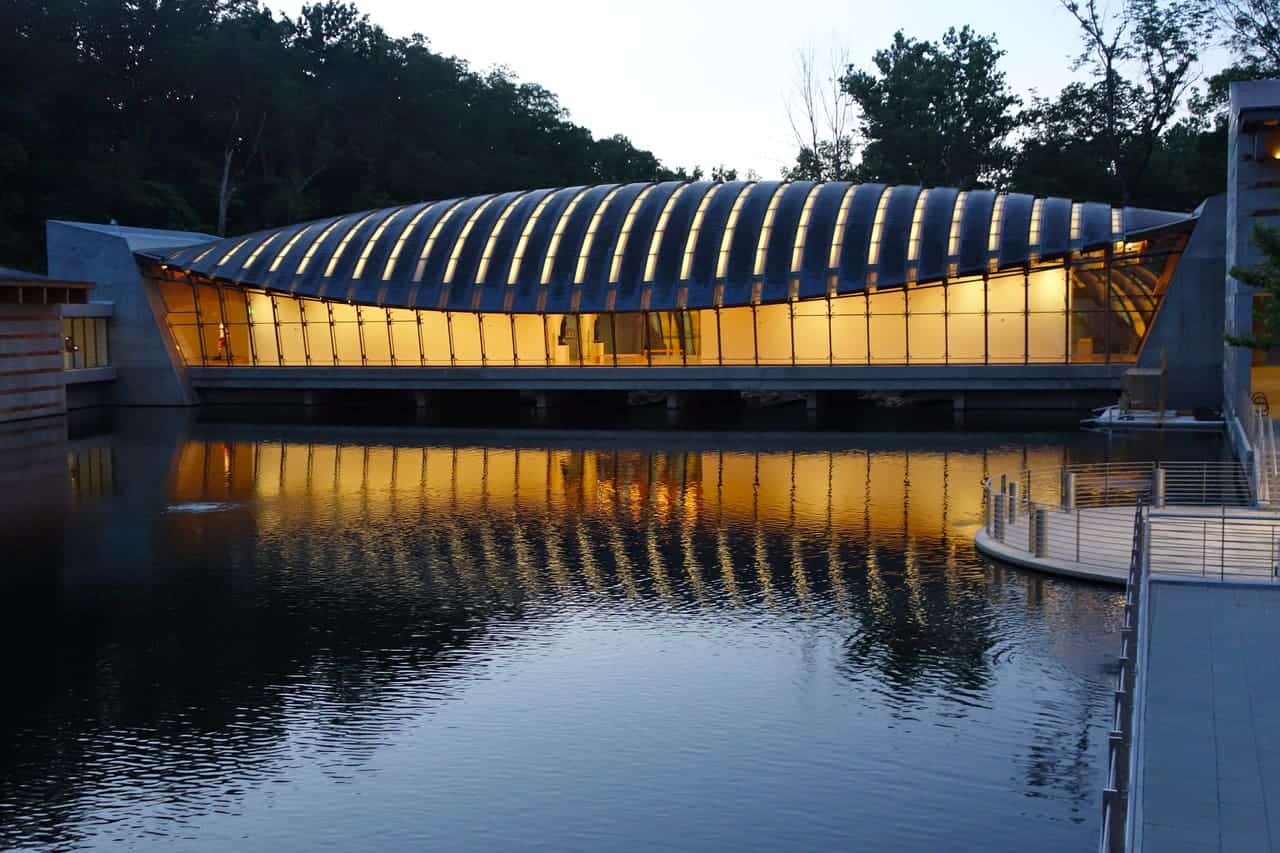
Bentonville blends art, bike culture, and a headline-grabbing relocation offer aimed at remote workers. The package is often framed around up to $10,000 in cash, plus lifestyle perks such as a bike incentive or museum access that nudges newcomers into the city’s everyday social orbit. It is not a sleepy place anymore, yet it still appeals to people who want strong amenities without big-city sprawl. Many transplants describe the shift as trading commute stress for trail rides and community events that happen on a human scale.
Tulsa, Oklahoma

Tulsa Remote became the model other cities studied, and it continues to pull applicants with a $10,000 incentive paid in installments, plus a year of coworking access. The pitch lands best in neighborhoods near the Arts District, where coffee shops, galleries, and patios make weeknights feel easy instead of scheduled. The money helps, but the deeper change is time. People who arrive from denser, pricier cities often talk about getting mornings back, and feeling less rushed without losing professional momentum or creative energy.
Topeka, Kansas
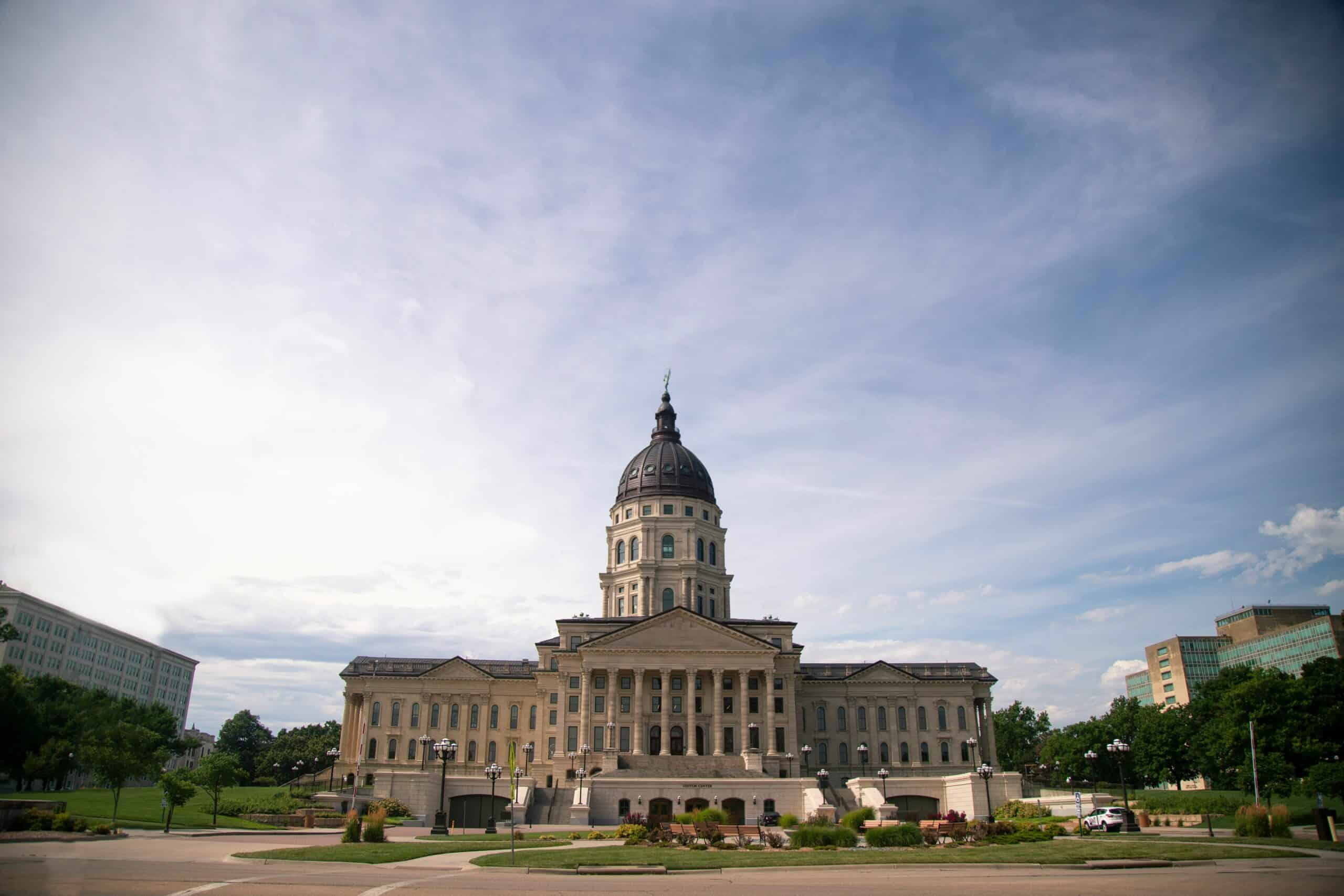
Topeka’s Choose Topeka program speaks directly to cost-of-living math, pairing relocation support with a clear nudge toward roots. Applicants who buy a home can qualify for up to $15,000, while renters may receive $5,000 to soften the first move. The city’s appeal is its steady rhythm: school events, neighborhood parks, and a calendar shaped by local traditions rather than constant reinvention. Remote workers often describe an unexpected relief in daily budgeting, where small joys stop feeling like financial negotiations and start feeling normal again.
Morgantown, West Virginia
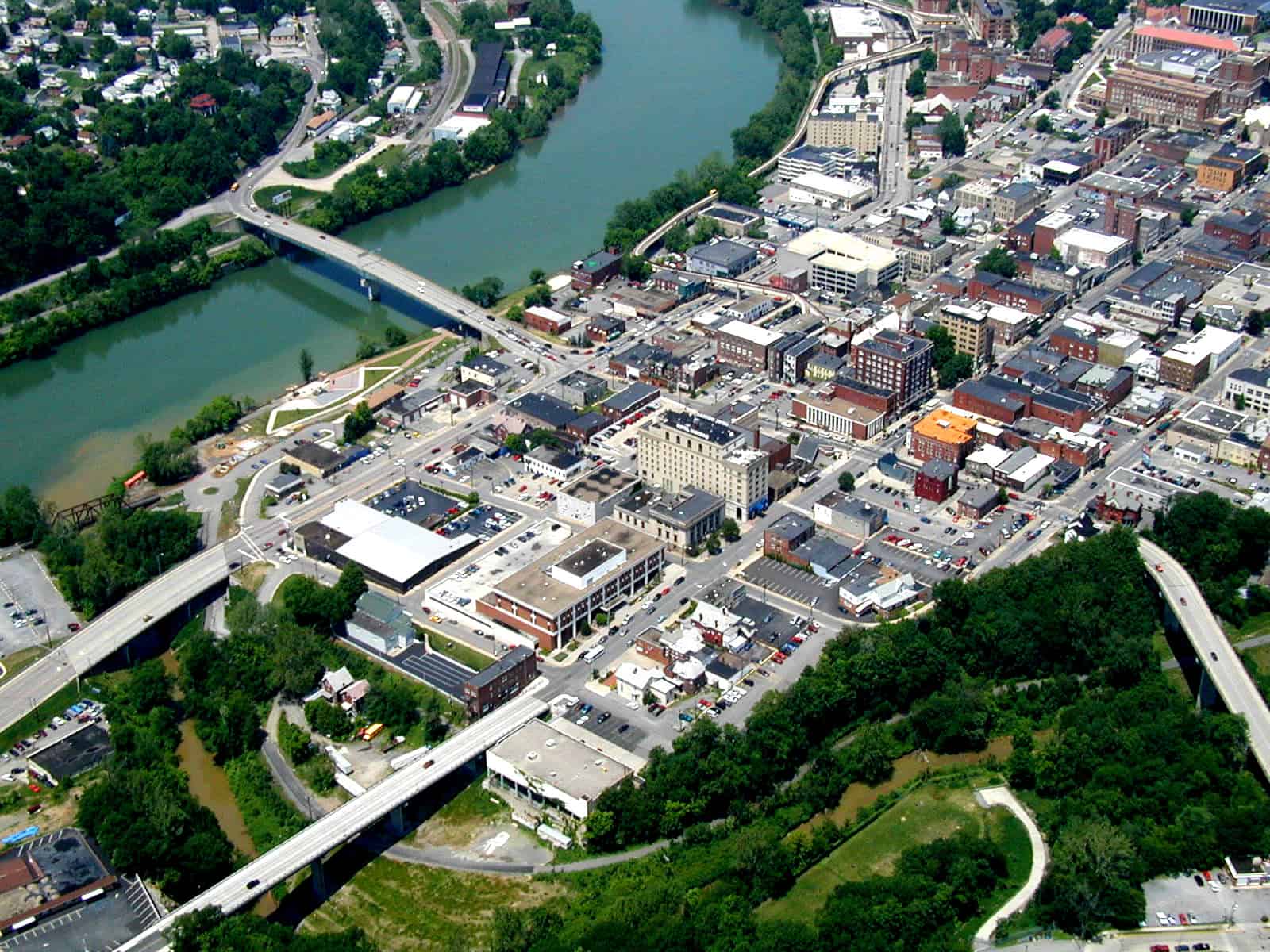
Morgantown offers a mountain-town backdrop with the pulse of a college community, and its incentive can reach $12,000 along with outdoor gear credits that make the move feel like a lifestyle shift. Coffee shops fill early, the hills stay green, and Division I game days give the town a shared heartbeat. For remote workers, the appeal is how nature sits right beside everyday life, not at the end of a long drive. Many who arrive expecting a short experiment stay because Tuesday can feel like a reset, not a grind.
Bemidji, Minnesota
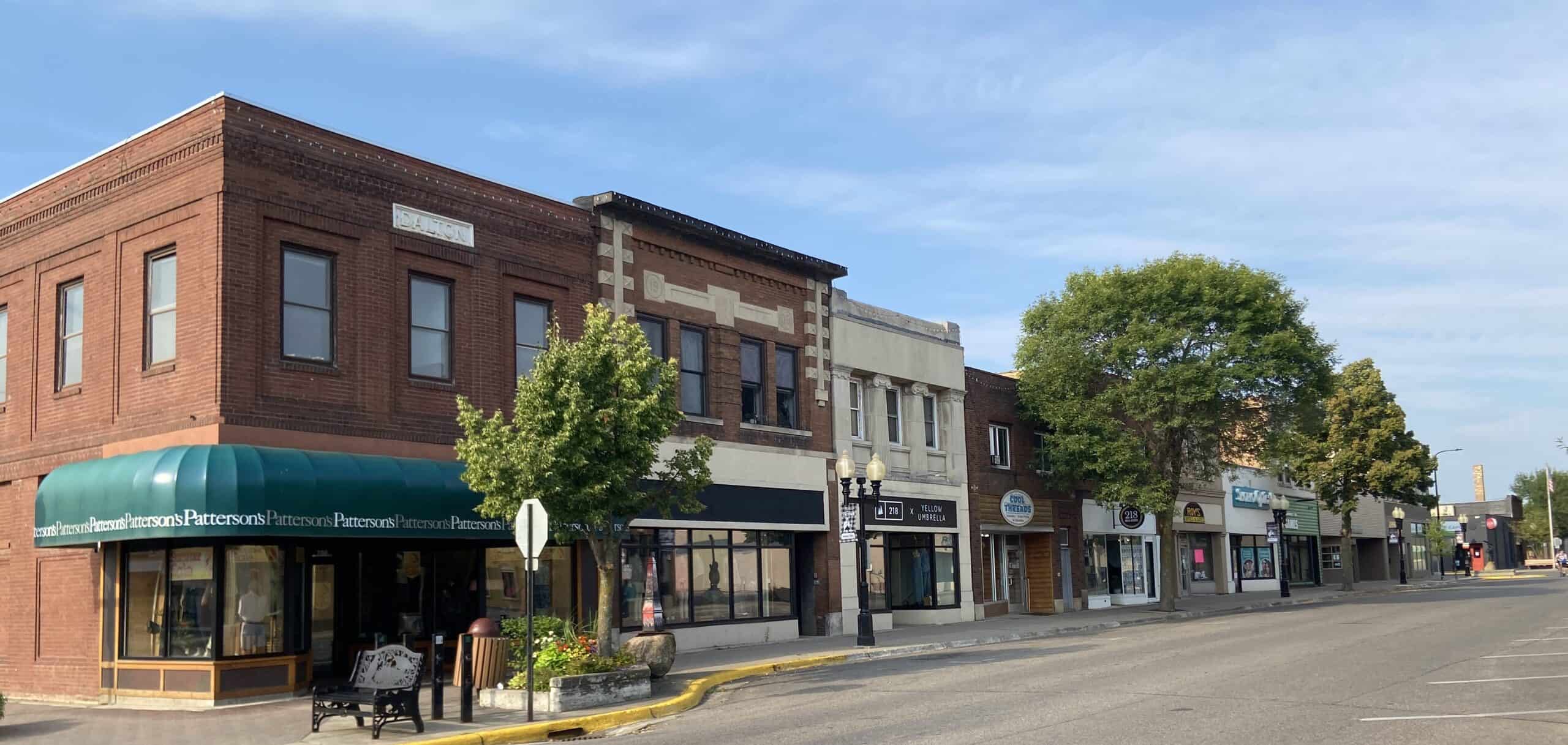
Bemidji’s relocation help, often up to $5,000 with coworking credits, draws remote workers who want quiet, water, and a slower baseline. Lake Bemidji shapes daily life, from early walks along the shoreline to evenings that feel calmer by default. The town’s outdoors culture is steady rather than performative, and winter becomes part of the identity instead of an inconvenience to escape. People who move in often describe clearer focus, as if the air and space make it easier to think. It is a place where routine feels restorative, not repetitive.
Newton, Iowa
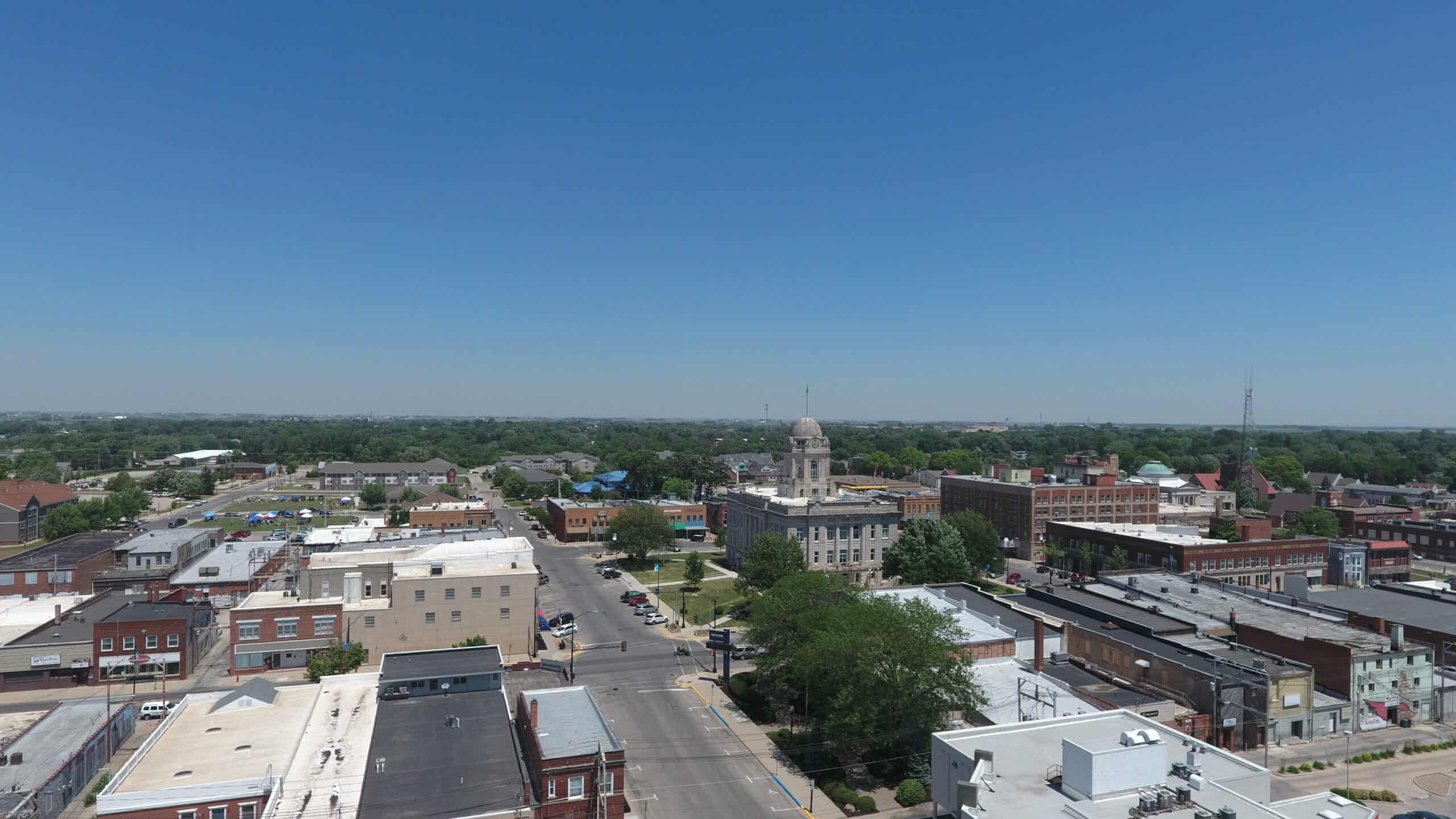
Newton built its remote-worker pitch to replace what manufacturing once represented: stability, pride, and a future that feels reliable. The incentive can include up to $10,000 toward a home purchase, plus a welcome structure that connects newcomers with local mentors and community touchpoints. Daily life runs on simple anchors: library hours, school sports, local diners, and streets designed for driving minutes, not miles. For many remote workers, the change is immediate. Once distance shrinks, time expands, and a week starts to feel less like a sprint and more like a steady, livable pace.
Rochester, New York
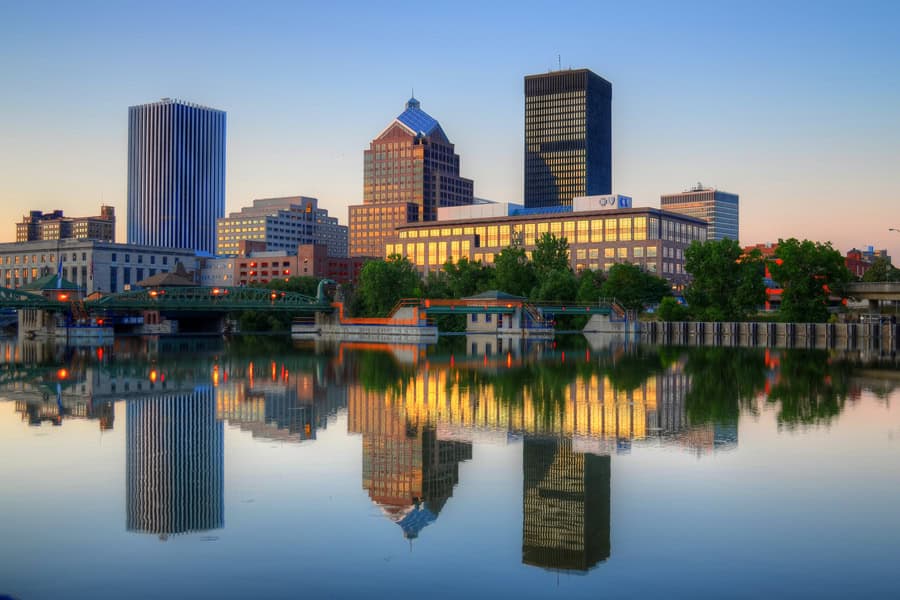
Rochester’s draw often centers on homeownership support, including up to $9,000 toward closing costs in certain neighborhoods or programs. The city pairs affordability with a creative, practical energy: tech workers, artists, and researchers sharing the same cafés and coworking spaces. Winters are real, but the sense of neighborhood warmth can be, too, with local businesses that encourage lingering and conversations that do not feel transactional. Remote workers who settle in tend to mention structure returning to their days. Evenings become quieter, routines become clearer, and work stops spilling into every hour.
Montpelier, Vermont
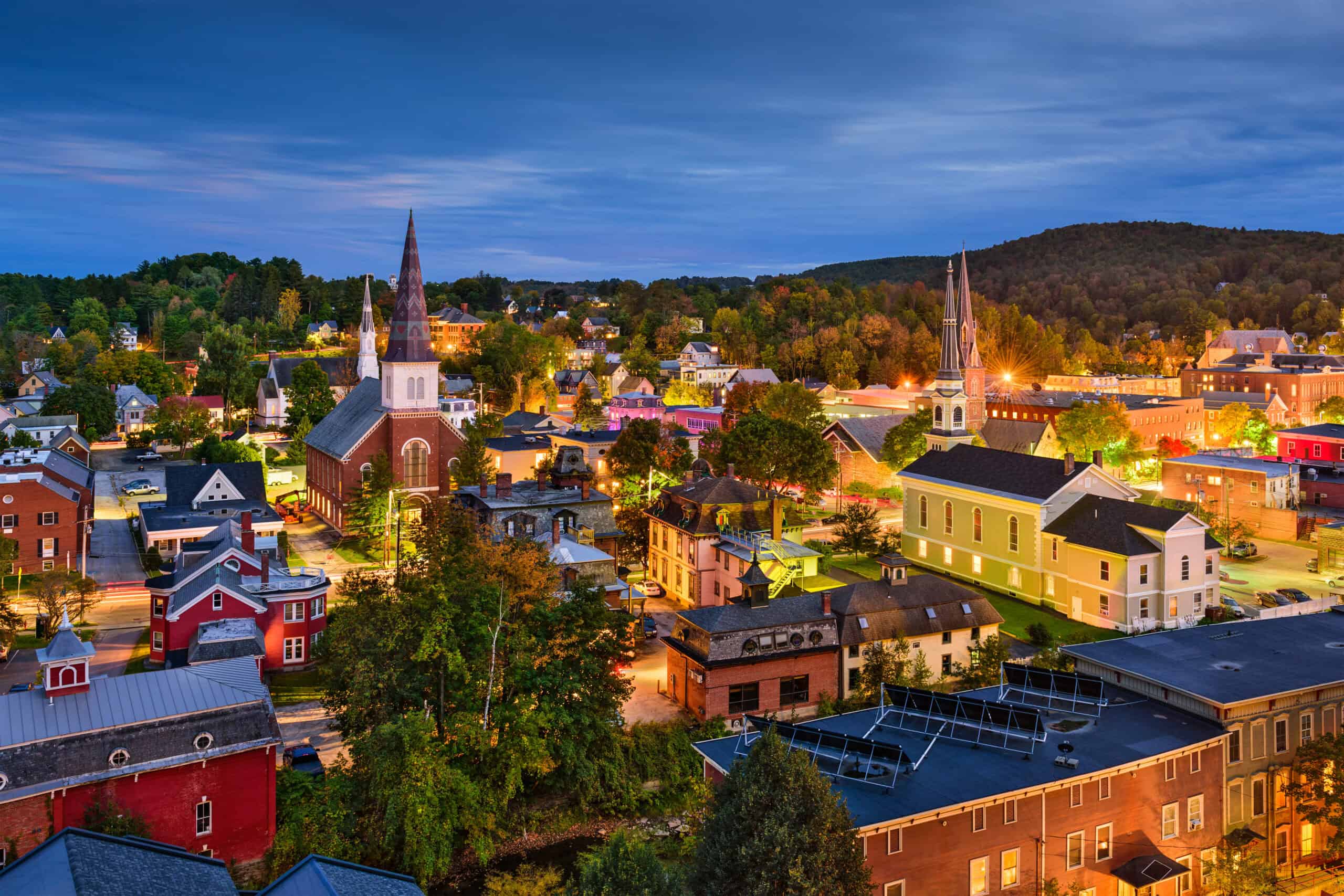
Montpelier relies less on big checks and more on community infrastructure, offering smaller incentives that may include networking circles and grants for home office improvements. The town’s appeal is the feeling that showing up matters, whether that means local meetings, volunteer nights, or simply being recognized at the same café twice in one week. Vermont’s calm can feel deep, especially in winter, when snow defines the pace and people lean on one another in practical ways. Remote workers often describe the move as trading endless options for consistency, where quiet is not isolation, and community is built through repetition.
Paducah, Kentucky
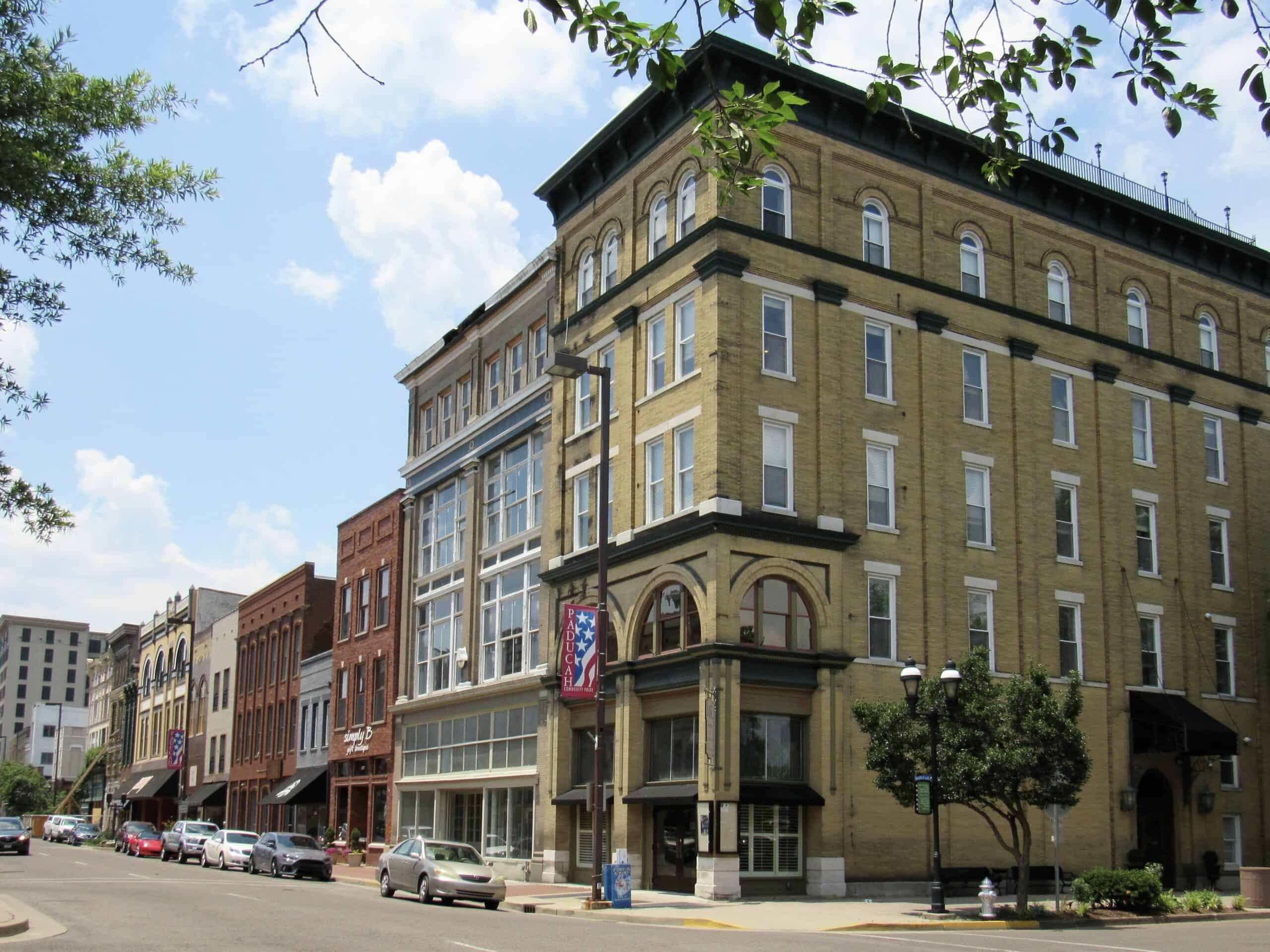
Paducah pairs Mississippi River atmosphere with a growing arts identity, and relocation incentives often land around $6,500 depending on the program. The financial support gets attention, but the city’s real hook is how quickly it can feel familiar. Murals along the floodwall catch late light, downtown blocks invite slow walking, and the quilt museum gives the place a cultural anchor that feels proudly specific. Newcomers often talk about neighbors first, not numbers, describing a town where introductions turn into invitations and where belonging arrives through small, steady interactions rather than grand gestures.
Helena, Montana
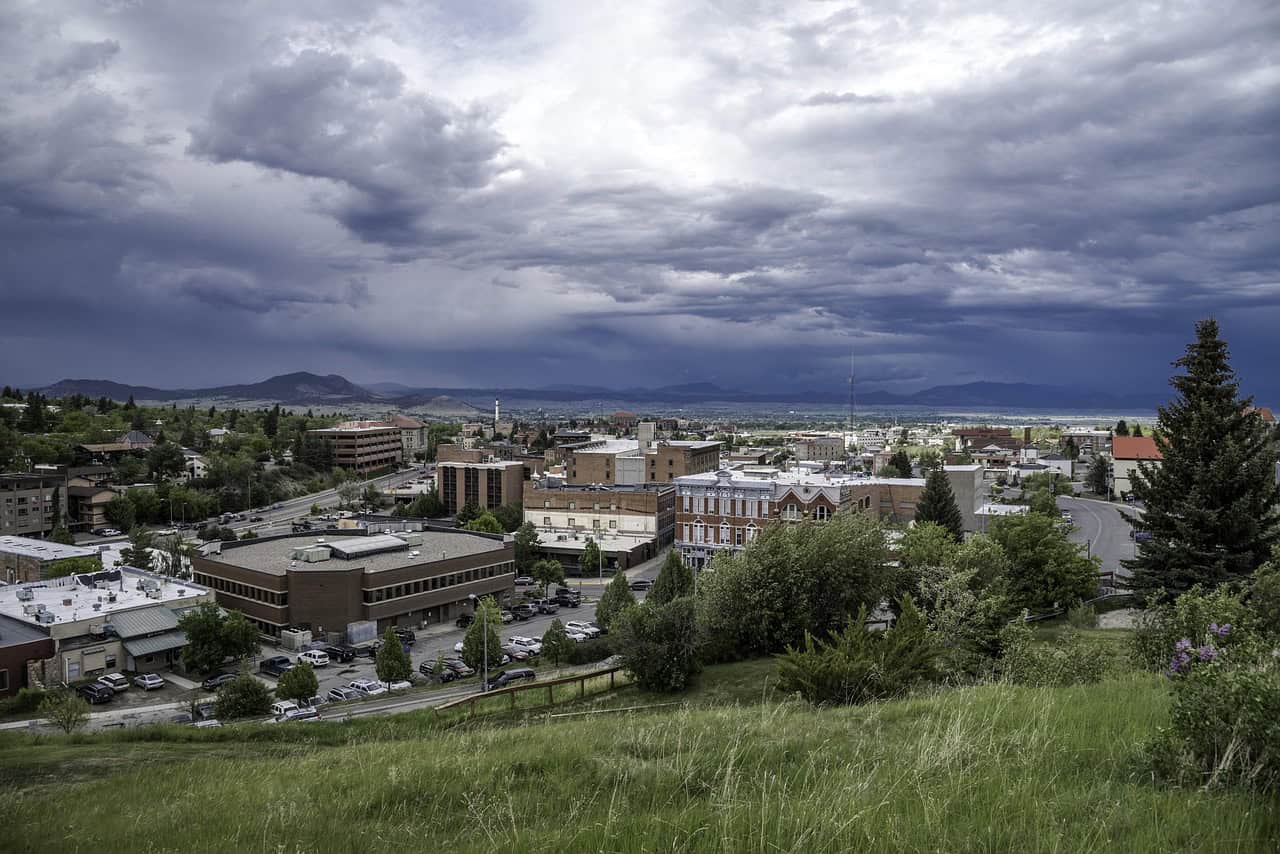
Helena’s incentives are usually modest, sometimes closer to $2,500, but the landscape carries most of the persuasive force. Mountains sit close, air feels sharper, and the town’s pace encourages focus without the constant buzz of larger metros. Remote workers who relocate often describe a quiet reset in how productivity feels, less frantic and more grounded. The check helps cross the psychological line, but community does the rest through potlucks, gear swaps, and the kind of casual support that does not demand performance. In Helena, stillness is not empty. It is space to live.