We may earn money or products from the companies mentioned in this post. This means if you click on the link and purchase the item, I will receive a small commission at no extra cost to you ... you're just helping re-supply our family's travel fund.
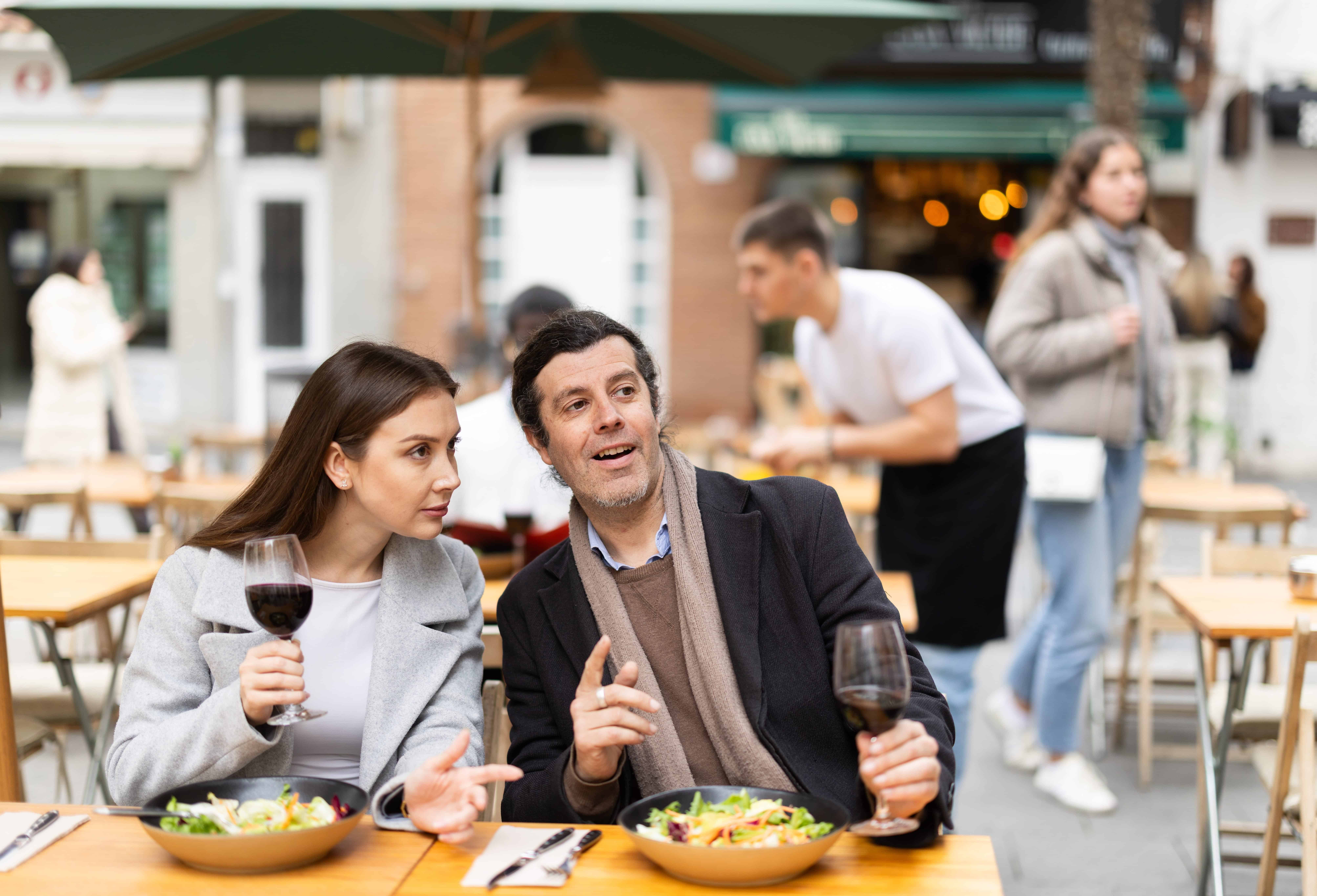
American travelers are not usually spotted by one big, embarrassing mistake. More often, they are recognized through small habits that feel completely normal back home: the way a meal is ordered, the pace expected from a server, the clothes chosen for a long city day, or the assumption that water, coffee, and tipping work the same everywhere. None of these signs are moral failures, and none belong to every traveler. They simply reveal how deeply the United States shapes comfort, service expectations, and everyday travel behavior long before anyone says where they are from.
The Reflexive 20% Tip
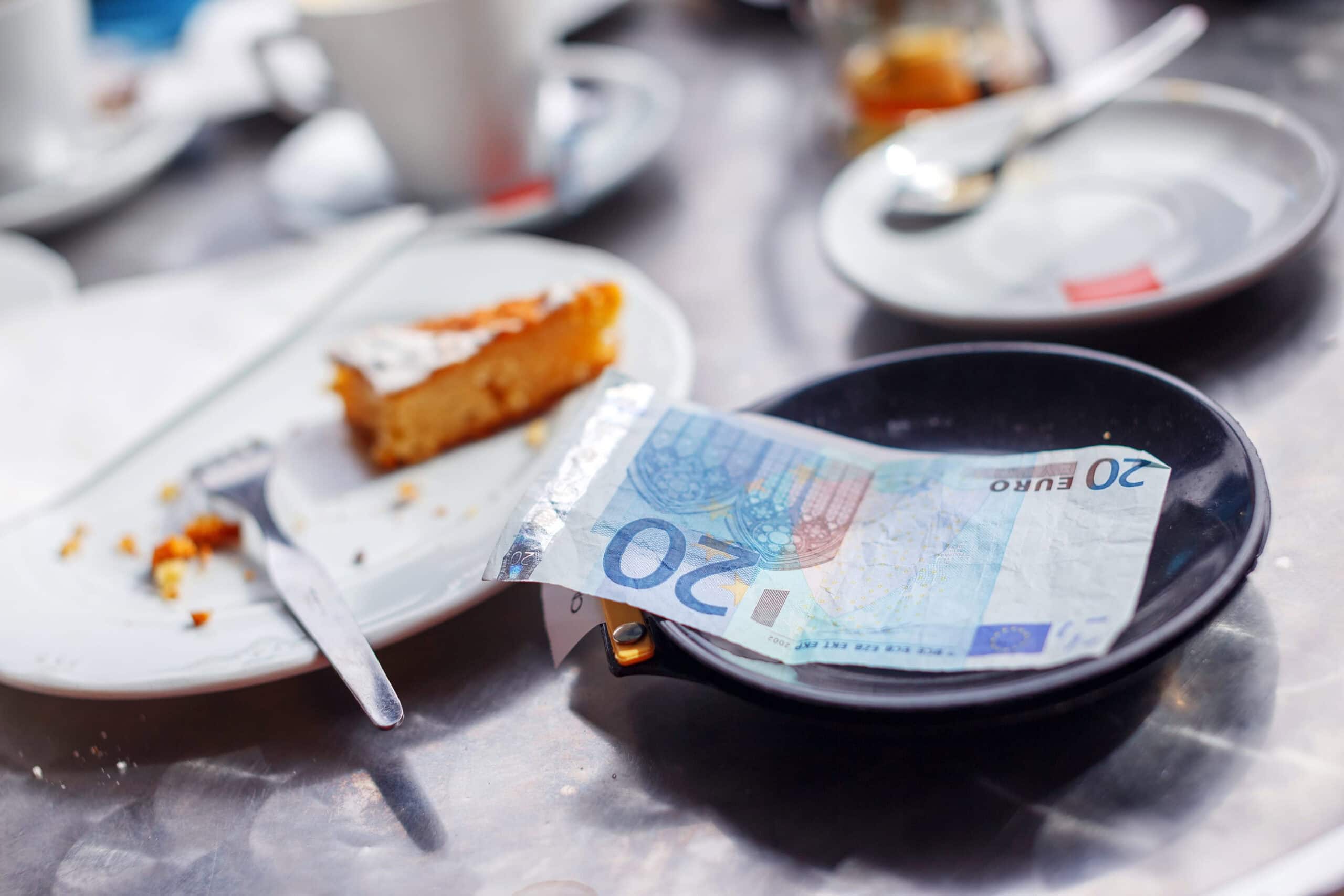
One of the fastest giveaways is the automatic American tip. In the United States, gratuity often feels built into the cost of going out, but Rick Steves notes that in much of Europe, locals usually round up, leave a few coins, or treat 5% as enough, with 10% already considered generous. National Geographic recently described U.S. tipping as so ingrained that foreign visitors can experience it as compulsory, which helps explain why Americans abroad often reach for a much larger number before they have even checked whether service was already included.
Asking For Ice Before Anything Else
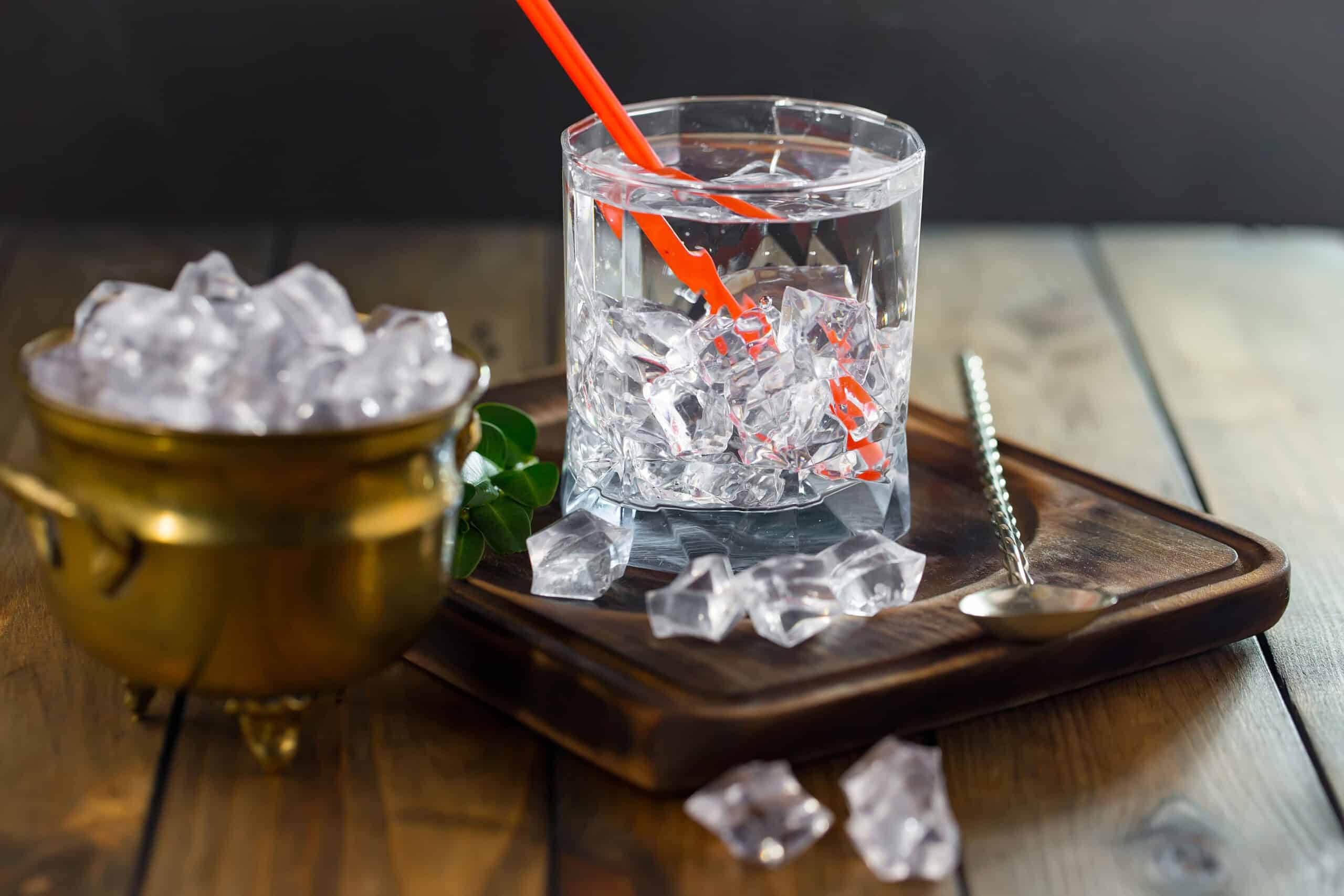
In many places abroad, especially across Europe, asking for extra ice still reads as distinctly American. Rick Steves has written bluntly that ice cubes with meals are one of the habits that make travelers stand out because many restaurants simply do not serve drinks that way, or use far less ice than Americans expect. It is not a dramatic cultural clash, just a small and visible one. The request sounds ordinary to the person making it, but to a server or nearby diner, it can immediately place the traveler on the other side of the Atlantic.
Expecting Free Table Water As The Default
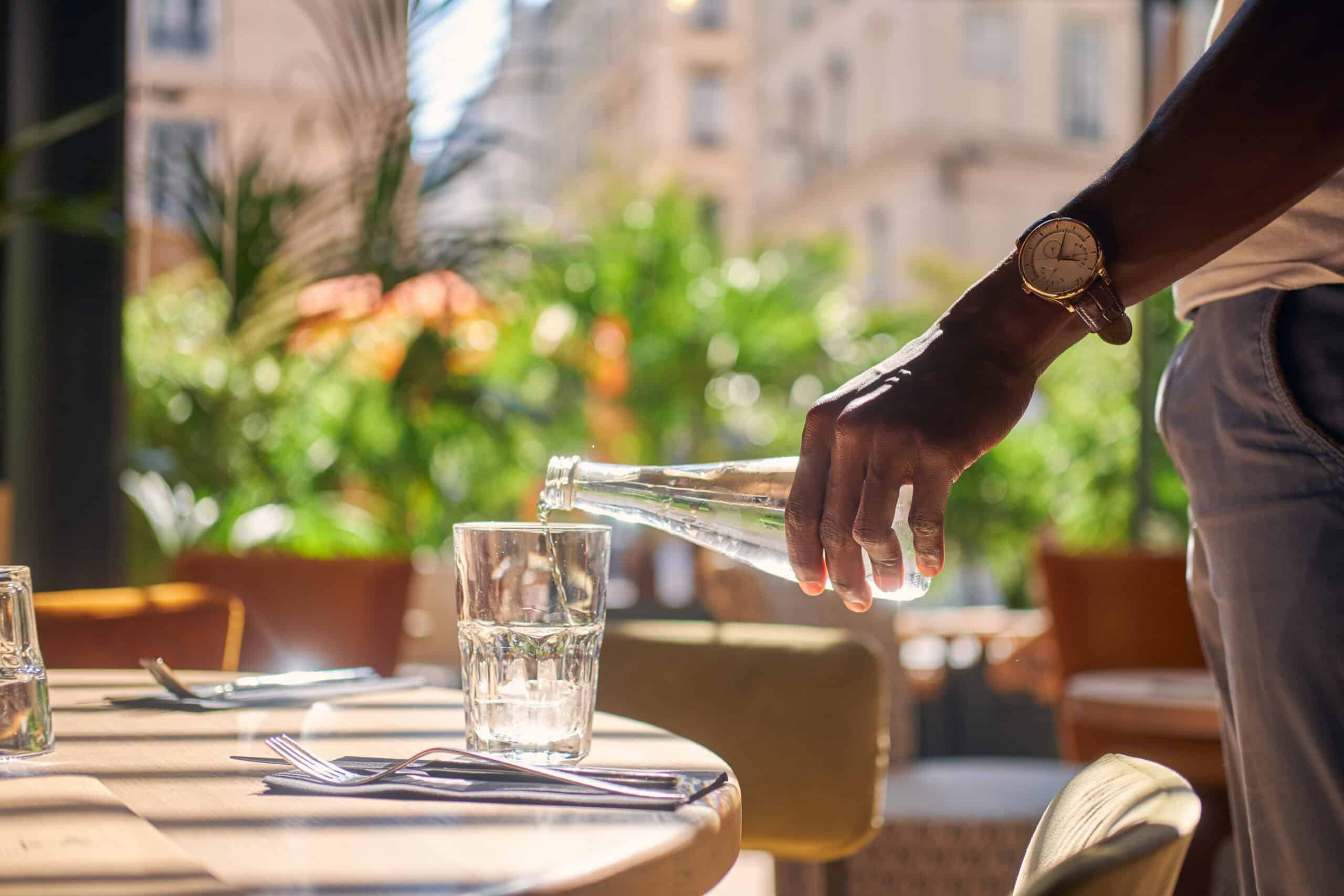
American diners are used to sitting down and seeing water appear with little ceremony. Abroad, that assumption often gives them away. Lonely Planet advises travelers in Paris to ask specifically for une carafe d’eau if they want tap water, because servers may otherwise steer them toward bottled or fizzy water, and Rick Steves makes the same broader point about Europe: free table water is not the automatic norm many Americans think it is. The moment someone waits for complimentary water as if it should arrive on its own, home culture starts showing.
Looking For Free Refills That Never Come
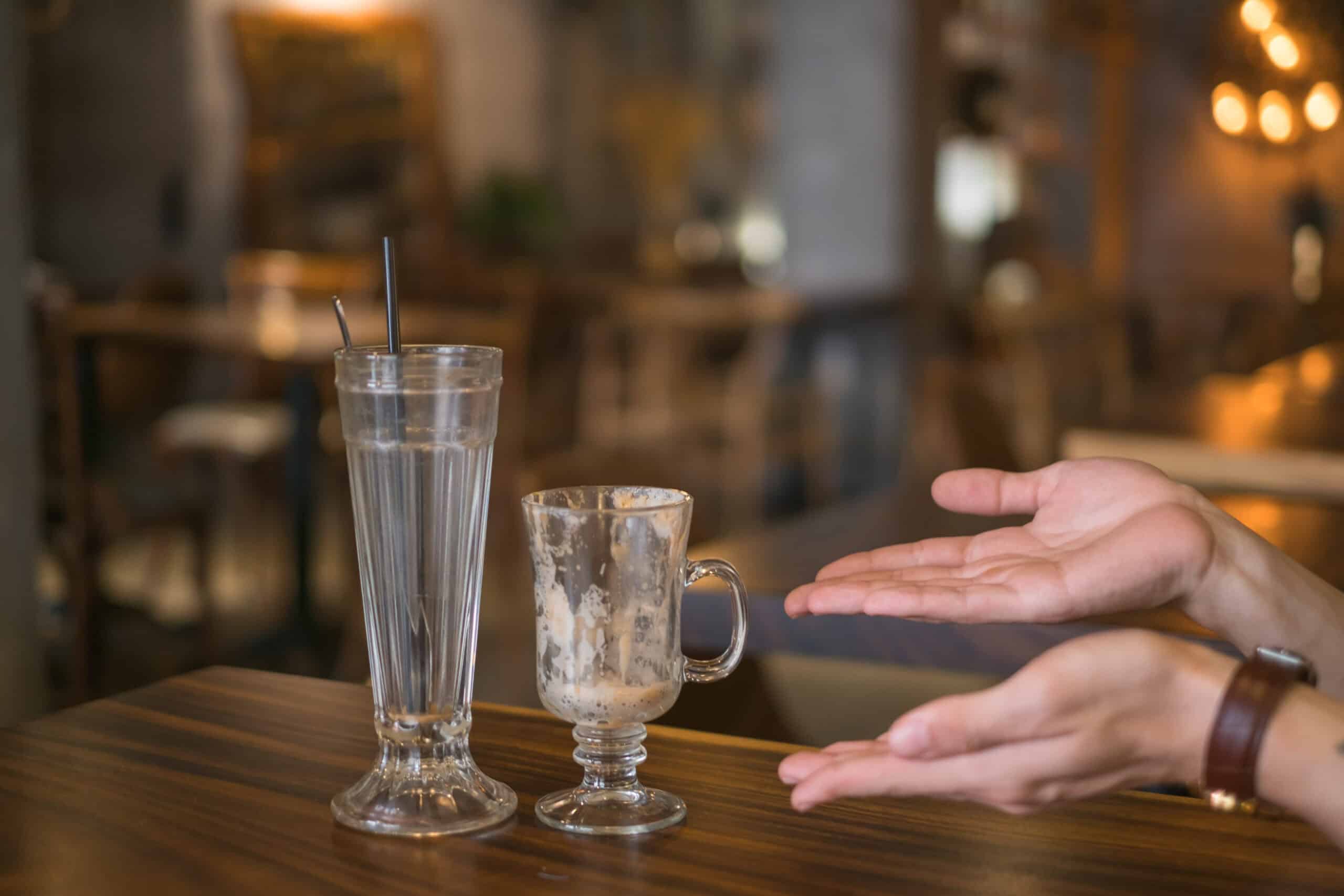
The American relationship with restaurant drinks is unusually generous by global standards, and that becomes obvious fast overseas. Rick Steves notes that travelers who insist on drinking in Europe exactly as they do at home often run into friction over free water and other dining expectations, while other travel coverage points out that free refills are simply not a standard assumption in many destinations. That is why the hopeful glance at the soda glass or the second coffee can read so clearly. It is less about thrift than about carrying a very American version of hospitality into a place that defines it differently.
Waiting For The Bill To Arrive On Its Own
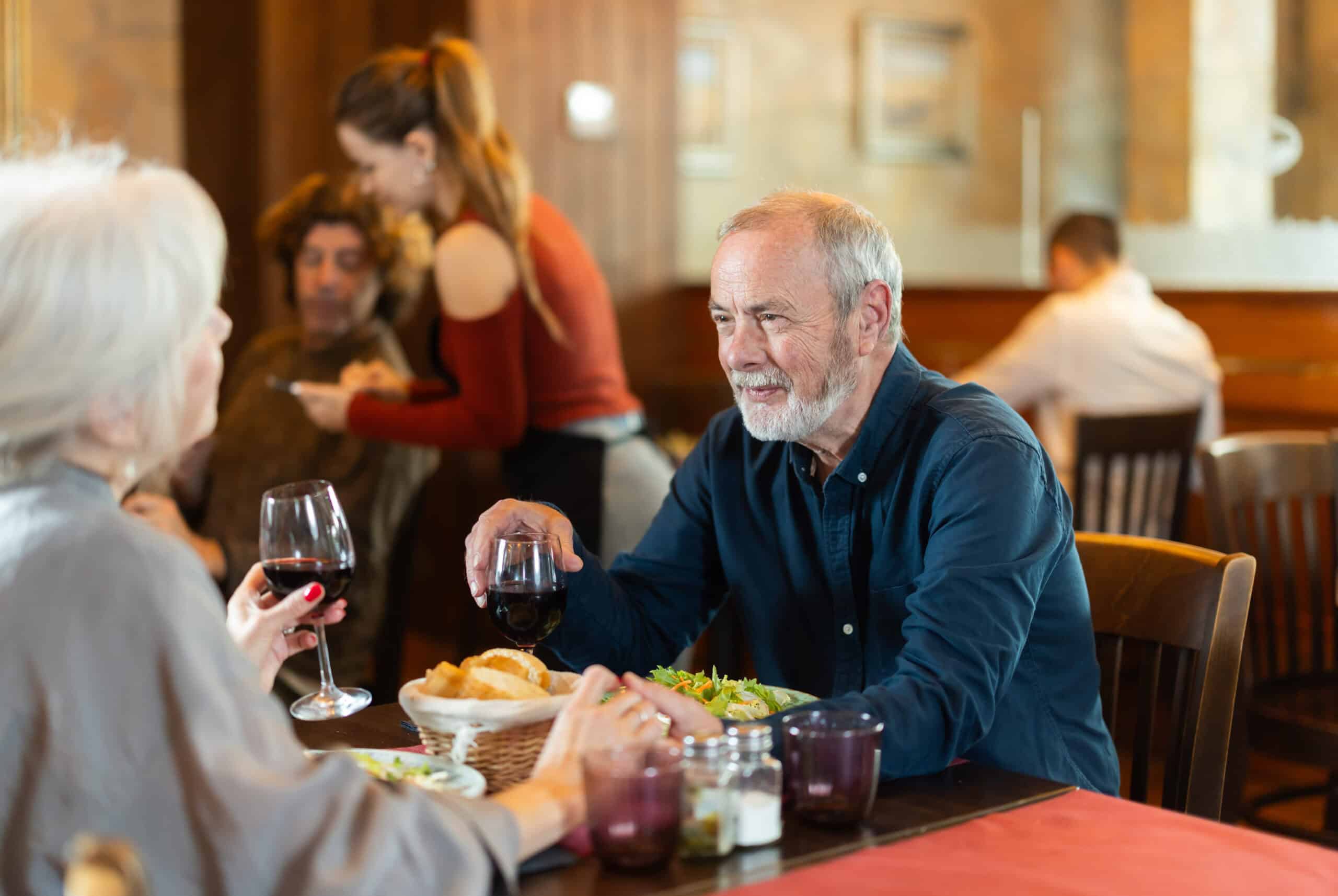
In the United States, the check often appears the moment a meal seems finished. In many parts of Europe, that can feel rude, even pushy. Rick Steves’ dining guidance and multiple Europe-focused etiquette discussions make the same point: diners are generally expected to ask for the bill when they are ready, because lingering is part of the meal rather than a problem for the staff to solve. That means a table sitting in quiet confusion, wondering why no one has brought the check yet, can instantly read as American without anyone saying a word.
Treating Dinner Like A Transaction Instead Of A Stretch Of Time
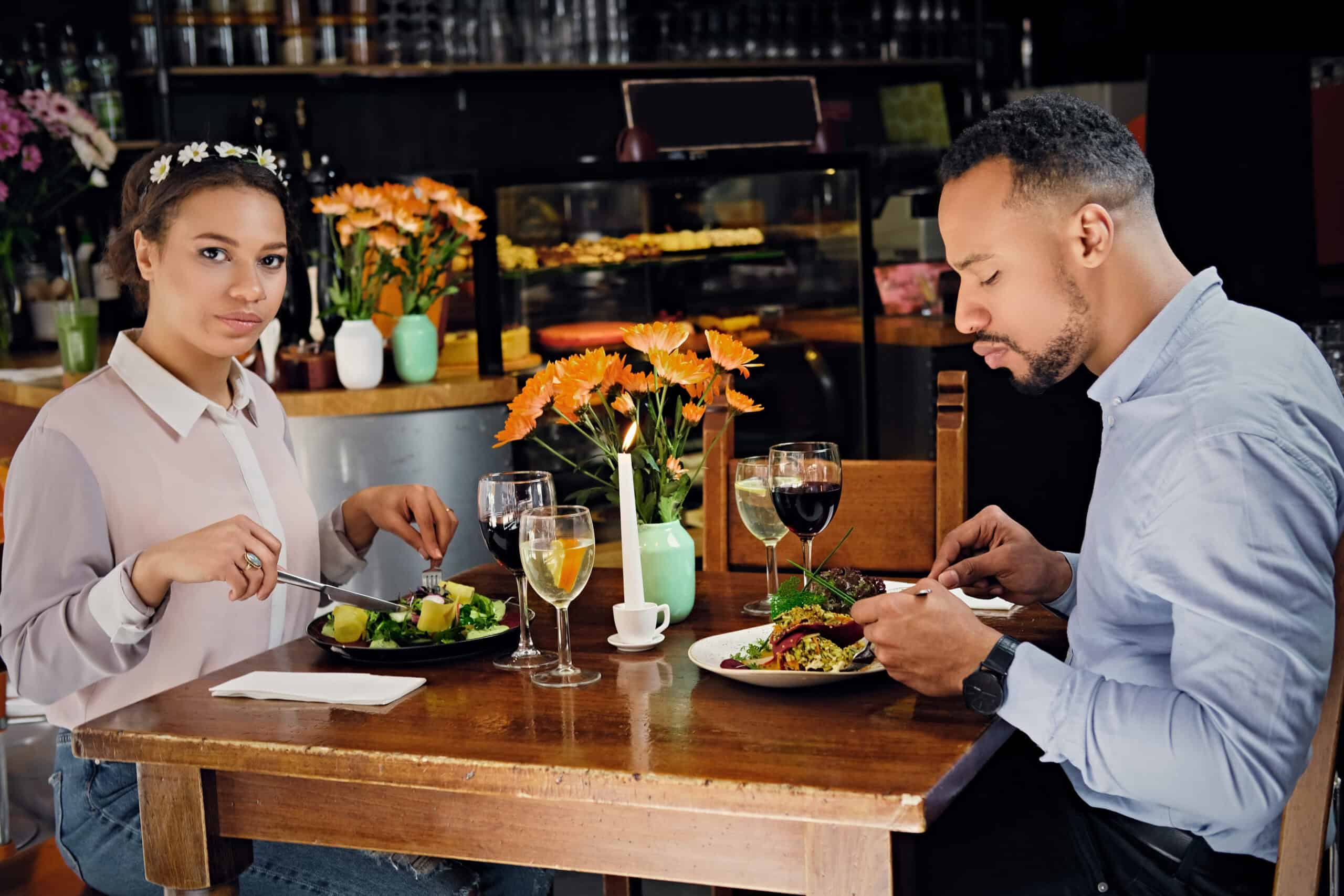
Closely related to the bill issue is the rhythm of the meal itself. American service culture often rewards speed, frequent check-ins, and a sense that the staff should keep things moving. Abroad, especially in Europe, Rick Steves and other travel guides repeatedly describe dining as slower and more deliberate, with less hovering and less urgency around table turnover. That is why a traveler who starts looking restless after the plates are cleared, or tries to summon the server every few minutes, can stand out immediately. The behavior is not rude by American standards. It is just very easy to place.
Wearing Sports Logos And Baseball Caps Like A Uniform
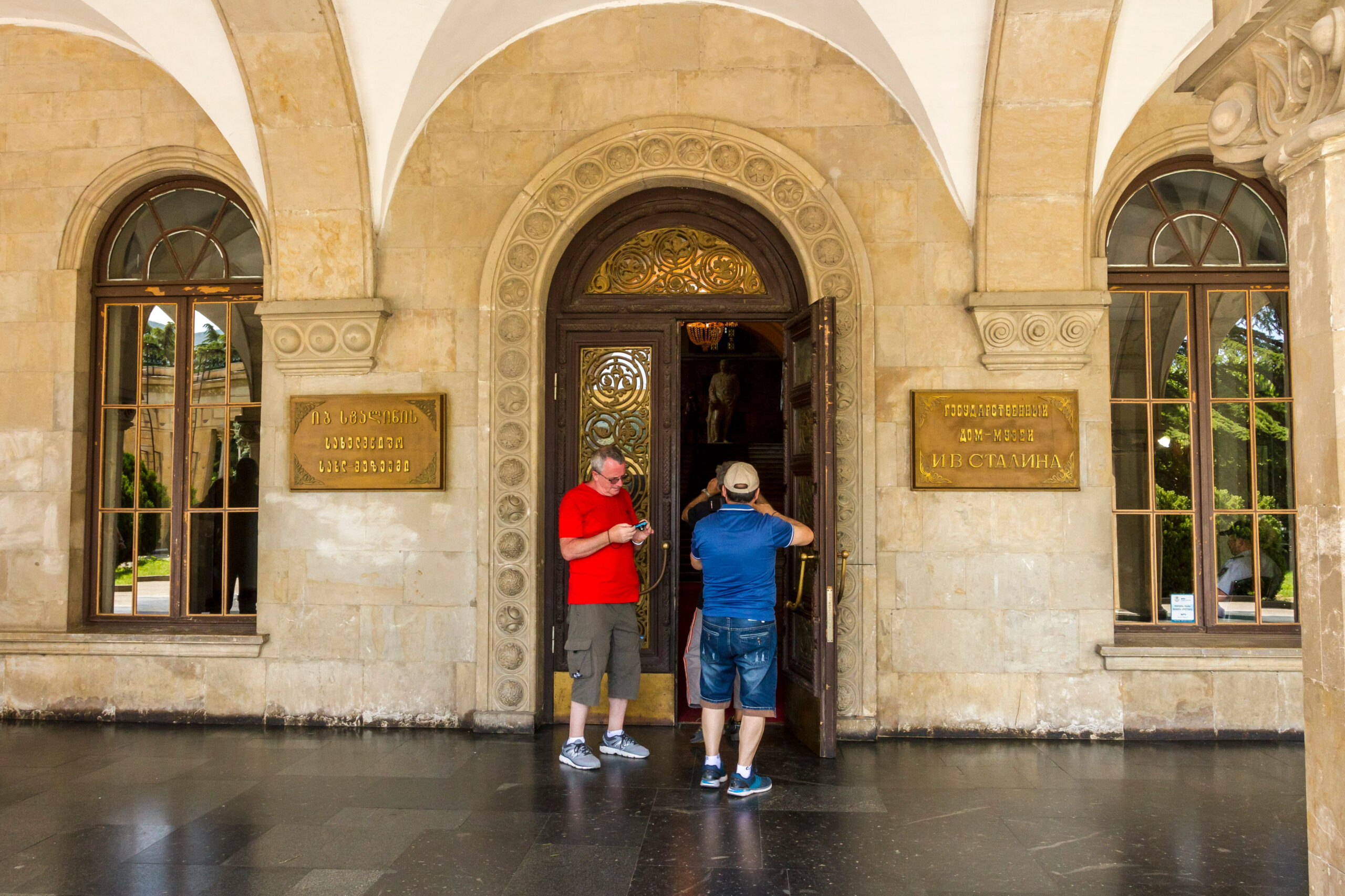
Clothing gives people away before speech does, and American travelers often underestimate how much home branding they carry with them. Rick Steves’ packing advice leans toward simple, neutral clothing, and travel style guidance for Americans in Europe repeatedly warns that sports-team gear, college sweatshirts, and logo-heavy baseball caps make visitors easy to identify. The clothes are not wrong, and in some cities locals wear similar items too. But a Yankees cap, a university hoodie, and a practical day bag still combine into a silhouette that many people abroad read as unmistakably American.
Dressing Too Casually For Churches, Dinner, Or City Evenings
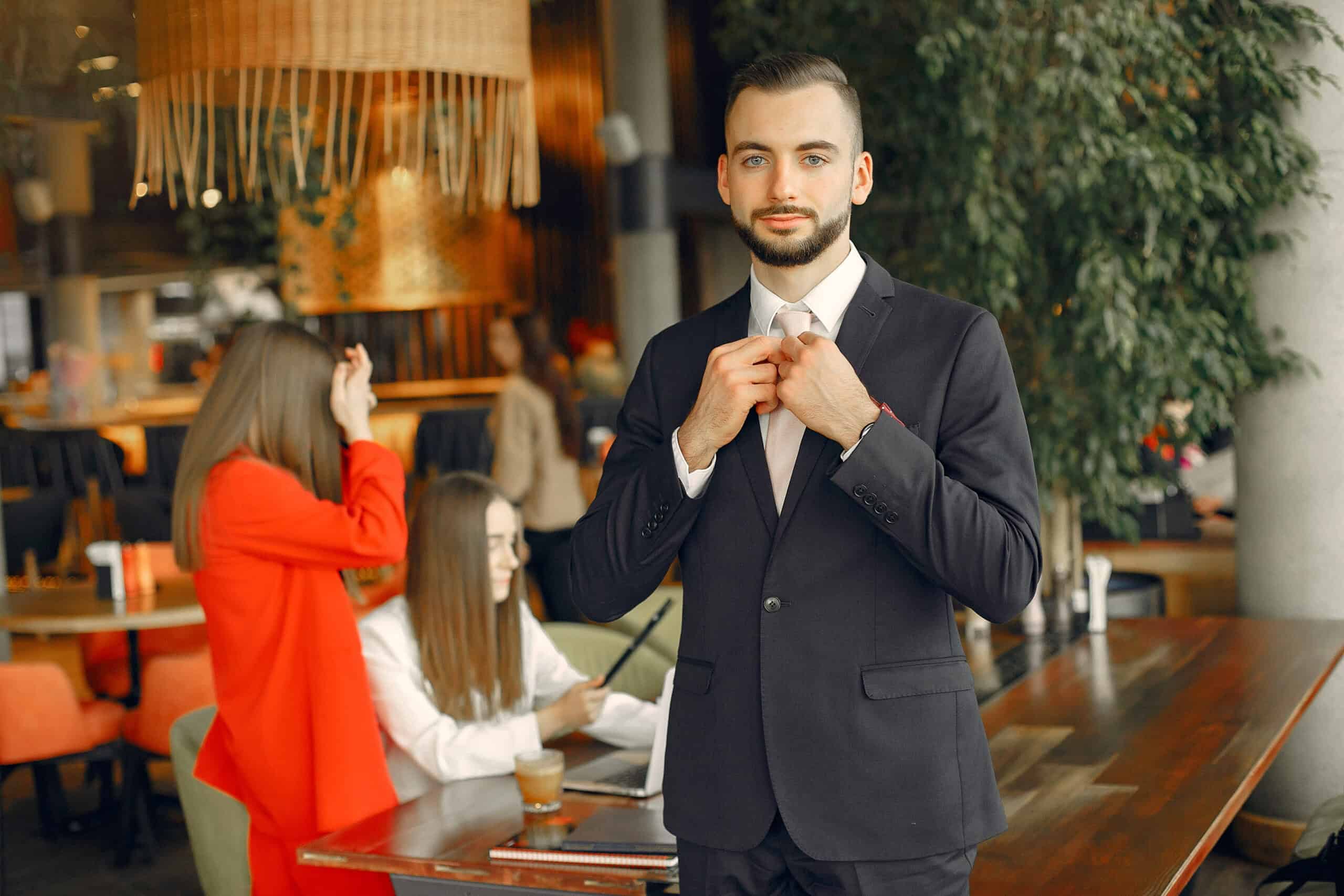
Another quick tell is not just casual clothing, but vacation-casual clothing. Rick Steves–inspired style coverage notes that shorts, tank tops, and overt athleisure can make travelers stand out in European cities, and also create practical problems at places of worship that expect more modest dress. That matters because many Americans dress for comfort first when traveling, which is understandable on a long walking day. But in destinations where even casual public life still looks slightly more polished, the comfort-first outfit can quietly announce where the traveler learned to pack.
Ordering Coffee In A Very American Way

Coffee reveals more than people think. Rick Steves points out that coffee with a meal, rather than after it, is one of the habits that can draw strange looks in Europe, and his travel material also notes that local coffee culture often centers on smaller, more specific drinks than the giant, endlessly sipped American cup. That is why ordering cappuccino at the wrong point in a meal, or looking for a huge drip coffee to carry around for an hour, can signal American habits immediately. The drink itself is ordinary. The timing and scale are what give it away.
Wanting To Split Every Bill Into Perfect Individual Shares

Americans are used to precision at the end of a meal. Separate cards, itemized shares, and detailed math feel routine in the U.S. restaurant system. Abroad, that can be less common or more awkward, especially if it was not mentioned up front. A cross-country etiquette roundup from Matador Network notes that in countries such as Italy and Mexico, splitting is not always the default expectation, and even where it is possible, the custom may look very different from the American version. The table that starts dividing every appetizer and drink down to the cent can reveal itself almost instantly.