We may earn money or products from the companies mentioned in this post. This means if you click on the link and purchase the item, I will receive a small commission at no extra cost to you ... you're just helping re-supply our family's travel fund.
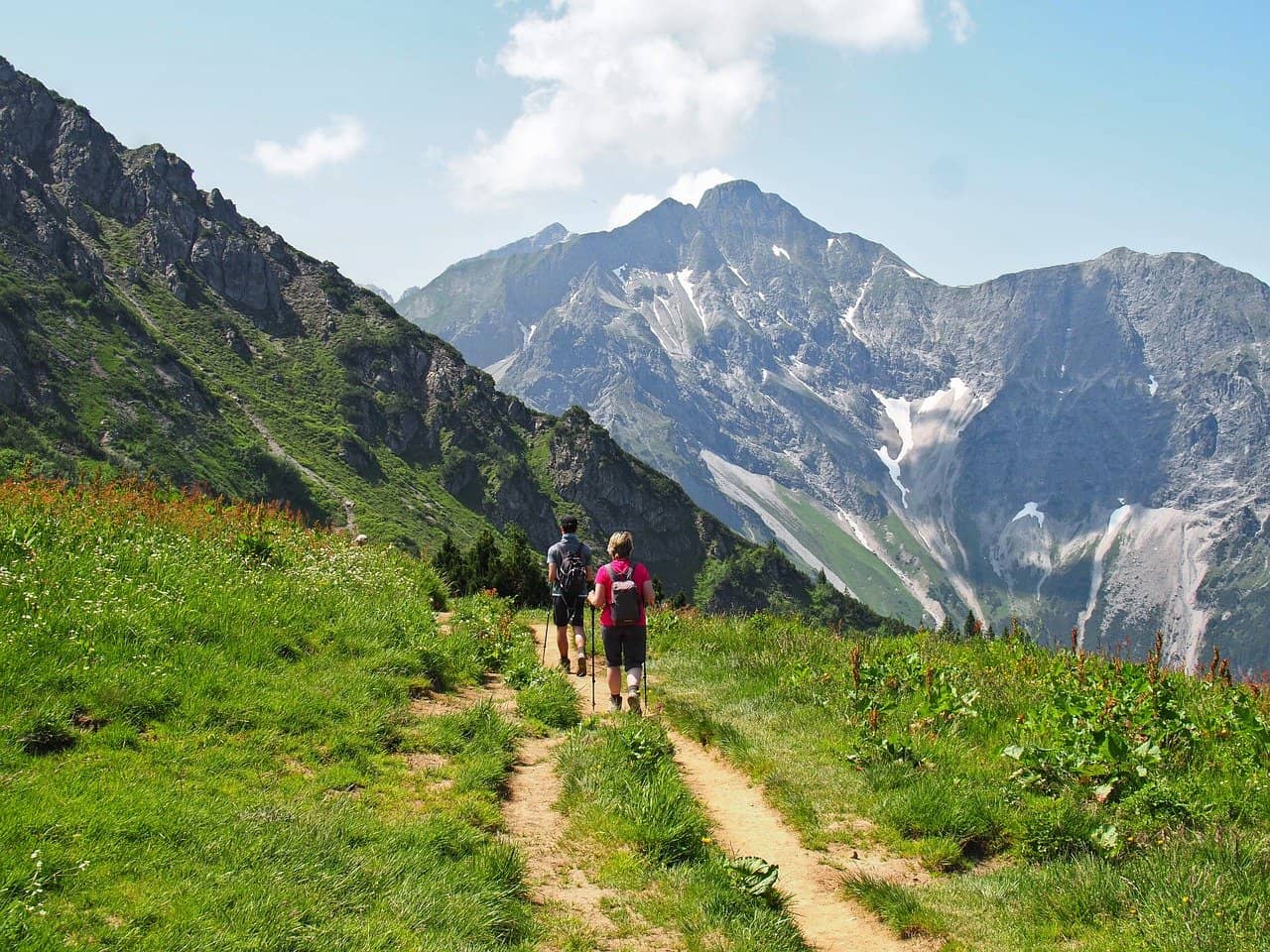
Famous mountain destinations promise escape, yet often deliver crowds, inflated prices, and carefully staged experiences. Away from glossy brochures lie mountain regions that remain quietly extraordinary places shaped by geography rather than tourism demand. These destinations offer genuine altitude drama, cultural depth, and landscapes that still feel discovered rather than consumed. Travel experts know their value but rarely promote them widely, largely because their charm depends on staying overlooked. This list explores ten such mountain escapes, revealing why they matter, what makes them special, and the precise details travelers should know before going.
1. Val Bregaglia, Switzerland
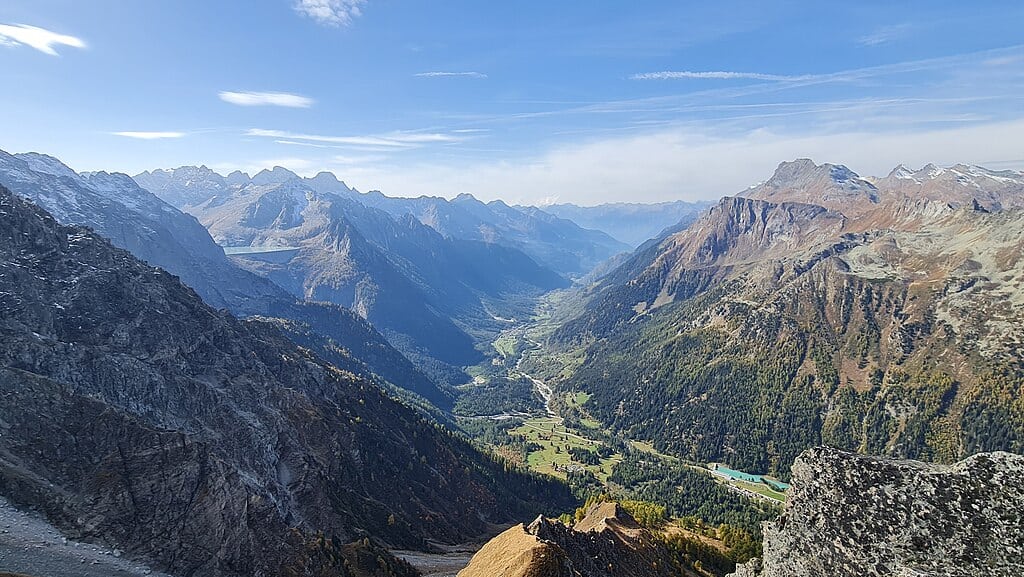
Val Bregaglia sits in southeastern Switzerland near the Italian border, spanning roughly 32 miles of alpine terrain between 2,600 and 13,300 feet in elevation. Unlike nearby luxury resorts, the valley receives under 80,000 visitors annually. Granite peaks, including Piz Badile at 10,820 feet, dominate the skyline, while chestnut forests soften lower slopes. The climate remains mild for its altitude, averaging 63°F in summer. Historic villages like Soglio retain centuries-old stone architecture. Hiking trails exceed 250 miles, yet remain quiet. This balance of accessibility and isolation makes the valley quietly exceptional.
2. Rila Mountains, Bulgaria
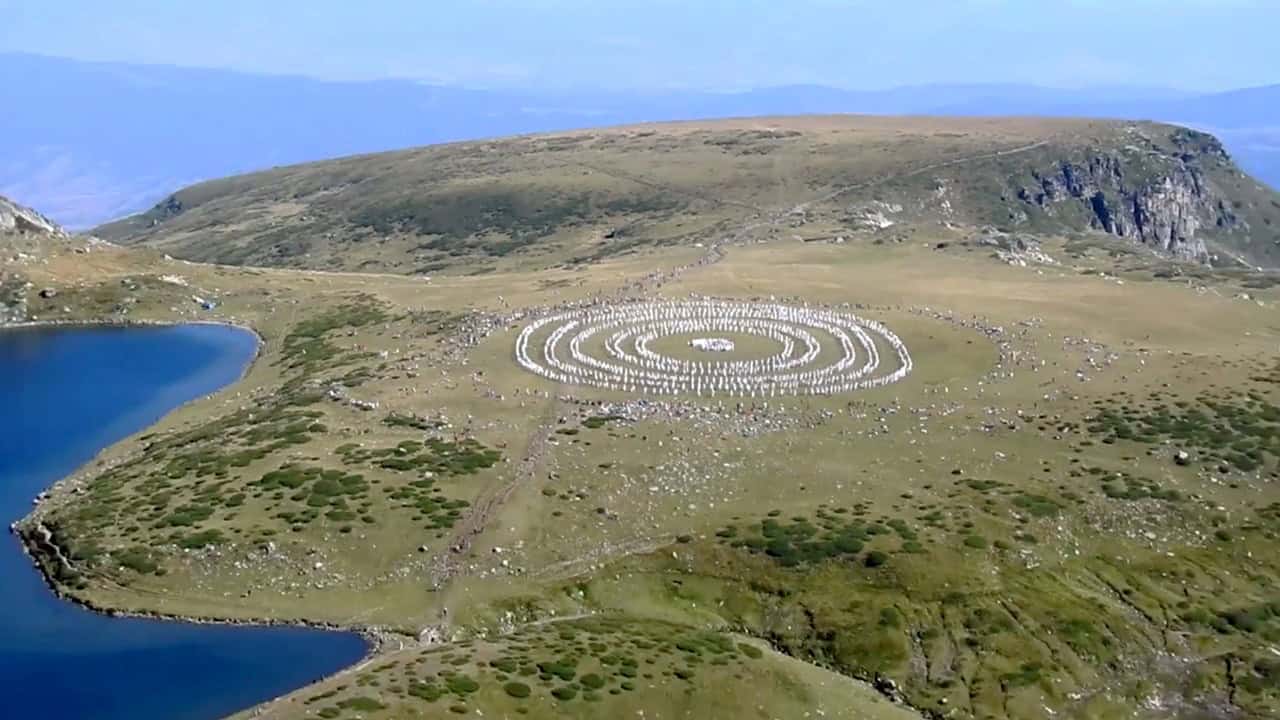
The Rila Mountains cover nearly 1,000 square miles in southwestern Bulgaria and host the country’s highest peak, Musala, rising to 9,596 feet. Despite this, annual tourism is modest compared to Western Europe’s alpine regions. Over 120 glacial lakes dot the landscape, including the famed Seven Rila Lakes between 6,900 and 8,200 feet. Dense pine forests shelter brown bears, wolves, and golden eagles. The UNESCO-listed Rila Monastery dates back to the 10th century. Summer temperatures average 68°F, ideal for trekking across its extensive but uncrowded trail network.
3. Cordillera Huayhuash, Peru
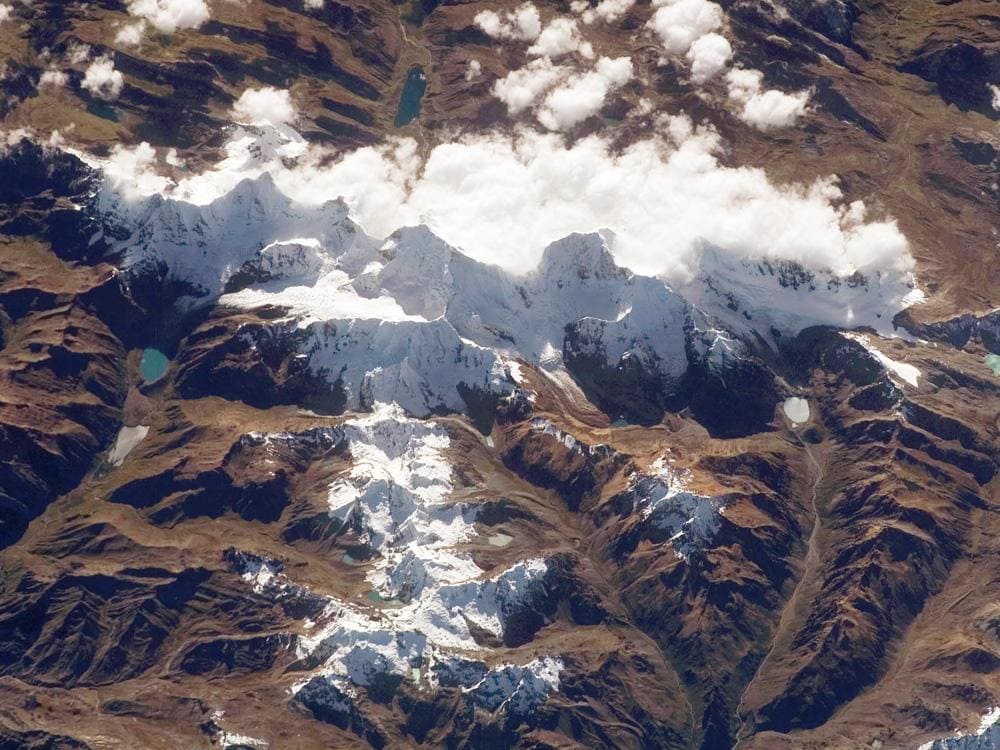
Located about 80 miles south of Huaraz, the Cordillera Huayhuash stretches roughly 18 miles yet contains some of Peru’s most dramatic peaks. Yerupajá rises to 21,778 feet, making it the second-highest mountain in the country. The region sees fewer than 5,000 trekkers per year due to its remoteness and demanding terrain. Multi-day circuits average 75 miles and cross passes above 15,000 feet. Turquoise glacial lakes sit against sheer ice walls, while local communities rely on pastoral farming. Thin air, stark beauty, and silence define the experience.
4. Svaneti, Georgia
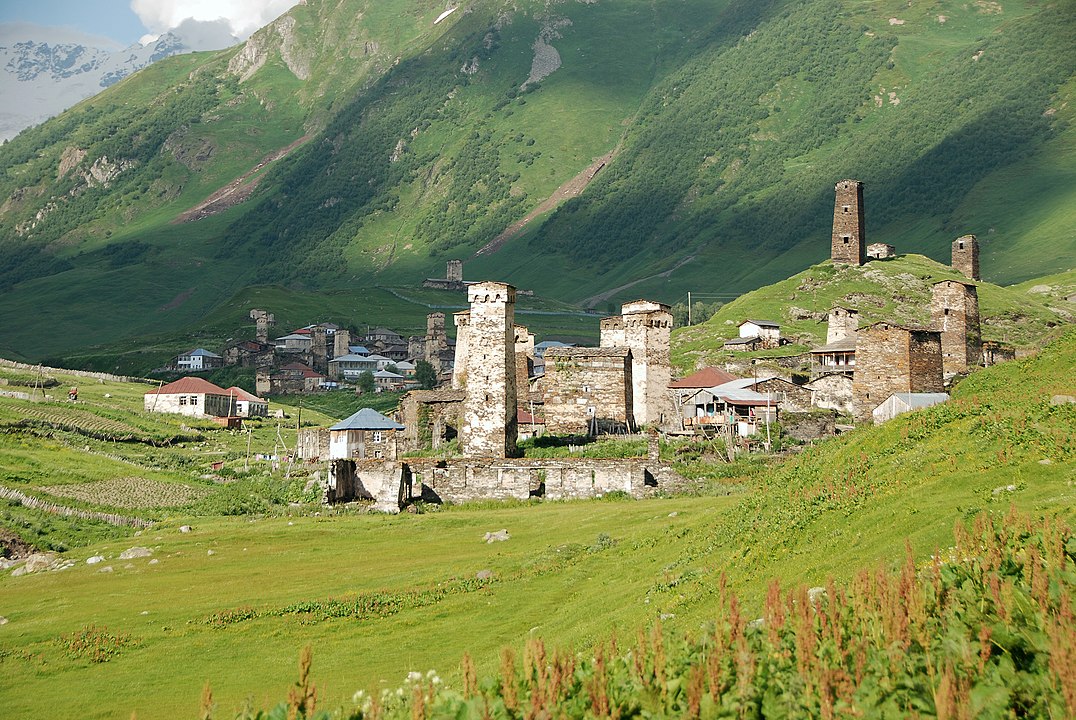
Svaneti lies high in Georgia’s Caucasus Mountains, with villages perched between 4,500 and 7,200 feet. The region is framed by peaks over 16,000 feet, including Mount Shkhara at 17,059 feet. Fewer than 200,000 tourists visit annually, preserving its medieval atmosphere. Over 200 stone defense towers, some dating back 1,000 years, still stand. Winters are harsh, with snowfall exceeding 10 feet, but summers average a pleasant 70°F. Hiking routes connect remote villages across ancient trade paths. Isolation has protected both landscape and cultural identity.
5. Aurina Valley, Italy
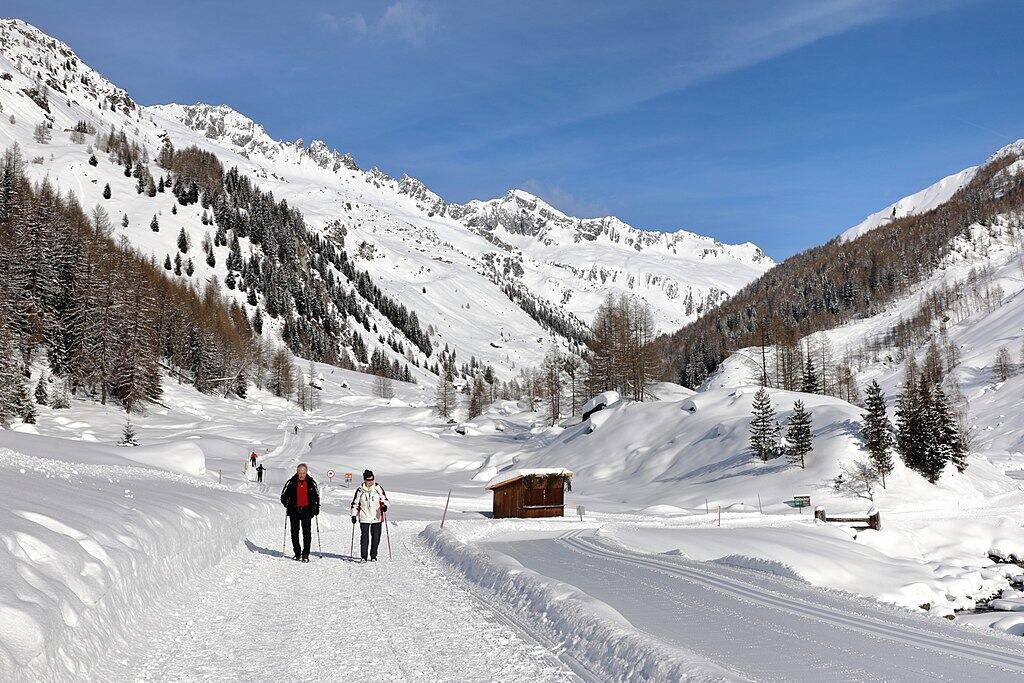
The Aurina Valley, located in northern Italy’s South Tyrol, stretches for about 22 miles and remains quieter than the Dolomites to the south. Elevations range from 3,100 to 11,300 feet, with more than 80 waterfalls cascading from high cliffs. The valley hosts fewer than half the visitors of nearby resort areas. Alpine meadows bloom between June and August, when temperatures average 66°F. Traditional villages preserve Tyrolean architecture and dialects. Over 100 miles of marked trails wind through forests and pastures, offering scenic depth without overwhelming infrastructure.
6. Daisetsuzan National Park, Japan
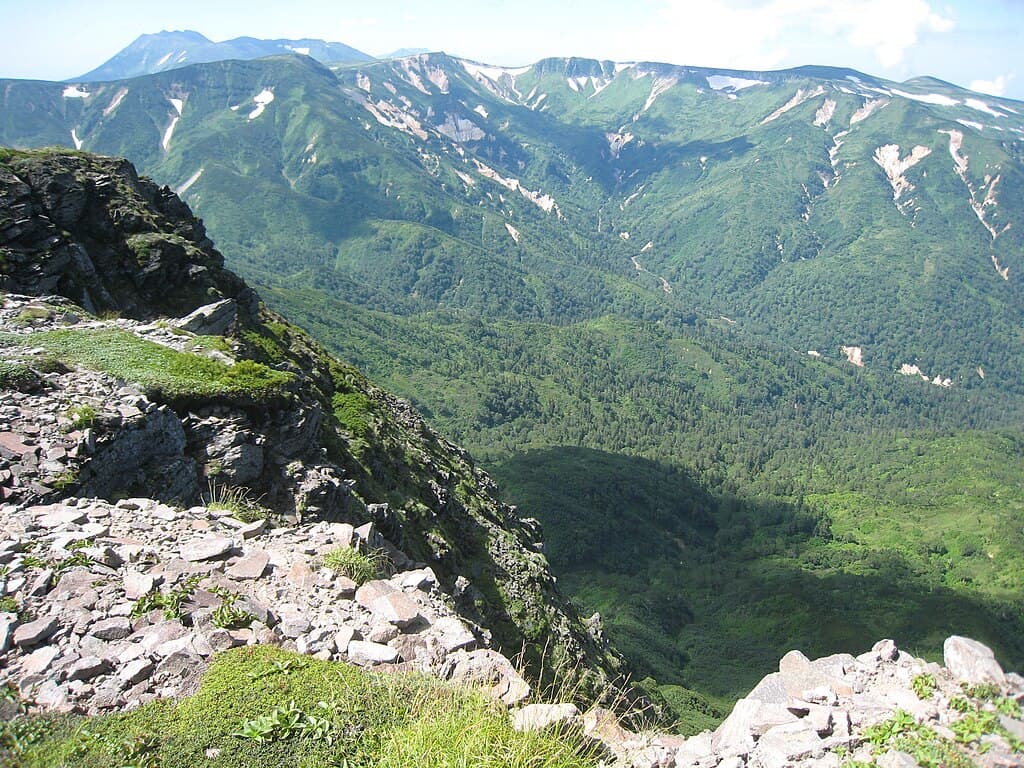
Daisetsuzan National Park covers 870 square miles on Hokkaido, making it Japan’s largest protected area. Volcanic peaks such as Mount Asahi rise to 7,516 feet, surrounded by steaming vents and alpine tundra. Despite its size, visitation remains relatively low compared to Japan’s more famous mountain regions. Autumn temperatures drop to around 50°F, triggering some of the country’s earliest fall foliage. Brown bears roam freely, emphasizing its wilderness character. Trails are rugged and lightly developed, offering a rare sense of untamed nature within Japan’s otherwise dense landscape.
7. Picos de Europa, Spain
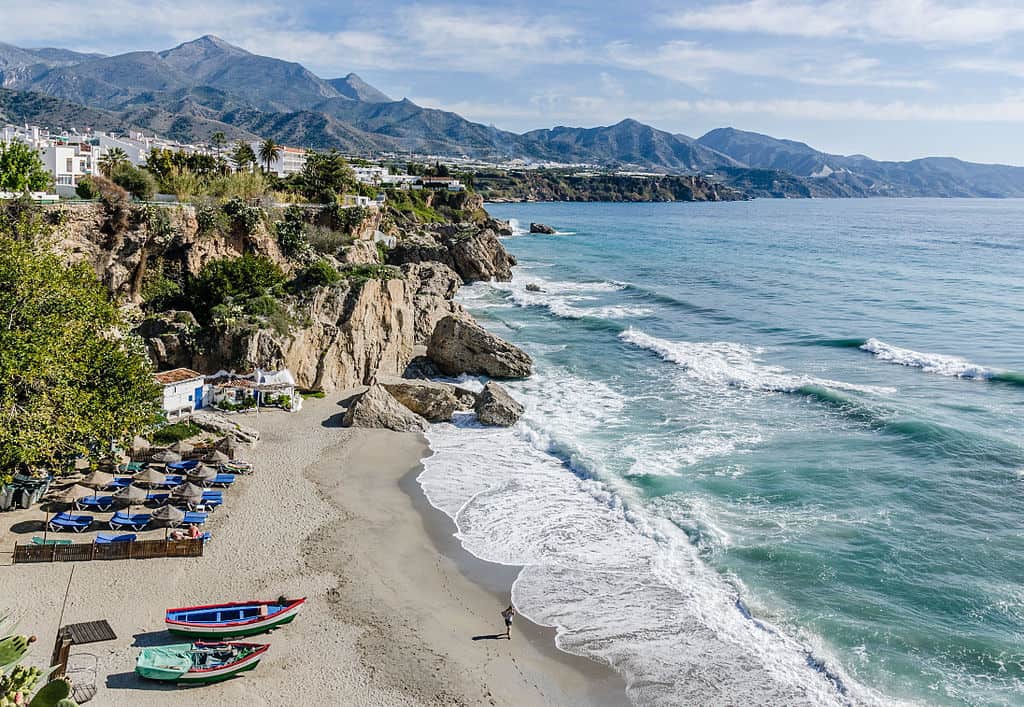
The Picos de Europa range spans 400 square miles in northern Spain, rising abruptly from near sea level to peaks exceeding 8,700 feet. Limestone cliffs, deep gorges, and high pastures dominate the terrain. Annual visitor numbers remain moderate compared to the Pyrenees. The Cares Gorge trail alone descends nearly 3,300 feet through sheer rock walls. Coastal air keeps summer temperatures around 72°F. Traditional villages cling to slopes, and shepherding remains active. The dramatic contrast between green valleys and sharp peaks gives the region a distinct, almost theatrical character.
8. Alay Mountains, Kyrgyzstan
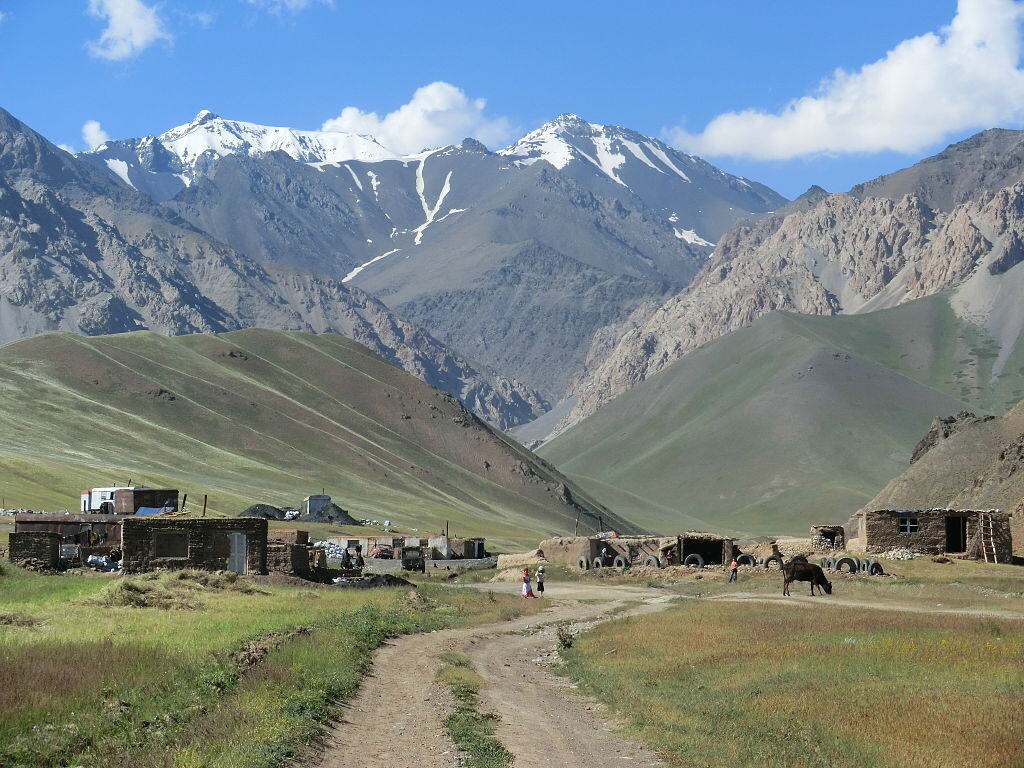
Stretching along southern Kyrgyzstan, the Alay Mountains reach elevations above 15,200 feet and form part of the greater Pamir-Alay system. Tourism remains minimal, with fewer than 30,000 foreign visitors annually. Broad valleys support nomadic herding, and summer camps dot high pastures above 9,800 feet. Temperatures range from 55°F to 70°F in summer, while winters are severe. Infrastructure is sparse, often limited to dirt roads and yurts. The absence of commercialization allows travelers to experience mountain life shaped by tradition rather than tourism trends.
9. Serra da Estrela, Portugal
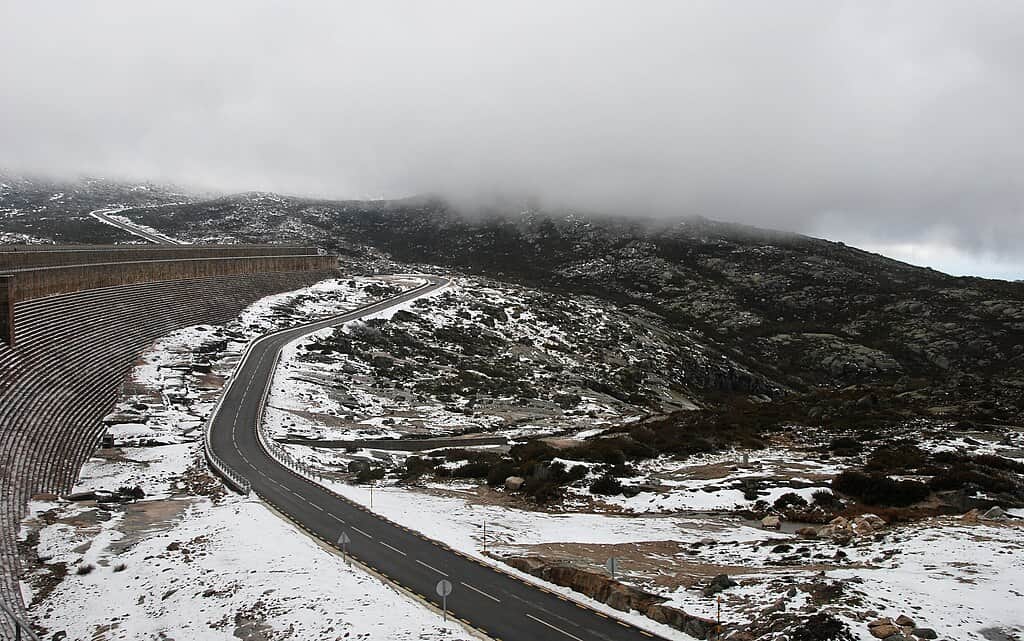
Serra da Estrela is mainland Portugal’s highest mountain range, peaking at 6,539 feet. Though modest in height, it covers 390 square miles of granite plateaus and glacial valleys. Visitor numbers remain low compared to coastal regions. Winter snowfall averages 30 inches, creating Portugal’s only ski area. Summers are mild, hovering around 68°F. Historic villages maintain stone houses and ancient pastoral practices. The region is also known for traditional sheep cheese production. Its gentle elevations and cultural continuity create a mountain experience rooted in daily life rather than spectacle.
10. Retezat Mountains, Romania
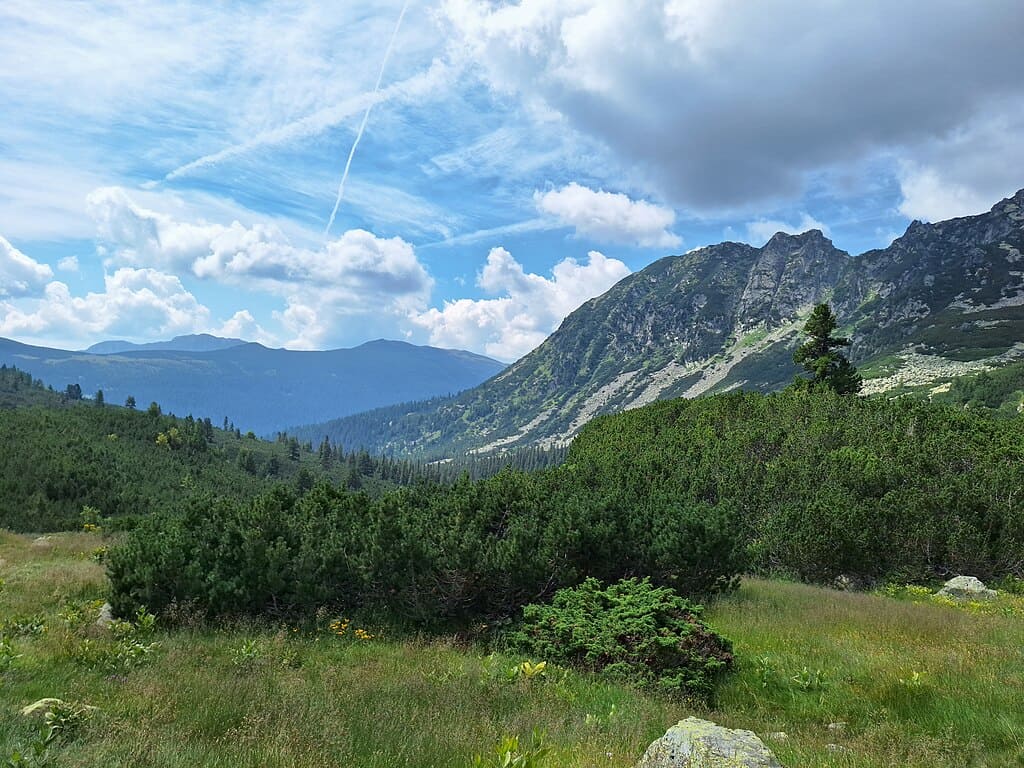
The Retezat Mountains lie within a protected national park covering 150 square miles in western Romania. Peaks rise above 8,200 feet, and over 80 glacial lakes punctuate the alpine zone. Strict conservation limits development, keeping visitor numbers relatively low. Wildlife includes lynx, wolves, and over 1,000 plant species. Summer temperatures average 64°F, ideal for hiking the park’s rugged trails. Many routes remain unpaved and lightly marked. The sense of untouched wilderness is rare in Europe, making Retezat a refuge for those seeking raw mountain solitude.