We may earn money or products from the companies mentioned in this post. This means if you click on the link and purchase the item, I will receive a small commission at no extra cost to you ... you're just helping re-supply our family's travel fund.
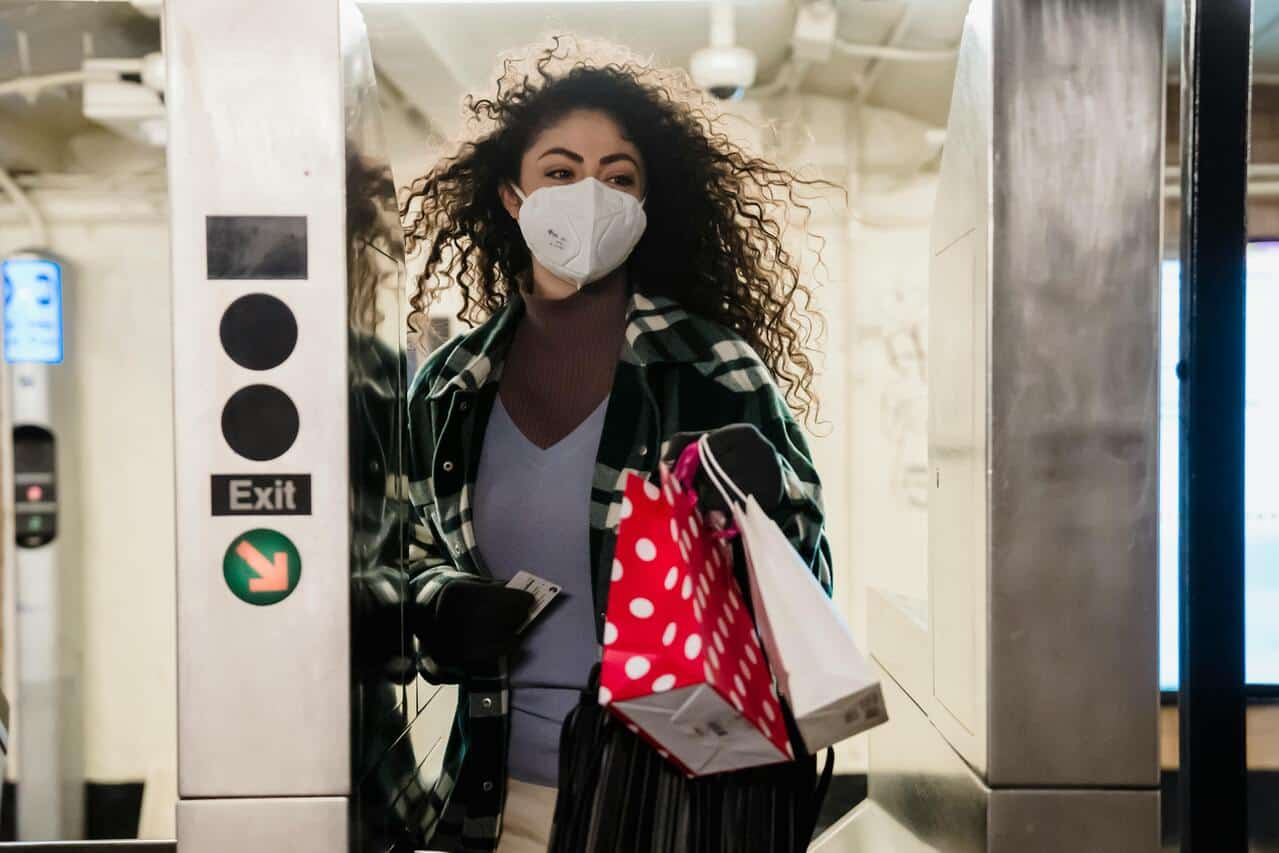
For first-time international travelers, landing in the United States can be unexpectedly stressful when directed to secondary screening. U.S. Customs and Border Protection (CBP) rarely explains exactly why passengers are chosen, but there are common triggers ranging from minor paperwork errors to luggage contents. Awareness of these triggers can reduce anxiety, speed up processing, and prevent surprises. On average, secondary screening can take 15–60 minutes, depending on the complexity of checks.
1. Mismatched Travel Documents
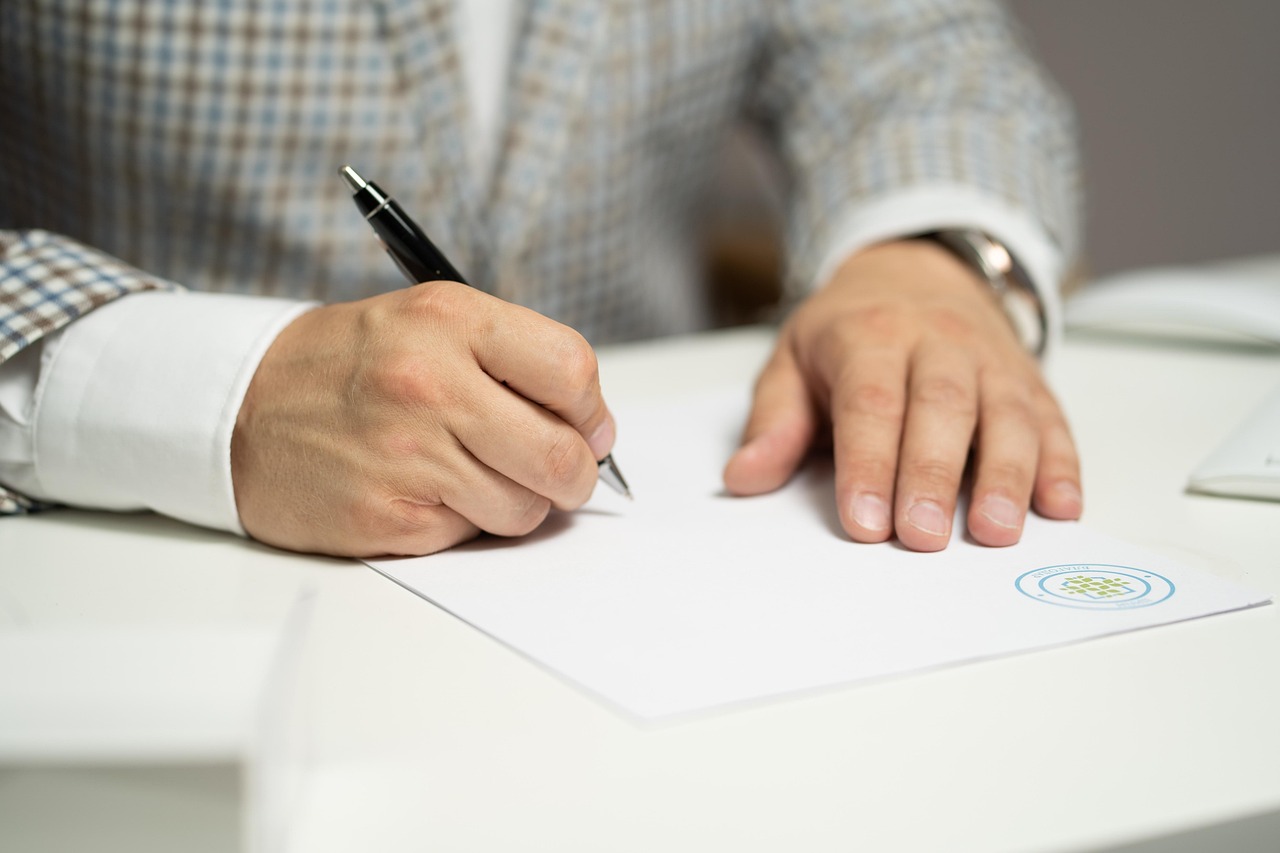
Travelers with inconsistencies in passports, visas, or ESTA forms often trigger secondary screening. Even small errors, like spelling differences between the passport and airline ticket or mismatched birthdates, are scrutinized. CBP officers cross-check details against databases containing over 100 million entries. First-time travelers frequently underestimate this precision, which can add 20–40 minutes to processing. Preparing corrected documents and double-checking entries before arrival significantly reduces delays and stress.
2. Short or Unclear Travel Itineraries
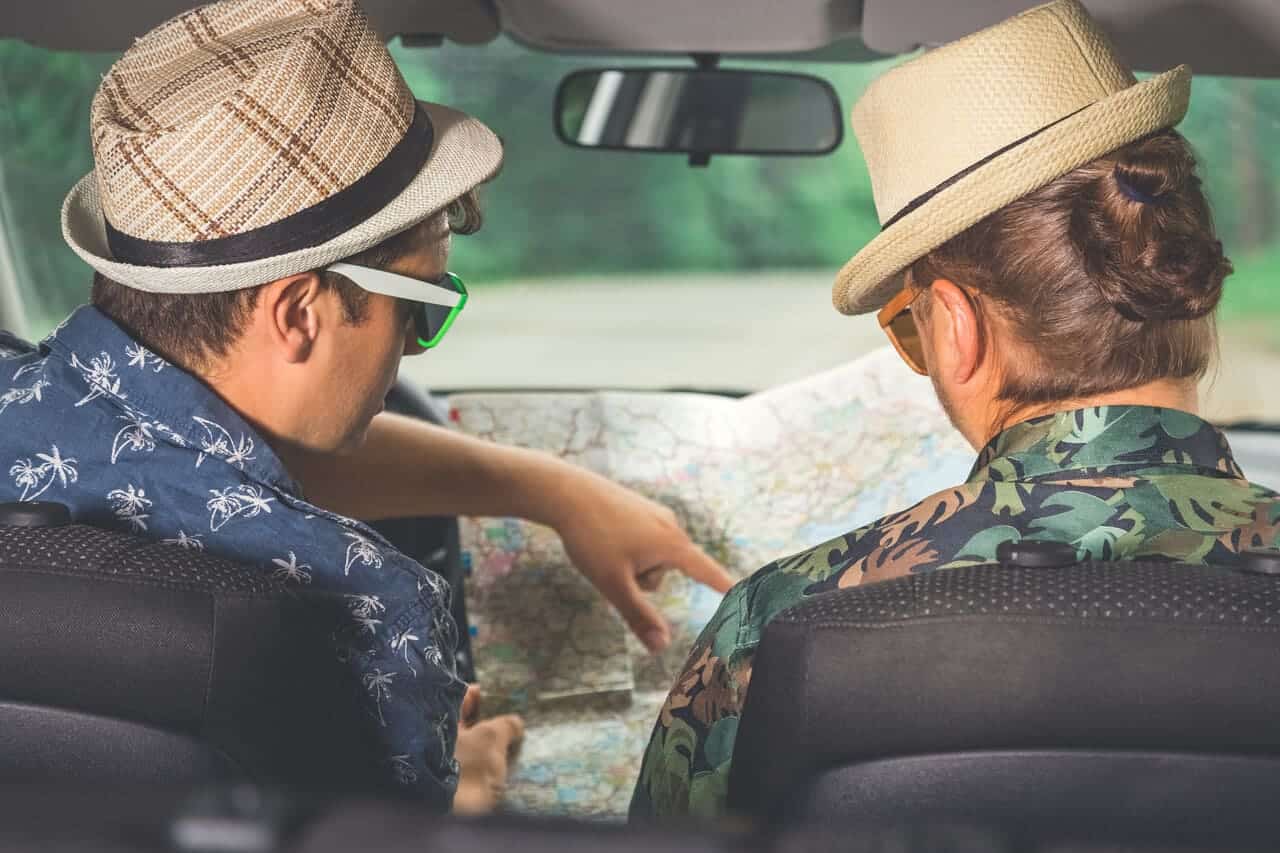
Visitors without a clearly defined itinerary can raise suspicions. A one-week tourist planning stops in 4–5 states without confirmed hotels may face extra questioning. CBP evaluates the plausibility of travel plans against historical traveler data, noting that 28% of randomly selected tourists undergo checks for unclear itineraries. Detailed reservations, transportation details, and emergency contacts reassure officers of the traveler’s intent, often cutting secondary screening time in half.
3. Unusual or Oversized Luggage
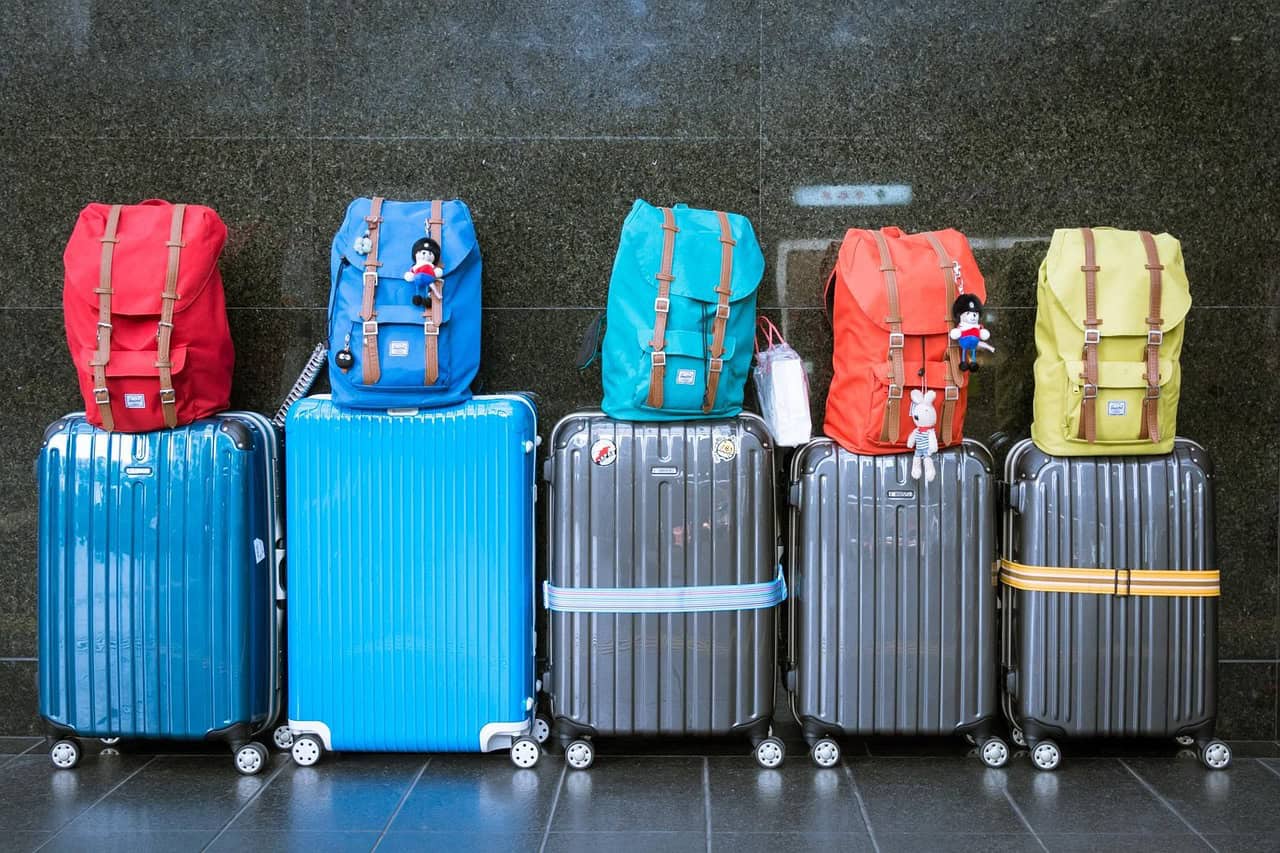
Oddly packed or oversized bags attract CBP attention. Passengers carrying more than two checked bags over 50 pounds or containers with unusual shapes can expect inspection. On average, 12% of luggage undergoes manual inspection due to size or content. Even harmless items like powders, batteries, or specialty foods may trigger checks. Being aware of weight limits, declaring unusual items, and organizing bags reduces delays, helping travelers clear secondary screening in roughly 20 minutes instead of over an hour.
4. Traveling Alone as a Minor
Unaccompanied minors, especially under 16, face secondary screening to verify guardianship. Officers may request notarized letters, custody documents, or contact info for responsible adults. In 2023, 4,500 minors were flagged nationwide for verification. This process ensures compliance with U.S. child safety regulations. First-time young travelers are often shocked, but having complete documentation streamlines processing. Proper preparation can reduce check times from 45–60 minutes to about 20 minutes.
5. Frequent Travel Patterns
Travelers who enter the U.S. multiple times in short periods can trigger extra questioning. CBP monitors repeat entry patterns, flagging about 6% of visitors who make 3–5 trips in under a month. Officers evaluate visa type, work authorization, and travel intent. First-time visitors may be surprised by the scrutiny, but consistent explanations and proper documentation usually result in shorter inspections. Honesty about travel frequency typically allows clearance within 15–25 minutes.
6. Electronic Devices and Encryption
Passengers carrying multiple laptops, phones, or encrypted drives can undergo secondary screening. CBP may request passwords to inspect content; in 2022, approximately 8,000 devices were manually examined at major airports. Officers are particularly vigilant for large volumes of external drives, USBs, or work-related equipment. Awareness and preparation, including knowing device contents, minimizes delays. Typical inspections last 20–40 minutes depending on the number and type of devices being reviewed.
7. Suspicious or Prohibited Items
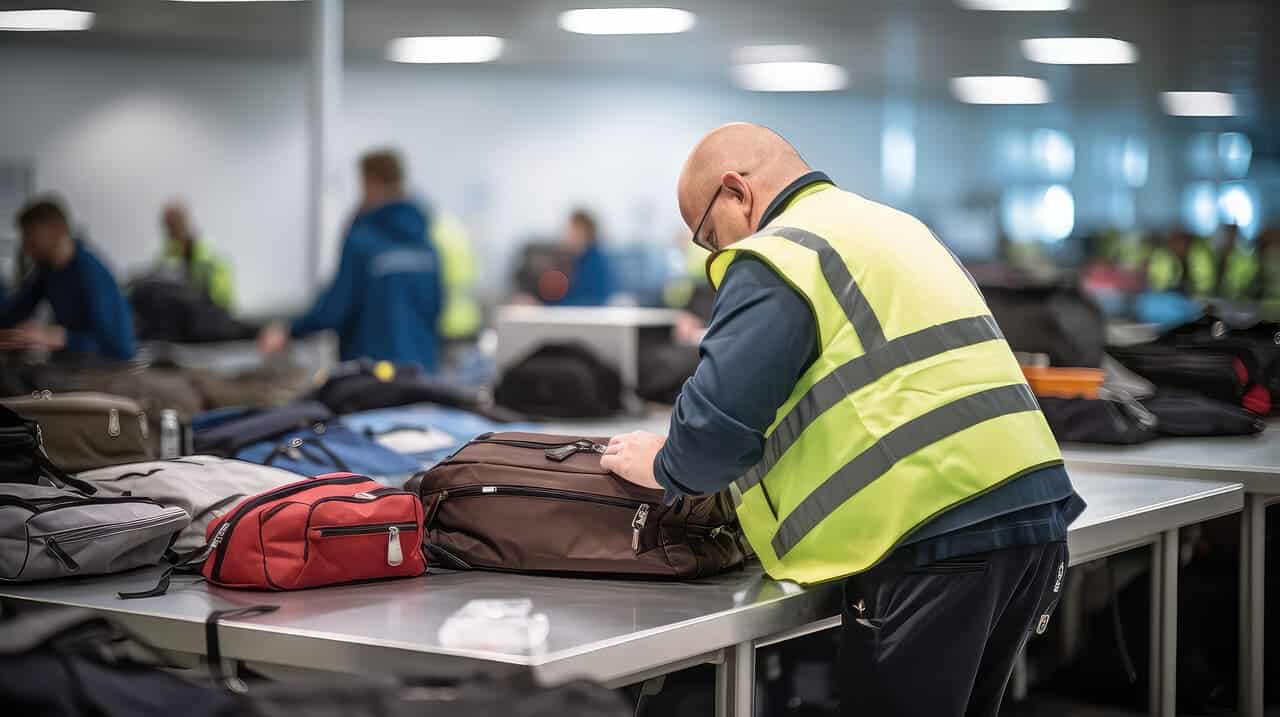
Carrying undeclared food, powders, liquids, or items flagged by CBP regulations often triggers secondary checks. Even legal powders or medications must be declared. CBP inspects roughly 15% of travelers carrying powders or herbal products. This process protects agriculture, health, and safety. Travelers unfamiliar with the rules are often surprised, but clear labeling, accurate declarations, and having prescriptions ready streamline inspections, which usually take 20–35 minutes.
8. Social Media or Online Activity

CBP officers may review publicly available social media to verify travel intentions. Posts suggesting work, activism, or long-term residency inconsistent with visa type can trigger secondary screening. Studies show 1 in 10 travelers is questioned about online activity. While casual posting rarely causes issues, discrepancies between your social media and stated travel purpose may require officers to verify documentation or ask additional questions. Preparing accurate travel explanations ensures faster clearance.
9. Nervous or Evasive Behavior
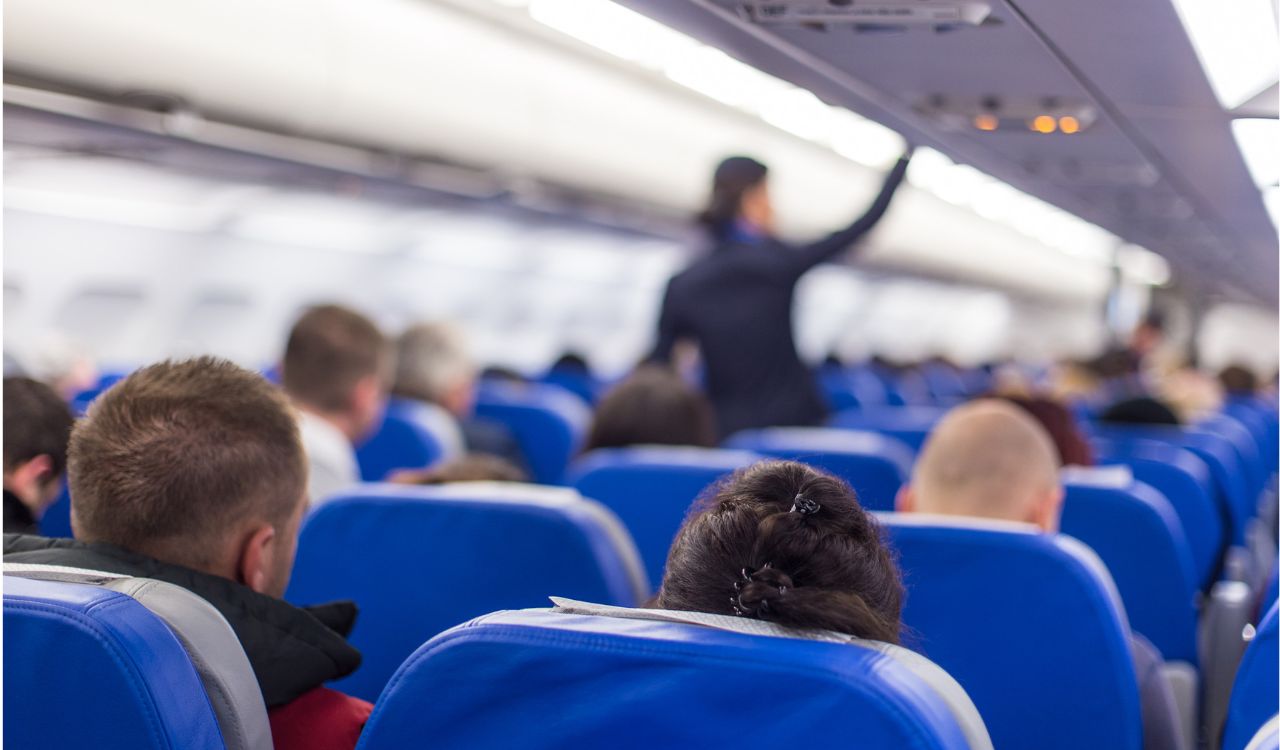
Passenger behavior is monitored, and nervousness or inconsistent answers may trigger secondary checks. Officers are trained to detect subtle cues indicating potential risk. Research indicates that 12% of travelers flagged for behavior exhibit signs such as fidgeting or avoiding eye contact. Calm, polite responses and confident demeanor greatly reduce scrutiny. First-time travelers often find this surprising, but composed behavior typically shortens secondary screening to under 25 minutes.
10. Random Security Checks
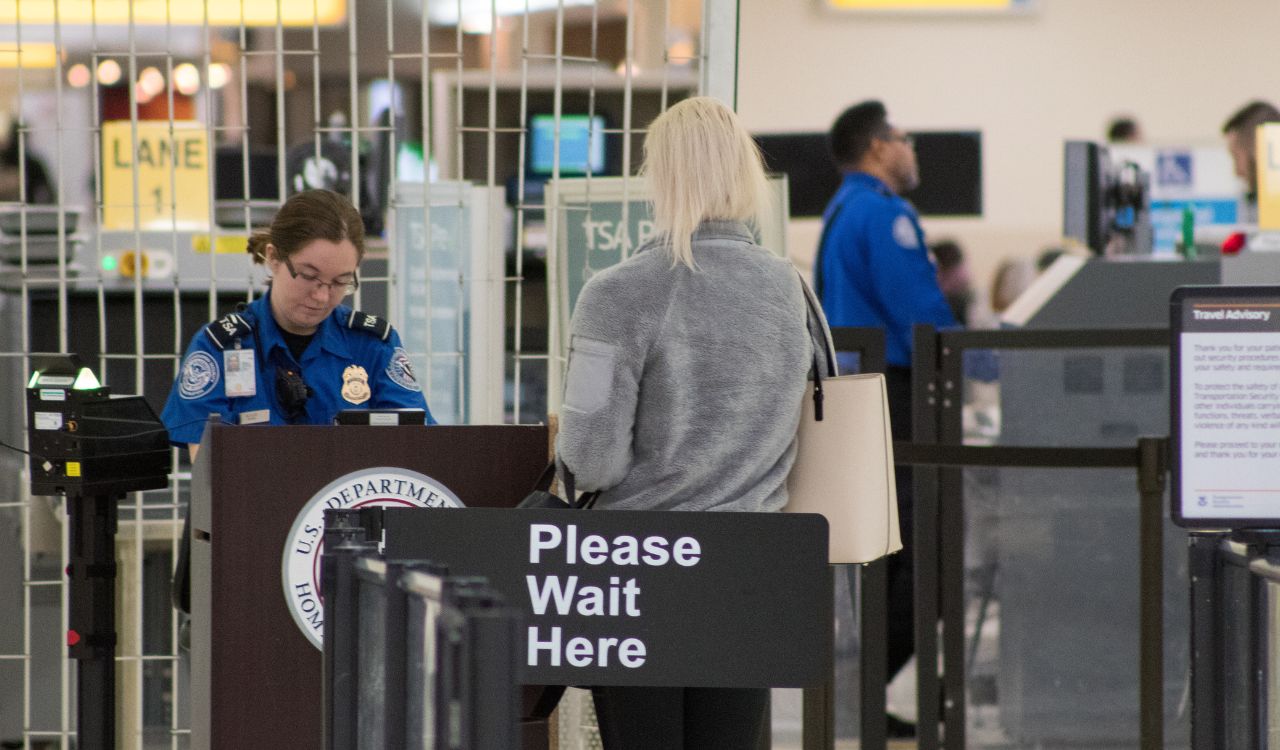
Sometimes secondary screening is entirely random, as CBP uses risk-based, unpredictable selection. About 5% of international passengers are randomly selected daily. Random checks deter unauthorized activity and ensure consistent security enforcement. Travelers may be fully compliant yet experience a thorough inspection. Understanding the possibility of randomness helps first-time visitors remain calm, follow instructions, and complete the process efficiently, with typical secondary checks lasting 15–30 minutes for randomly selected passengers.