We may earn money or products from the companies mentioned in this post. This means if you click on the link and purchase the item, I will receive a small commission at no extra cost to you ... you're just helping re-supply our family's travel fund.
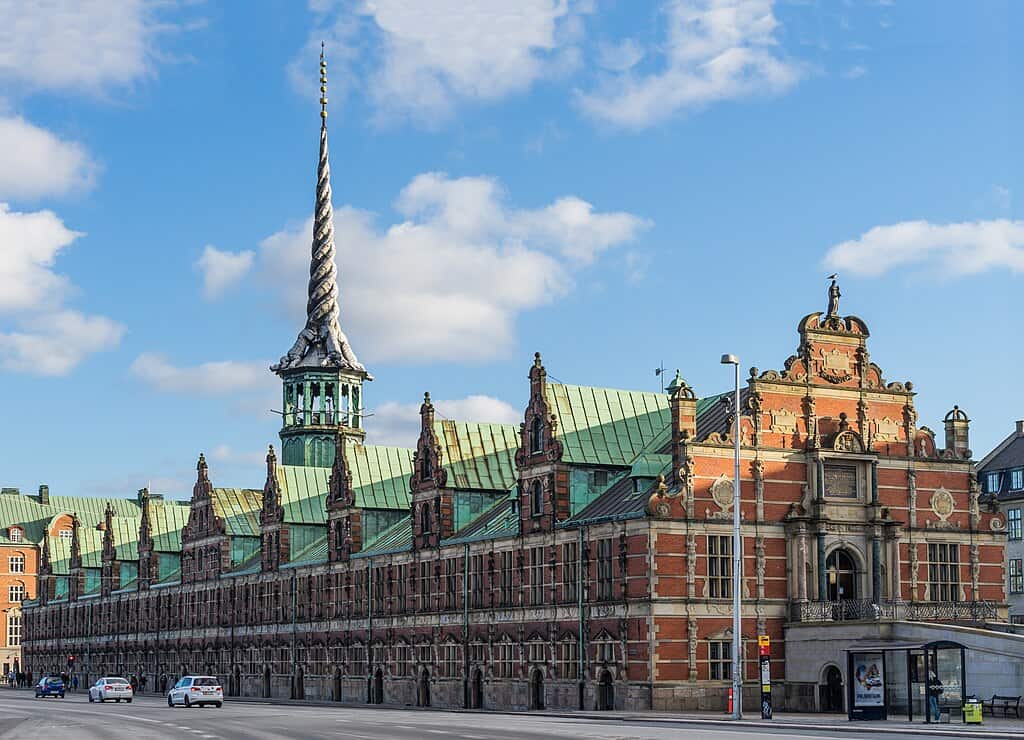
Travel in 2026 is shaped by awareness. Modern travelers are looking beyond beauty and culture, prioritizing personal security, healthcare access, political stability, and dependable infrastructure. The cities below consistently perform well in global safety measurements, crime statistics, emergency response standards, and public transport reliability. Each destination blends low crime rates with efficient public services, clean environments, and strong governance. If peace of mind matters as much as memorable experiences, these ten international cities offer reassurance without sacrificing excitement.
1. Reykjavik
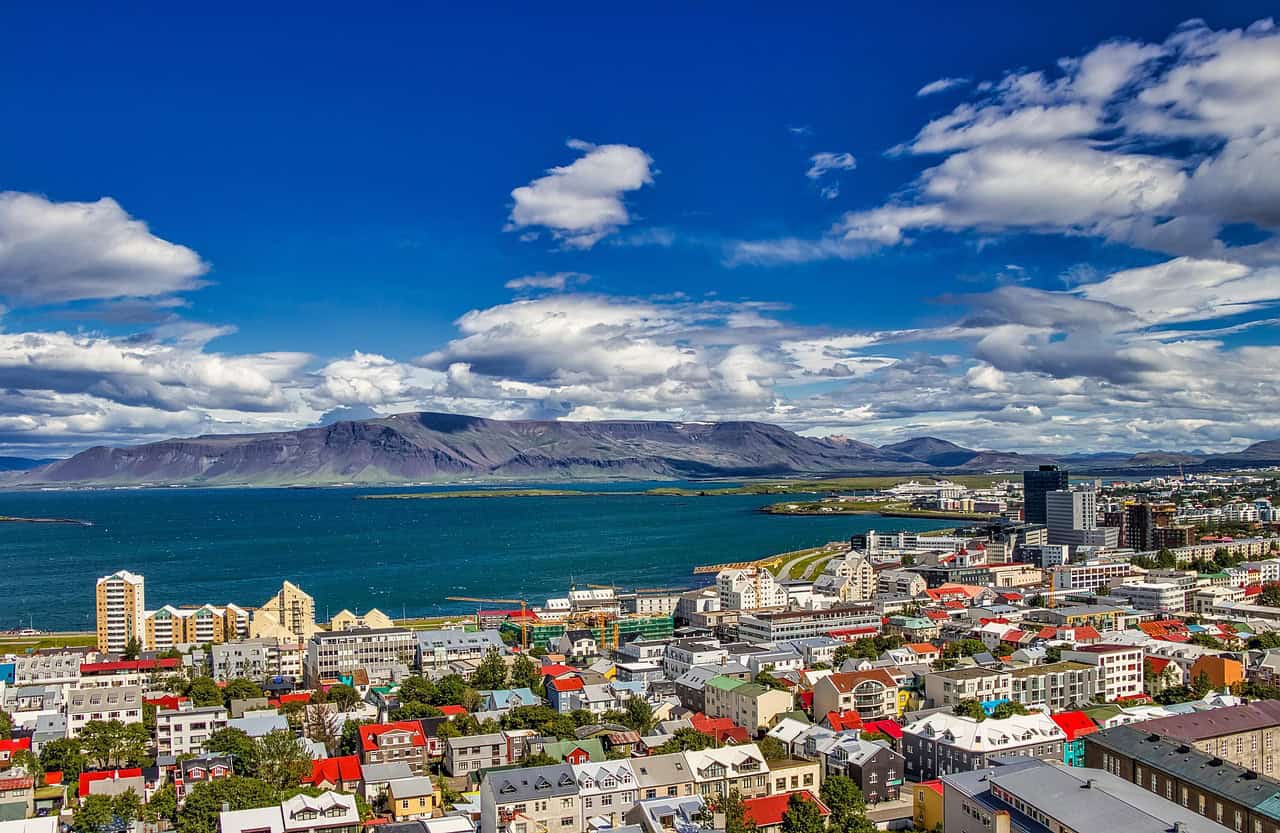
Reykjavik consistently ranks among the world’s safest capitals, supported by Iceland’s Global Peace Index position at or near #1 for over a decade. Violent crime rates remain extremely low, with homicide figures typically below 1 per 100,000 people. Police officers rarely carry firearms, reflecting high social trust.
The city’s population of roughly 140,000 benefits from universal healthcare and reliable emergency response times averaging under 10 minutes. Well-lit streets, safe nightlife zones, and efficient public buses make independent travel easy, even during winter’s limited daylight hours.
2. Copenhagen
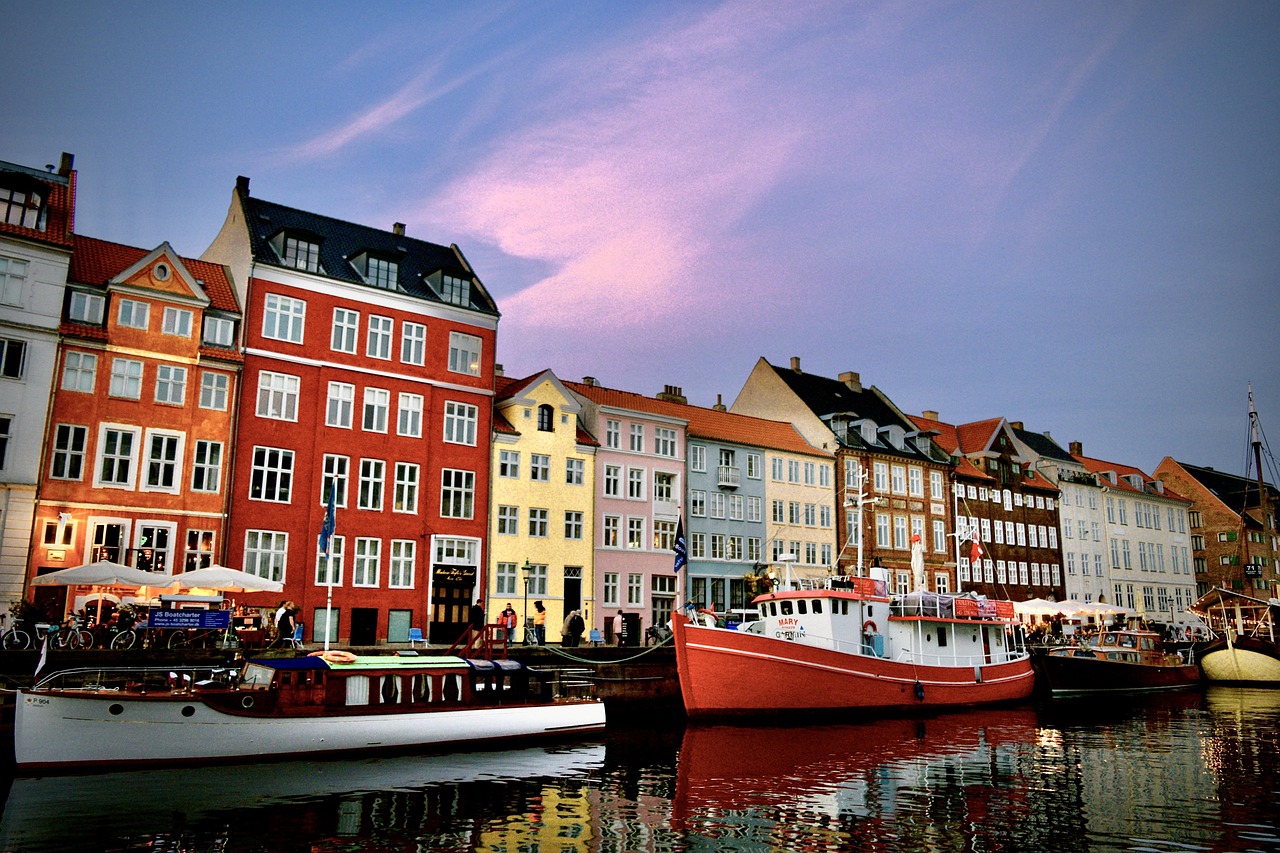
Copenhagen combines Scandinavian design with structured urban safety. Denmark consistently ranks within the top 5 globally for safety and quality of life. Violent crime remains rare, and the city reports strong clearance rates for reported offenses.
With more than 390 kilometers of protected cycling lanes and excellent metro coverage, transport risks are minimal. Emergency services respond quickly, and English proficiency exceeds 85%, helping visitors navigate smoothly. CCTV monitoring in central districts further strengthens security without compromising the relaxed, open atmosphere.
3. Zurich
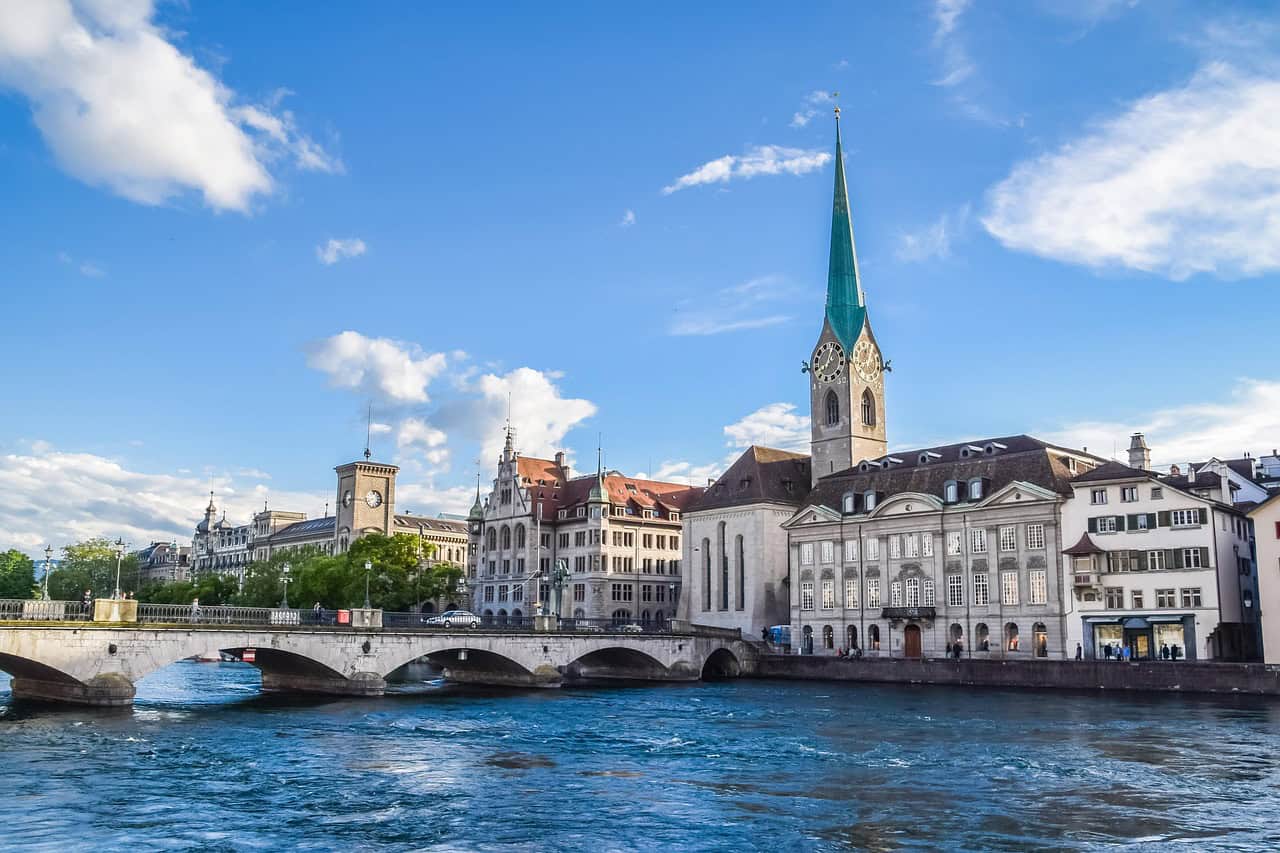
Zurich reflects Switzerland’s long-standing political neutrality and social stability. National crime rates remain among Europe’s lowest, and the city consistently reports homicide rates under 1 per 100,000 residents. Clean streets and visible community policing enhance everyday safety.
Public transport punctuality exceeds 90%, reducing late-night travel concerns. Healthcare quality ranks among the world’s best, and emergency response averages under 15 minutes. Financial stability and strong local governance create a calm, orderly environment that feels secure for solo and family travelers alike.
4. Tokyo
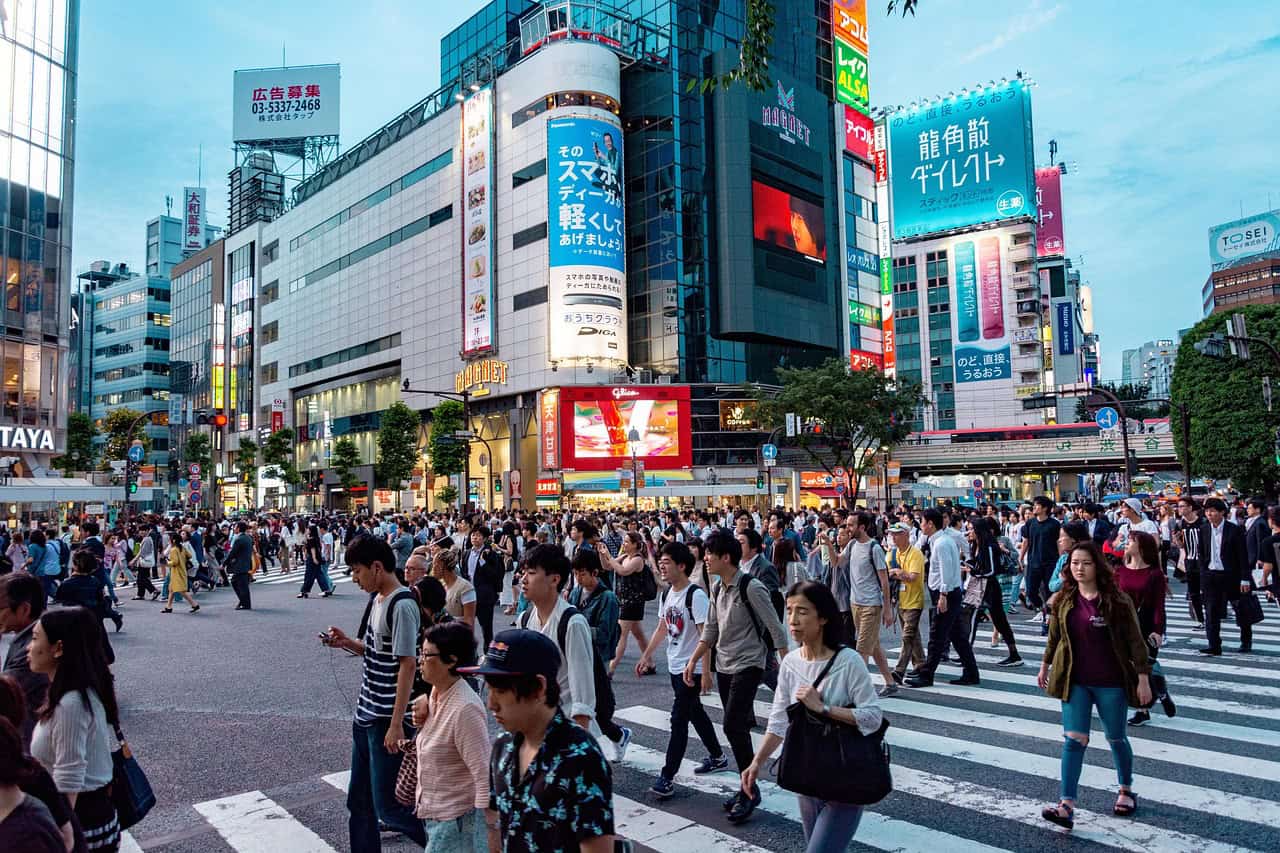
Tokyo is frequently praised for its extraordinary orderliness. Japan’s homicide rate hovers around 0.2 per 100,000 people, one of the lowest worldwide. Lost property is commonly returned, reflecting high civic responsibility.
The city’s rail network carries over 40 million passengers daily with remarkable efficiency and safety. Police boxes, known as koban, are distributed across neighborhoods, offering easy access to assistance. Even in busy districts like Shibuya, crime against visitors remains rare, making Tokyo reassuring despite its immense size.
5. Singapore
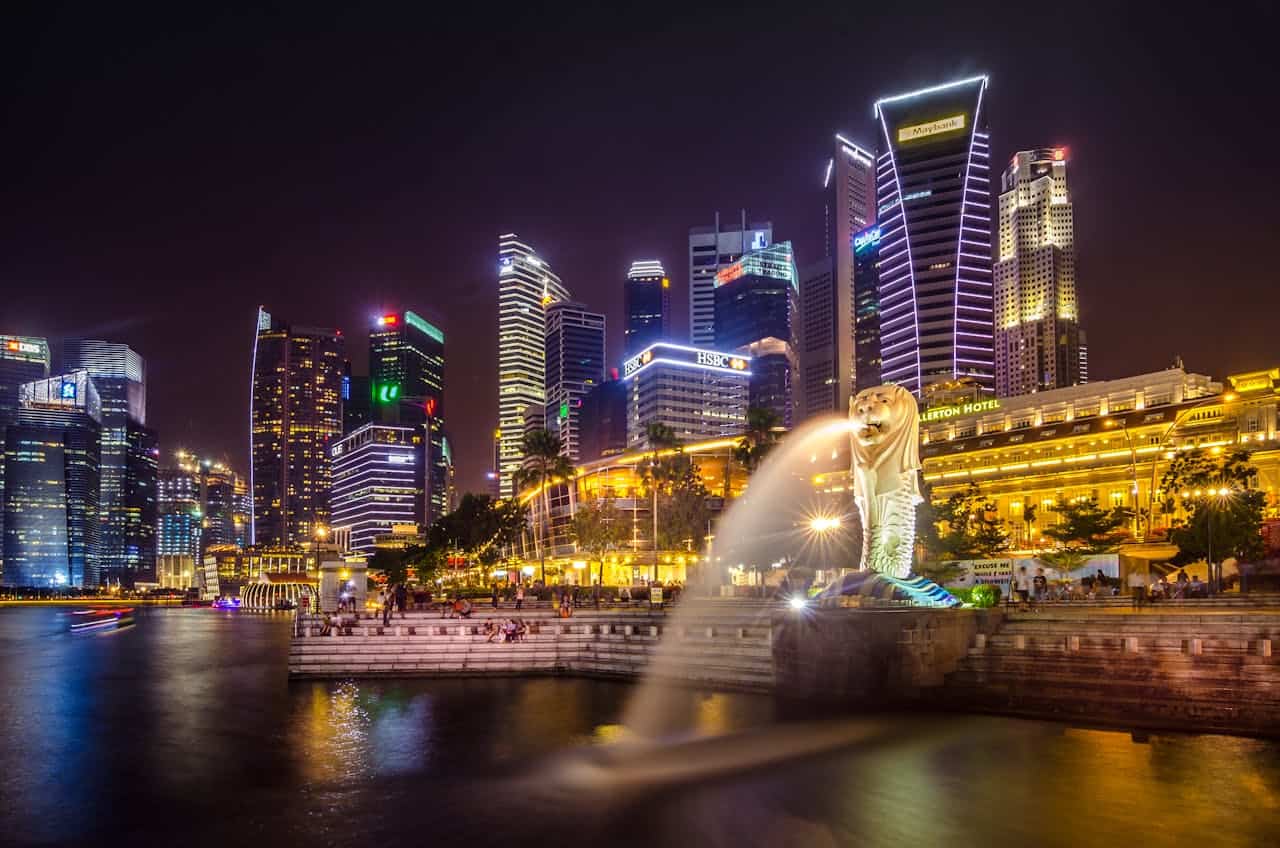
Singapore enforces some of the world’s strictest public safety regulations, resulting in exceptionally low crime rates. Violent crime is rare, and law enforcement response is swift and visible. Surveillance systems and urban planning contribute to a secure atmosphere.
Public transport covers over 200 MRT stations, ensuring safe mobility across the island. Healthcare ranks highly in global indexes, and English is widely spoken. Cleanliness standards are rigorously maintained, and pedestrian areas are well-lit, making late-night exploration comfortable and predictable.
6. Lisbon
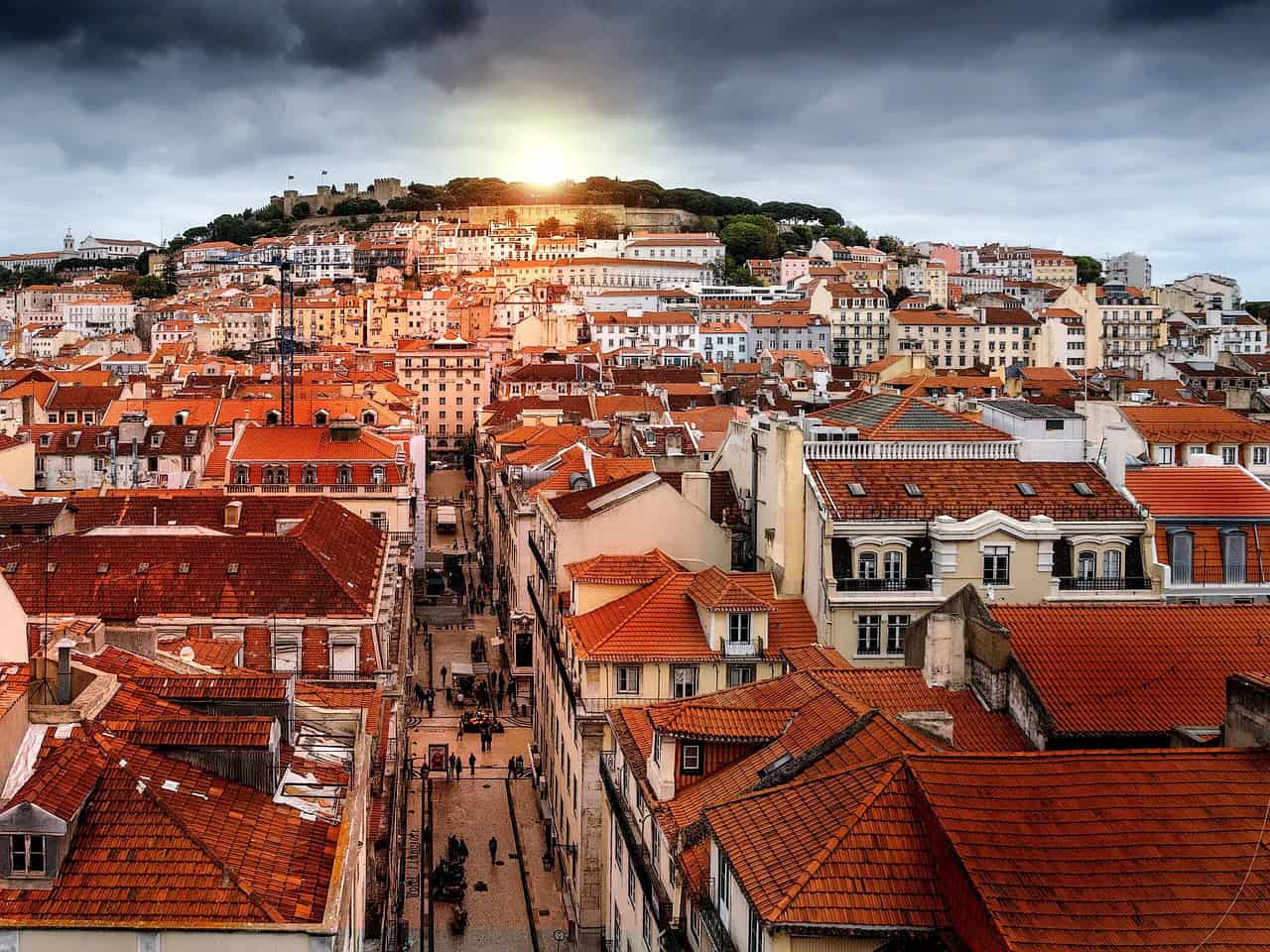
Lisbon offers Mediterranean charm supported by Portugal’s strong safety record. The country ranks within the top 10 of the Global Peace Index, and violent crime levels remain comparatively low. Tourist policing units are visible in central districts.
Trams, metro lines, and commuter trains operate reliably, while emergency medical services are accessible and efficient. With a population near 550,000, Lisbon feels lively yet manageable. Petty theft can occur in crowded areas, but overall visitor incidents remain statistically uncommon.
7. Sydney
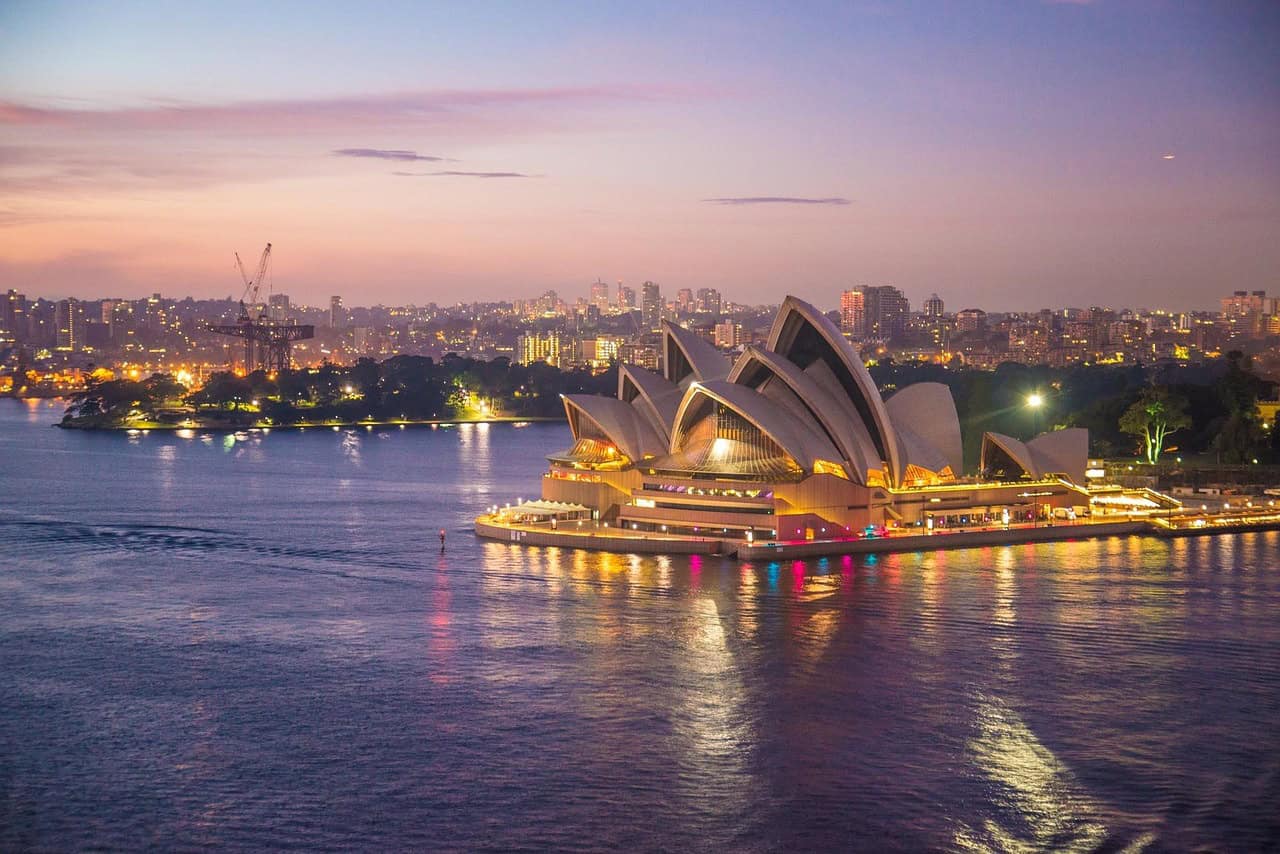
Sydney pairs coastal beauty with structured public safety systems. Australia’s homicide rate typically remains under 1 per 100,000 residents, and Sydney benefits from strong urban planning and effective policing.
Lifeguards patrol major beaches daily, and emergency services maintain rapid coastal rescue capabilities. Public transport includes trains, buses, ferries, and light rail, all monitored and regulated. With over 5 million residents, Sydney balances big-city energy with reliable infrastructure and strong disaster preparedness.
8. Amsterdam
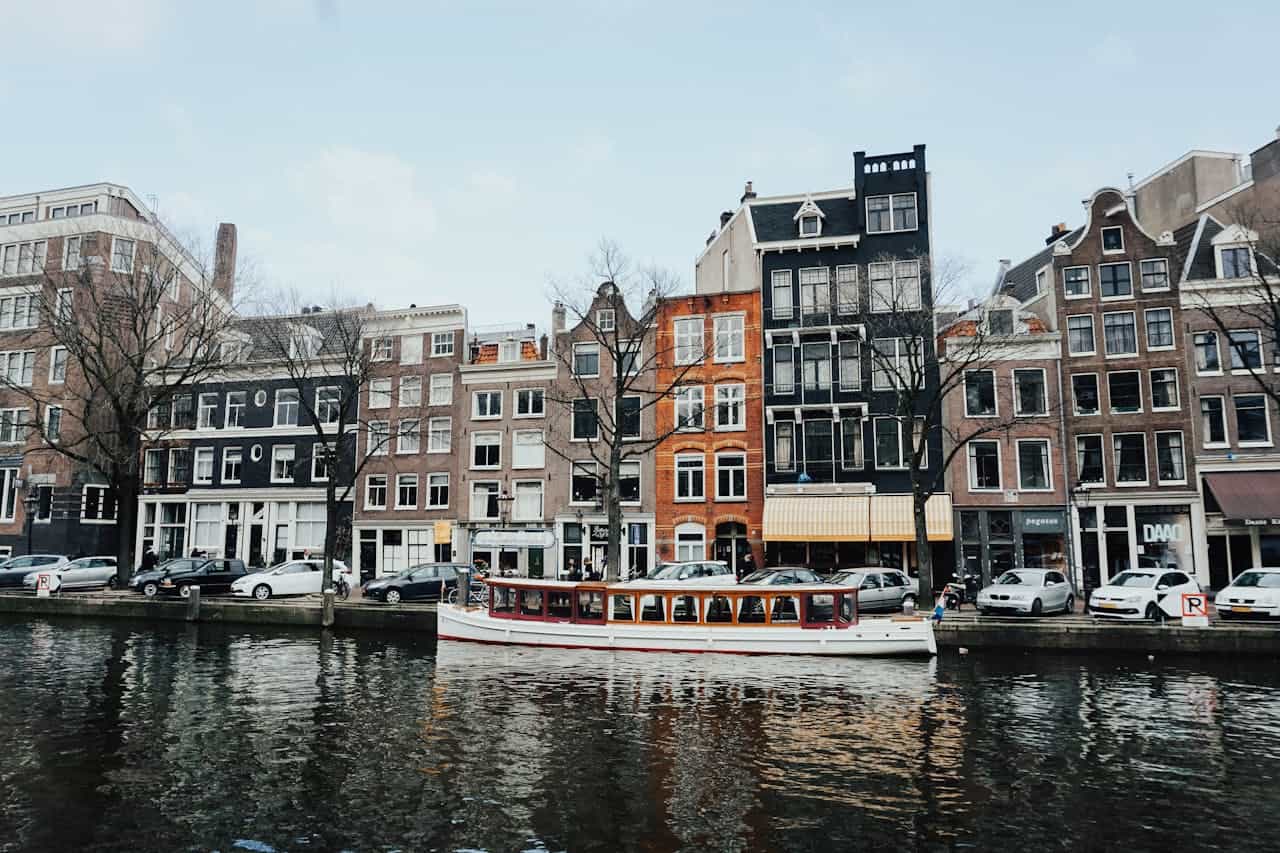
Amsterdam blends historic canals with modern safety management. The Netherlands maintains relatively low violent crime rates, and community policing is well integrated into daily life. CCTV systems support monitoring in busy tourist zones.
Cycling infrastructure spans hundreds of kilometers, separating riders from traffic and reducing accident risks. Healthcare accessibility is high, and English fluency exceeds 90%. While petty theft can occur in crowded districts, violent incidents involving visitors remain statistically infrequent.
9. Dublin
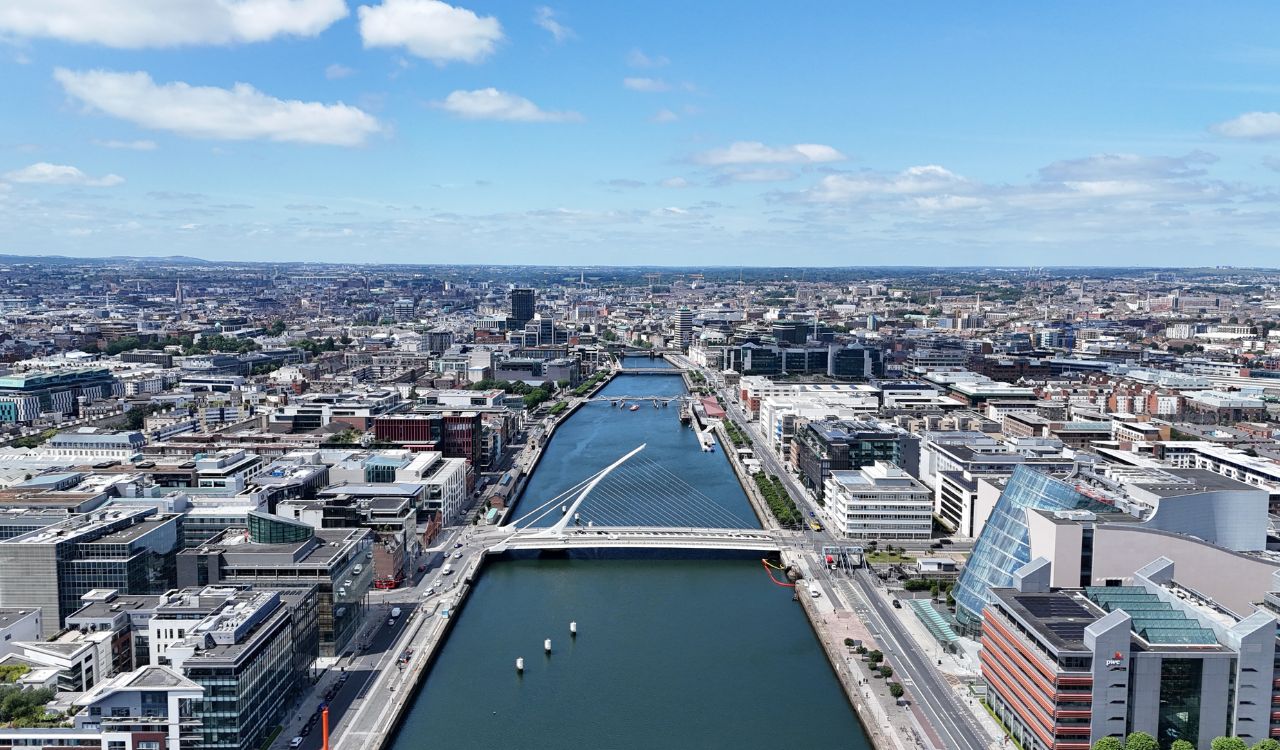
Dublin offers welcoming hospitality supported by Ireland’s stable governance and comparatively low violent crime levels. National homicide rates remain close to 0.6 per 100,000 people. Police presence is visible in entertainment districts.
The city center is compact and walkable, and public transport includes buses, trams, and commuter rail. Emergency medical services are reliable, and English eliminates communication barriers for most visitors. While nightlife can be lively, serious incidents involving travelers are uncommon.
10. Bern
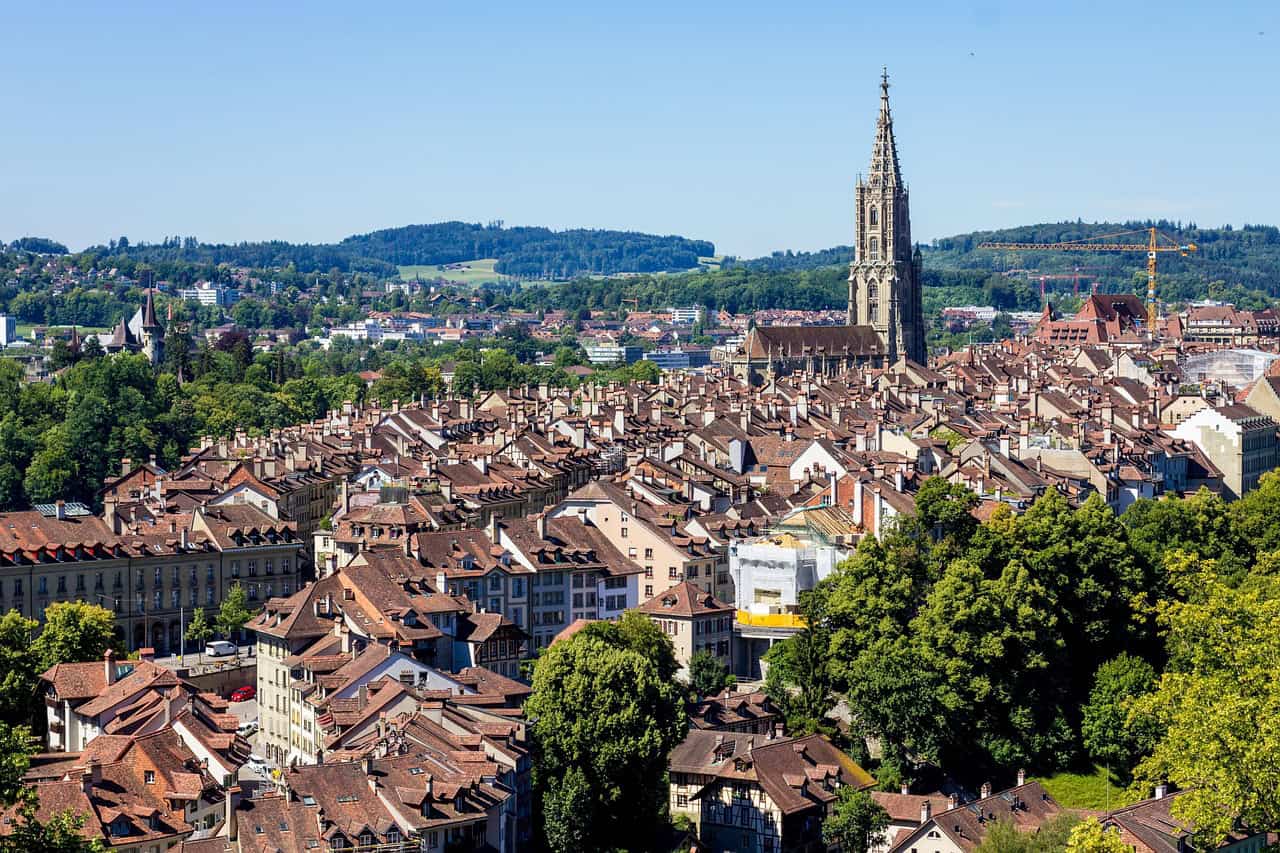
Bern delivers quiet security within a UNESCO-listed medieval setting. Switzerland consistently ranks among the world’s safest nations, and Bern reflects that stability with low violent crime and high civic order.
The population of roughly 135,000 supports a manageable urban scale. Public transport punctuality remains above 90%, and healthcare services are internationally respected. Government institutions reinforce political stability, creating a calm atmosphere that feels especially reassuring for solo travelers.