We may earn money or products from the companies mentioned in this post. This means if you click on the link and purchase the item, I will receive a small commission at no extra cost to you ... you're just helping re-supply our family's travel fund.
Even with food inflation, rising labor expenses, and unpredictable supply chains, several restaurant brands managed to accelerate their growth in 2025 instead of slowing down. Their success wasn’t accidental, they leaned on smart franchising, sharp menu focus, and powerful digital ecosystems. These chains expanded into new regions, improved operational efficiency, and continued attracting strong customer demand even as consumer spending fluctuated. Their ability to grow during a high-cost environment reveals how strategic execution can outweigh economic pressure.
1. Dave’s Hot Chicken
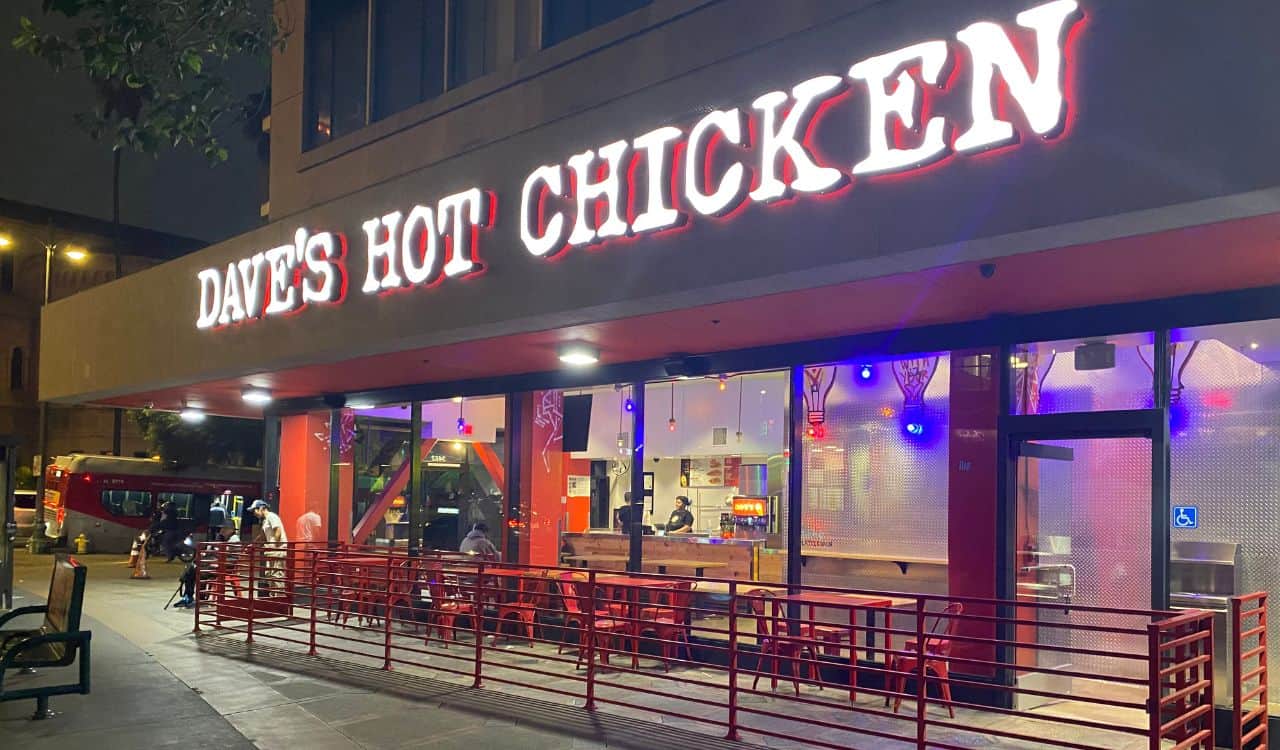
Dave’s Hot Chicken pushed past expectations in 2025, expanding from roughly 283 to over 400 stores, driven by franchise momentum and steady global interest. The brand’s simple menu allowed kitchens to stay efficient even as poultry costs rose nearly 18%. Systemwide revenue surpassed $600 million, helped by consistent late-night traffic and strong social media traction. Its international rollout particularly in Canada and the Middle East, demonstrated how a focused flavor profile can succeed across varied markets without compromising margins.
2. Raising Cane’s
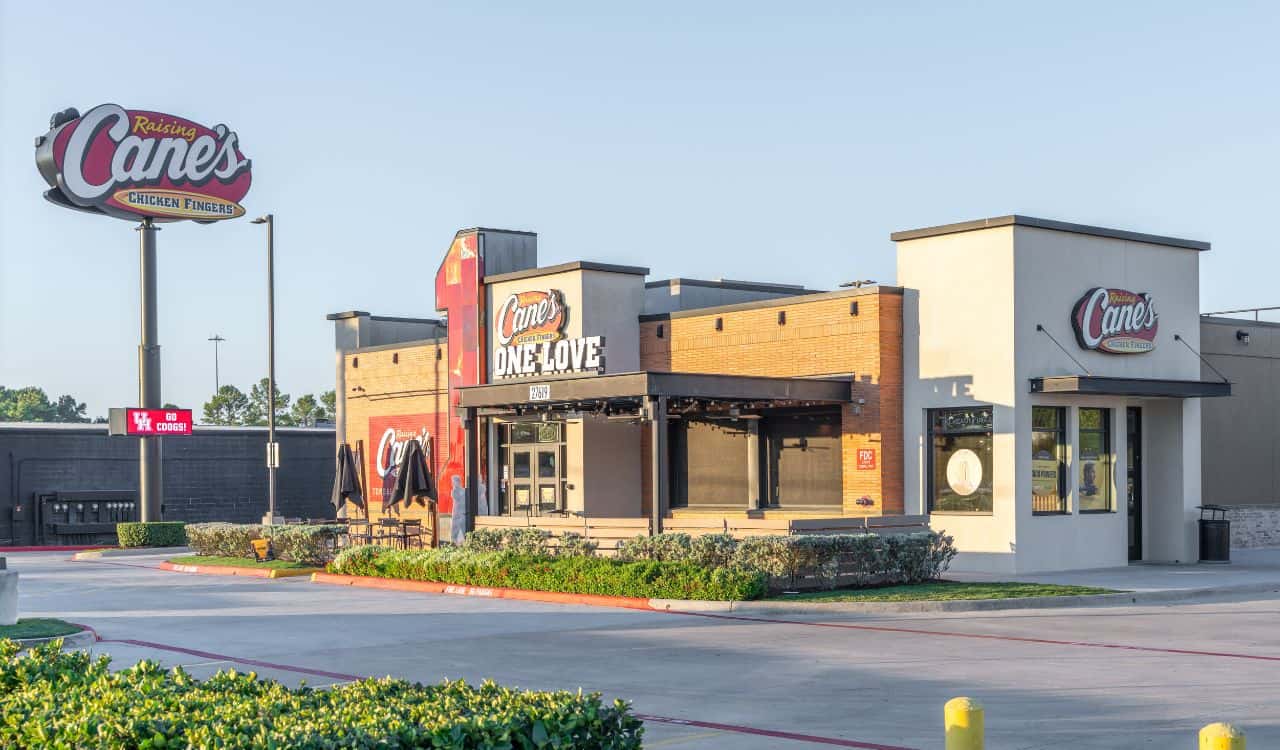
Raising Cane’s broke its own pace in 2025, surpassing 900 active locations after opening more than 118 new units the previous year. Its four-item chicken-finger menu helped maintain reliable prep times, keeping margins stable despite industry-wide price hikes. Estimated annual sales climbed beyond $5 billion, supported by heavy drive-thru volume and strong brand loyalty. Urban expansion added fresh visibility, while consistent service standards helped each new opening operate efficiently from its first week onward.
3. Shake Shack
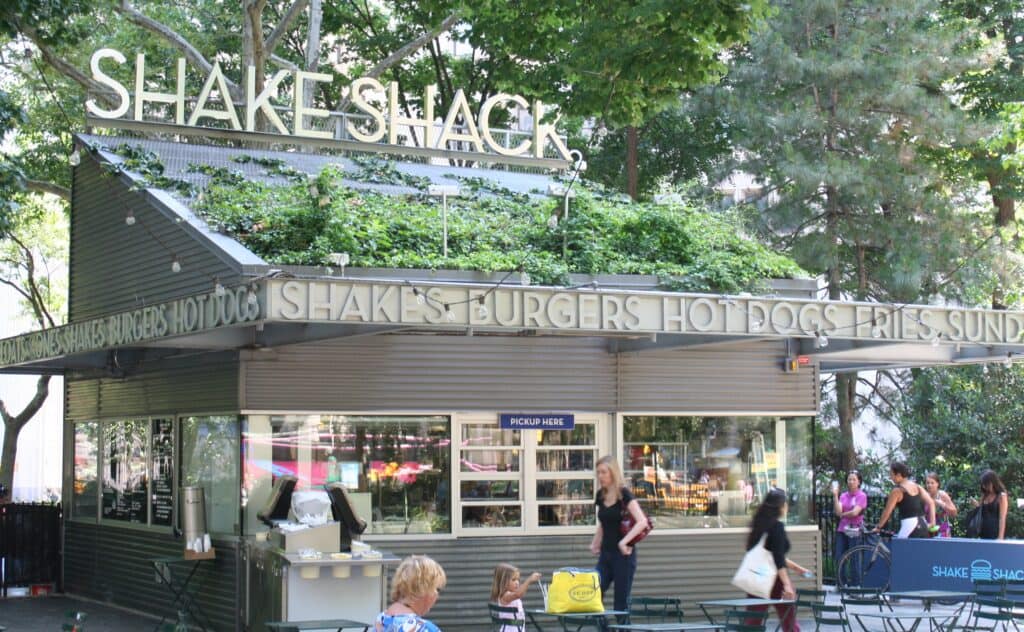
Shake Shack’s global presence expanded to more than 550 restaurants in 2025, thanks to rapid adoption of drive-thru formats and targeted suburban growth. Revenue exceeded $1.1 billion, even with beef costs climbing roughly 12%during the year. Its digital ecosystem drove a high percentage of orders, increasing throughput during peak hours. Shake Shack opened new locations across Asia and the Middle East, using brand familiarity and premium positioning to maintain customer demand despite higher menu prices.
4. Crumbl Cookies

Crumbl Cookies kept its growth streak alive, operating beyond 1,000 stores in 2025 with additional franchise commitments still underway. Its rotating weekly menu generated consistent online buzz, helping systemwide sales exceed $1.2 billion. Even as butter prices rose nearly 15%, Crumbl’s streamlined labor model and small store formats kept operational costs manageable. Bulk orders, gifting demand, and digital promotions contributed to steady traffic, allowing new markets to achieve strong performance within months of opening.
5. Freddy’s Frozen Custard & Steakburgers
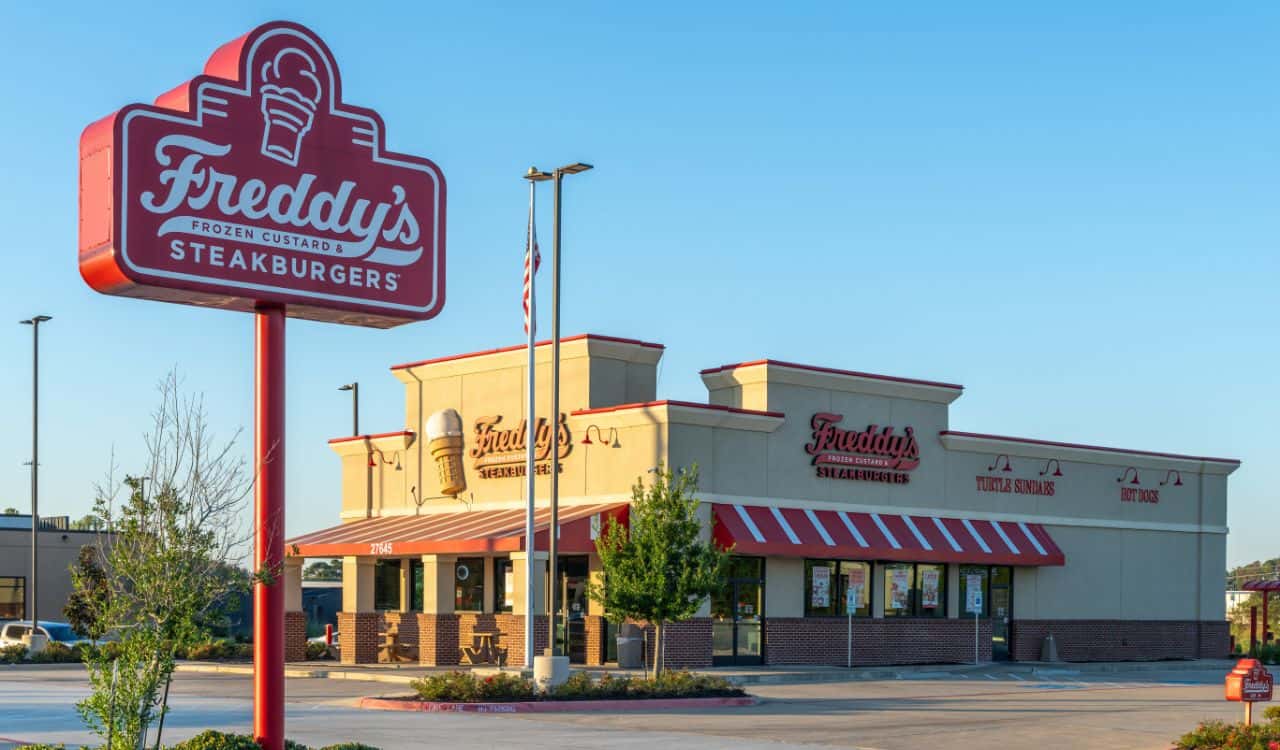
Freddy’s expanded past 550 locations in 2025 after adding more than 60 new restaurants, keeping momentum strong across the Midwest and South. Estimated systemwide revenue approached $900 million, supported by a menu that balanced premium ingredients with stable margins. Rising beef prices challenged many competitors, yet Freddy’s strong drive-thru output and efficient kitchen flow helped offset inflation. With over 150 units still in development, the chain continued gaining traction among consumers seeking dependable comfort-food flavors.
6. CAVA
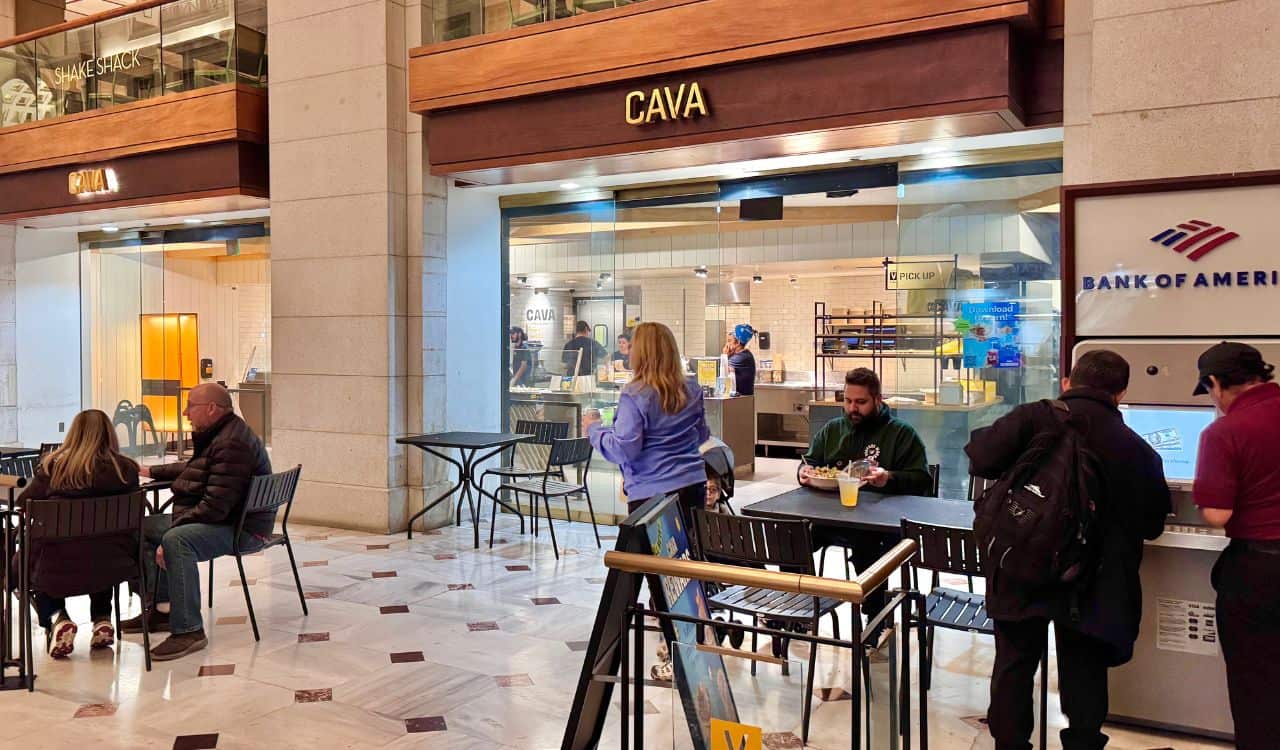
CAVA grew to more than 340 operating restaurants in 2025, continuing its rapid rise as demand for fast-casual Mediterranean restaurants remained strong. Average unit volumes surpassed $2.6 million, one of the highest in the industry, even as produce costs increased nearly 10%. Digital ordering accounted for about 35% of total sales, supporting efficient order flow during busy periods. The brand expanded aggressively into suburban markets, using customizable bowls and health-centered positioning to maintain steady customer interest.
7. Chick-fil-A
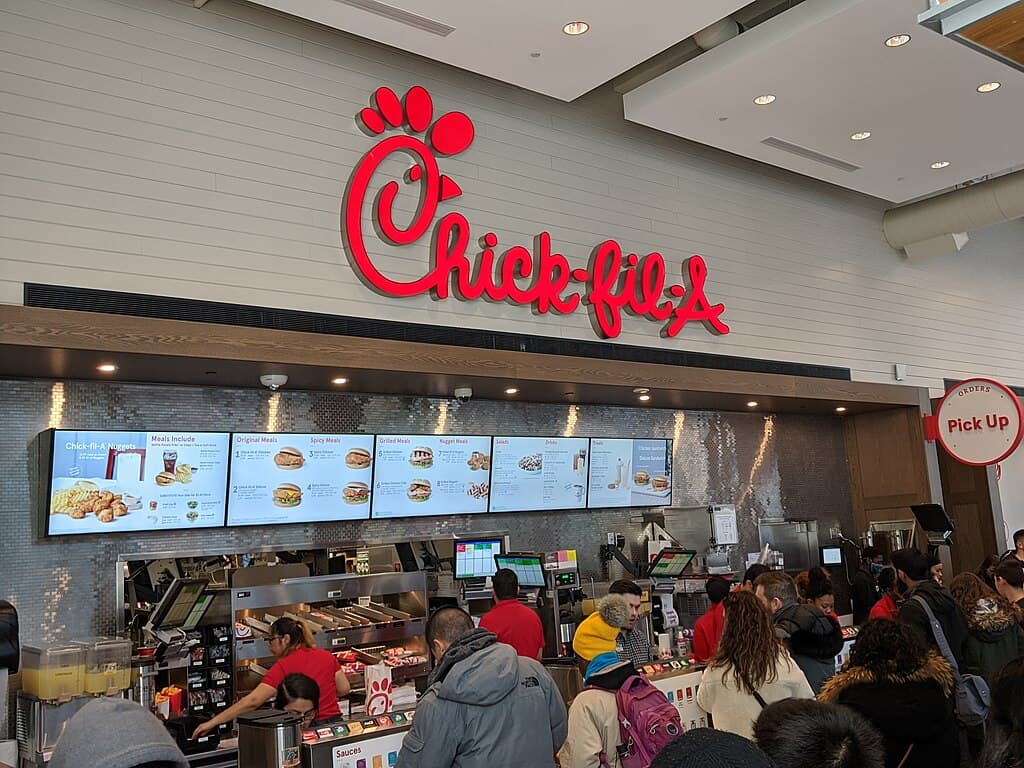
Chick-fil-A continued surprising analysts by expanding beyond 3,100 restaurants in 2025 while preserving its remarkably high average unit volume near $9 million. Systemwide sales approached $20 billion, supported by consistent drive-thru operations and strong breakfast demand. Labor expenses increased across the industry, yet Chick-fil-A’s refined service model helped maintain efficiency. New openings in dense urban regions and select international markets broadened its reach, proving that reliable quality and clear menu identity remain powerful growth drivers.
8. Subway
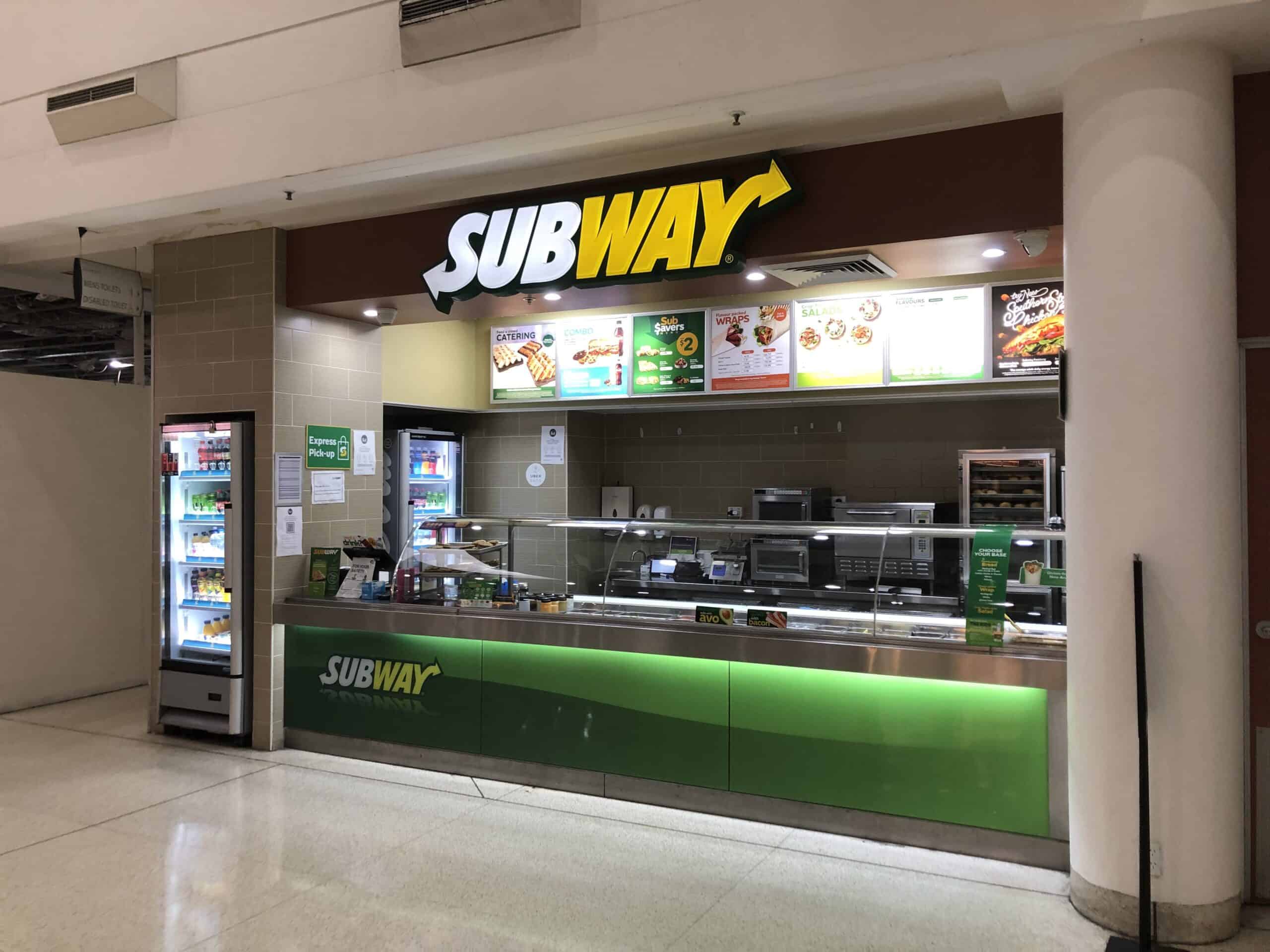
Subway’s turnaround remained strong in 2025, with its global footprint surpassing 36,000 restaurants as remodeled stores and upgraded menus attracted renewed interest. Sales rose approximately 7% year-over-year, fueled by digital upgrades and expanded protein options. Even with vegetable costs rising, Subway’s flexible real estate model and relatively low equipment needs kept franchising attractive. Growth continued especially in emerging markets, where lower build-out expenses enabled quicker profitability for new operators seeking a recognizable global brand.
9. KFC
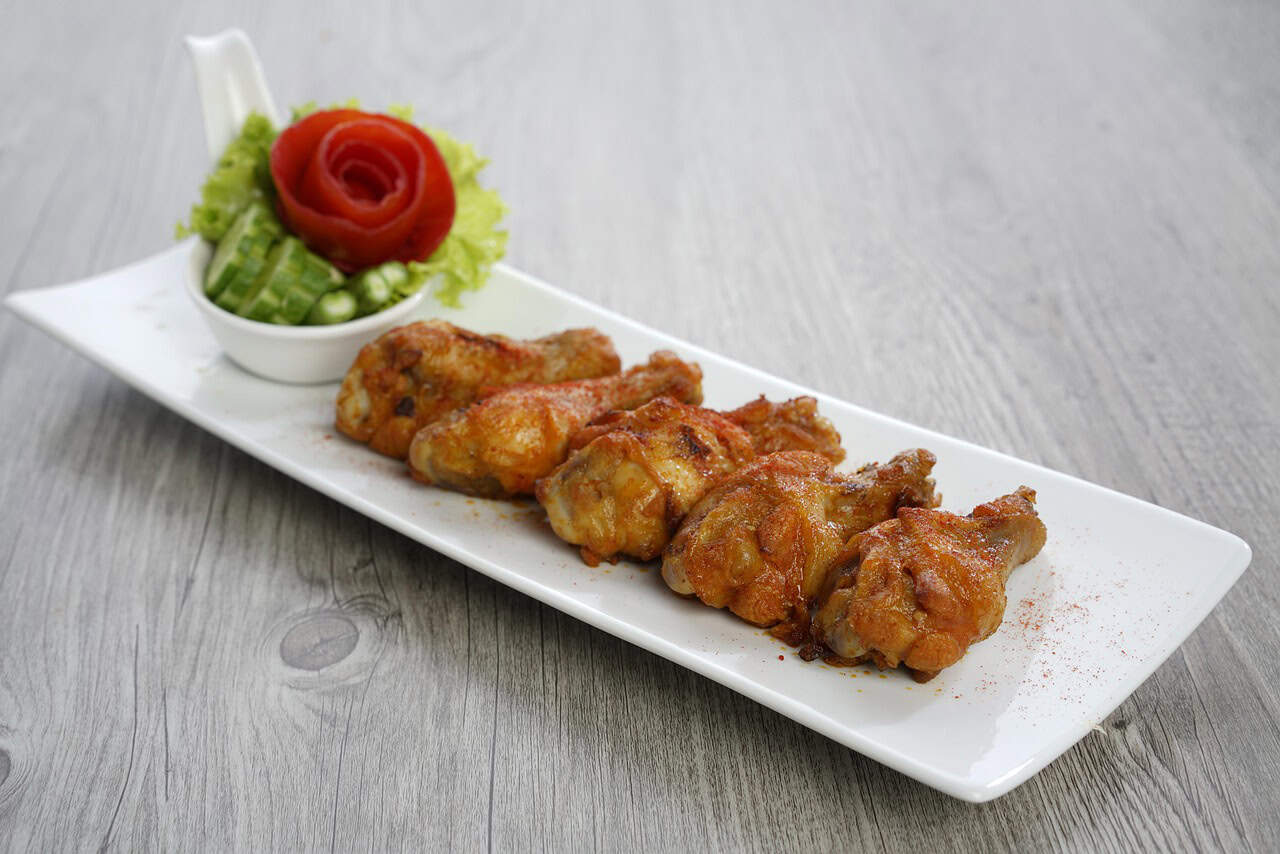
KFC expanded beyond 30,000 locations worldwide in 2025, growing particularly fast in Asia and Africa. Systemwide revenue moved toward $30 billion, strengthened by regional menu adaptations and strong delivery performance. Rising oil and chicken costs placed pressure on margins, yet KFC’s global sourcing scale allowed it to absorb inflation more effectively than smaller chains. With hundreds of units added across developing markets, KFC reinforced its position as one of the most recognizable and adaptable fast-food brands globally.
10. Dutch Bros Coffee
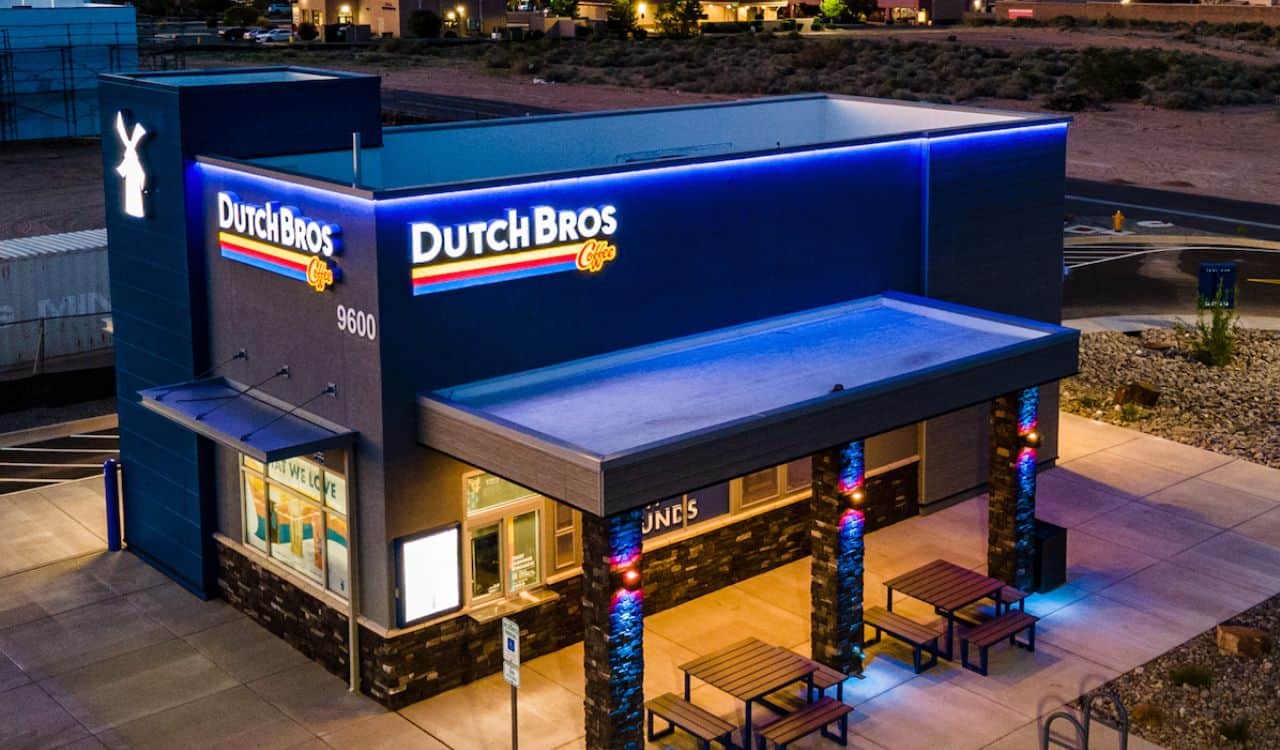
Dutch Bros crossed 900 stores in 2025 as its drive-thru model continued resonating with younger consumers seeking customizable beverages. Estimated revenue exceeded $950 million, helped by high-margin specialty drinks and strong loyalty-program engagement. Ingredient inflation, particularly dairy and syrups rising around 10%, posed challenges, yet upselling and seasonal offerings helped sustain ticket averages. Dutch Bros expanded into several new states, using consistent branding and community-focused marketing to maintain impressive unit-level growth.