We may earn money or products from the companies mentioned in this post. This means if you click on the link and purchase the item, I will receive a small commission at no extra cost to you ... you're just helping re-supply our family's travel fund.
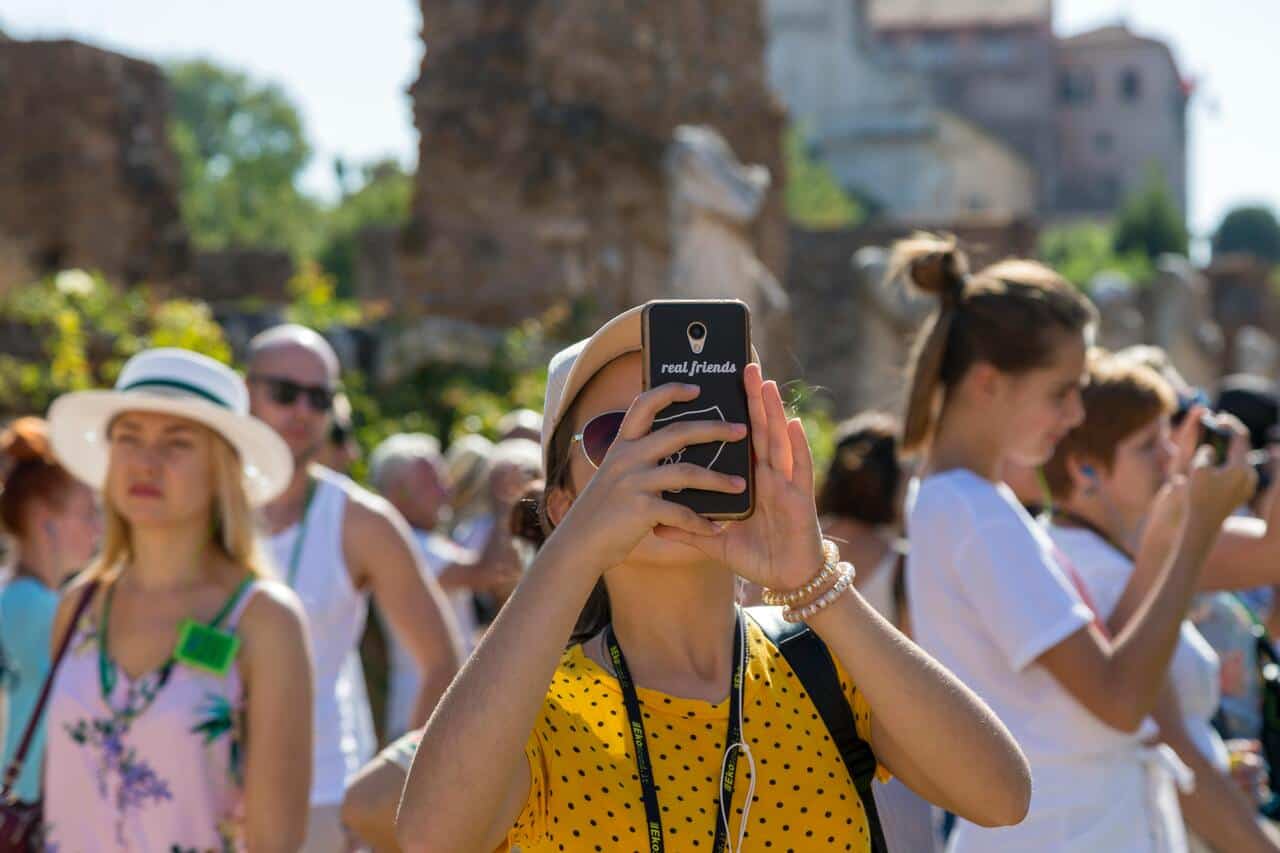
Many of the places travelers love today are far more fragile than they appear. Climate stress, overtourism, political shifts, and economic pressure are quietly reshaping destinations faster than guidebooks can update. What feels permanent; a glacier, a beach, a historic neighborhood, may already be on borrowed time. Scientists, urban planners, and tourism boards increasingly warn that without intervention, several iconic travel spots could lose their character or disappear entirely within a decade. Understanding the forces behind this change helps travelers make more responsible choices while these places still exist as we know them.
1. Rising Sea Levels
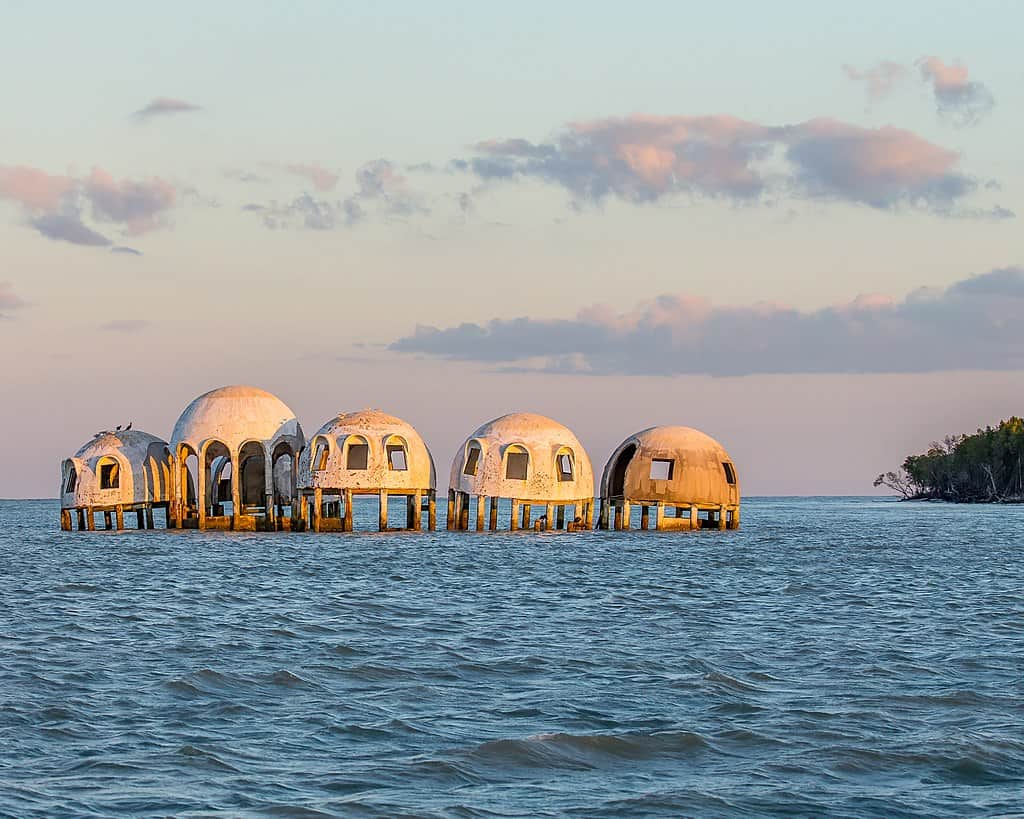
Coastal travel destinations face the most immediate threat from rising seas. Global sea levels are increasing at an average rate of 3.7 mm per year, according to climate data. Low-lying islands, beach towns, and historic ports are already seeing erosion, saltwater flooding, and disappearing shorelines. In some regions, beaches shrink by 1–2 meters annually, forcing resorts to relocate or close. Popular destinations may still exist geographically, but their beaches, promenades, and waterfront culture could vanish, fundamentally altering why travelers visit in the first place.
2. Overtourism Pressure
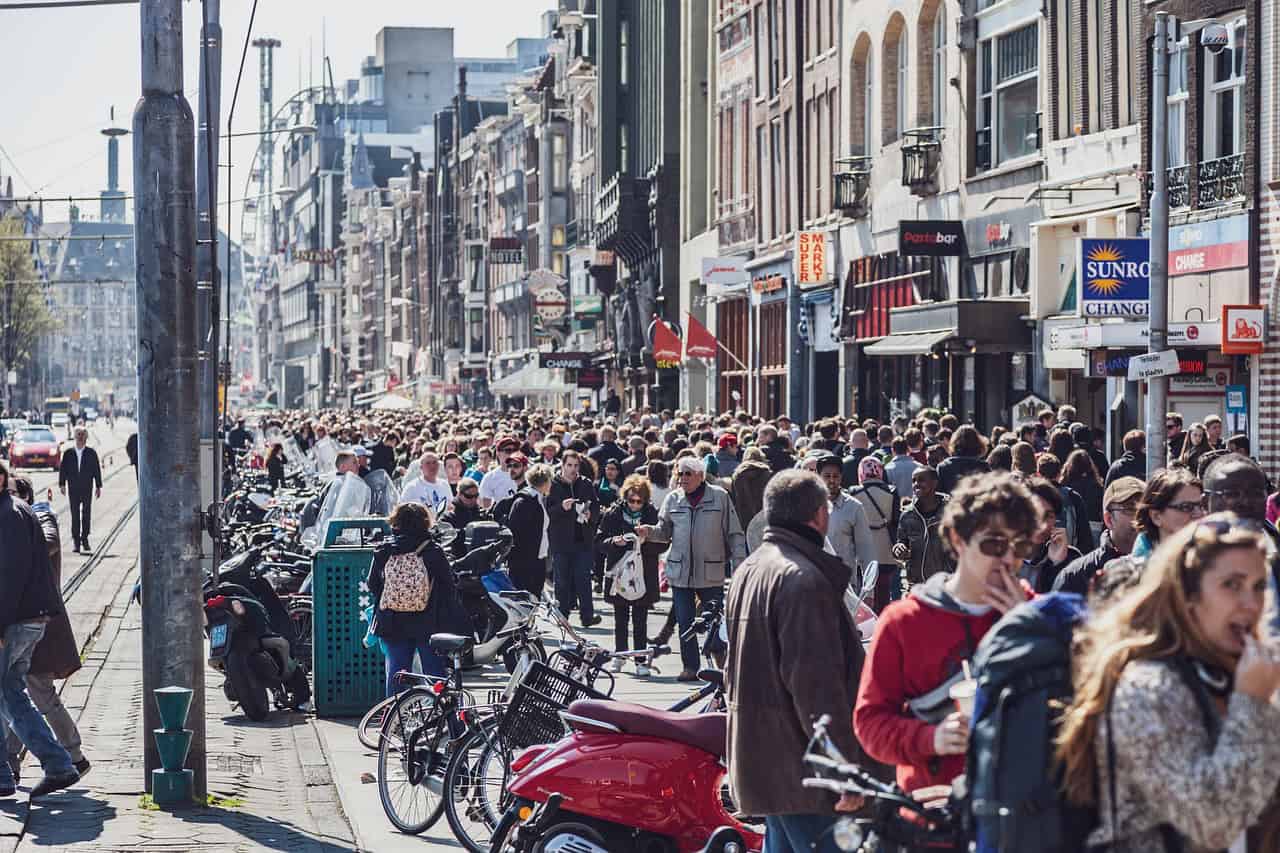
Some destinations are being loved to death. Cities like Venice, Barcelona, and Dubrovnik receive 5–10 times more tourists than residents annually, straining infrastructure and daily life. Overcrowding accelerates wear on historic sites, drives up housing costs, and pushes locals out. In response, governments impose access limits, higher tourist taxes, or full-area restrictions. Within a decade, many iconic spots may become heavily regulated, partially closed, or stripped of authentic local life, leaving travelers with a curated shell rather than a living place.
3. Extreme Weather Events
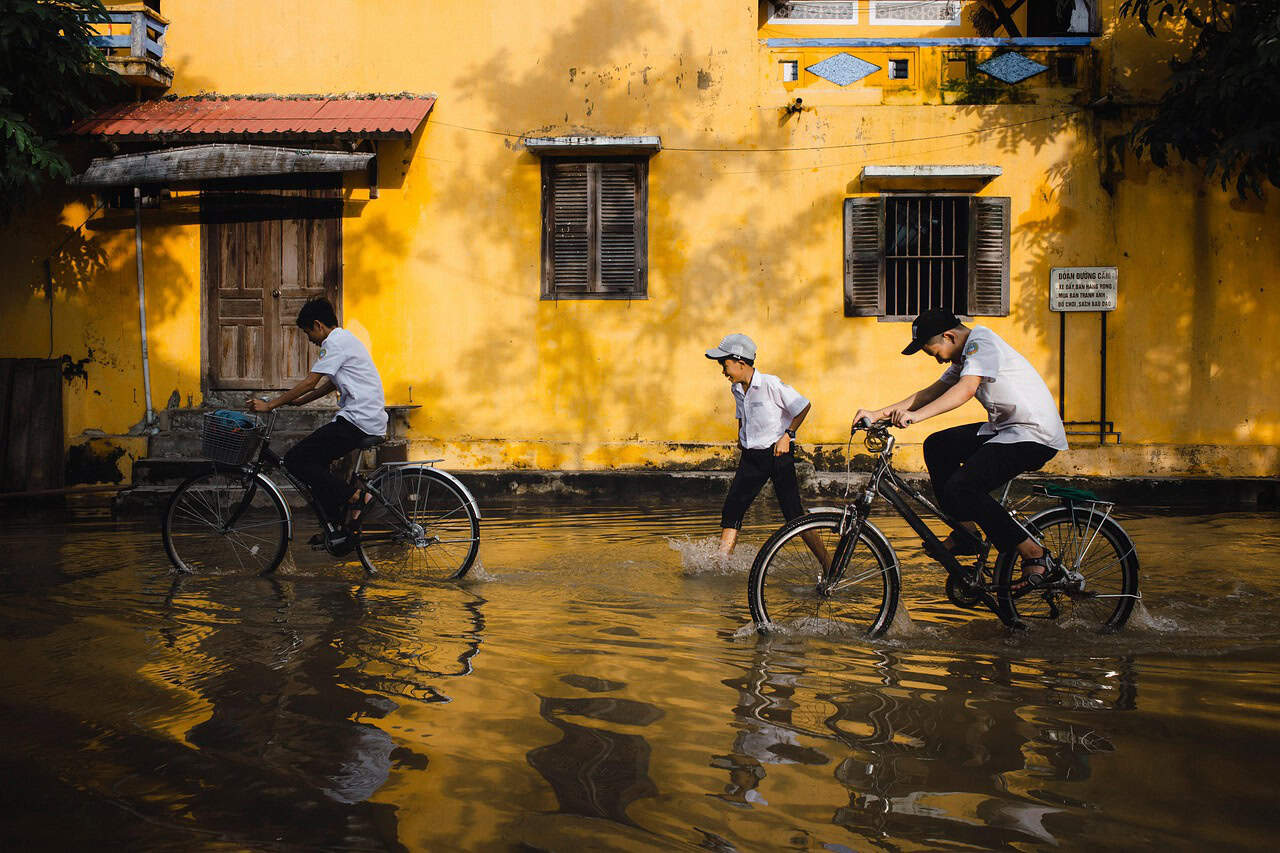
Climate change is increasing the frequency of extreme weather events. Heatwaves, floods, hurricanes, and wildfires have risen by over 50% globally since 2000. Destinations once known for pleasant seasons now face unsafe conditions for months each year. Wildfires close national parks, floods damage historic centers, and storms destroy coastal infrastructure. As insurance costs rise and repairs become constant, tourism-dependent regions may shrink operations or abandon areas altogether, making once-reliable destinations unpredictable or inaccessible.
4. Water Shortages
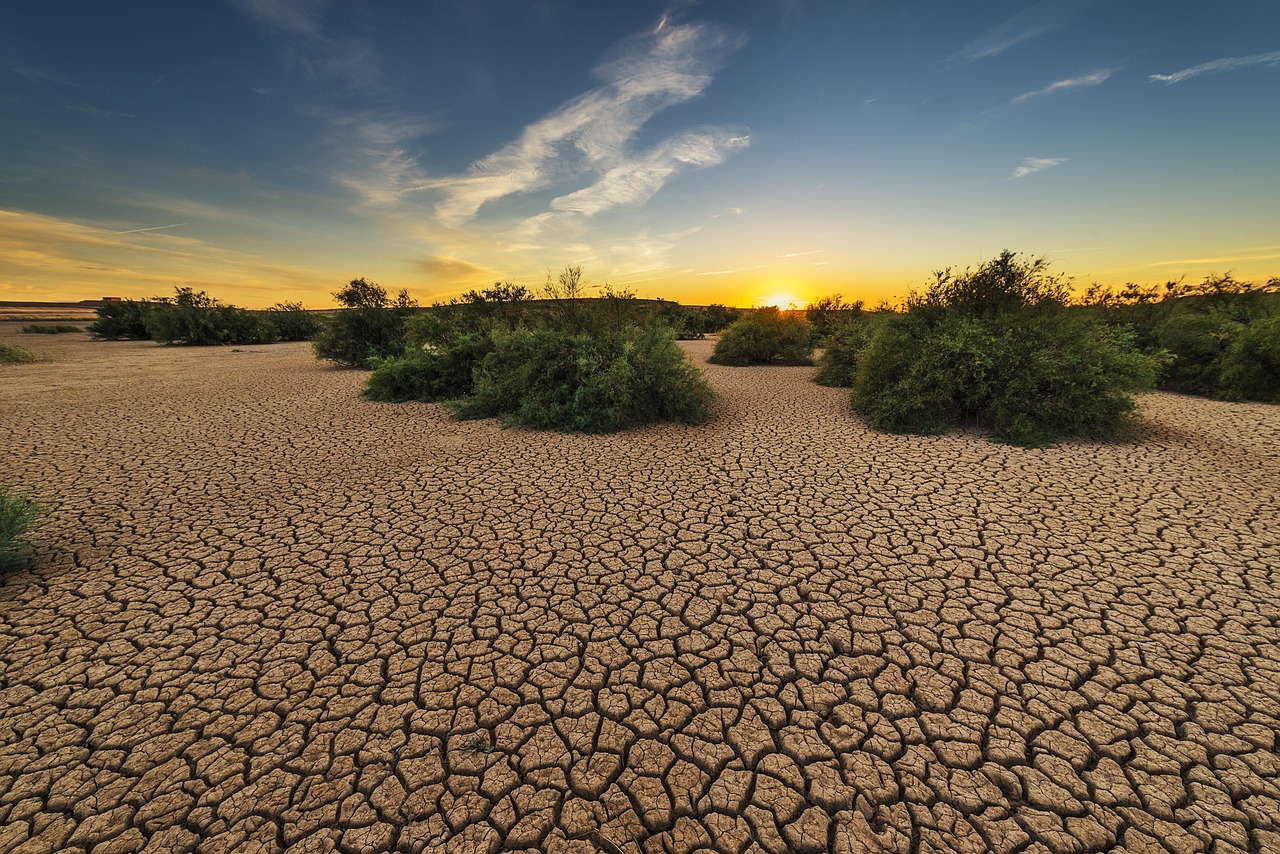
Freshwater scarcity threatens destinations that rely heavily on tourism. Over 25% of the world’s tourist hotspots already experience seasonal water stress. Hotels, pools, and golf courses consume vast amounts of water, often competing with local communities. As droughts intensify, governments may restrict tourism operations to preserve essential resources. Travelers may find fewer services, higher costs, or outright bans during dry seasons. In extreme cases, destinations could lose their ability to support large visitor numbers entirely.
5. Coral Reef Collapse
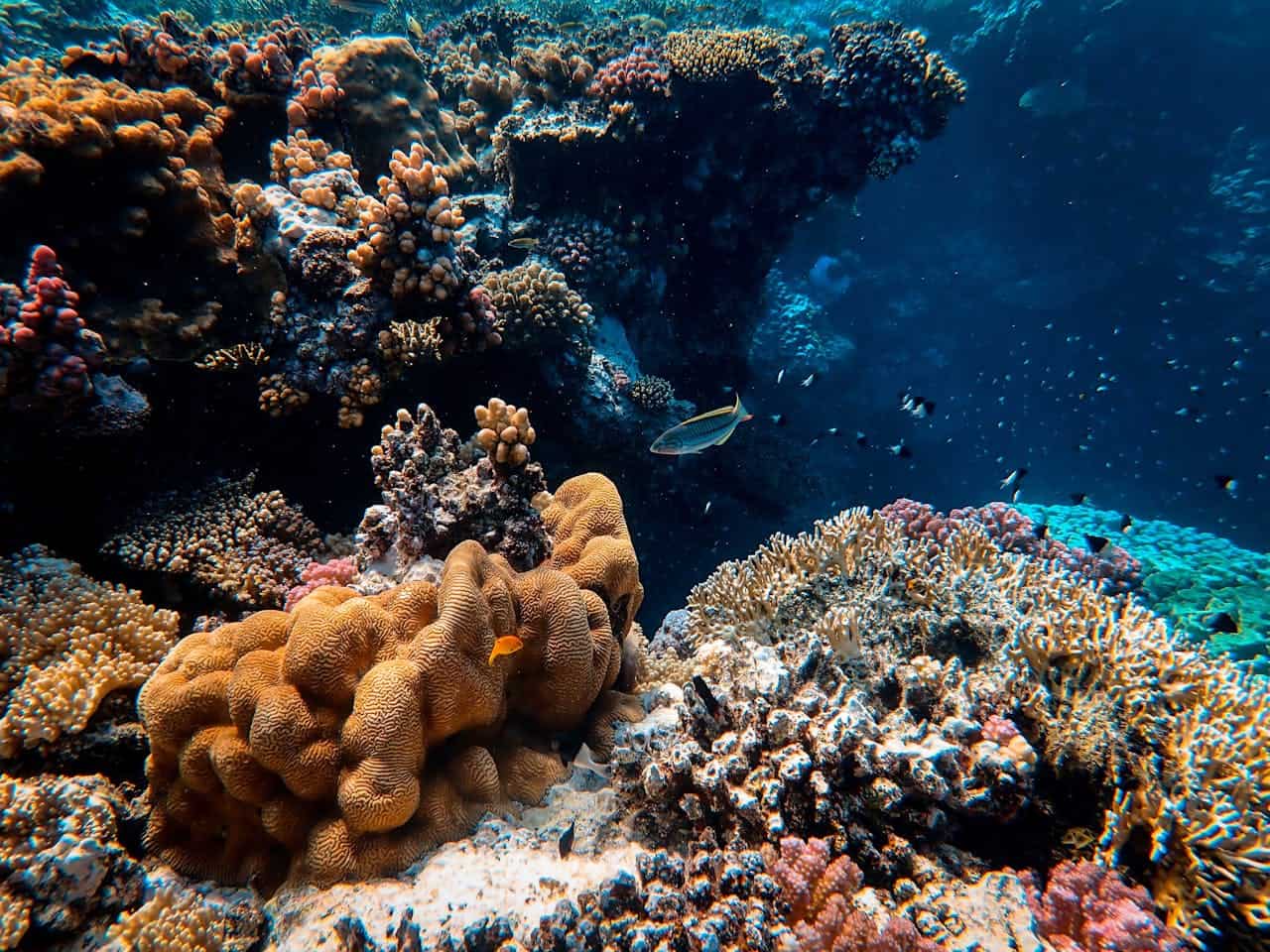
Marine tourism depends heavily on coral reefs, yet scientists warn that up to 90% of reefs could be severely degraded by 2035. Rising ocean temperatures cause coral bleaching, while pollution and overfishing accelerate decline. Destinations famous for snorkeling and diving may lose their primary attraction within years. Once vibrant underwater ecosystems turn into lifeless structures, affecting marine life and local economies. Without reefs, many coastal areas lose natural storm protection, further increasing erosion and damage.
6. Urban Gentrification
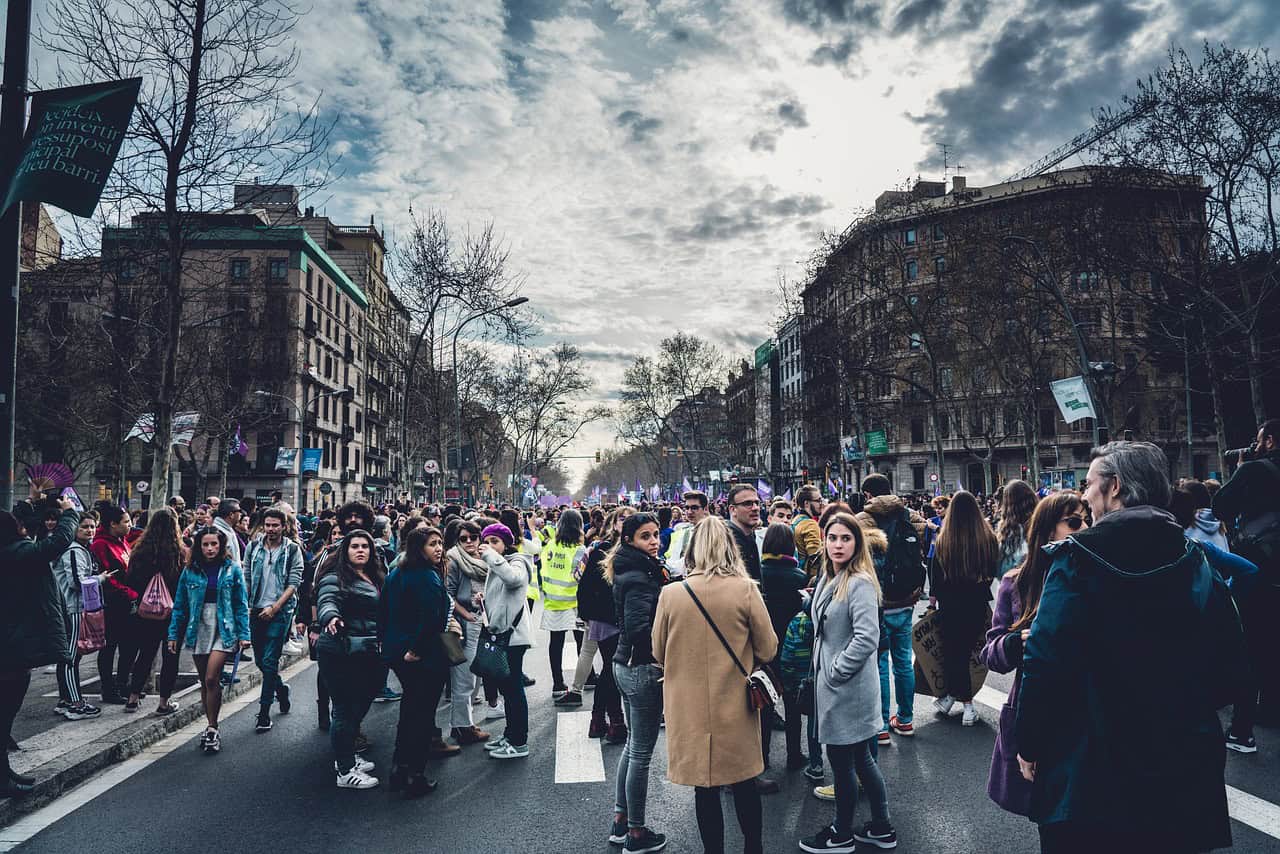
Popular travel neighborhoods are rapidly changing due to short-term rentals and foreign investment. In some cities, over 30% of central housing units are now used for tourism. Local residents move out, traditional businesses close, and cultural character fades. What remains is a polished, tourist-oriented environment lacking authenticity. Within a decade, travelers may return to places they once loved only to find them unrecognizable, designed more for consumption than community.
7. Political Instability

Political shifts can quickly alter travel access. Over the past decade, global travel advisories have increased by nearly 40%, affecting once-popular destinations. Civil unrest, border closures, and visa restrictions can emerge rapidly, reshaping tourism flows. Even after stability returns, damaged infrastructure and reputational impact linger. A destination doesn’t need to disappear physically to vanish from travel maps, policy changes alone can make it unreachable or undesirable for years.
8. Wildlife Decline
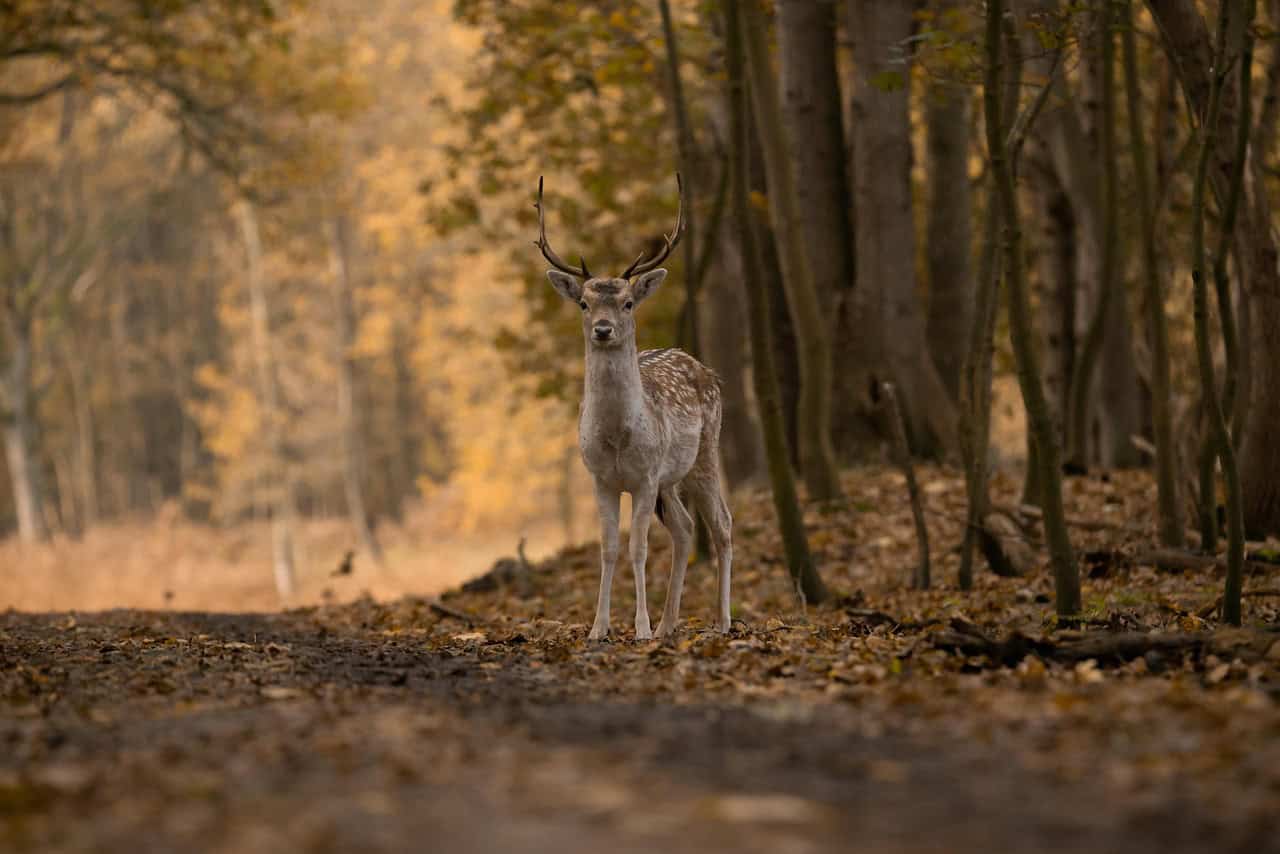
Many travel spots depend on wildlife experiences, yet animal populations are declining at alarming rates. Global wildlife populations have dropped by an average of 69% since 1970. Safaris, whale watching, and birding destinations may lose their key attractions as habitats shrink. Without animals, entire tourism models collapse. Conservation efforts take decades to show results, meaning travelers in ten years may visit places where wildlife encounters are rare or heavily restricted.
9. Infrastructure Collapse
![Most of the buildings in Upper Town date to the early 19th century.[citation needed] The John Darlington Building Old Quebec, Quebec City](https://www.idyllicpursuit.com/wp-content/uploads/2025/08/Most-of-the-buildings-in-Upper-Town-date-to-the-early-19th-century.citation-needed-The-John-Darlington-Building-Old-Quebec-Quebec-City.jpg)
Aging infrastructure struggles to support modern tourism demands. Roads, sewage systems, and airports in popular regions are often decades old. In some destinations, visitor numbers exceed infrastructure capacity by 200–300% during peak seasons. Over time, breakdowns become frequent, sanitation suffers, and safety risks rise. Rather than upgrade at massive cost, authorities may limit tourism growth or redirect travelers elsewhere, quietly sidelining once-famous locations.
10. Cultural Dilution

As destinations cater more to tourists, cultural traditions risk being simplified or lost. UNESCO estimates that 1 in 3 intangible cultural practices are under threat due to commercialization. Festivals become performances, crafts turn mass-produced, and daily life adapts to visitor expectations. Over time, the original identity that drew travelers fades. In ten years, a place may still look the same, yet feel hollow but its culture preserved only as a product, not a living reality.