We may earn money or products from the companies mentioned in this post. This means if you click on the link and purchase the item, I will receive a small commission at no extra cost to you ... you're just helping re-supply our family's travel fund.
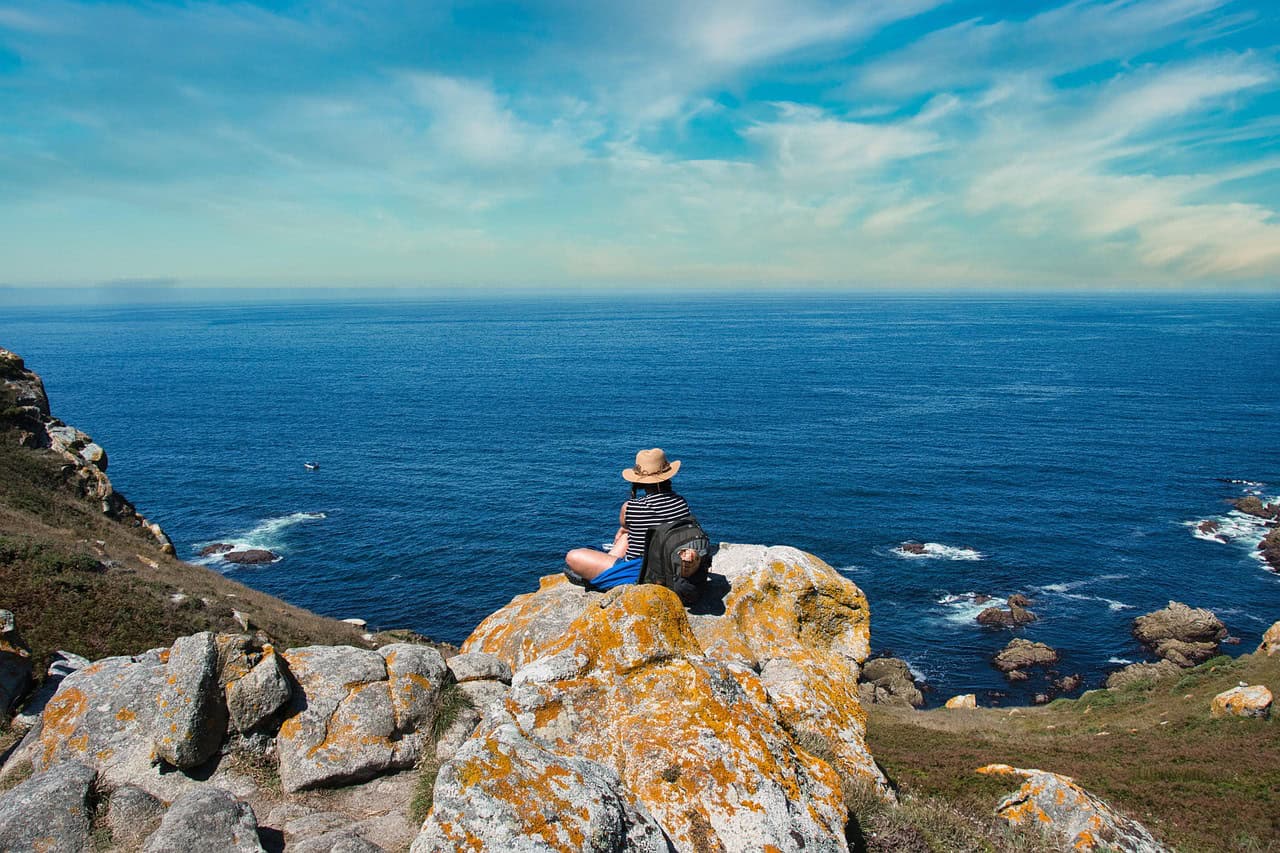
For decades, beaches have dominated travel wish lists, sold as the ultimate escape. Yet beneath the postcard imagery lie crowds, noise, and rising costs. National parks offer a quieter, deeper alternative, one rooted in scale, solitude, and authenticity. These protected landscapes aren’t just scenic; they reshape how travelers experience time, movement, and mental space. From measurable health benefits to cost efficiency and ecological impact, national parks consistently outperform beach hotspots in ways many travelers overlook. Exploring them isn’t about rejecting leisure, it’s about choosing richness over repetition, and depth over distraction.
1. Measurable Mental Calm, Not Manufactured Relaxation

Studies show that spending 120 minutes per week in natural environments reduces cortisol levels by up to 21%, compared to urban leisure settings. Popular beaches, despite their image, often expose visitors to high noise levels averaging 70–80 decibels, similar to traffic. National parks typically remain below 40 decibels, allowing the brain’s stress-response system to reset. This quieter sensory input improves focus, lowers anxiety, and enhances sleep quality by nearly 30%, according to environmental psychology research. The calm experience isn’t marketed; it’s biological, gradual, and long-lasting.
2. Physical Engagement Without Forced Exercise

Beach vacations average fewer than 3,000 daily steps, largely limited to lounging and short walks. In contrast, national park visitors log between 8,000 and 14,000 steps per day, even on moderate itineraries. Trails, elevation changes, and exploration encourage movement without structured workouts. Research indicates such “incidental activity” improves cardiovascular health by 18% more than passive travel. Unlike gyms or resorts, parks integrate movement naturally, reducing fatigue while increasing stamina. You return not sore or sluggish, but physically recalibrated.
3. Landscapes That Change Hourly, Not Seasonally

Beach environments remain visually consistent, with over 85% of visitor photos showing similar horizons and lighting. National parks, however, present dynamic systems. Light angles change valley color by 40% across a single day. Wildlife activity peaks at different hours, and weather alters terrain visibility dramatically. In mountain parks, temperature can shift 10–15°C between morning and afternoon. These constant changes keep the experience engaging, making even short stays feel layered and unique rather than repetitive.
4. Reduced Crowd Density and Psychological Space
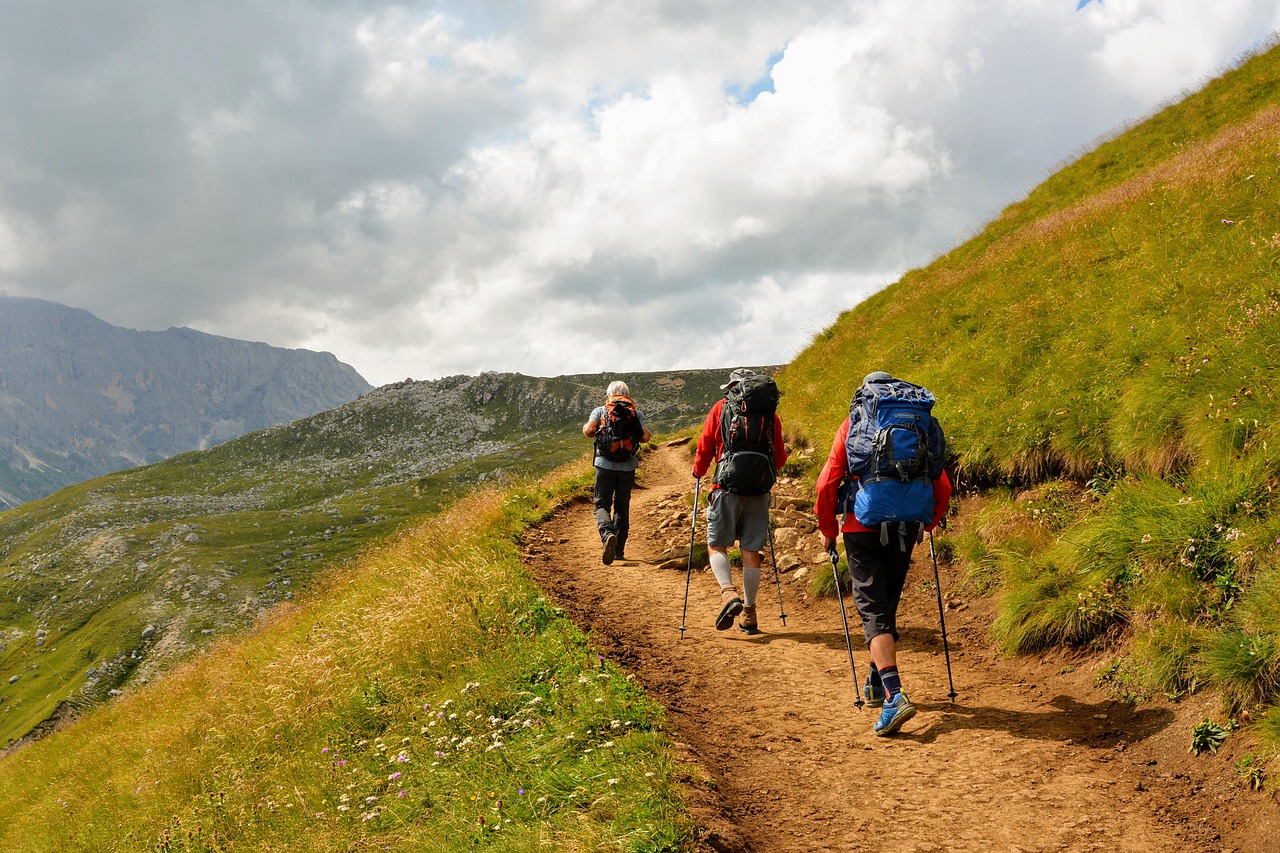
Top beach destinations can exceed 6,000 visitors per square kilometer during peak season. National parks, by design, have a cap density closer to 300–600 visitors per square kilometer, preserving both ecosystems and visitor experience. Lower crowd pressure reduces decision fatigue and social stress by nearly 25%, according to tourism behavior studies. Fewer people mean more personal space, fewer queues, and uninterrupted moments. This spatial freedom directly improves mood and memory retention, making trips feel longer and more immersive.
5. Financial Efficiency Beyond Accommodation
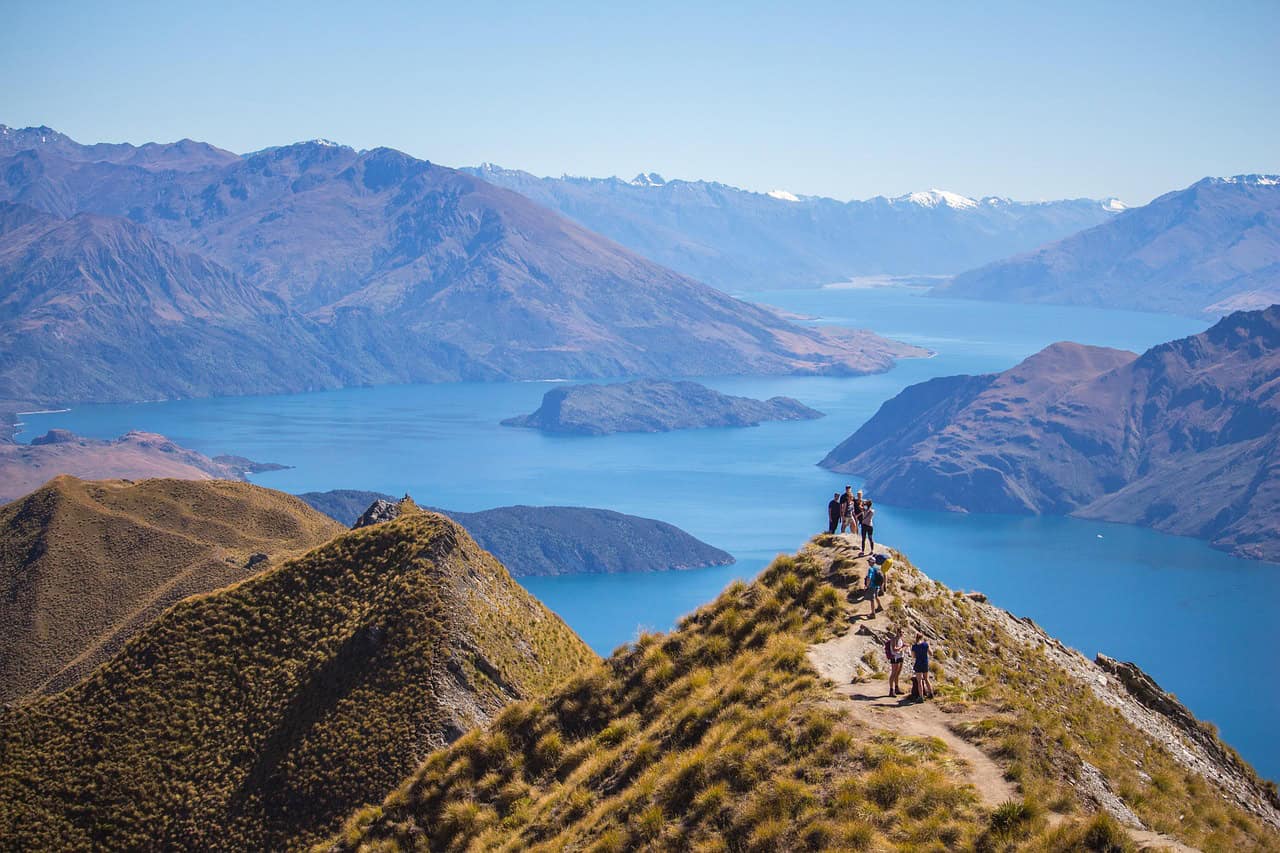
Beach travel budgets allocate nearly 45% to entertainment, food markups, and private access fees. National park trips redirect spending: entry fees average $5–$20, while daily activities like hiking, wildlife viewing, and scenic drives cost nothing. Families report saving 30–40% overall compared to resort destinations. Because experiences aren’t transactional, value comes from time spent rather than money spent. This creates a rare travel equation where depth increases while expenses decline.
6. Lower Social Comparison and Digital Pressure

Beach environments trigger higher social comparison due to appearance, fashion, and performative photography. Studies show selfie frequency rises by 60% in beach destinations. National parks reverse this pattern. Only 18% of visitors prioritize personal photos over scenery. Reduced comparison lowers self-conscious behavior and increases present-moment awareness. Without constant visual benchmarking, travelers report 22% higher satisfaction levels and deeper emotional recall. The experience becomes internal rather than performative.
7. Wildlife Encounters With Cognitive Impact

Seeing wildlife in natural habitats activates awe responses, which research links to improved empathy and creativity by 15–20%. National parks protect over 80% of a country’s large mammal populations. Unlike staged marine encounters at beaches, park wildlife sightings are unpredictable and authentic. Even distant observations like spotting elk or birds, create lasting memory anchors. These encounters reframe human scale within ecosystems, a psychological shift rarely achieved in commercial beach settings.
8. Built-In Learning Without Feeling Like a Lesson
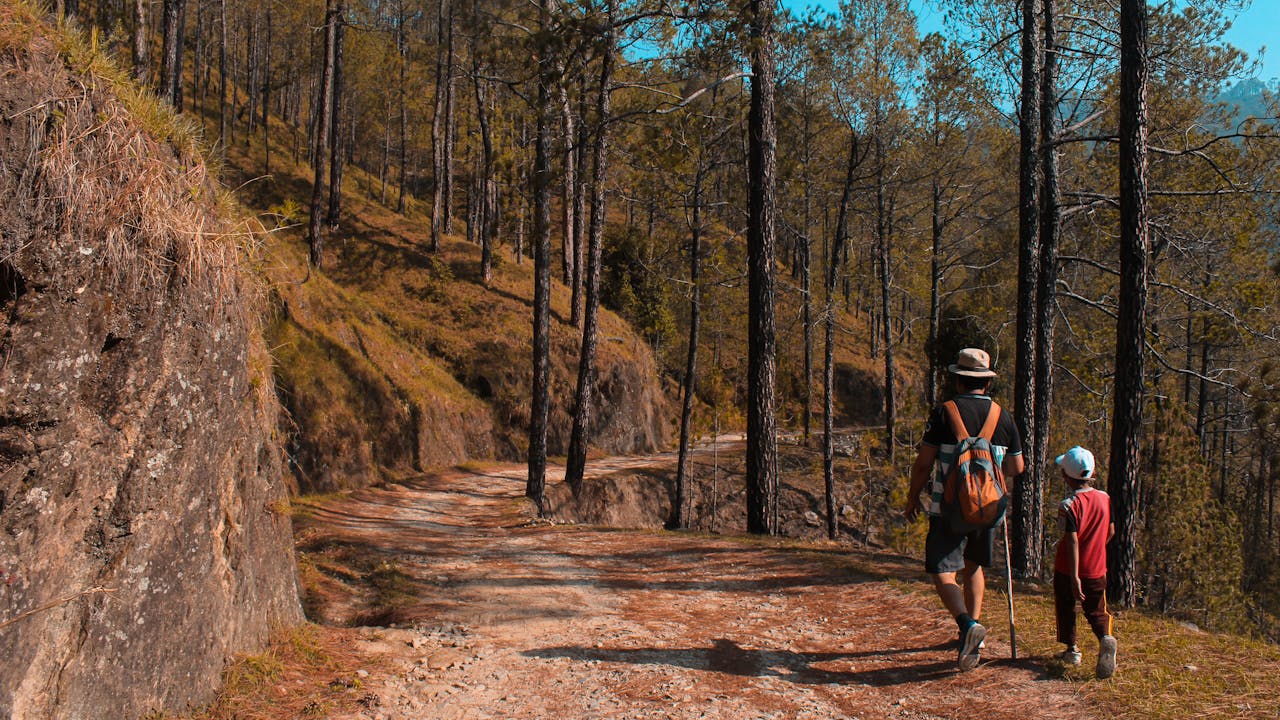
National parks quietly educate without overwhelming visitors. Over 75% of major parks include ranger programs, interpretive trails, and geological markers that increase information retention by nearly 35% compared to passive sightseeing. Unlike beaches, where context is limited to recreation, parks explain how ecosystems function, how landscapes formed over millions of years, and how wildlife adapts. Visitors spend an average of 2.4 hours engaging with educational material without realizing it. Learning happens organically, woven into movement and observation, making the experience mentally enriching rather than instructional or forced.
9. Consistent Value Across All Seasons

Beach tourism peaks sharply within a 10-week window, with visitor satisfaction dropping by over 40% outside peak months due to weather and closures. National parks operate differently. Seasonal variation enhances appeal rather than limiting it. Snow increases visitation in alpine parks by 38%, while autumn boosts trail use by 29% due to foliage changes. Biodiversity visibility rises during monsoon and spring by nearly 25%. Instead of one “perfect” season, parks offer multiple high-value periods, reducing overcrowding while maintaining experience quality year-round.
10. Longer-Lasting Psychological Impact After Travel

Research comparing post-travel wellbeing shows beach vacations improve mood for an average of 4 days, while nature-based trips extend positive effects up to 21 days. National park visitors report improved emotional regulation, better focus, and reduced mental fatigue by as much as 50%. The slower pace, absence of commercial pressure, and immersion in large-scale environments reset perception of time. Rather than providing a brief escape, parks produce a lasting recalibration, leaving travelers calmer, more patient, and mentally grounded well after returning home.