We may earn money or products from the companies mentioned in this post. This means if you click on the link and purchase the item, I will receive a small commission at no extra cost to you ... you're just helping re-supply our family's travel fund.
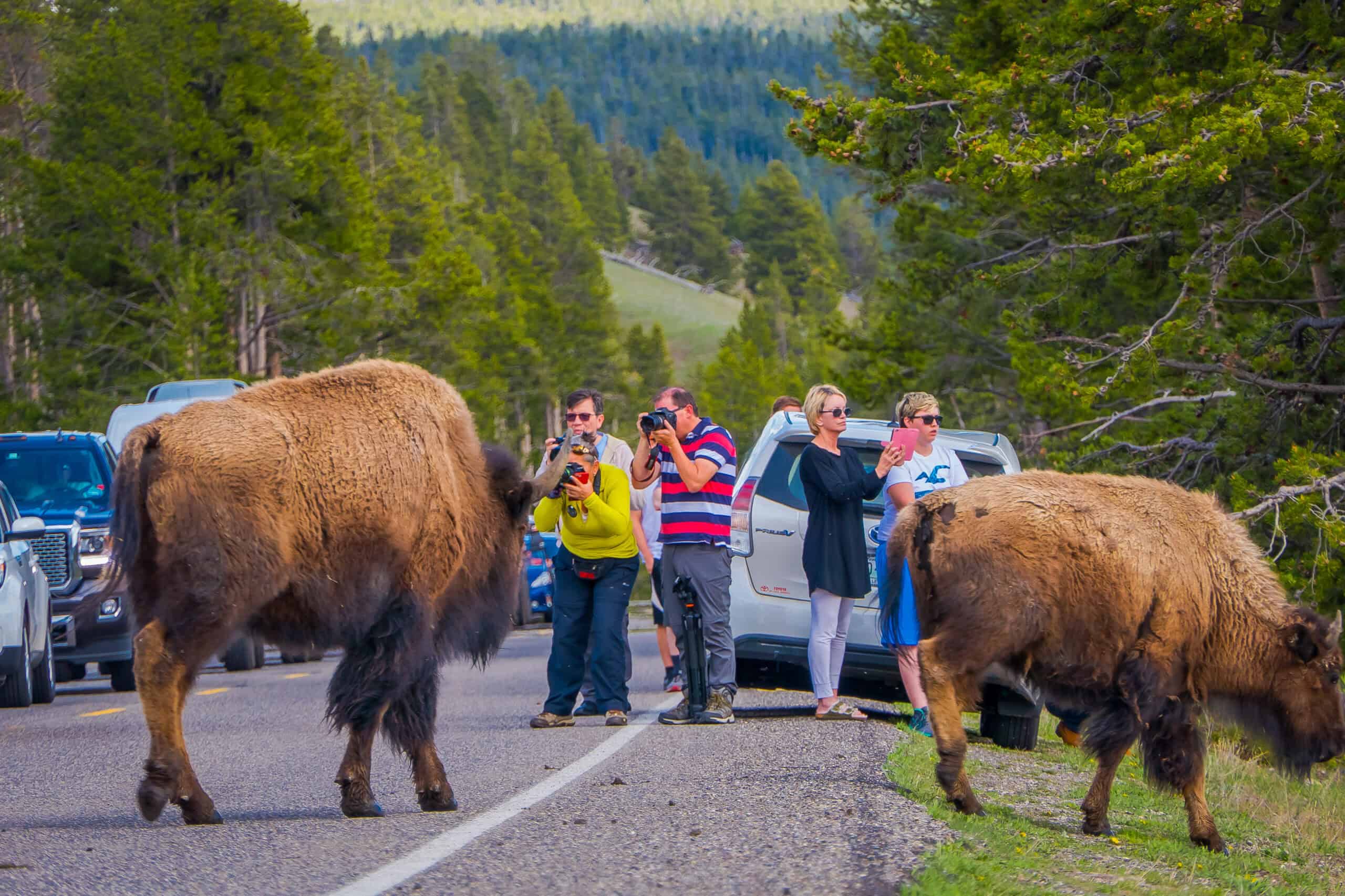
For people who live near national parks, the growth in tourism feels complicated. Visitor records look great in official reports, yet daily life now involves traffic lines, full trailheads, and grocery stores packed with rental cars. Moments that once felt quiet and sacred often share space with selfie sticks and idling buses. These places are still beautiful, but locals talk about a different kind of loss: the loss of breathing room, spontaneity, and the sense of having a real hometown nearby.
Zion National Park, Utah
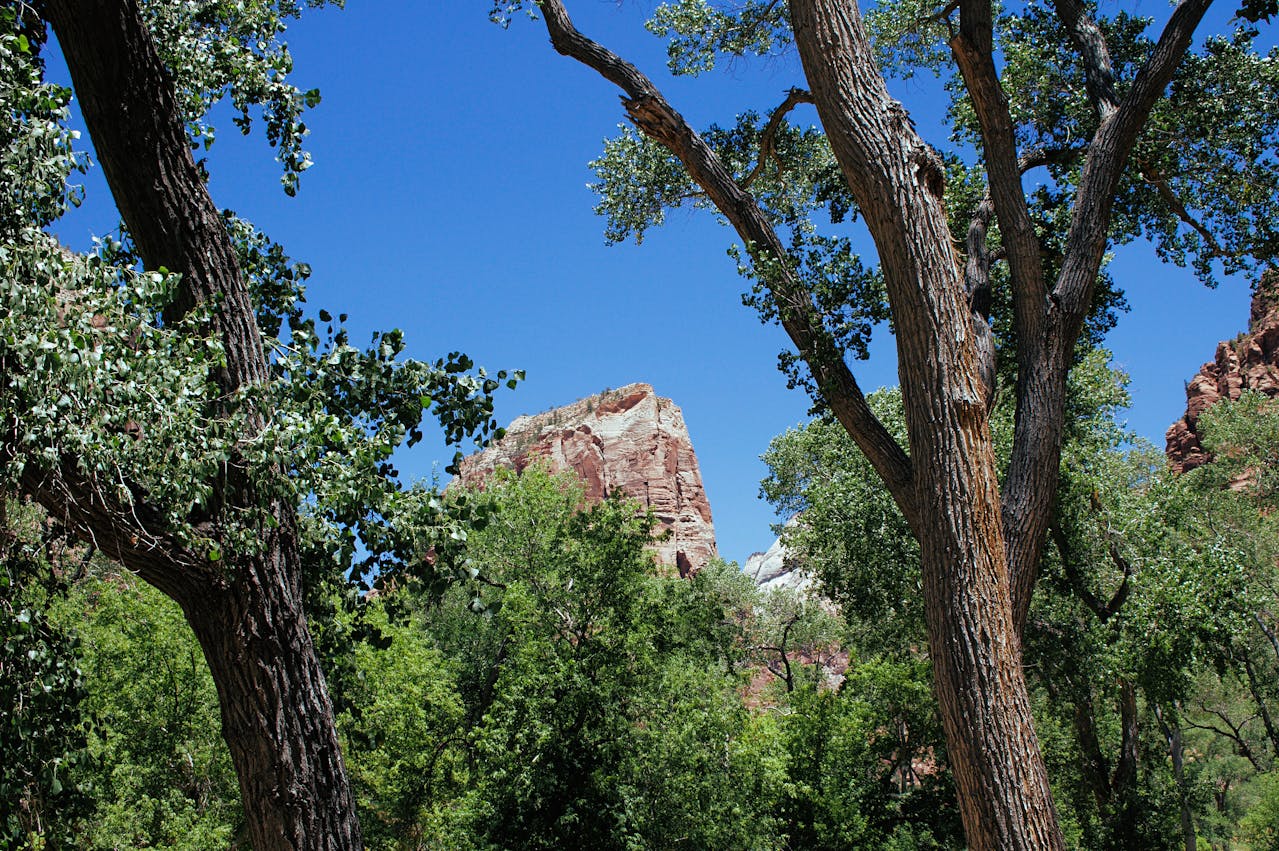
Zion’s canyon used to feel like a secret cathedral of stone for those willing to wake early and walk far. Now shuttles stay packed, parking lots fill by breakfast, and narrow trails move at the speed of the slowest hiker in line. Locals in Springdale shape work shifts around peak bus waves and crowd surges. They respect the awe on visitors’ faces, but many quietly grieve the softer, emptier mornings that first made the canyon feel like home.
Arches National Park, Utah
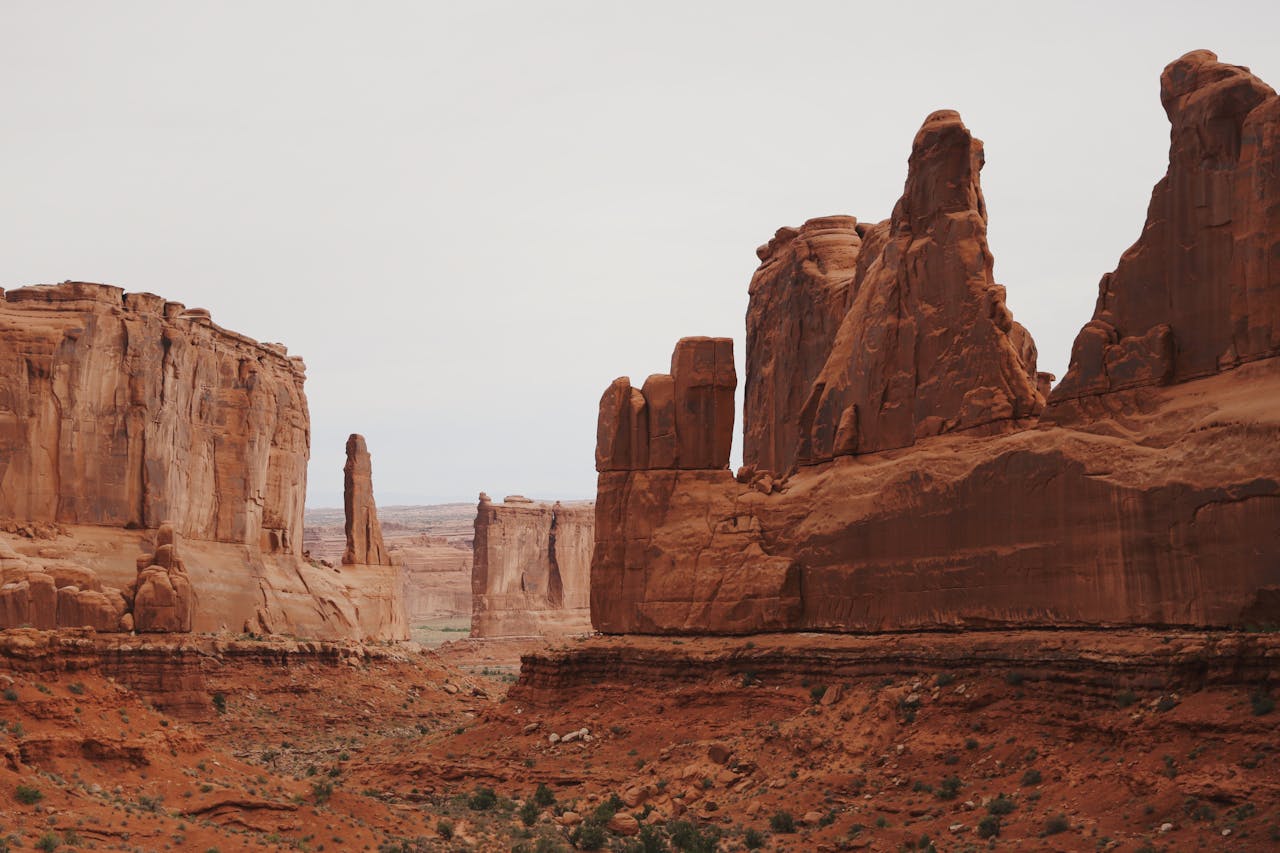
Arches once offered long stretches of road where a car could pull over and watch light move across red rock without another soul in sight. Recent years turned that calm into queues at the entrance and a timed entry system just to manage the pressure. Residents of Moab talk about trailhead chaos, parking improvisation, and social media spots that feel more like outdoor photo studios. The arches are still there, but the sense of simple desert stillness is harder to find.
Yosemite National Park, California
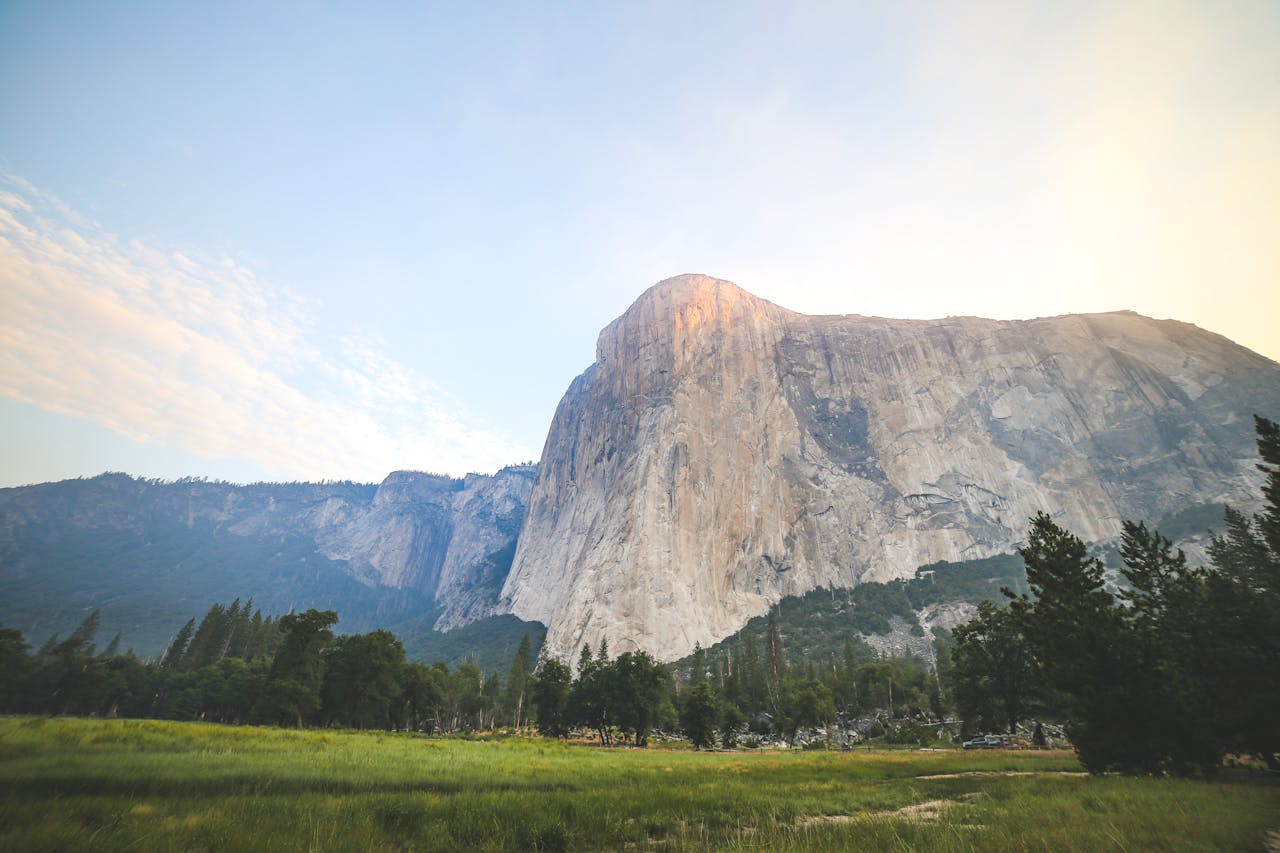
Yosemite remains a masterpiece, but summer visits now resemble a slow moving city wrapped in granite walls. Valley roads clog early, and famous viewpoints feel like busy plazas where families compete for inches of railing. Longtime residents in gateway towns remember seasons when workers could slip in after a shift for a quiet walk to the falls. Today, even locals face reservation rules, detours, and a mental checklist just to enjoy an evening that once required nothing but time.
Great Smoky Mountains National Park, Tennessee–North Carolina
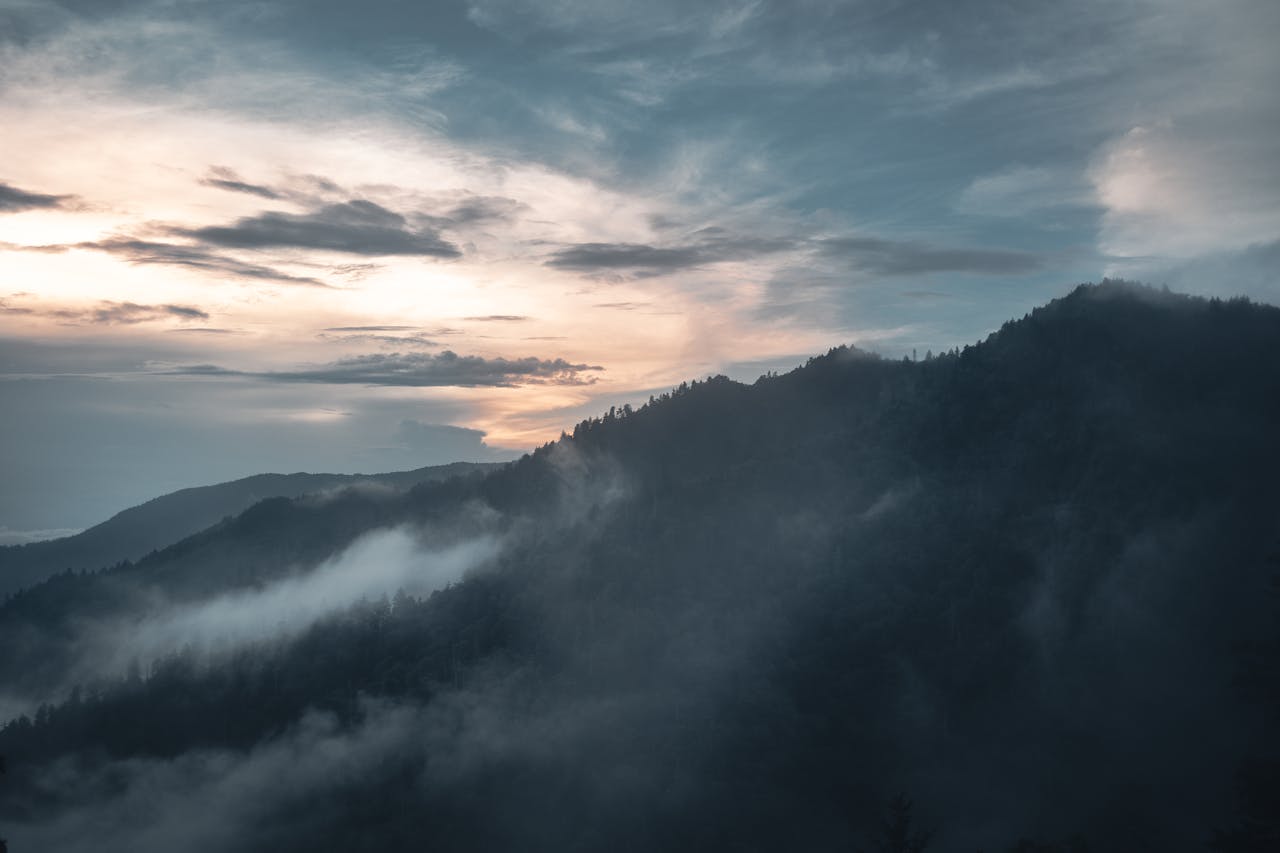
The Smokies carry deep family history for people who grew up nearby, yet record visitation turned many weekends into a crawl of brake lights. Overlooks fill with idling cars, and some popular trails now sound more like crowded promenades than forest paths. Residents of Gatlinburg, Pigeon Forge, and neighboring towns appreciate the jobs but brace for peak seasons that swallow local errands. Leaf season remains beautiful, yet it now requires as much strategy as any theme park trip.
Acadia National Park, Maine
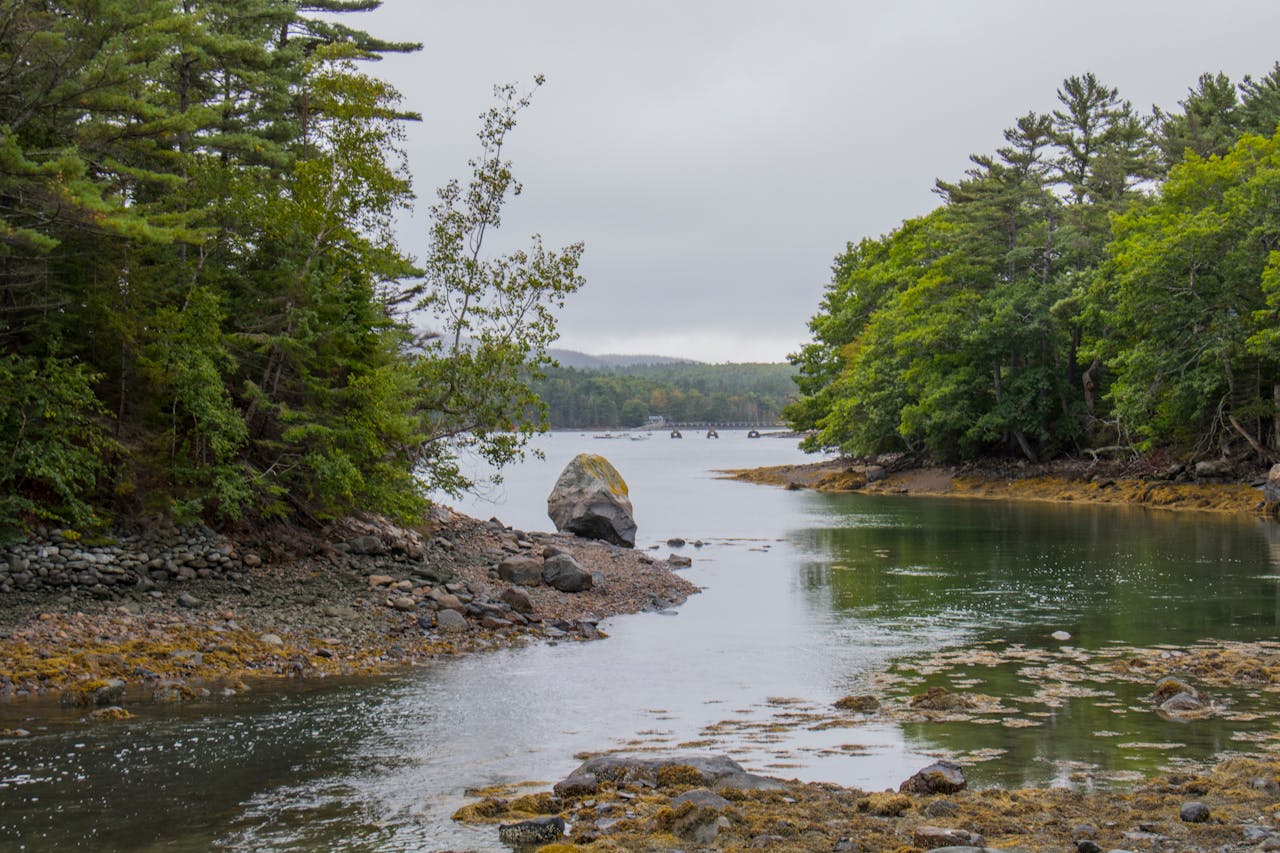
Acadia sits on a small island with limited roads, so surging tourism hits hard. Locals watch caravans of rental cars circle for parking near Jordan Pond and the Park Loop Road, sometimes clogging side streets and private driveways. Hikes once known for foggy solitude now come with overheard arguments about where to stand for the best photo. Residents still love sharing the coast, but many now plan their own walks at odd hours, protecting whatever quiet pockets remain.
Rocky Mountain National Park, Colorado
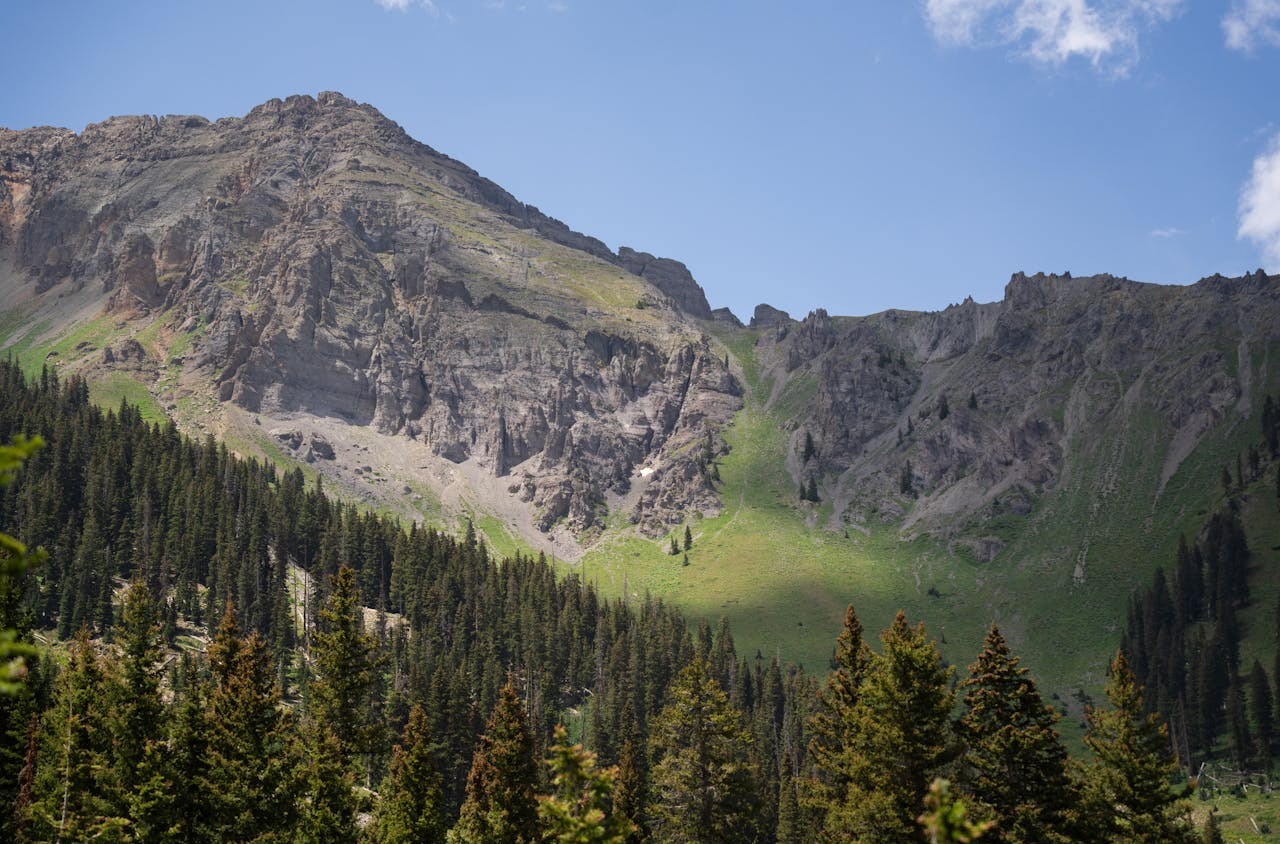
Rocky Mountain used to feel like a place anyone nearby could slip into on a free afternoon with little thought. Timed entry, heavy traffic, and constant demand changed that rhythm. Estes Park business owners juggle a mix of gratitude and fatigue as they navigate visitors asking where to park when every lot is full by midmorning. Locals steer toward lesser known trailheads or shoulder seasons, remembering when even famous lakes offered more birdsong than human noise.
Glacier National Park, Montana
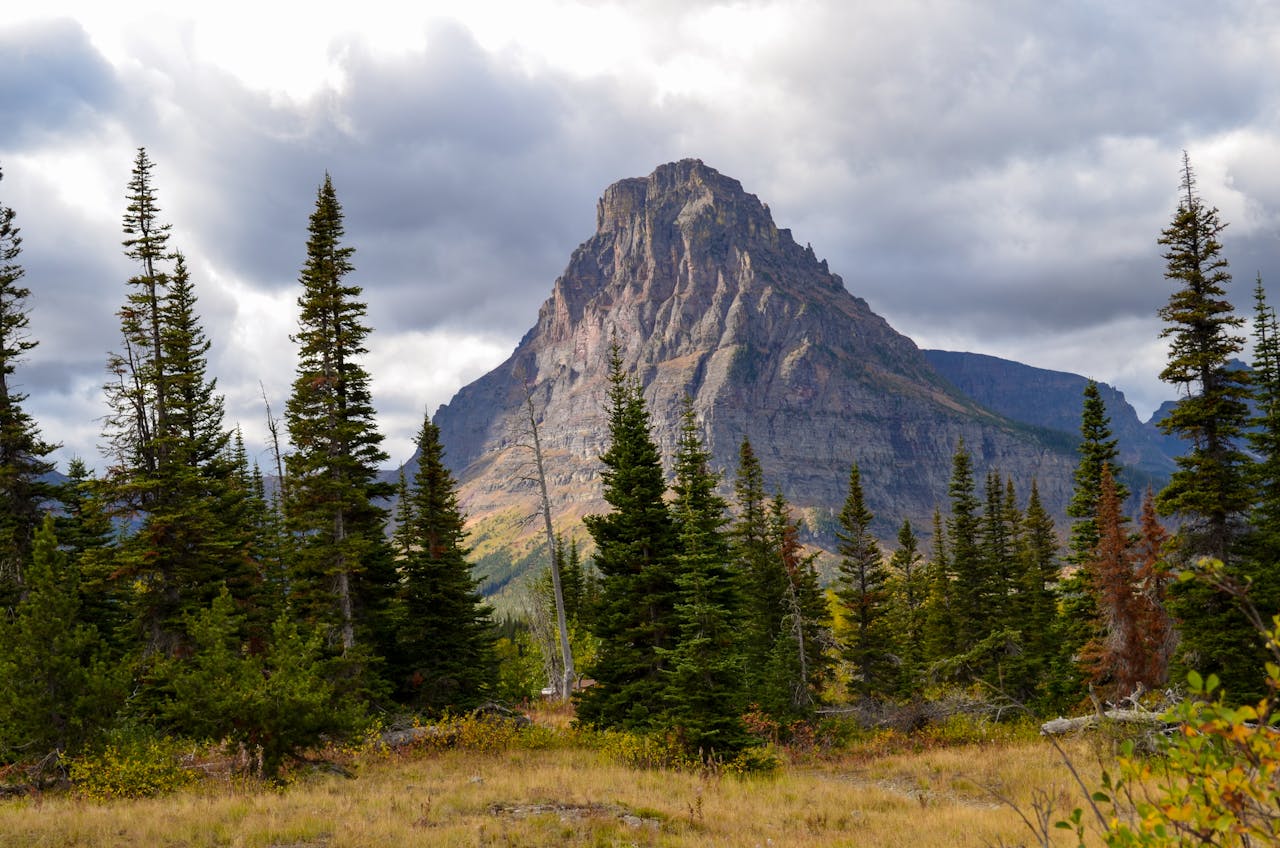
Glacier carries a sense of urgency now, as travelers rush to see shrinking ice before it disappears further. That urgency shows up as reservation battles, overloaded parking at Logan Pass, and shuttles packed with visitors racing sunset. Residents along the Flathead Valley talk about summer as something to endure rather than savor, with grocery lines and gas stations overflowing. The mountains and lakes remain staggering, but the pace and volume have reshaped what daily life feels like around them.
Joshua Tree National Park, California
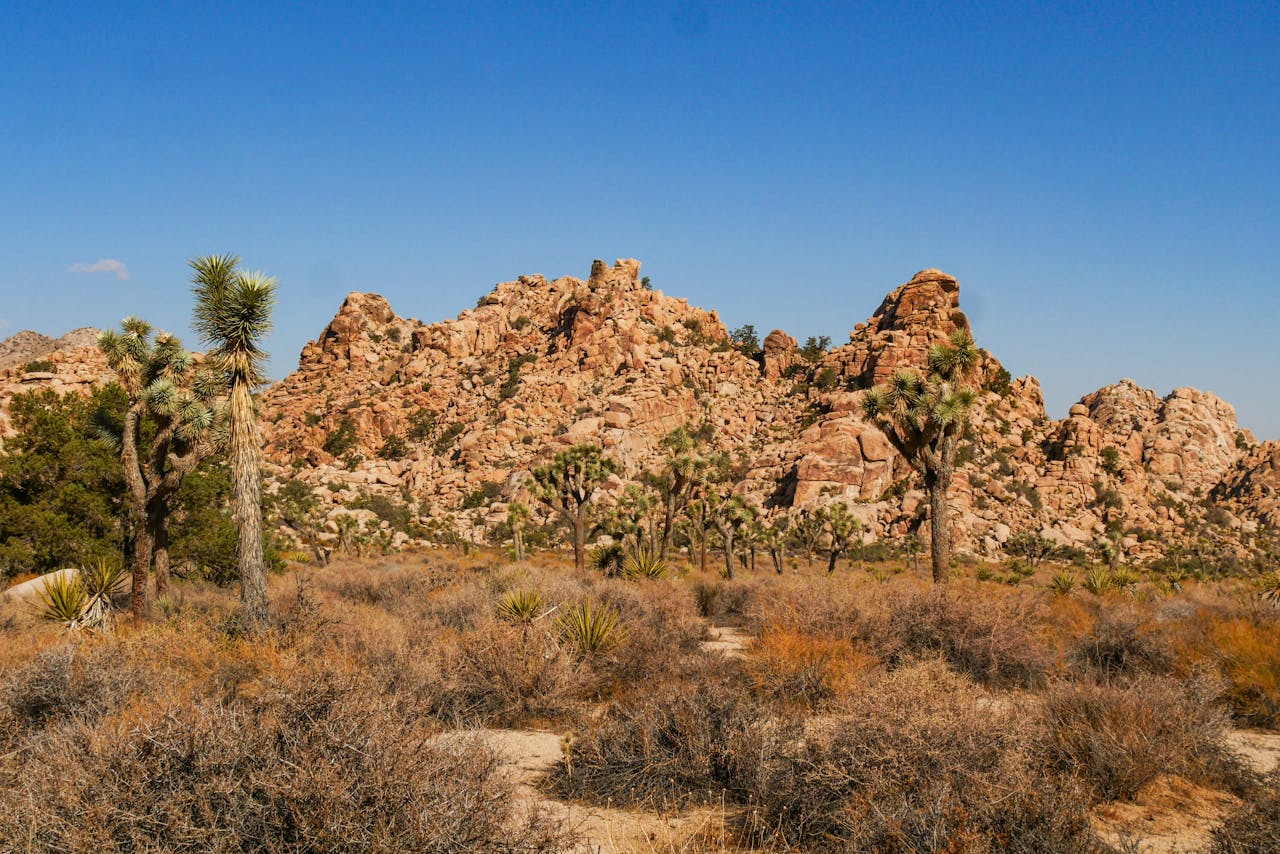
Joshua Tree’s rise from quiet desert to social media backdrop brought both money and strain. Campgrounds fill months ahead, fragile soils suffer from off trail wandering, and popular boulders often host more people than lizards. Locals remember cooler evenings when headlights were rare and stars dominated the narrative. Now, many describe a constant hum of traffic, amplified music, and improvised roadside stops. The desert still offers silence, but it takes more planning and more patience to reach it.
Grand Canyon National Park, Arizona
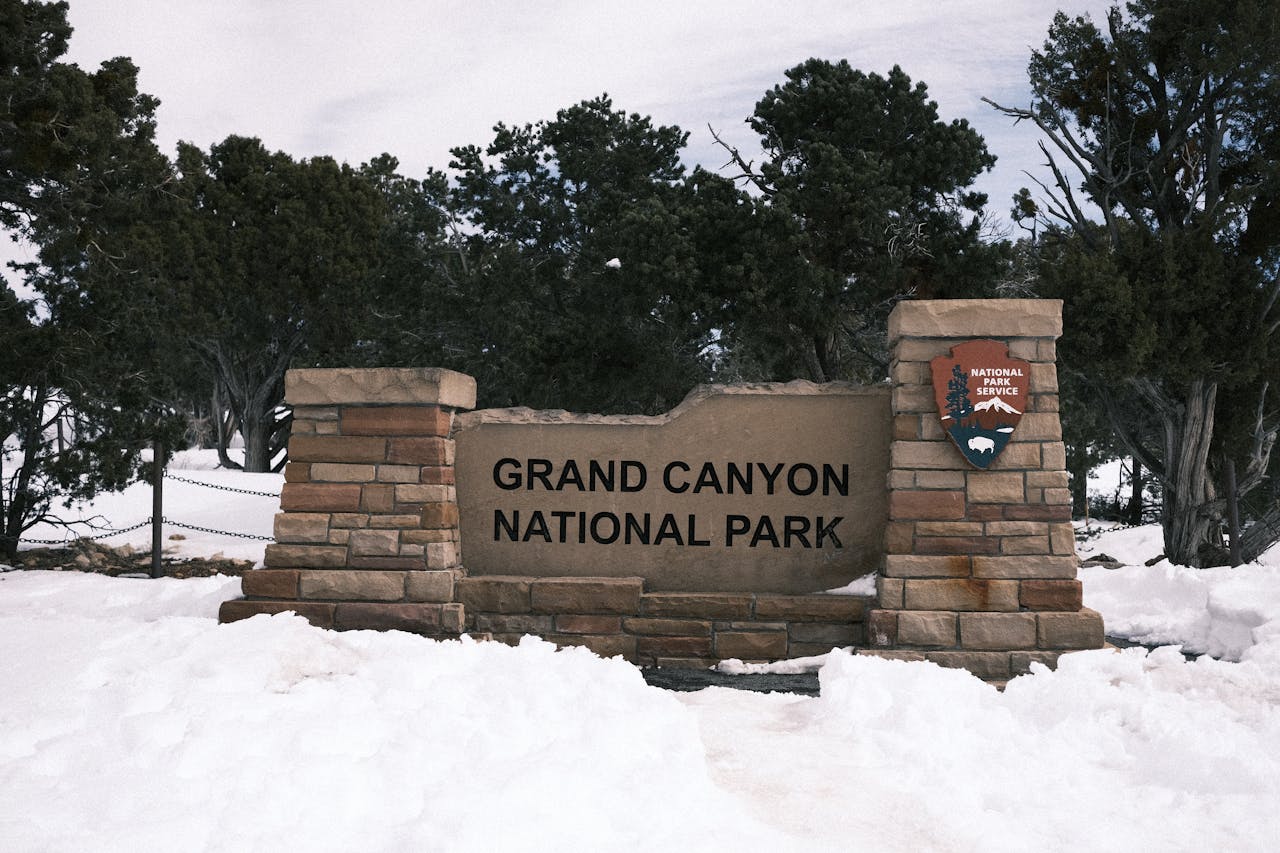
The Grand Canyon always drew crowds, yet recent years pushed the south rim into a near constant state of overfull. Buses unload, lines form at railings, and the soundtrack often includes loudspeakers and impatience. Residents in Tusayan and nearby communities depend on that flow yet struggle with housing shortages, water pressure, and staff burnout. The canyon itself remains unchanged, but the act of standing with it often comes wrapped in logistics that feel closer to an event than a pilgrimage.
Yellowstone National Park, Wyoming–Montana–Idaho
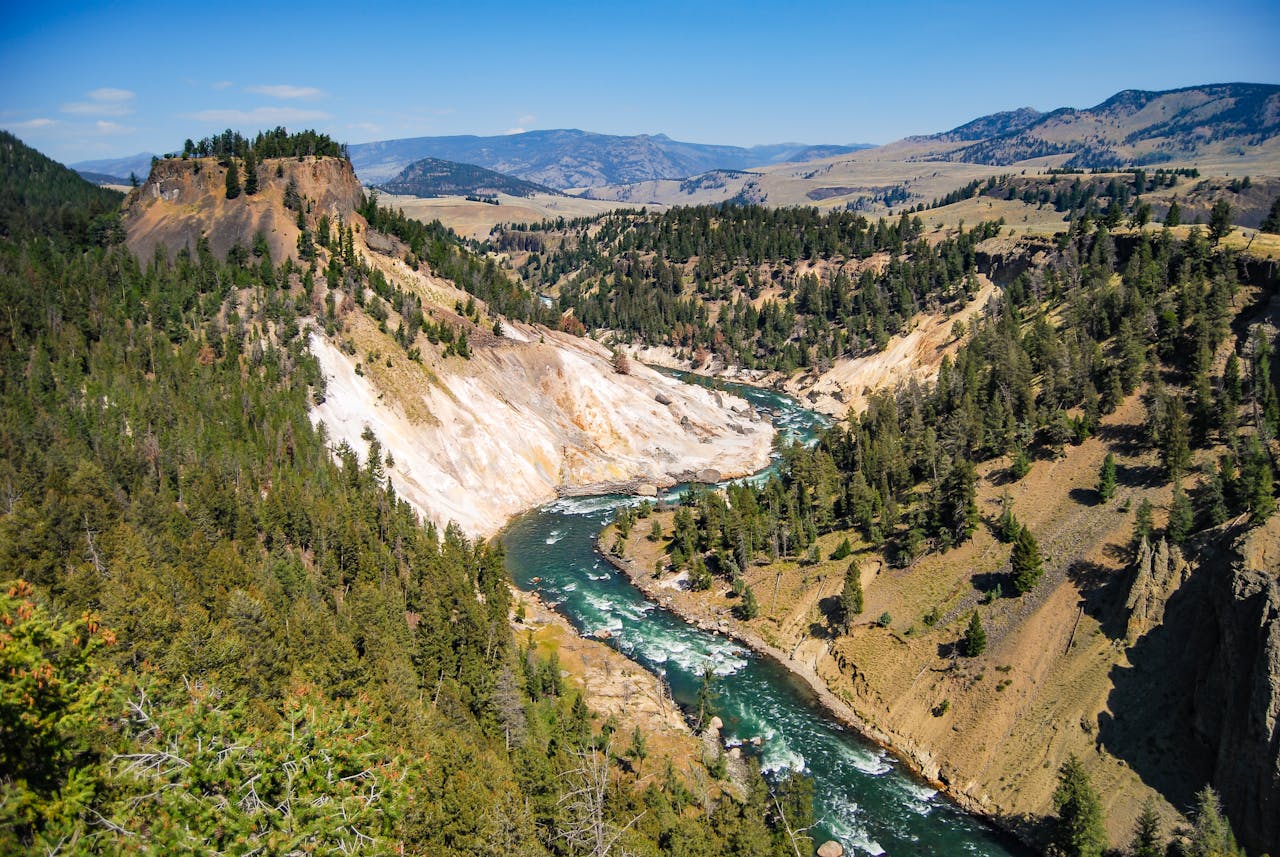
Yellowstone still offers bison, geysers, and big sky drama, but many locals say the experience feels more crowded than wild for much of the year. Bear jams, bison jams, and parking jams merge into one long pause across the main loops. Workers in Gardiner, West Yellowstone, and Cody handle waves of visitors asking for shortcuts through systems that simply do not have them. The ecosystem is still powerful, yet the edges of that experience now press against capacity.