We may earn money or products from the companies mentioned in this post. This means if you click on the link and purchase the item, I will receive a small commission at no extra cost to you ... you're just helping re-supply our family's travel fund.
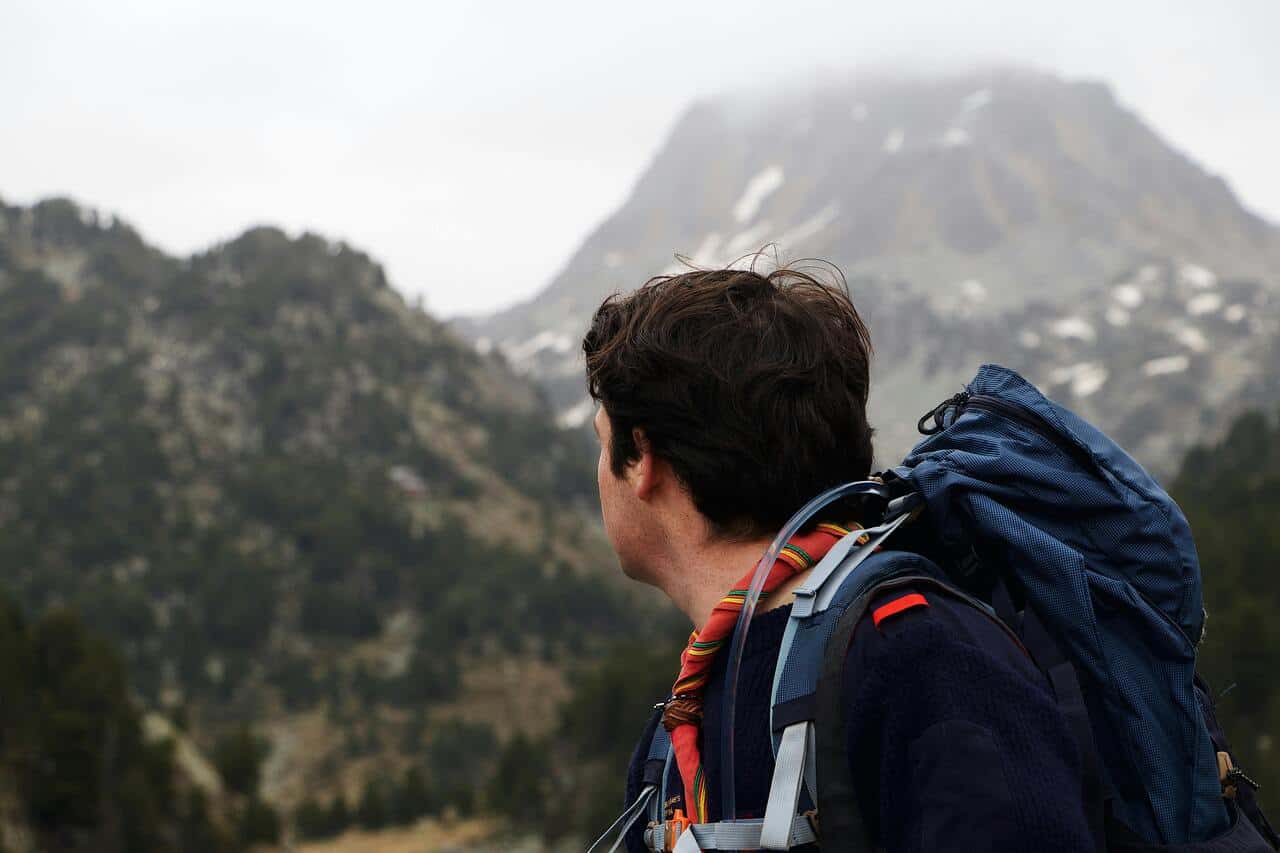
Traveling alone can be deeply rewarding, but popularity does not always equal safety. Some of the world’s most talked-about destinations attract millions of visitors each year while quietly carrying elevated risks for those exploring without backup. These dangers rarely appear in glossy brochures and often surface only once travelers arrive. From crime statistics to infrastructure gaps and social realities, the following destinations demand extra caution when visited solo. This list doesn’t exist to discourage travel, but to help solo travelers make informed, realistic decisions before booking a ticket.
1. Caracas, Venezuela
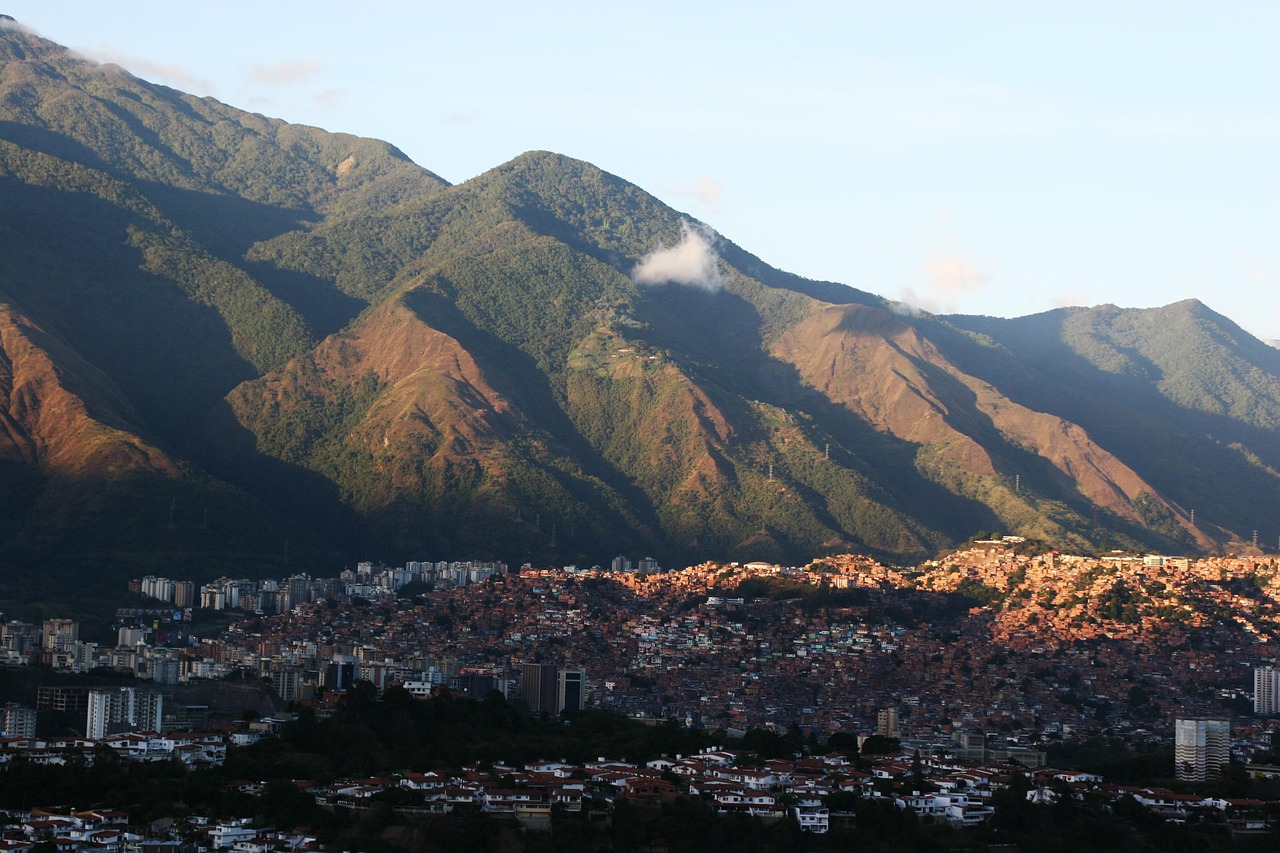
Caracas remains visually striking but consistently ranks among the world’s most dangerous capitals. Venezuela recorded an estimated 26 violent deaths per 100,000 people in 2024, and Caracas alone accounts for a disproportionate share of armed robberies and kidnappings. Solo travelers face risks even during daytime, with express kidnappings lasting under 60 minutes reported near transit hubs. Currency instability forces tourists to carry cash, increasing targeting. Police response times can exceed 40 minutes, and English-language emergency support is minimal. While tourism exists, independent movement dramatically increases exposure to risk without local protection.
2. Rio de Janeiro, Brazil
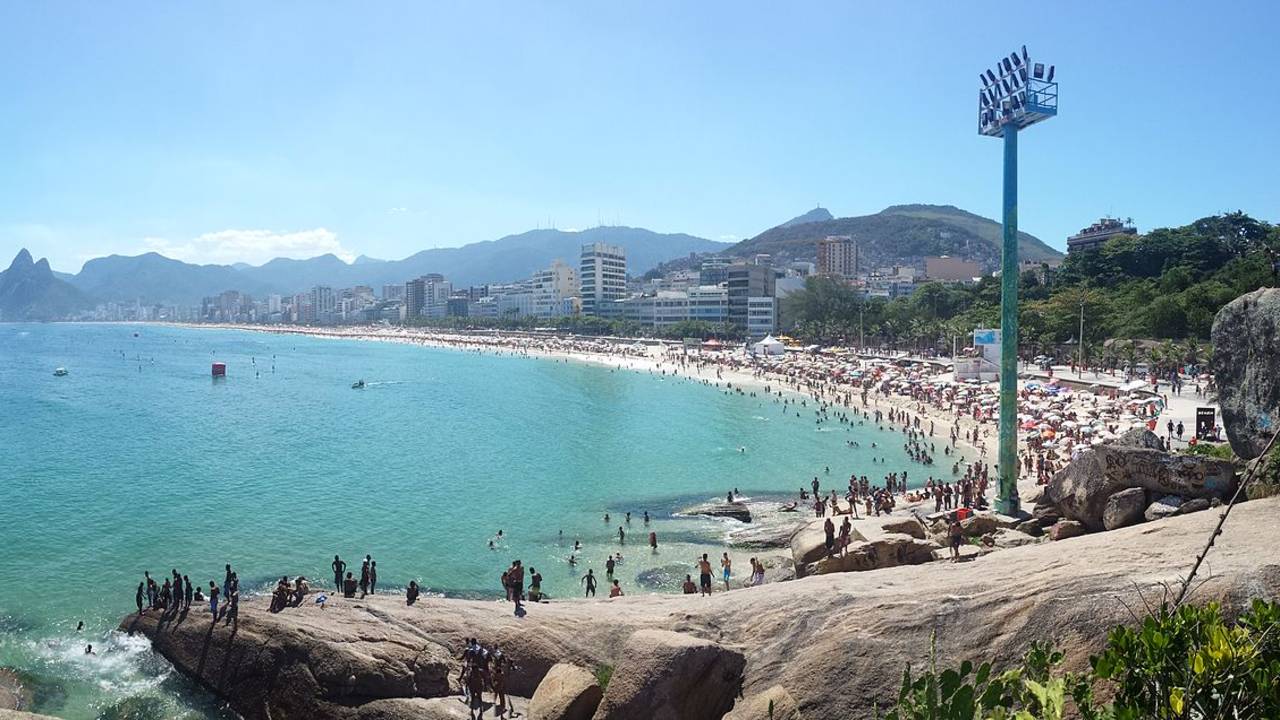
Rio welcomes over 2.8 million international visitors annually, yet solo travelers face elevated crime exposure outside controlled tourist zones. Street robbery rates average 1,400 incidents per 100,000 residents, with phone snatching and armed muggings common near beaches and nightlife districts. Crimes often occur within 30 seconds, leaving little reaction time. Favelas bordering popular neighborhoods add unpredictable security overlaps. Emergency services are stretched, and tourists reporting crimes recover stolen items less than 8% of the time. Traveling alone reduces situational awareness in a city where risk changes block by block.
3. Cape Town, South Africa
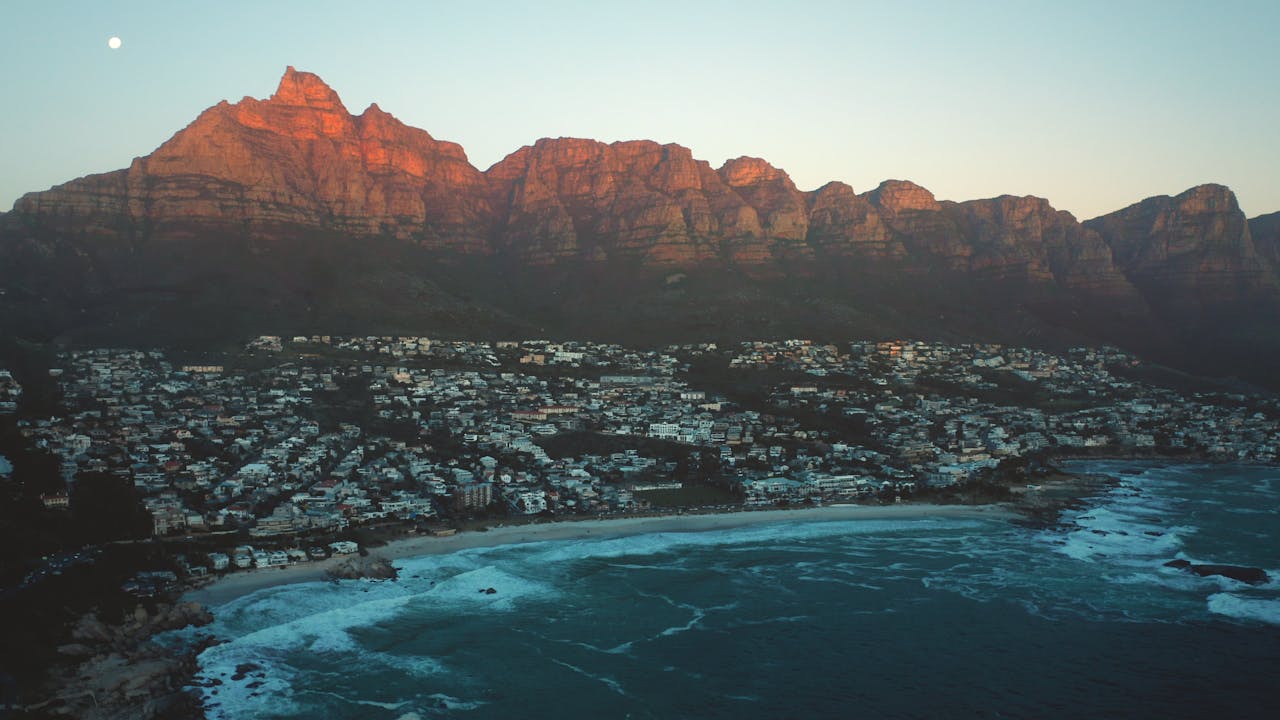
Cape Town’s scenery masks one of the highest urban crime rates globally. South Africa recorded 42 homicides per 100,000 people, and Cape Town contributes heavily to that figure. Solo travelers are frequently targeted for smash-and-grab thefts and follow-home robberies, especially after sunset. Carjackings increased by 18% year-over-year, affecting rideshare users as well. Public transport remains unreliable, forcing dependence on private vehicles. While tourist zones are monitored, venturing alone even short distances outside them sharply increases vulnerability.
4. Tijuana, Mexico
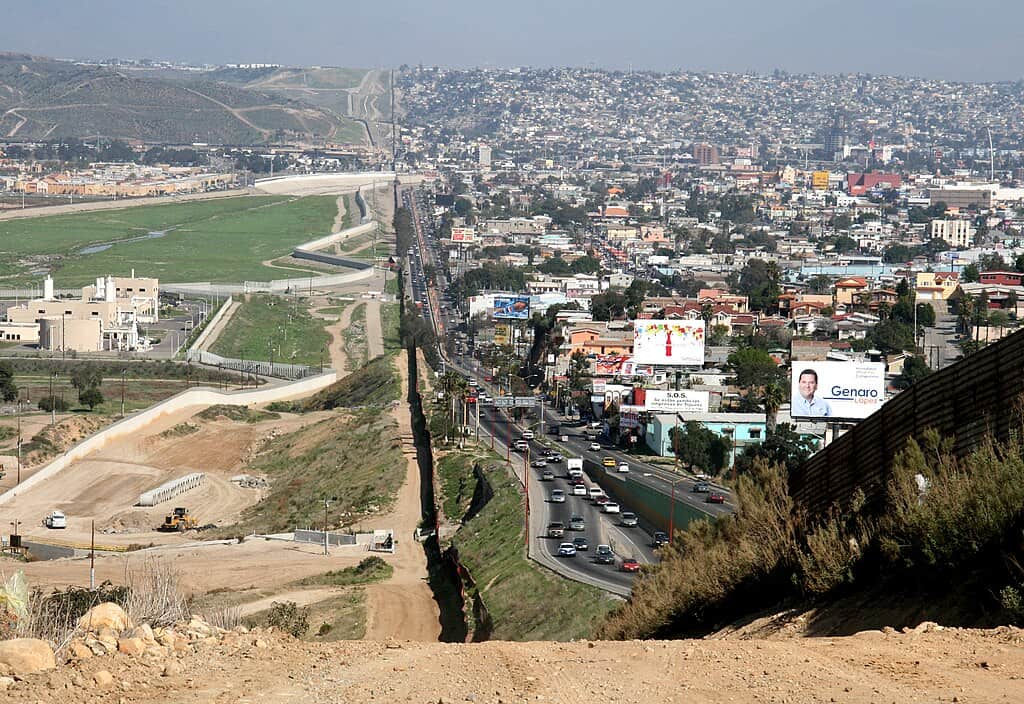
Tijuana sits at a cultural crossroads but also ranks among the world’s most violent cities, with over 100 homicides per 100,000 residents in recent years. Cartel activity creates sudden security shifts that tourists can’t predict. Solo travelers face heightened risk of mistaken identity, particularly at night or near border crossings. Kidnapping rates remain low for tourists but spike for individuals moving alone. Emergency infrastructure prioritizes residents, and English assistance is limited. The city’s popularity for short stays often leads travelers to underestimate its volatility.
5. Cairo, Egypt
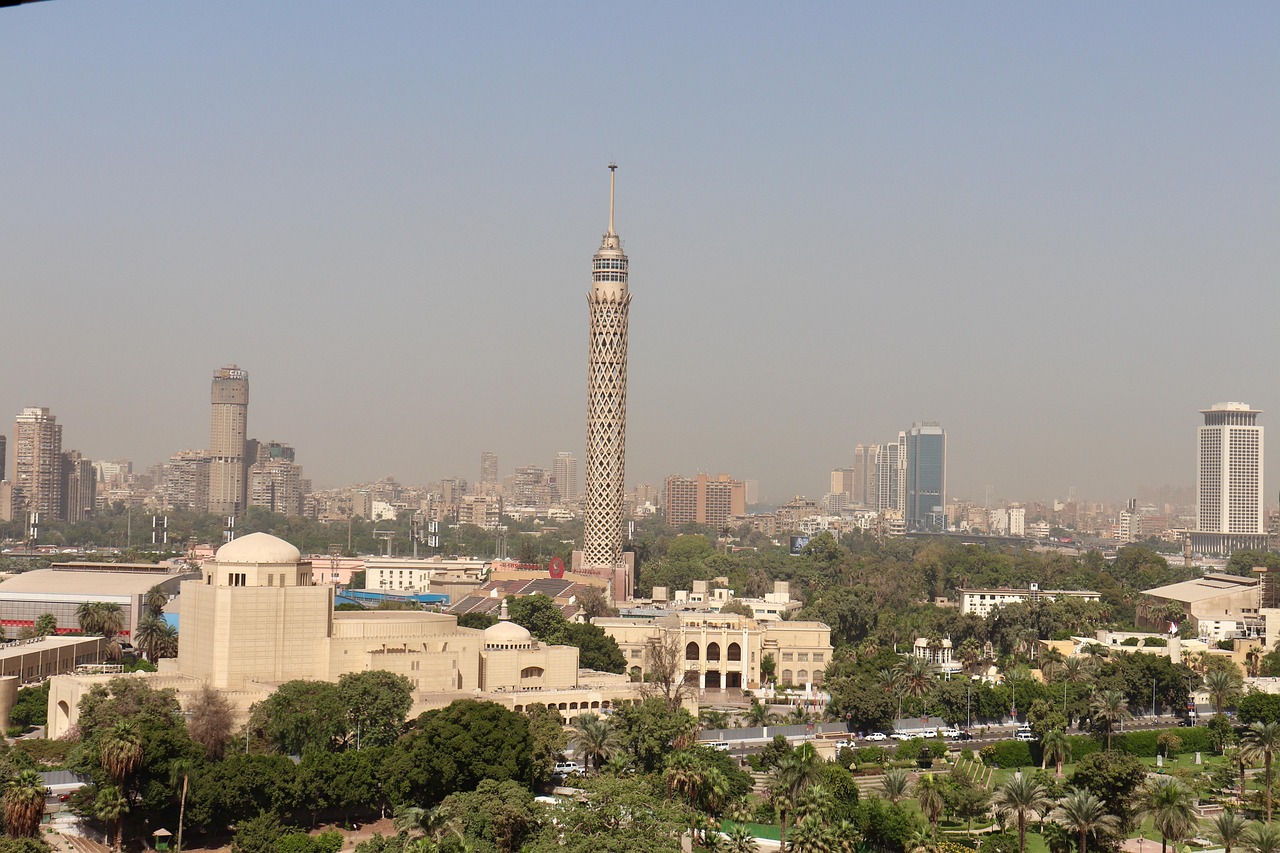
Cairo attracts more than 13 million tourists annually, yet solo travelers often report persistent harassment and safety concerns. Pickpocketing rates near historic sites exceed 22 incidents per 1,000 visitors, and scams targeting individuals alone are widespread. Female solo travelers report harassment incidents at rates nearly 3 times higher than group travelers. Traffic accidents also pose serious danger, with Egypt recording over 5,000 road deaths annually. Police presence exists but reporting issues can be slow and stressful. Navigating Cairo alone requires constant vigilance.
6. Nairobi, Kenya
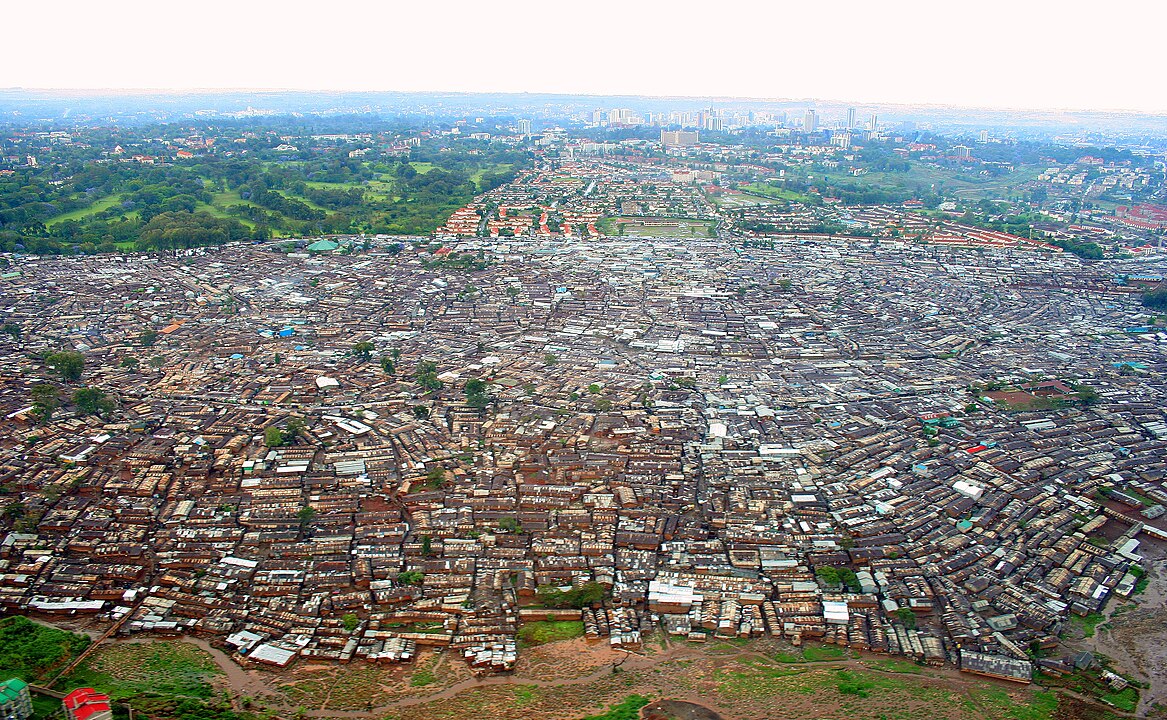
Nairobi is East Africa’s travel hub, but solo visitors face notable security challenges. The city reports approximately 760 robberies per 100,000 people, with incidents concentrated near business districts and transit corridors. “Snatch and run” thefts occur in under 15 seconds, often involving motorcycles. Terror-related incidents are rare but unpredictable, prompting sudden security lockdowns. Emergency response quality varies widely by neighborhood. While guided tourism is well-established, independent solo movement significantly raises exposure to crime, especially after dark.
7. Manila, Philippines
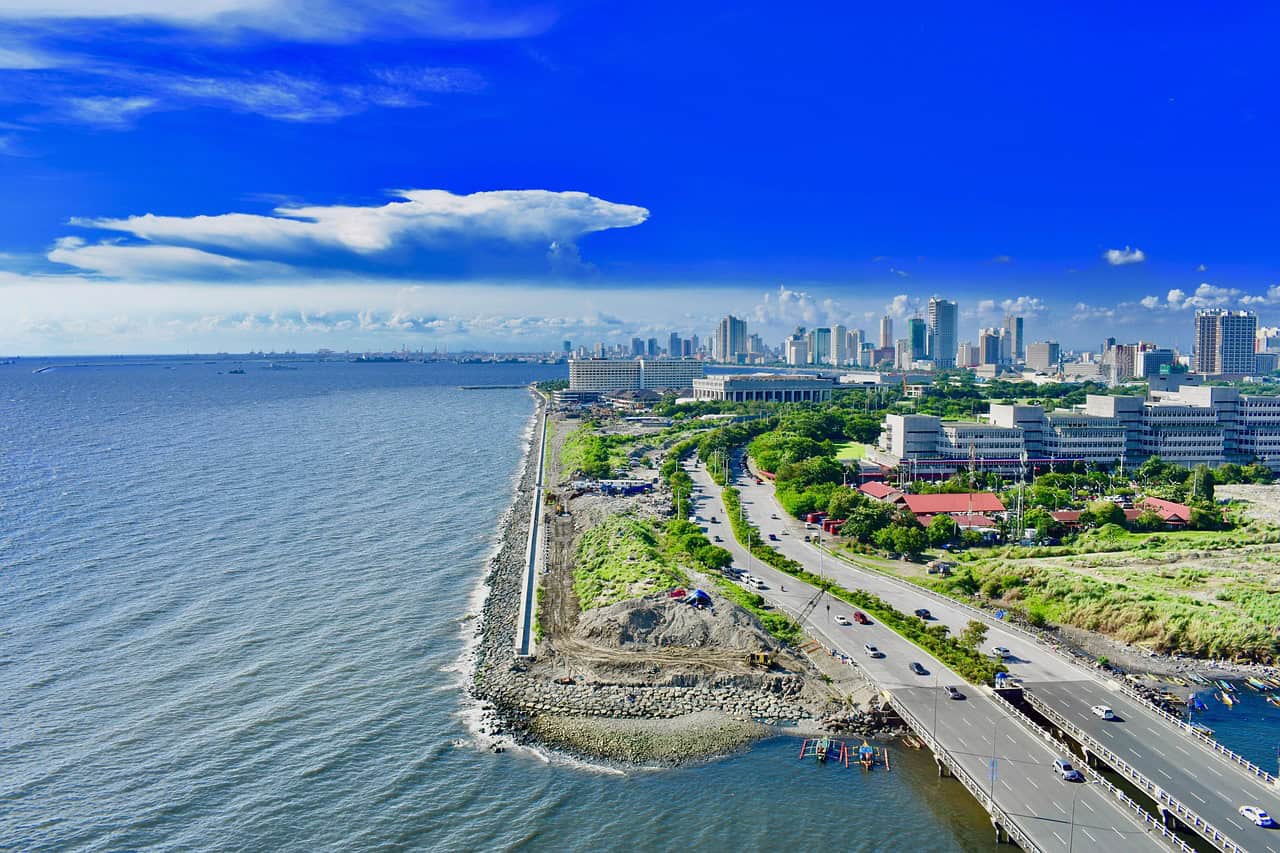
Manila’s chaotic energy attracts budget travelers, yet solo visitors encounter elevated petty crime and infrastructure risks. Pickpocketing rates in central districts exceed 30 incidents per 1,000 tourists, particularly on public transport. Violent crime is less common but does occur, often opportunistically. Traffic congestion delays emergency response times by an average of 25–35 minutes. Poor pedestrian infrastructure contributes to over 1,200 annual road fatalities in the metro area. Traveling alone makes navigation errors more costly in a city that rarely slows down.
8. Marrakech, Morocco
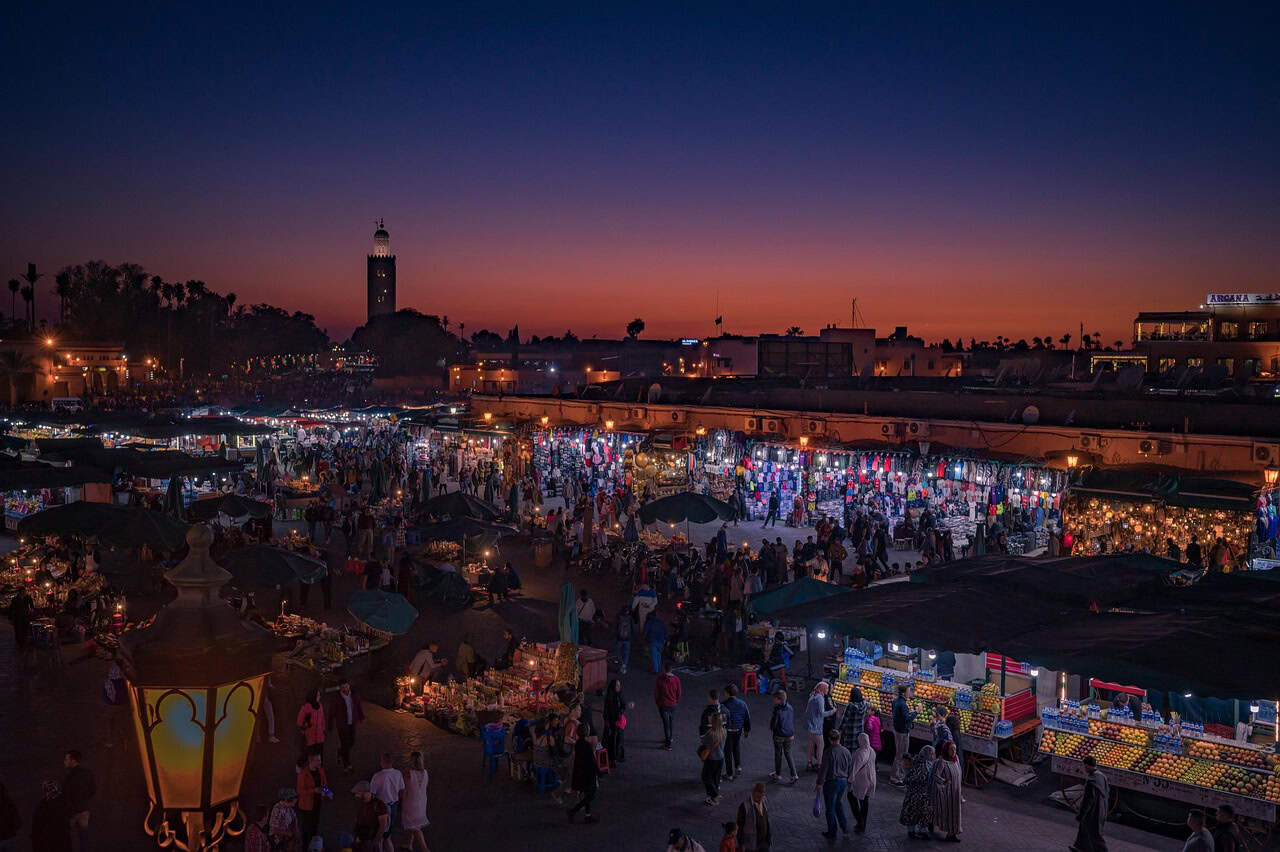
Marrakech feels enchanting but presents challenges for solo travelers unfamiliar with its social dynamics. Tourist-targeted scams account for an estimated 35% of reported visitor complaints, often escalating when individuals are alone. Harassment reports among solo women are significantly higher than among group travelers. The medina’s maze-like layout increases disorientation, and GPS accuracy drops by nearly 40% within narrow alleys. While violent crime is rare, psychological pressure and manipulation can quickly overwhelm solo visitors without local support.
9. San Pedro Sula, Honduras
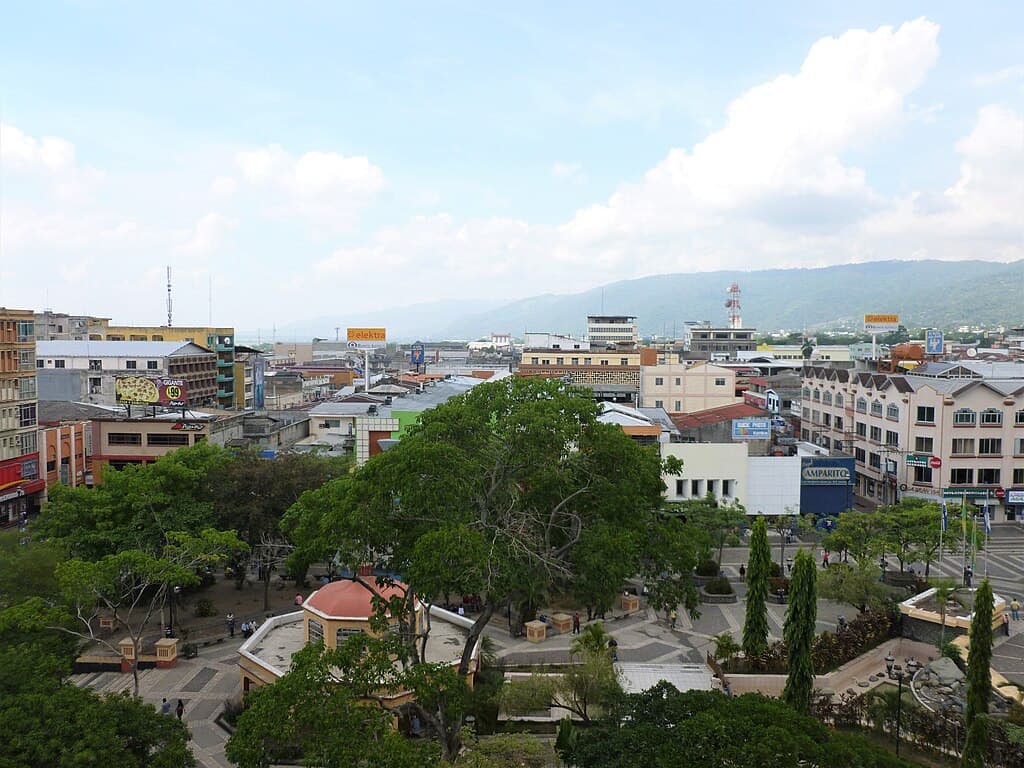
Often used as a transit point, San Pedro Sula remains one of the most violent cities globally, with homicide rates historically exceeding 80 per 100,000 residents. Gang territories shift rapidly, making safe routes unreliable. Solo travelers are particularly vulnerable to extortion and armed robbery, often occurring within minutes of leaving terminals. Tourist infrastructure is minimal, and emergency medical access varies widely. While conditions have improved slightly, the city still poses significant risks for independent travelers without local guidance.
10. Port-au-Prince, Haiti
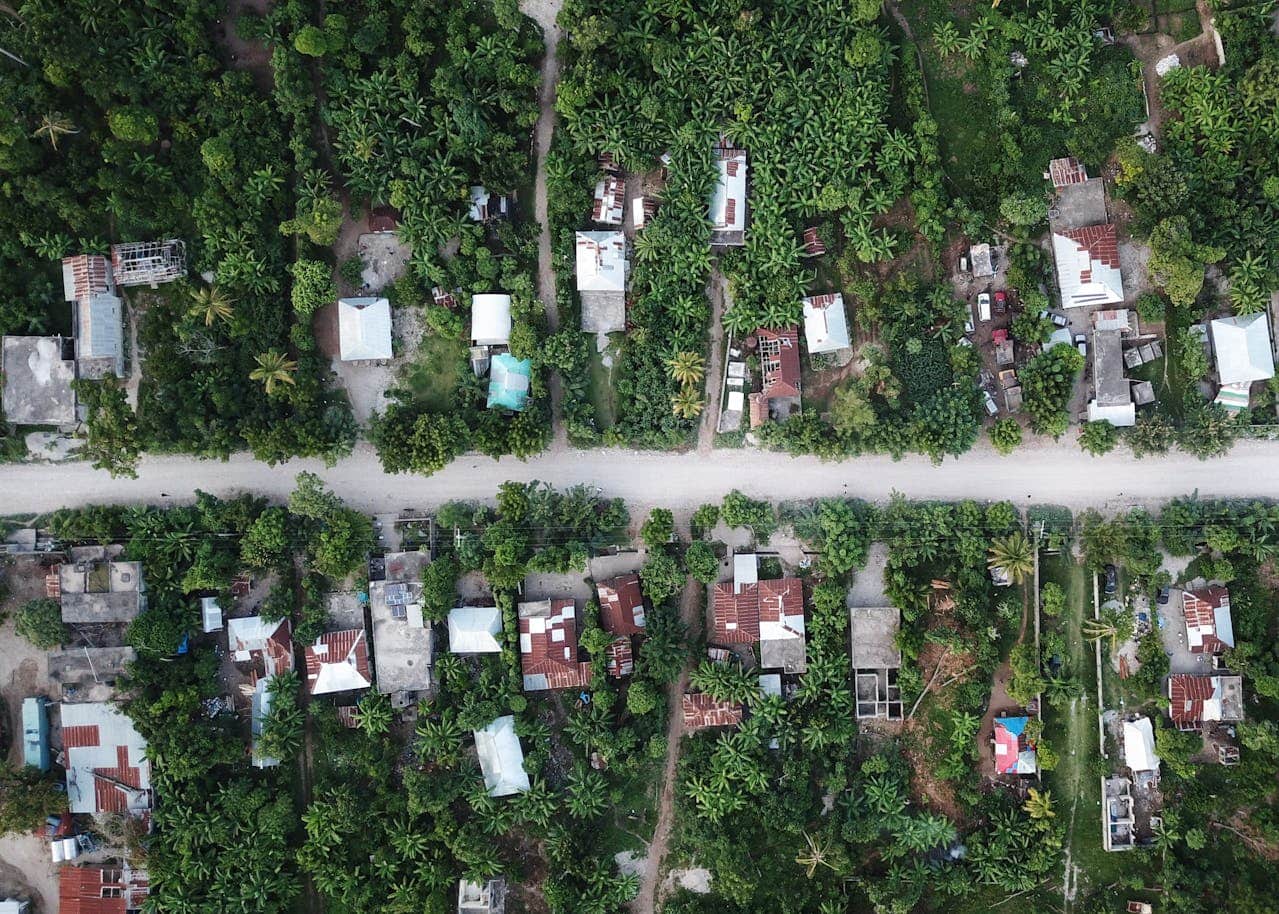
Port-au-Prince struggles with political instability and severe security breakdowns. Kidnapping incidents increased by over 200% between 2021 and 2024, frequently targeting individuals traveling alone. Armed gangs control key transit routes, and airport access can be disrupted without notice. Electricity availability averages just 6–8 hours daily, complicating communication. Police resources are extremely limited, and foreign assistance is inconsistent. Even experienced travelers find solo movement here exceptionally risky due to rapidly changing conditions and minimal safety nets.