We may earn money or products from the companies mentioned in this post. This means if you click on the link and purchase the item, I will receive a small commission at no extra cost to you ... you're just helping re-supply our family's travel fund.
Pauline Lu/Unsplash
Crowds can turn a dream trip into a long shuffle of lines, noise, and constant negotiation for space. Some destinations are legendary for good reason, yet their popularity brings bottlenecks, packed transit, and photo spots that feel more like waiting rooms. For travelers who recharge in quiet corners, the most famous names on the map can be the hardest places to enjoy. Knowing where density peaks helps set expectations, protect energy, and steer plans toward calmer versions of the same magic.
Times Square, New York City
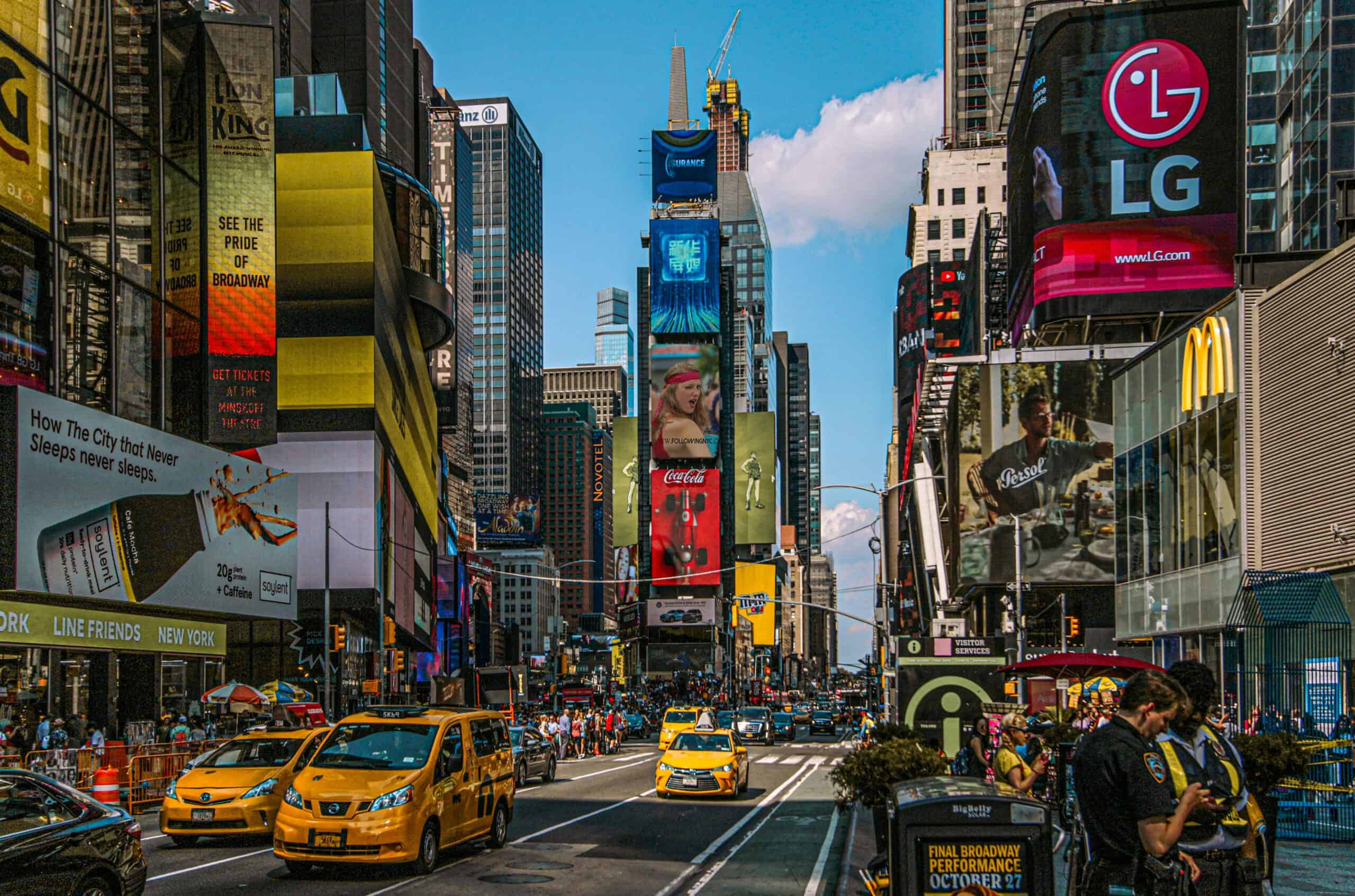
Times Square can feel like a bright, noisy funnel where sidewalks narrow, billboards flash overhead, and the flow of people never truly breaks. Even on ordinary afternoons, street performers, tour groups, costumed characters, pedicabs, and ticket lines pile up near the TKTS booth and Broadway entrances, while subway stairwells spill fresh crowds onto every corner. On major holidays, the density spikes into slow-motion gridlock, and simple tasks like crossing a street, hearing a companion, or finding a calm seat can demand patience that many quiet-minded travelers would rather spend elsewhere for hours at a time, even before a 7 p.m. showtime.
Walt Disney World, Florida
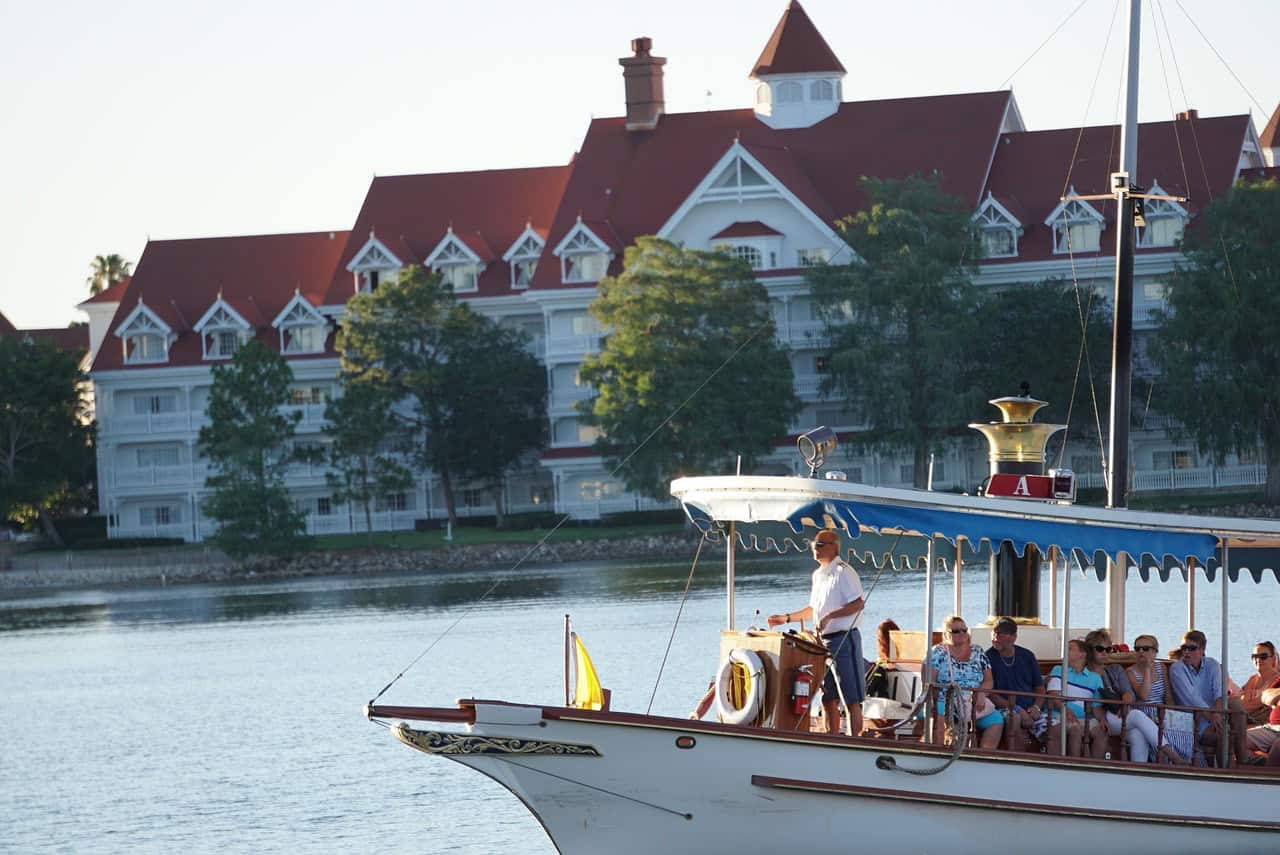
Walt Disney World is built for wonder, yet the parks also run on constant movement, queueing, and crowd choreography from rope drop to closing, especially in summer and during school breaks. Headliner rides in Magic Kingdom and EPCOT can pull hour-long waits, dining rooms book up early, and walkways around parades and nighttime shows compress into tight streams of strollers, scooters, balloons, and tired feet. Even the calm spaces feel scheduled, as mobile-order pickup windows, buses, monorails, and hotel lobbies surge in waves, making the resort resemble a cheerful, well-managed city during a daily peak commute, with few truly quiet corners.
The Louvre, Paris
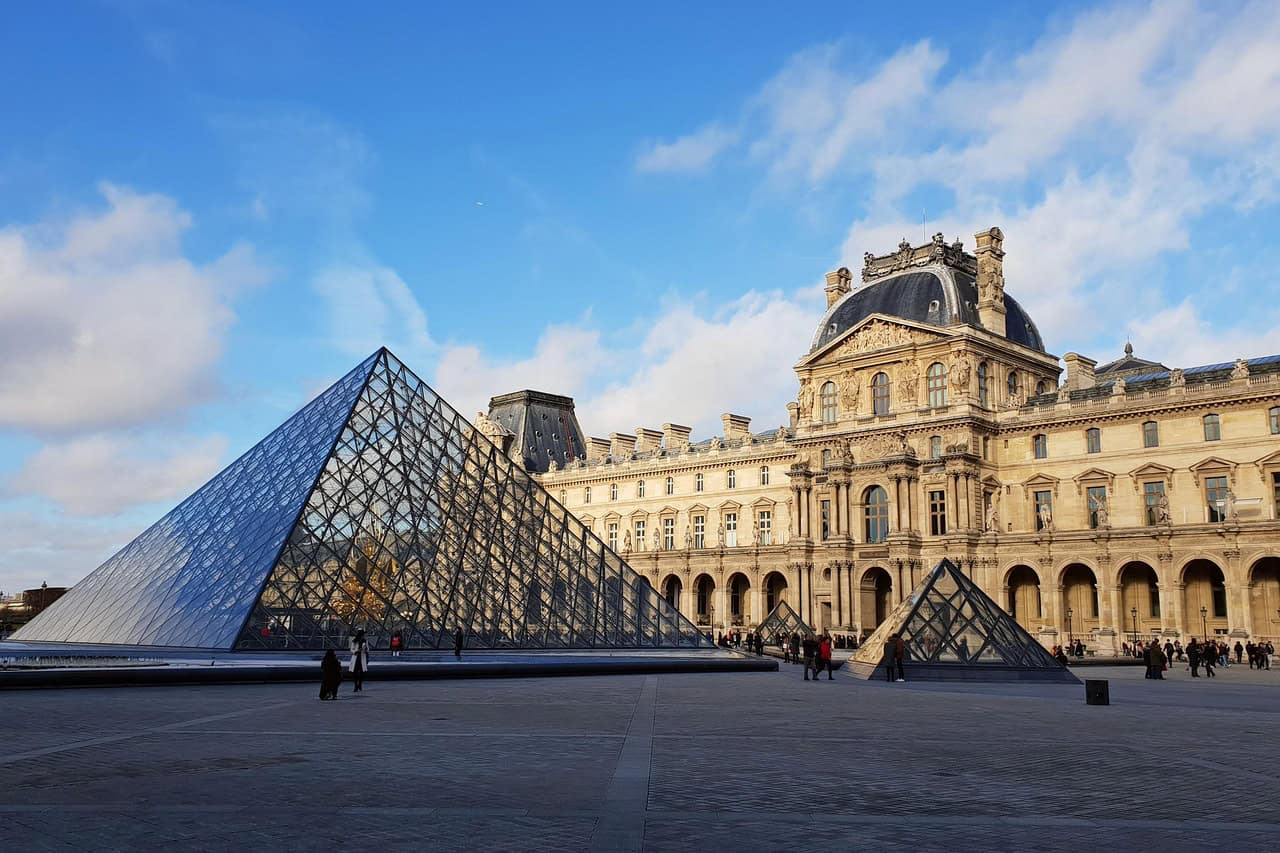
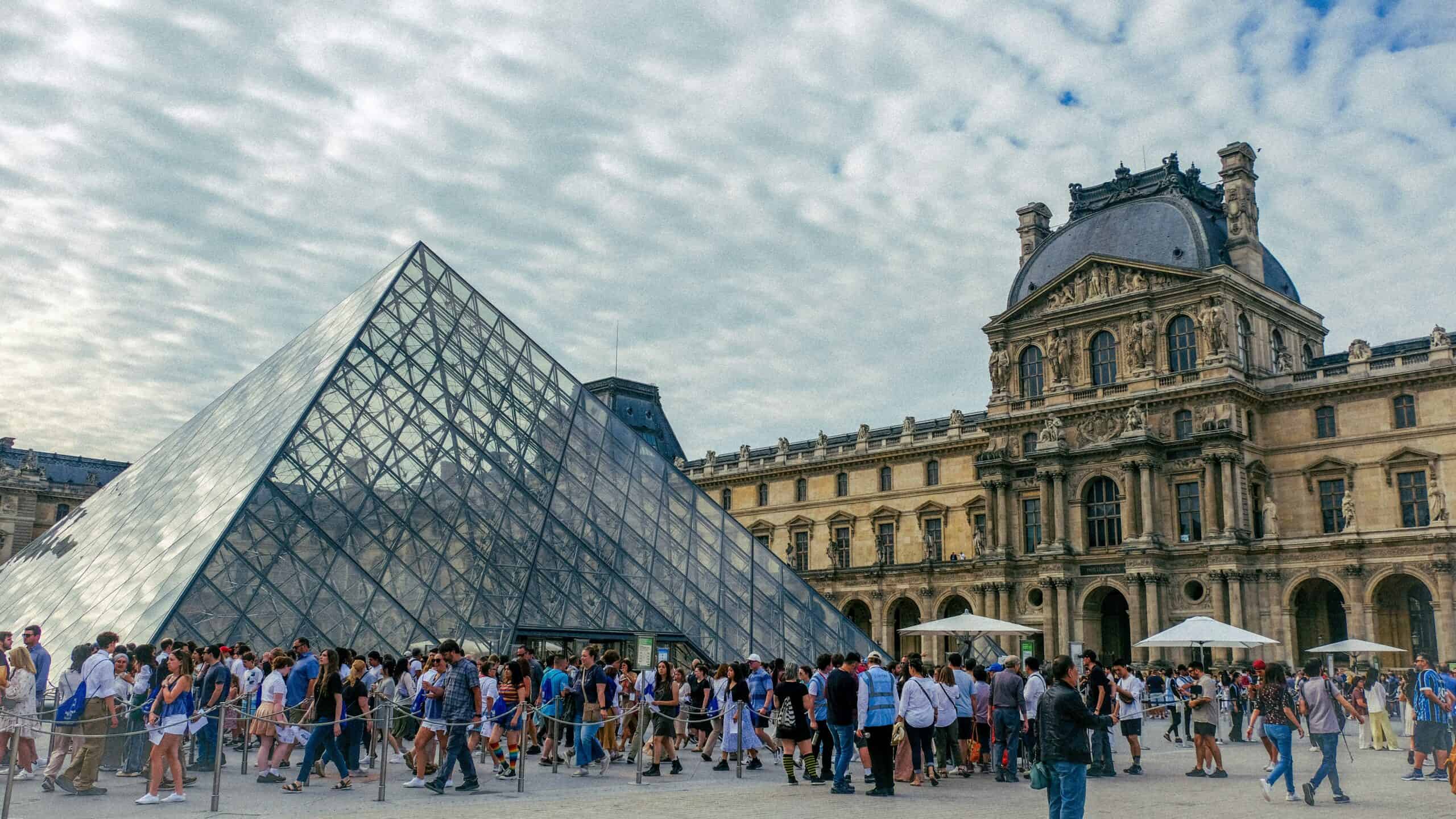
The Louvre offers miles of art and history, yet its fame funnels visitors into the same corridors at the same hours, especially around the Mona Lisa and the nearby Italian painting galleries. Security lines under the glass pyramid, timed-entry waves, and dense tour groups can make even world-class works feel like backdrops to a moving current, with audio guides murmuring and camera screens raised higher than faces. The museum still rewards patience, but the most iconic rooms often trade contemplation for constant shoulder-to-shoulder motion, while calmer pauses tend to appear only in less visited wings and smaller, tucked-away rooms upstairs.
Venice, Italy
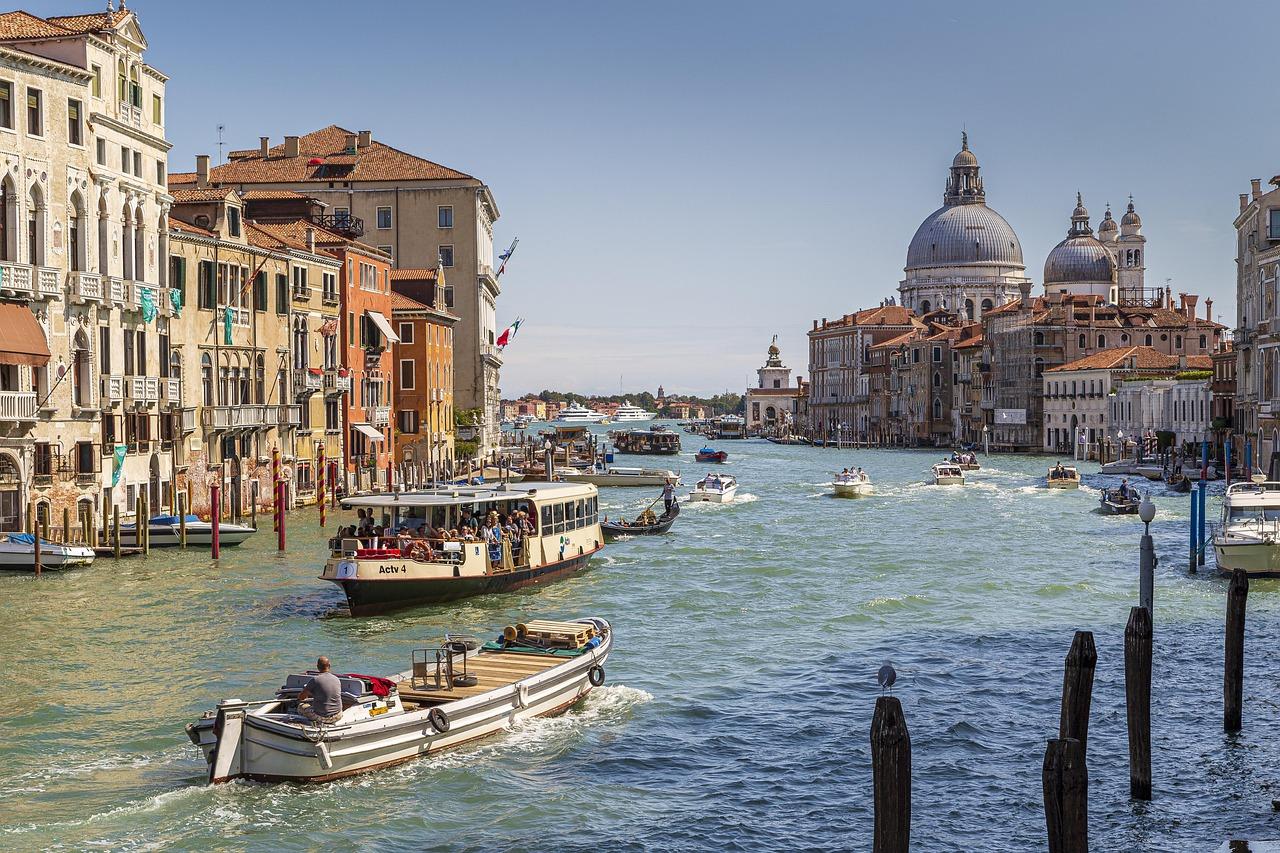
Venice can feel like a dream rendered in stone and water, but its narrow lanes magnify every surge of day-trippers, weekenders, and cruise-season arrivals. At peak hours, bridges turn into bottlenecks, vaporetto platforms bunch up, and the famous path between St. Marks Square and the Rialto moves at the pace of a careful shuffle, with gelato queues and souvenir shops tightening the flow. The lagoon still offers quiet pockets, yet the most photographed canals and squares can feel like open-air hallways where tour flags, rolling suitcases, and competing gondolier songs set the tempo from morning until late, especially when heat presses in hard.
Oia, Santorini
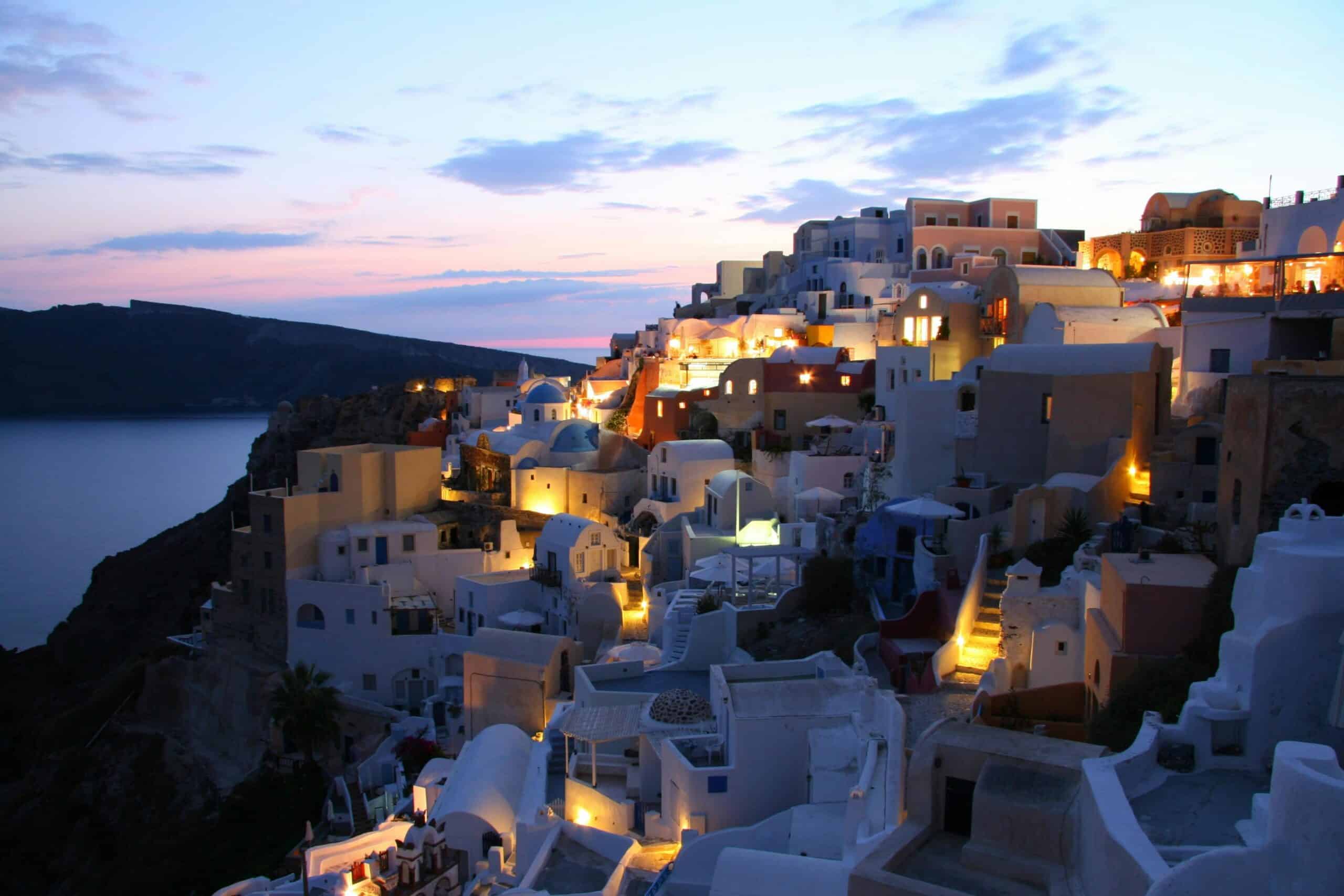
Oia in Santorini is famous for sunsets that turn white walls and blue domes into a postcard, and that fame concentrates visitors onto a single ridge of narrow lanes. By late afternoon in peak season, lookout points fill, dinner terraces buzz, and photo lines form on stairways that were never built for heavy foot traffic, while cruise schedules can drop new waves into the village all at once. The beauty is undeniable, but the mood can tilt from serene to performative as crowds pause for identical frames, shop aisles tighten, and even a short stroll can turn into a stop-and-go procession, as heat reflects off stone, and footsteps echo in lanes.
Shibuya Crossing, Tokyo
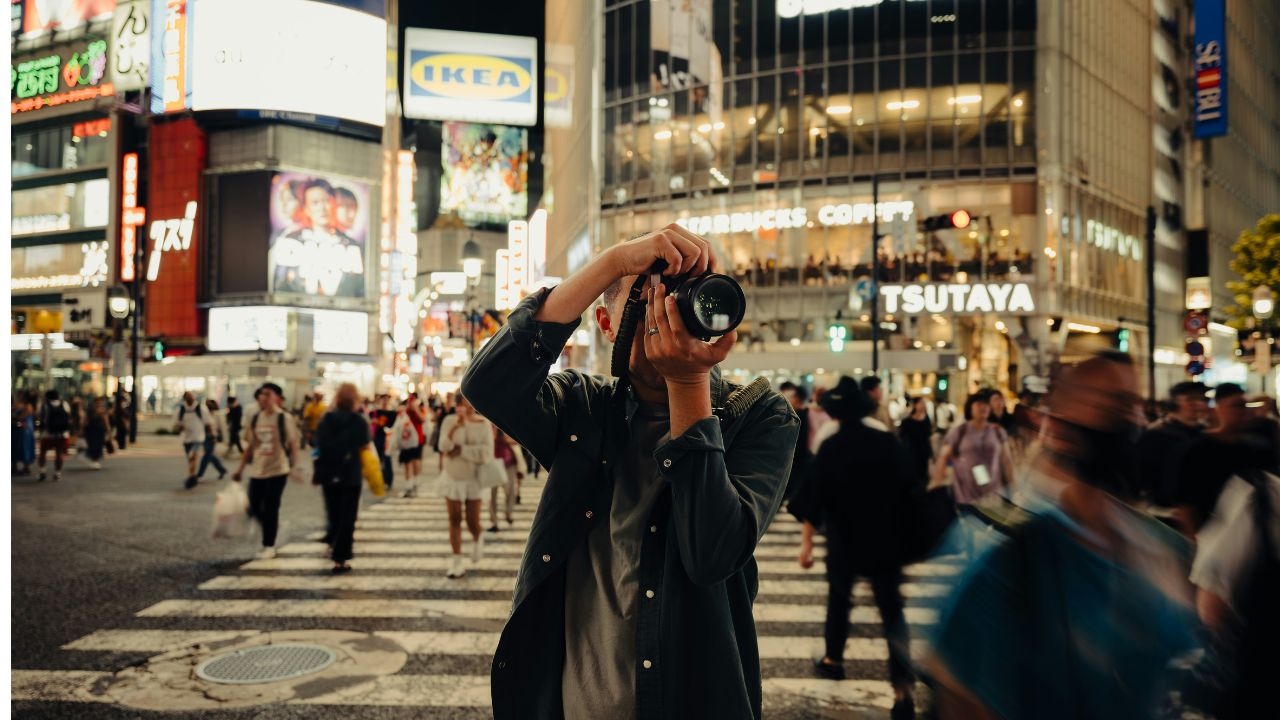
Shibuya Crossing is a modest patch of pavement with global fame, and its signature scramble turns rush hour into a living spectacle of umbrellas, billboards, and synchronized motion. The station’s exits, the Hachiko area, and the surrounding malls funnel people into the same pinch points, and weekend nights add photo hunters and meeting crowds, so even a short walk can become a slow weave through bodies, music, and screens. The neighborhood remains thrilling, but the constant density leaves little room for lingering, and calmer Tokyo moments tend to appear only after a few train stops or an early-morning visit, before the commuter tide comes.
Oktoberfest, Munich

Oktoberfest in Munich is a festival built on tradition, music, and beer tents, and its sheer scale can surprise even seasoned travelers. On busy weekends, tents fill early, lines form for entry and tables, and the fairground paths stay shoulder-to-shoulder as rides, bands, and food stalls compete for attention from midafternoon into the night, with trains and trams unloading fresh waves nearby. The atmosphere is joyful, but the intensity rarely eases, and anyone craving personal space may find the noise, singing, and constant close contact tiring long before the last chorus fades, especially after dark, when meeting up becomes a small errand.
Machu Picchu, Peru
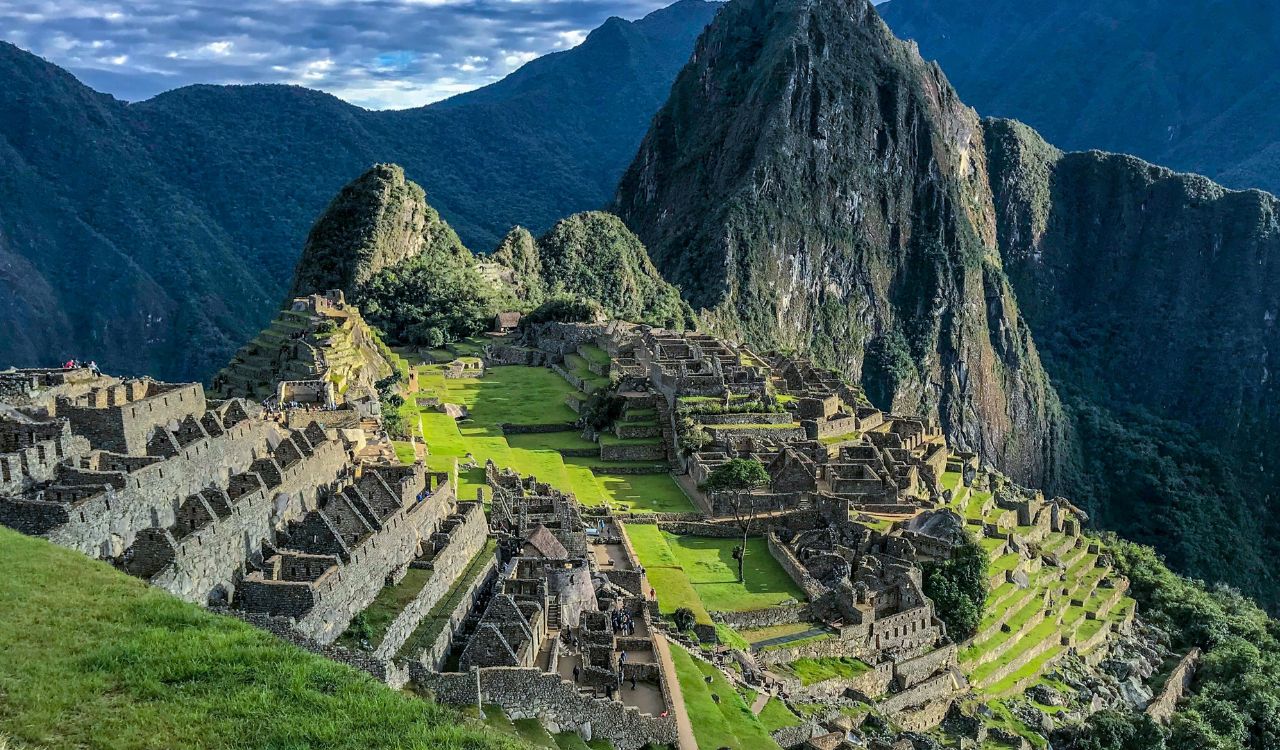
Machu Picchu sits in a dramatic mountain bowl, and its fame draws a steady stream of arrivals that can make the ruins feel more scheduled than spontaneous. Early buses from Aguas Calientes, guided groups moving along set circuits, and photo bottlenecks at classic viewpoints create a rhythm of pausing and passing instead of lingering, even when clouds lift and the stonework glows. The setting remains breathtaking, yet in peak months the citadel can resemble a carefully managed procession, with narrow stairways, roped sections, and watchful staff nudging the flow so congestion does not stall completely, especially once buses refill entry gates.
The Taj Mahal, Agra
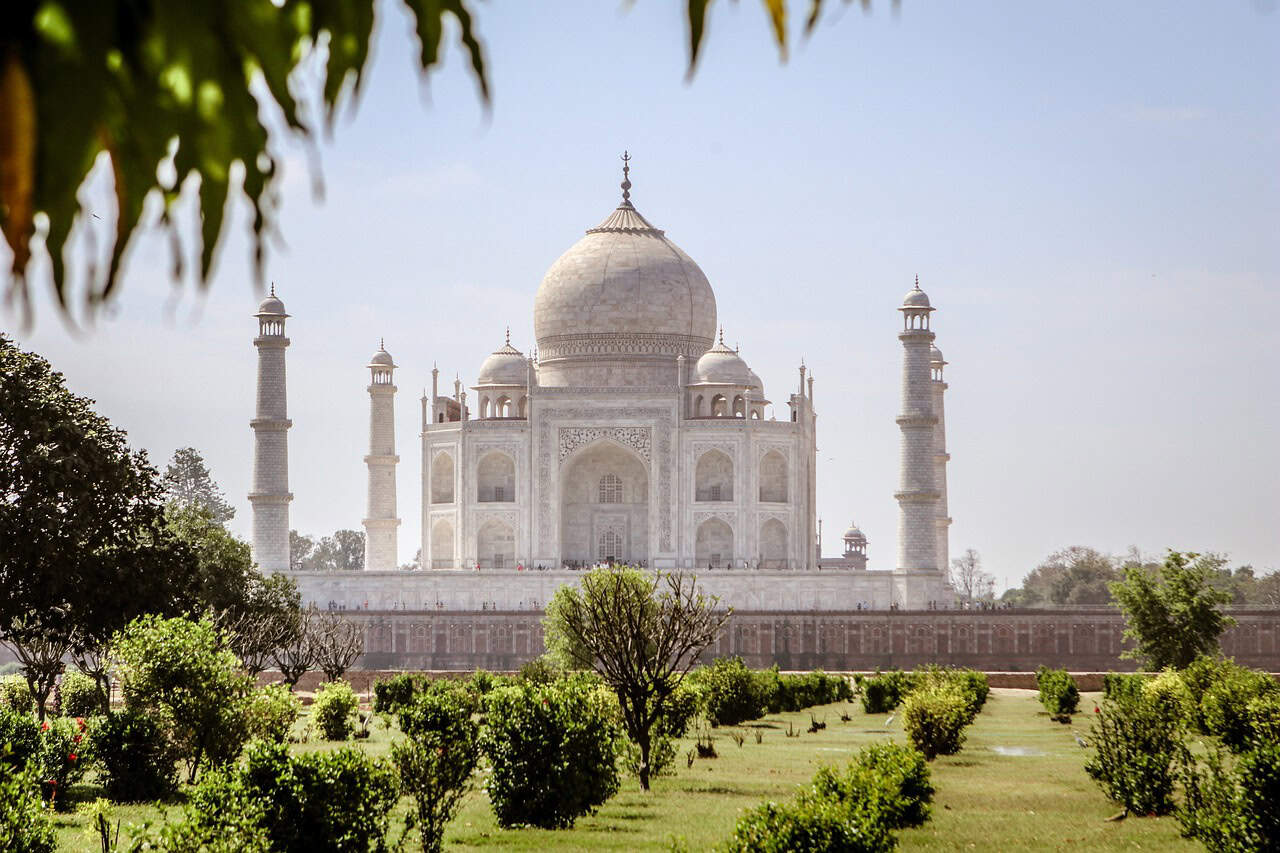
The Taj Mahal can look impossibly serene in photographs, yet the approach often involves security checks, ticket lines, and a steady stream of visitors converging at the same gates all morning. Sunrise is prized for softer light, which means the first hours can feel surprisingly packed, with guides herding groups, shoe covers shuffling, and photographers clustering for similar angles along the reflecting pool and paths. The monument still holds a hush at its center, but the surrounding grounds can play like a choreographed crowd scene, where patience is measured in minutes and the calmest moments tend to arrive only in the gaps between waves.
Waikiki Beach, Oahu

Waikiki Beach is a classic slice of Honolulu, and its fame keeps the shoreline lively from sunrise surf lessons to late-night strolls under hotel lights and tiki music. Near the busiest blocks, sand space can feel scarce, with umbrellas, boards, and families clustered close, while catamarans, lessons, and photo stops near the Duke Kahanamoku statue add a steady pulse to the waterline. The ocean remains inviting, yet the overall scene can feel like a beach festival that never fully ends, and travelers who crave quiet often drift toward calmer coves beyond the high-rise strip, especially at sunset when sidewalks and shave-ice lines double back.