We may earn money or products from the companies mentioned in this post. This means if you click on the link and purchase the item, I will receive a small commission at no extra cost to you ... you're just helping re-supply our family's travel fund.
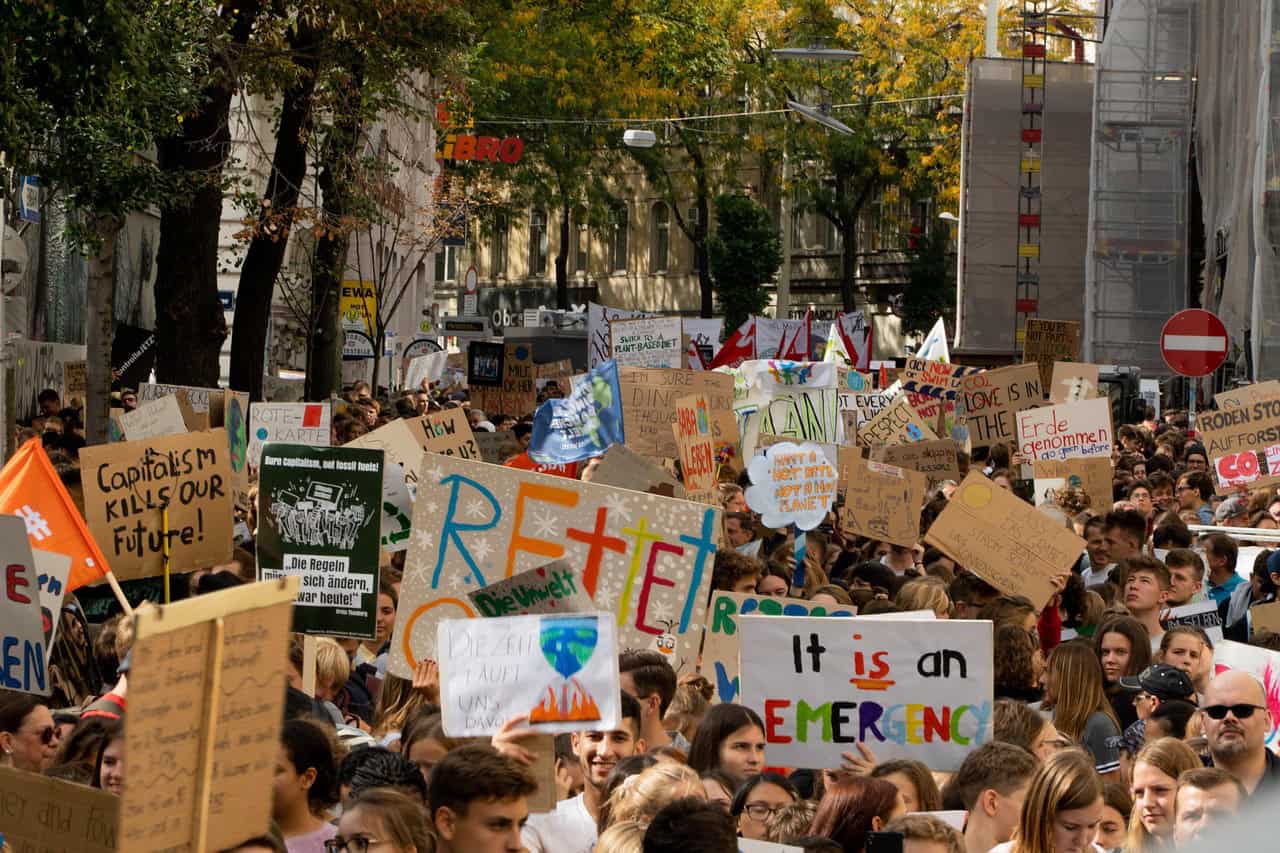
Adventure travel often promises surprise, intensity, and cultural immersion, but in politically sensitive destinations, unpredictability takes on a heavier meaning. Shifting laws, sudden unrest, and strict state controls can affect tourists just as quickly as locals. A single comment, photo, or misunderstanding may carry legal or diplomatic consequences. This list explores ten destinations where politics can quietly reshape a holiday into something tense and complicated. Each section highlights real-world risks, measurable indicators, and practical context, offering a grounded look at how political realities intersect with tourism. These places are not inherently unwelcoming, but they demand awareness, restraint, and informed decision-making before arrival.
1. Hong Kong
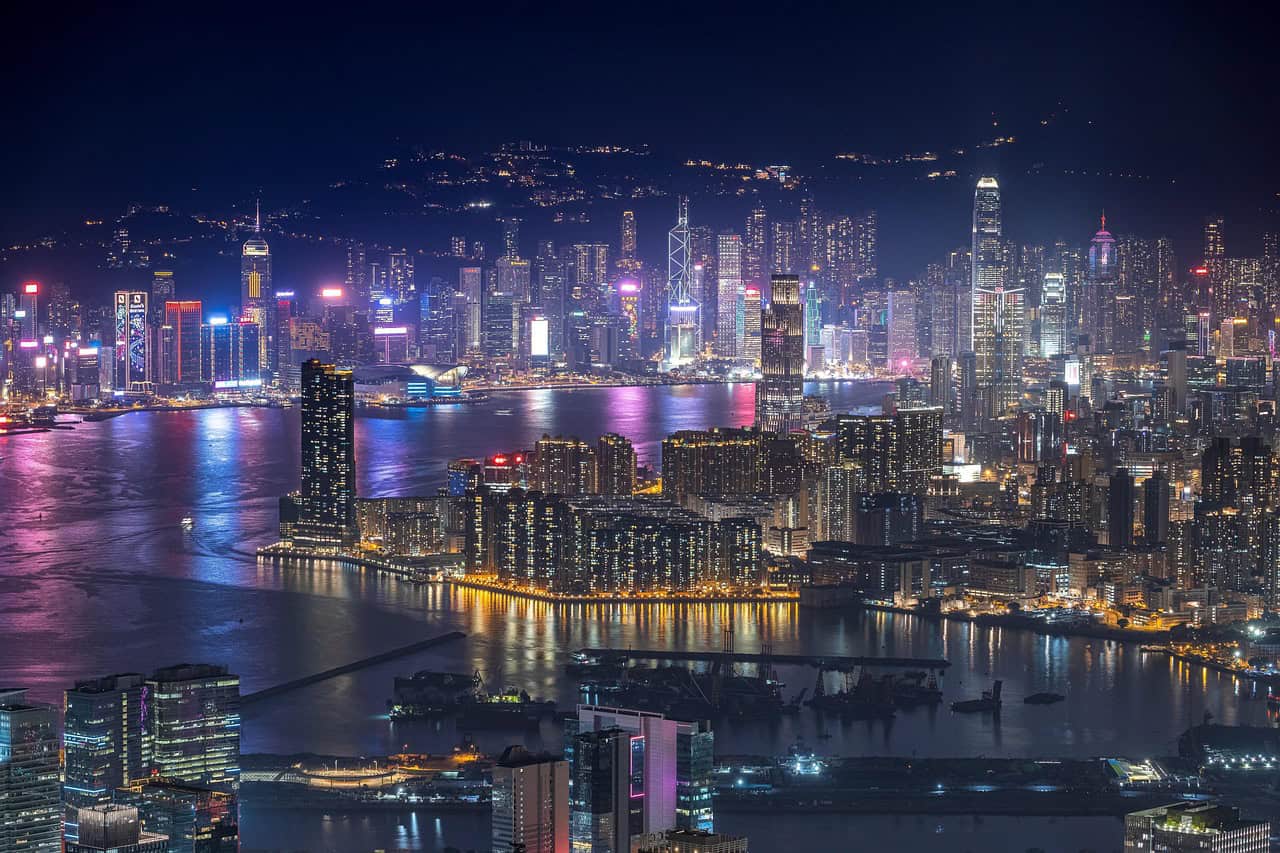
Hong Kong still appears polished and global, yet its political climate has tightened sharply. Since 2020, over 250 people have been arrested under the National Security Law, written with broad definitions. Actions considered harmless elsewhere; displaying symbols, repeating slogans, or sharing opinions online can carry consequences. Surveillance is extensive, with more than 50,000 public cameras across the city. Protests are effectively banned, and permits are rarely approved. Conversations often feel guarded, and public spaces are closely managed. While crime rates remain low at under 1,200 incidents per 100,000 residents, political sensitivity now represents the primary risk for visitors rather than physical safety.
2. Russia
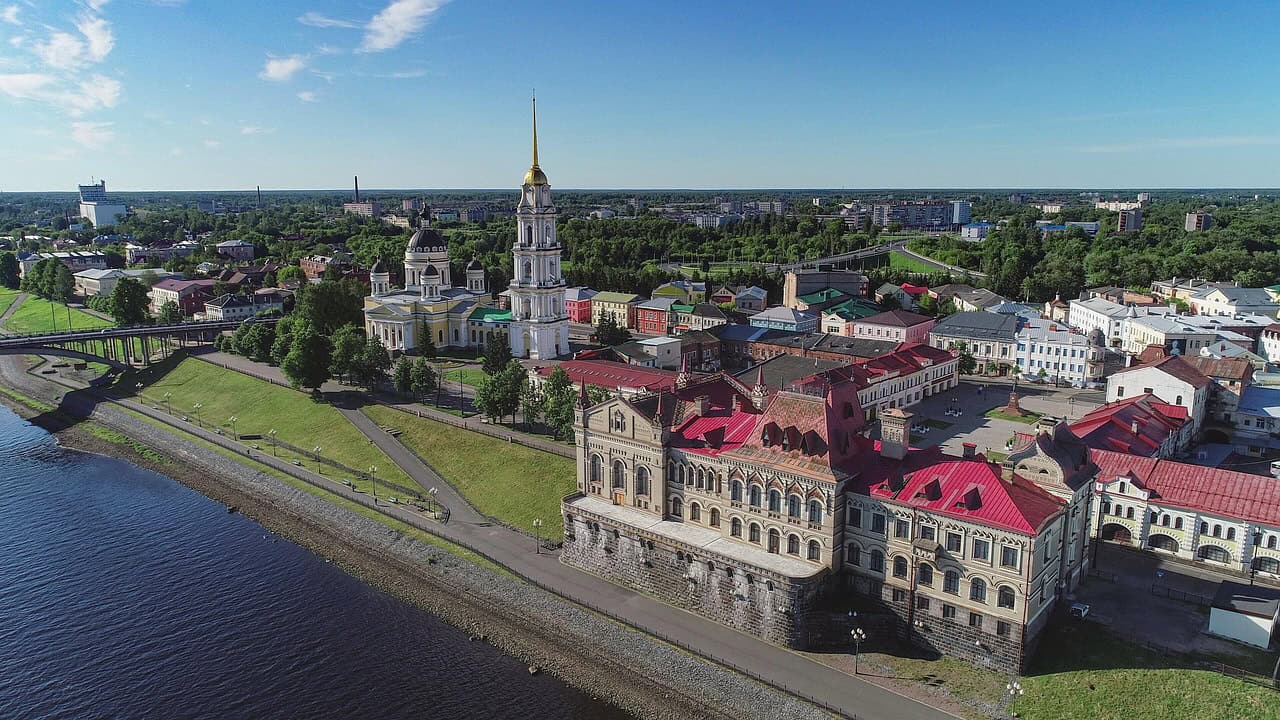
Russia’s political environment has become increasingly unforgiving toward foreign travelers. Since 2022, visa rules and exit policies have shifted repeatedly. Laws against criticizing the government or military carry penalties of up to 15 years in prison. Foreigners have been detained for minor issues, including paperwork errors and old social media posts. Moscow alone operates an estimated 200,000 surveillance cameras using facial recognition. Border questioning can be detailed, and phones are sometimes examined. Although violent crime rates sit near 1,500 incidents per 100,000 people, uncertainty around enforcement means curiosity can easily be misread as political intent.
3. Iran
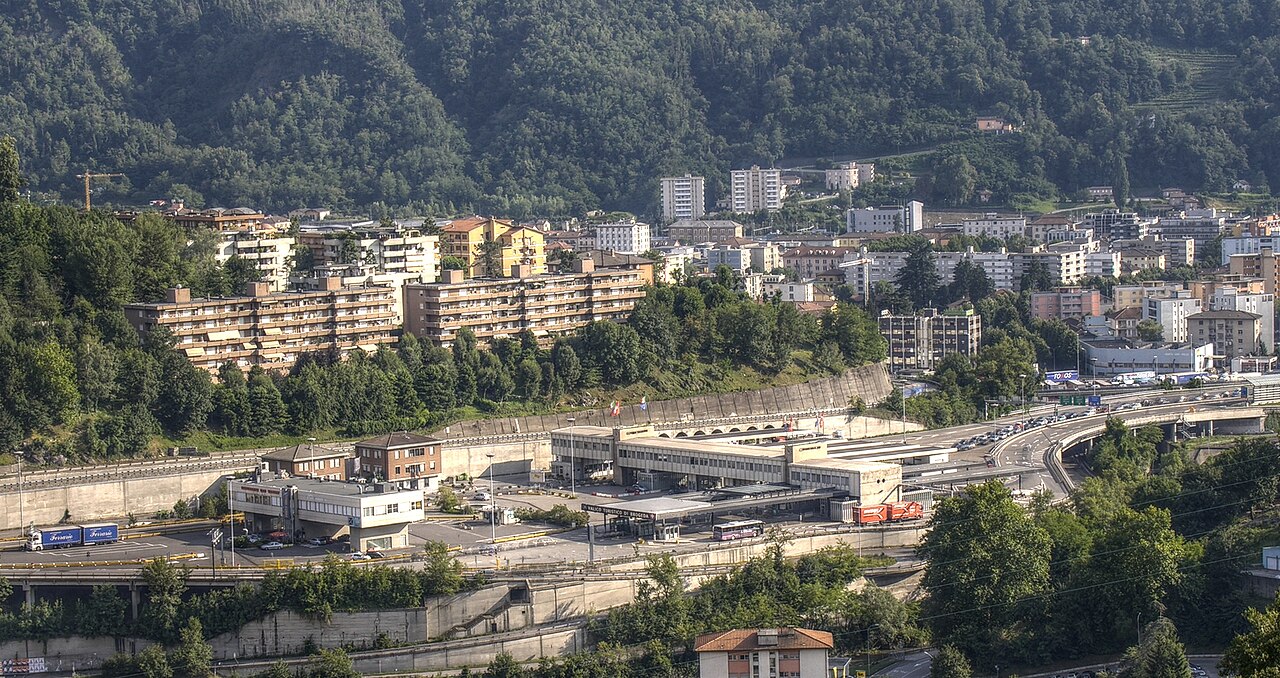
Iran’s historic sites and hospitality exist alongside heavy political oversight. The country ranks among the world’s most restricted for internet access, with thousands of websites blocked and frequent nationwide shutdowns. Since 2010, dozens of foreign and dual-national visitors have been detained on vague security charges. Photography near official buildings, academic-style questions, or contact with activists may raise suspicion. Inflation above 40 percent has fueled periodic protests, causing sudden closures and transport delays. Violent street crime is relatively uncommon, but the political system itself presents the main risk, as legal processes lack transparency and consular support can be limited.
4. China (Mainland)
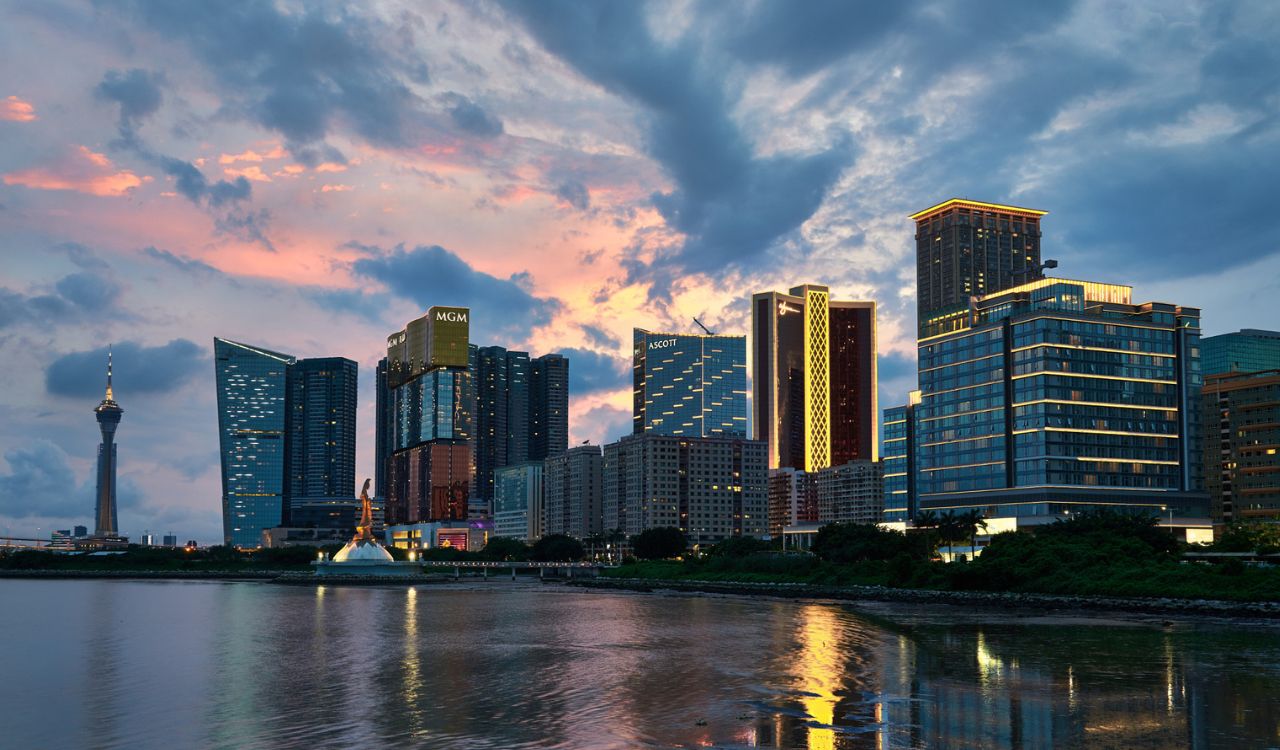
Mainland China combines modern efficiency with strict political boundaries. Topics involving Taiwan, Tibet, Xinjiang, or party leadership are closely monitored. The country operates an estimated 600 million surveillance cameras nationwide. Over 10,000 foreign websites are blocked, and unauthorized VPN use may result in fines or questioning. Foreign visitors must register their residence within 24 hours, and police checks are routine. Violent crime remains low, under 600 incidents per 100,000 people, but political compliance is absolute. Airport interviews may include questions about work, religion, and travel history, making invisible lines the biggest challenge.
5. Venezuela
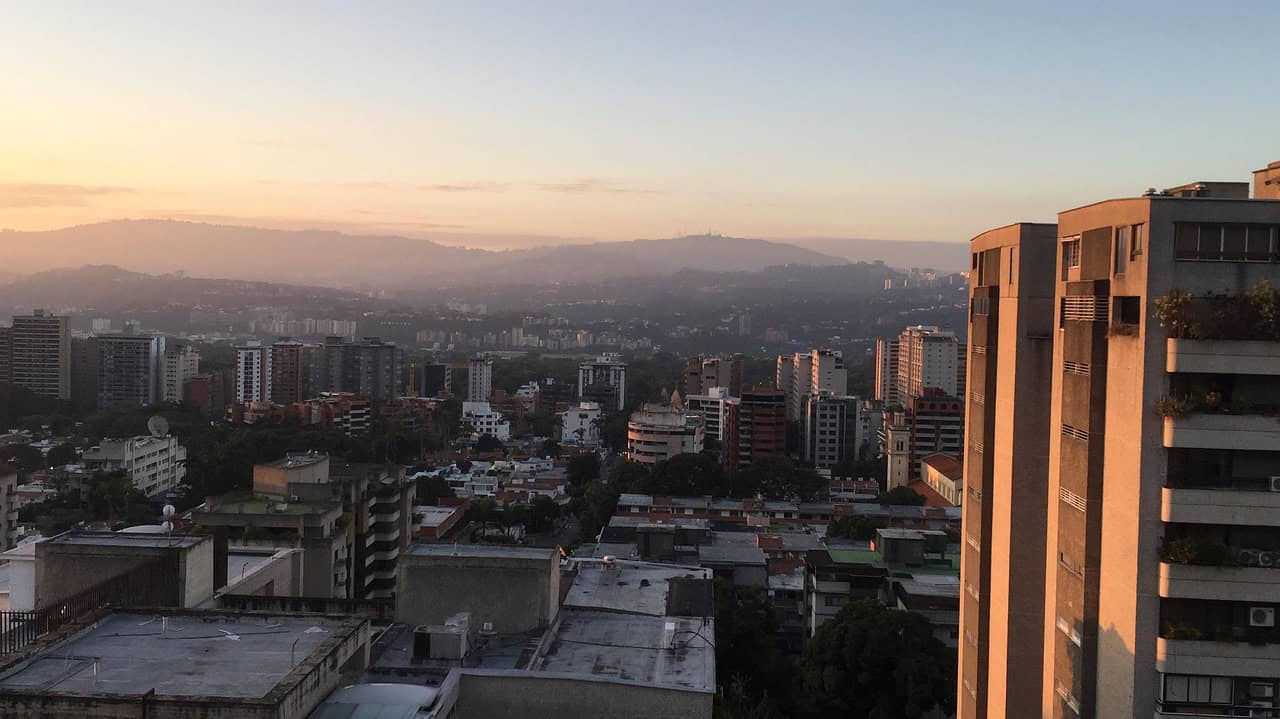
Venezuela’s political crisis directly shapes daily travel. Inflation has exceeded 100 percent in recent years, leading to shortages of fuel, cash, and food. Protests erupt with little warning, often blocking roads in major cities. Since 2018, several foreigners have been detained on espionage accusations. Police and military checkpoints are common, and informal payments are frequently expected. Power outages affecting millions can last days, disrupting transport and communication. Independent estimates place violent crime above 4,000 incidents per 100,000 residents. Even simple travel plans become complex when instability controls access, services, and personal safety.
6. North Korea
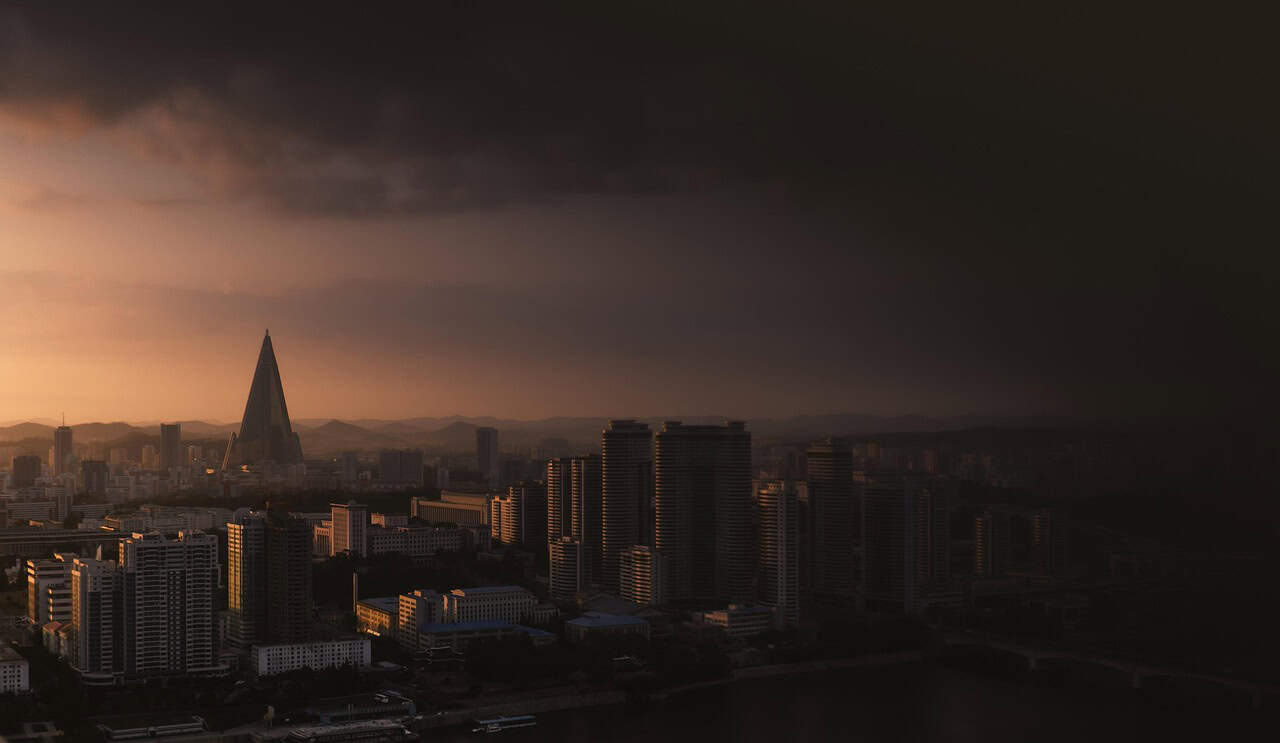
North Korea offers the most controlled travel experience in the world. All visitors are accompanied by state guides, and independent movement is forbidden. The country ranks last globally for press freedom and internet access, with fewer than 1 percent of citizens connected online. Photography rules are strict, and conversations are monitored. Since 1990, multiple foreign travelers have been detained for actions later deemed disrespectful to political symbols. Violent crime against tourists is virtually nonexistent, but consequences are severe. Any mistake becomes a diplomatic issue rather than a personal one, leaving no margin for misunderstanding.
7. Turkey
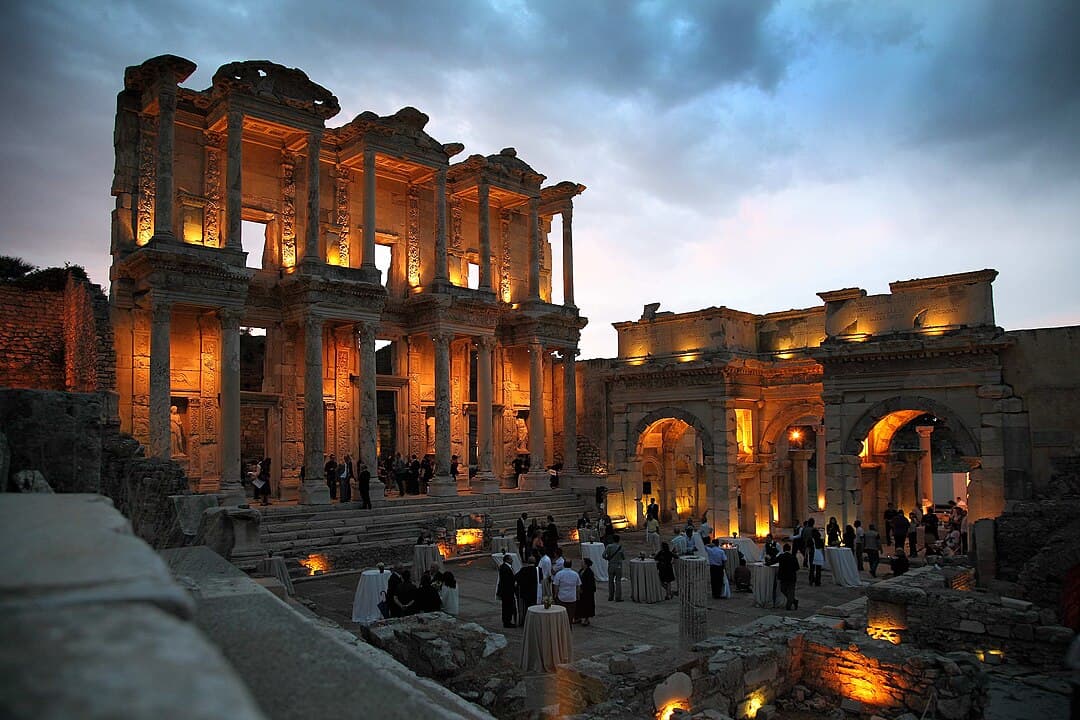
Turkey’s lively culture exists alongside sharp political sensitivities. Since 2016, more than 80,000 people have been arrested on charges linked to dissent or terrorism. Laws against insulting the president have led to thousands of prosecutions, including cases involving tourists. Old social media posts have triggered questioning at airports. Demonstrations are tightly controlled, and journalists and photographers face added scrutiny. Security forces are highly visible in cities and border areas. With crime rates near 1,300 incidents per 100,000 people, physical safety is manageable, but political speech can quickly cross legal boundaries.
8. Israel and the Palestinian Territories
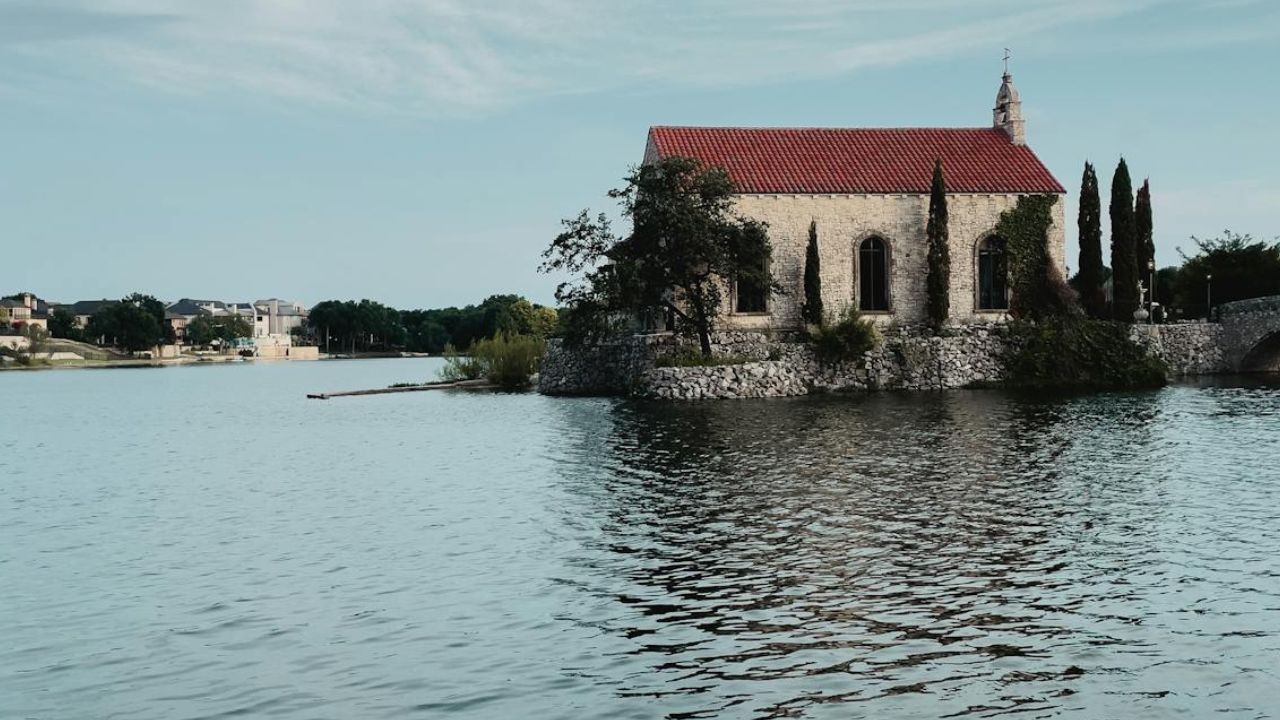
This region’s political complexity directly affects travel experiences. Israel conducts some of the world’s most detailed border screenings, with interviews lasting several hours not uncommon. Entry denials affect thousands of visitors annually, often based on travel history or perceived political views. Movement between Israel, the West Bank, and Gaza involves checkpoints, permits, and sudden closures. Protests and security operations can escalate quickly, especially during periods of heightened tension. Rocket alerts and military activity, while localized, remain a reality. Violent crime rates are relatively low, under 1,000 incidents per 100,000 people, but political exposure is constant. Neutrality is difficult to maintain when geography itself is politically charged.
9. Egypt
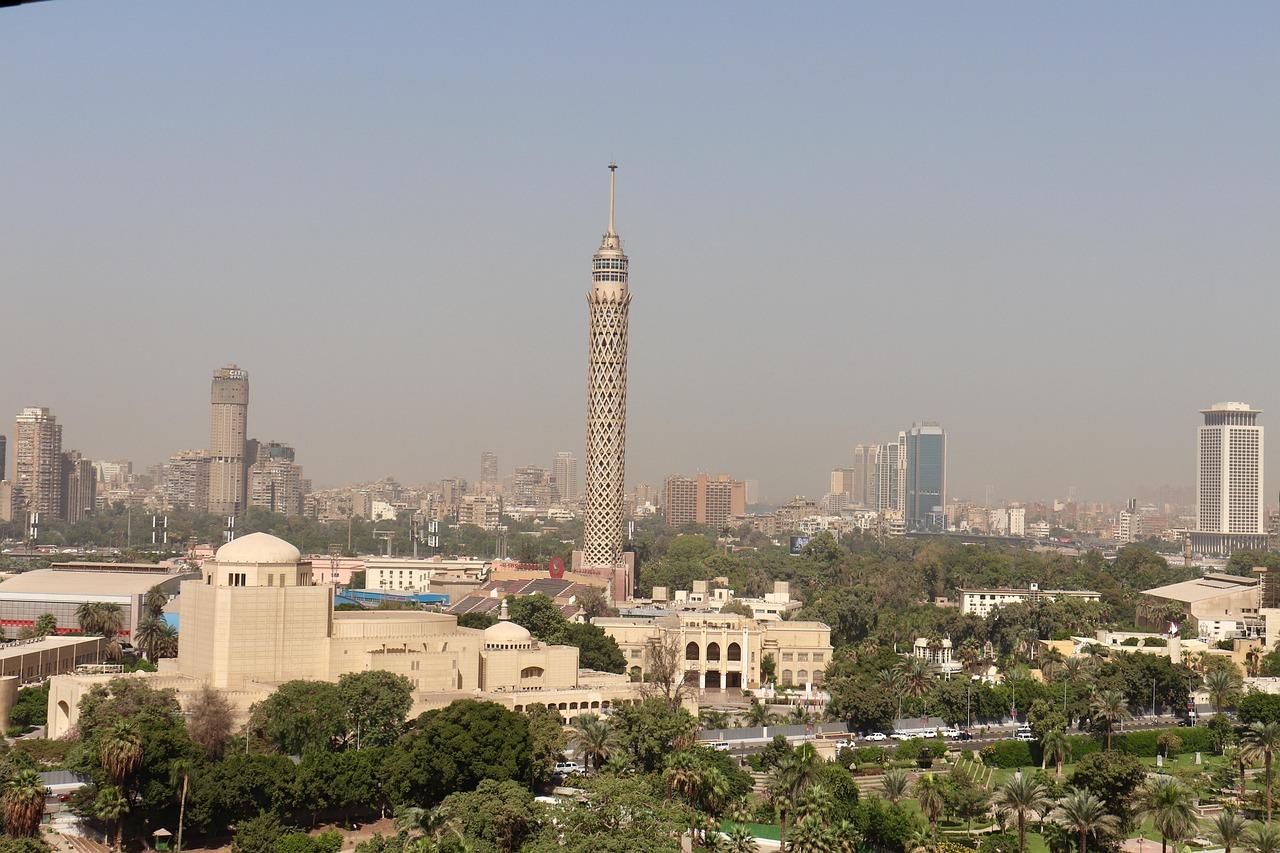
Egypt’s tourism image contrasts with its strict political environment. Since 2013, protest laws have effectively banned public demonstrations without approval, leading to thousands of arrests. Photographing police, military sites, or even infrastructure like bridges can result in detention. Foreign researchers and journalists have faced questioning for interviews or note-taking. Internet monitoring is extensive, with hundreds of websites blocked. Economic pressures, including inflation above 30 percent, periodically trigger unrest and increased security checks. While violent crime against tourists is uncommon and rates stay below 800 incidents per 100,000 residents, political missteps carry serious consequences. Many visitors only realize the boundaries after unknowingly approaching them.
10. Myanmar
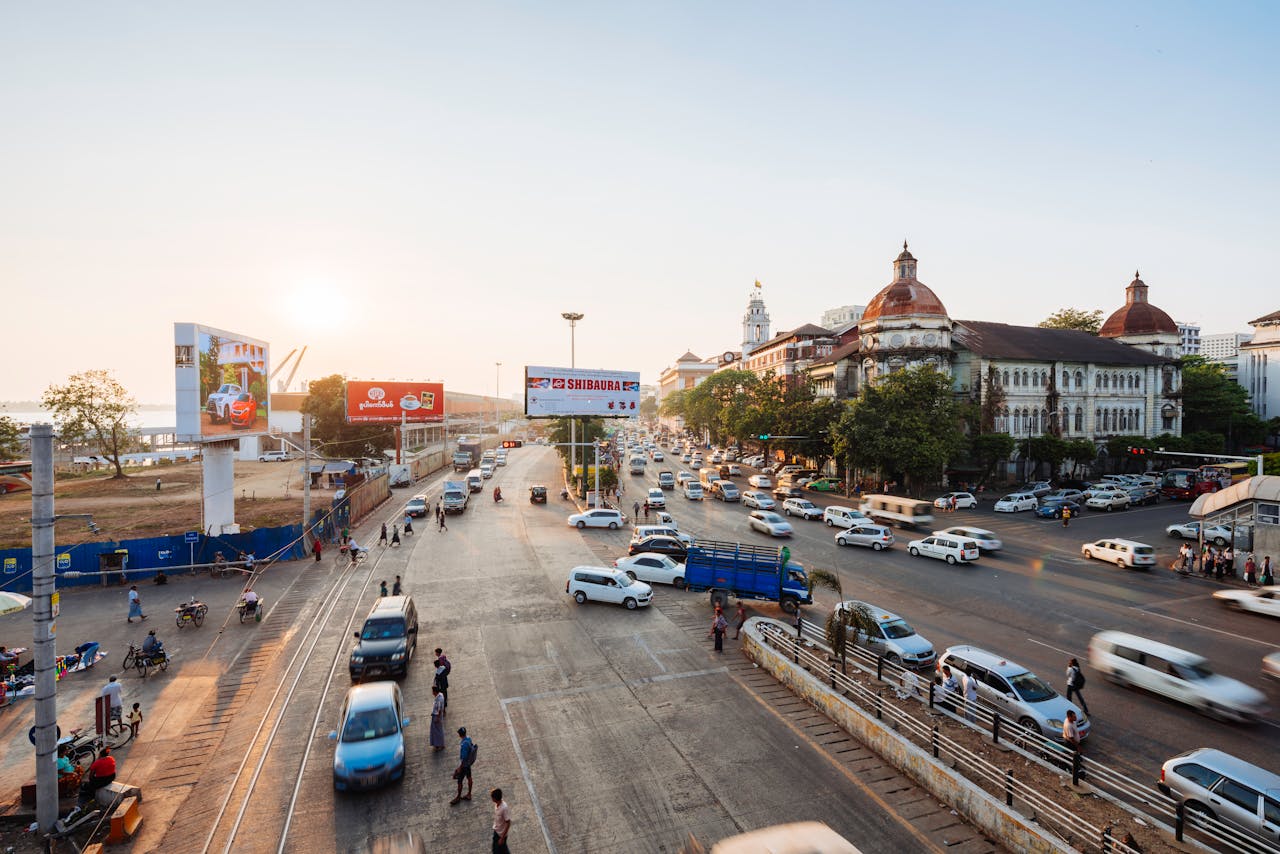
Myanmar’s ongoing conflict has reshaped travel across the country. Since the 2021 military takeover, thousands of civilians have been detained, and entire regions are under martial law. Curfews, checkpoints, and sudden internet shutdowns affect daily movement. Foreigners traveling outside major cities may encounter restricted zones without clear signage. Flights and trains are frequently canceled due to security concerns. Independent estimates suggest armed incidents number in the thousands annually, though data is fragmented. While tourist landmarks still operate in limited areas, political instability dominates logistics and safety planning. What begins as cultural exploration can quickly become constrained by decisions far beyond a traveler’s control.