We may earn money or products from the companies mentioned in this post. This means if you click on the link and purchase the item, I will receive a small commission at no extra cost to you ... you're just helping re-supply our family's travel fund.
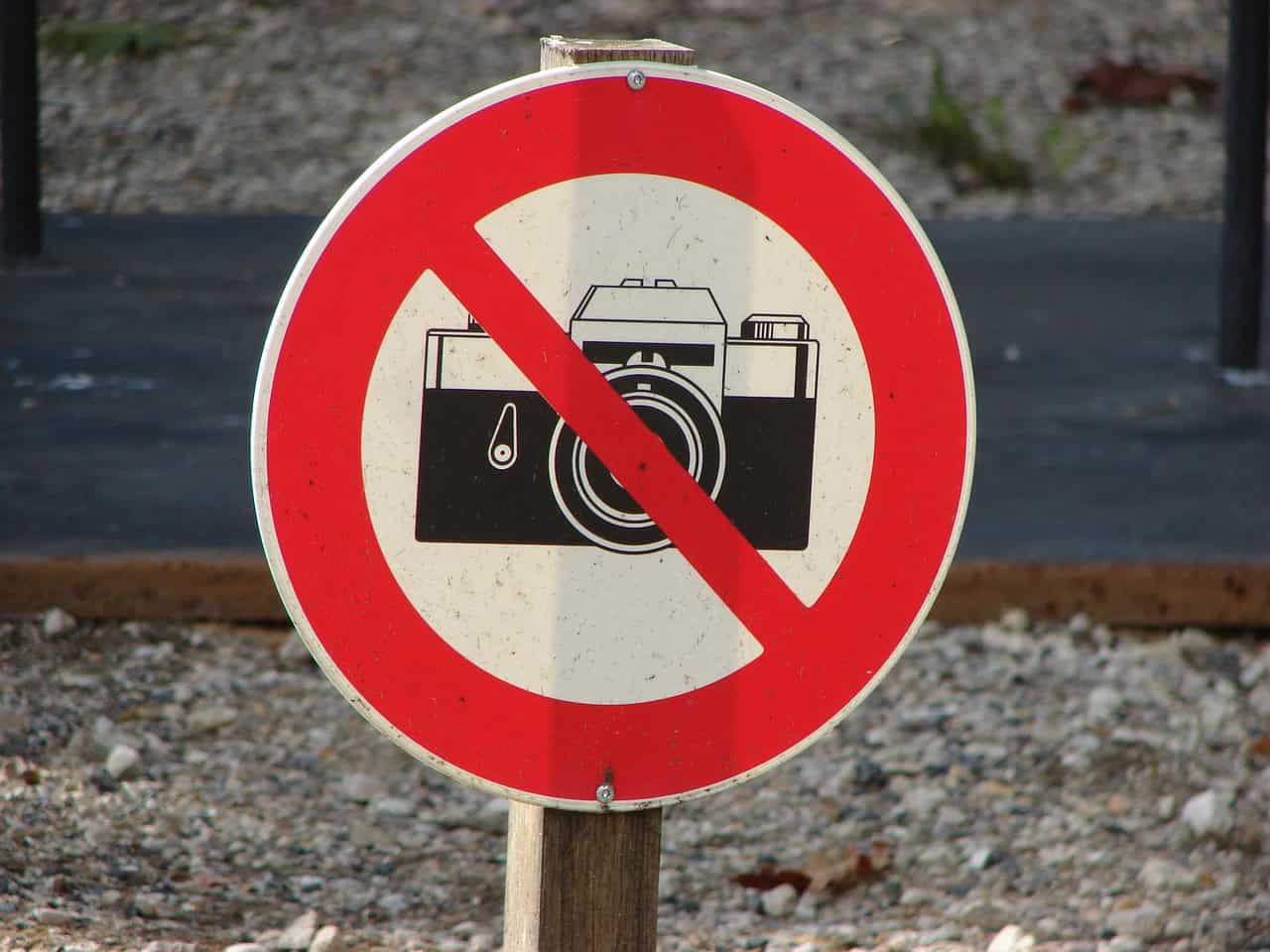
Camera culture sped up faster than custodians could adapt. A quiet snapshot once felt harmless, but mass sharing changed the stakes for fragile art, sacred spaces, and public safety. In 2026, more sites are drawing sharper lines, not to spoil anyone’s day, but to protect what can’t be replaced: pigments that fade, rituals that lose meaning when performed for lenses, and environments that break under crowd behavior. The message is consistent across very different settings. Look longer, move gently, and let memory do some of the work.
Sistine Chapel, Vatican City
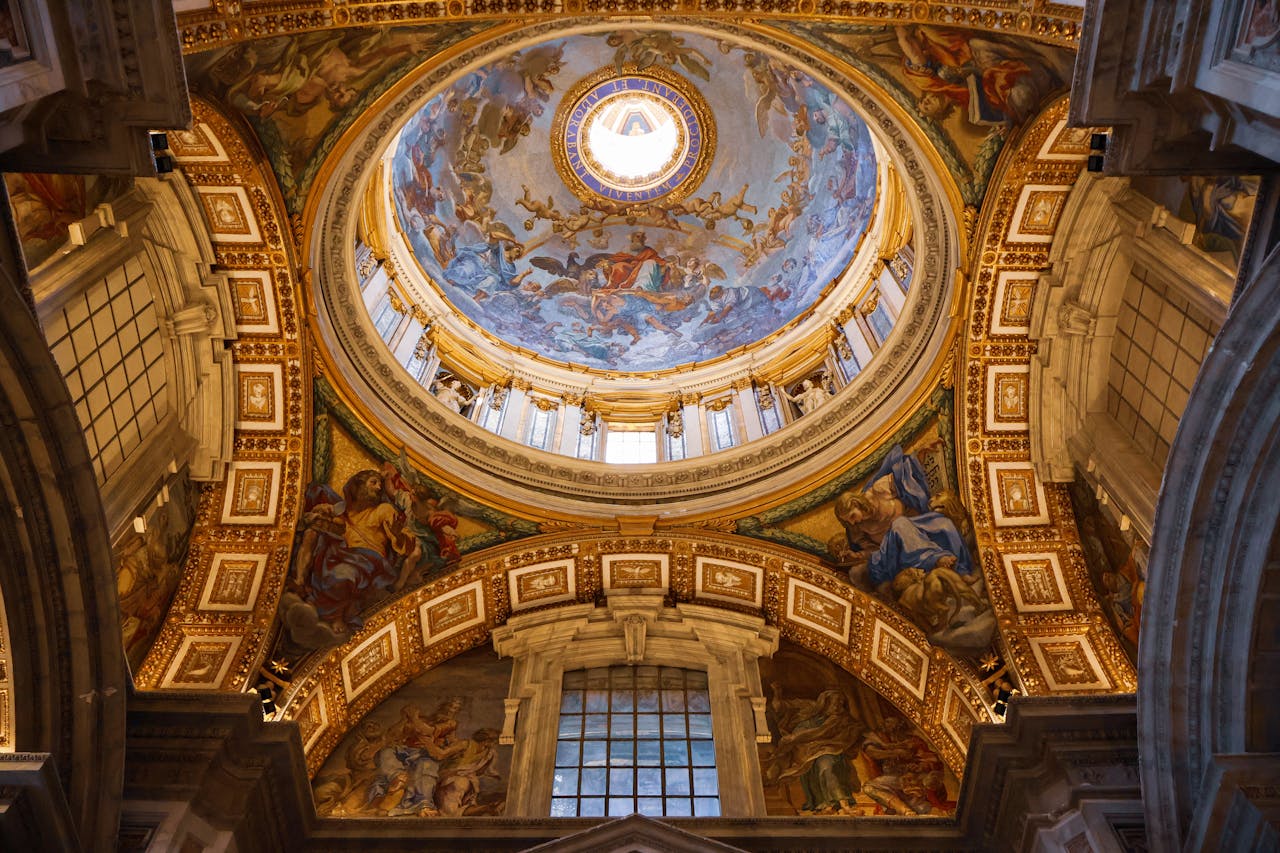
The Sistine Chapel has long discouraged photography, but enforcement now feels immediate and unmistakable. Guards step in the moment phones angle upward, keeping attention on the ceiling rather than on screens held overhead. The ban reduces disruption, discourages flashes, and helps maintain a steady flow through a room where congestion can spike fast. It also protects the atmosphere, since silence and movement matter more here than proving the moment happened.
Tomb of the Unknown Soldier, Arlington

At Arlington, camera limits are about solemnity more than conservation, and staff treat the boundary as part of the ritual. Visitors may be reminded to stop filming the ceremonial guard, especially when recording turns into hovering or crowding. The point is to protect the mood of reflection and keep the ceremony from feeling like a performance for an audience. In a space built to honor service and loss, restraint is considered a form of respect.At Arlington, camera limits reflect solemnity rather than preservation. The Tomb of the Unknown Soldier receives heightened oversight, with staff reminding visitors to stop filming ceremonial guards. The request honors a space built for reflection, avoiding distractions that turn ritual into spectacle.
Red Light District Windows, Amsterdam
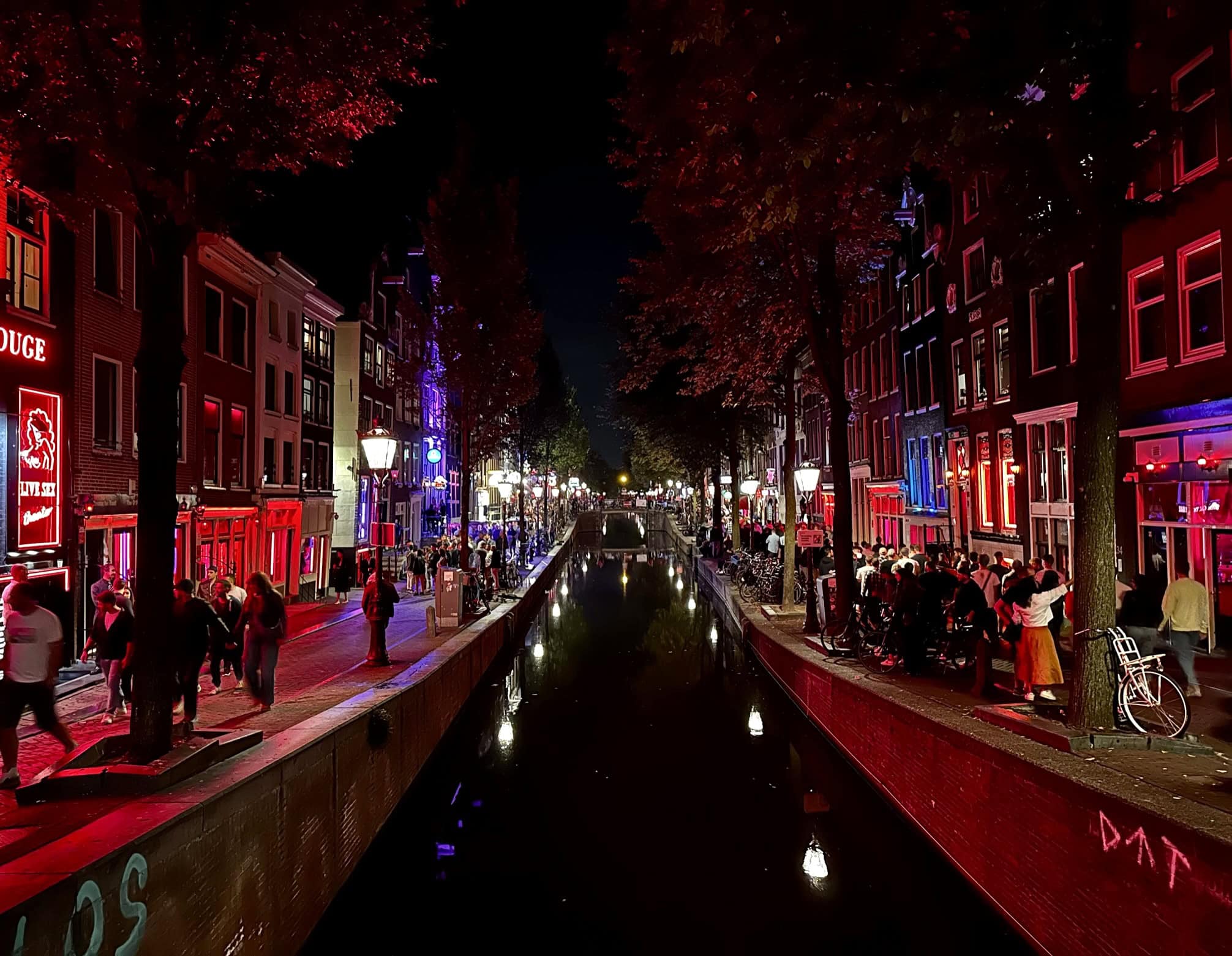
Amsterdam enforces strict bans on photographing sex-work windows, and the rule is framed as safety and consent, not aesthetics. Signs make the boundary clear, and police presence reinforces that “just a photo” can become permanent exposure. Advocates argue the ban protects workers from harassment, doxxing, and voyeuristic behavior that turns real people into souvenirs. The enforcement changes the tone of the street, pushing it away from spectacle and toward basic dignity.
Mezquita-Cathedral Prayer Zones, Córdoba

In Córdoba, tighter restrictions appear most in areas used for active worship, where cameras can pull energy out of the room. Staff may pause visitors until phones are lowered, especially in narrow aisles where filming creates bottlenecks and noise. The goal is balance: admiration for architecture without turning prayer into background content. The rule also reduces crowding in sensitive zones, which helps protect both the experience and the flow.
Great Barrier Reef, Protected Research Sites

Some reef restoration zones are limiting drones and underwater filming because images can act like a treasure map. When nursery locations spread online, unauthorized dives follow, and even careful fins can damage fragile structures. Rangers and researchers describe the restrictions as a buffer for recovery work, giving reefs space to heal without extra traffic. The ban is less about secrecy than about keeping curiosity from becoming pressure on a living project.
Uluru Sacred Sections, Northern Territory

Uluru’s custodians enforce stronger photo boundaries in sections tied to cultural stories that are not meant for broad circulation. Guides explain that certain images are not simply “views,” but knowledge held with responsibility, and not everything is offered for capture. Visitors can still take wide landscape shots, but marked areas remain off-limits to honor Indigenous authority. The rule makes a clear point: access does not automatically include permission.
Crown Jewels Gallery, Tower of London
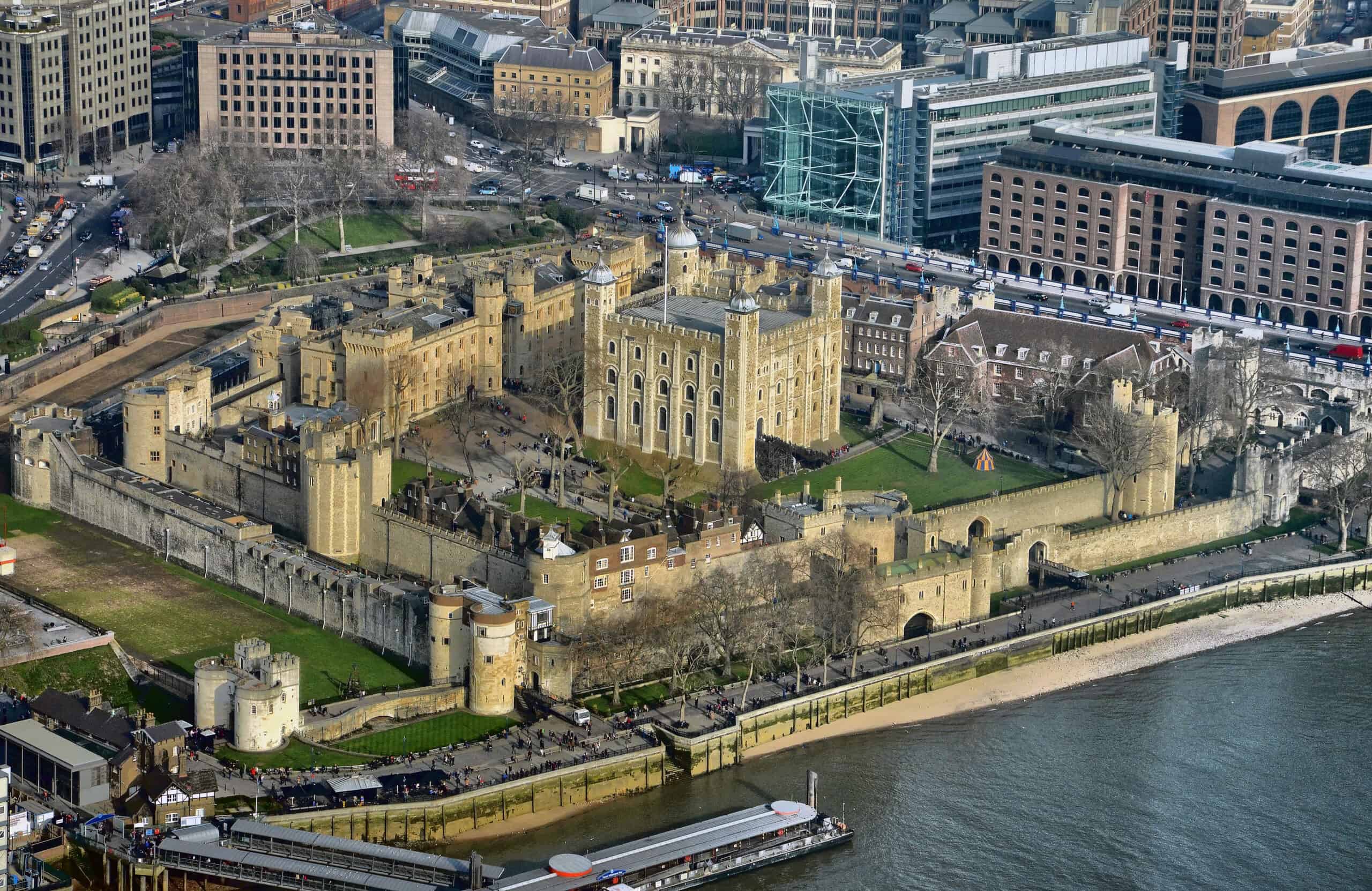
The Tower of London bans photography near the Crown Jewels, and attendants now enforce it with less hesitation during heavy crowd periods. Security is one reason, but crowd management is another, since staged photos slow the line and trigger clogs in tight corridors. The display is built for continuous movement, not lingering, and phones tend to turn a short viewing into a traffic jam. The restriction keeps people moving while protecting a high-risk exhibit.
Holocaust Memorial Museums, Multiple Cities
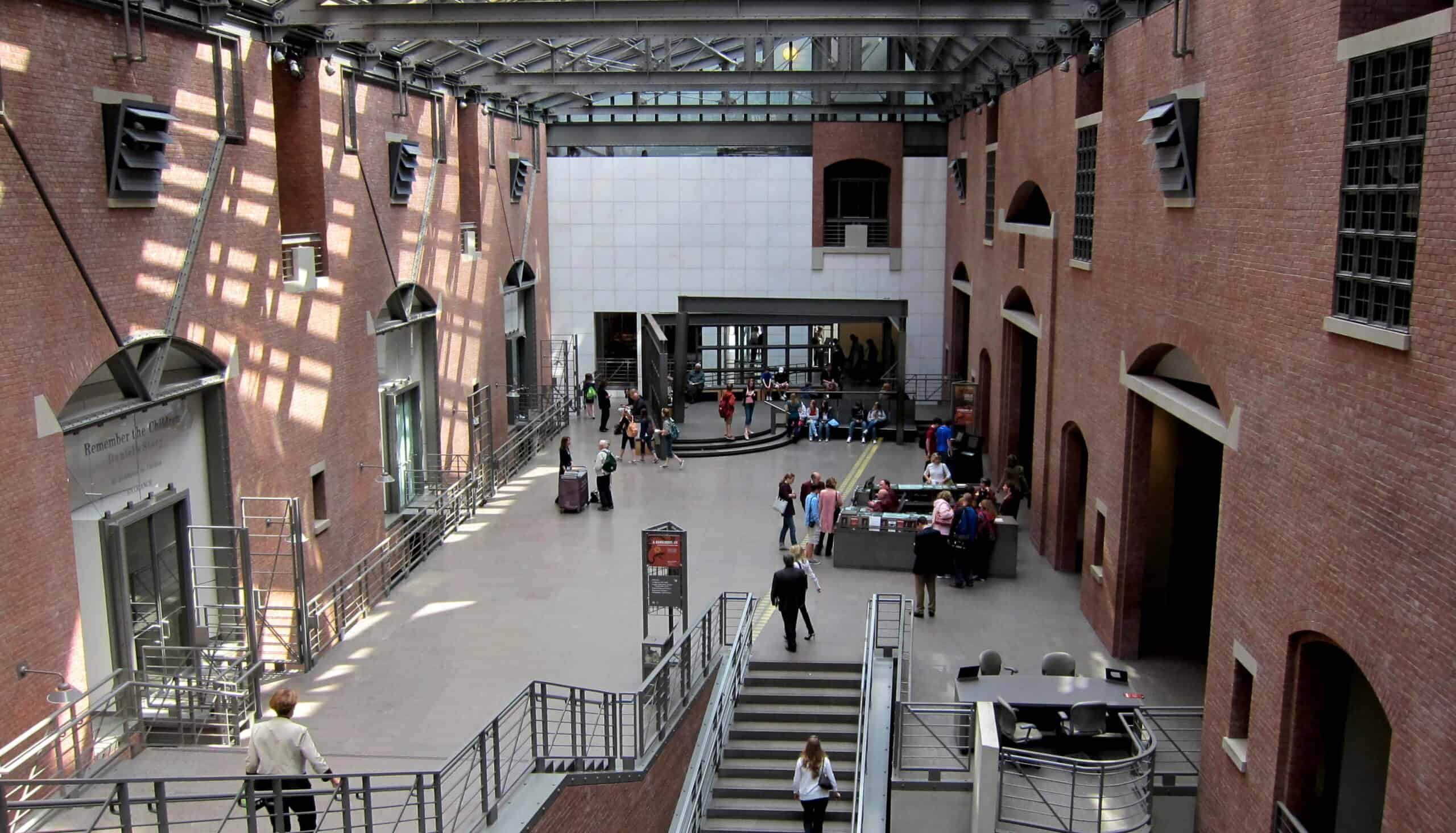
Many Holocaust memorial institutions restrict photography in galleries that hold survivor testimony and emotionally intense exhibits. Curators have argued that casual posting can flatten the experience into aesthetic content, separating images from context and dignity. The rule helps keep attention on learning and reflection, while limiting behavior that can feel intrusive to both survivors and other visitors. These spaces often permit respectful photos in specific areas, but not where the story demands quiet.
Chase Scenes at National Parks, United States
Rangers have become more direct about stopping filming when crowds push too close to wildlife for dramatic footage. The problem is not the camera itself, but the behavior it can trigger: inching forward, blocking roads, and stressing animals that need space. During tense moments, staff may prioritize distance and dispersal over any attempt to capture the scene. The rule is essentially a safety boundary, protecting people and wildlife from a situation made worse by attention.
Luxury Fashion Houses, Paris and Milan
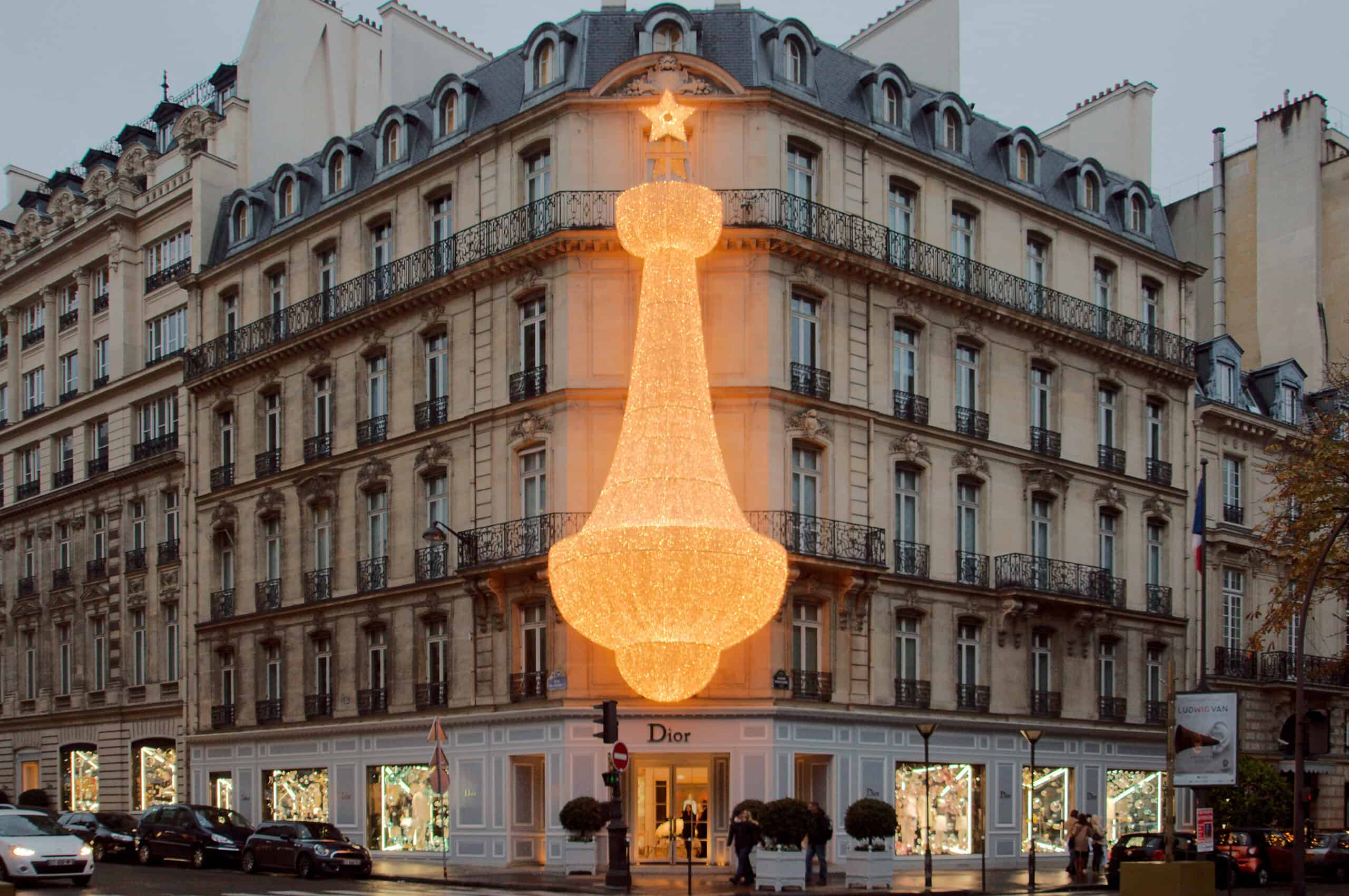
Some flagship boutiques limit in-store photography to protect design details, seasonal displays, and client privacy. Staff may redirect phones near new releases or heavily staged areas, especially when filming starts to look like product scouting. The restriction also protects the mood, since luxury retail is built on controlled presentation, not open documentation. In crowded stores, limiting cameras reduces congestion and keeps shoppers from turning aisles into impromptu studios.