We may earn money or products from the companies mentioned in this post. This means if you click on the link and purchase the item, I will receive a small commission at no extra cost to you ... you're just helping re-supply our family's travel fund.

Not long ago, certain trips felt almost casual: a discount flight, a simple room, and a bill that did not hijack the next month of living. Those same places now sit inside algorithms, tourist taxes, and viral fame. Travelers compare old receipts with current totals and feel the ground shift under their favorite memories. The scenery has not changed much, but the math has, and the quiet sense of being welcomed on almost any budget is harder to find with every passing season.
Walt Disney World, Florida
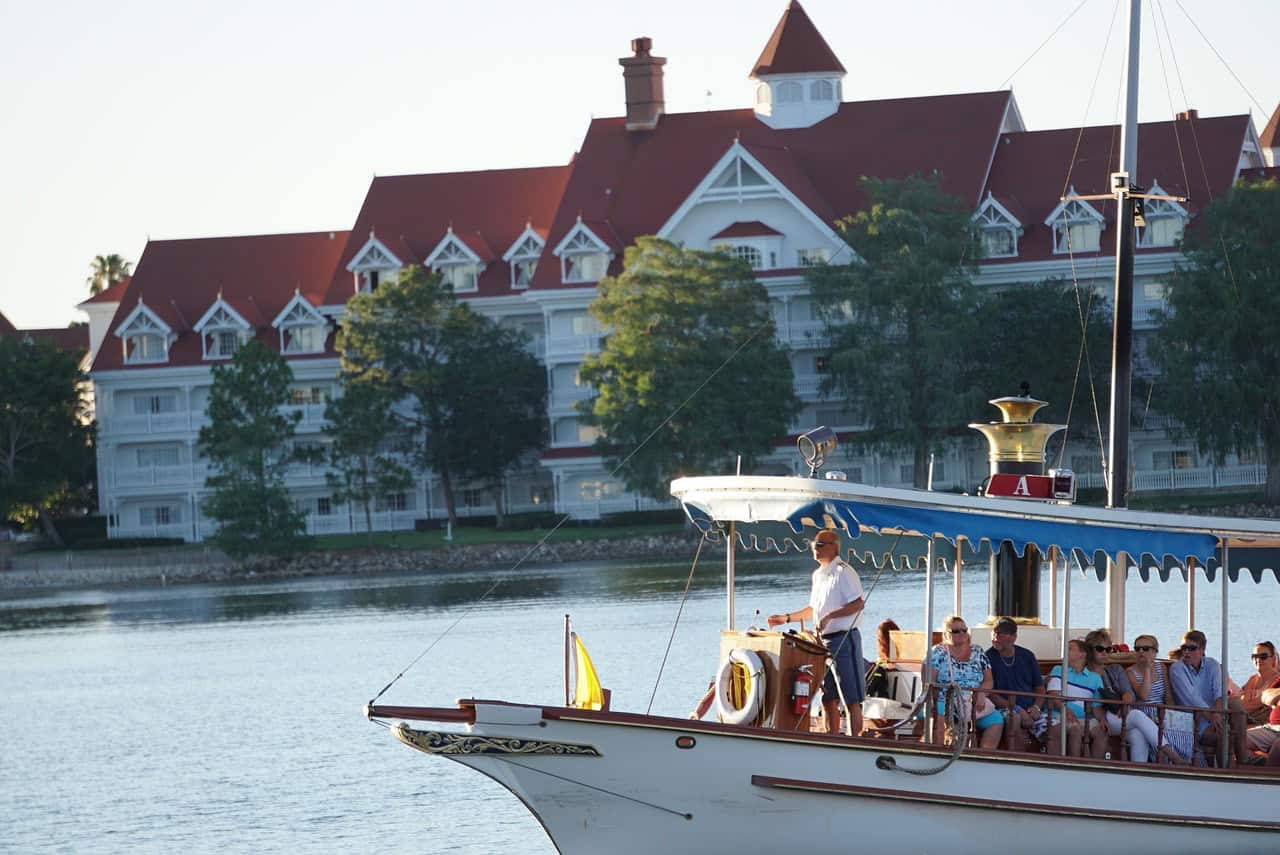
For years, Walt Disney World sold itself as the classic family splurge that still felt reachable with coupons, off season dates, and a packed snack bag. Now headline ticket prices soar, paid line skipping and parking stack on top, and even a quick counter service meal can sting. Many parents who grew up on yearly visits talk about spreadsheets and payment plans, wondering when a bright childhood ritual turned into something that feels more like a high end theme park hostage situation. Many now shorten trips or skip extras to stay sane. The escape that once stretched a budget now snaps it clean.
Venice’s Historic Center, Italy
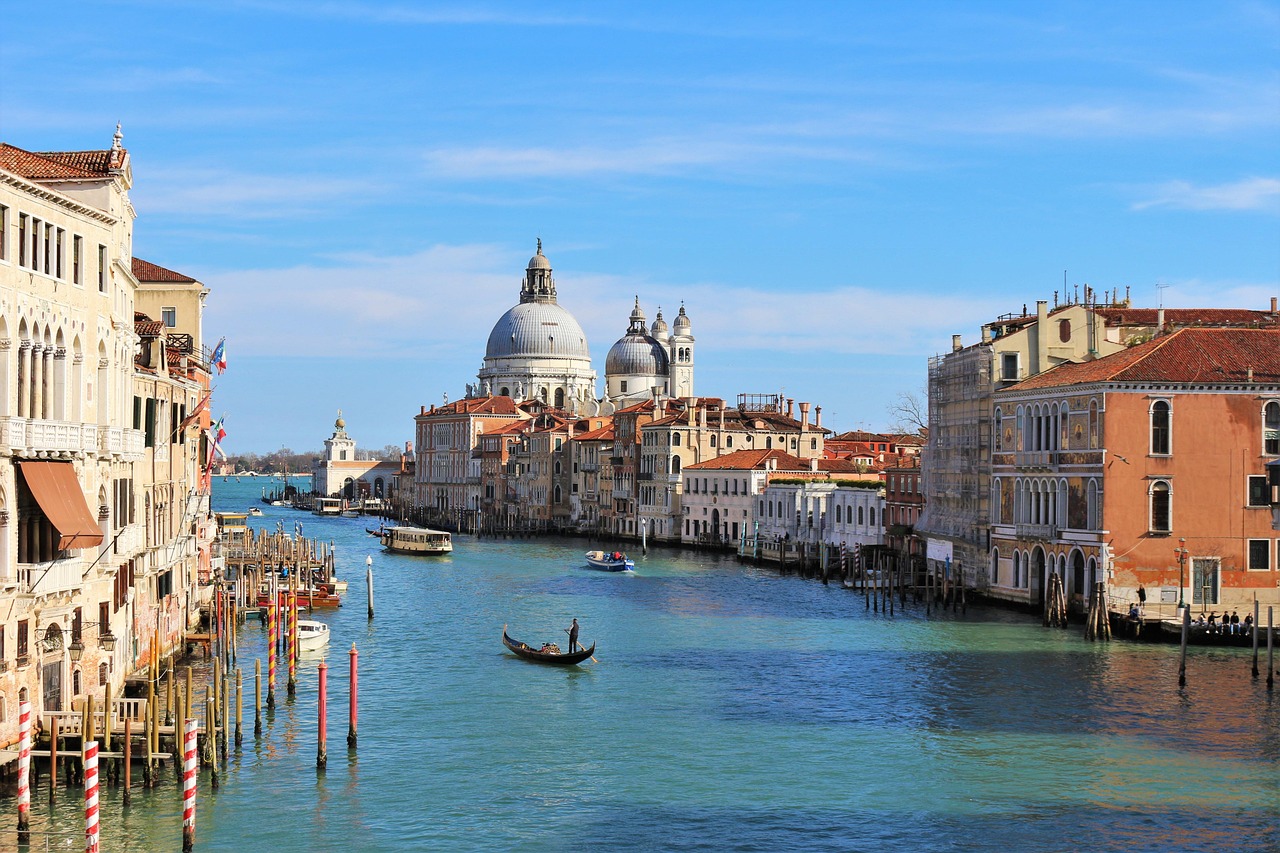
Venice used to reward patient wanderers who stayed in modest rooms, dodged the main squares, and nursed a cheap spritz by the canal. Today the visit starts with entrance rules, a day trip fee on busy dates, and hotel taxes that pile quietly onto already steep rates. Cafes near Saint Mark and the Rialto often post prices that seem aimed at cruise ship wallets. Locals debate how to slow the crowds while travelers do their own math and question whether romance just became a curated luxury showroom. The canals, fog, and bells still feel timeless at dawn, yet the amount required just to stand there keeps climbing in small, relentless steps. Even off season, the total often shocks travelers who remember bargains.
Tulum’s Beachfront Strip, Mexico
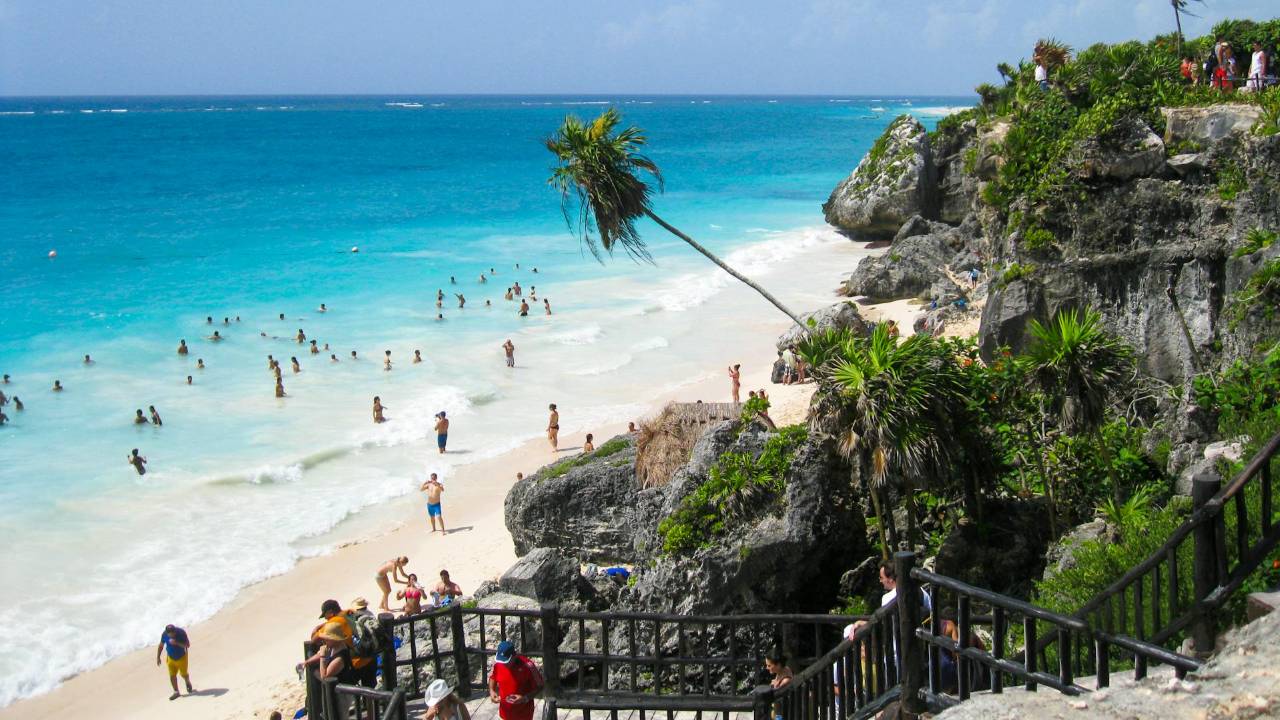
Tulum once floated on a gentle mix of hammocks, flickering power, and little taco stands that stayed open late for sandy feet. Those same beaches now host designer hotels, rigid day pass minimums, and wellness retreats priced like private islands. Drinks, bikes, and simple plates of food carry markups that surprise even big city travelers. Behind the curated boho photos sits real tension over land, infrastructure, and cost, and the place that once felt like a hidden break now reads as a carefully marketed fantasy for strangers. Regulars who knew it before the boom describe a strange split between their memory of soft chaos and the polished version built for photos.
Bali’s Canggu And Seminyak, Indonesia
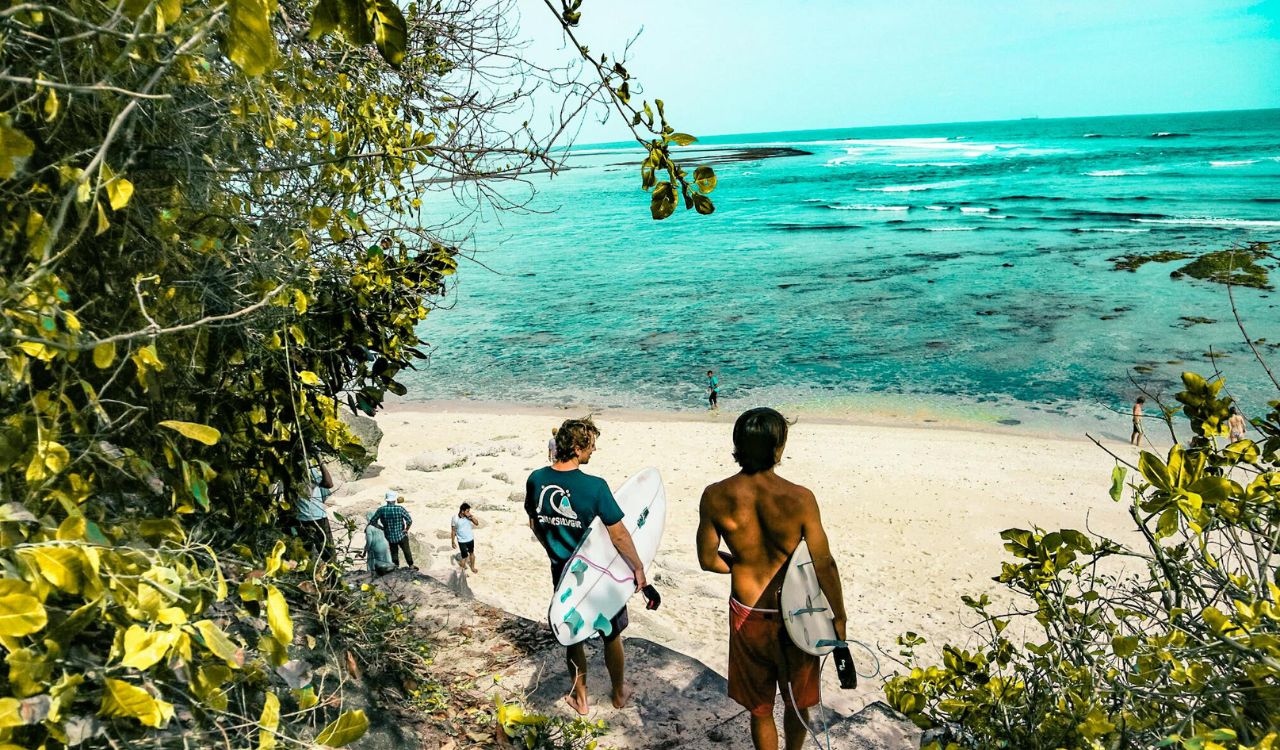
Canggu and Seminyak were once shorthand for long stays on a slim budget, with homestays, simple warungs, and scooters rented for the price of a pastry back home. Then came waves of digital nomads, content creators, and villa investors. Trendy cafes sell smoothie bowls at international prices, and monthly rents follow foreign salaries, not local wages. A new tourist levy adds another small but noticeable layer. The sunsets still glow across black sand, yet the casual, slightly scruffy Bali experiment now feels tightly packaged, branded, and carefully priced. The gap between visitor budgets and local reality keeps widening.
Lisbon’s Old Town Hills, Portugal
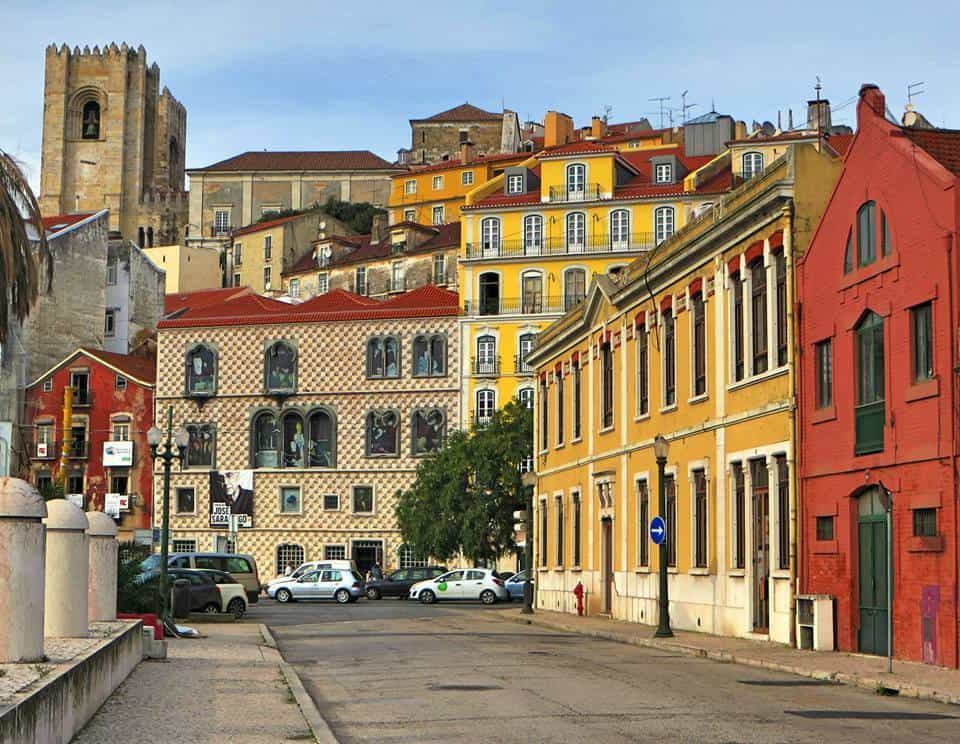
Lisbon used to be the quiet tip whispered between friends who loved tiled staircases, sardines, and soulful music at prices that felt forgiving. Over the last decade, cheap flights, remote workers, and a boom in short term rentals reshaped whole hillsides. Longtime tenants watched rents leap while central apartments turned into rotating holiday stock. Visitors arrive expecting a bargain city break and encounter hotel rates and restaurant bills that match larger capitals, along with the nagging sense that someone, somewhere, is being pushed out of their own neighborhood. Charm remains, just paired with price tags that bite harder.
Barcelona’s La Rambla And Beaches, Spain
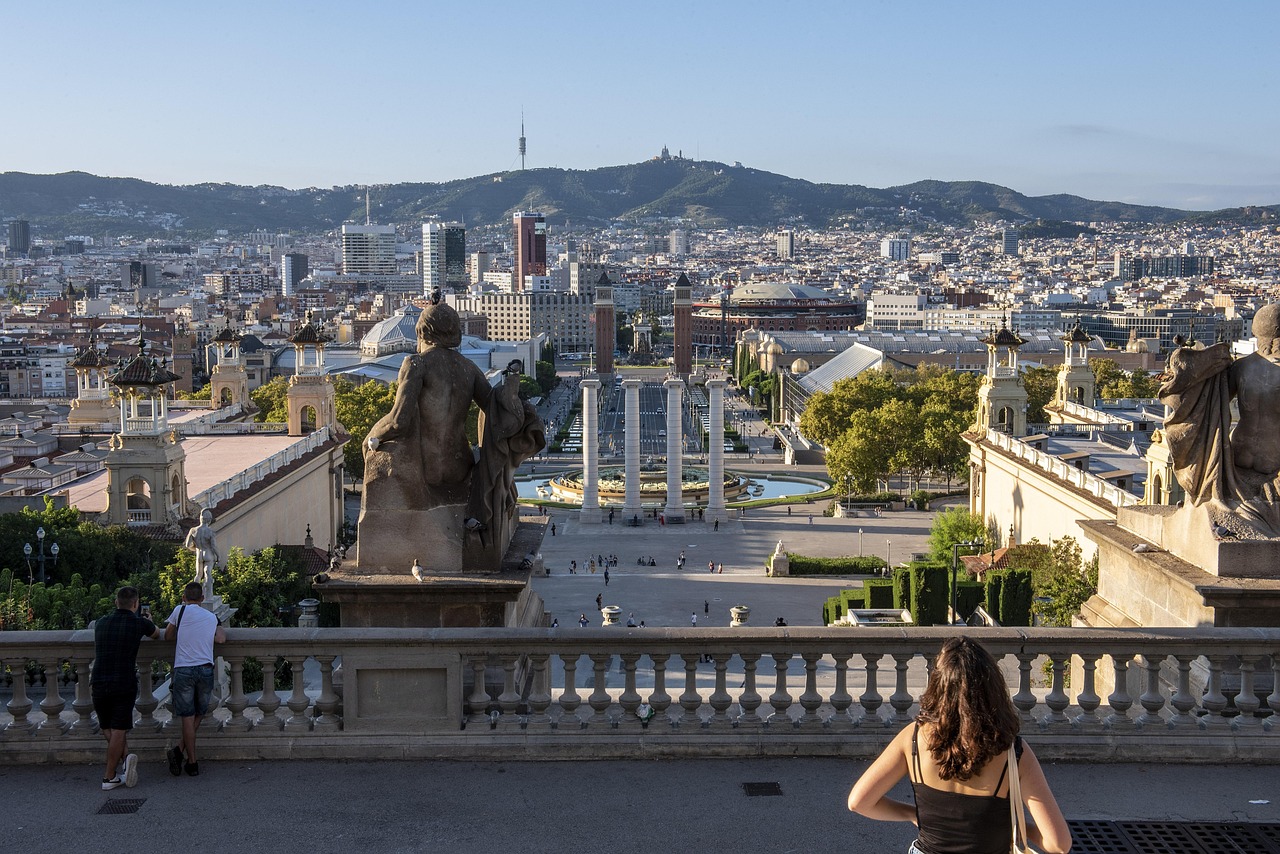
La Rambla once mixed buskers, flower stalls, and tourist menus that were at least predictably cheap, even if the food was forgettable. Now hotel prices and nightly taxes pull the city toward the higher end, and beachfront bars compete to see who can treat one drink like an event. Locals push back against rowdy behavior, cruise crowds, and the churn of short stays that help pressure housing. Travelers stroll the promenade and still feel the energy, but many leave wondering whether they paid festival prices for a weekday walk by the sea. Energy is high, but so is the quiet drain on wallets.
Santorini And Mykonos, Greece
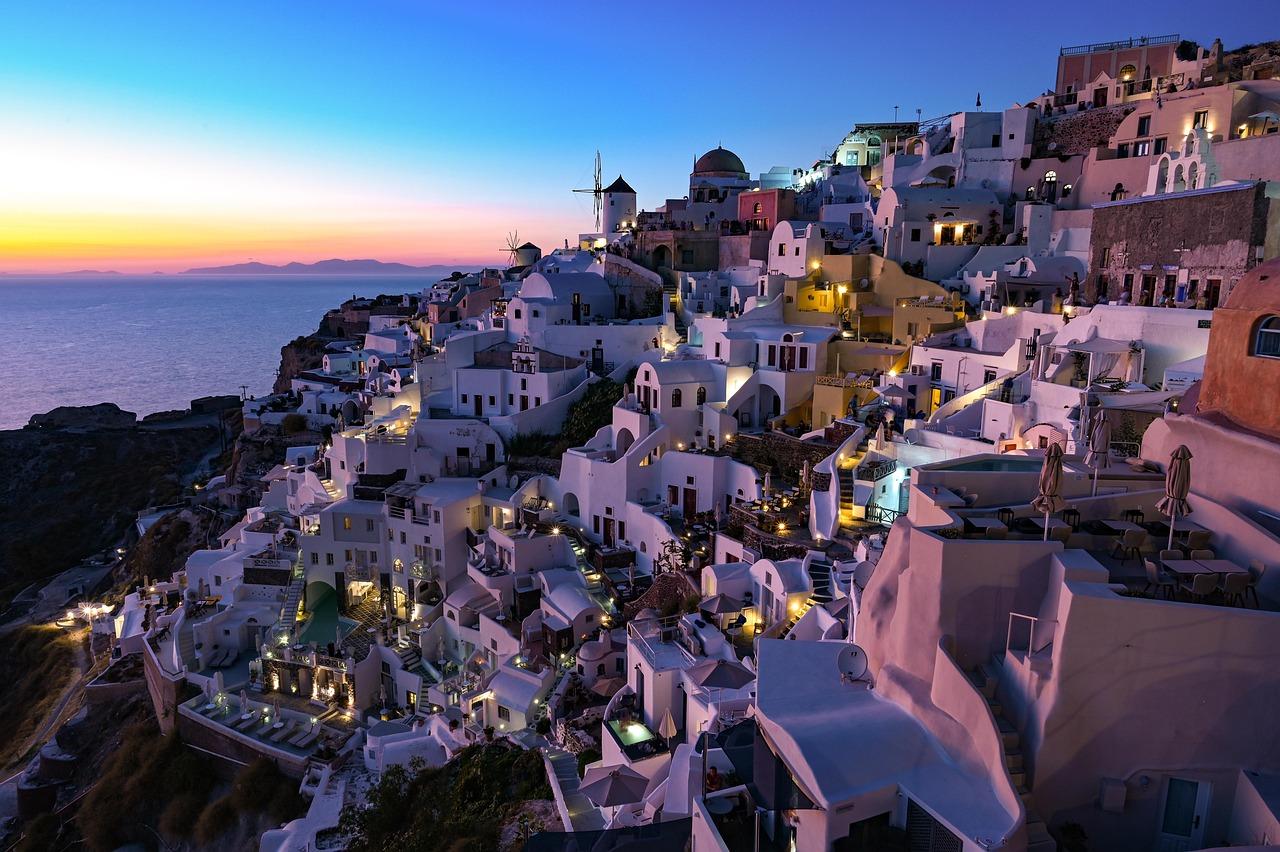
Santorini and Mykonos used to be rite of passage islands, places reached by long ferries, shared rooms, and late night gyros on stone steps. Today they feature cliffside suites, table minimums, and beach clubs with spend requirements that rival major cities. Greece has layered on new hotel charges tied to climate resilience and tourism impact, and those fees land on top of already steep seasonal demand. The sunsets and whitewashed lanes deliver the same cinematic drama, but the islands now feel scripted scene by scene for those who can pay on cue. The myth of carefree island life now arrives itemized.
Central Paris On A Budget Break, France
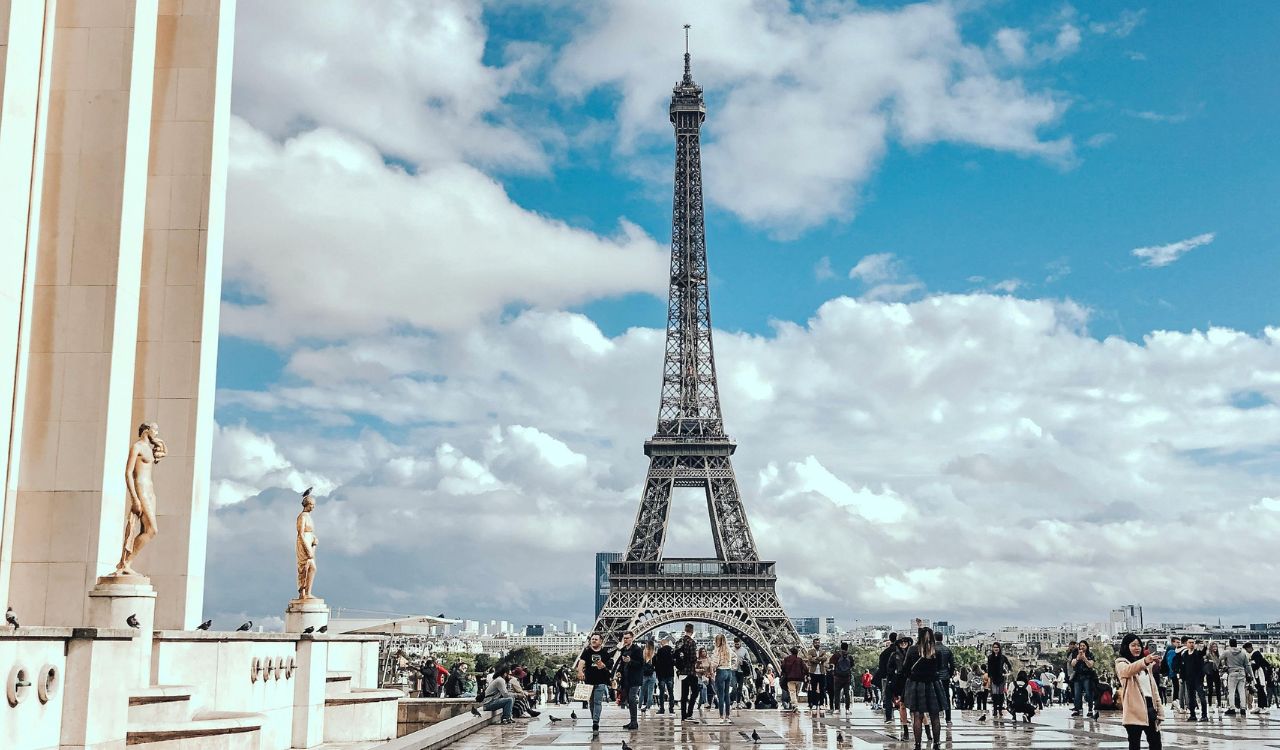
Paris never counted as cheap, yet there was a time when small elevators, shared bathrooms, and thin walls bought real savings in central neighborhoods. Recent jumps in city lodging taxes and steady price creep on food, transport, and museum entries have shifted that story. Budget travelers find themselves pushed farther from the river or into tighter schedules. Even simple rituals, like a coffee at a corner table, now require small acts of calculation, slowly eroding the airy, carefree feeling that Paris once sold so easily to dreamers with light wallets. Romance endures, but each small pleasure asks to be justified.
Iceland’s Ring Road And Reykjavik, Iceland
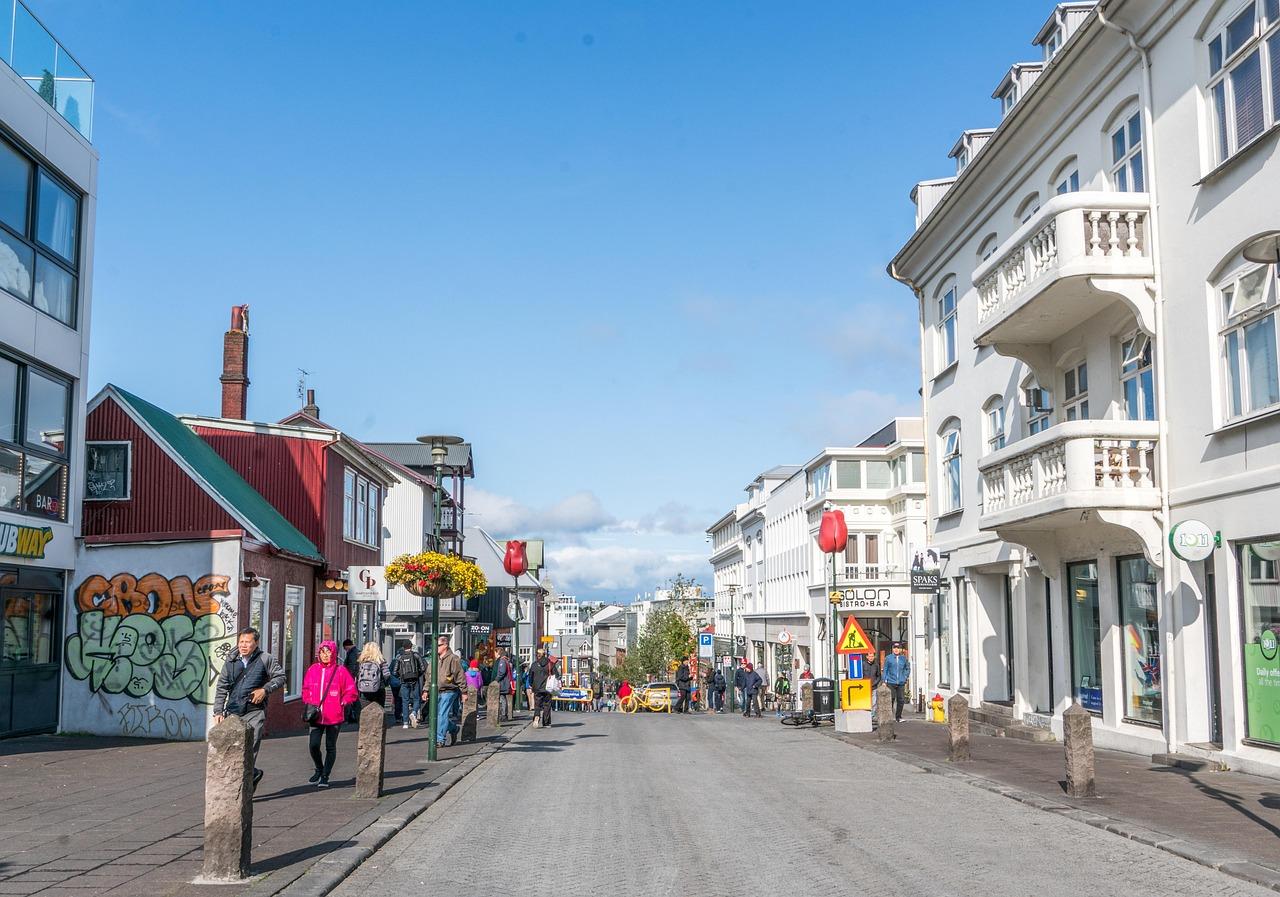
Iceland once attracted travelers willing to camp, cook noodles in hostel kitchens, and chase waterfalls with a basic rental car and printed map. Then social media turned the Ring Road into a pilgrimage route. Car hire, fuel, and guesthouse rates all rose with demand, and Reykjavík settled into its role as an expensive Nordic capital. Visitors still find surreal landscapes and tiny communities along the route, but they also wrestle with receipts that feel more Alpine resort than rugged outpost, especially when every hot dog, tour, and hot spring is tallied. Wildness still thrills, though every receipt lands with real weight.