We may earn money or products from the companies mentioned in this post. This means if you click on the link and purchase the item, I will receive a small commission at no extra cost to you ... you're just helping re-supply our family's travel fund.
Across the United States, pockets of desert, scrub, chaparral, and limestone ridges create landscapes that echo scenes described in ancient texts. Filmmakers have used these valleys and arroyos when flights to Israel were impractical, and scholars note that climate bands across California, Utah, and New Mexico resemble parts of the Levant. The resemblance does not claim sacred equivalence. It simply demonstrates how light, dryness, and elevation can stir emotional memory. In 2026, travelers still seek that sensation: geography quietly mirroring history.
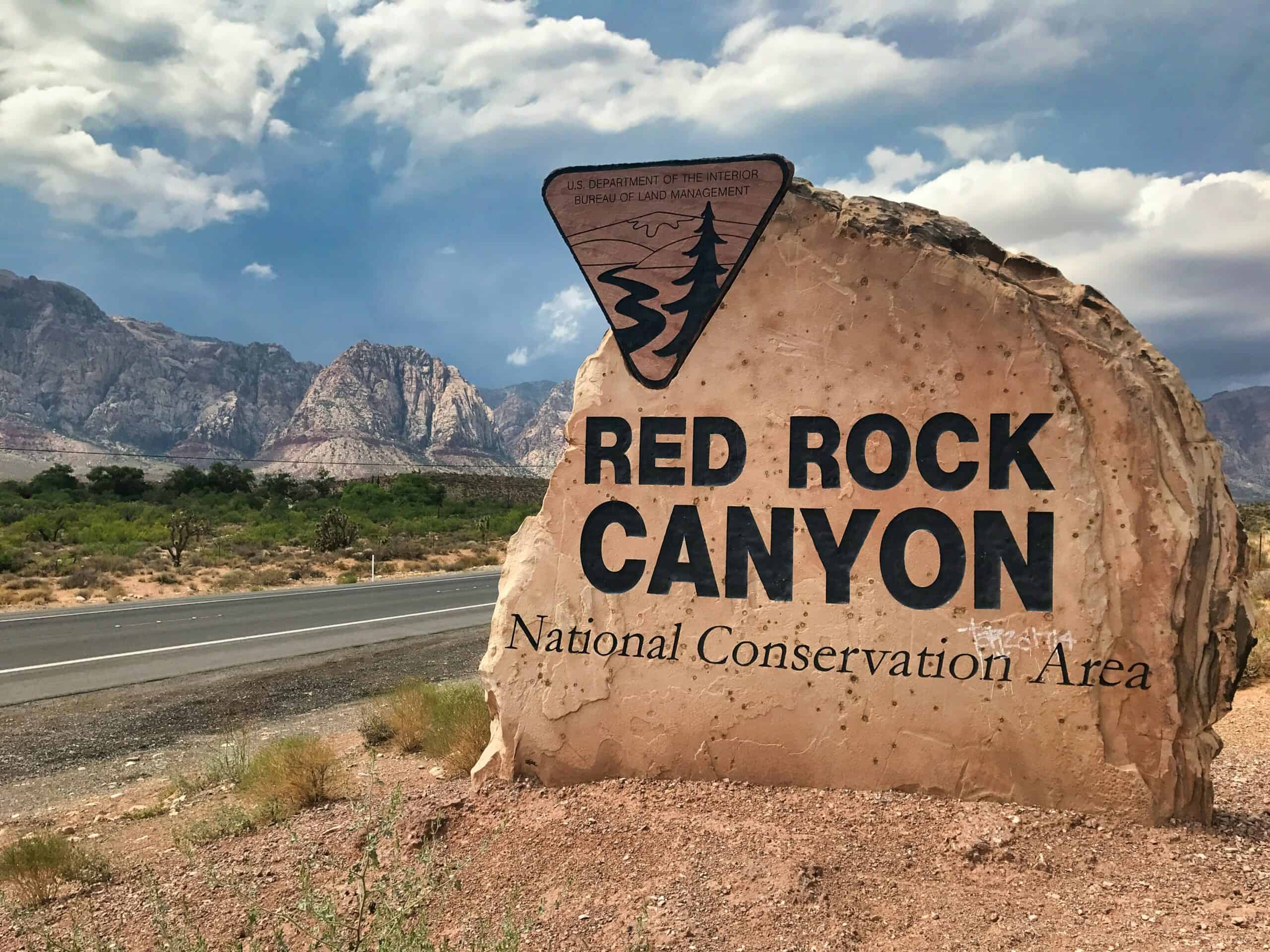
Red Rock Canyon, Nevada
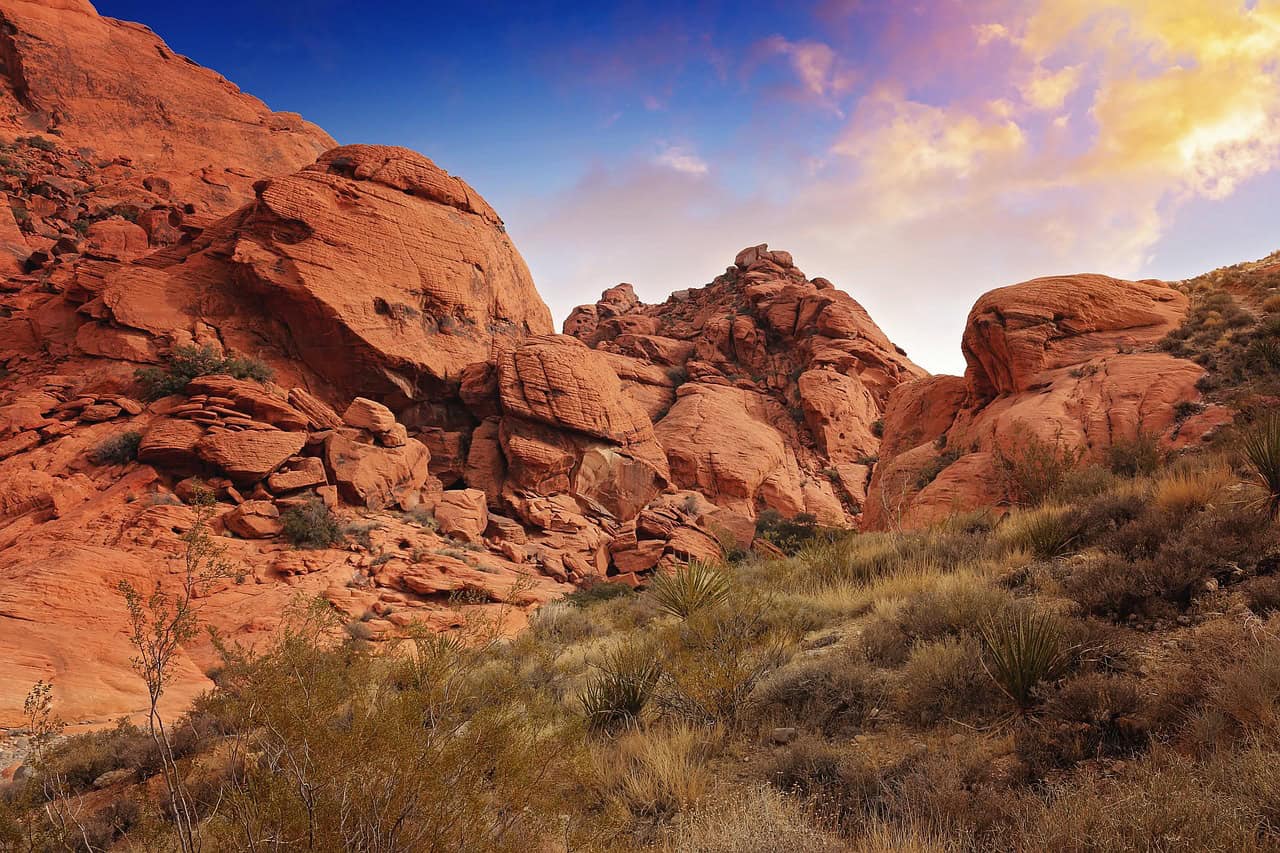
Red Rock Canyon glows like heated stone in late afternoon, when sandstone ridges pick up the same warm palette that makes Levantine hills feel timeless. The trails move through dry washes lined with creosote and yucca, and the vegetation pattern reads like a Mediterranean rain shadow translated into the Mojave. Even on busy weekends, pockets of silence settle quickly once hikers leave the scenic drive. It is also a film-friendly landscape: wide sightlines, theatrical light, and terrain that can suggest an ancient valley without any built set, which is why crews return when they need that look fast.
Anza-Borrego Desert, California
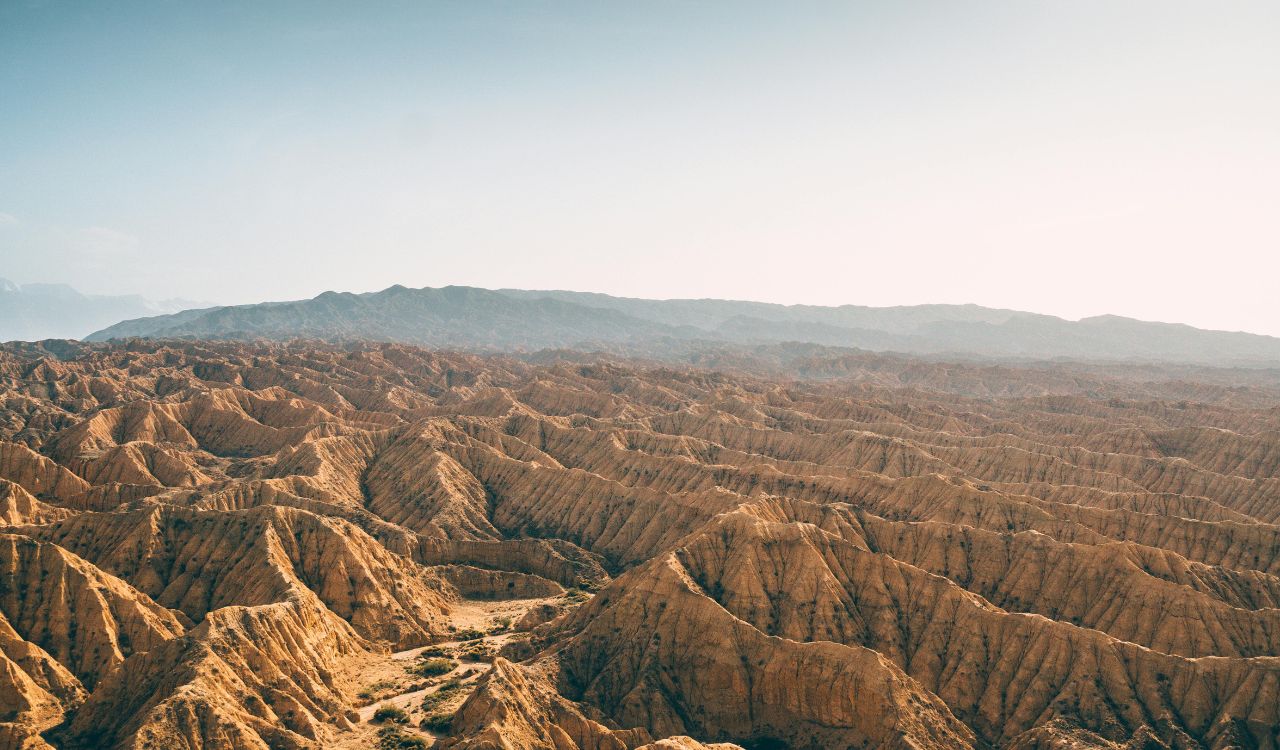
Anza-Borrego carries a spare, open beauty that resembles parts of the Negev, especially when the sun flattens the horizon and shadows stretch thin across gravel. Ocotillo, brittlebrush, and low scrub scatter in a way that feels honest, not landscaped, and seasonal wildflowers briefly turn the desert into a soft-colored surprise before heat resets the scene. The scale does most of the storytelling here. Long roads, big sky, and empty arroyos create a sense of pilgrimage distance, where a single ridge can feel like an endpoint and a beginning at the same time.
Ghost Ranch, New Mexico
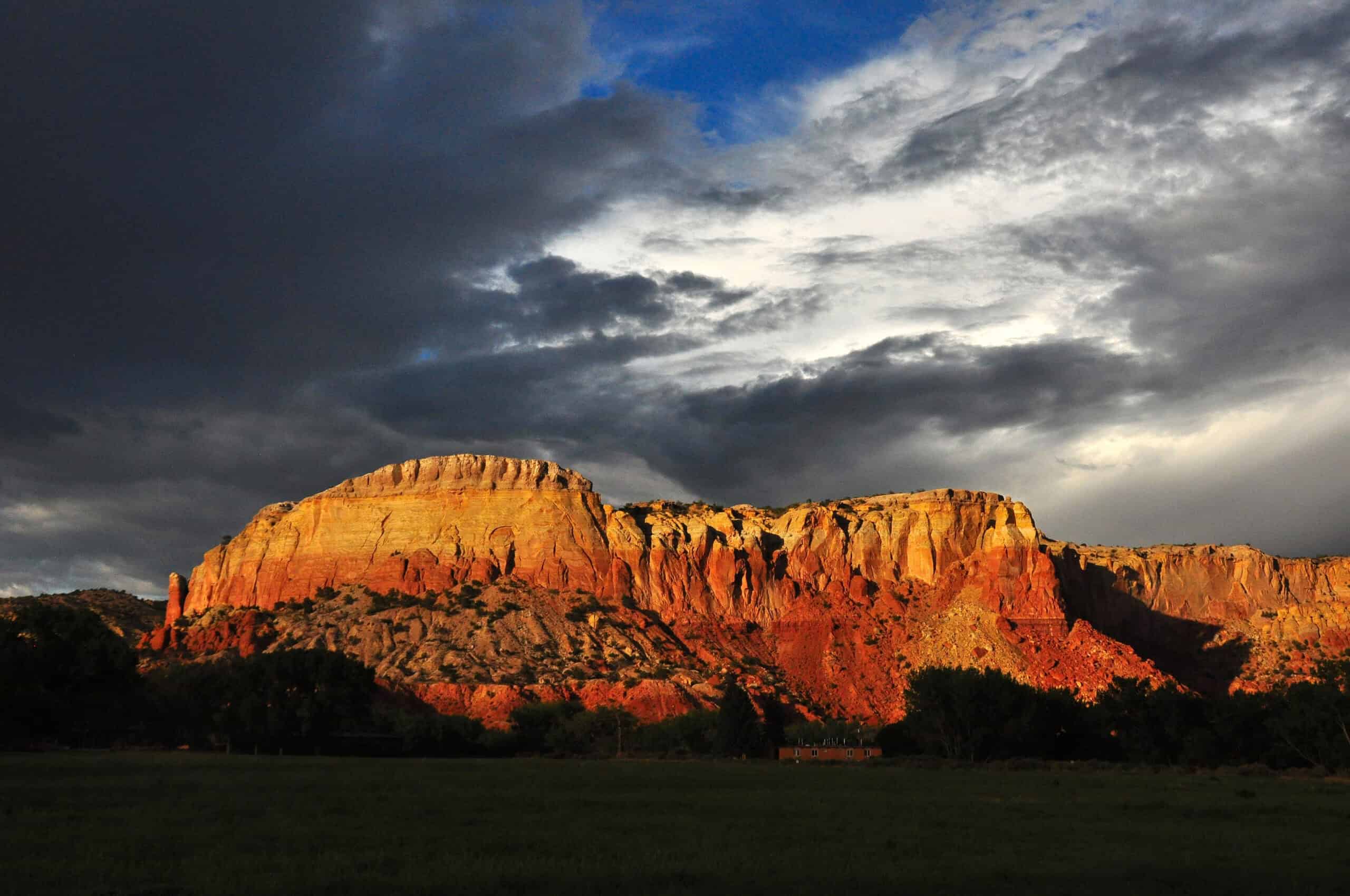
Ghost Ranch sits in a sweep of cliffs and arid plateaus that can recall the edges of Galilee, not because it imitates a specific place, but because layered sediment and dry air create similar depth and quiet. In late light, the rock strata read like stacked pages, and shadows settle into the folds of the land with a painterly calm. Retreat groups return year after year, drawn less by doctrine than by how the landscape slows a room down. It is a setting where conversations naturally become quieter, as if the geology sets the volume.
Valley of Fire, Nevada
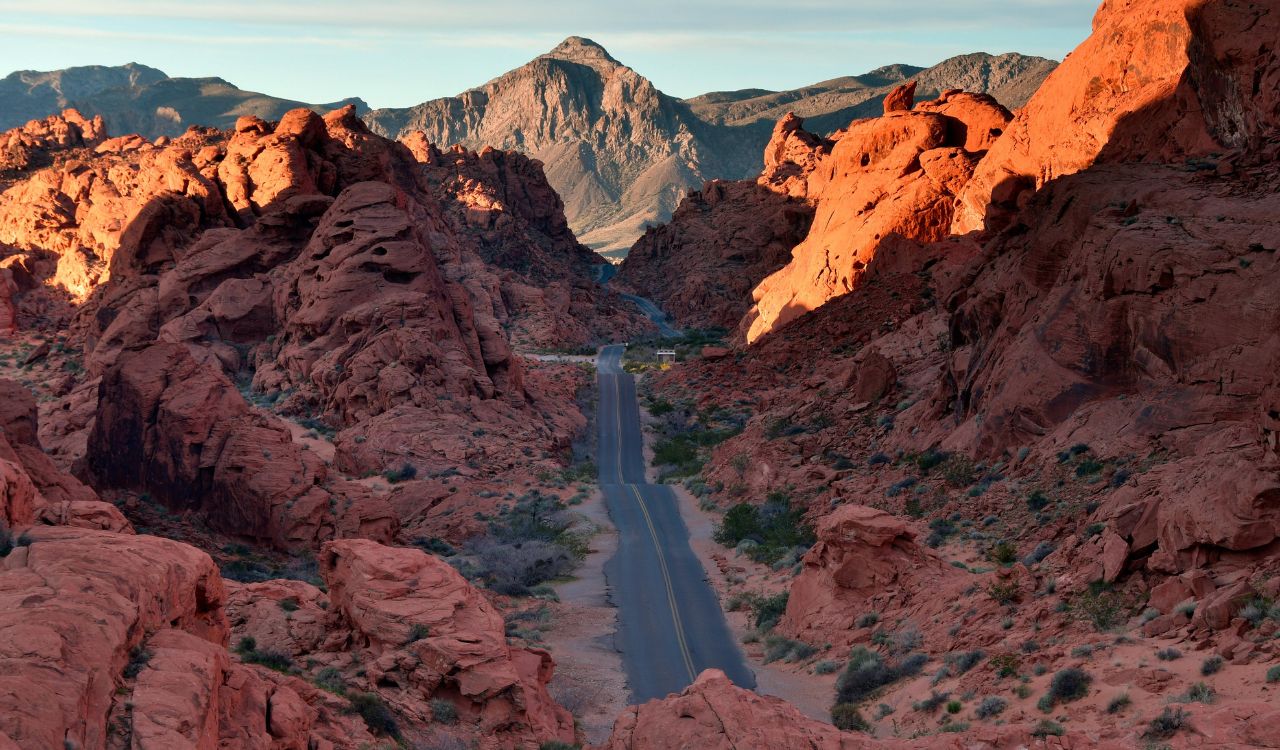
Valley of Fire feels stripped to essentials. Red formations rise from open ground with so little vegetation that the eye stays fixed on stone, heat shimmer, and distance. The result resembles the visual austerity seen in archaeological photos from Levantine wadis, where terrain and sunlight do all the narrative work. Movement here follows old desert logic: mornings and evenings are for walking, midday is for shade and water, and the rules are not negotiable. That rhythm makes the place feel ancient, even though the roads and parking lots are modern.
Joshua Tree’s Pinto Basin, California

Pinto Basin stretches wide and pale beneath distant ranges, a long, quiet bowl where space feels more important than landmarks. Sparse shrubs and dusted gravel create a steppe-like simplicity that can evoke Middle Eastern wilderness imagery, especially when wind erases footprints and the horizon looks perfectly level. The basin’s calm can feel stern, yet it invites reflection because there is nowhere for attention to hide. People tend to walk slower here, as if the body senses that rushing would look ridiculous in so much open air. The night sky adds a final layer of humility.
Moab Canyons, Utah
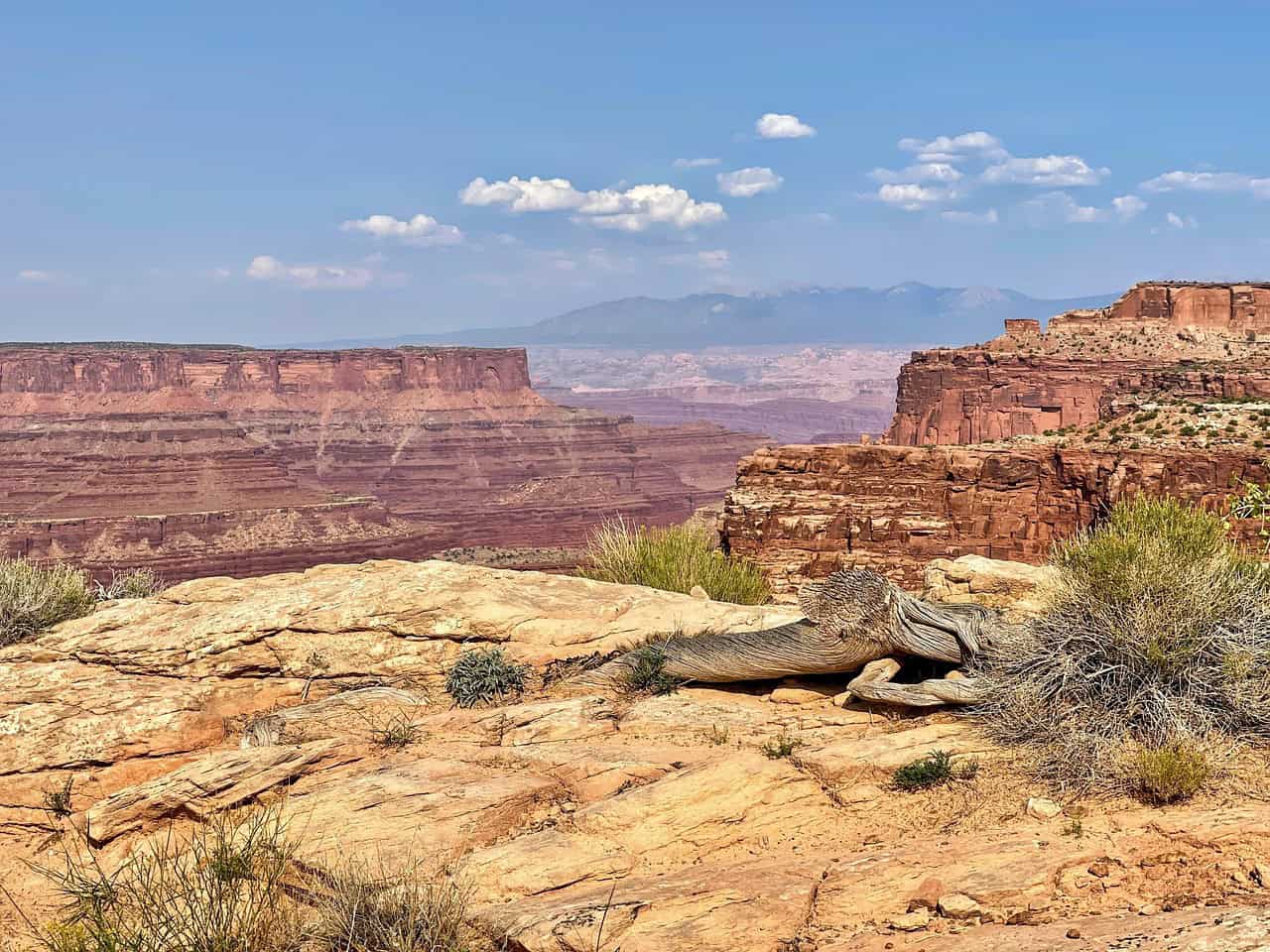
Around Moab, canyons cut clean lines through rock, and evening light turns walls toward copper and terracotta, a color shift that often reminds people of Jordan’s desert photographs. The similarity is less about romance and more about shared geology: uplift, erosion, and time carving the same kinds of curves and slots in different continents. When wind moves through narrow corridors, it becomes the loudest thing in the scene, and that forces attention inward. Even with Jeeps and hikers nearby, certain bends feel strangely ceremonial, like a passageway meant for walking and thinking, not talking.
White Sands National Park, New Mexico
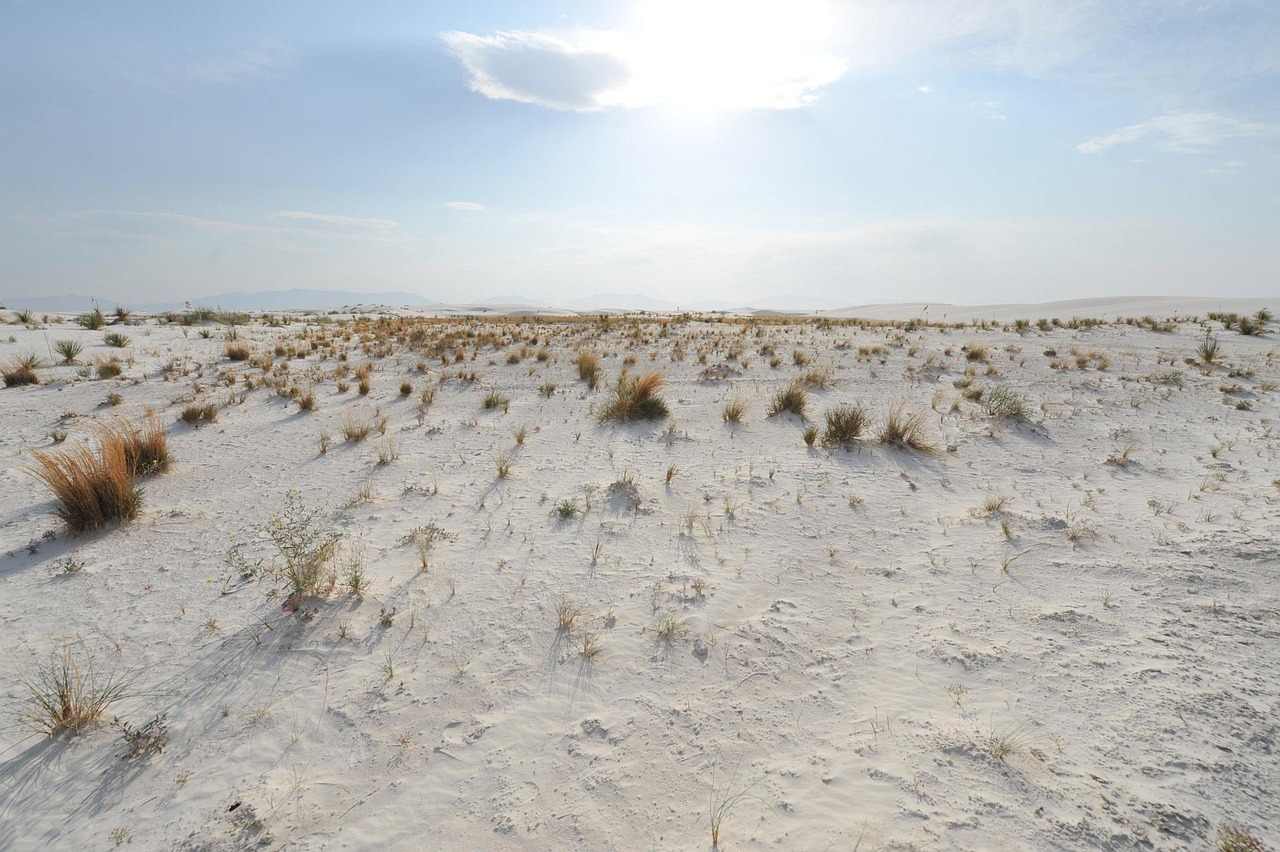
White Sands does not mimic the Levant’s color, yet it captures the emotional mechanics of wilderness descriptions: exposure, shifting ground, and the unsettling absence of shade. The dunes are bright enough to feel unreal at noon, then soften into long blue shadows as the sun drops, changing the entire mood in minutes. People often fall quiet here without being asked, because the landscape makes conversation feel like clutter. Wind redraws the surface constantly, so tracks disappear and direction becomes a choice, not a guarantee. It is a place that teaches attention through simplicity.
Simi Valley Hills, California
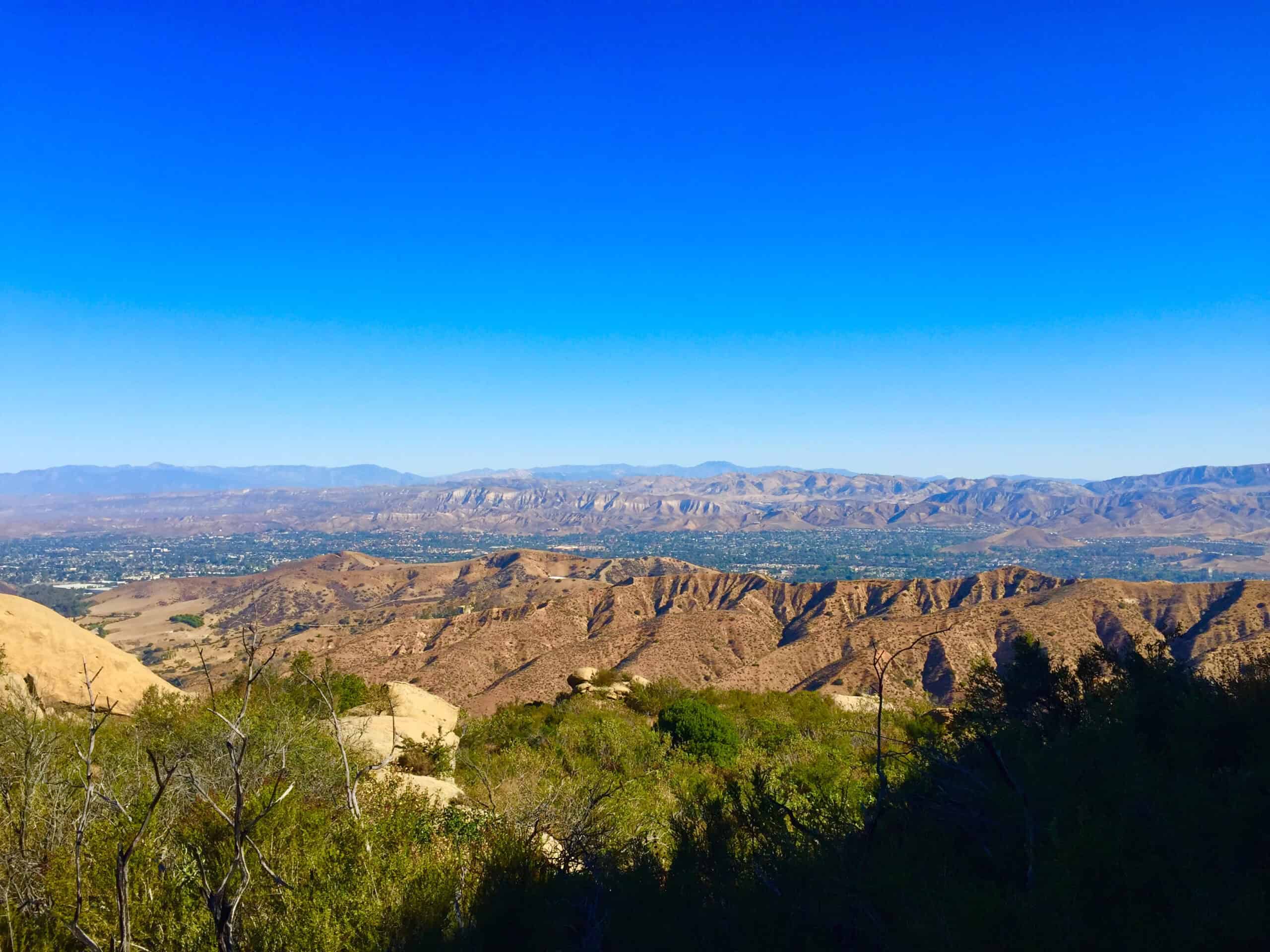
The hills around Simi Valley have doubled for biblical terrain in more than one production, partly because the chaparral reads like Mediterranean vegetation and partly because the slopes hold clean, readable shapes on camera. By late summer, golden grasses and dry brush create a familiar cycle of sunburned color, and the air carries that warm, herbal scent that signals drought without drama. The terrain also works for gatherings. A ridge, a windbreak, and open sky can feel like an amphitheater, which is why the land lends itself to outdoor scenes that need nothing except light and distance.
Sedona’s High Desert Outskirts, Arizona

Outside Sedona’s famous red-rock corridors, the high desert opens into flats and low ridges that feel closer to the southern Levant in mood. Rust-colored soil, scattered shrubs, and long sightlines create a calm that is less cinematic and more contemplative, the kind of setting where people stop performing for the view. Retreats that prioritize silence and natural light often prefer these outskirts because they are quieter, less photographed, and easier to inhabit without distraction. The stillness is not empty; it is structured. The land holds attention with restraint, and that restraint is the point.
Grand Staircase–Escalante, Utah
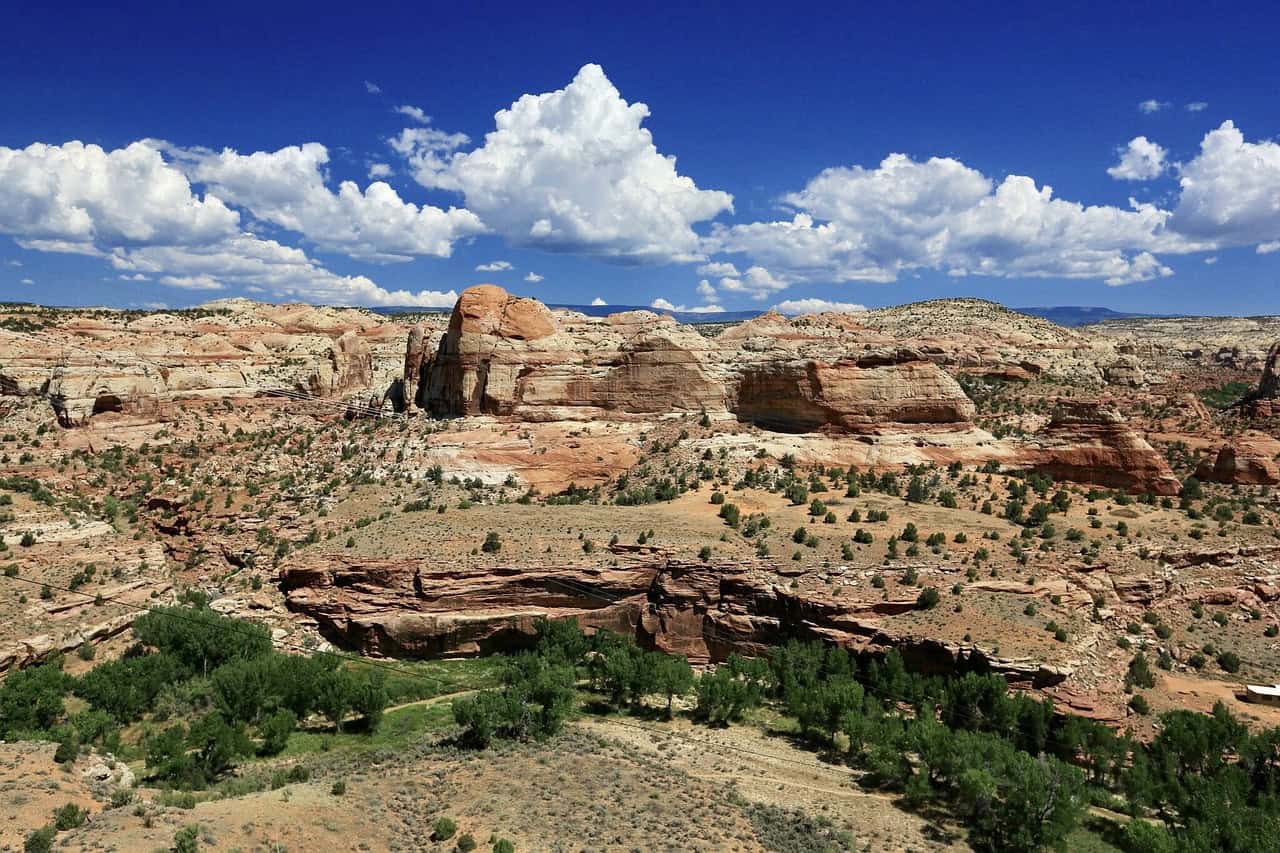
Grand Staircase–Escalante is a geography lesson written at human scale: terraces, cliffs, and slot canyons that layer time into the view. The dryness, the pale stone, and the sudden drop-offs can feel reminiscent of ancient travel narratives where distance is measured by shade, water, and the next passable route. Even short hikes can move through multiple worlds, from open slickrock to narrow, shaded corridors where sound changes and footsteps echo. The place rewards patience, not speed, and it leaves visitors with the same impression many desert landscapes do: that history is not only something read, but something felt in the body.