We may earn money or products from the companies mentioned in this post. This means if you click on the link and purchase the item, I will receive a small commission at no extra cost to you ... you're just helping re-supply our family's travel fund.

Europe still sells its dream in cathedral light, sea-blue coves, and train windows framing old stone towns, but the bill has grown harder to ignore. Eurostat says nights spent in EU tourist accommodations rose again in 2025, while BCD Travel reported that average daily hotel rates across Europe were already up 4.6% year over year in the first nine months of 2024, with further increases forecast in many markets for 2025. Against that backdrop, the Post Office’s 2025 City Costs Barometer shows some flagship city breaks now landing in deeply uncomfortable territory for ordinary budgets.
Oslo, Norway

Oslo now asks for the kind of city-break budget that once felt reserved for milestone birthdays and corporate expense accounts. The 2025 City Costs Barometer put a two-night break for two at £636.20, the highest total in Europe, with a three-course dinner for two at £173.08, airport transfers at £36.39, and even a simple glass of house wine at £9.86. None of that makes Oslo less graceful. It simply means the city’s fjord light, polished design, and easy composure increasingly come wrapped in prices that force travelers to calculate every pleasant impulse before acting on it.
Copenhagen, Denmark
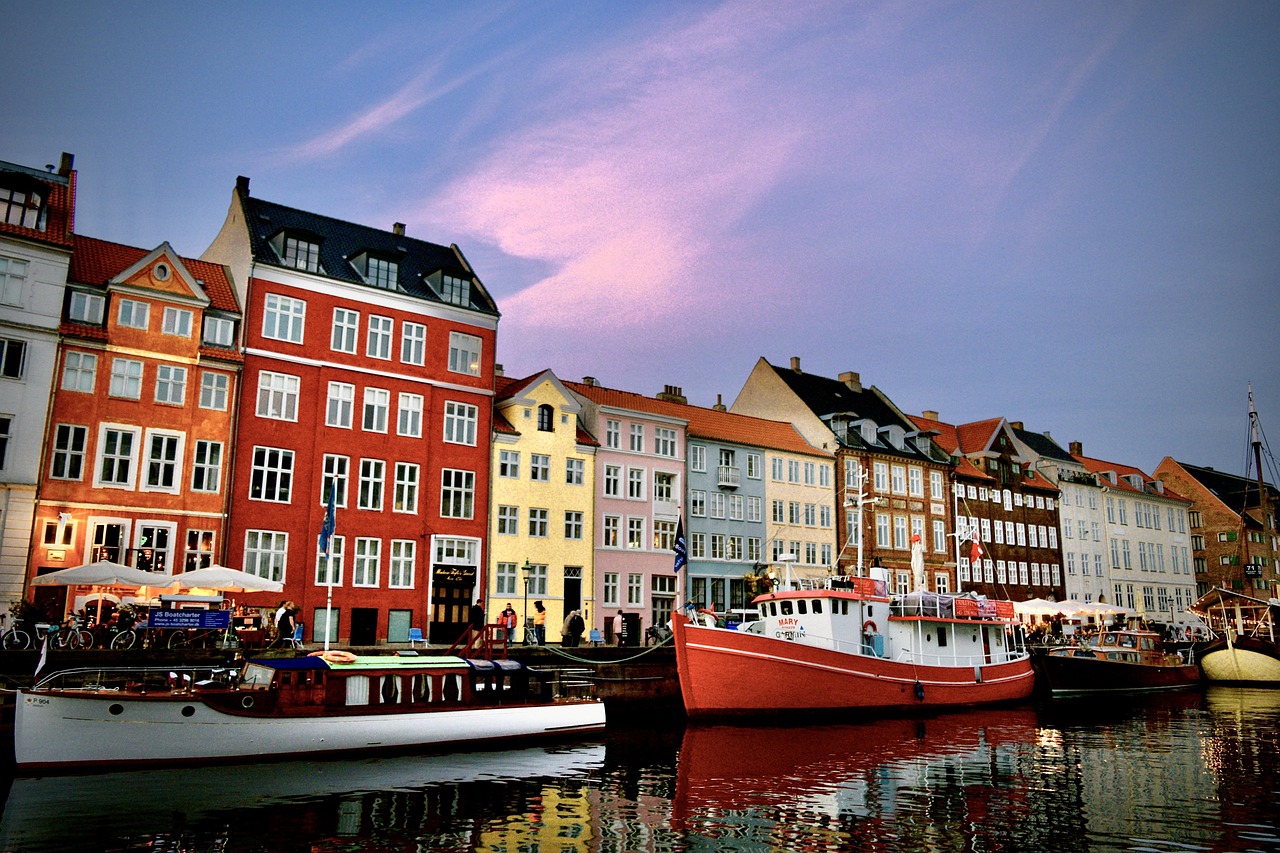
Copenhagen has mastered the art of looking effortless while charging like a destination that knows exactly how badly people want to be there. The same barometer priced a weekend for two at £628.64, with dinner at £154.27, a 48-hour travel card at £19.28, and a city bus tour at £32.42. It is still stylish, still bike-bright, still full of the kind of urban calm other capitals envy. But the financial rhythm can feel punishingly grown-up, especially when a city once associated with smart, minimalist pleasures starts behaving more like a place where even simplicity arrives with a luxury markup.
Edinburgh, Scotland
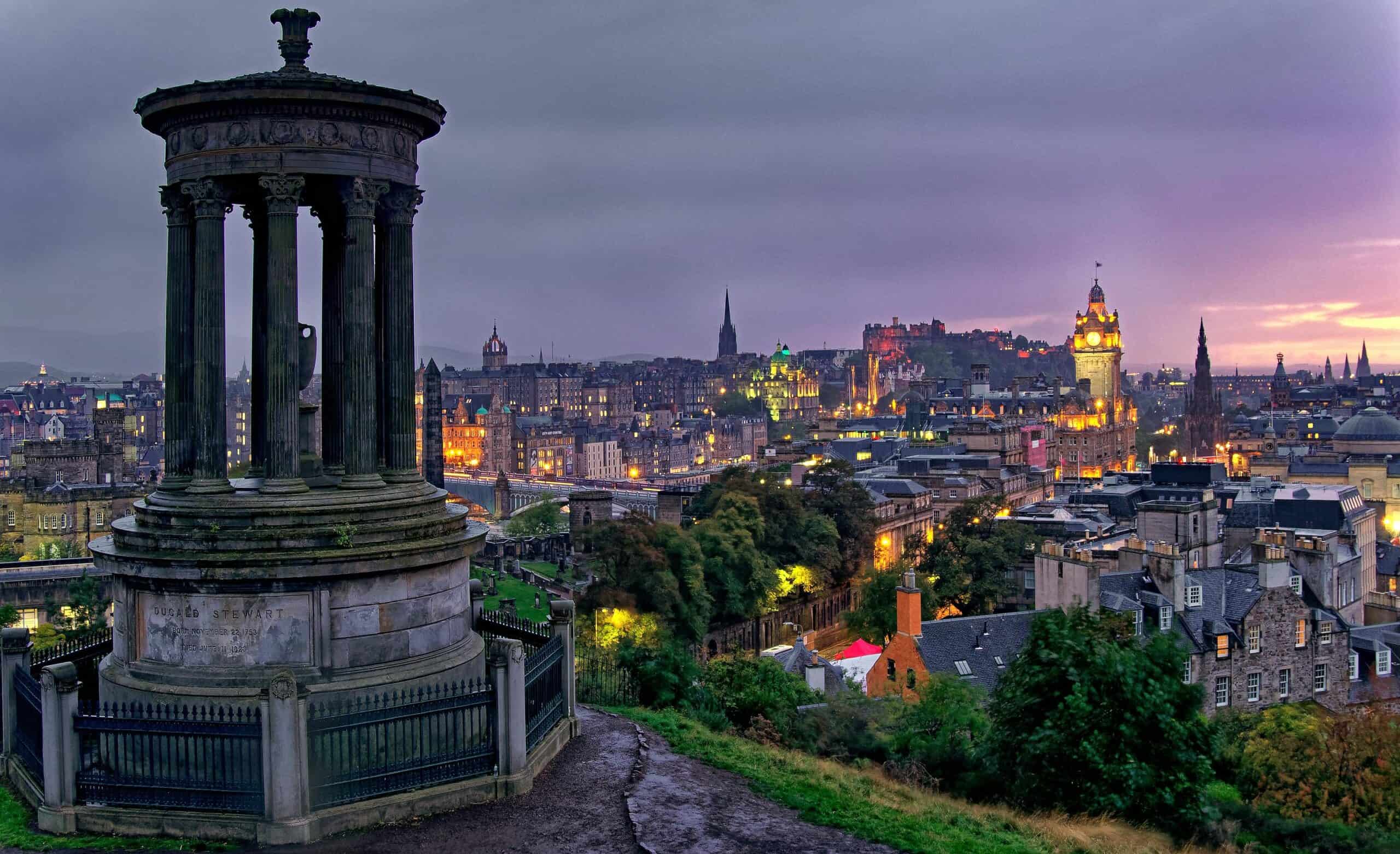
Edinburgh has always known how to turn beauty into demand, but that demand is starting to look expensive even by major-city standards. The barometer put a two-night break for two at £601.50, including £399 for three-star accommodations alone and £116 for a three-course dinner for two. That is before the emotional extras arrive: festival-season pressure, historic-center scarcity, and the quiet premium attached to a city that photographs well in every kind of weather. What once felt like a rewarding splurge now increasingly feels like a place where travelers need room in the budget simply to stand still and enjoy the view.
Venice, Italy
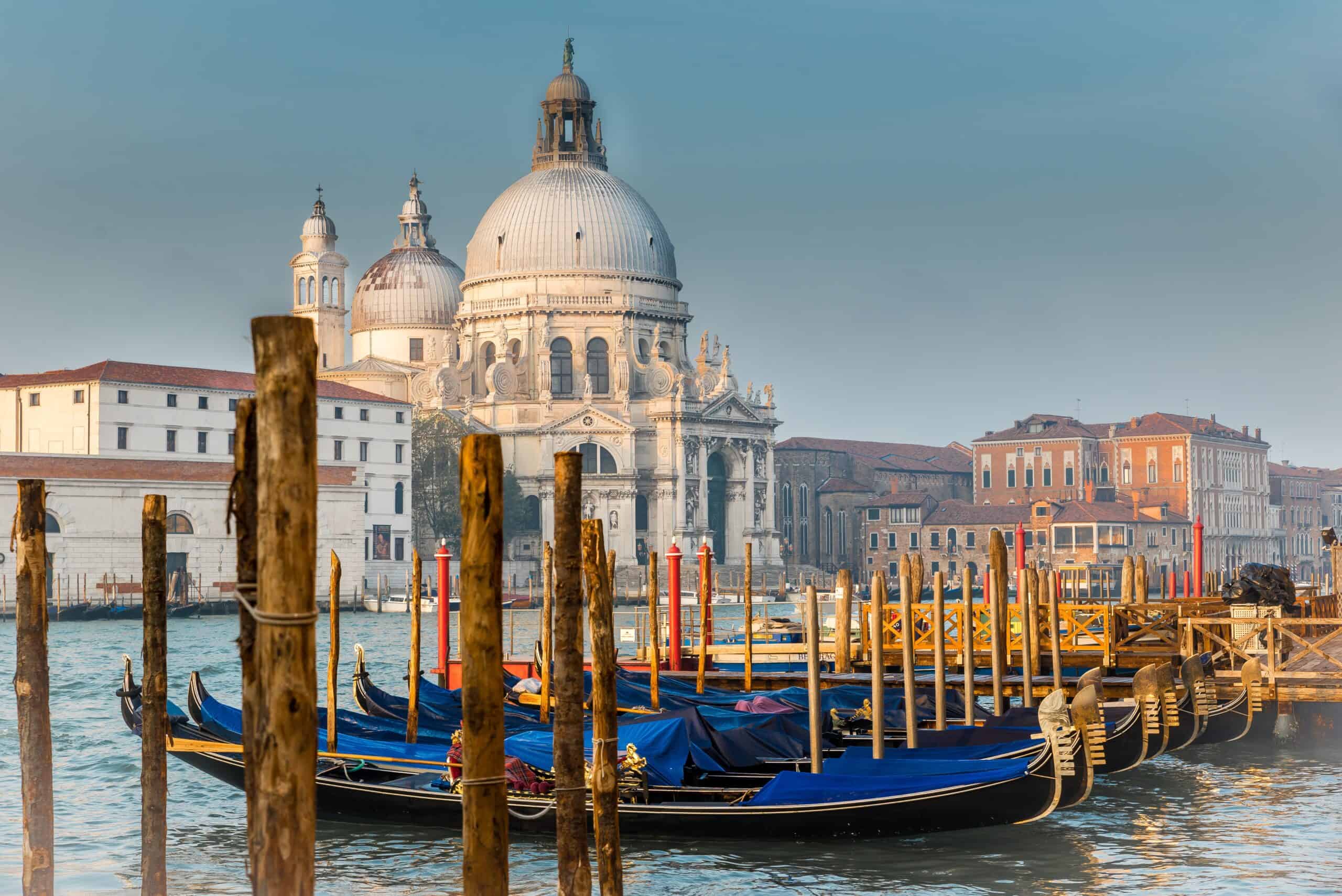
Venice has moved beyond expensive and into the realm of layered expense, where the city’s magic survives but almost nothing around it feels incidental anymore. The 2025 barometer put a two-night break for two at £591.12, with accommodations at £373, while the city’s official access-fee system adds €5 for day visitors who book early and €10 for later bookings on applicable dates. Venice still offers the kind of beauty that can silence a room, yet the practical act of arriving, sleeping, eating, and moving through it now carries a cumulative sting that makes spontaneity feel like a privilege rather than a travel instinct.
Berlin, Germany
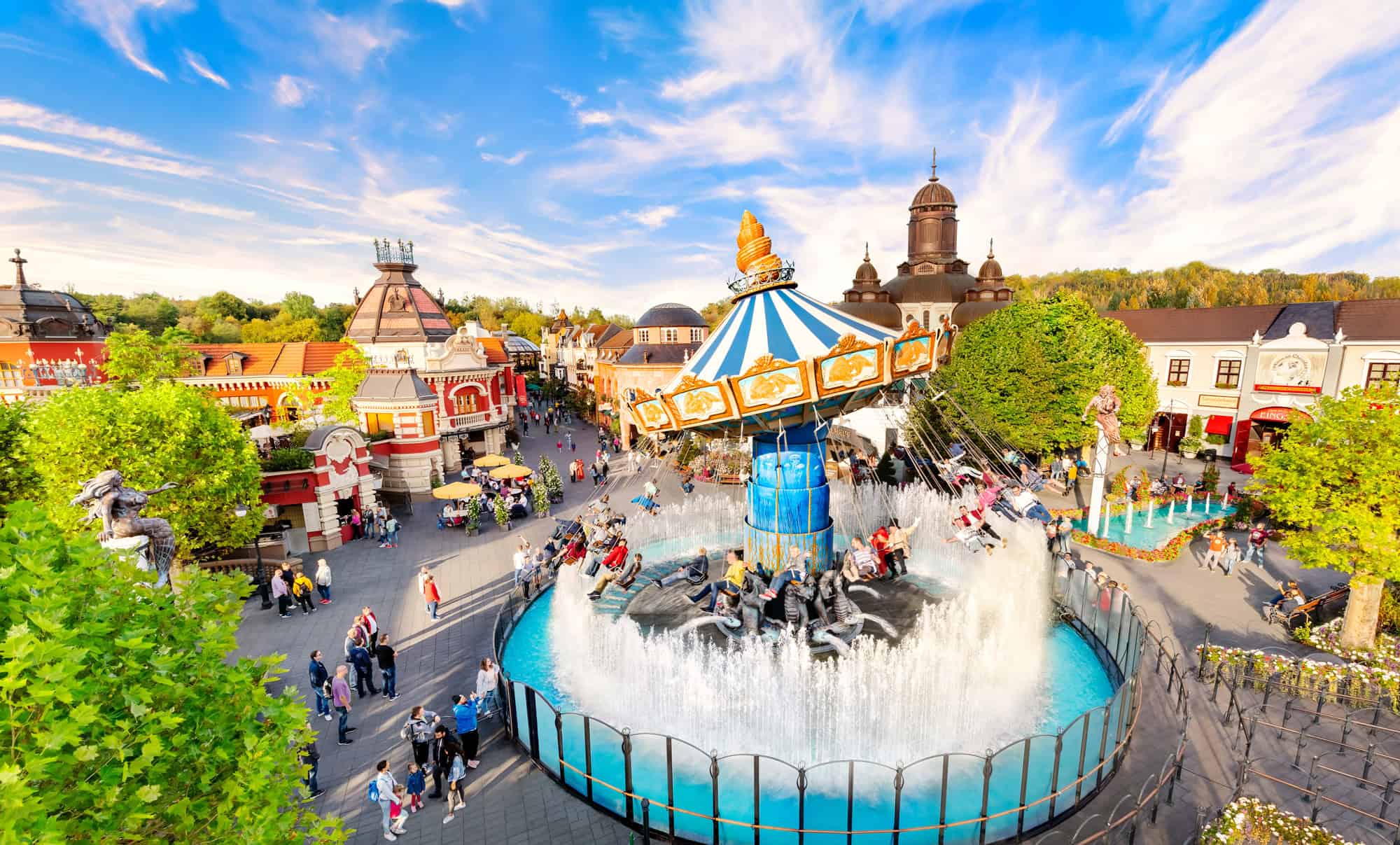
Berlin’s old reputation as Europe’s creative bargain has thinned into memory. In the 2025 barometer, a two-night break for two came to £587.65, driven in part by £439 for accommodations, and the city also applies a 7.5% City Tax on overnight stays. Berlin remains huge-hearted, contradictory, and culturally restless in all the right ways, but the arithmetic has changed. A city that once let travelers stretch out and stay longer now feels more compressed financially, as though the old room-for-everyone spirit is still there emotionally but no longer reflected in the bill waiting at checkout.
Amsterdam, Netherlands
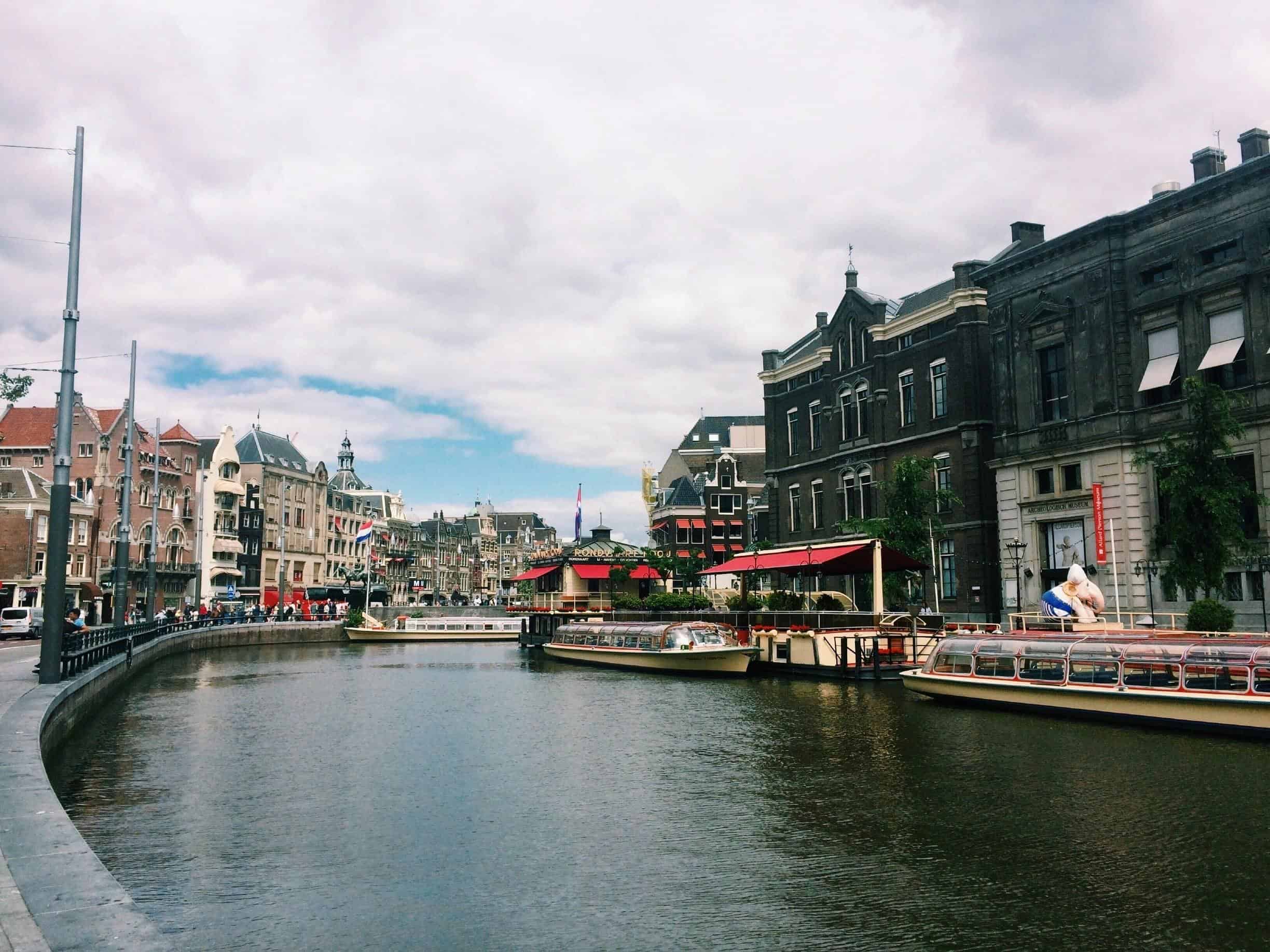
Amsterdam has become one of the clearest examples of a beloved European city turning visibly expensive at nearly every layer of the stay. The 2025 barometer put a two-night break for two at £582.79, while the City of Amsterdam says its tourist tax is 12.5% of the overnight price, excluding VAT, with a separate day tourist tax for cruise passengers. The canals are still lovely, the museums still formidable, and the streets still hum with easy charm. But the city now carries the financial posture of a place actively managing demand, and that posture is increasingly felt in the traveler’s total, not just the nightly room rate.
Geneva, Switzerland
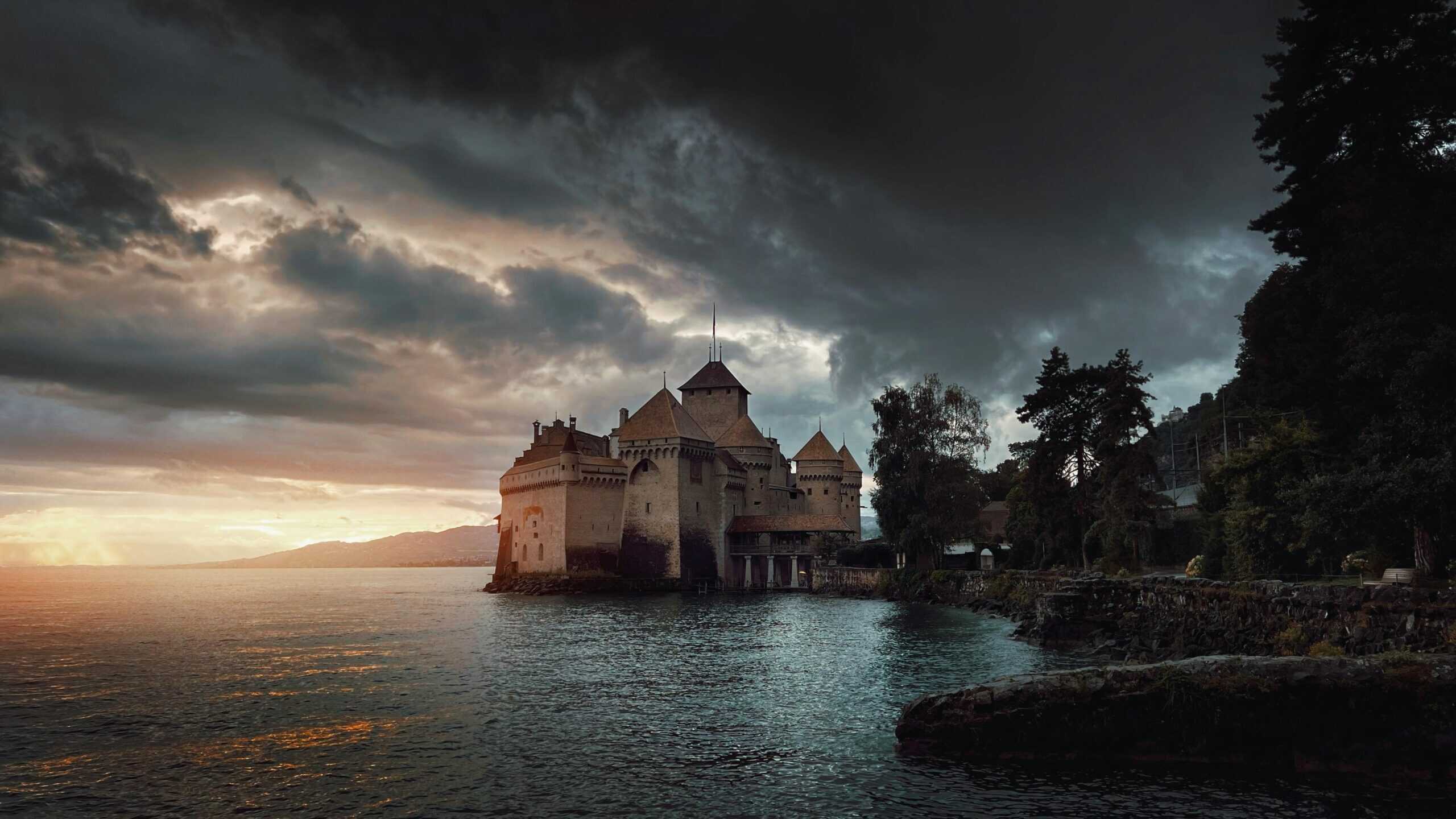
Geneva has long belonged to the expensive end of Europe, but it now feels especially unforgiving because even brief stays stack up so quickly. The barometer priced a two-night break for two at £570.04, including £156.56 for dinner, and BCD Travel notes that Geneva and Zürich are seeing stronger demand from conferences and business events, a force that adds pressure to upper-upscale and luxury room rates. Geneva still delivers lake views, precision, and polished calm. Yet that same polish increasingly reads as code for a city where ordinary leisure travelers are competing with a level of spending power few vacations can comfortably match.
Dublin, Ireland
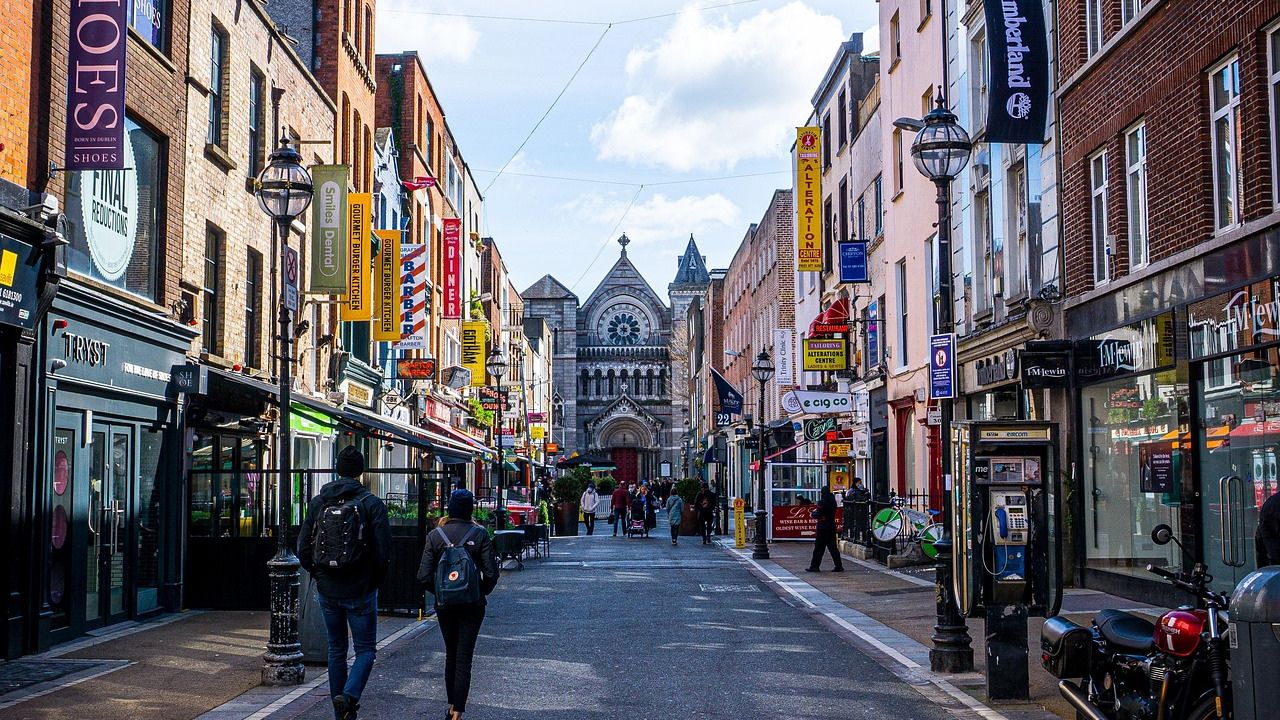
Dublin’s warmth has not faded, but its price tag has grown much sharper around the edges. The 2025 barometer put a two-night break for two at £568.34, including £411 for accommodations, which helps explain why even short stays can feel heavier than expected before the first pub tab arrives. Dublin still offers talkative nights, literary memory, and that rare ability to feel both intimate and international at once. But when the hotel alone eats such a large share of the budget, the city starts to feel less like a casual long weekend and more like a destination that quietly assumes financial flexibility.
Barcelona, Spain
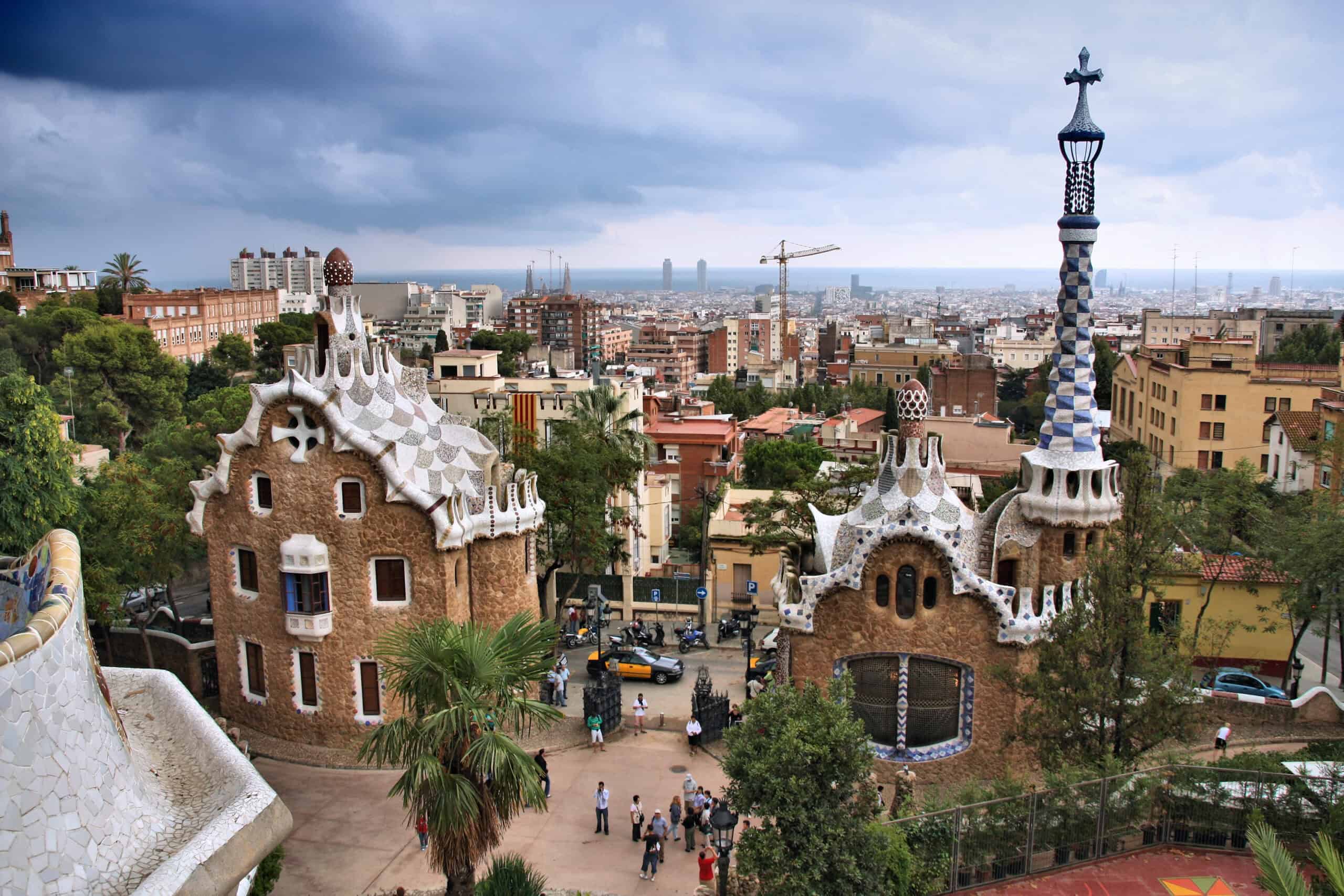
Barcelona now manages to be both irresistible and financially exhausting, which is part of what makes it such a useful symbol of Europe’s broader cost squeeze. The barometer put a two-night break for two at £561.90, including £381 for accommodations, and Catalonia’s official tourist-tax table now shows Barcelona city charges reaching €8.40 per person per night for four-star hotels and €12 for five-star properties from April 1, 2026. The city’s architecture, beach light, and late-night magnetism still pull hard. Yet the added taxes make the final bill feel increasingly detached from the fantasy people thought they were booking.
Florence, Italy

Florence is one of those cities where beauty can almost persuade a traveler not to notice the cost until the weekend is nearly over. The 2025 barometer put a two-night break for two at £561.86, with accommodations alone at £362 and major cultural activities adding up fast around them. That sounds manageable on paper right until the city begins behaving the way it always does, tempting every museum stop, every piazza pause, and every unplanned meal into the shape of a necessary indulgence. Florence still feels intimate and luminous, but its modern price point increasingly belongs to travelers who can afford to stop counting.