We may earn money or products from the companies mentioned in this post. This means if you click on the link and purchase the item, I will receive a small commission at no extra cost to you ... you're just helping re-supply our family's travel fund.

Travel always asks for a little faith. A ticket is booked, a route is imagined, and a stranger’s country begins to feel almost familiar before the plane even leaves the ground. But some destinations have moved far beyond ordinary caution. As of Mar. 21, 2026, the U.S. State Department’s highest warning remains Level 4, “Do Not Travel,” a label reserved for life-threatening risks and places where U.S. government help may be very limited or unavailable. In 2026, these 10 destinations stand out as the clearest examples of trips Americans are better off not taking.
Afghanistan
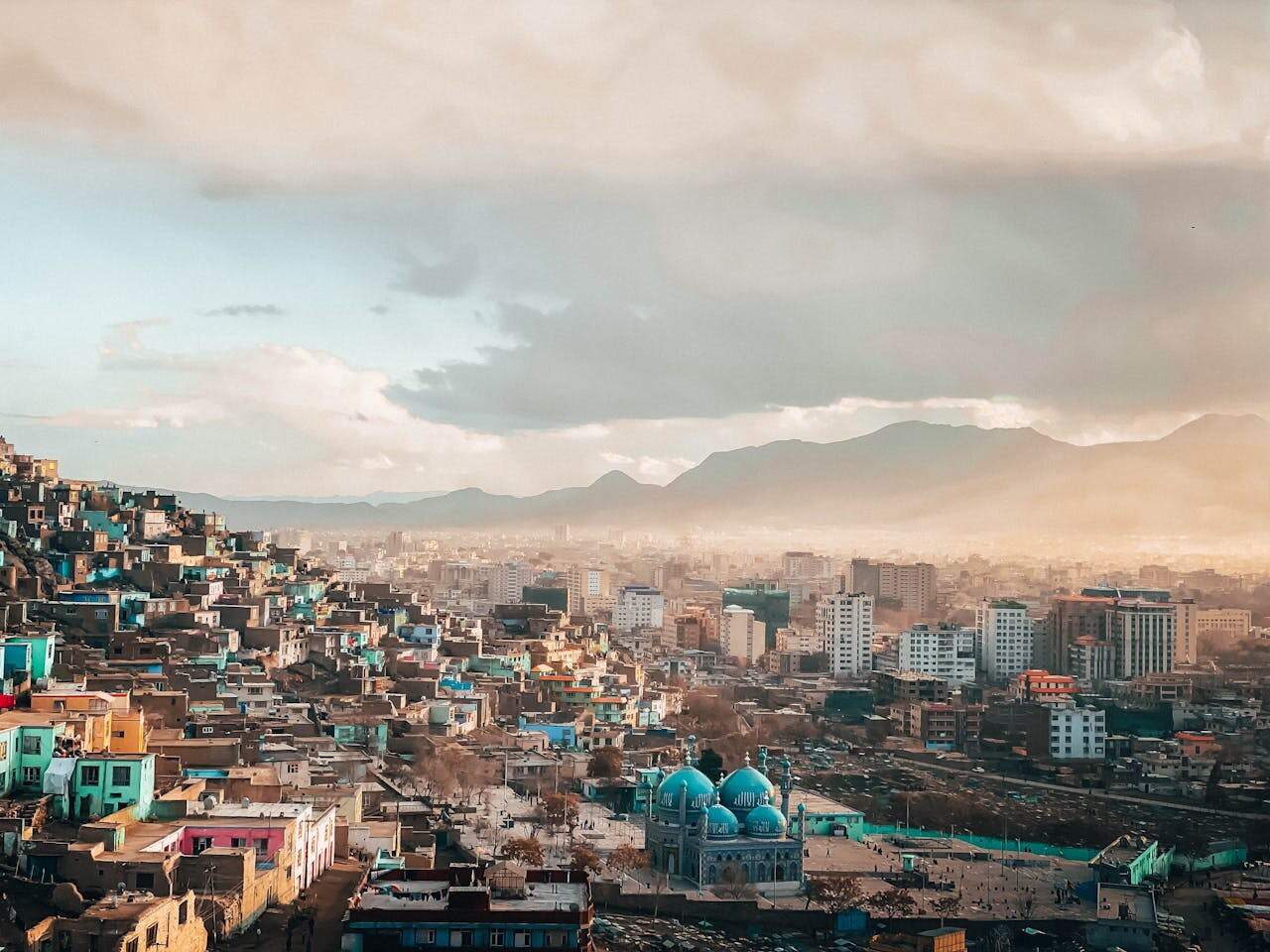
Afghanistan remains one of the starkest no-go destinations on the map. The State Department renewed its Level 4 warning on Feb. 20, 2026, citing civil unrest, crime, terrorism, wrongful detention, kidnapping, natural disasters, and limited health facilities. That combination matters because it leaves almost no safe margin for a traveler’s ordinary mistakes, delays, or bad luck. Even basic travel assumptions, from medical care to emergency help, become too fragile to trust, which is why Afghanistan is not merely risky in 2026. It is a place the U.S. government says Americans should avoid altogether.
Haiti

Haiti is heartbreakingly close to home for many Americans, but closeness does not make it safer. The current U.S. advisory remains Level 4 and warns against travel because of kidnapping, crime, terrorist activity, civil unrest, and limited health care. That is a brutal mix for any visitor, especially in a country where a simple transfer across town can become far more unpredictable than it appears on a booking screen. Haiti still holds history, resilience, and deep cultural weight, but in 2026 it remains one of the clearest places where compassion for a country and prudence about travel have to be separated.
Lebanon
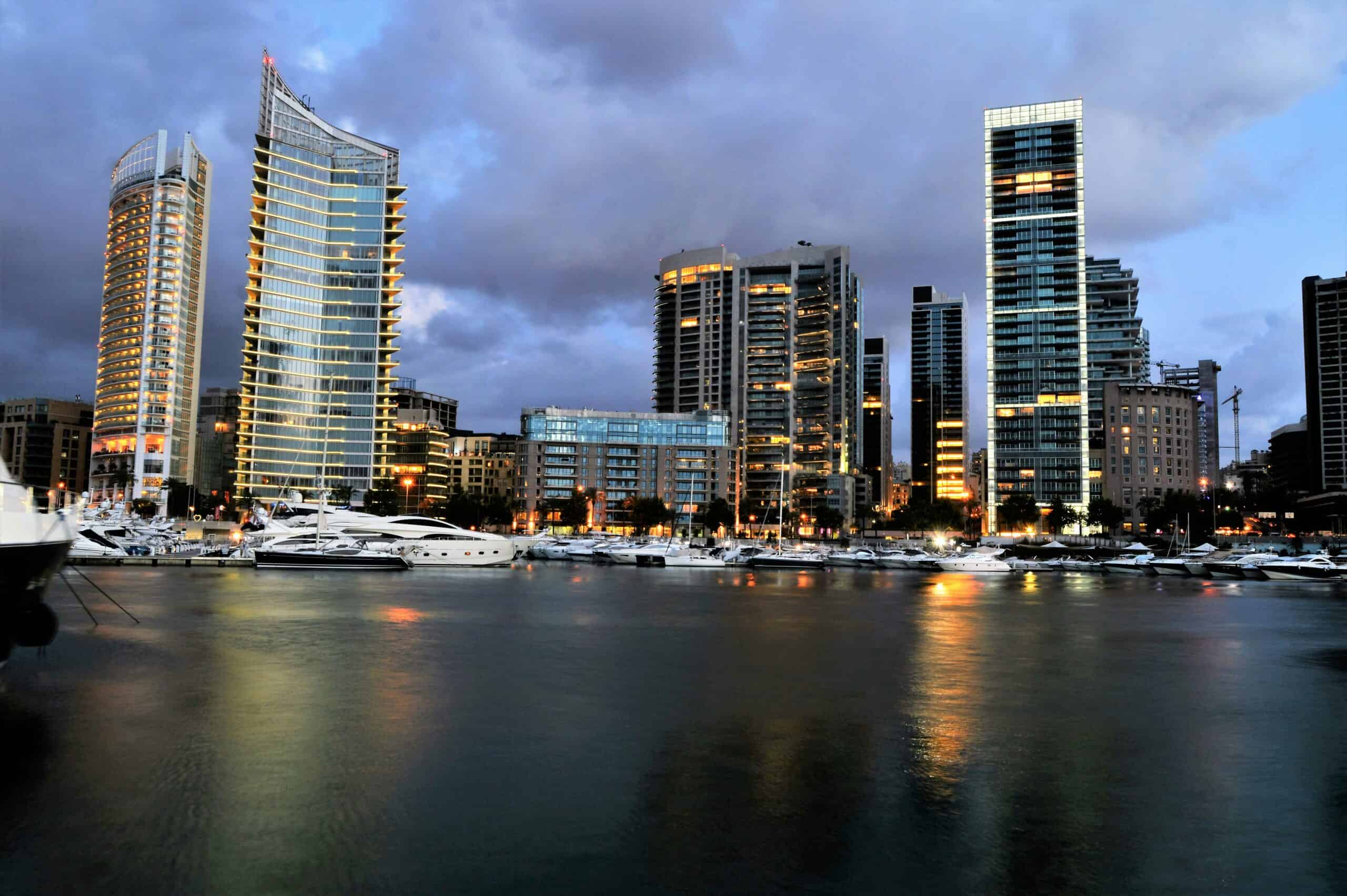
Lebanon still draws people emotionally with its food, coastline, and layered history, yet the U.S. warning has sharpened rather than softened. On Feb. 23, 2026, the State Department kept Lebanon at Level 4, citing crime, terrorism, civil unrest, kidnapping, unexploded landmines, and the risk of armed conflict, while also reflecting the ordered departure of non-emergency U.S. government personnel and family members. That is the kind of update travelers should take seriously. It signals not just instability in theory, but a real-world environment volatile enough that even official presence is being reduced.
Libya

Libya remains one of those destinations whose danger is easy to summarize because nearly every major category of risk is active at once. The State Department’s July 16, 2025 advisory still says Americans should not travel there for any reason, citing crime, terrorism, unexploded landmines, civil unrest, kidnapping, and armed conflict. That wording leaves little room for romantic ideas about “careful” travel or off-season timing. Libya is not simply difficult. It is structurally unsafe for leisure travel, work travel, and nearly any travel that assumes stable movement, predictable security, or reliable help if something goes wrong.
Mali
Mali sometimes slips below the radar of mainstream U.S. travel conversations, but the official warning is blunt. On Jan. 9, 2026, the State Department reaffirmed Level 4 and said Americans should not travel there for any reason because of crime, terrorism, kidnapping, unrest, and health concerns. The same update notes that non-emergency U.S. government employees and family members had been ordered to leave in late 2025 due to safety risks. That detail matters because it underlines how unstable the environment remains. In 2026, Mali is the kind of destination where even routine travel assumptions are too shaky to lean on.
North Korea

North Korea stands apart because its danger is not framed around street crime or active battlefield conditions, but around state power and the threat of detention. The State Department’s April 29, 2025 advisory keeps the country at Level 4 and warns of arrest, long-term detention, and wrongful detention targeting U.S. citizens. It also states that U.S. passports cannot be used to travel to, in, or through North Korea unless specially validated, which happens only in very limited circumstances. That makes North Korea less a difficult trip than a place where Americans should understand that the trip itself is effectively off-limits.
Russia

Russia’s travel warning is not a symbolic gesture. It is one of the clearest official signals that even large, globally familiar countries can become dangerous in ways tourists underestimate. The State Department’s Dec. 29, 2025 advisory says Americans should not travel there for any reason due to terrorism, unrest, wrongful detention, and other risks. It also warns that the U.S. Embassy in Moscow has limited ability to assist detained Americans and that there is no guarantee consular access will be granted. In practice, that means a destination many people still think of as reachable has become one the U.S. government treats as fundamentally unsafe.
South Sudan
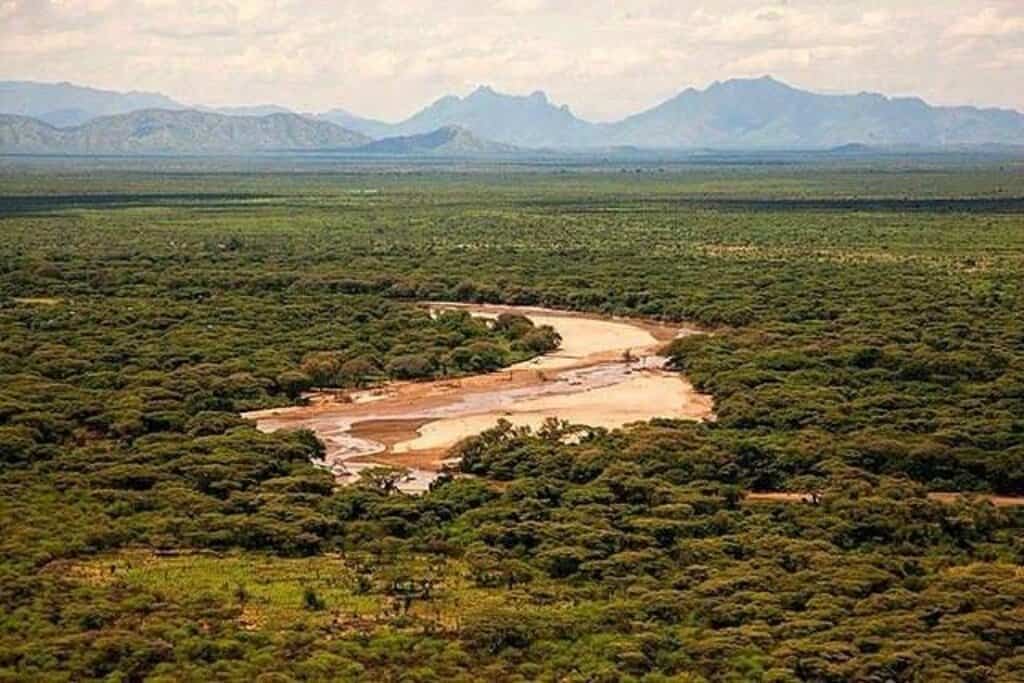
South Sudan is a place where the advisory language itself reads like a warning flare. The State Department says Americans should not travel there because of unrest, crime, kidnapping, landmines, and health threats, and its November 2025 update also notes that official travel outside Juba is limited and that U.S. government personnel face tight movement restrictions. When even government staff operate under curfews, armored-vehicle requirements, and walking limits, that says more than any tourism brochure ever could. South Sudan may matter geopolitically and humanely, but in 2026 it remains a destination Americans should leave off any realistic travel plan.
Syria

Syria remains one of the most unambiguous entries in the entire Level 4 category. The current advisory, updated Dec. 11, 2025, says Americans should not travel there for any reason because of terrorism, unrest, kidnapping, hostage taking, crime, and armed conflict. There is no softening language around certain seasons or safer casual routes. The warning is total, and for good reason. Syria is not a place where ordinary travel caution can compensate for the surrounding danger. In 2026, it remains one of the clearest examples of a destination whose history and beauty cannot outweigh the present-day risk.
Ukraine

Ukraine’s entry is emotionally different because it remains a place many Americans want to support, visit, or reconnect with. But the U.S. advisory still says not to travel there because of Russia’s war against Ukraine, especially in frontline regions and areas near Belarus, where active ground combat, shelling, missile attacks, drone strikes, and civilian-infrastructure damage continue. Even regions with lower relative risk remain subject to air alerts, martial law restrictions, and sudden security changes. That means the danger is not confined neatly to one line on a map. In 2026, Ukraine is still a place where solidarity should not be confused with safe tourism.
Yemen

Yemen closes this list because it combines nearly every travel risk a person hopes never to meet at once. The State Department renewed its Level 4 warning on Dec. 19, 2025 and cites terrorism, unrest, crime, health risks, kidnapping, and landmines. It also says Americans in Yemen should depart, and warns that even leaving the country can involve lengthy delays and serious difficulty. That is the kind of place where a trip stops being about managing risk and becomes about surviving it. In 2026, Yemen is not a destination for a bold itinerary. It is one the U.S. government says Americans should avoid, full stop.