We may earn money or products from the companies mentioned in this post. This means if you click on the link and purchase the item, I will receive a small commission at no extra cost to you ... you're just helping re-supply our family's travel fund.
Americans often circle back to the same global favorites, yet some of the world’s most rewarding destinations remain surprisingly overlooked. These countries combine rich heritage, striking landscapes, and affordability without overwhelming tourism pressure. Each location below offers depth, authenticity, and measurable appeal from UNESCO sites to dramatic geography and cultural milestones. If you want experiences that feel fresh rather than predictable, these ten places deserve serious consideration.
1. Slovenia
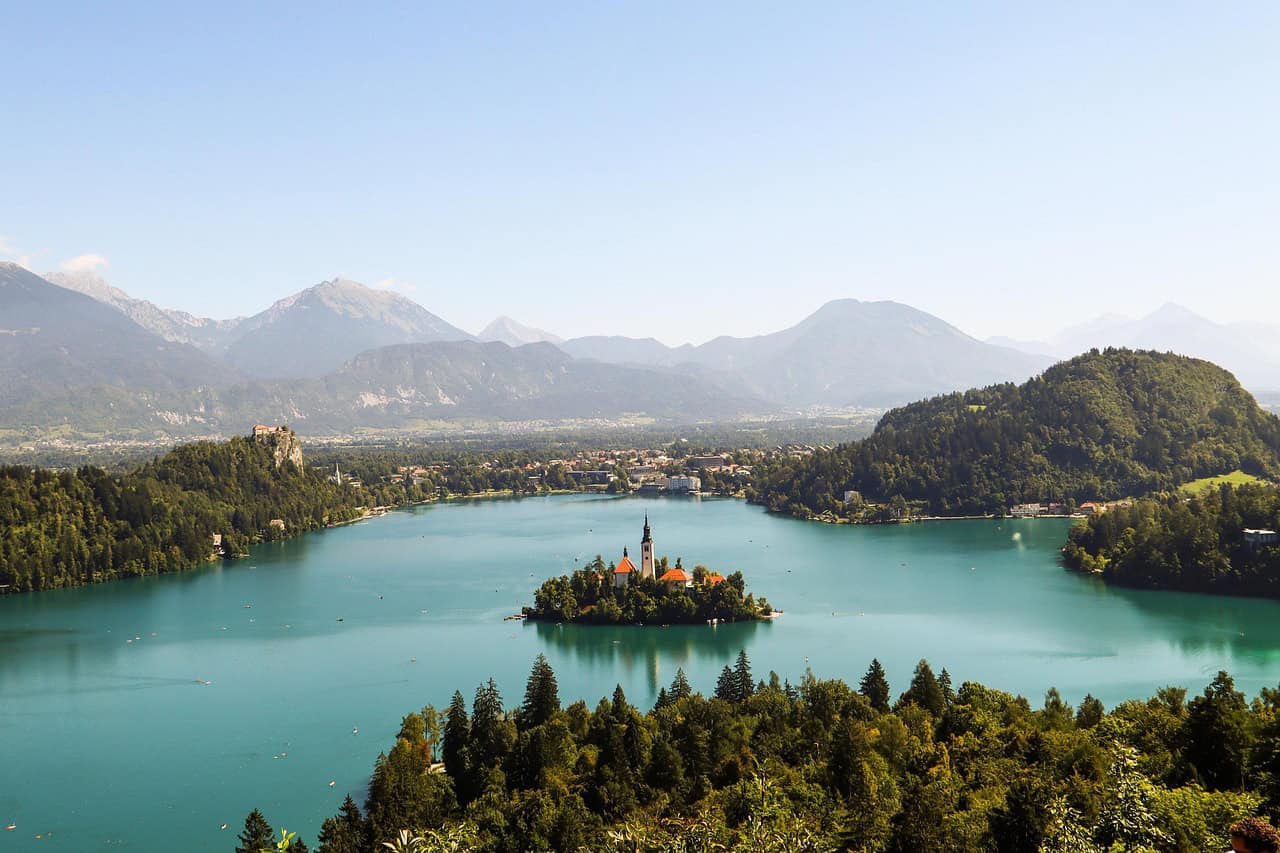
Slovenia may be small at just 20,271 square kilometers, yet it contains alpine peaks, Adriatic coastline, and dense forests that cover nearly 60% of the country. Despite welcoming around 6 million visitors annually, it remains far quieter than neighboring Italy or Austria.
The emerald waters of Lake Bled and the dramatic chambers of Postojna Cave highlight its natural range. Ljubljana, with roughly 300,000 residents, feels intimate, green, and effortlessly walkable. Travelers can ski, hike, and sip regional wine all within 90 minutes.
2. Georgia
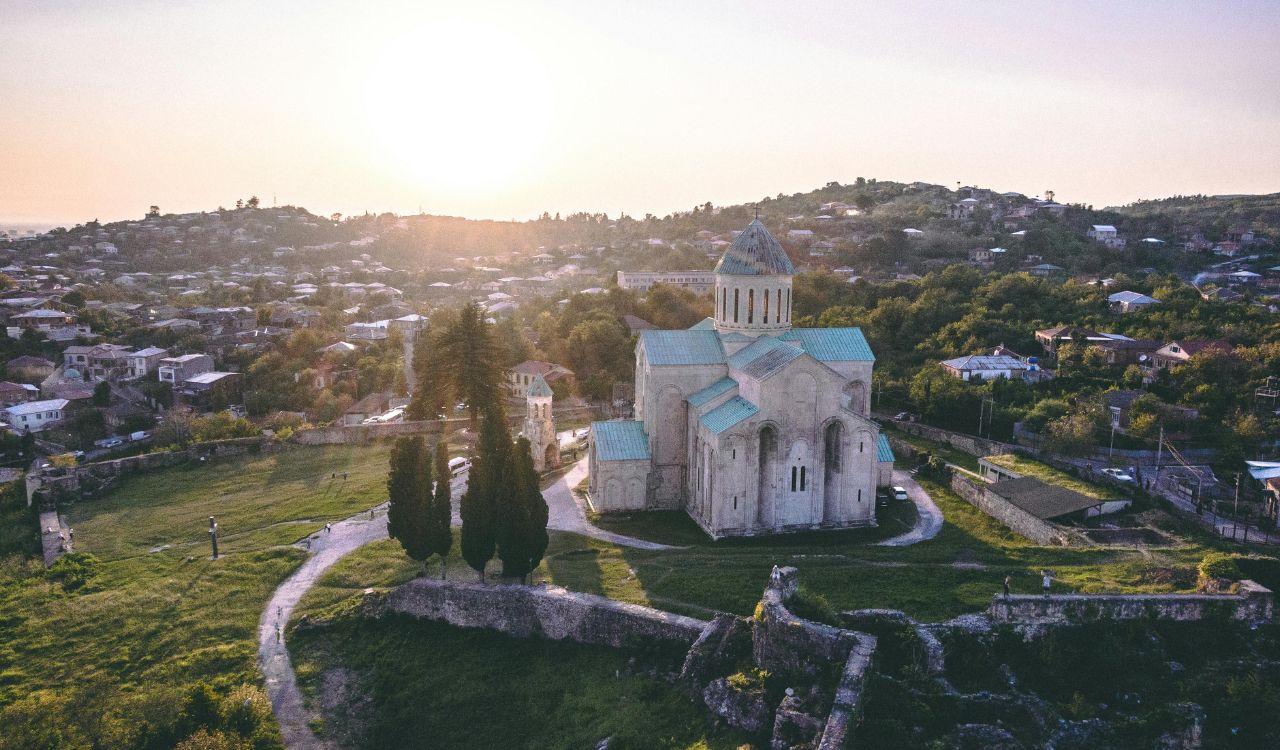
Straddling Europe and Asia, Georgia is home to 3.7 million people and more than 12 climate zones. Tourism is growing, yet it still receives fewer than 6 million annual visitors, a fraction of Western Europe’s totals.
Tbilisi blends medieval churches with cutting-edge architecture, while the Caucasus Mountains soar beyond 5,000 meters near Kazbegi. The country claims 8,000 years of winemaking tradition and over 500 indigenous grape varieties, making it both culturally deep and remarkably welcoming.
3. Uruguay
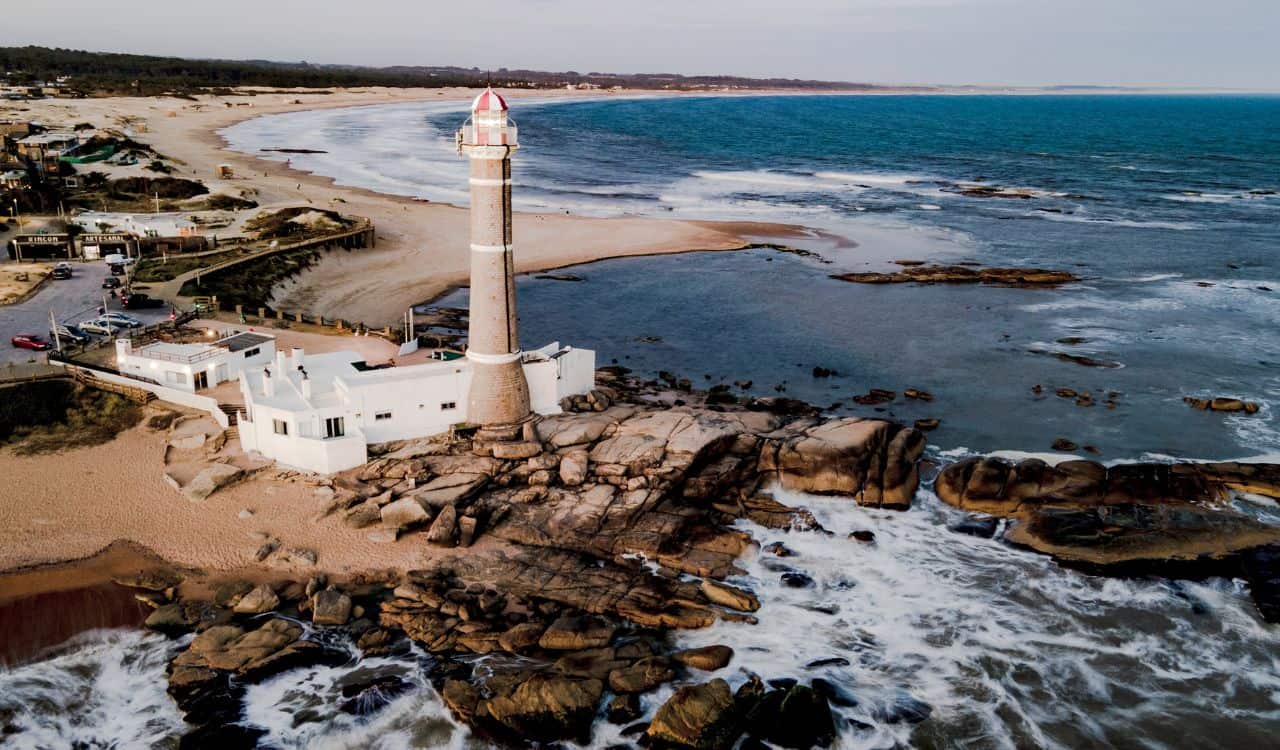
Often overshadowed by Brazil and Argentina, Uruguay offers stability, safety, and a relaxed coastal culture. With a population of just 3.4 million, it feels manageable and uncrowded even in peak season.
Montevideo stretches along 22 kilometers of waterfront promenade, while Colonia del Sacramento preserves centuries-old Portuguese architecture. Beach towns like Punta del Este attract regional visitors, yet American tourism remains modest, making it ideal for slow travel and genuine local interaction.
4. Romania
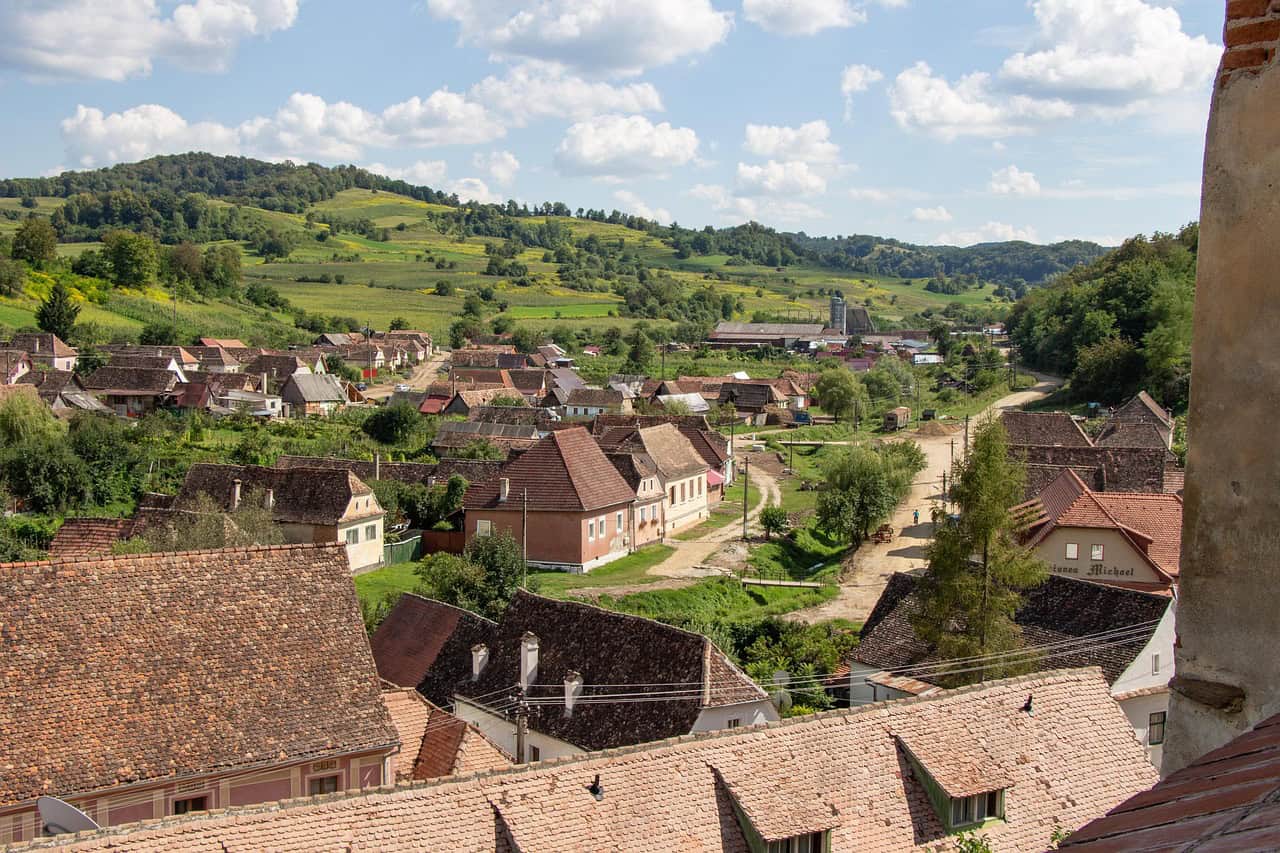
Romania combines medieval towns, wild forests, and dramatic Carpathian peaks across 238,397 square kilometers. Despite its size, it draws far fewer American visitors than Western Europe.
Brașov sits beneath forested mountains, while Bran Castle draws curiosity for its Dracula legends. Nearly 30% of Europe’s remaining virgin forests lie here, and wildlife populations include thousands of brown bears. Romania offers affordability, folklore, and genuine rural traditions rarely seen elsewhere.
5. Oman
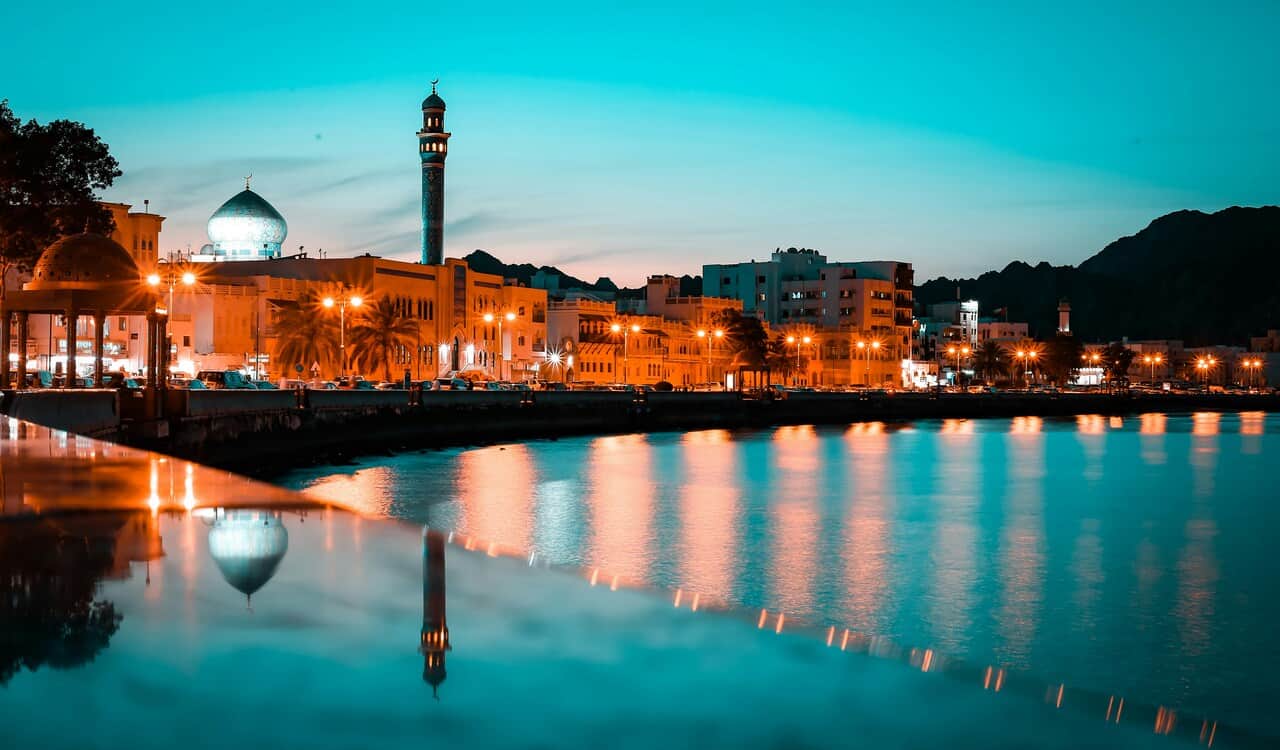
Unlike flashier Gulf neighbors, Oman focuses on heritage and natural drama. With about 4.5 million residents, it limits overdevelopment and preserves architectural character.
Muscat showcases low-rise buildings and the grand Sultan Qaboos Grand Mosque, which holds up to 20,000 worshippers. Beyond the capital, deserts stretch across 80% of the territory, and rugged mountains rise above 3,000 meters. It’s safe, culturally rich, and refreshingly authentic.
6. Namibia
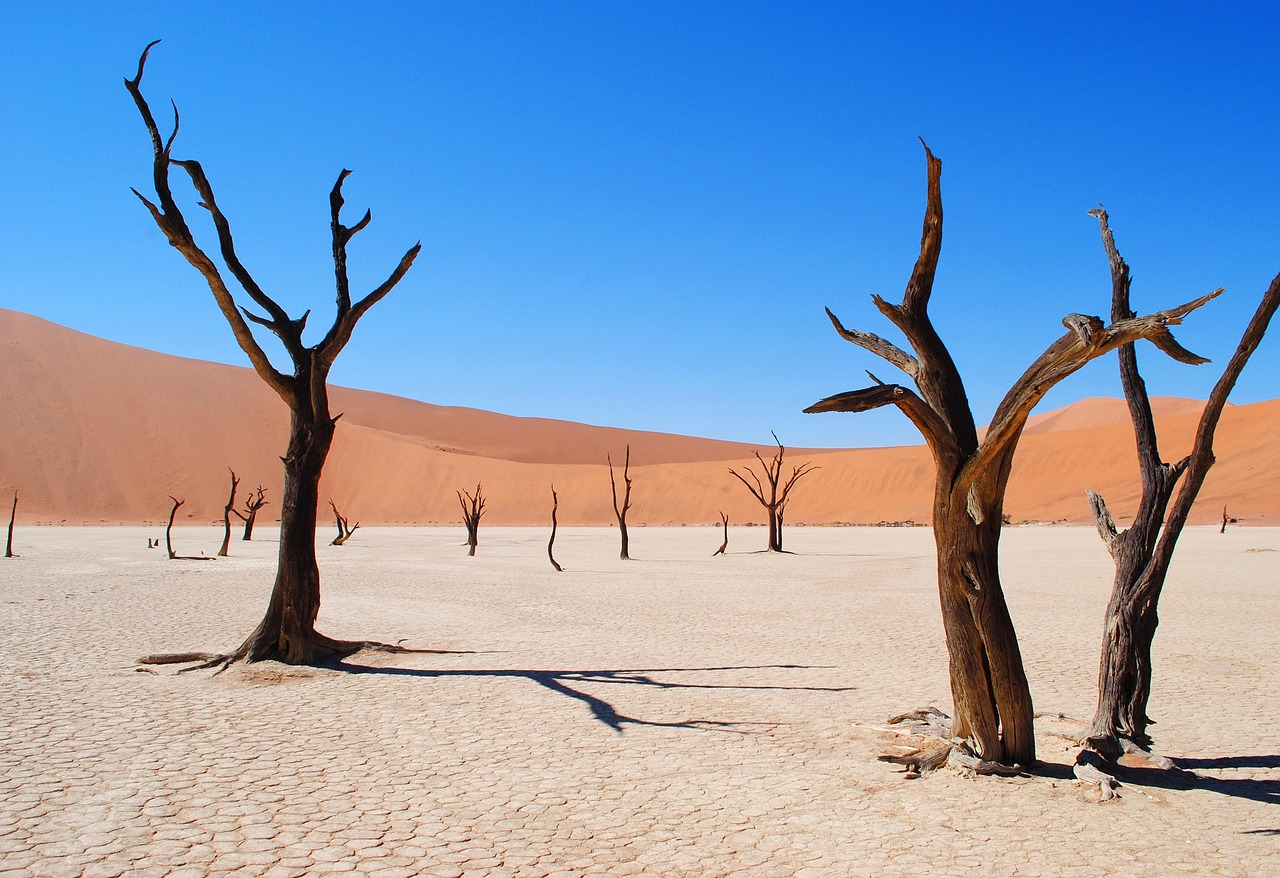
Vast and sparsely populated, Namibia has just 2.6 million people spread across 825,615 square kilometers. That means wide-open landscapes and remarkably low tourist density.
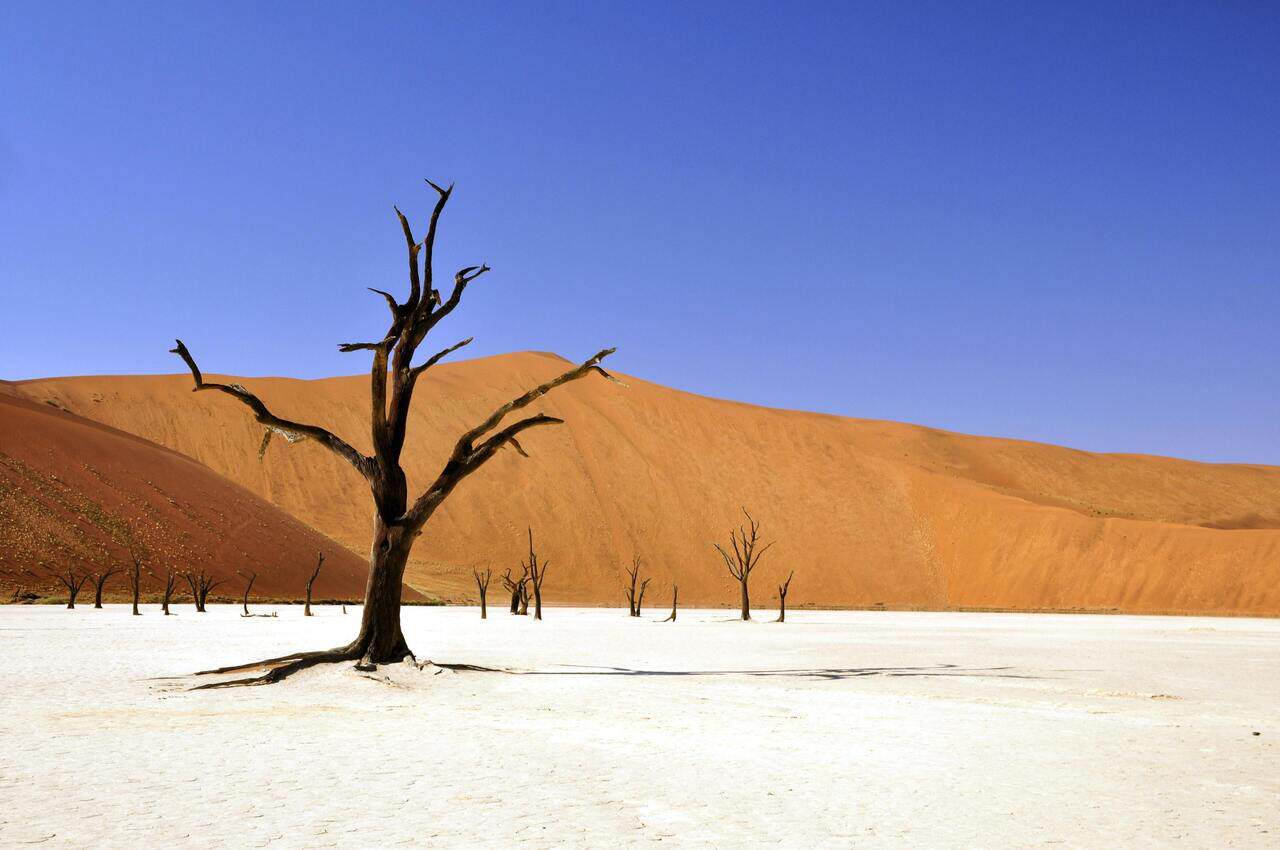
Sossusvlei features some of the world’s tallest dunes, reaching 300 meters. Etosha National Park spans 22,000 square kilometers and supports lions, elephants, and black rhinos. English is widely spoken, infrastructure is solid, and stargazing here ranks among the planet’s best.
7. Albania
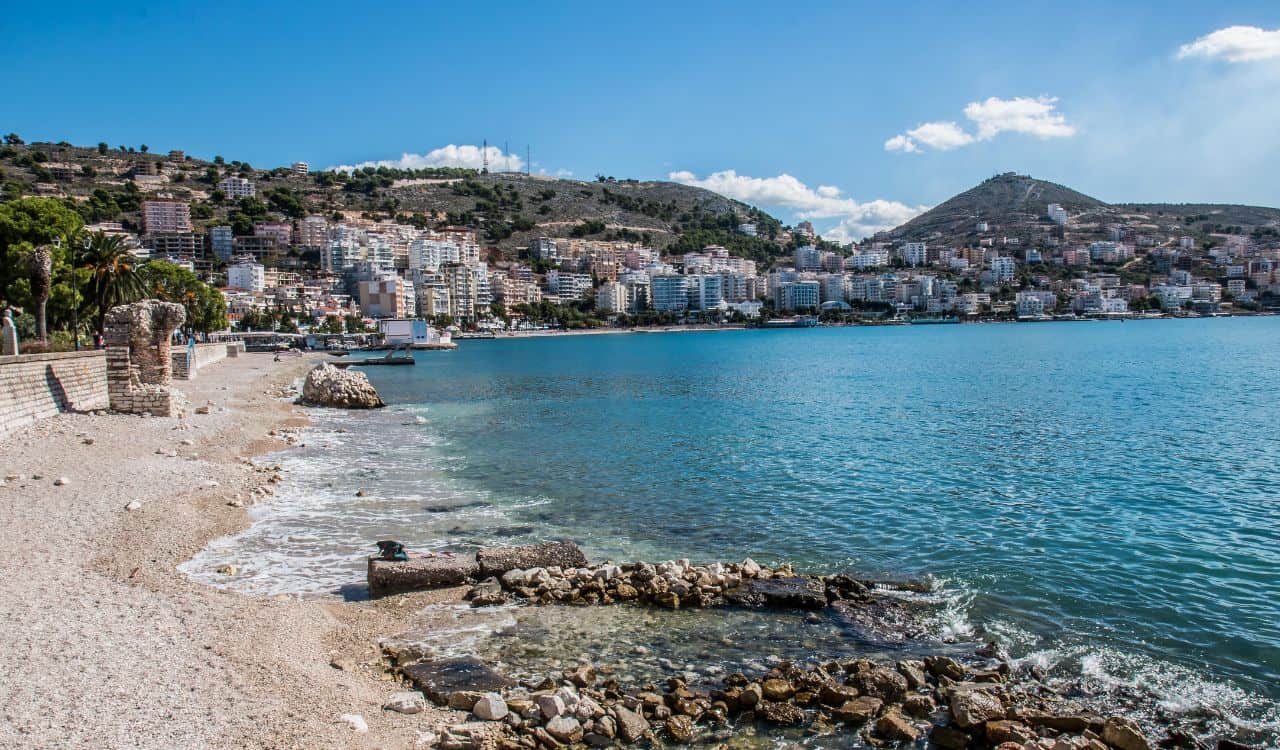
Once isolated, Albania now offers turquoise beaches and rugged mountains without Mediterranean price tags. Its population of 2.8 million keeps tourism manageable even as interest grows.
Berat is known as the “City of a Thousand Windows,” while Gjirokastër preserves Ottoman-era stone architecture. The Albanian Riviera stretches roughly 120 kilometers, delivering Ionian views comparable to Greece, yet with fewer cruise ships and more authentic village life.
8. Laos
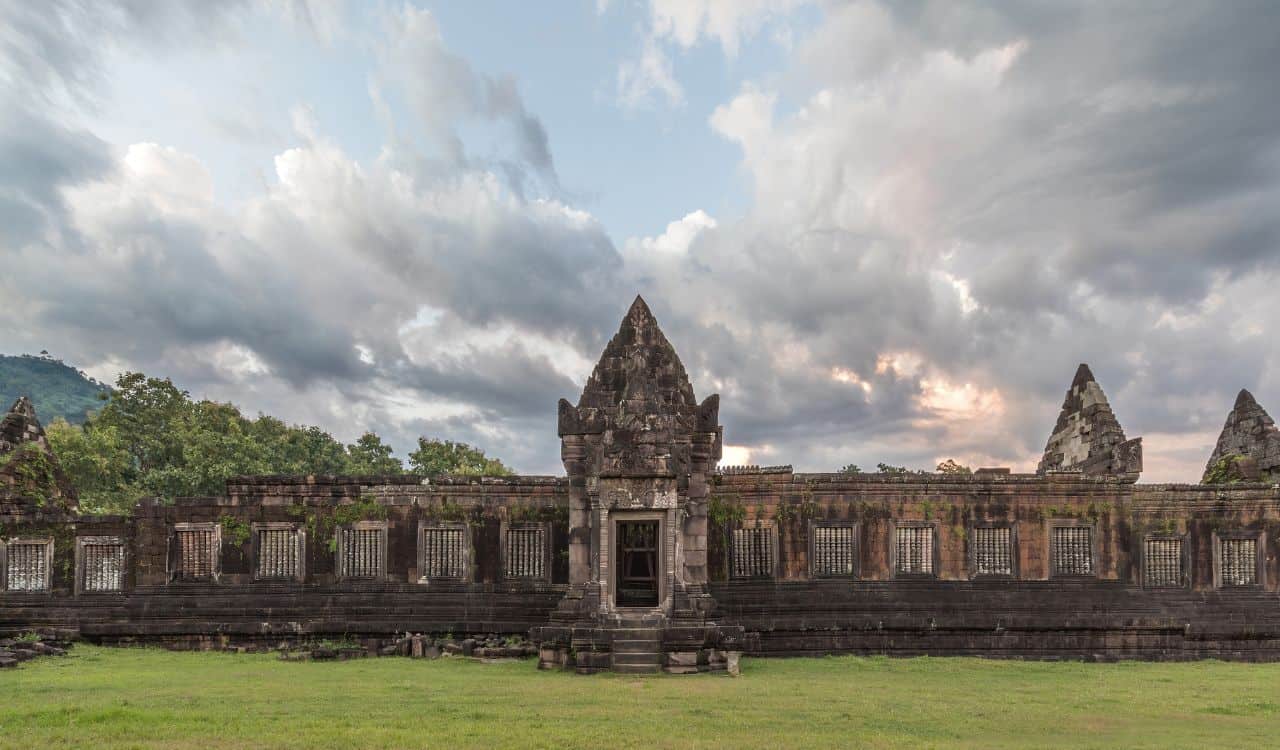
Landlocked Laos remains one of Southeast Asia’s quietest destinations, welcoming far fewer tourists than Thailand or Vietnam. With about 7.5 million residents, it retains a calm, unhurried rhythm.
Luang Prabang, a UNESCO-listed town, blends French colonial facades with golden temples. The Mekong River defines daily life, and waterfalls cascade through jungle landscapes. Buddhism shapes culture deeply, and travelers often describe the atmosphere as reflective and grounding rather than commercialized.
9. Madagascar
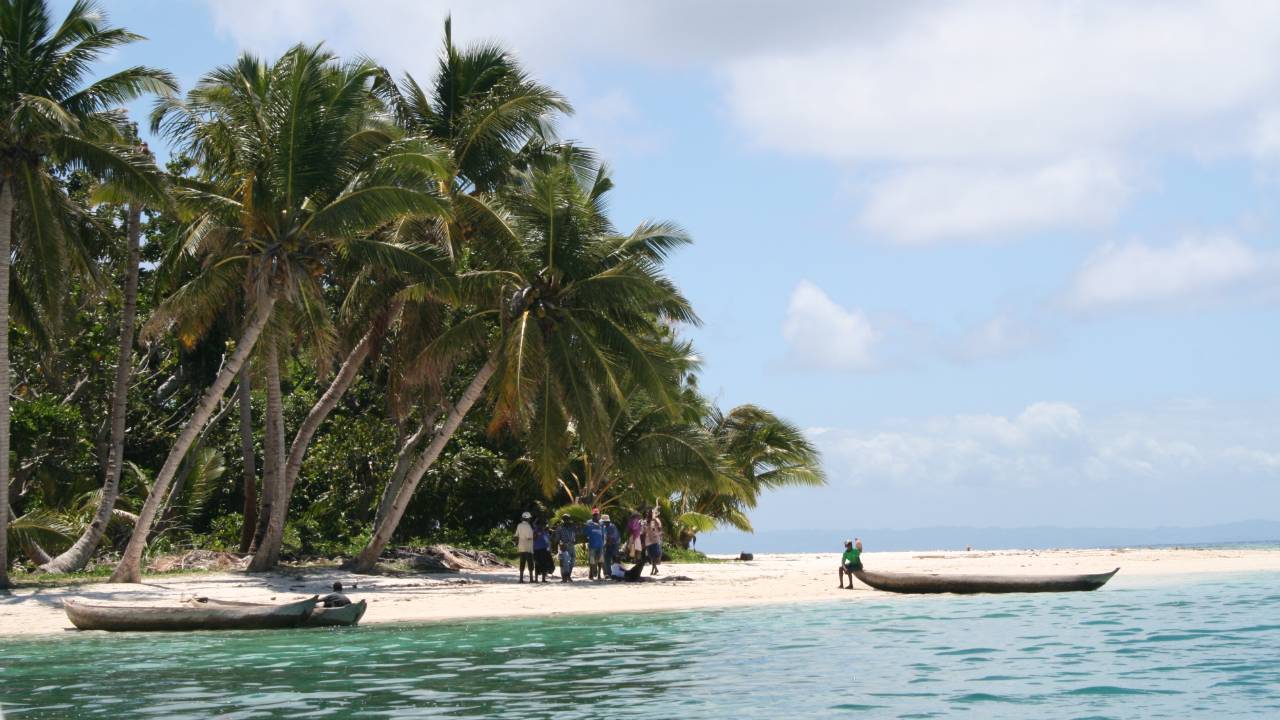
Separated from Africa for 88 million years, Madagascar hosts wildlife found nowhere else on Earth. Roughly 90% of its species are endemic, including dozens of lemur varieties.
Avenue of the Baobabs showcases towering trees up to 30 meters tall. The island spans 587,000 square kilometers, offering rainforests, coral reefs, and highland plateaus. Tourism infrastructure is developing, yet visitor numbers remain modest compared to global hotspots, preserving a sense of discovery.
10. Kyrgyzstan
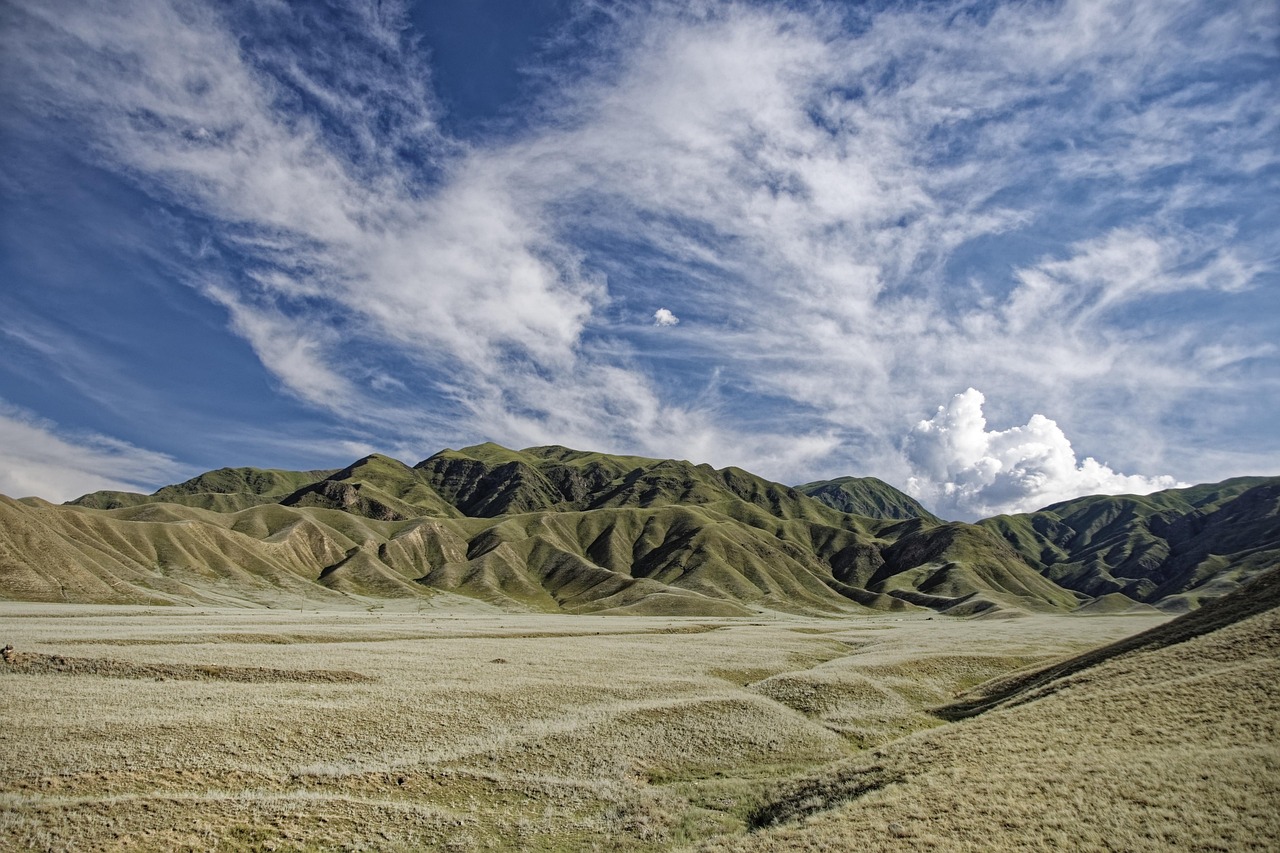
For mountain lovers, Kyrgyzstan delivers raw landscapes and nomadic heritage. Nearly 90% of its territory lies above 1,500 meters, and the Tien Shan range dominates the horizon.
Issyk-Kul is one of the world’s largest alpine lakes, stretching 182 kilometers long. With a population of about 6.7 million, the country remains lightly visited by Americans. Horse trekking, yurt stays, and dramatic valleys create an adventure-focused escape far from mainstream tourism circuits.