We may earn money or products from the companies mentioned in this post. This means if you click on the link and purchase the item, I will receive a small commission at no extra cost to you ... you're just helping re-supply our family's travel fund.
Travel marketing has perfected the art of illusion. A few carefully framed photos and viral videos can turn almost any destination into a dream escape. What rarely gets shown are the crowds, costs, delays, and daily frustrations that come with many so-called “perfect” vacation spots. These places aren’t ugly or worthless, but the gap between expectation and reality can be jarring. Below are ten globally hyped destinations that often leave travelers exhausted, overcharged, and quietly disappointed once the filters come off.
1. Santorini, Greece
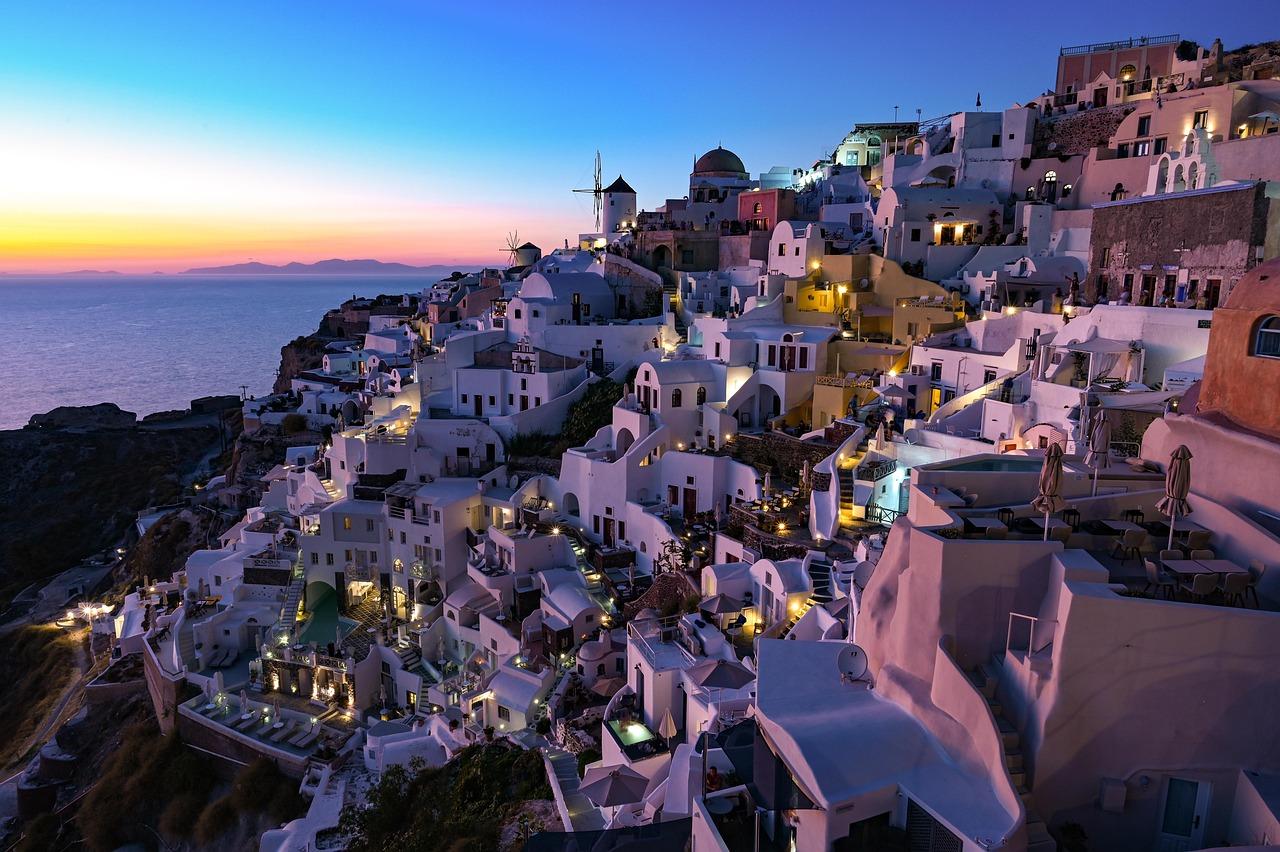
Santorini looks idyllic, yet daily life there can feel relentlessly stressful. The island receives over 2 million visitors annually, with up to 18,000 cruise passengers per day flooding narrow streets. Hotels average $450–$900 per night in peak season, while simple meals often exceed $35 per person. Sidewalks clog before sunset, turning viewpoints into shoulder-to-shoulder waiting zones. Transportation is limited, taxis are scarce, and summer heat regularly reaches 32°C (90°F). What should feel romantic instead becomes a pricey exercise in crowd navigation.
2. Venice, Italy
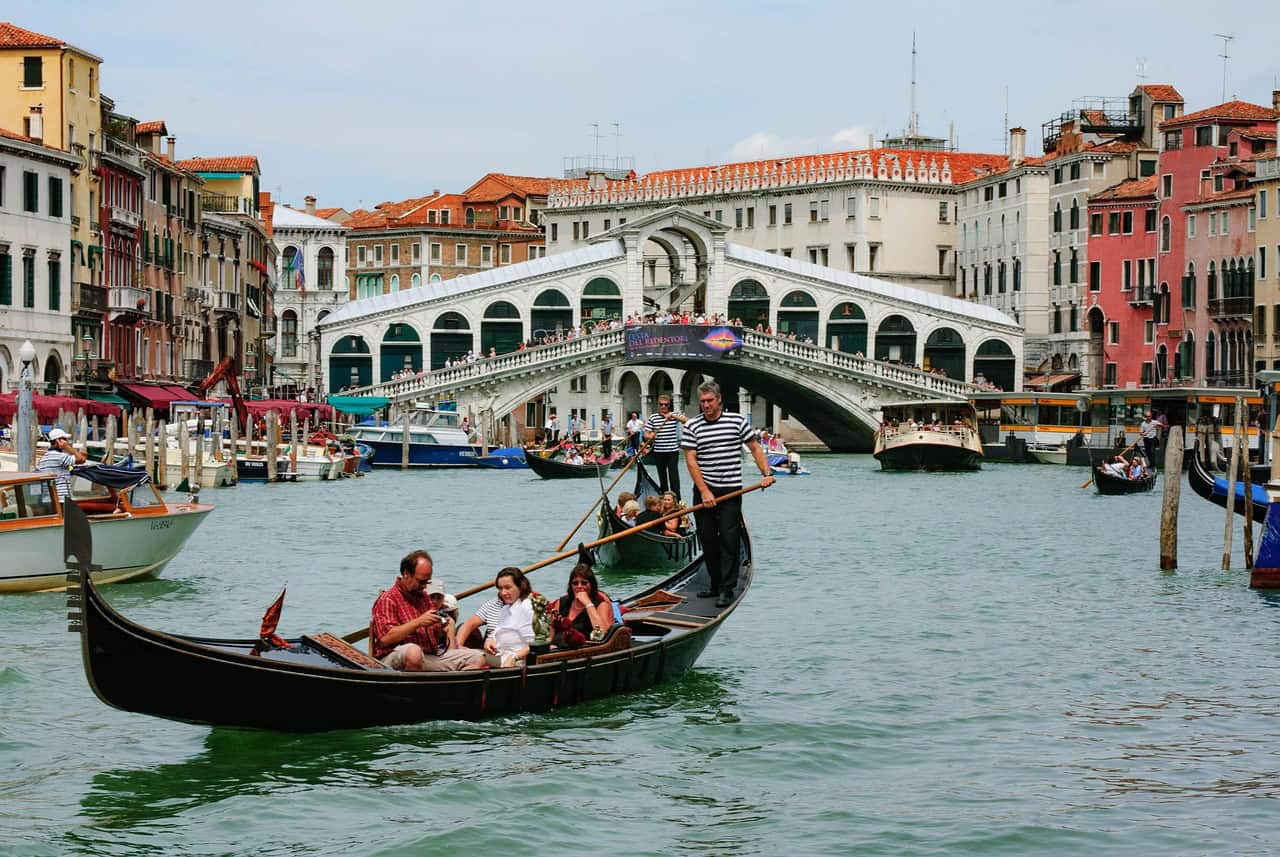
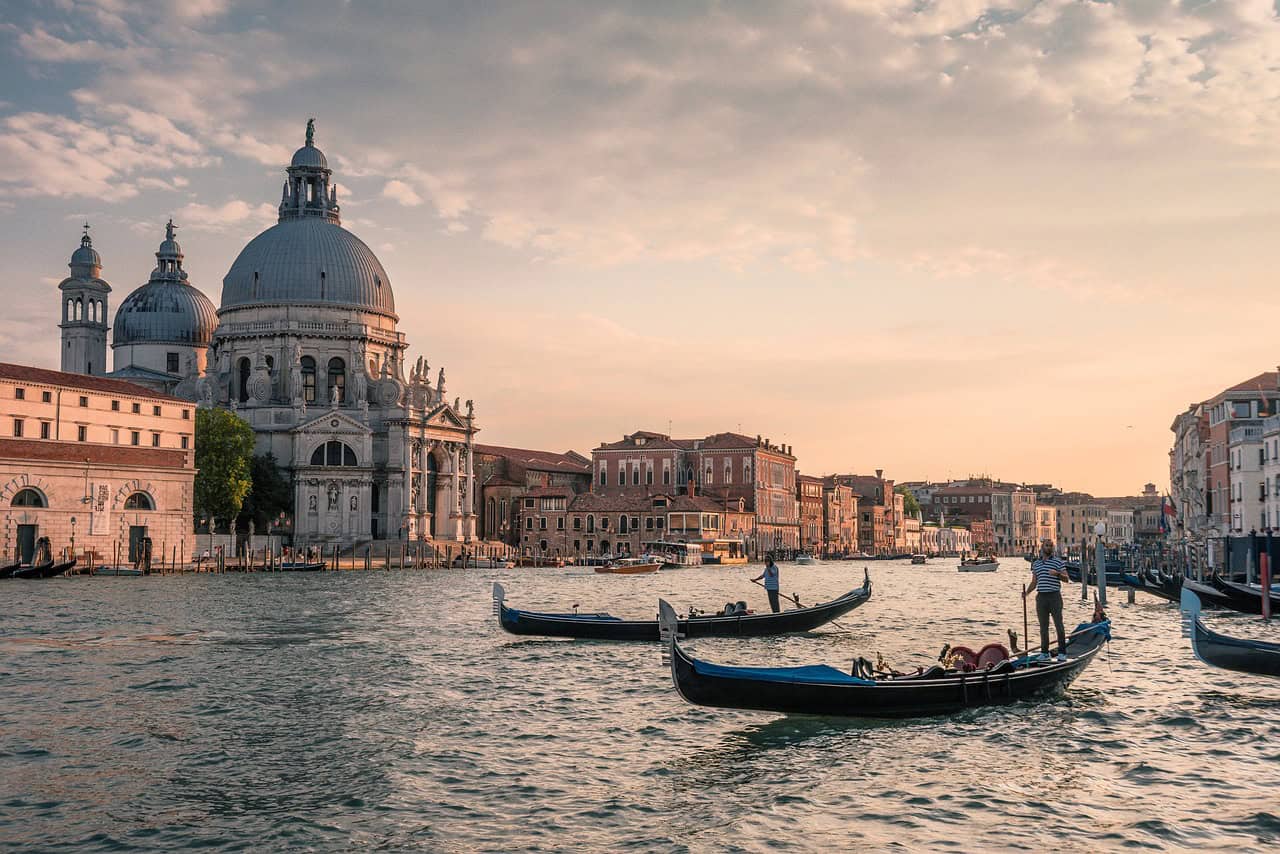
Venice struggles under the weight of its own fame. With roughly 25–30 million visitors yearly and fewer than 50,000 full-time residents, the city feels overwhelmed. Summer temperatures hover around 30°C (86°F), intensifying odors from stagnant canals. Hotels commonly exceed $300 per night, and basic groceries cost 30–40% more than mainland Italy. Constant foot traffic slows movement to a crawl, and luggage over bridges quickly becomes exhausting. Many travelers leave feeling they visited a theme park version of a once-living city.
3. Bali, Indonesia
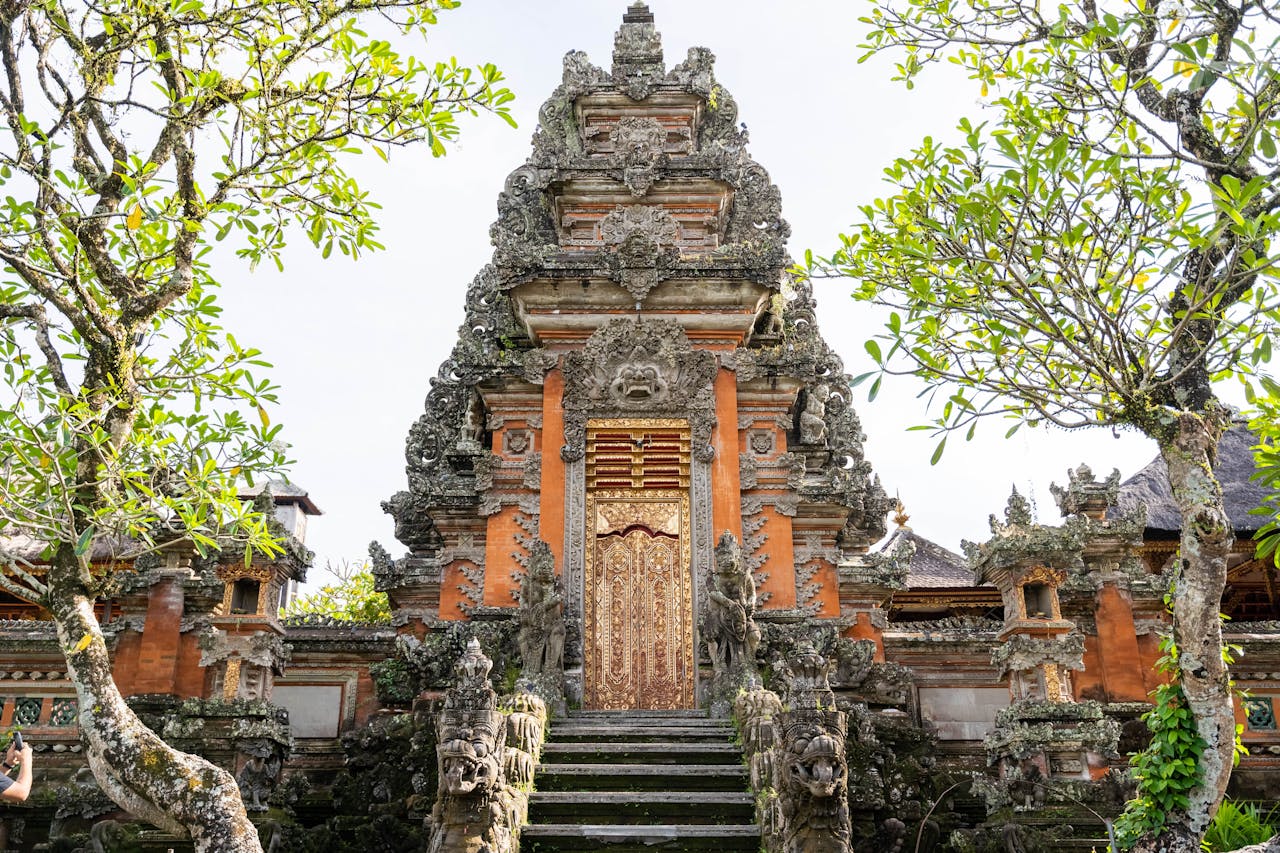
Bali’s online image promises tranquility, but popular areas deliver chaos. Traffic in Canggu and Ubud averages 45–60 minutes for 10 km, especially during peak hours. Tourism has surged past 5 million visitors per year, straining waste systems; some beaches collect over 30 tons of plastic monthly during monsoon season. Hotel prices have doubled since 2019, with mid-range stays now around $180 per night. Scooters dominate roads, noise is constant, and serene experiences require long detours far from tourist hubs.
4. Paris, France
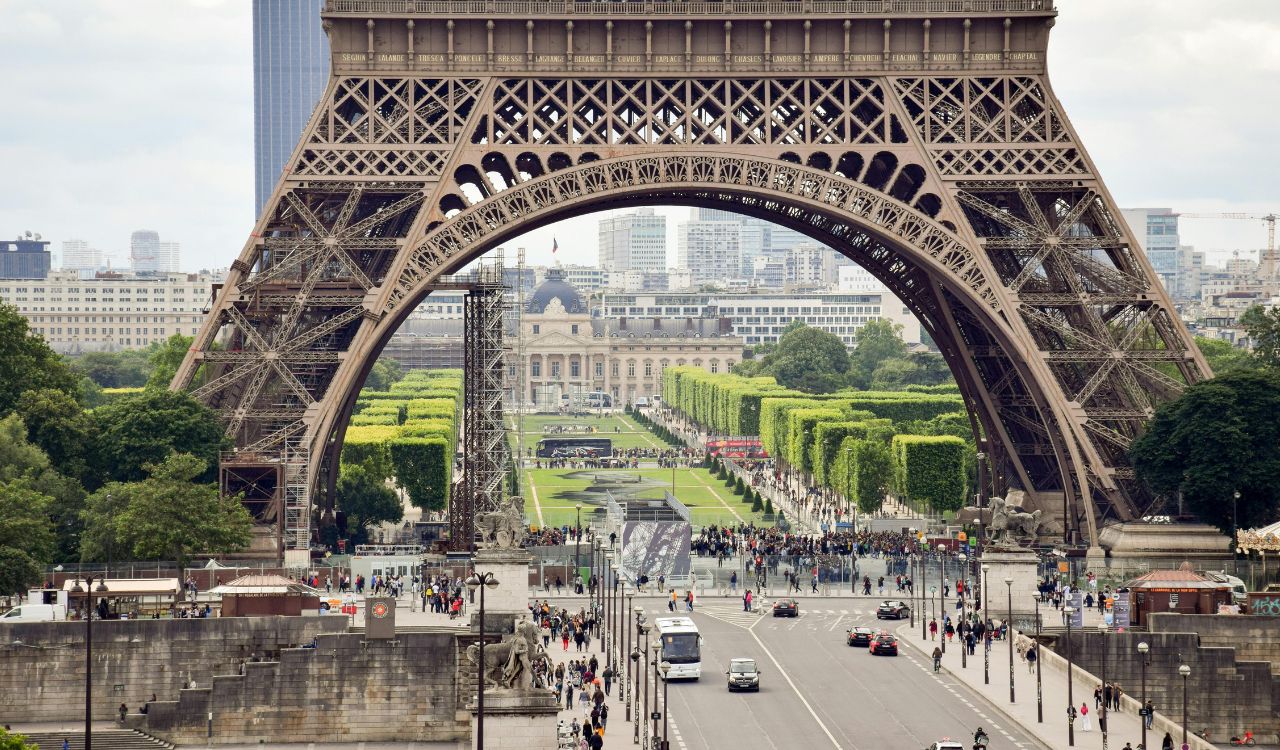
Paris remains stunning, but daily travel there can feel punishing. The city hosts over 44 million tourists annually, creating long lines at nearly every landmark. Average hotel rates exceed $280 per night, while museum entry often costs $20–25. Pickpocketing reports rise sharply in tourist zones, with thousands of incidents yearly. Public transport strikes disrupt schedules several times a year, and summer crowds push wait times past 90 minutes at major attractions. The charm exists, but patience is constantly tested.
5. Dubai, UAE
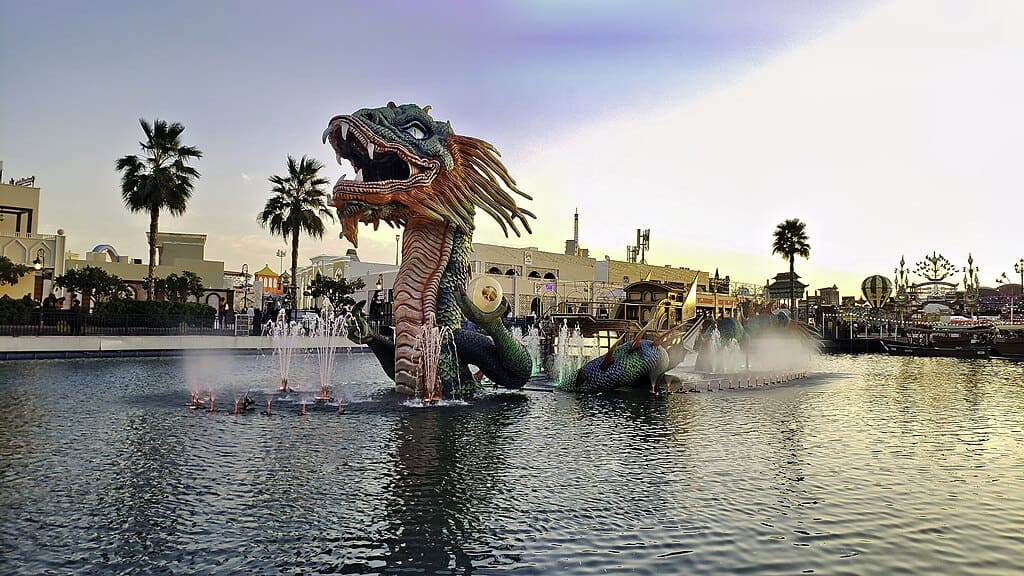
Dubai impresses visually, yet struggles as a vacation city. Summer temperatures exceed 42°C (108°F), making outdoor sightseeing nearly impossible for months. The city receives around 17 million visitors annually, most funneled into malls and resorts. Average attraction costs range from $80–150, and dining inside tourist zones regularly exceeds $40 per meal. Walkability is poor, public spaces feel controlled, and cultural depth is limited. After the novelty fades, many travelers feel confined to air-conditioned consumption loops.
6. Machu Picchu, Peru
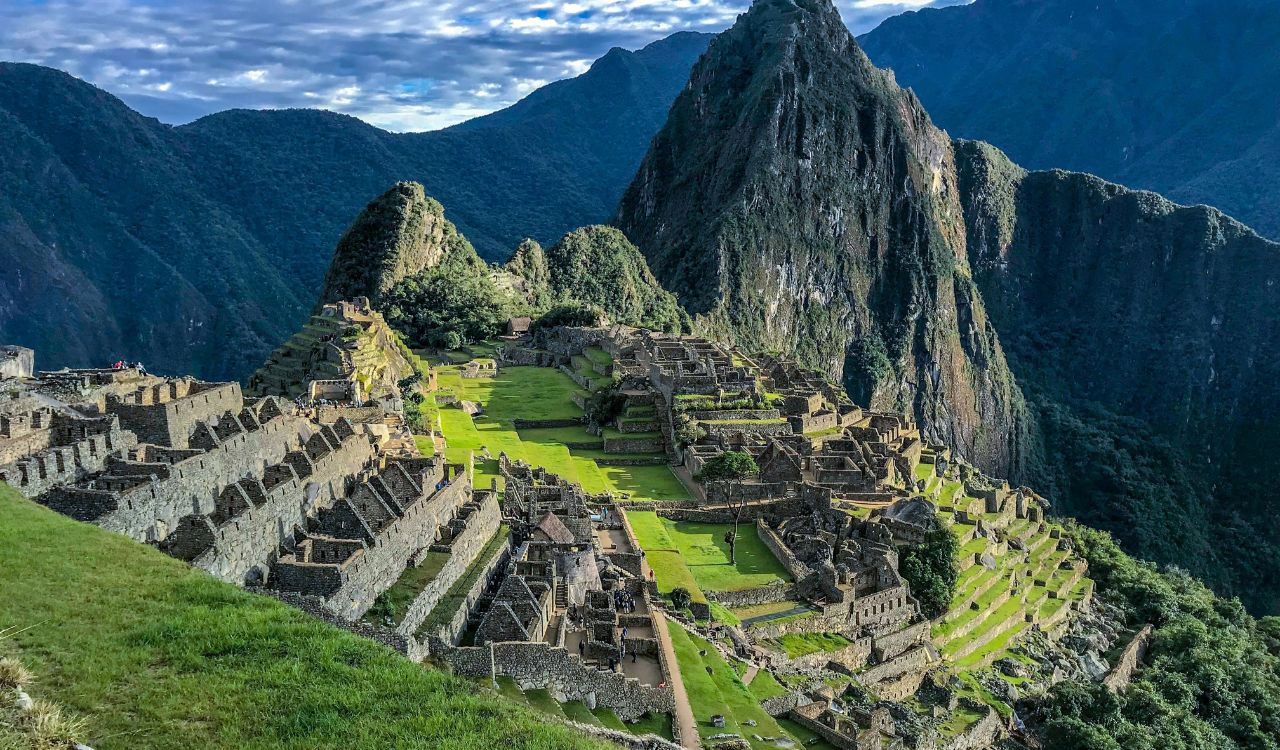
Machu Picchu’s beauty is undeniable, but logistics drain the experience. Daily visitor numbers are capped at around 4,500, creating intense competition for permits. Total trip costs commonly exceed $1,200–$2,000, including trains and guides. Visitors are limited to 2–4 hour time slots, enforced by guards moving groups along. Altitude sits at 2,430 meters (7,970 ft), causing headaches and nausea for many. Instead of awe, travelers often remember the pressure, rules, and physical strain.
7. Phuket, Thailand
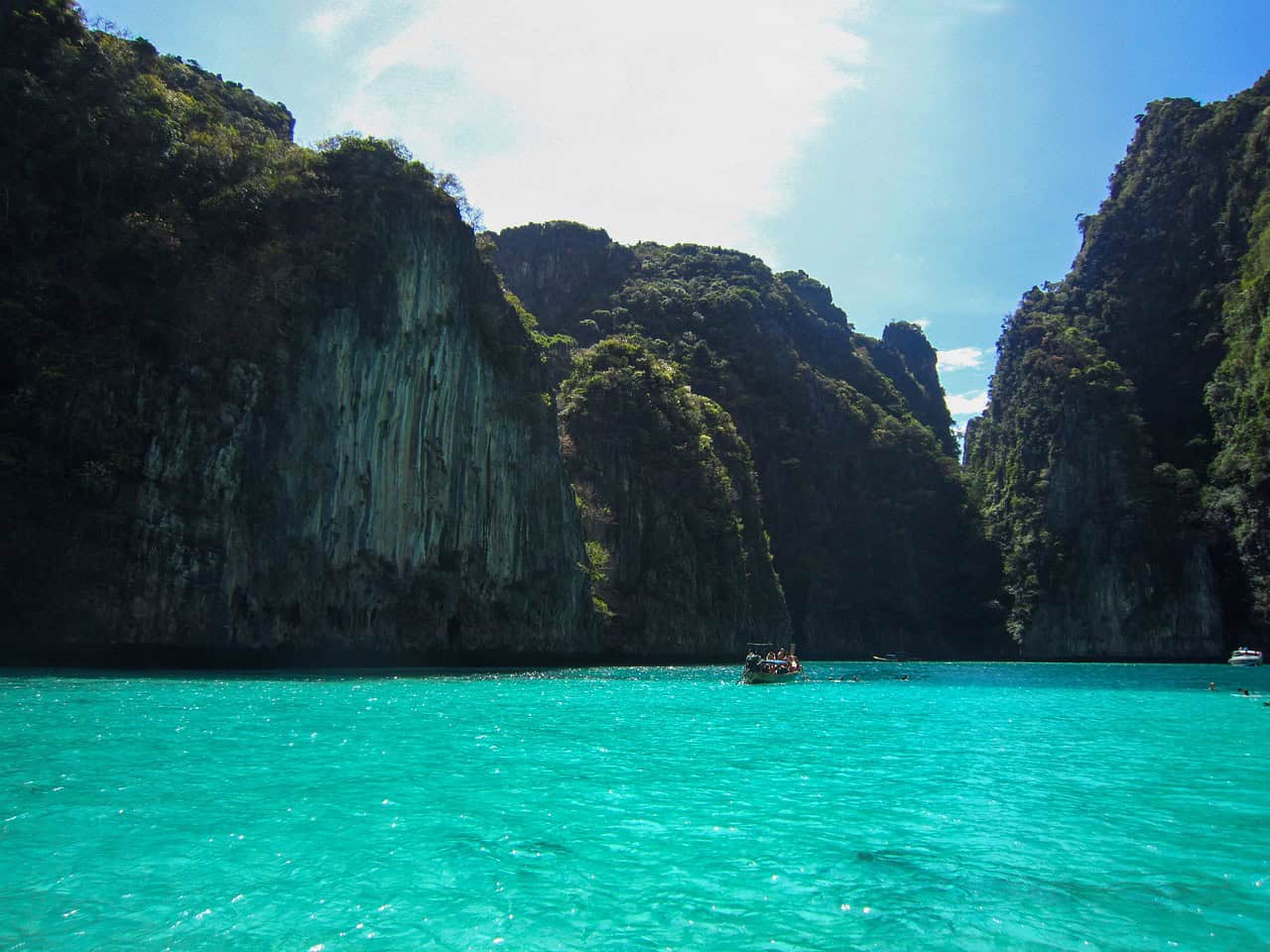
Phuket’s reputation masks serious drawbacks. The island hosts over 9 million tourists annually, overwhelming roads and beaches. Traffic speeds can drop below 10 km/h during peak hours, and jet-ski scams cost visitors thousands yearly. Beach chair rentals, once free, now cost $10–15 per day, while hotel prices average $160–$250 per night in high season. Overdevelopment has reduced natural beauty, leaving many visitors feeling they paid island prices for urban stress.
8. Times Square, New York City
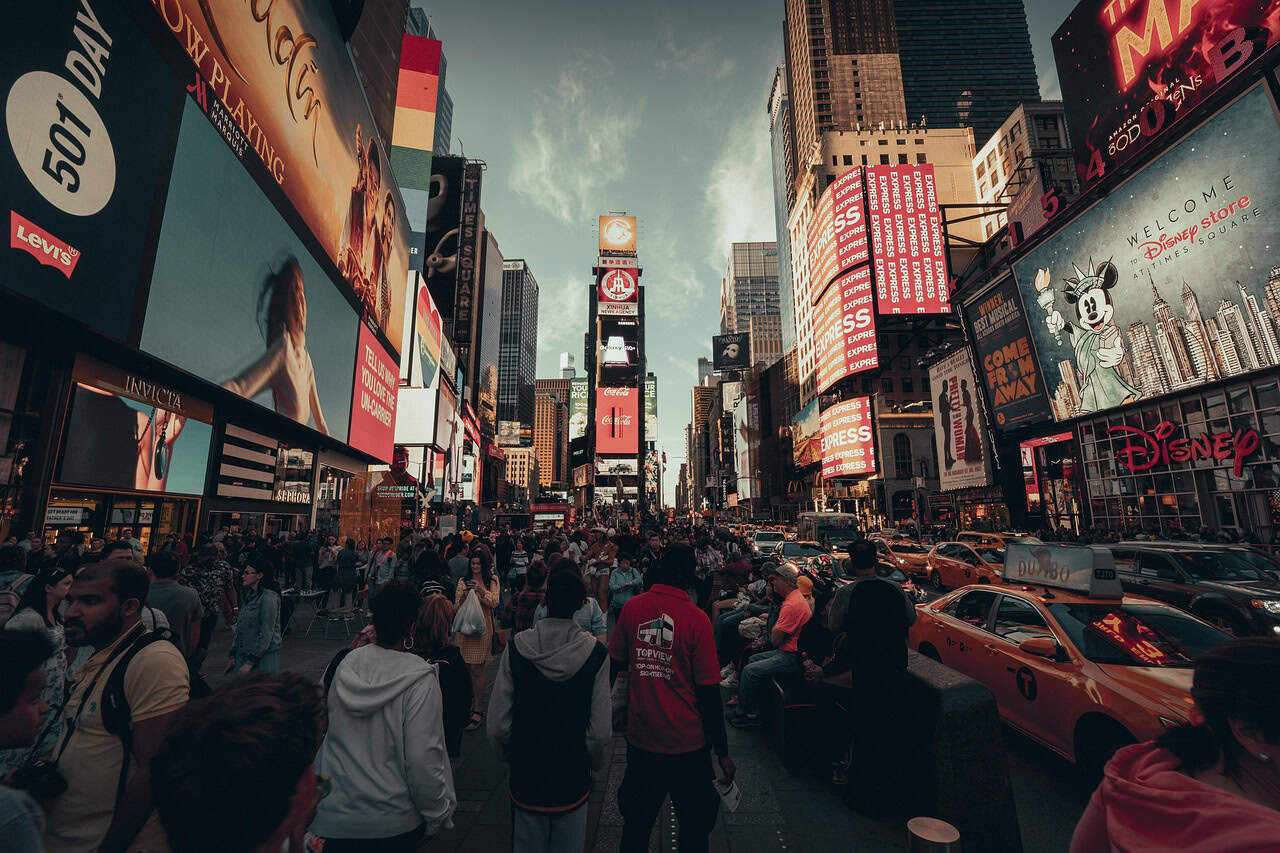
Times Square attracts over 50 million visitors each year, yet offers little substance. Sidewalk congestion slows walking to under 3 km/h, while noise levels often exceed 85 decibels. Restaurants charge 25–40% more than elsewhere in Manhattan for lower quality food. Street performers aggressively solicit tips, and hotel rates commonly exceed $350 per night. Most visitors stay far longer than necessary, mistaking spectacle for experience, and leave overstimulated rather than impressed.
9. The Maldives
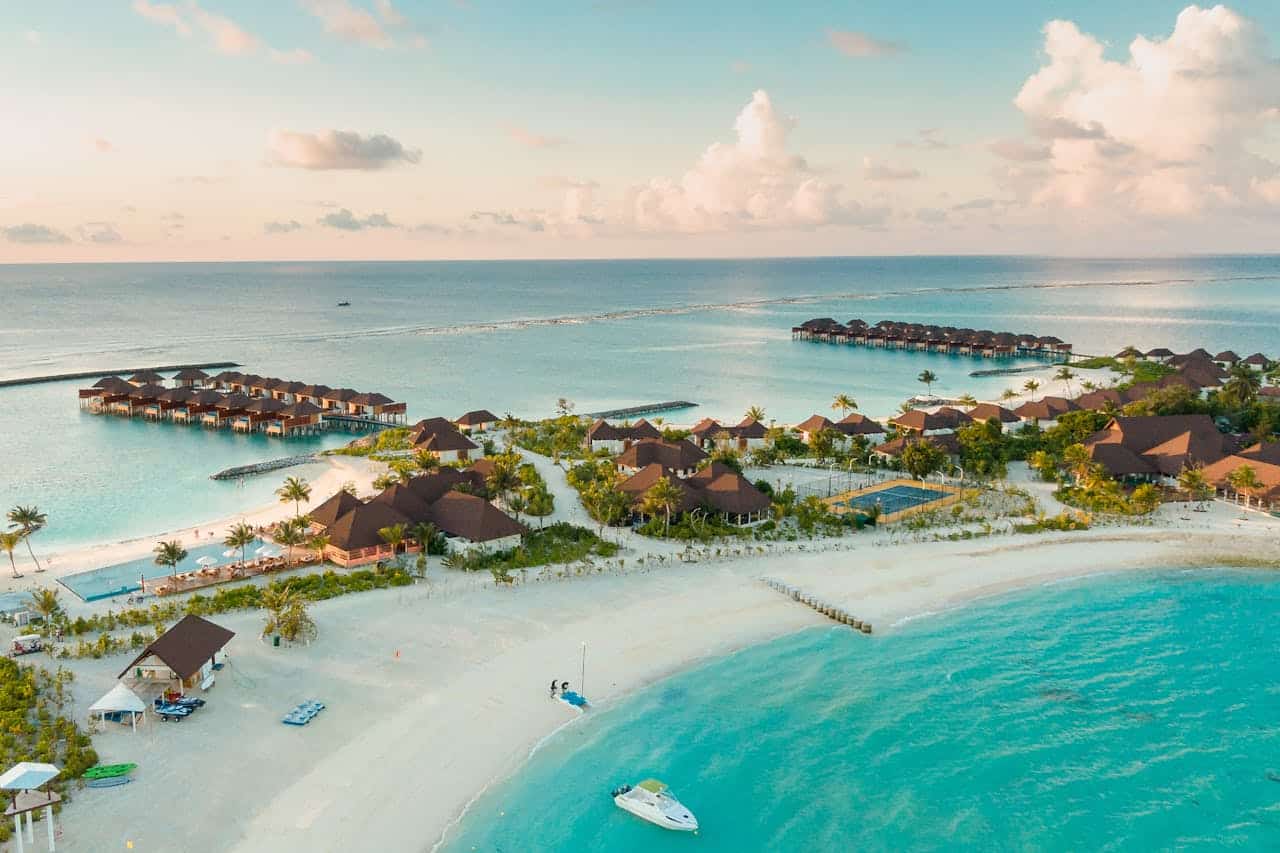
The Maldives sells paradise, but at a steep emotional and financial cost. Resorts often charge $600–$1,200 per night, with meals averaging $80–120 per person daily. Alcohol prices can exceed $25 per drink. Most islands offer limited activities beyond water sports, leading to boredom after a few days. With over 1.8 million tourists annually, exclusivity feels manufactured. Once the scenery becomes familiar, many travelers feel isolated, restricted, and hyper-aware of constant spending.
10. Everest Base Camp, Nepal
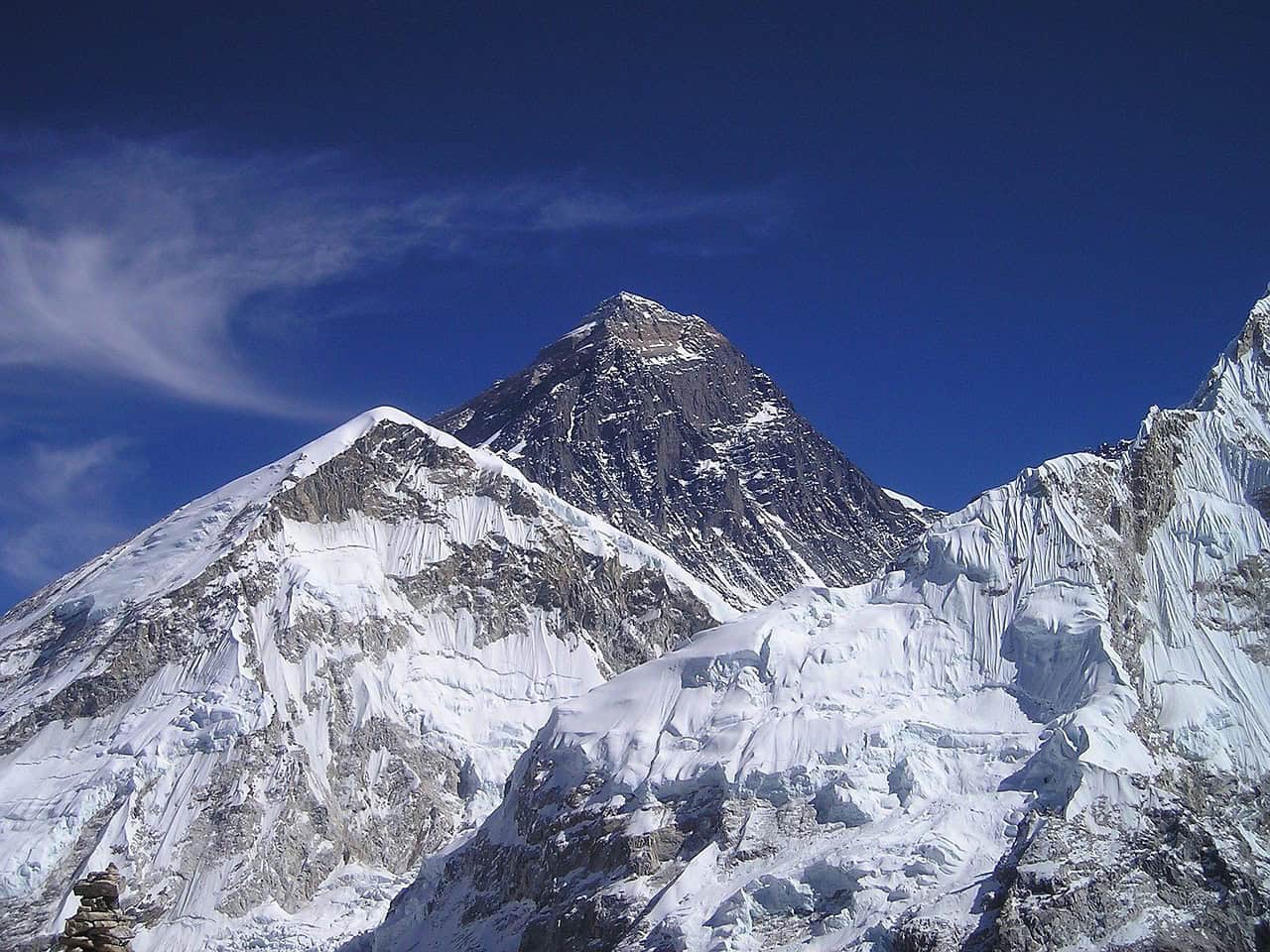
Everest Base Camp is more ordeal than adventure for many. The trek spans 130 km round trip, takes 12–14 days, and reaches 5,364 meters (17,598 ft). Altitude sickness affects nearly 40% of trekkers to some degree. Peak seasons bring overcrowded trails and teahouses with minimal hygiene. Daily costs average $40–60, excluding permits and guides. Physical exhaustion, cold nights, and health risks often overshadow the sense of achievement travelers expect.