We may earn money or products from the companies mentioned in this post. This means if you click on the link and purchase the item, I will receive a small commission at no extra cost to you ... you're just helping re-supply our family's travel fund.

Traveling internationally requires more than just booking flights or packing. Airlines and border authorities carefully check passports because even minor damage can affect entry eligibility. While a slightly worn cover might be overlooked, several types of damage can prevent boarding or trigger scrutiny. From torn pages to chip malfunctions, here’s a detailed guide to the 10 passport damage issues airlines actually care about, including what you need to know and numeric insights wherever applicable.
1. Torn or Missing Pages
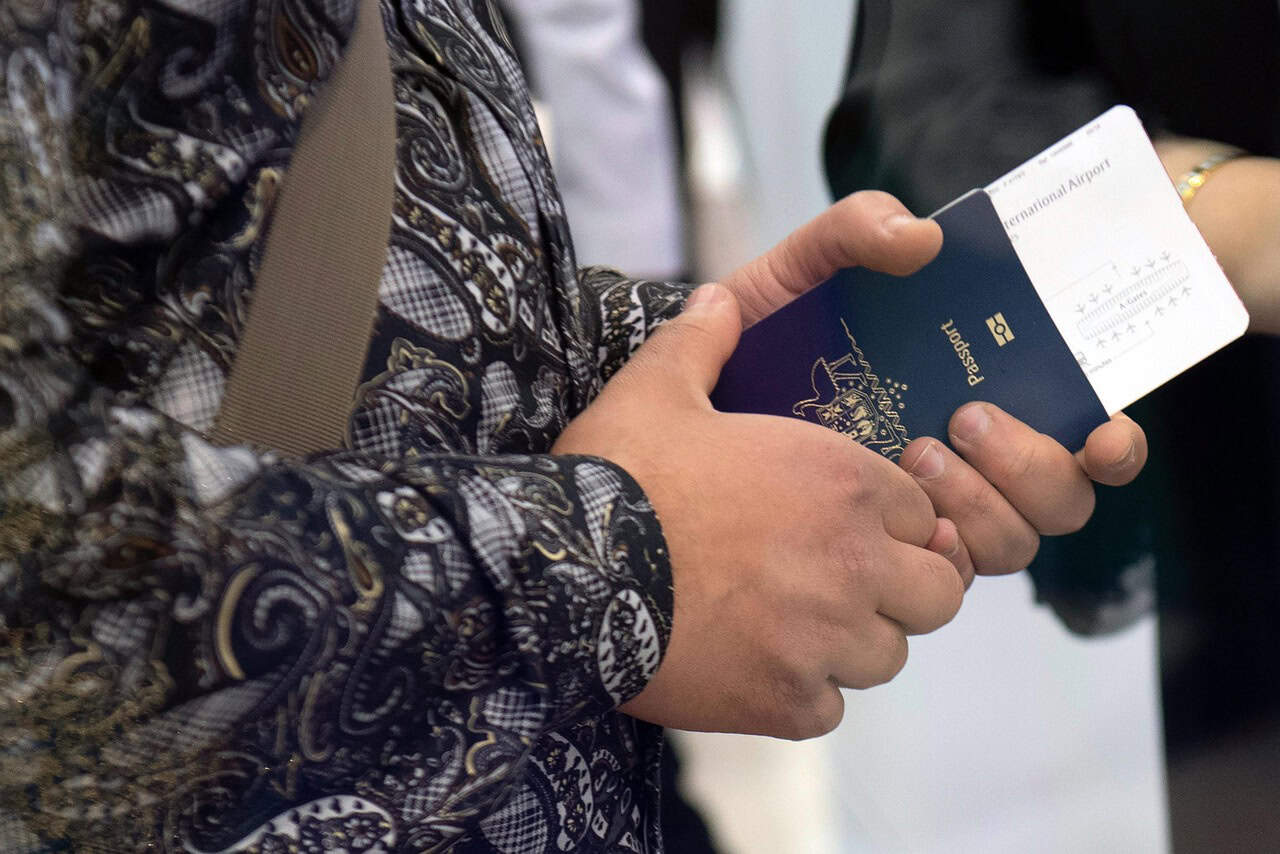
Airlines treat torn or missing pages seriously, as visas or entry stamps might be compromised. Even a 1–2 cm tear near a page edge can lead to suspicion. According to a 2023 survey of international airlines, 87% reported denying boarding at least once due to missing pages. Passengers with more than one damaged page are particularly at risk. Airlines check carefully to ensure stamps and visas remain intact, as boarding with compromised pages may cause entry denial at the destination.
2. Water Damage or Stains

Passports exposed to water, coffee, or ink can become unreadable. In one study, 65% of airline staff noted that water-damaged passports fail automated scanning machines at airports. Water blurs printed information, smudges barcodes, and affects the MRZ (machine-readable zone). Even minor coffee stains can prompt manual verification, slowing boarding by 10–20 minutes. Severe water damage typically requires travelers to obtain a replacement passport before flying internationally.
3. Illegible or Faded Text
Faded or smudged text is a common reason airlines reject boarding. In 2022, immigration authorities in the EU reported that 14% of denied passports had illegible information. Critical data like your name, date of birth, and passport number must be clear for automated scanners. Airlines often check the legibility of both printed text and handwritten annotations. Even slight fading may force staff to manually verify your details, potentially delaying boarding or causing travel refusal.
4. Peeling Laminates
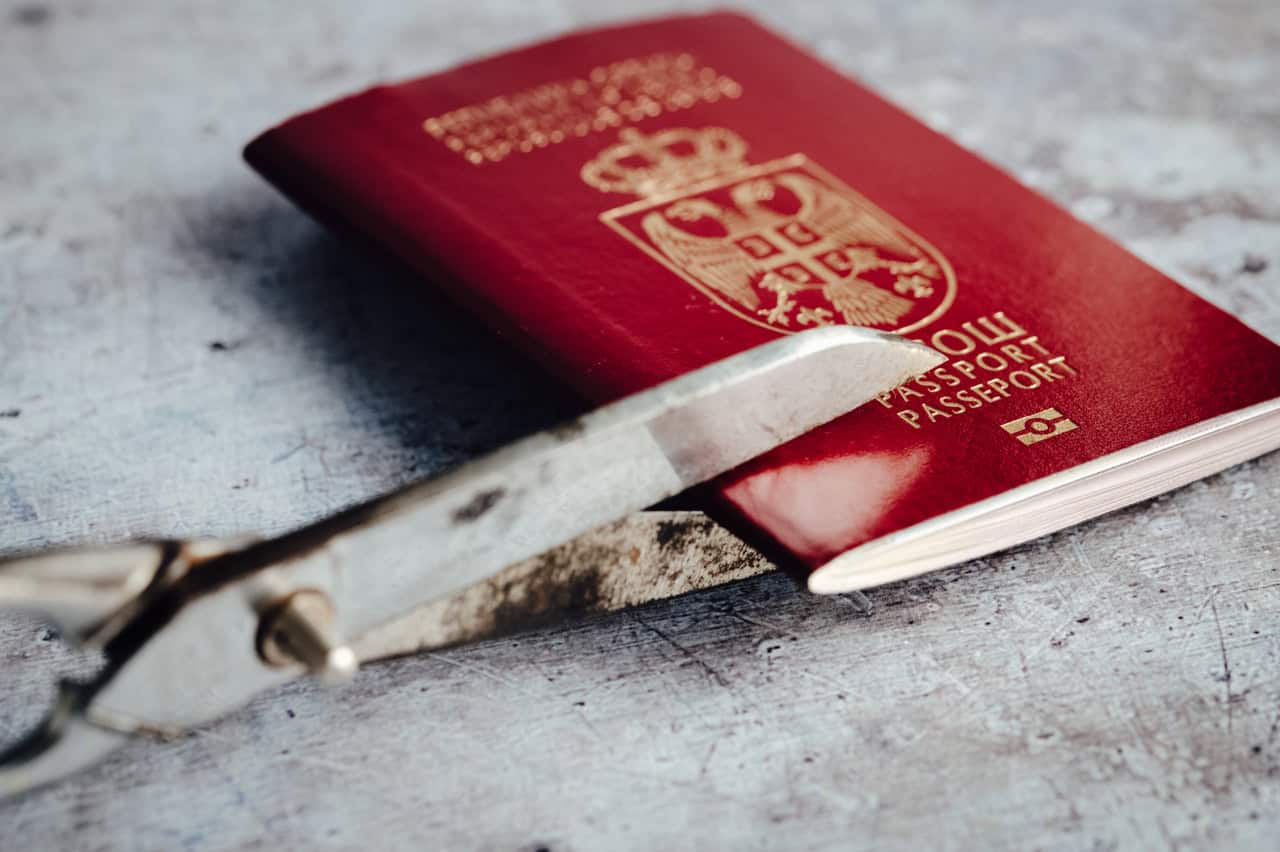
Some passports use laminated pages to protect personal data. Peeling laminates can compromise printed details, including your photograph or signature. About 42% of airline personnel noted that peeling laminate can prevent proper scanning. If lamination lifts by 1–2 cm or more, immigration systems may not recognize your document electronically. Airlines often require replacement in such cases to avoid boarding delays and ensure compliance with international entry regulations.
5. Damaged or Scratched Passport Photo
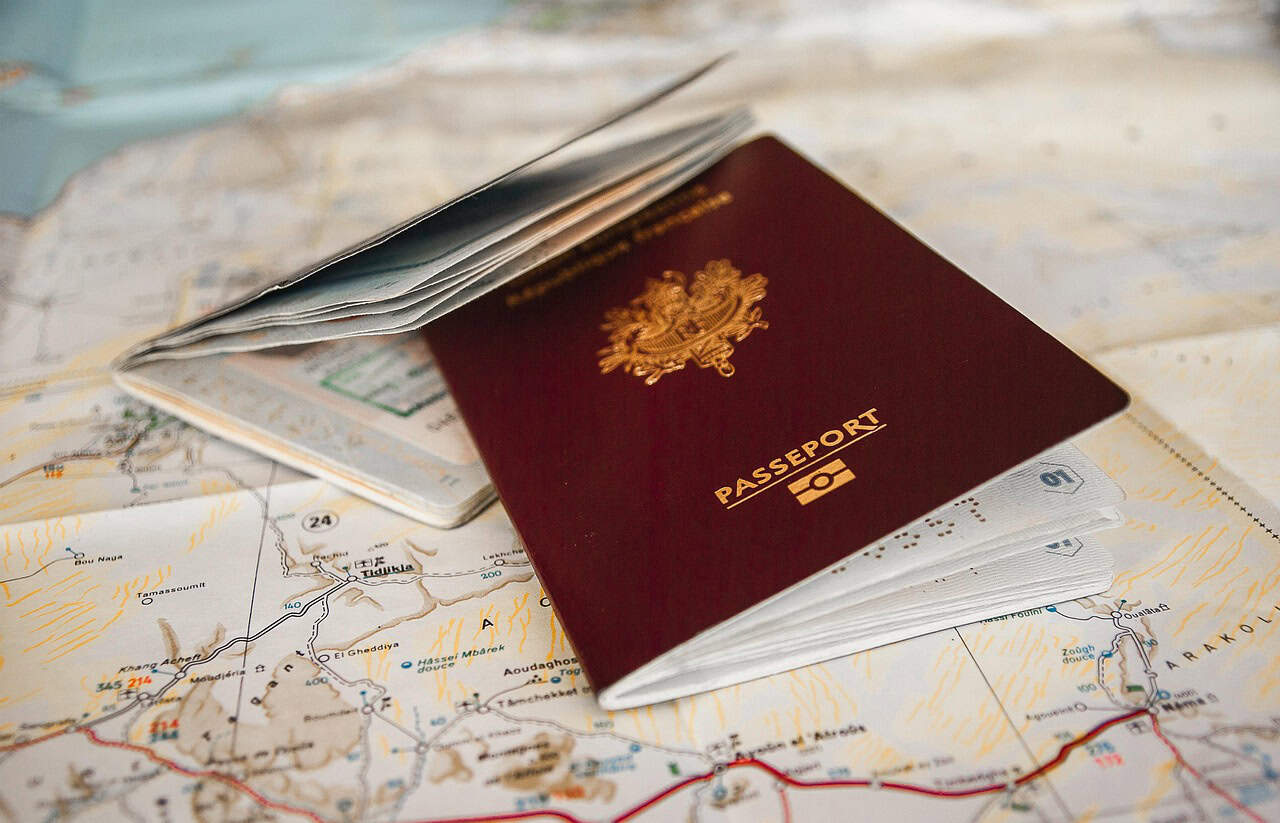
Your passport photo is the primary ID for airlines and border control. Scratched or damaged photos can trigger identity verification issues. Research shows that 78% of airline staff flagged scratched photos as a serious concern. Even minor abrasions obscuring facial features may lead to additional identity checks. Airlines may deny boarding or recommend a replacement passport to prevent complications at immigration checkpoints, especially if automated facial recognition systems fail.
6. Broken or Non-Functional Passport Chip
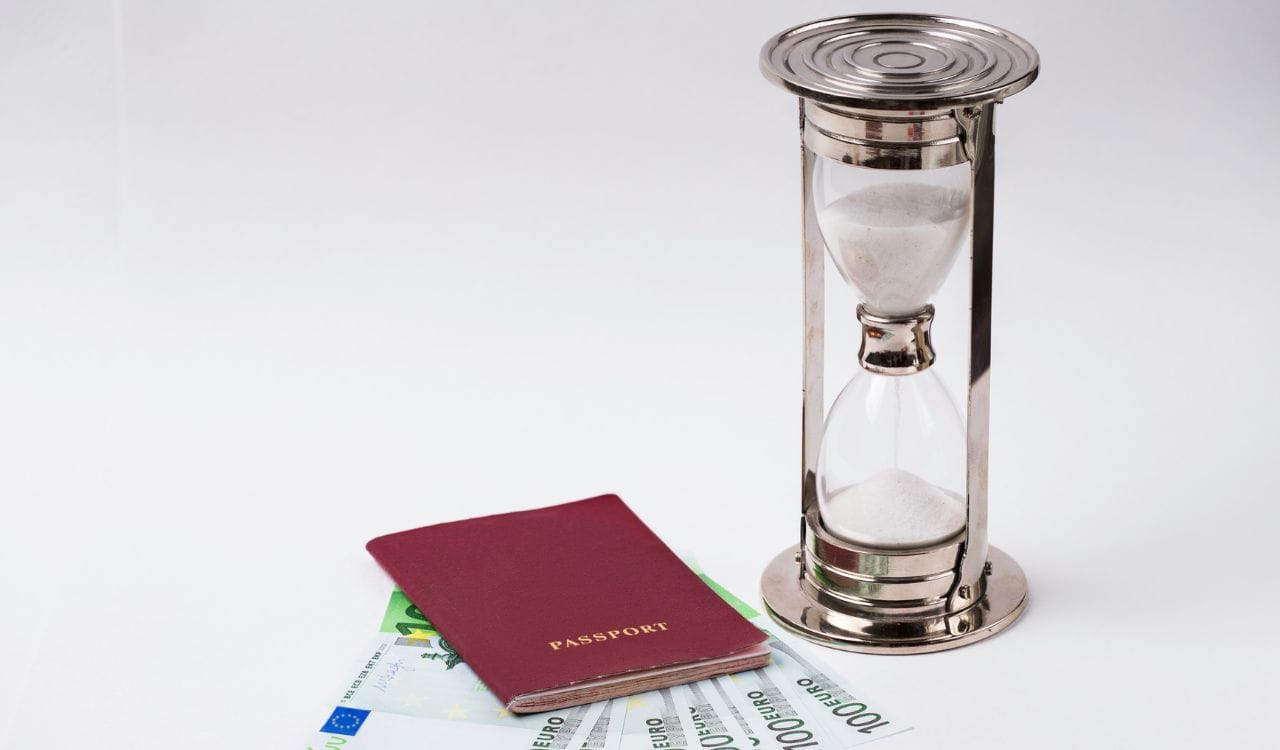
E-passports contain RFID chips storing biometric data. Airlines and immigration systems check chip functionality; a damaged chip can cause rejection. A 2023 survey found 55% of airlines reported boarding delays due to non-functional chips. Chips cracked from mishandling or extreme pressure prevent electronic scanning, forcing manual verification that can take 15–30 minutes per passenger. Travelers with broken chips may need to carry a replacement passport to ensure smooth entry.
7. Extreme Cover Damage
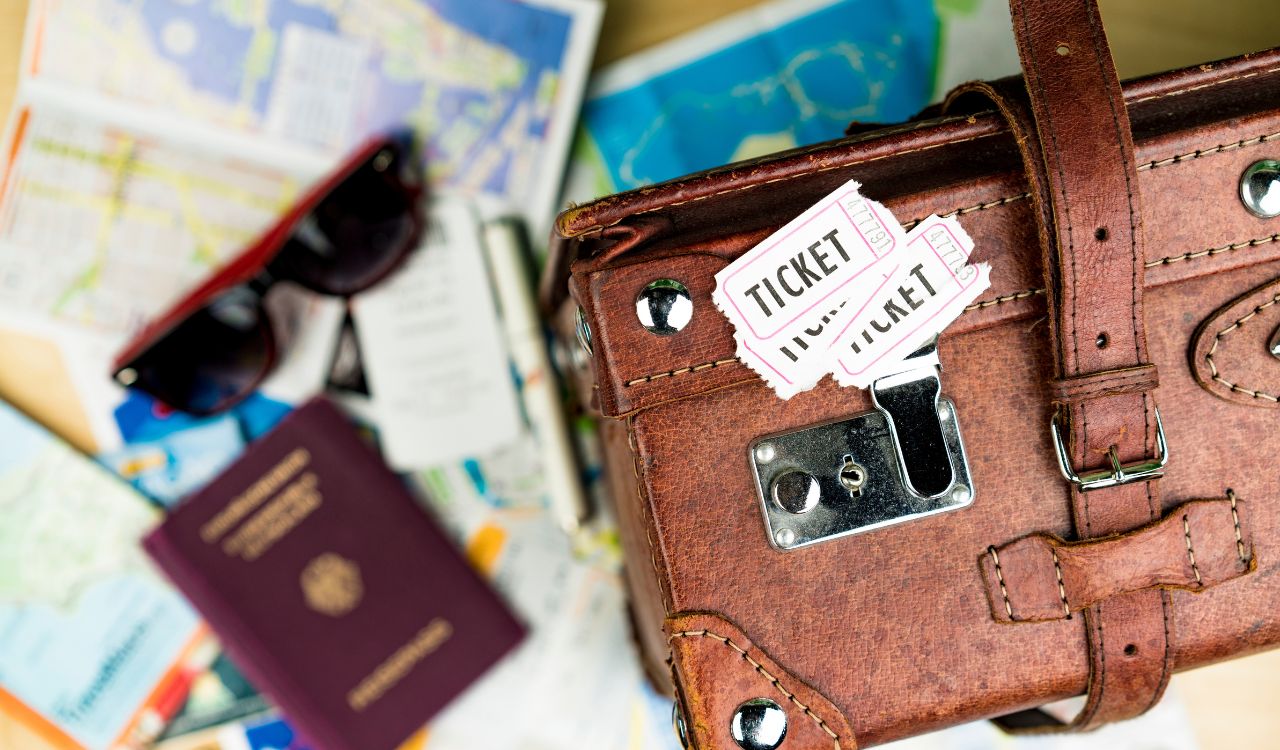
Severely bent, scratched, or detached covers are red flags for airlines. Roughly 38% of international airline staff cited extreme cover damage as grounds for extra scrutiny. A cover detached by 1–2 cm or more may impede passport scanning or handling at immigration. While minor wear is usually overlooked, significant damage increases the risk of being denied boarding. Airlines often advise replacement to prevent delays, lost stamps, or complications during entry inspections.
8. Evidence of Tampering

/Freepik
Passports showing tampering; like altered stamps, glued inserts, or manually corrected data—raise immediate concerns. Airlines take this seriously because it suggests potential fraud. A 2022 report indicated that 92% of airlines flagged tampered passports as non-boarding. Even minor changes to personal data, such as corrected addresses, can trigger alerts. Airline staff prioritize compliance with regulations, often refusing travel if tampering is detected to avoid legal liability at the destination.
9. Loose or Detached Pages
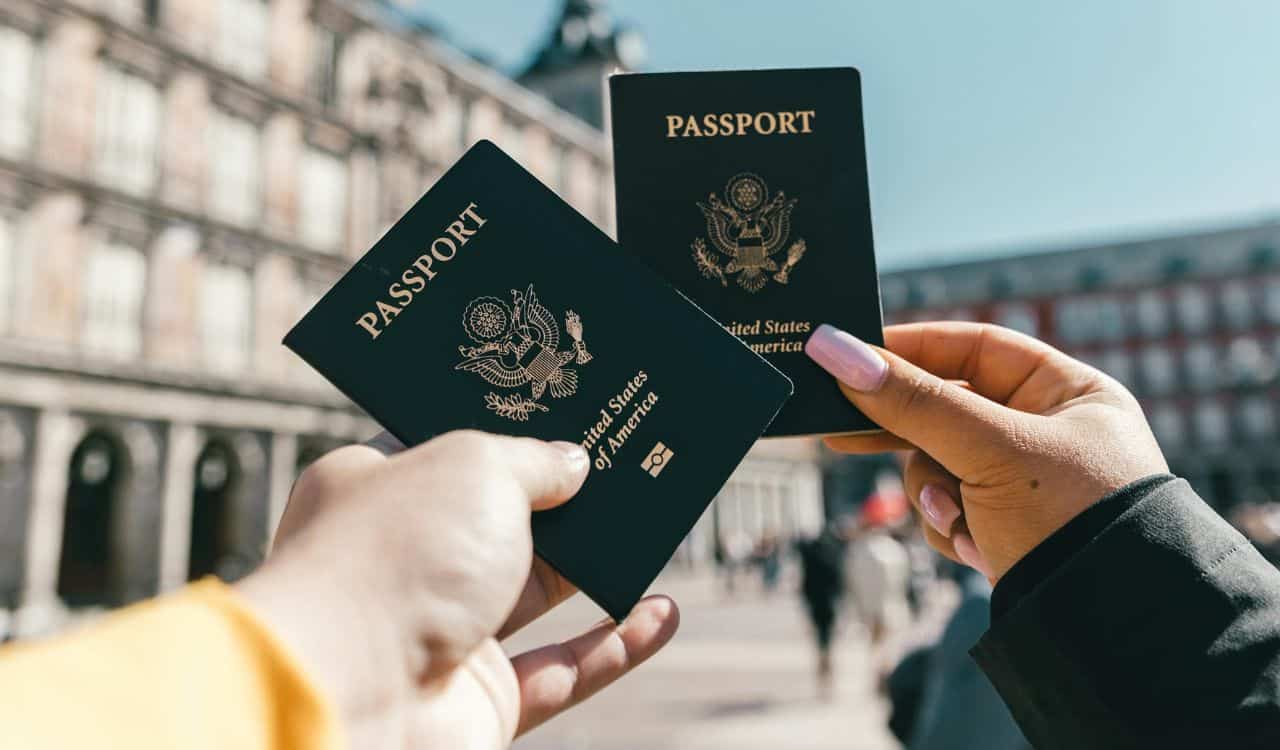
Pages that are loose or partially detached create risk for airlines, as critical visas or stamps can be lost. Airlines report that 61% of boarding issues stem from such structural problems. Detached pages may affect machine readability and cause entry denial at border control. Even if most pages remain intact, airlines often require passengers to replace passports before travel to avoid potential disputes at immigration or delays exceeding 30 minutes per check-in.
10. Burn or Smoke Damage
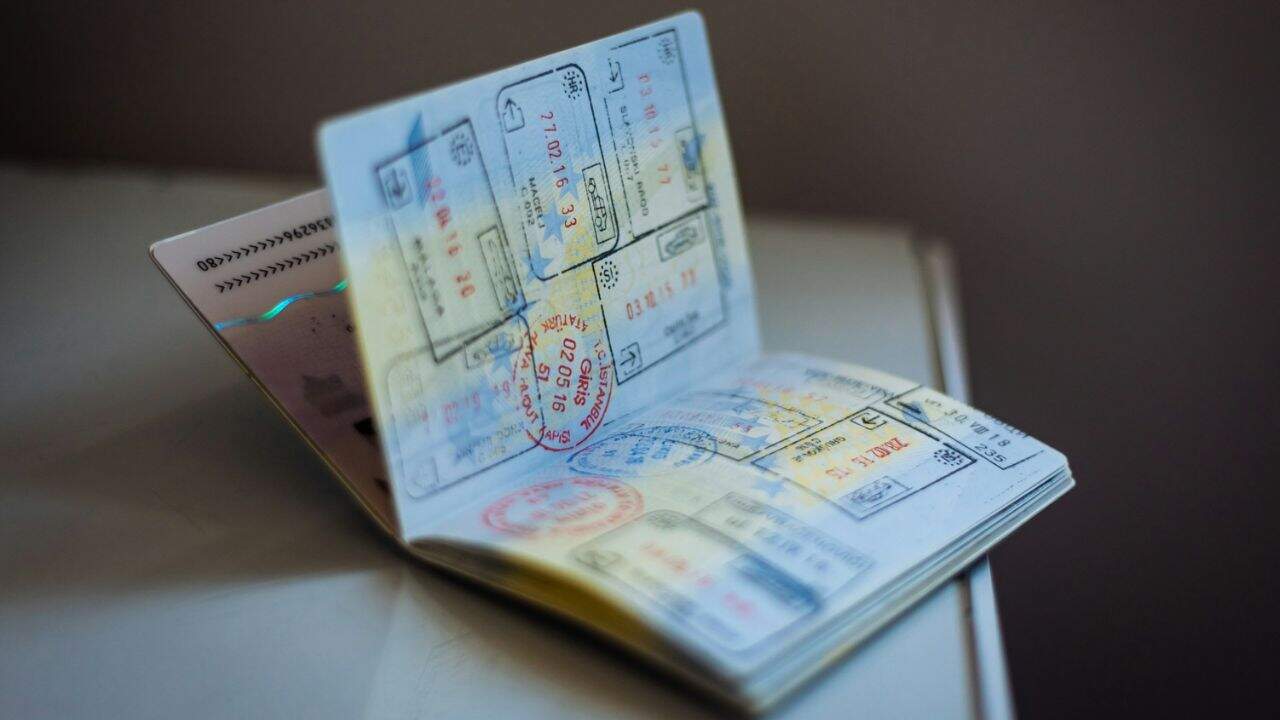
Passports exposed to fire or extreme heat suffer scorched edges, warped pages, or faded ink. Airlines consider this seriously because the MRZ may become unreadable. Data from a 2021 airline safety review indicated that 27% of damaged passports with burn marks led to denied boarding. Even minor smoke damage can prevent automated scanning, causing inspection delays. Travelers with burnt passports are generally required to secure replacements prior to international travel.