We may earn money or products from the companies mentioned in this post. This means if you click on the link and purchase the item, I will receive a small commission at no extra cost to you ... you're just helping re-supply our family's travel fund.
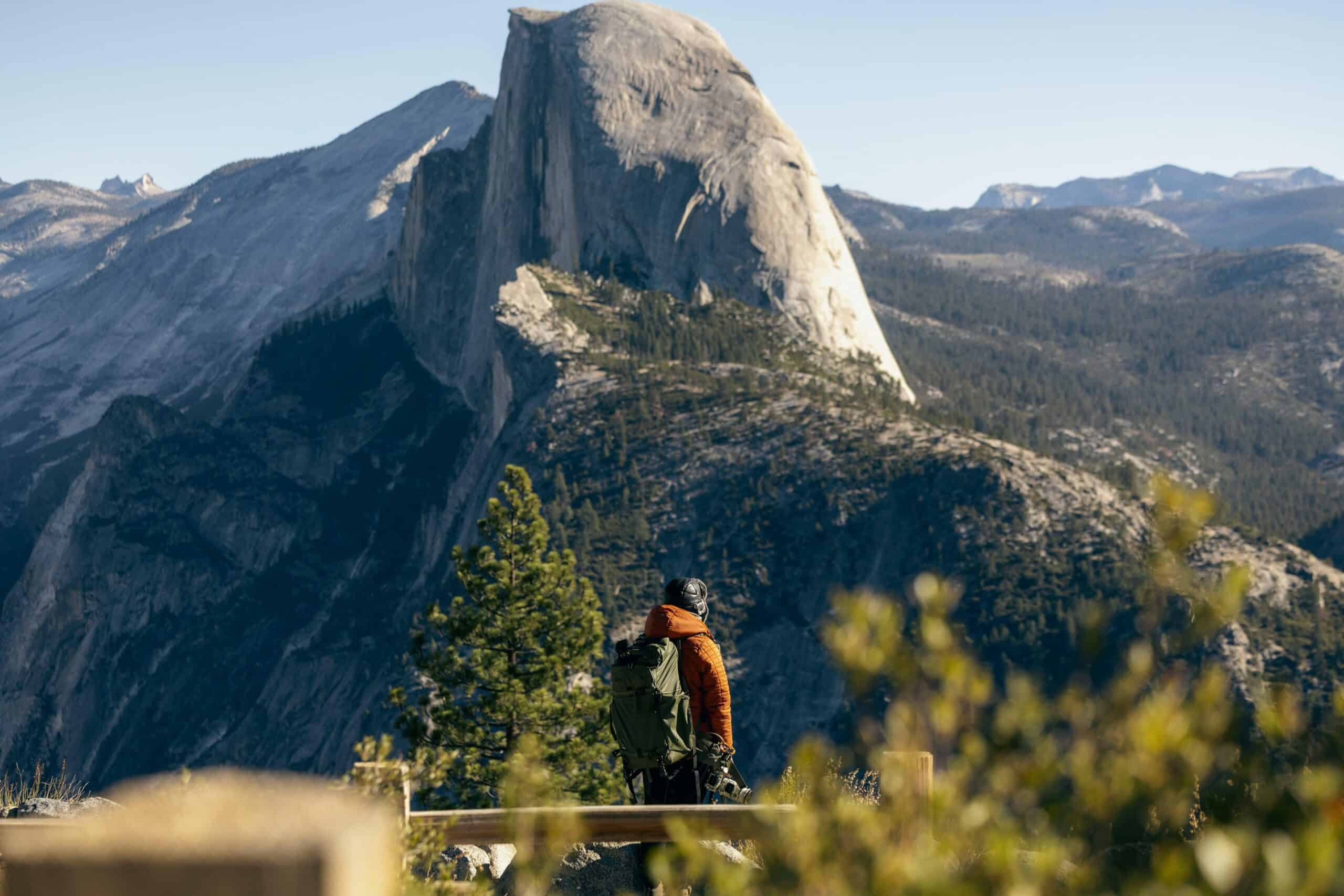
A park entrance fee is usually a small moment, a receipt and a wave through the booth, before the landscape takes over. Starting Jan. 1, 2026, that moment changes at 11 of the most visited national parks, where many non-US residents pay an extra $100 per person age 16 and older on top of the standard entrance fee. The annual pass also splits by residency, with a higher price for nonresidents. For international travelers, the shift quietly reshapes trip length, side tours, and the freedom to linger when the light turns perfect.
Yosemite National Park, California
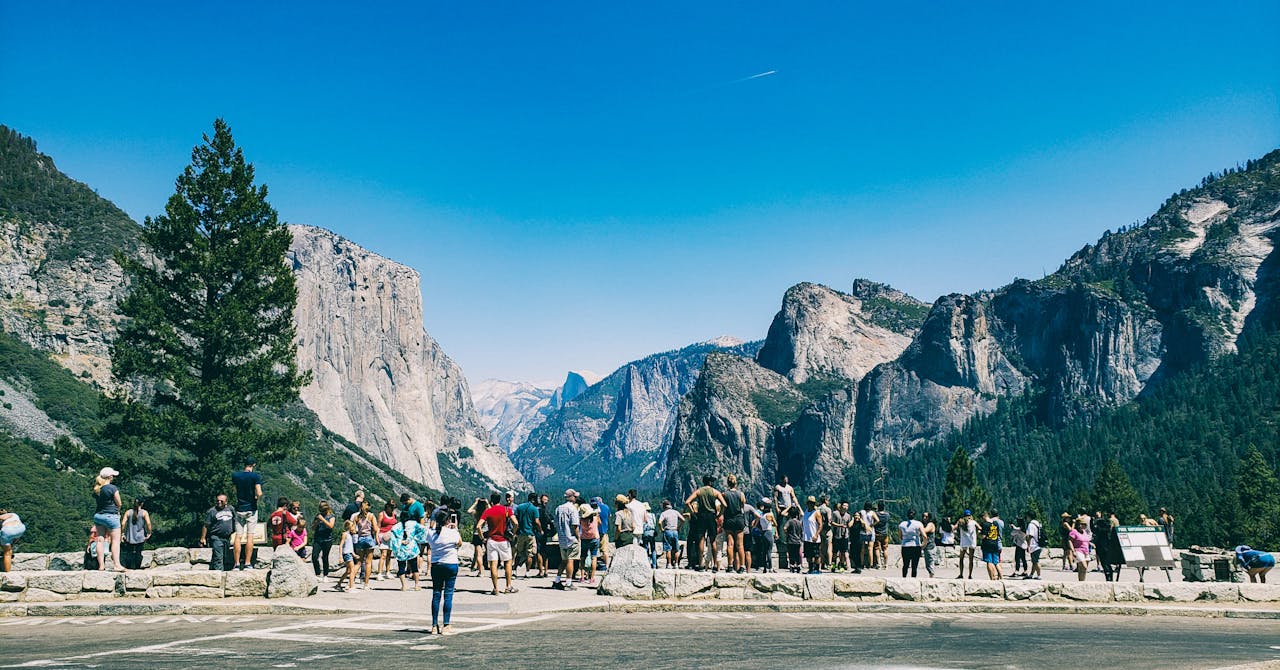
Yosemite already forces planning, and the nonresident pricing adds a blunt decision at the entrance station before granite even fills the windshield. Each non-US visitor age 16 and older pays the standard entrance fee plus $100, so an adult-heavy party can watch the total jump while also juggling reservations, scarce lodging, and expensive groceries in El Portal and Mariposa. To keep costs predictable, some tours compress into one Valley day and skip side stops like Mariposa Grove, while others buy the $250 nonresident annual pass to spread the hit across a longer Sierra itinerary with room for shuttles and sunset stops.
Yellowstone National Park, Wyoming, Montana, and Idaho
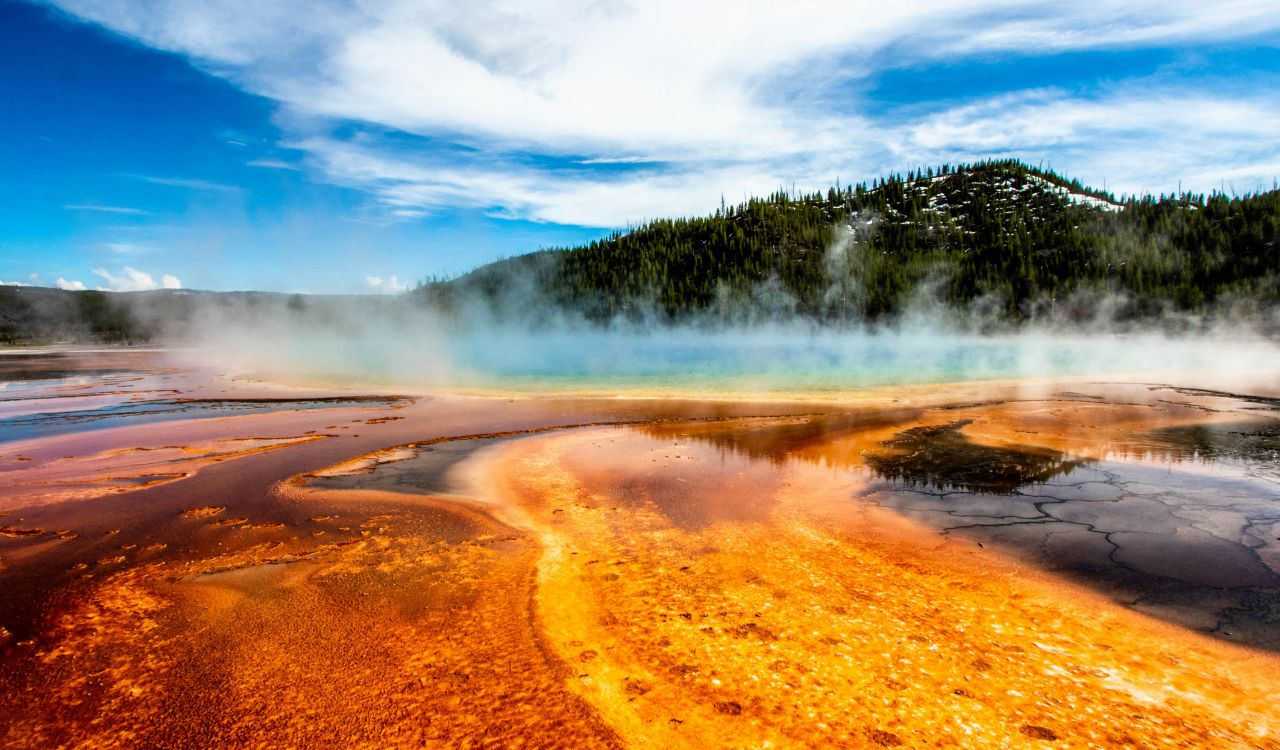
Yellowstone has always drawn global bucket-list travel, and the nonresident fee hits hardest when a party includes several adults. Four non-US visitors over 16 can add $400 in nonresident charges, on top of the park’s normal entrance fee, before any money goes toward lodges, guides, gas, or the long distances between geyser basins, canyon overlooks, and wildlife corridors. At entrances and in Old Faithful lots, the talk shifts to splitting vehicles, trimming days, or choosing the $250 nonresident annual pass so the trip can still cover a ranger program, a hot meal, and a quiet extra stop at Lamar Valley.
Grand Canyon National Park, Arizona
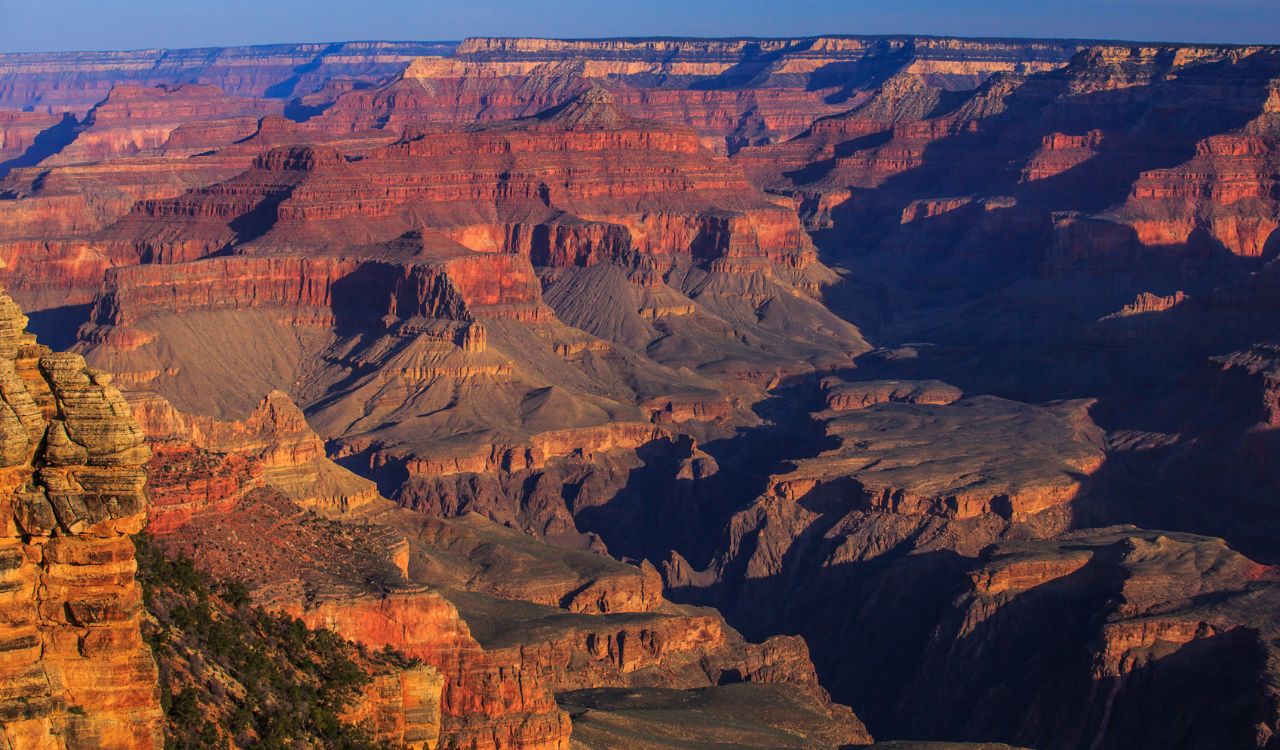
At the Grand Canyon, sunrise overlooks used to feel like a universal meeting point, with crowds arriving in waves and settling into the same hush. Now many international visitors begin with a steeper entry bill: the standard fee, plus $100 for each non-US resident age 16 and up, a change that stacks quickly for adult-heavy tours arriving from Las Vegas, Flagstaff, or Phoenix. The extra cost nudges some itineraries toward shorter stops, fewer shuttle loops, and less time in gateway towns, and it can squeeze out smaller choices like ranger programs, a museum stop, or a second rim viewpoint when the light shifts late.
Zion National Park, Utah
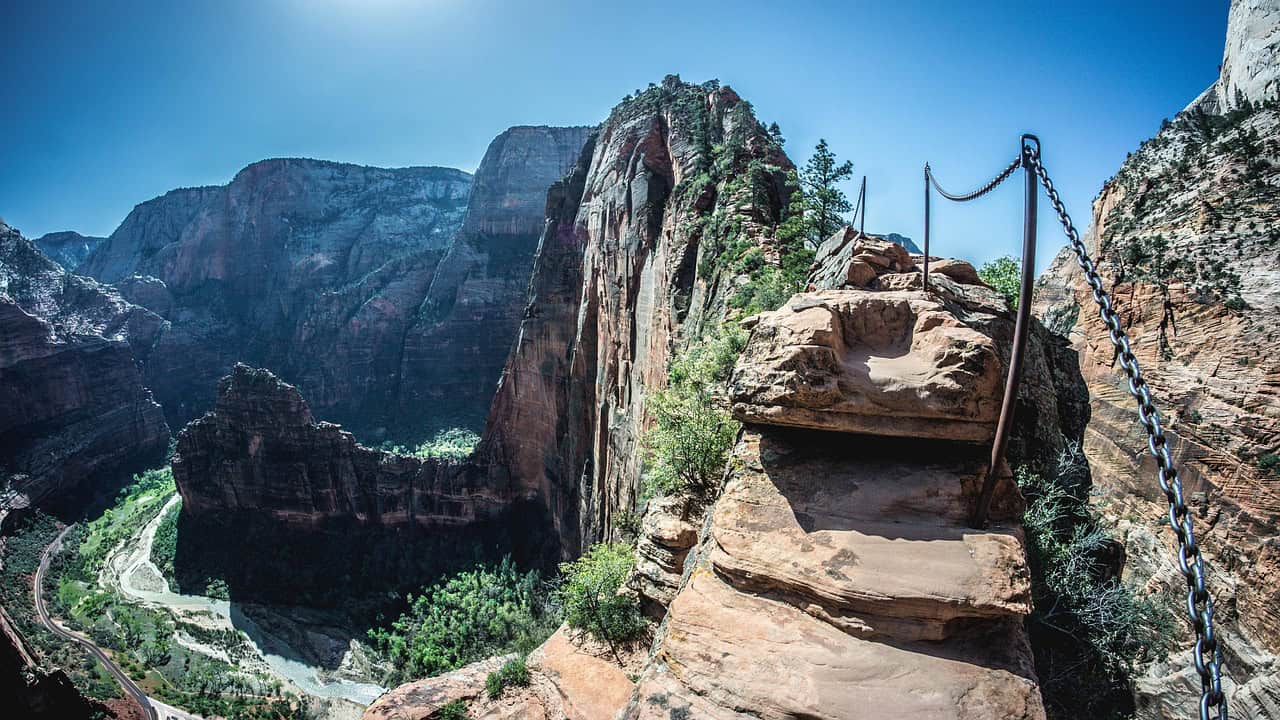
Zion already runs on timing, with shuttles, permit talk, and crowded trailheads that reward early starts and careful pacing. For non-US visitors, the standard entrance fee now pairs with a $100 charge for each person age 16 and older, turning a bus of adults into a major line item before anyone steps into the Narrows, books a guide, adds a second day, or pays for gear and dry bags. Some tours pivot to quick viewpoints and one canyon walk, leaving less room for Springdale dinners, side hikes, and the slower hours when cottonwoods glow, the river sound takes over, and the park feels less like a corridor.
Rocky Mountain National Park, Colorado
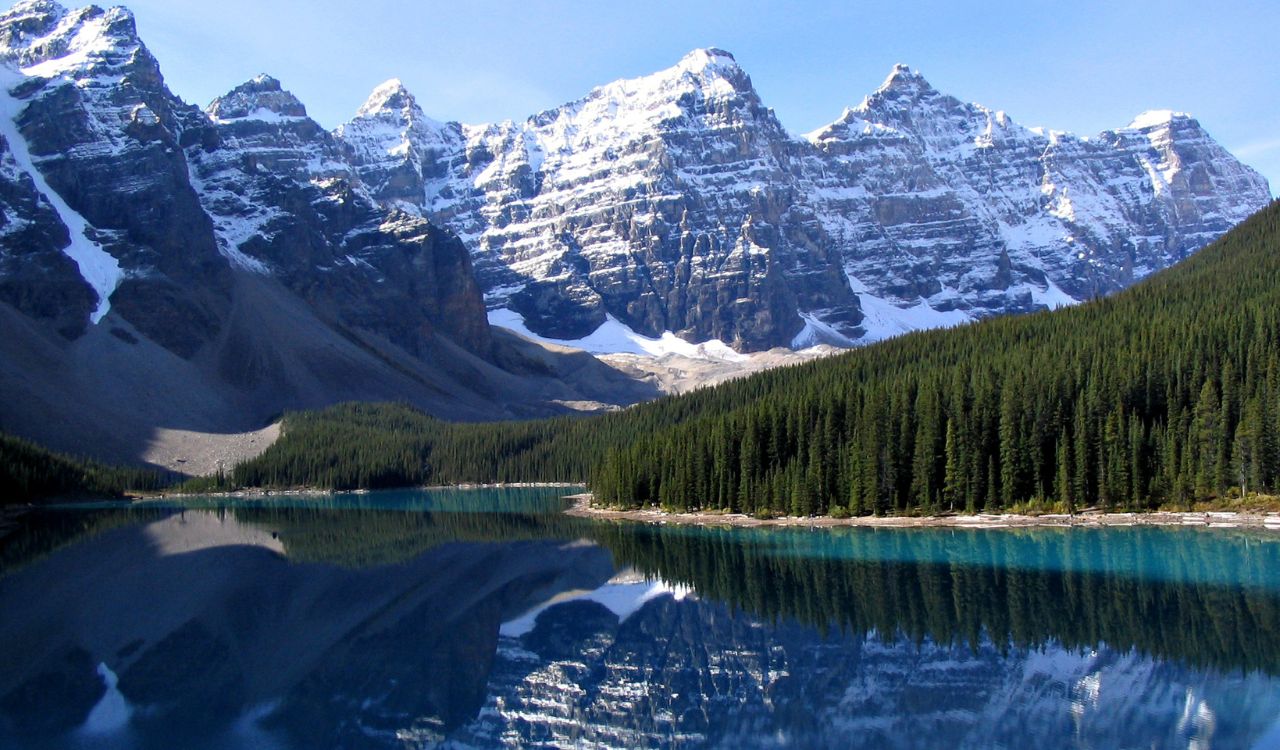
Rocky Mountain National Park is famous for timed-entry planning, and now international travel budgets get timed too. The $100 nonresident fee for each non-US visitor age 16 and older stacks on top of normal entrance costs, which can make a Trail Ridge Road day feel expensive once several adults are counted alongside parking, meals, traction gear, and altitude-stop extras. Group leaders often respond with fewer participants, more carpooling, and fewer spontaneous detours for dining or evening programs in Estes Park, even though the elk, tundra, and big-sky views still deliver without needing a schedule.
Glacier National Park, Montana
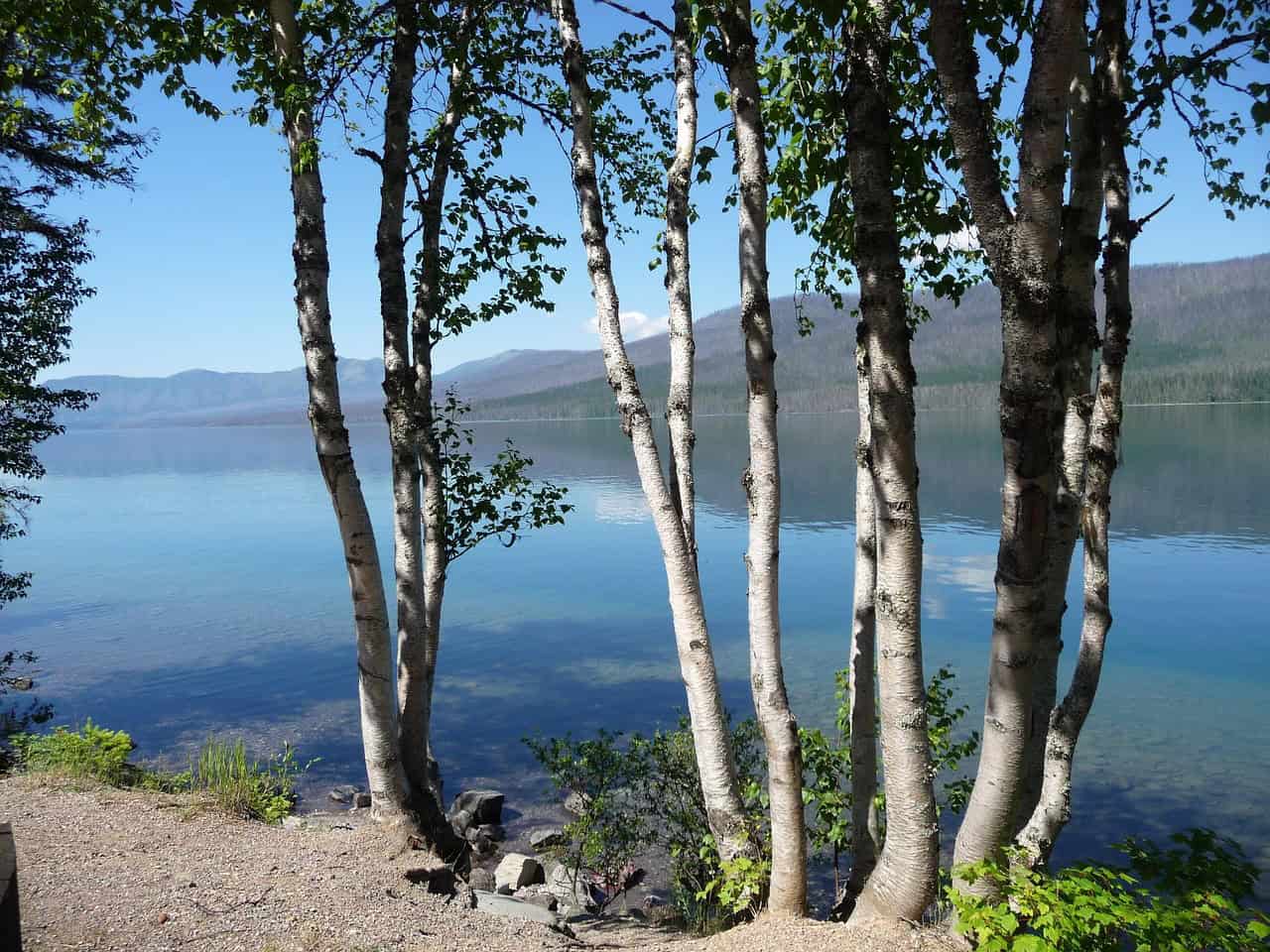
Glacier’s summer season already comes with early alarms, parking stress, and reservation rules, and the nonresident fee raises the stakes for long-haul visitors. With $100 added per non-US visitor age 16 and older, a multi-adult party can pay hundreds more at the gate, then still compete for Going-to-the-Sun Road access, tight lodging, and the short window when trails are clear of snow and smoke. Some tour schedules compress into one signature drive and a short hike, skipping boat rides, ranger talks, and extra valley days that used to be easy add-ons, which makes the whole visit feel more pre-scripted.
Acadia National Park, Maine
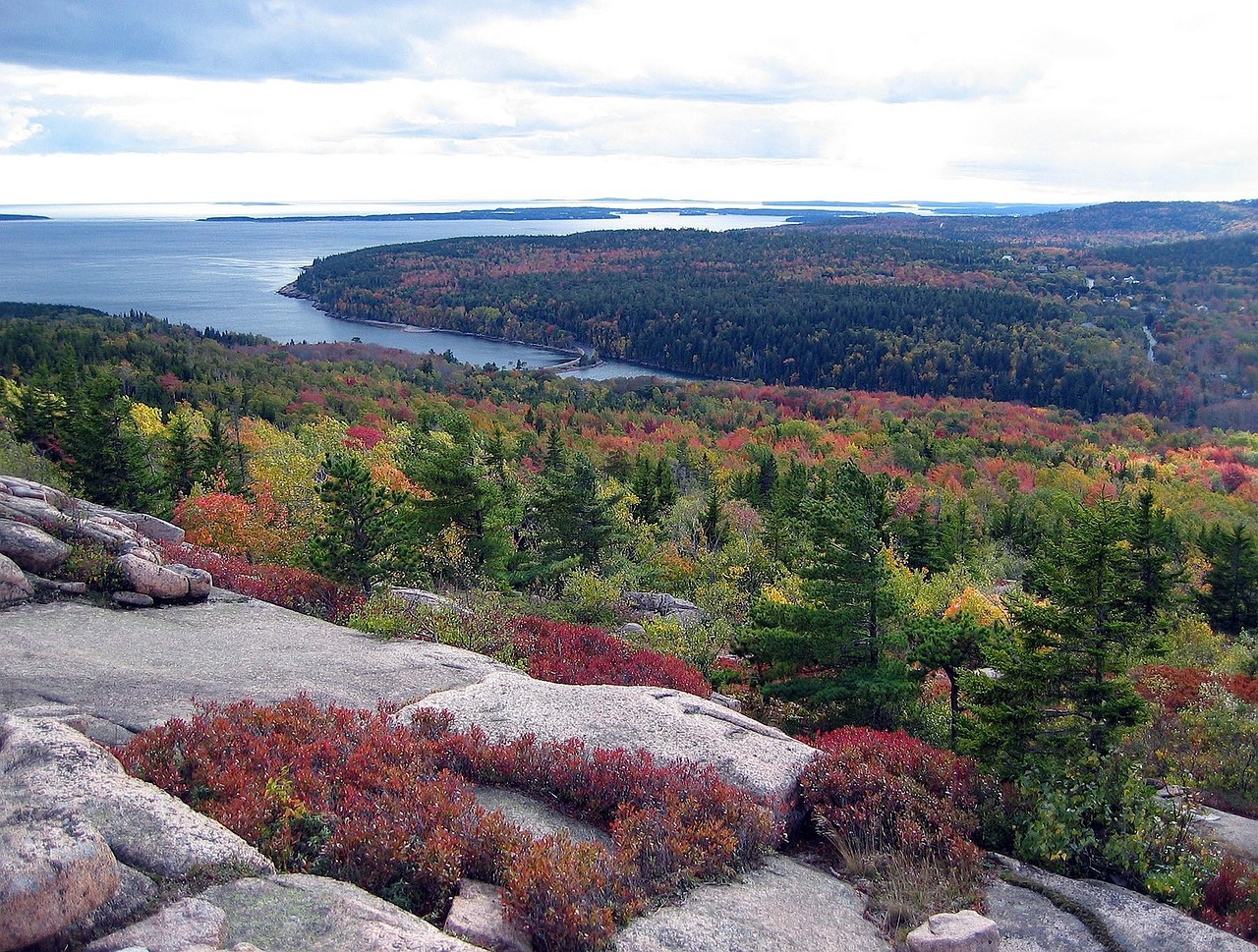
Acadia’s appeal is gentle: sea air, granite paths, and an early Cadillac Mountain morning that feels earned rather than staged. For many foreign visitors, entry now means the regular fee plus $100 for each non-US resident age 16 and older, a bump that matters in a park often paired with Boston or New York on tight itineraries, rental cars, hotel splits, and last-minute seafood plans. Trips tilt toward one concentrated day instead of a multi-day stay in Bar Harbor, so carriage roads, tide pools, and lobster shacks start to feel like quick highlights rather than the slow, repeating rituals Acadia rewards at sunrise and low tide.
Bryce Canyon National Park, Utah
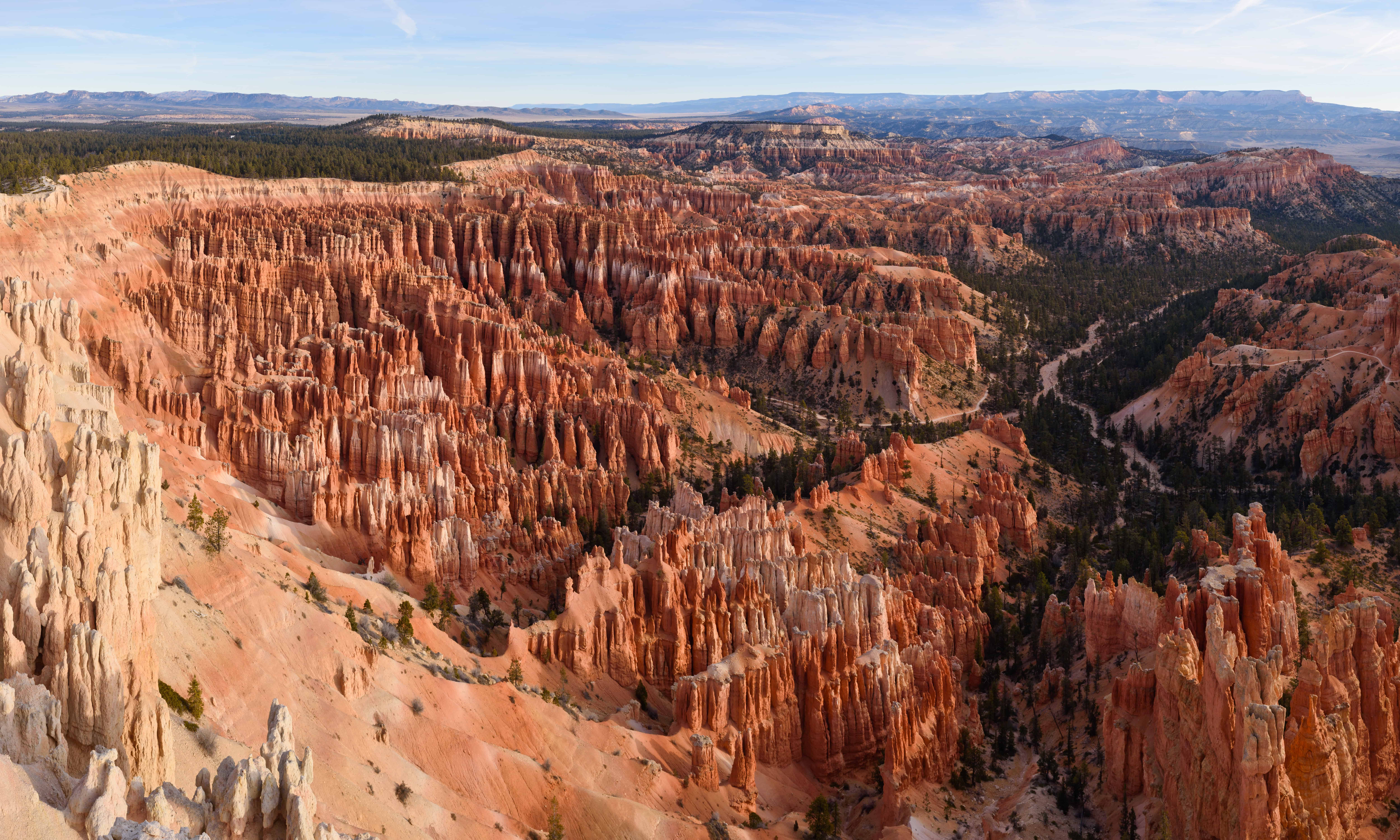
Bryce Canyon still delivers its shock of orange stone at sunrise, but international groups now arrive with a new headcount question: how many adults are 16 or older. Each qualifying non-US visitor adds $100 on top of the standard entrance fee, and that can make a simple rim stop feel unusually expensive once a tour’s adult count is tallied along with lodging in Tropic, shuttle timing, and fuel across long Utah distances. Some groups stick to viewpoints and short walks instead of hiking into the amphitheater, and the quiet below the rim, the part that changes people’s mood, becomes easier to miss when the clock tightens.
Everglades National Park, Florida
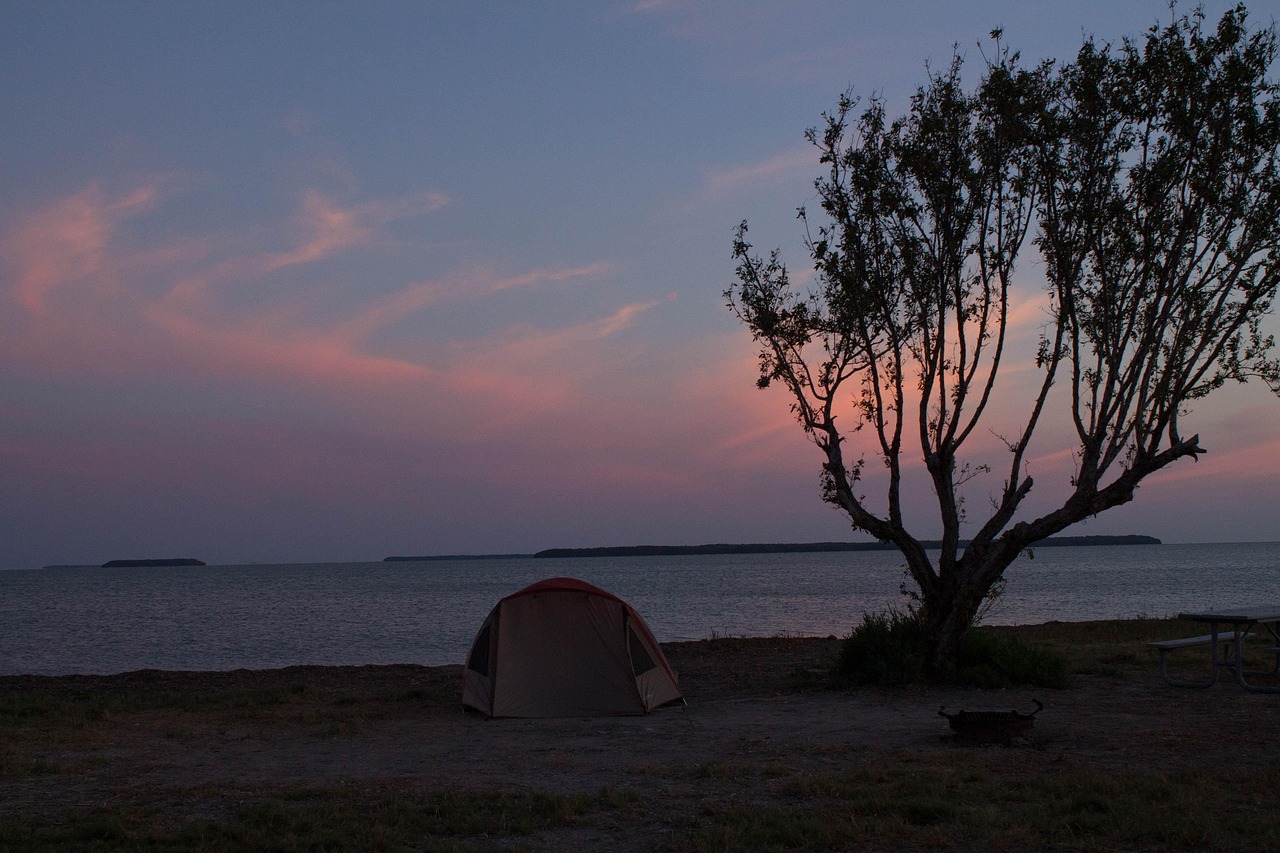
The Everglades asks for patience, because the best moments arrive slowly: a ripple in sawgrass, a sudden bird call, a gator that surfaces without drama. The nonresident policy adds $100 for each non-US visitor age 16 and older, on top of the regular entrance fee, and that extra spend can crowd out money for a guided wet walk, a boat tour, or a second district visit in the same weekend, when light and weather shift fast. The result is subtle but real, with fewer last-minute add-ons and more quick boardwalk loops, even as staff keep encouraging distance, listening, and letting the landscape reveal itself on its own time.
Grand Teton National Park, Wyoming
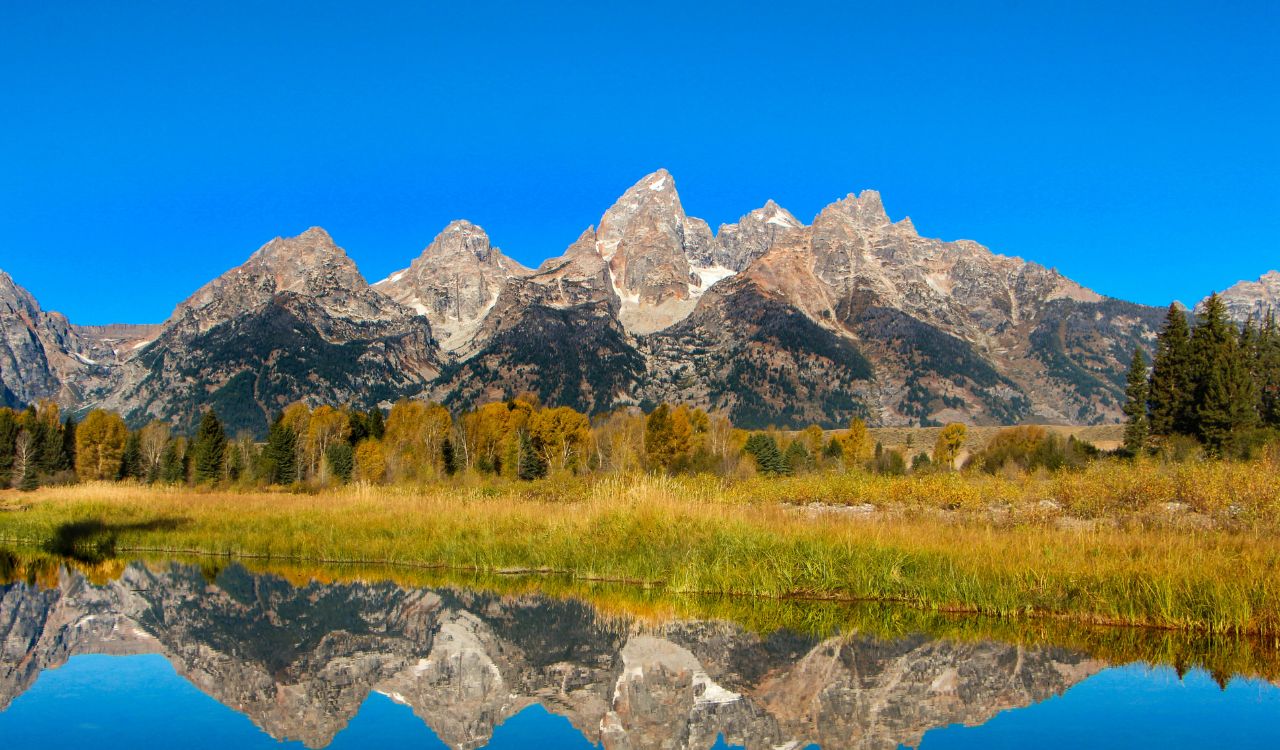
Grand Teton often feels like Yellowstone’s quieter counterpoint, a place where visitors exhale and watch the range turn pink at dusk. The new fee structure adds $100 for each non-US visitor age 16 and older, plus the standard entrance fee, and adult-heavy parties see the total jump fast before they even reach Jenny Lake, Mormon Row, or the Snake River overlooks. Some international tours treat the Tetons as a scenic drive rather than a base for hikes and lake days, so the mountains stay generous while the time spent with them can shrink into one carefully budgeted afternoon, with fewer chances to linger.